Blog

10 Tips for Buying Musical Equipment Online
Buying Musical Equipment online offers more choice than a single shop can display. It also asks you to judge an instrument or accessory through a screen. Product photos may hide worn frets, loose connectors, or a finish that looks different in daylight. A low price can be tempting. So can a glowing review. Neither tells the whole story.
These ten tips focus on checks that help buyers make informed decisions before paying. Compare the listed specifications with the manufacturer’s information, and confirm that the model and included accessories match your needs. For an instrument, consider scale length, weight, setup, and return options. For electronics, check compatibility, power requirements, and exactly which cables or adapters are included. Tiny details matter.
Seller reputation deserves careful attention, too. Read recent reviews for specific comments about packaging, communication, and how problems were handled. Check shipping costs, delivery estimates, warranty terms, and the return policy before placing an order. For used gear, ask for clear photos of wear and request details about repairs or missing parts. A seller’s answer—or lack of one—can offer useful context, though it cannot guarantee condition.
No checklist removes every uncertainty. I’d still hesitate over a purchase if key details were missing, even when the price looked unusually good. A little patience can prevent an expensive mismatch. Use the guidance ahead to compare options, ask better questions, and choose gear that fits your music, space, and budget.
Read more »
 By:Clara
- November 28, 2026

10 Best Musical Instrument Suppliers for Global Buyers
Choosing a Musical Instruments supplier is more than comparing prices. Global buyers must assess product quality, export experience, communication, and after-sales support. A polished catalog helps, but it cannot tell you how a guitar neck feels or whether a drum arrives safely packed. Details matter.
Duke Ellington’s often-quoted advice, “If it sounds good, it is good,” reminds buyers to look beyond specifications. Still, sound is only one measure. A school may need durable recorders and steady replenishment. A music retailer may prioritize broad choice, dependable lead times, and clear warranty terms. A professional player may care most about setup and consistency. Different needs. Different suppliers.
This guide presents 10 Musical Instruments suppliers for global buyers, with practical points for comparing their strengths. Look for transparent product information, responsive sales teams, and realistic delivery commitments. Ask about sample orders, packaging, and how defects are handled. These checks can reveal more than a large product range.
No supplier is perfect. Even strong companies may have limits in certain categories, regions, or order sizes. That part deserves attention, not excuses. Treat the list as a starting point, then verify current capabilities directly. A careful choice can reduce surprises—from a missed shipment to an instrument that needs unexpected adjustment.
Read more »
By:Clara
- November 28, 2026
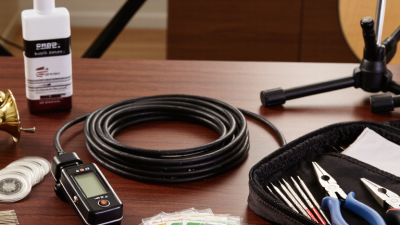
Top 10 Musical Instrument Accessories Every Musician Needs
Musical Instrument Accessories rarely attract the attention given to a new guitar, keyboard, or drum kit. Yet a missing cable, worn string, or unstable stand can interrupt a rehearsal in seconds. The right small essentials help musicians protect equipment, prepare reliably, and spend less time solving avoidable problems.
Industry data offers useful context, though it cannot decide what belongs in every musician’s bag. Grand View Research’s Musical Instruments Market Size, Share & Trends Analysis Report estimated the global musical-instrument market at $16.8 billion in 2022 and projected 6.3% annual growth from 2023 to 2030. That broad market includes instruments, not just accessories. The U.S. Bureau of Labor Statistics also projects 4% employment growth for musicians and singers from 2023 to 2033. More active music-making may mean more frequent equipment use, but it does not make every accessory essential.
Small things matter. This guide covers ten practical choices, from tuners and spare strings to cases, cables, and maintenance supplies. Each item earns its place through a clear job: keeping an instrument secure, helping performances run smoothly, or making practice easier. A clip-on tuner in a gig bag, for example, takes little space but can help check tuning between songs. Not every player needs every item. That is worth remembering. Instrument type, playing style, budget, and venue all change the list. Some recommendations may be less useful than they sound; choosing carefully is part of being prepared.
Read more »
By:Clara
- November 28, 2026