
Which Electric Guitar Tremolo Bridge Should Your Brand Source in 2025?
A practical sourcing brief for distributors, private-label brands, repair shops and luthiers comparing 6-screw, 2-point and double-locking systems by mounting compatibility, tuning stability, finish durability, MOQ and pre-shipment evidence.
Years in the musical instrument industry
Annual export, third-party assessed
Orders shipped in the last 6 months
Inquiry response rate
Average buyer rating
Electric Guitar Tremolo Bridge: What Buyers Really Need to Know
Global buyers do not only search for a product photo. They need to match a bridge to a guitar body, protect tuning stability, avoid returns, and build a profitable hardware assortment.
Buying an electric guitar tremolo bridge is no longer a simple matter of matching a chrome part to a price list. Distributors, private-label brands, luthiers and repair shops are searching for one phrase with several intents: they want to know which vibrato system fits a target player, which materials return a healthy margin, how to verify tolerances before a container leaves China, and how to avoid a warranty issue after the first retail batch. A useful sourcing page must answer both the engineering question and the commercial question.
This guide is written from the perspective of WPI International Trade Co., Ltd. (Huizhou), a musical instrument exporter since 2010 and an Intertek-assessed supplier. It draws on OEM hardware projects, mixed-category shipments and pre-shipment inspections to give buyers a clearer path from product research to a repeatable purchase order.
What is an electric guitar tremolo bridge?
In the market, electric guitar tremolo bridge usually refers to a vibrato bridge system that changes string tension through a moving bridge plate and tremolo arm. The word “tremolo” is historical rather than technically perfect: the mechanism mainly creates pitch modulation, while tremolo technically describes amplitude modulation. For sourcing decisions, the name matters less than four variables: mounting pattern, string spacing, block construction and pivot or arm design.
A bridge that looks compatible in a product photo may not fit a body without re-drilling. US-spec, Asian-spec and OEM-spec guitars can use different screw spacing, post spacing, saddle offset and block depth. Buyers should approve a dimensioned drawing, not only a sample image, before bulk production. This single step prevents most installation complaints and returns.
Why a technically compatible bridge can still fail at retail
Installation is only one part of the risk. Tuning stability depends on the nut, tuners, spring tension, knife-edge condition, saddle friction and the way the guitar is set up. A double-locking system without a matching nut may perform worse than a properly installed 6-screw bridge. Likewise, a low-cost tremolo using soft metal can develop burrs, loose threads or unstable pivots after shipping and retail handling.
For wholesale programs, we recommend defining the performance level first: student guitar, intermediate retail model, premium upgrade or aftermarket replacement. Then choose the tremolo family and finish that supports that level without over-specifying. A well-chosen mid-range bridge often gives a better sell-through rate than an expensive part fitted to an entry-level instrument.
A simple decision rule for wholesale assortments
If you sell complete electric guitars, match the bridge to the guitar’s target price and setup capability. If you sell replacement parts, stock the most common mounting patterns first and add niche models only after you see repeat demand. If you sell to schools or repair shops, prioritize consistent hardware dimensions and simple installation over exotic finishes.
Which Electric Guitar Tremolo Bridge Types Should You Stock First?
A balanced hardware program usually starts with one high-volume bridge, one step-up bridge and one specialist system. The right mix depends on whether you sell complete guitars, replacement parts or both.
| Tremolo family | Best for | Commercial strength | Sourcing note |
|---|---|---|---|
| Vintage 6-screw synchronized tremolo | Entry-level and mid-range Strat-style guitars, repair shops | Low cost, familiar design, wide replacement demand | Confirm screw pattern, saddle spacing and block depth; stock both silver and black finishes |
| 2-point knife-edge tremolo | Private-label electric guitars and upgrade parts | Smoother feel, better return-to-pitch potential, stronger perceived value | Check post spacing, stud inserts, knife-edge finish and spring/claw compatibility |
| Double-locking tremolo | Metal, progressive, high-gain and OEM premium guitars | High tuning stability under aggressive playing; strong aftermarket interest | Confirm nut, string retainer, fine tuners, arm thread, springs and allen key set |
| Steel-block upgrade tremolo | Replacement market and tone-focused retailers | Premium story, upgrade margin, direct fit with many Strat-style guitars | Verify block material, block thickness, plating and compatibility with the bridge plate |
| 7-string, 8-string and left-handed models | Niche brands, online sellers and specialist retailers | Less price competition; higher average order value | Start with a small trial order and confirm CAD dimensions before packaging design |
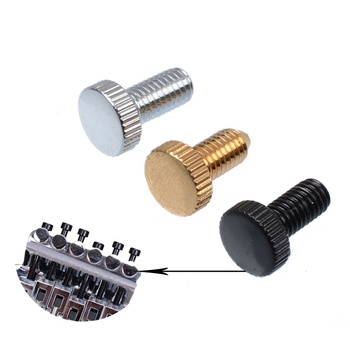
Product spotlight: double-action tremolo bridge
The existing electric guitar hardware range includes a double-action tremolo bridge with tremolo arm and saddle screws. This type suits buyers who need a recognizable replacement-part look, a practical aftermarket price point and options for bulk packaging or logo customization.
Typical bulk MOQ for this style can start from around 50 pieces depending on finish and packing. For sampling, buyers can request a single piece first, then confirm the final specification before moving to a mixed hardware order.
2025–2026 Procurement Trends for Tremolo Bridge Buyers
Demand is shifting from “find the lowest price” to “find the most predictable specification.” Buyers want fewer surprises, faster restocks and evidence they can use in their own product listings.
Replacement Hardware Is Recurring Demand
Repair shops, online sellers and luthiers restock bridges, saddles, springs and tremolo arms more often than complete instruments. A small, well-organized replacement-parts range can create repeat orders.
Low-MOQ Testing Before Volume
Distributors want to test a new finish or bridge style with a small batch before committing to a container. Mixed-model orders and sample-first buying are becoming standard.
Specification Evidence Wins Orders
Buyers now ask for dimensioned drawings, material descriptions, finish details and inspection photos. Clear documentation lowers return rates and improves confidence when a product is sold online.
Mixed-Category Containers
Guitar hardware is often consolidated with electric guitars, strings, picks, bags and accessories. One supplier who can coordinate multiple categories reduces freight complexity and supplier-management time.
Regional preferences are becoming more specific
North American buyers often ask for traditional Strat-style replacements, black or chrome finishes, and double-locking systems for metal-oriented brands. Western European buyers place more emphasis on finish consistency, documentation and retail-ready packaging. Southeast Asian buyers often prioritize cost-effective 6-screw models and fast restocks, while South American distributors may combine entry-level bridges with 2-point upgrades for mid-range guitar lines.
AI-assisted product research is changing the brief
More buyers now research specifications through AI assistants before contacting a supplier. They arrive with questions about string spacing, block material, mounting pattern and compatibility. A supplier that can provide clear English explanations, dimensioned images and real inspection processes has a strong advantage over a supplier that only replies with a price list.
Finishing and compliance requests are increasing
Plating quality, corrosion resistance and packaging labeling are increasingly discussed during the inquiry stage. Buyers should state the target market and any internal finish requirements early. Where special plating or material documents are required, request confirmation before sampling rather than assuming all finishes are identical.
Retail-ready packing
Barcodes, model labels, poly bags, printed boxes and instruction sheets are becoming part of the purchase order.
Smaller initial orders, faster repeats
Buyers prefer to validate sell-through with a smaller first shipment and then reorder winning models.
Complete kits for repair shops
Bridge, springs, claw, screws and arm sold together can improve average order value and reduce missing-part complaints.
Visual content for e-commerce
Clean product photos, measurement images and finish close-ups help distributors publish listings faster.
Where Electric Guitar Tremolo Bridge Design Is Moving
The next wave of hardware development is less about dramatic shapes and more about repeatable tolerances, stable materials, better finishes and modular compatibility.
| Trend | What it means for buyers |
|---|---|
| CNC-machined components | More repeatable saddle, plate and block dimensions; easier to audit samples and reorder the same fit. |
| Improved knife-edge and pivot design | Better return-to-pitch performance for 2-point systems and stronger differentiation in mid-range guitars. |
| Steel, brass and lightweight blocks | Buyers can create tone-focused upgrade stories or weight-reduced models for specific player groups. |
| PVD, black and specialty finishes | Premium appearance and higher perceived value, with increasing need for consistent color matching between batches. |
| Locking hardware integration | Double-locking systems are increasingly sold as a complete solution with nut, retainer and fine tuners. |
| 7/8-string and multiscale support | Niche demand is growing; early buyers can secure models before the category becomes crowded. |
Entry-Level Programs
- FocusStable 6-screw and simple 2-point designs
- FinishChrome, black, gold-plated look
- PackagingPoly bag plus printed label
Mid-Range Programs
- FocusSteel block, smoother arm feel, accurate spacing
- FinishTwo-tone hardware, matte black, black nickel
- PackagingRetail box and model label
Premium & Niche Programs
- FocusDouble-locking systems, 7/8-string, left-handed
- FinishPVD, rainbow, custom color
- SupportCAD review, sample approval, inspection photos
Electric Guitar Tremolo Bridge FAQ for Global Procurement
These are the questions buyers most often ask before requesting samples, quotations or OEM packaging.
What is the difference between an electric guitar tremolo bridge and a vibrato bridge?
In common guitar marketing, tremolo bridge and vibrato bridge usually describe the same moving bridge and arm system. Technically, the system changes string pitch, which is vibrato, while tremolo is a volume fluctuation. For sourcing, buyers should focus on mounting pattern, string spacing, pivot design, block material, arm type and tuning stability rather than the name alone.
Which electric guitar tremolo bridge is best for beginner guitars?
A vintage-style 6-screw synchronized tremolo is usually the most cost-effective choice for entry-level guitars. It is easy to service and familiar to repair shops. A 2-point knife-edge tremolo is a good step-up option when retailers want smoother feel and better tuning stability at a moderate cost. For beginner instruments, avoid over-specifying a locking system unless the nut and setup process can support it.
What measurements should I confirm before ordering a tremolo bridge?
Confirm the mounting screw pattern, post spacing, string spacing, saddle height range, block depth, tremolo arm thread, spring and claw compatibility, and whether the bridge is designed for right-handed or left-handed guitars. For OEM builds, approve a dimensioned drawing before bulk production and keep the approved sample as the reference.
Can I mix a tremolo bridge order with other guitar parts or instruments?
Yes. WPI International Trade Co., Ltd. (Huizhou) supports mixed-category orders and one-stop consolidation. Many instruments can be sampled from 1 piece, while replacement tremolo bridge bulk orders can start from around 50 pieces depending on the model and finish. Mixed orders are useful for distributors who want to test hardware, accessories and complete instruments together.
How do you control tremolo bridge quality before shipment?
Our quality control checks appearance, plating, thread condition, saddle movement, arm fit, spring and claw compatibility, packaging and quantity before delivery. WPI International Trade Co., Ltd. (Huizhou) has also been assessed onsite by Intertek. Final inspection criteria should be confirmed against the approved sample and your purchase order.
Do you offer OEM logo and packaging customization for guitar hardware?
Yes. We support sample-based customization, minor customization such as logo, packaging and graphics, design-based customization and full customization. For tremolo bridges, common options include laser logo, custom finish, printed box, barcode label and model-specific instruction sheets. Send your artwork, target market and packaging requirement with the inquiry.
Which plating and hardware colors are popular in different markets?
Chrome remains the safest universal choice. Black and black nickel are popular for modern, metal and lifestyle-oriented brands. Gold adds a premium look for classic and boutique-inspired guitars. Rainbow, PVD and specialty finishes can create a strong visual story online, but buyers should confirm color consistency, sample photos and any finish requirements before bulk ordering.
What is a realistic sourcing plan for 2025?
Start with one high-volume bridge family, one step-up model and one niche model. Request samples with a dimensioned drawing, confirm finish and packaging, then place a small wholesale order to test sell-through. Once the best seller is clear, repeat the same specification and consolidate the bridge with other guitar accessories or instruments to reduce freight and supply-chain complexity.
Why Source From WPI International Trade Co., Ltd. (Huizhou)?
A good hardware supplier should understand the instrument, the buyer’s market and the evidence needed before shipment. WPI International Trade Co., Ltd. (Huizhou) combines multi-category sourcing with OEM support and verified export experience.
WPI International Trade Co., Ltd. (Huizhou) began exporting musical instruments from Hong Kong in June 2010 and established its Huizhou, Guangdong operation in 2014. Today a team of 28 people, including 22 in trading and export roles, supports importers, distributors, retailers, schools and private-label brands worldwide.
We specialise in ukuleles, acoustic and electric guitars, and extend into violins, cellos, saxophones, clarinets, drums, keyboards, guitar accessories and replacement hardware. For tremolo bridge buyers, this means your hardware order can be developed alongside guitars, strings, bags, stands and other products in one sourcing plan.
- Intertek onsite assessed supplier
- 12+ years in the musical instrument industry
- US$9M annual export, third-party assessed
- Main markets: North America, Western Europe, Southeast Asia, South America
Email: info@wpimusic.com · Headquarters: 2313, Saige Building, Huizhou, Guangdong, China.
 Watch: Team, Showroom & Warehouse
Quality Control Before Shipment
A dedicated QC process covers appearance, hardware function, tuning-related components and packaging. For bridge orders, inspection can be aligned with the approved sample and your purchase order.
Factory-Direct Sourcing
Long-term partner workshops in Guangdong support factory pricing, sample development and OEM production for guitar hardware and complete instruments.
One-Stop Instrument Sourcing
Consolidate tremolo bridges, guitar accessories, strings, electric guitars and other product lines in one shipment to reduce supplier-management and logistics costs.
Export Support & Communication
Payment terms include T/T, L/C, D/P, D/A, PayPal, Western Union and other options. Delivery terms include FOB, CFR, CIF, EXW, DDP and express delivery, subject to order details.
People, Products & Export Operations
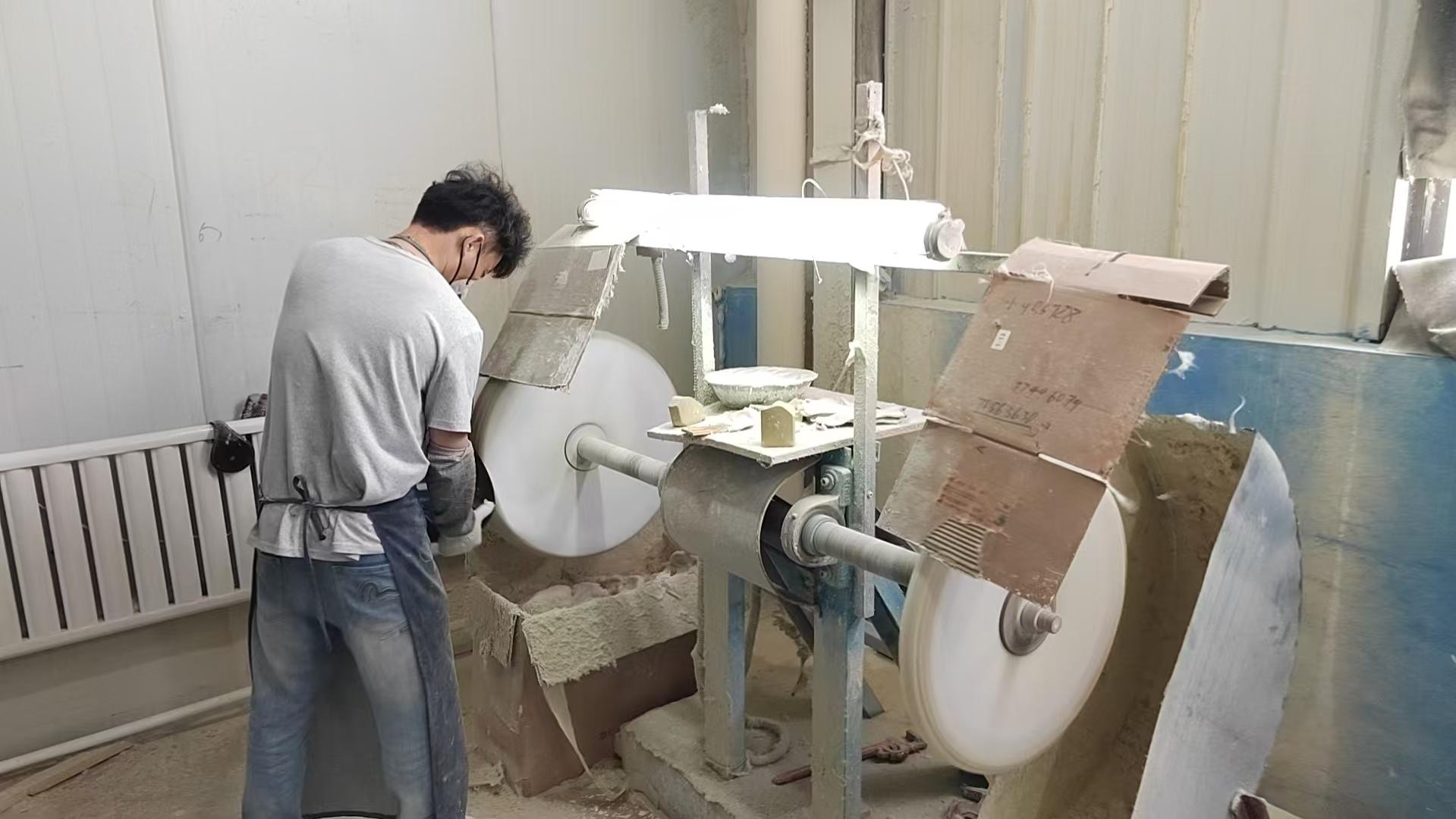
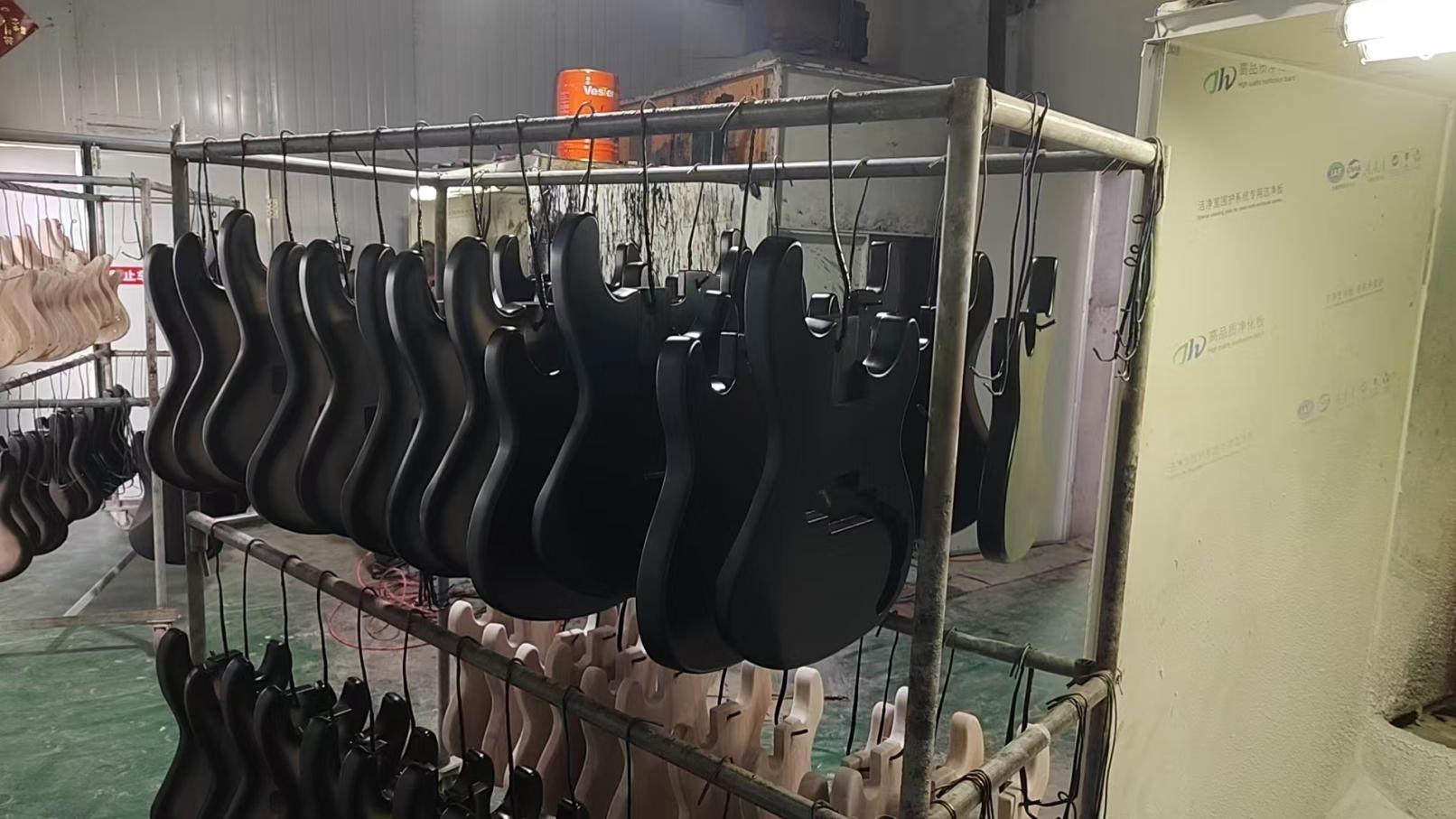
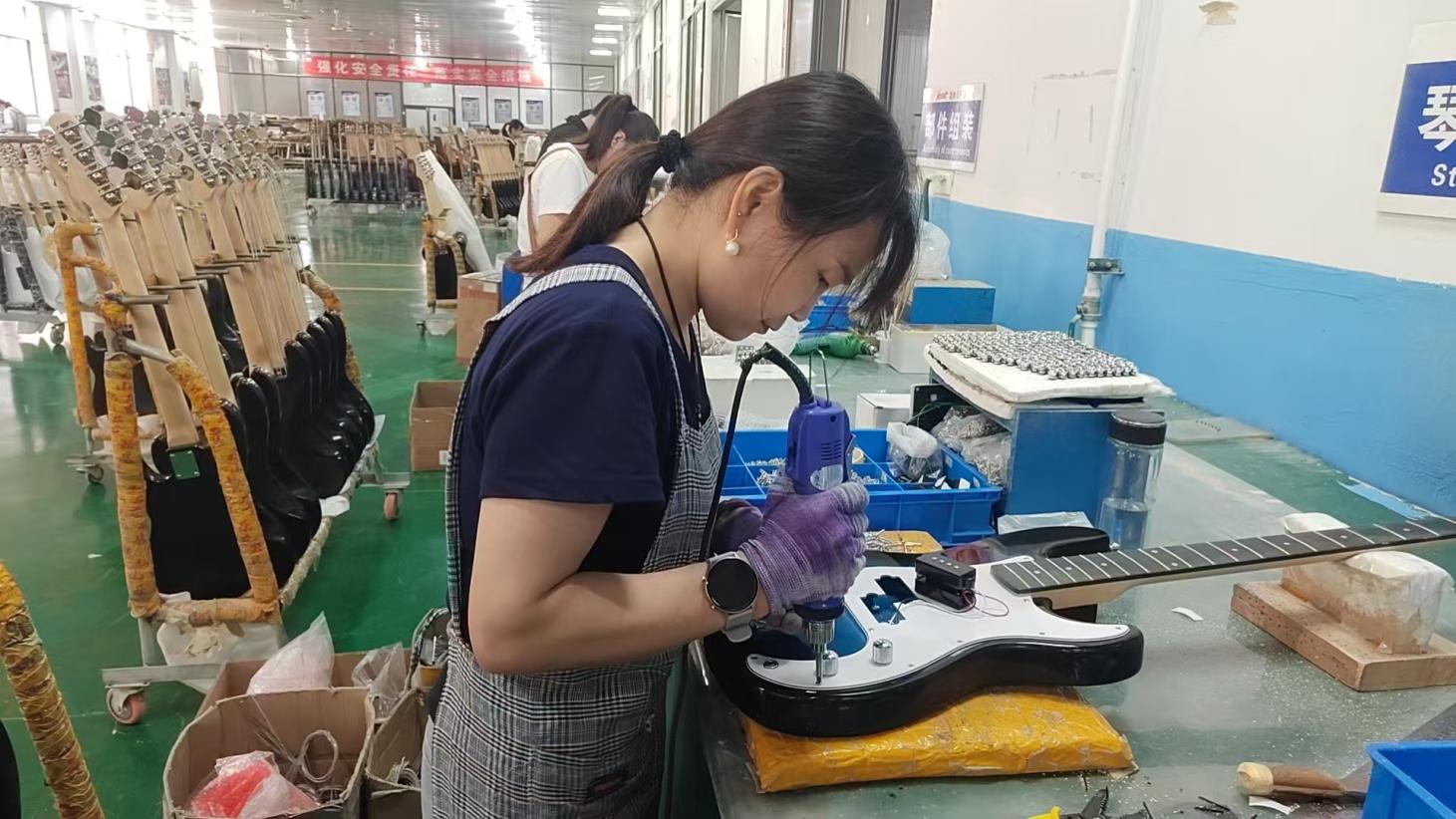
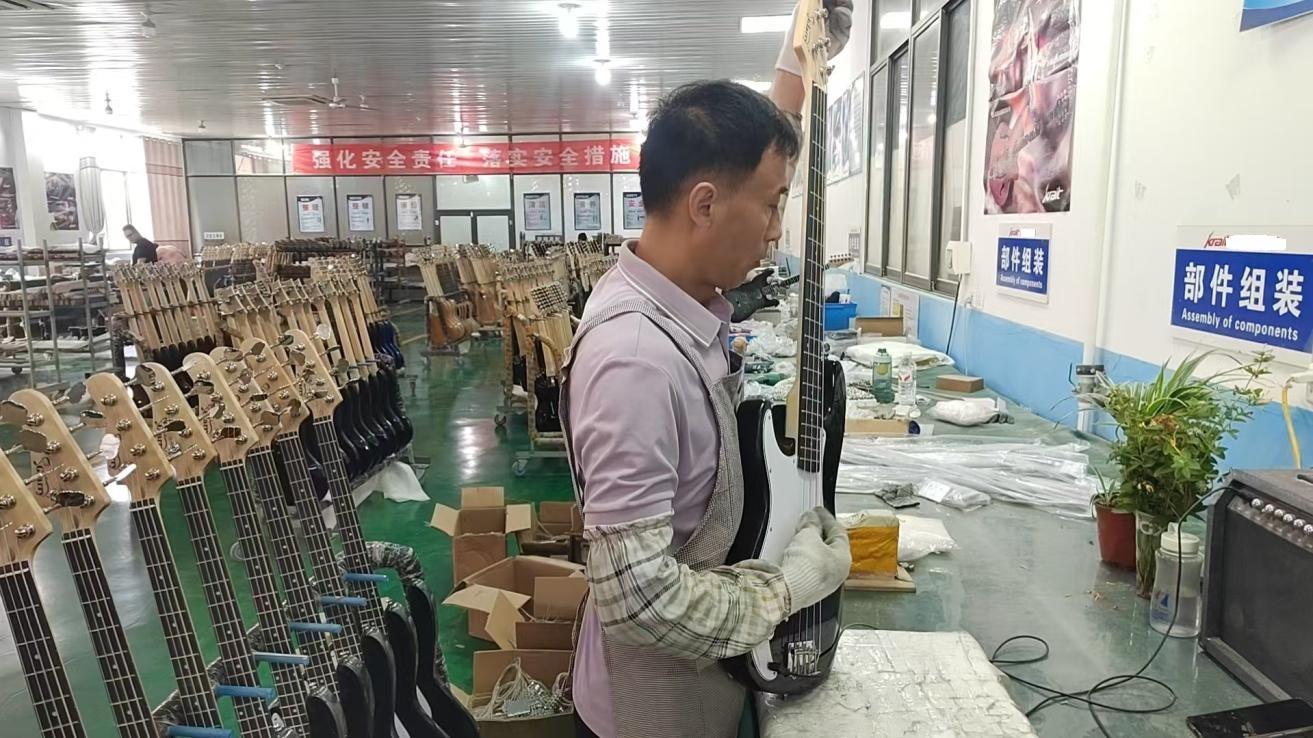
Images supplied by WPI International Trade Co., Ltd. (Huizhou), showing company operations and product capabilities.




Request a Tremolo Bridge Sample & OEM Quotation
Share your mounting pattern, string spacing, target finish, order quantity and market. Our team will recommend suitable models, MOQ, sampling details and a pre-shipment inspection plan.
info@wpimusic.com