info@wpimusic.com
Onsite Assessed by Intertek Exporting to 4 Major Regions
Wholesale E-flat alto saxophone collection for global music retailers
Global Buyer Intelligence · 2025

E-flat Alto Saxophone Wholesale Sourcing Guide

Product recommendations, procurement trends, development insights and buyer FAQs for distributors, schools, retailers and private-label brands.

WPI International Trade Co., Ltd. (Huizhou) musical instrument export support
OEM · Low MOQ · Inspected Before Shipment

Build a Buyer-Ready Woodwind Range

Source E-flat alto saxophones with finish options, custom engraving, case and accessory programmes, and export documentation support.

12+

Years in the musical instrument industry

US$9M

Annual export value, third-party assessed

952

Orders shipped in the last 6 months

97.73%

Inquiry response rate

4.6/5

Average buyer rating

Semantic Search & Buyer Intent Mining

E-flat Alto Saxophone: A High-Intent Wholesale Product for Global Buyers

The E-flat alto saxophone is one of the most searched saxophone categories among music retailers, school-band suppliers, distributors and private-label brands. The reason is practical: the alto sax sits at the centre of beginner and intermediate wind-band programmes, yet it also has a clear upgrade path into silver-plated, black-nickel, engraved and professional configurations. For buyers, the keyword “E-flat alto saxophone” is not a single search intent. It may mean a student outfit for a school tender, a low-MOQ test order for an online store, a private-label model with a custom engraving, or a replacement neck and pad set for an after-sales programme.

Because the instrument is transposing, a written C on an E-flat alto saxophone sounds as an E-flat. It sounds a major sixth lower than written, which is why band directors specify it separately from the B-flat tenor and B-flat soprano saxophones. Buyers who understand this detail can ask better sourcing questions: Is the neck a standard taper? Are the pads sealed? Does the case protect the keywork during container shipping? Are spare pads, springs, corks and mouthpieces available? These are the questions behind most AI and search queries from procurement teams, and they are the questions this guide answers.

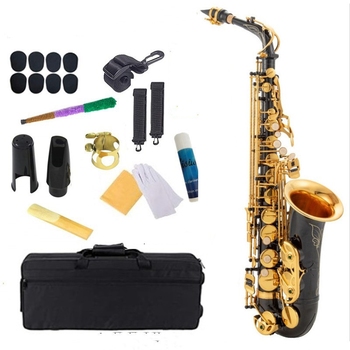
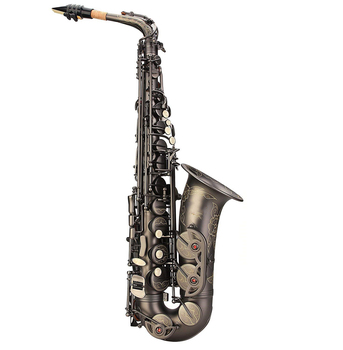
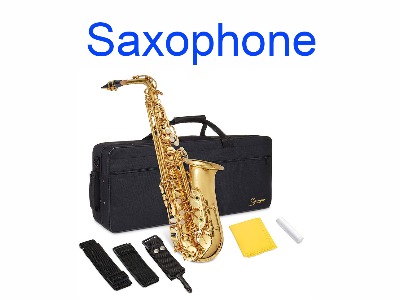
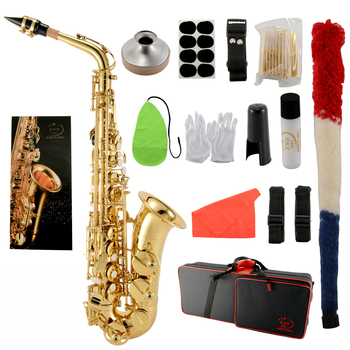
Quick answer: For most wholesale buyers, the safest first order is a gold-lacquer E-flat alto saxophone outfit with case, mouthpiece, ligature, cap, neck strap and reed. Add one silver-plated or black-nickel finish for visual differentiation, then validate pad sealing, key action, neck fit, intonation and case protection before scaling. Confirm MOQ, OEM options and spare-parts support before you commit to a private-label programme.

This page is written for importers, distributors, retailers, schools and brand owners who need an information-rich buying reference rather than a generic product listing. It combines product recommendations, future procurement trends, product development trends, a practical inspection checklist, company credentials and buyer FAQs. All recommendations are presented by WPI International Trade Co., Ltd. (Huizhou), a musical instrument exporter that has worked with global buyers since 2010.
Procurement Outlook

Global buyers are shifting from single-model bulk orders to more flexible, data-supported and after-sales-ready purchasing programmes.

1. Low-MOQ Testing and Mixed Containers

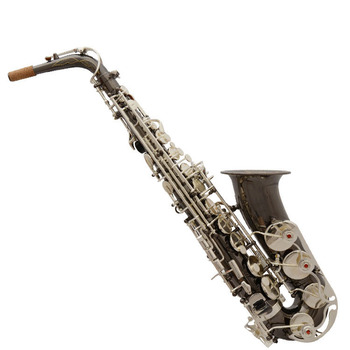
Retailers and online sellers increasingly test multiple finishes before committing to large volumes. Low-MOQ sampling and mixed-category containers help buyers reduce inventory risk while still achieving efficient freight. A test order can include gold-lacquer student models, one silver-plated option and a black-nickel display model.

2. School-Tender and Institutional Compliance

School programmes and education suppliers need predictable specifications, consistent accessories and documentation. Procurement teams increasingly compare pad sealing, key action, neck fit, case protection and spare-parts availability rather than price alone. Buyers should request inspection records and confirm packing standards before tender delivery.

3. Private-Label Differentiation

Brand owners want more than a logo on a case. They are asking for custom engraving, finish selection, mouthpiece options, packaging design and product photography. This trend favours suppliers that can support sample-based customization and consistent repeat production, not only catalogue sales.

4. After-Sales Parts and Service Planning

As installed bases of student saxophones grow, distributors need spare pads, springs, corks, necks, mouthpieces and cases. Future procurement contracts are more likely to include accessory bundles and replacement parts alongside finished instruments, reducing downtime for repair shops and school music departments.

5. Traceable Quality and Third-Party Assessment

Buyers increasingly verify suppliers through onsite assessments, trade history, transaction levels and inspection records. A supplier assessed by Intertek and able to document finished-product inspection has an advantage when buyers compare risk, not only unit price.

6. Regional Demand Shifts and Product Fit

North America and Western Europe continue to demand student outfits and replacement accessories, while Southeast Asia and South America show opportunities for school programmes and retail expansion. Buyers should match finish, accessory set and price point to local teaching styles and purchasing power.

Procurement takeaway

A future-ready E-flat alto saxophone order should combine a reliable student core, differentiated finishes for display, spare-parts support and documented quality checks. This is more resilient than a single low-price model with no after-sales plan.

Product Development Trends

Product development in the E-flat alto saxophone category is moving toward better playability, more consistent quality, stronger visual differentiation and easier after-sales support. Buyers who understand these trends can write more precise briefs and compare samples with greater confidence.

1. Improved Pad Sealing and Key Ergonomics

For student instruments, pad sealing and key action are more important than decorative details. Future development focuses on stable pad seating, comfortable spring tension, quiet key movement and reliable regulation. These improvements reduce beginner frustration and lower the risk of returns for retailers and schools.

2. Neck and Bore Consistency

The neck fit and bore consistency affect intonation, response and overall playing feel. Buyers should ask how the neck taper, receiver and mouthpiece fit are controlled during production. Consistent dimensions make it easier to supply replacement necks and mouthpieces across repeat orders.

3. Finish Options and Custom Engraving

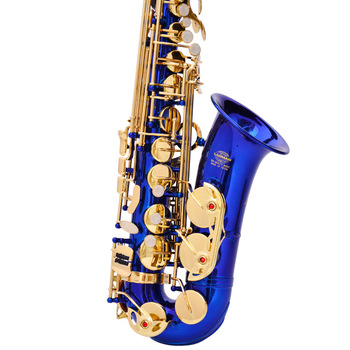
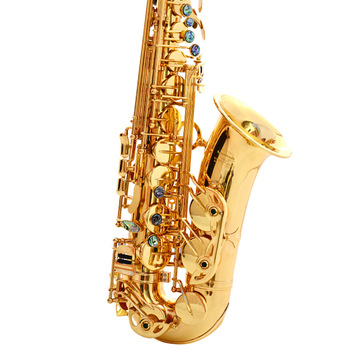
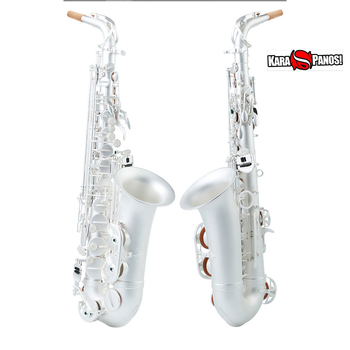
Gold lacquer remains the mainstream choice, but silver plating, black nickel, matte finishes and custom colours are increasingly used for market differentiation. Engraving and key pearls can lift perceived value, especially for private-label and gift-oriented channels. The finish should be chosen for durability and after-sales feasibility, not only appearance.

4. Case Design and Ready-to-Sell Outfits

A saxophone is often sold as an outfit. Case protection, zipper quality, shoulder straps, mouthpiece compartments and accessory storage influence buyer confidence. Development is moving toward compact but protective cases that can survive export packing and retail handling, with consistent accessory sets for schools and online sellers.

5. Synthetic Reeds and Digital Learning Accessories

Synthetic reeds, cleaning tools, stand lights, metronomes and digital learning materials are increasingly bundled with beginner saxophones. These accessories can raise average order value and improve the buyer experience, but they must be selected carefully to avoid inconsistent quality or confusing product listings.

6. Repairability and Spare-Parts Availability

Distributors and repair shops value instruments that can be serviced efficiently. Future product planning should include spare pads, springs, corks, thumb hooks, neck screws and mouthpiece components. A supplier that can support spare parts is more valuable than one that only sells finished instruments.

WPI International Trade Co., Ltd. (Huizhou) supports sample-based customization, minor customization such as logo and packaging, design-based customization and full customization. Buyers can discuss finish, engraving, accessories, cases and private-label details based on target market and order volume.

Buyer’s Quality Guide

E-flat Alto Saxophone Sourcing and Inspection Checklist

Use this checklist when comparing samples, approving pre-production models and planning finished-product inspection.

Wholesale E-flat Alto Saxophone Inspection Points
CheckpointWhat to ConfirmWhy It Matters
Key ActionAll keys move freely; springs return smoothly; no binding or excessive noise.Affects playability, beginner progress and return rates.
Pad SealingPads close evenly around the tone holes; no leaks; pad surfaces are clean.Leaks cause intonation and response problems.
Neck FitNeck inserts securely; receiver is smooth; mouthpiece fits without wobble.Supports tuning stability and safe operation.
Finish QualityLacquer, plating or black nickel is even; engraving is clear; no sharp edges.Affects perceived value and product presentation.
Case and AccessoriesCase protects keys and neck; mouthpiece, ligature, cap, strap and reed are complete.Buyers often sell the saxophone as an outfit.
Tuning and ResponseSample checks cover low, middle and upper registers; response is even.Helps ensure the model suits its intended player level.
Spare PartsPads, springs, corks and neck screws can be quoted separately.Improves after-sales support for distributors and repair shops.
Packing StandardsInner protection, export carton, label and moisture protection meet buyer requirements.Reduces transit damage and retail complaints.

Market Positioning

  • School / educationGold lacquer student outfit · stable key action
  • Retail / onlineGold, silver, black nickel · strong image set
  • Private labelCustom finish, engraving, case and packaging

Common Buyer Questions

  • Included?Case, mouthpiece, ligature, cap, strap, reed
  • Customizable?Logo, finish, engraving, case, packaging
  • Spare parts?Pads, springs, corks, necks, mouthpieces

Sampling Review

  • Play testCheck low Bb to upper register
  • Leak checkInspect pad seating and key closure
  • Shipping testReview case and export carton protection
E-E-A-T · Experience · Expertise · Authority · Trust

Why Buy E-flat Alto Saxophones from WPI International Trade Co., Ltd. (Huizhou)

Buyers need a supplier that can combine product knowledge, export experience, verified credentials and practical after-sales support.

Verified Experience

WPI International Trade Co., Ltd. (Huizhou) has worked in musical instrument export since 2010, with the Huizhou operation established in 2014.

Multi-Category Supply

Buyers can combine E-flat alto saxophones with clarinets, guitars, ukuleles, violins, drums, keyboards and accessories in one sourcing programme.

OEM and ODM Support

Third-party assessed capabilities include sample-based customization, logo and packaging changes, design-based customization and full customization.

Inspection and Logistics

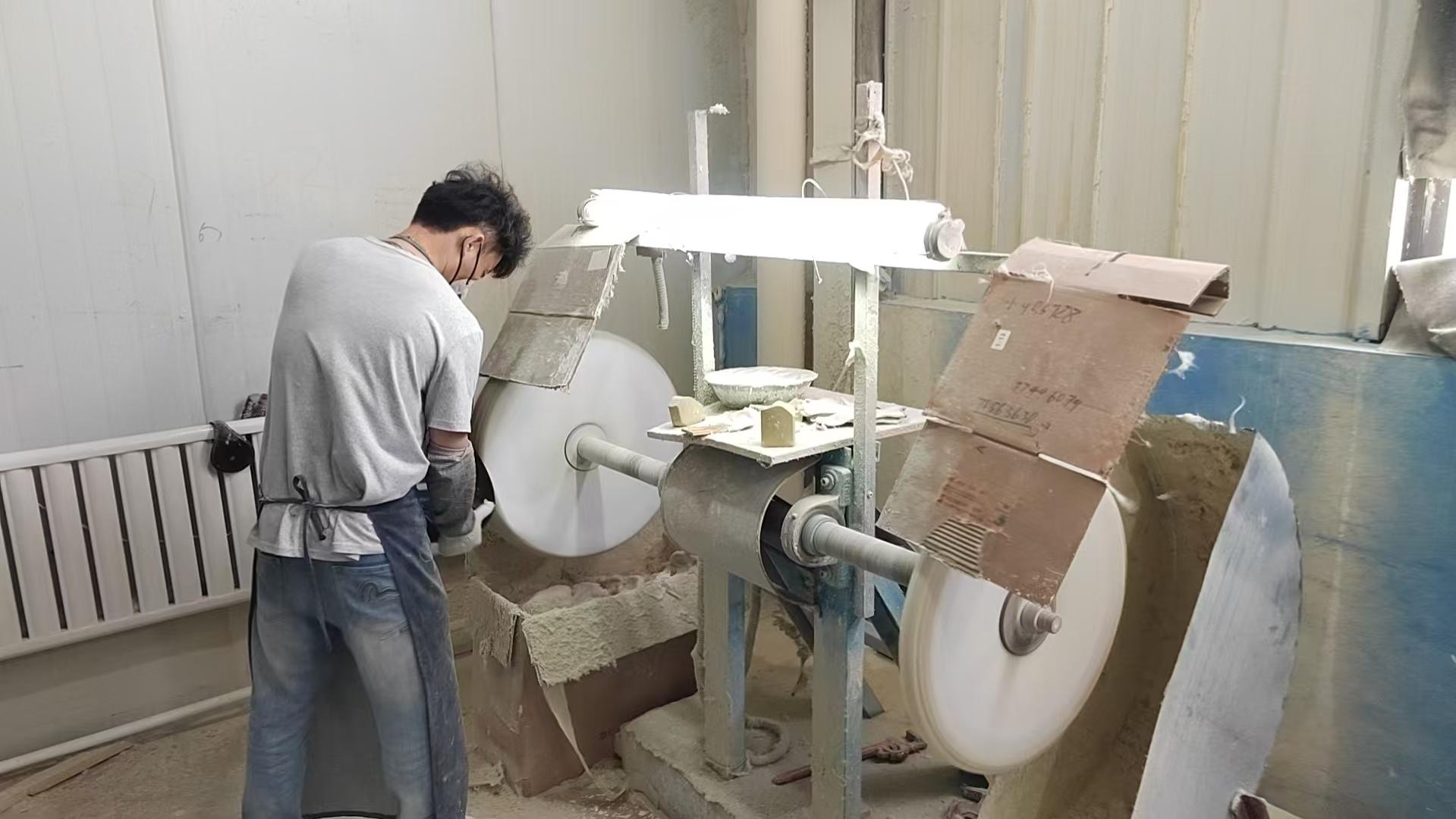
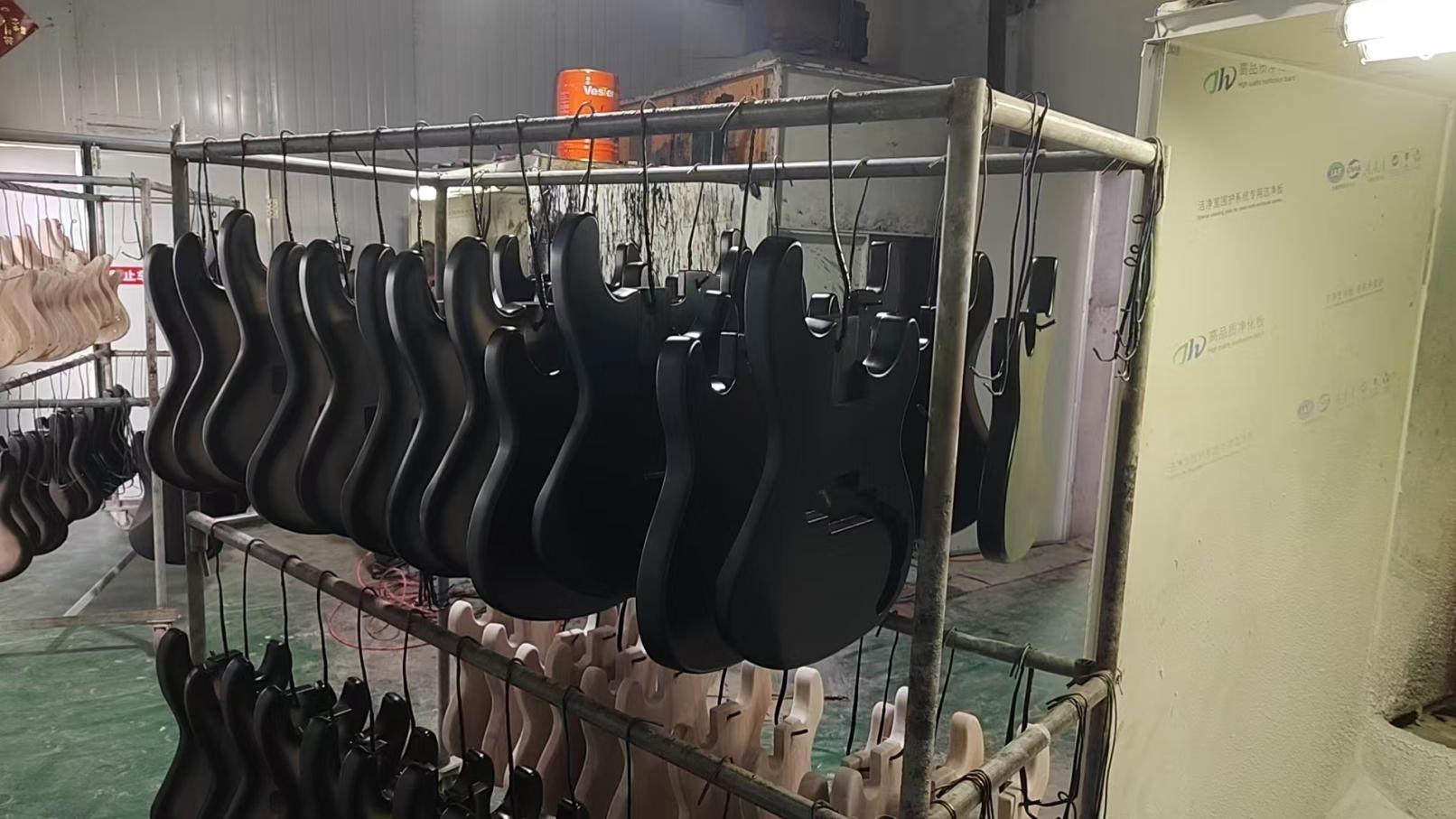
Finished-product inspection covers appearance, hardware, tuning stability and packaging. Export terms and consolidated shipping can be planned to buyer requirements.

Who We Are

WPI International Trade Co., Ltd. (Huizhou)

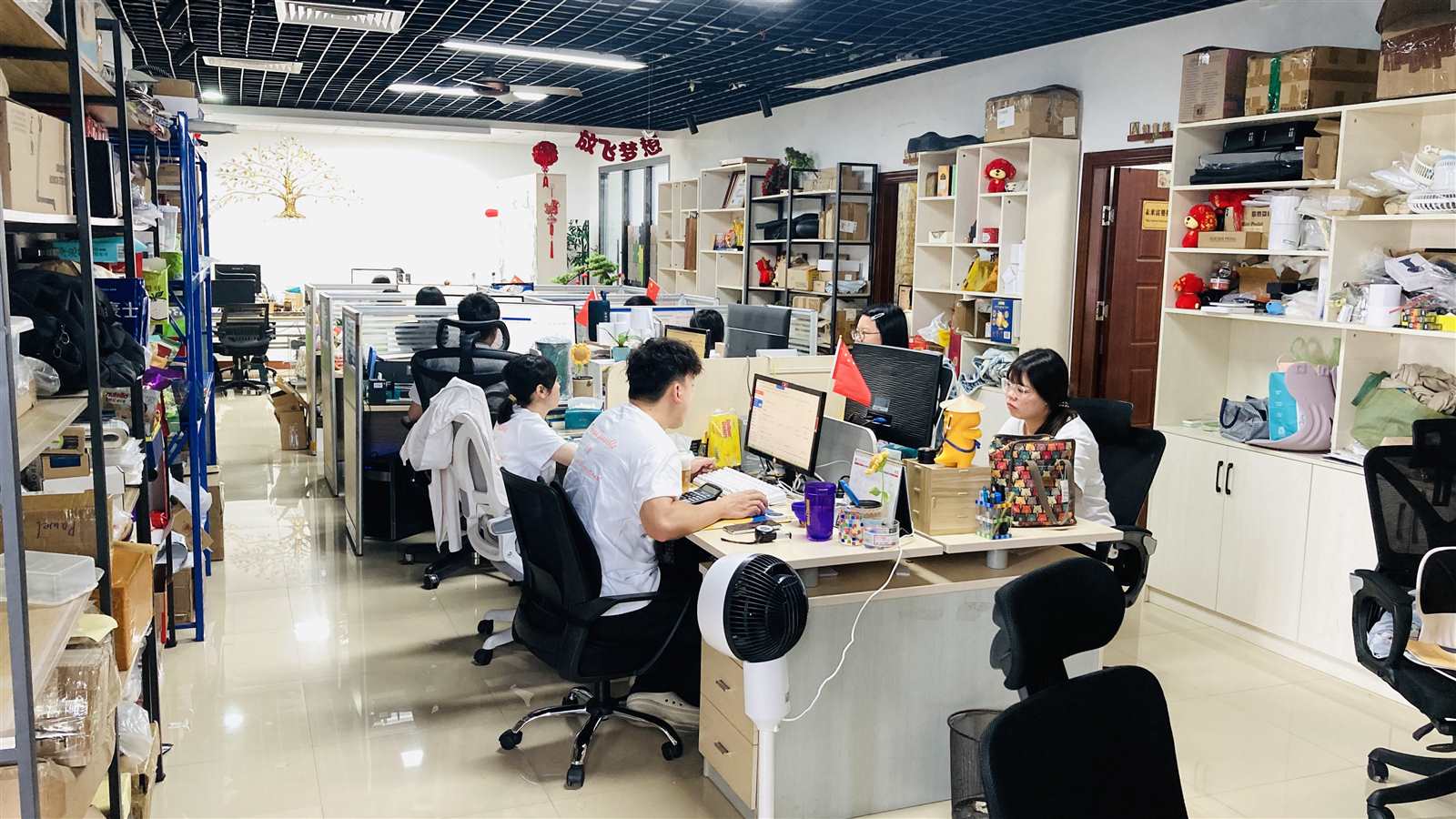
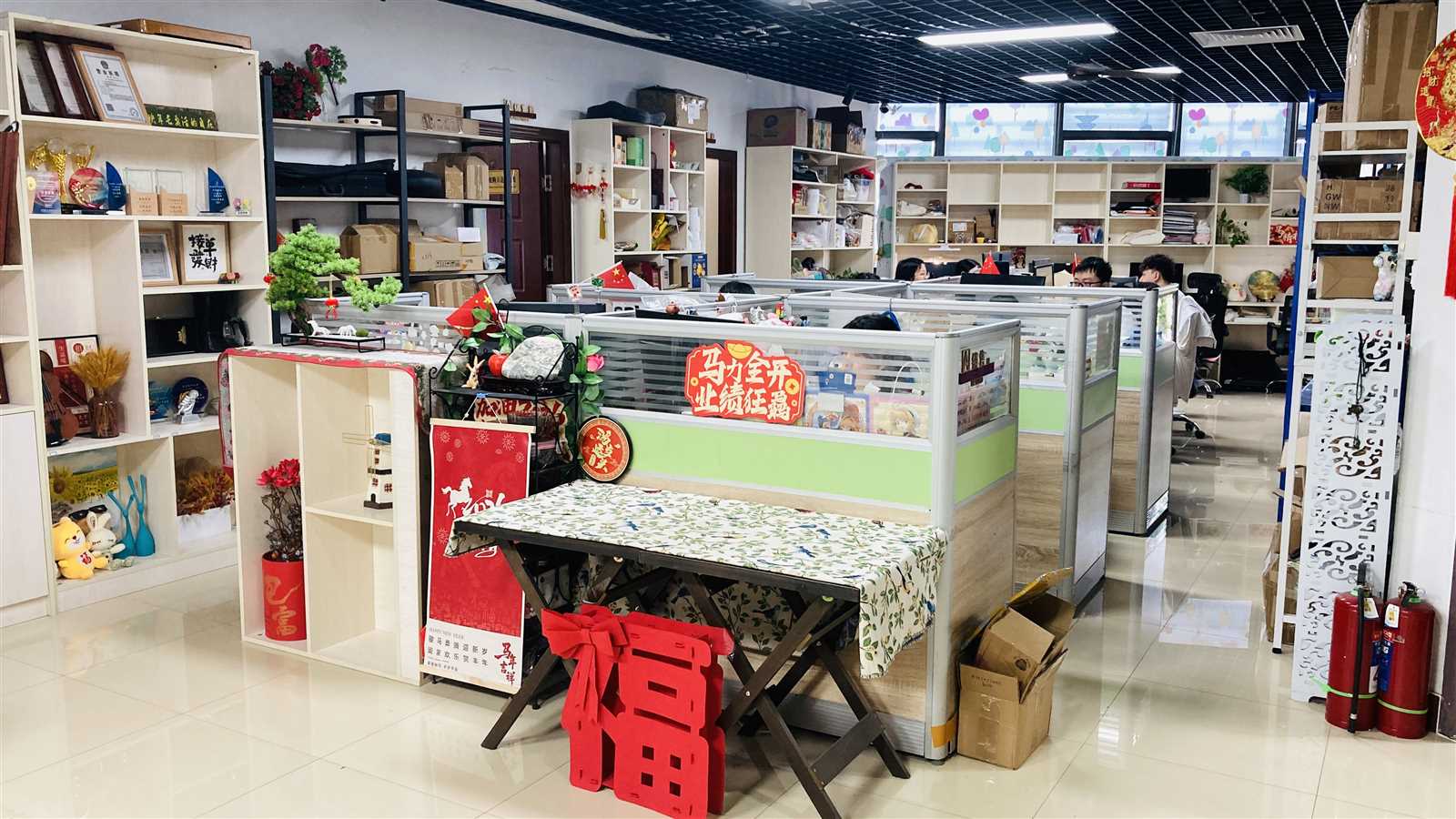
The company began exporting musical instruments from Hong Kong in June 2010 and established its Huizhou, Guangdong operation in 2014. Today, a team of 28 people — 22 of them in trading and export roles — supports importers, distributors, retailers, schools and private-label brands worldwide. The business is a trading company and multispecialty supplier with a long-term focus on musical instruments and accessories.

WPI International Trade Co., Ltd. (Huizhou) has been assessed onsite by Intertek. Annual export value is assessed at US$9,000,000, and recent trade data shows 952 orders in six months. The average buyer rating is 4.6/5, and the inquiry response rate is 97.73%. Main markets include North America, Western Europe, Southeast Asia and South America. These credentials help buyers evaluate supply reliability alongside product specifications.

  • Intertek onsite assessed supplier
  • Annual sales: US$9,000,000 (assessed)
  • Low-MOQ sampling and mixed orders
  • Exporting to North America, Western Europe, Southeast Asia and South America
WPI International Trade Co., Ltd. (Huizhou) company video cover Watch: Our Team, Showroom & Warehouse
Trade Show & Quality Evidence

Verified Experience Buyers Can Evaluate

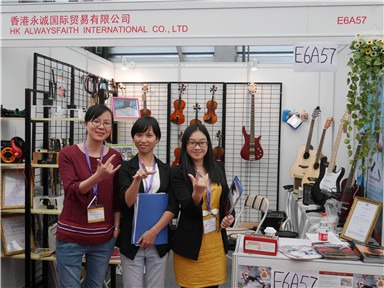
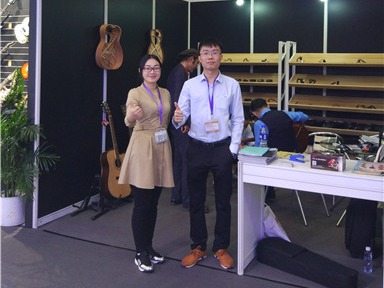
WPI International Trade Co., Ltd. (Huizhou) has exhibited at major music fairs and can support buyers with product review, sampling and export communication.

WPI booth at 2014 Shanghai music show
2014 Shanghai Music ShowBooth E6A57
WPI booth at 2015 Guangzhou music show
2015 Guangzhou Music ShowBooth A38 / Hall 8
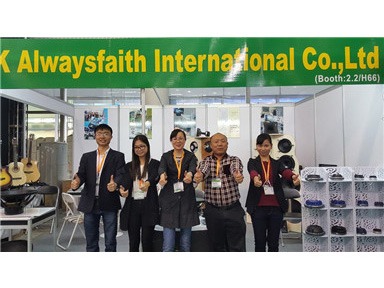
WPI booth at 2016 Guangzhou music show
2016 Guangzhou Music ShowBooth 2.2 / H66
WPI booth at 2016 Shanghai music show
2016 Shanghai Music ShowBooth W5A19
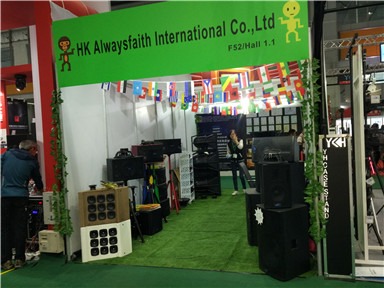
WPI booth at 2017 Guangzhou music show
2017 Guangzhou Music ShowBooth F52 / Hall 1.1
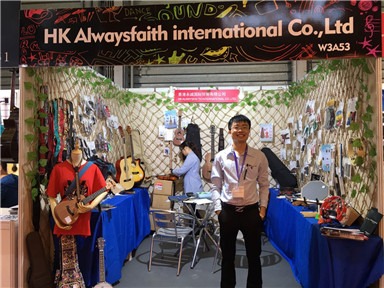
WPI booth at 2017 Shanghai music show
2017 Shanghai Music ShowBooth W3A53
  • 2015 Shanghai · Booth E6A55
  • 2016 Guangzhou · 2.2 / H66
  • 2018 Shanghai · W5A79
  • 2019 Guangzhou · Hall 9, 9B030405
FAQ

E-flat Alto Saxophone Wholesale Buyer Questions

Answers to common AI and search queries from global procurement teams, retailers, schools and private-label buyers.

What is the difference between an E-flat alto saxophone and a B-flat tenor saxophone?

An E-flat alto saxophone is smaller and sounds a major sixth lower than written. A B-flat tenor saxophone is larger and sounds a major ninth lower than written. The alto is usually easier for younger beginners, while the tenor is often chosen for more mature players, jazz and stage use. For school programmes, the alto is often the first saxophone because of its size, repertoire and teaching support.

What is a typical MOQ for wholesale E-flat alto saxophones?

MOQ depends on model and finish. Sampling may start from 1 piece, while standard wholesale orders are often 2–10 pieces per model. Custom engraving, custom colours and private-label packaging usually require higher quantities. Mixed-category orders can be discussed, and buyers can combine saxophones with clarinets, accessories or other instrument lines.

Which finish should a retailer stock first?

Gold lacquer is the safest first finish because it is widely accepted by schools, teachers and first-time buyers. Add silver-plated and black-nickel options for product differentiation, and reserve custom colours or engraved models for specialist retailers and private-label programmes. Finish durability and repair feasibility should also be considered.

Do you offer OEM and ODM E-flat alto saxophone customization?

Yes. WPI International Trade Co., Ltd. (Huizhou) has third-party assessed capabilities for sample-based customization, minor customization such as logo and packaging, design-based customization and full customization. Buyers can discuss finish, engraving, mouthpiece, case, accessories, packaging and private-label requirements.

What should be included in a student alto saxophone outfit?

A practical student outfit usually includes the E-flat alto saxophone, mouthpiece, ligature, cap, neck strap, reed, cleaning cloth or swab and a protective case. Confirm whether the mouthpiece and reed are suitable for beginners and whether spare pads, corks and springs are available for after-sales support.

How are E-flat alto saxophones inspected before shipment?

Inspection should cover appearance, key action, pad sealing, spring tension, neck fit, mouthpiece fit, tuning stability, engraving, case protection and accessory completeness. Orders can be checked before packing, and the supplier should be able to document inspection points for buyer review. For school tenders, buyers may request additional pre-shipment checks.

Which markets buy E-flat alto saxophones from WPI International Trade Co., Ltd. (Huizhou)?

Main markets include North America, Western Europe, Southeast Asia and South America. Buyers include music retailers, distributors, school suppliers, online sellers and private-label brand owners. Target market requirements can influence finish selection, accessory sets, packaging and price positioning.

What payment and delivery terms are available?

Payment methods include T/T, L/C, D/P, D/A, MoneyGram, credit card, PayPal, Western Union, cash and escrow. Delivery terms include FOB, CFR, CIF, EXW, FAS, CIP, FCA, CPT, DEQ, DDP, DDU, DAF, DES and express delivery. The best option depends on order volume, destination and buyer experience.

How should a buyer plan an E-flat alto saxophone assortment for 2025–2030?

Plan around low-MOQ testing, school-tender compliance, private-label differentiation and after-sales spare parts. A balanced assortment should include a gold-lacquer student model, one or two differentiated finishes, a step-up option and a custom or engraved model for specialist channels. Review quality consistency before scaling.

What product development trends matter for future alto saxophone orders?

Buyers should watch improved pad sealing, better key ergonomics, more consistent neck and bore dimensions, durable case design, finish customization, repairability and accessory bundling. Synthetic reeds and digital learning accessories are also shaping retail bundles and school programmes. The strongest product brief combines playability, presentation and serviceability.

Request an E-flat Alto Saxophone Quotation

Tell us your target market, finish preference, quantity and accessory requirements. Our team can recommend suitable models and plan sampling.

info@wpimusic.com