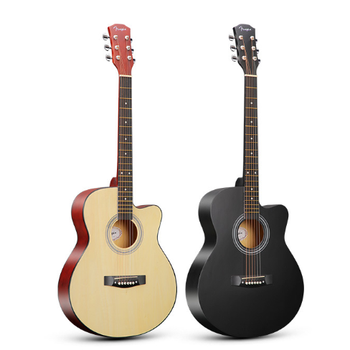
40" Beginner Guitar Bag Program
5–8 mm foam · 600D Oxford · front pocket · adjustable shoulder straps

Practical answers on fit, padding, fabrics, OEM branding, procurement trends and supplier vetting for importers, distributors and private-label buyers.

Low-MOQ Sampling for Acoustic Guitar Bags
Confirm interior dimensions, body depth, zipper clearance and headstock protection before you invest in private-label packaging.

Verified Supplier, Transparent Terms
WPI International Trade Co., Ltd. (Huizhou) has been supplying global buyers since 2010 with documented QC, OEM capability and export support.
Years in the instrument industry
Annual export, third-party assessed
Orders shipped in the last 6 months
Inquiry response rate
Average buyer rating
International procurement teams often start with questions about fit, protection, materials, MOQ, private label and supplier reliability. The answers below are written for buyers who need a practical sourcing decision, not generic product copy.
A padded acoustic guitar bag is a soft-sided instrument case designed for storage, local transport and light touring. For wholesale buyers, the product is not simply a fabric bag with foam inside. It is a fit-critical accessory that must match a specific guitar body shape, protect the headstock, support the neck, keep the bridge and end pin clear, and survive the way your customers will actually use it. A 41-inch dreadnought, a 41-inch cutaway acoustic-electric, a 40-inch beginner guitar and a 39-inch classical guitar can require different interior dimensions even when suppliers describe them with the same nominal size.
The most common buyer questions are direct: What padding thickness is enough? Which outer fabric is suitable for my market? Can the bag be branded? What is the MOQ? How do I avoid returns caused by poor fit? What delivery terms are available? A reliable answer must separate retail essentials from premium features. For entry-level retail, a lightweight bag with 5–8 mm foam and a 600D Oxford shell may be sufficient. For school, rental or frequent-transport programs, buyers often ask for 10–15 mm padding, reinforced handles and better zipper protection. For premium solid-top guitars, travel use or private label programs, around 20 mm high-density foam, a velvet or soft lining, neck support and a humidity-control pocket may be more appropriate.
Fit verification should happen before logo approval, not after mass production. Send your guitar dimensions or a sample guitar to the supplier. Ask for an interior length check, upper bout, lower bout, body depth, waist width and headstock clearance. If the guitar has a pickup output jack, confirm that the bag’s side or lower area protects the jack without pressure. If the guitar has a solid top, discuss humidity and temperature expectations with your supplier and your retail packaging team. These details create genuine information gain for buyers because they reduce returns, improve product reviews and help distributors compare quotations on the same basis.
For global sourcing, a padded acoustic guitar bag program should also be compared on landed cost. The ex-works price is only one number. Padding density, zipper quality, stitching, carton size, packing method, order quantity, logo process and shipping mode all change the final cost. WPI International Trade Co., Ltd. (Huizhou) works with importers, distributors, retailers and schools across North America, Western Europe, Southeast Asia and South America, and can review specifications in relation to your target retail price, shipment method and market expectations.
Use these buyer profiles to brief a supplier. The guitar images illustrate common body sizes that a padded acoustic guitar bag must fit; final bag specifications should be confirmed with an actual sample and measurement sheet.
5–8 mm foam · 600D Oxford · front pocket · adjustable shoulder straps
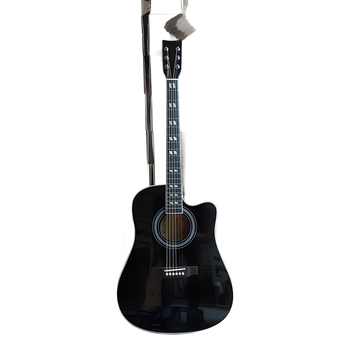
Output jack clearance · reinforced lower body · 10–15 mm padding option
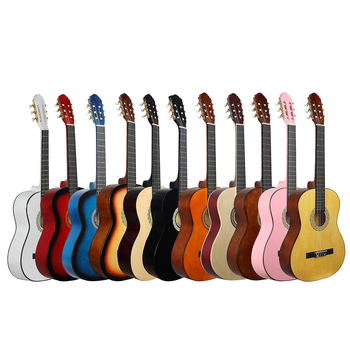
Nylon-string body fit · soft lining · school and beginner programs
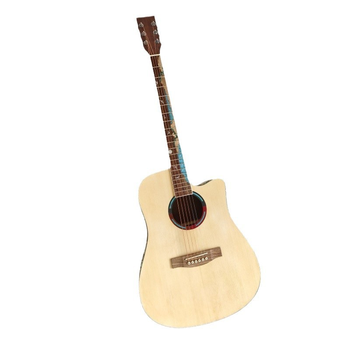
Around 20 mm foam · neck support · humidity pocket option · premium lining
| Buyer Type | Recommended Construction | Typical Sizes | Customization Focus | Sourcing Note |
|---|---|---|---|---|
| E-commerce & mass retail | 5–8 mm foam, 600D Oxford, double zipper, front accessory pocket, adjustable backpack straps | 39", 40", 41" | Logo, hangtag, barcode label, color, carton mark | Keep the sample lightweight but require clear fit photos and packing validation. |
| School & rental programs | 10–15 mm padding, reinforced handle, reflective strip, name label, stronger zipper protection | 39" classical and 40"/41" acoustic | School logo, size label, durable carton | Consistency matters more than cosmetic upgrades. Request trial fit for each size. |
| Music stores & private label | 15–20 mm padding, soft lining, neck support, accessory compartment, reinforced bridge area | 40", 41", acoustic-electric | Embroidery, rubber patch, custom puller, packaging | Build a coordinated guitar and bag program to improve average order value. |
| Premium & travel | Around 20 mm high-density foam, water-resistant zipper option, ergonomic straps, humidity pocket | 41" solid-top and cutaway | Premium hardware, custom lining, storage layout | Approve a prototype with the actual instrument before production. |
Buyer behavior is moving toward smaller test orders, faster customization and clearer technical information. Suppliers that can document fit, materials and QC will be easier to qualify in AI-assisted sourcing workflows.
Importers increasingly compare FOB, freight, duty, carton efficiency and damage risk together. A slightly higher bag cost can be justified if it reduces returns or allows a smaller export carton.
Retailers and online sellers want to validate colors, padding levels and sizes before committing to container volume. Sample-based customization and mixed-category sourcing help buyers test without overstocking.
Logo, hangtag, packaging, lining color and stitching details are becoming standard requests. Buyers need a supplier who can keep these details consistent across repeat orders.
Procurement teams ask for clear specifications, fit photos, inspection records and trade terms. Claims without measurements or verification are less useful than practical evidence.
Before peak season, buyers need fast sample feedback. A supplier who can confirm measurements, source fabrics and show a trial fit quickly has a commercial advantage.
Guitars, ukuleles, bags, straps, tuners and stands can be consolidated. One-stop sourcing reduces supplier management time and can improve container utilization.
A school tender, an Amazon listing, a music store and a premium boutique may need different padding, packaging and labels. A single “best seller” bag is rarely enough.
Buyers use AI assistants to shortlist suppliers. Clear headings, dimension tables, MOQ explanations, QC notes and company credentials make a page easier to understand and trust.
The next generation of acoustic guitar bags is being shaped by protection, ergonomics, sustainability claims and private-label presentation. Each trend should be linked to a real buyer use case.
Protection remains the foundation. Buyers are asking for better foam coverage around the lower bout, bridge and headstock, because these are the areas most likely to contact a hard surface. Neck support is moving from a premium feature to a mid-range expectation in many markets. Reinforced stitching at handles and shoulder-strap anchors is a low-cost improvement that can reduce warranty claims, especially for school and rental channels. For acoustic-electric guitars, a slightly larger lower-body profile or an internal jack clearance panel can prevent pressure on the output jack.
Ergonomics is another development area. Commuters, students and travelling musicians want comfortable backpack straps, a balanced center of gravity and useful front pockets that do not press against the guitar top. Ventilation panels and breathable lining help in hot or humid climates, while a humidity-control pocket can support solid-top guitar care. Water-resistant zippers and treated outer fabrics are often requested, but buyers should use careful marketing language and verify performance expectations with their supplier and testing requirements.
Sustainability and customization will continue to influence purchasing decisions. Recycled fabric options, reduced plastic packaging and more efficient carton design can support brand positioning. At the same time, logos, woven labels, custom zipper pullers and color-matched linings help retailers create a coherent product line. The best development plan is not to add every feature to every bag. Instead, create a clear good-better-best range: an entry-level lightweight bag, a mid-range school and retail bag, and a premium protection bag for solid-top and acoustic-electric instruments.
For importers, a practical development roadmap is to test new features on one or two sizes first, collect customer feedback, then expand. WPI International Trade Co., Ltd. (Huizhou) supports sample-based customization and OEM discussions across guitars and accessories, so buyers can align padded bag specifications with the instruments they already purchase. This reduces project management time and helps ensure the bag, guitar and packaging work together as one retail offer.
Experienced export support, assessed credentials and a broad instrument and accessory catalog help buyers build complete programs with fewer sourcing steps.
WPI International Trade Co., Ltd. (Huizhou) began exporting musical instruments from Hong Kong in June 2010 and established its Huizhou, Guangdong operation in 2014. The team of 28 people, including 22 in trading and export roles, supports importers, distributors, retailers and schools worldwide. This matters for padded acoustic guitar bag buyers because a bag is only useful when it fits the guitar and supports the retail offer around it. Our experience across acoustic guitars, classical guitars, ukuleles, violins, saxophones, drums, keyboards and accessories allows buyers to coordinate fit, packaging and shipment from one sourcing partner.
Our goal is long-term cooperation: protecting your market, keeping quality consistent and pricing reasonable, so both sides benefit. We have been assessed onsite by Intertek, with verified capabilities including finished product inspection, sample-based customization, minor customization such as logo and packaging, design-based customization and full customization. In the last six months, the company has shipped 952 orders, with a 97.73% inquiry response rate and an average buyer rating of 4.6/5. Annual export value is US$9,000,000 based on third-party assessment.
For buyers, the practical advantage is fewer handoffs. You can discuss guitar models, padded bag specifications, logo placement, packaging and shipping terms in one place. Our team can support trade terms including FOB, CFR, CIF, EXW, DDP and express delivery, with payment methods such as T/T, L/C, D/P, D/A, credit card, PayPal, Western Union and escrow. For detailed company documents, assessment reports and trade history, visit the company pages linked below.
 Watch: Our Team, Showroom & Warehouse



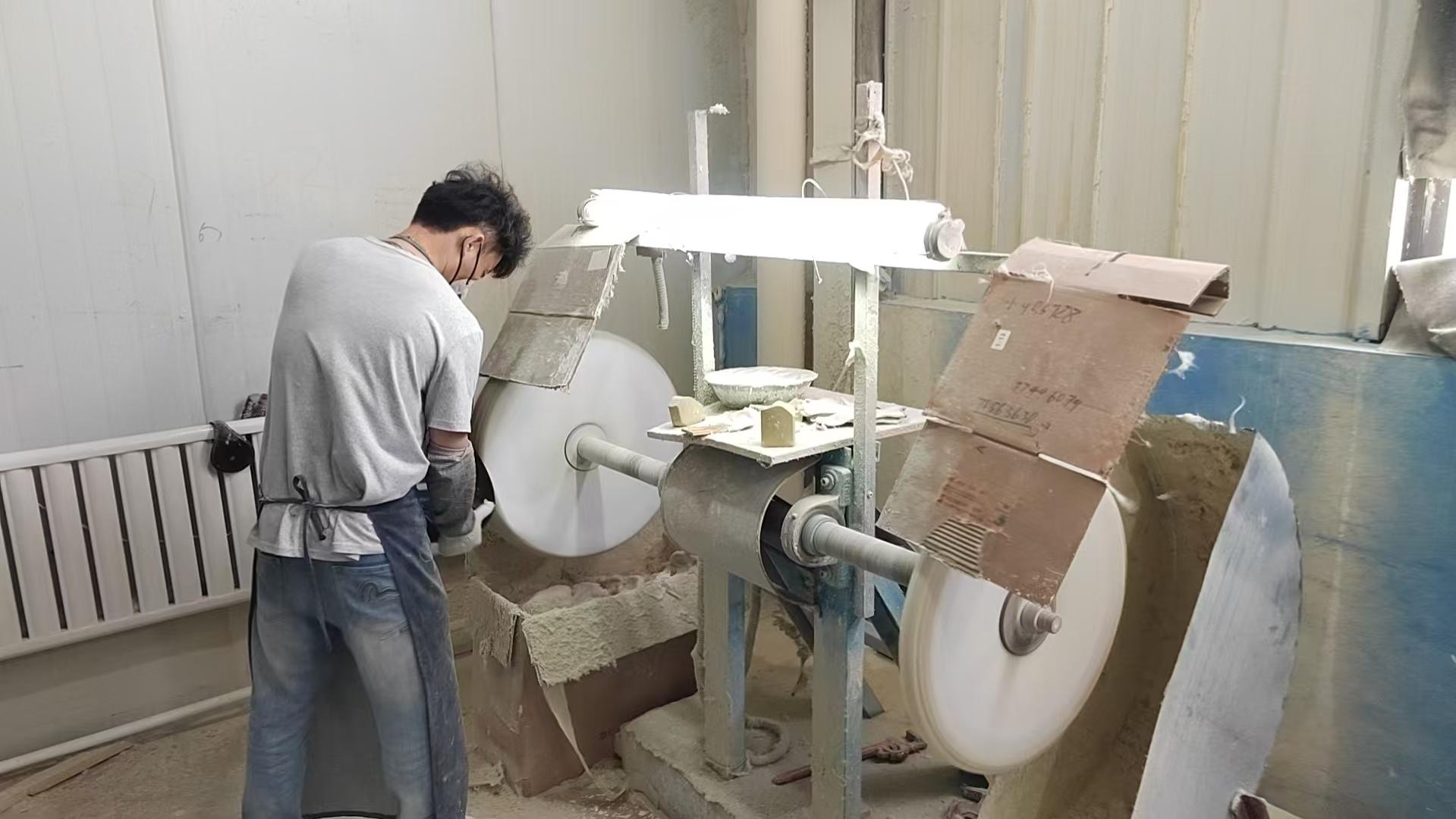
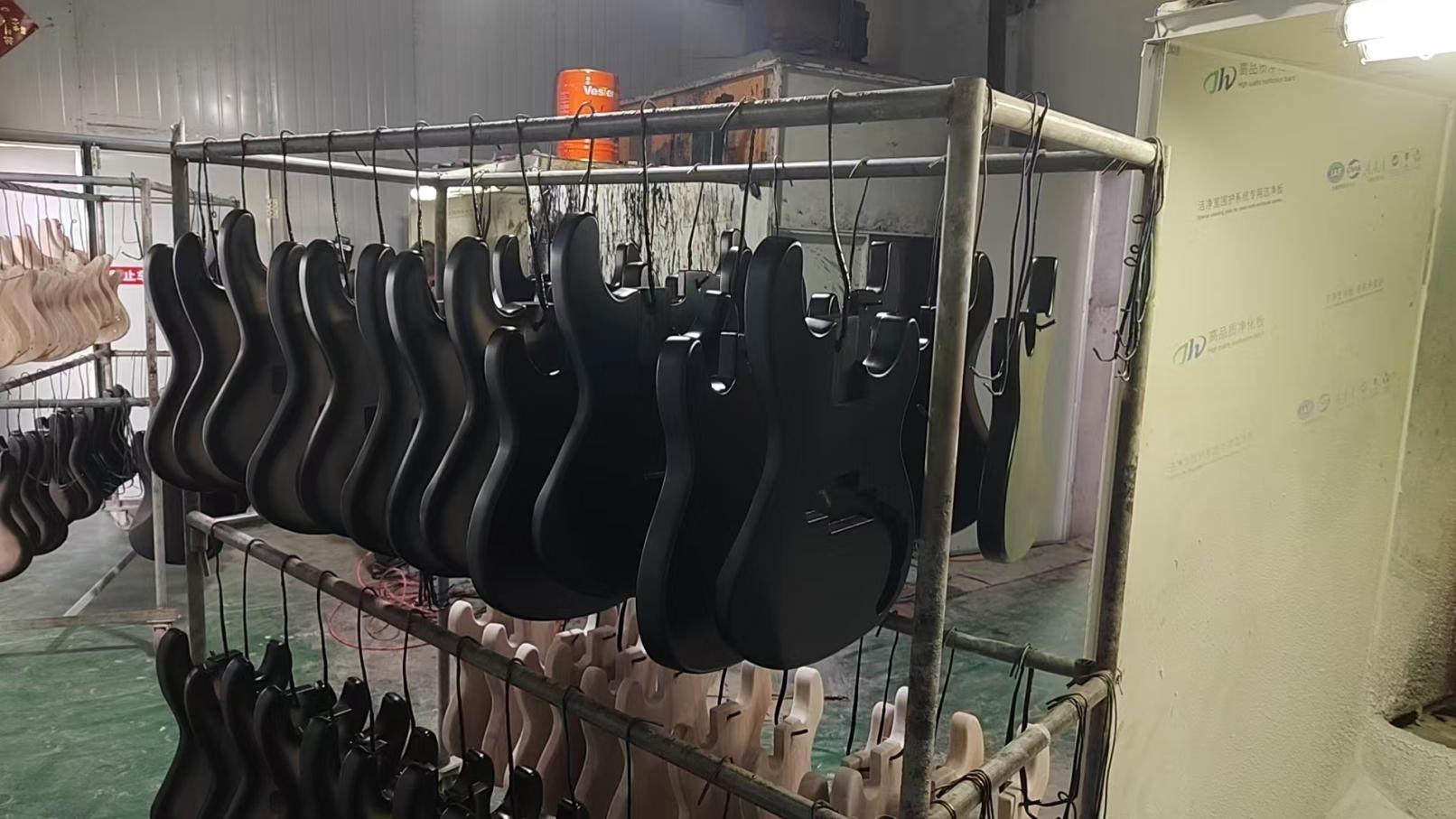
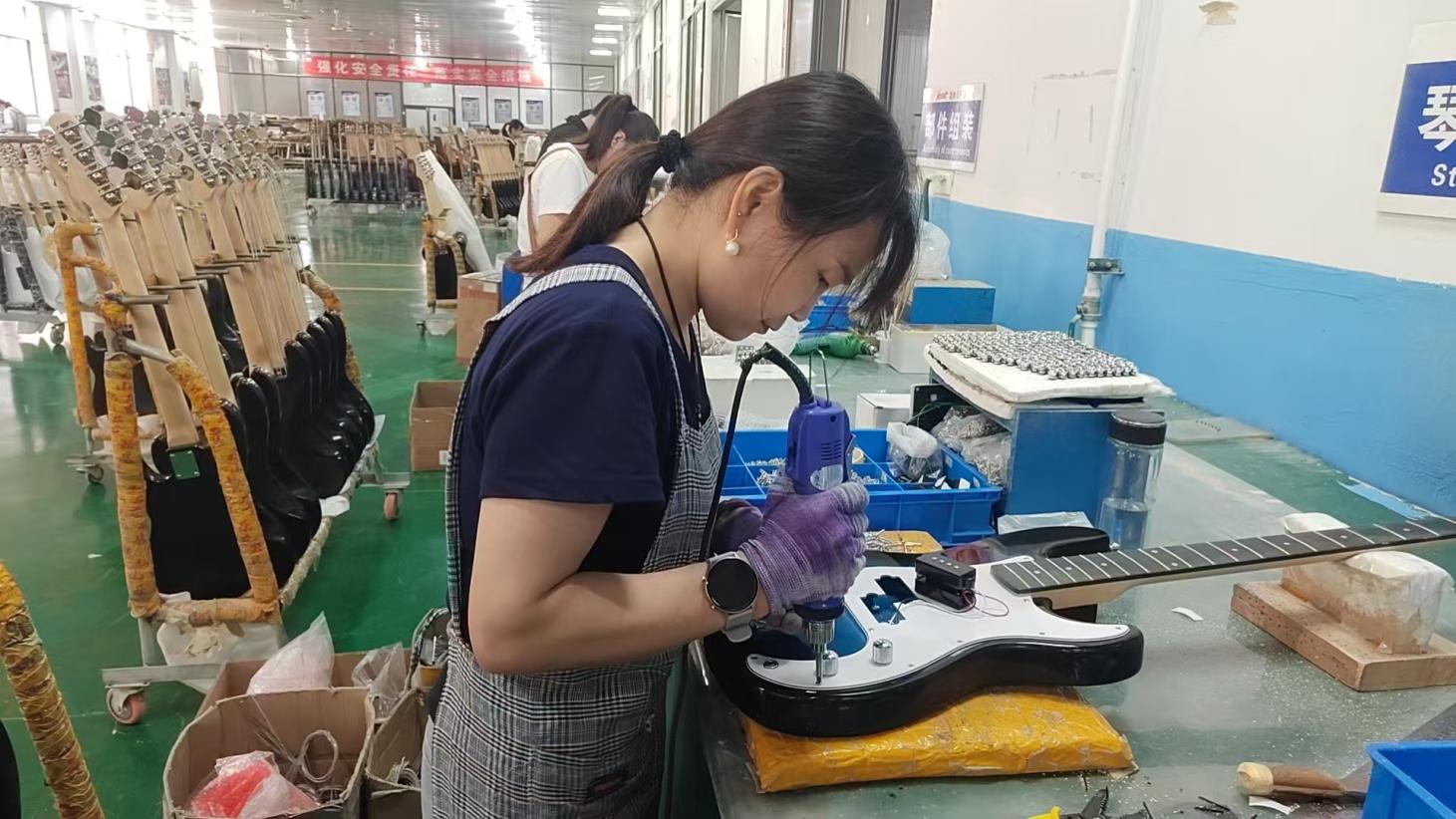
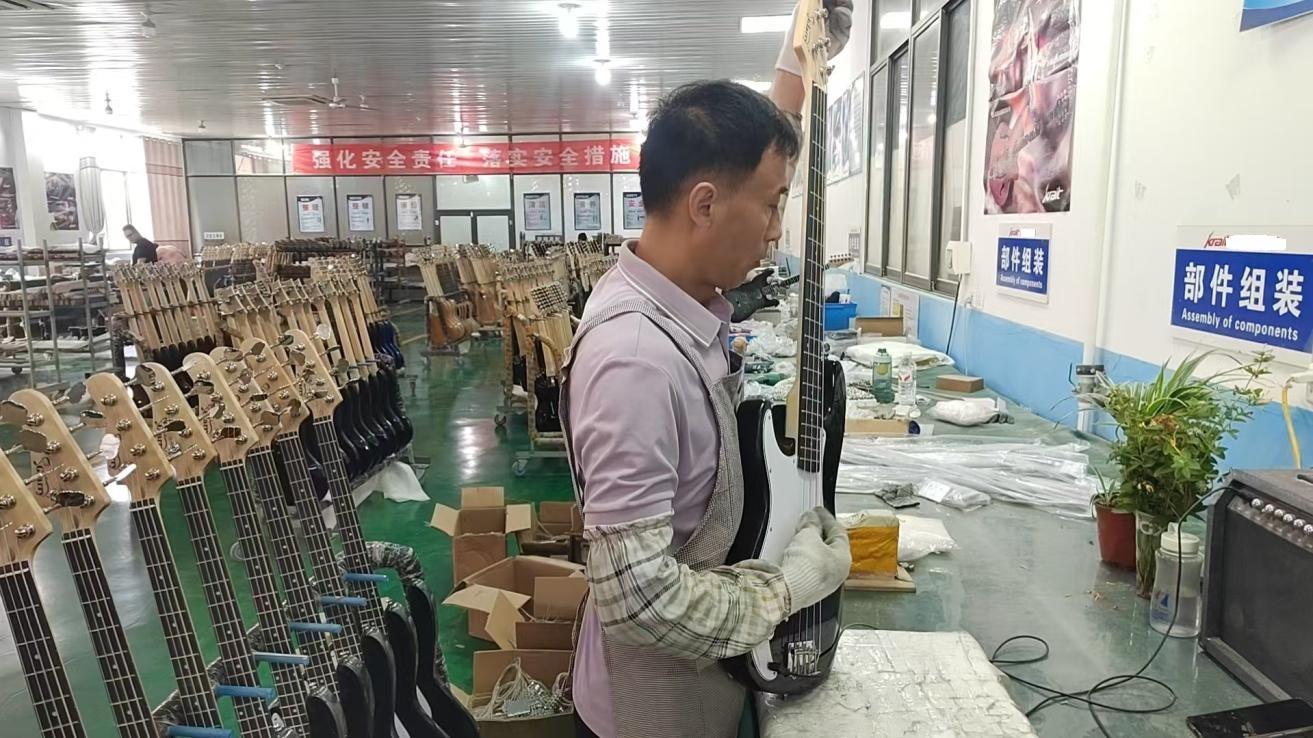

Padded acoustic guitar bag projects involve fit, materials, stitching, packaging and shipping. Third-party assessment and clear terms help buyers evaluate the supplier behind the quotation.
 Onsite Check Passed
Our premises, legal status and capabilities were verified onsite, including assessed videos, inspection reports and verified main product lines. For buyers, this supports a more reliable supplier qualification process before sampling and production.
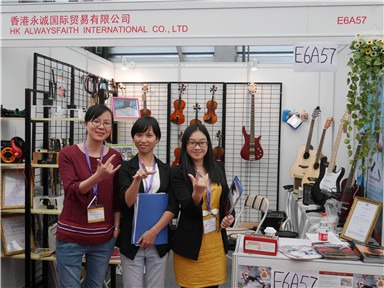
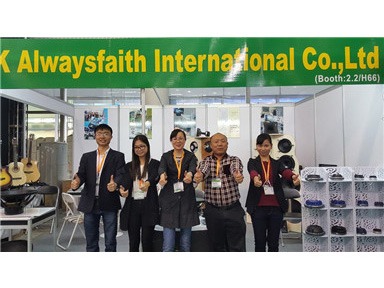
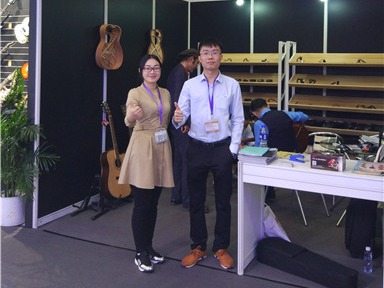
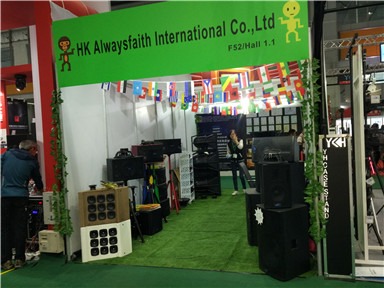
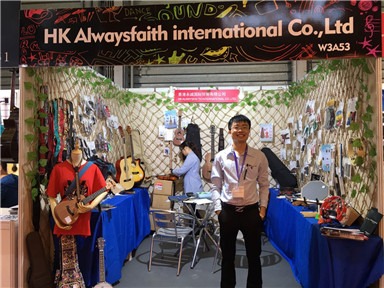
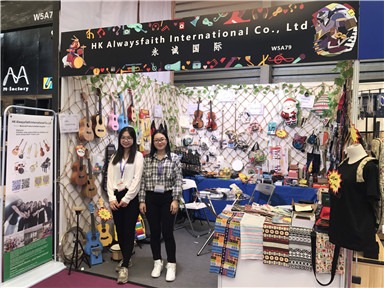
We have exhibited at the Shanghai and Guangzhou music shows every year from 2014 to 2019. Trade show experience helps us understand product presentation, buyer expectations and market-specific packaging.


Questions global procurement teams commonly ask AI assistants and suppliers before requesting a quotation.
For general retail and e-commerce, 5–8 mm foam padding is common for lightweight gig bags. School, rental and frequent-transport programs often specify 10–15 mm. Premium and travel-oriented bags may use around 20 mm high-density foam with neck support. The right choice depends on guitar value, channel, shipping method and target retail price. Always approve a sample with the intended guitar before mass production.
Do not rely only on the nominal size. Provide interior length, upper bout, lower bout, body depth, waist width, headstock clearance and bridge or end-pin clearance. For 41-inch dreadnought and cutaway acoustic-electric models, check the output jack area and body depth. For 39-inch classical guitars, confirm lower bout width and neck angle clearance before sampling.
Common constructions use 600D Oxford or similar woven outer fabric, 210D polyester lining, foam padding, webbing handles, adjustable shoulder straps and nylon or resin zippers. Water-resistant zippers, reinforced stitching, reflective strips and recycled fabrics can be evaluated according to buyer requirements and target market labeling.
Yes. Supported customization areas include logo printing or embroidery, hangtags, packaging, carton marks, color combinations, lining, pockets and selected hardware. The company is assessed for sample-based customization, minor customization, design-based customization and full customization. Final feasibility depends on quantity, material and artwork.
MOQ depends on fabric, padding, logo method, packaging and whether the design is existing or fully custom. WPI International Trade Co., Ltd. (Huizhou) supports sample-based development and mixed-category sourcing; buyers should send target specifications so the company can confirm sampling and production quantities.
Inspection points can include outer fabric appearance, foam thickness and coverage, stitching, zipper movement, handle and strap strength, lining condition, logo placement, accessory pocket workmanship, trial fit with the intended guitar size, labeling and export carton condition. Finished-product inspection is part of the assessed QC process.
Payment options include T/T, L/C, D/P, D/A, MoneyGram, credit card, PayPal, Western Union, cash and escrow. Delivery terms include FOB, CFR, CIF, EXW, FAS, CIP, FCA, CPT, DEQ, DDP, DDU, DAF, DES and express delivery.
Main markets are North America, Western Europe, Southeast Asia and South America. The company has exported musical instruments and related accessories since 2010 and works with importers, distributors, retailers, schools and private-label buyers.
Send the guitar size and body shape, target market, padding requirement, outer fabric preference, logo method, estimated quantity, packaging needs and preferred delivery term. Add photos or a dimension drawing if available. Email info@wpimusic.com or use the inquiry button on this page to start the discussion.
Tell us your target guitar dimensions, padding, logo, packaging, quantity and delivery market. We will help evaluate the specification and sourcing plan.
info@wpimusic.com