Why Philadelphia Buyers Need a Different Thumb Piano Sourcing Strategy
Philadelphia is a music-rich market with universities, community music programs, tourism retail, houses of worship, senior wellness providers and a strong independent retail culture. For thumb piano and kalimba buyers, the winning assortment is rarely one model in one color. It is a calibrated mix of entry-level 17-key kalimbas, gift-ready 10-key models, performance-grade 21-key instruments, lesson bundles, carry cases and adjacent products that lift average order value.
Searching for thumb piano factories in Philadelphia or a trusted kalimba exporter usually means the buyer is balancing three things: credible quality control, flexible MOQ, and reliable delivery into the Philadelphia metro. The strongest sourcing decision is not simply the lowest FOB price. It is the supplier that can document materials, tune consistently, protect finishes during e-commerce shipping, support OEM packaging and consolidate kalimbas with other instruments in one shipment.
What “trusted” should mean in a thumb piano factory comparison
Philadelphia buyers should treat “factory” as a claim to verify, not a label to assume. Many kalimba programs are assembled through specialist workshops, tine suppliers, woodworking partners and packaging subcontractors. A strong exporter adds value by matching the right workshop to the buyer’s price band, checking tuning stability, consolidating mixed orders and providing third-party assessed business credentials. WPI International Trade Co., Ltd. (Huizhou) is a multispecialty musical instrument supplier with partner workshops in Guangdong, not a single-product trading page. That distinction matters because kalimba buyers often need a broader basket: amplifiers for demonstrations, recording adapters for content, tripod stands for live selling, pedal hardware for drum retailers, digital pianos for schools and smart guitars for travel retail.
The page title uses “factories” because buyers often search that way. The practical question is whether the supplier can prove process control: incoming wood inspection, tine alignment checks, pitch verification, finish inspection, accessory completeness and drop-test-ready packaging. For Philadelphia importers, the best suppliers are those that can turn those checks into a repeatable order specification.
Information gain: what this guide adds beyond a catalog
- ✓Local use cases: classrooms, music therapy, tourism gifting, busking, content studios and retail demonstration.
- ✓Technical buying criteria: key count, tine steel, bridge design, tuning tolerance, finish durability and packaging.
- ✓Philadelphia logistics: FOB, CIF, DDP, Port of Philadelphia, East Coast ports, air freight through PHL and express courier options.
- ✓Verified exporter strengths: Intertek onsite assessment, low MOQ, OEM/ODM customization, finished-product inspection and one-stop consolidation.
- ✓Commercial cross-sell map: eight products that help Philadelphia kalimba sellers build a more complete musical instrument offer.
8 Products That Strengthen a Philadelphia Thumb Piano Assortment
A kalimba can be the hero product, but Philadelphia buyers often increase basket value by adding performance, recording, teaching and travel products. The eight items below are taken from WPI’s musical instrument range and can support kalimba demos, lesson programs, content creation, school music labs, live events and retail cross-merchandising. Product URLs are preserved from the original catalog; images are displayed with full proportions.
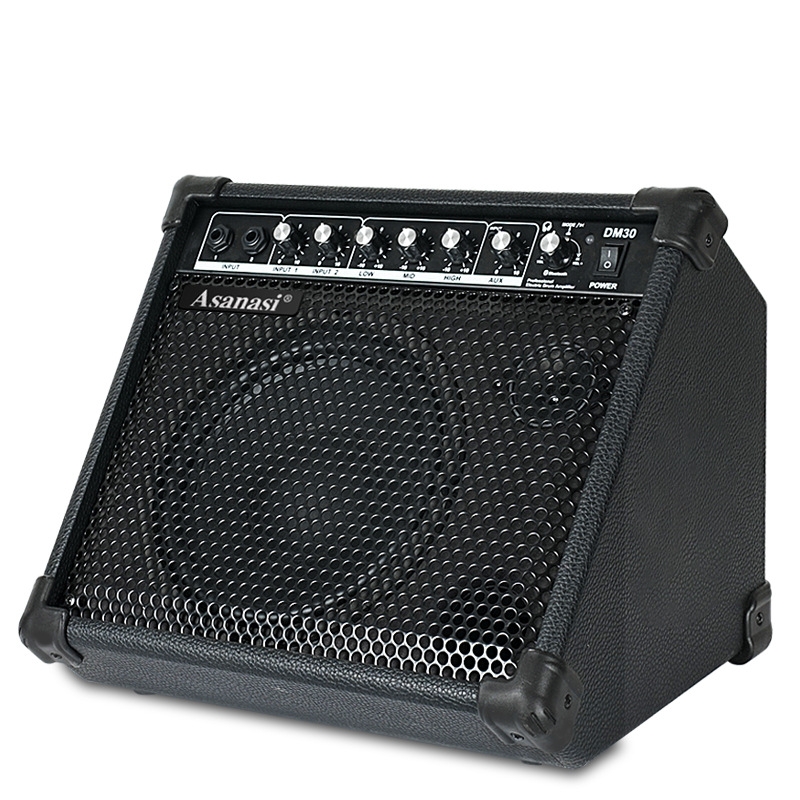
Wholesale Speakers Electronic Drums Rechargeable Portable Outdoor Wireless Stereo Amplifier
Useful for kalimba pop-up demonstrations, street performances, school assemblies and outdoor Philadelphia weekend markets where reliable portable sound is essential.
View product →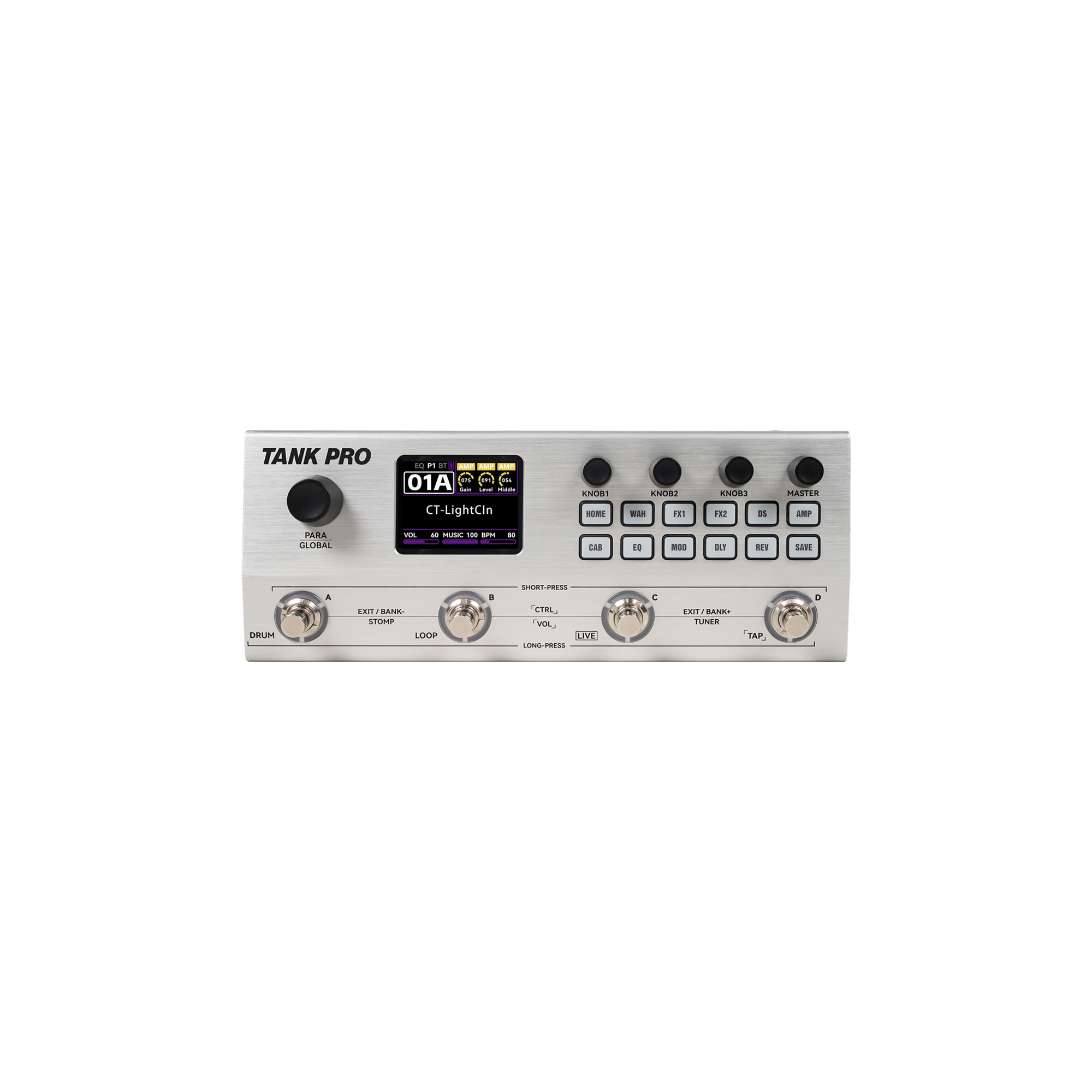
Tank Pro Metal Guitar Multi Effects Processor with ANN Third-Party IR Loading OTG Internal Recording
Supports music stores and creators building demo content, recording setups and hybrid lessons that combine kalimba, guitar and electronic performance.
View product →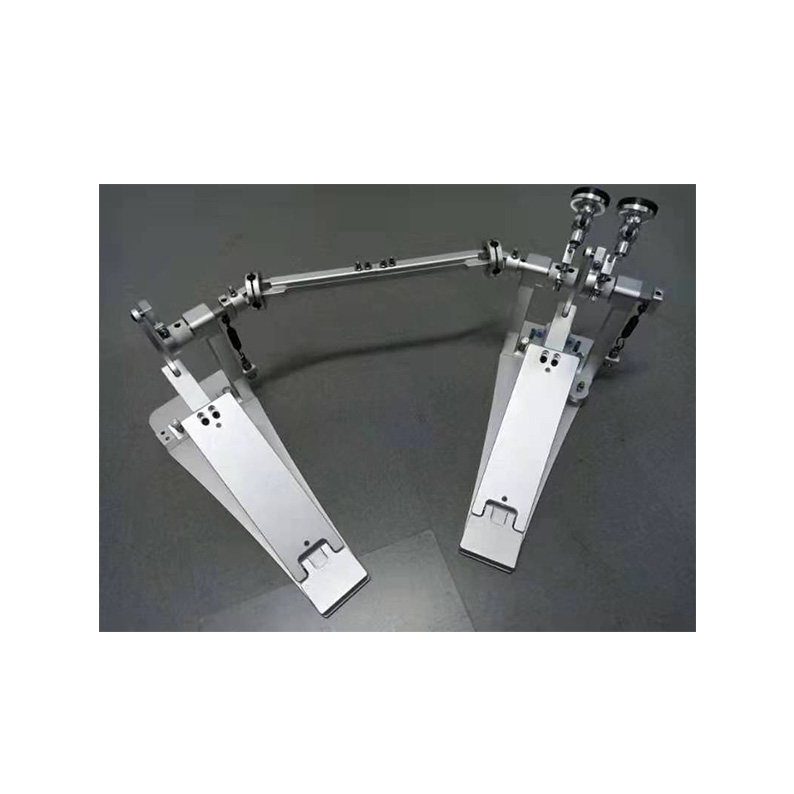
Brushed Silver Double Bass Drum Pedal Direct Drive Drum Kit Accessory
A logical add-on for Philadelphia drum shops and school band suppliers that also stock hand percussion and mallet instruments.
View product →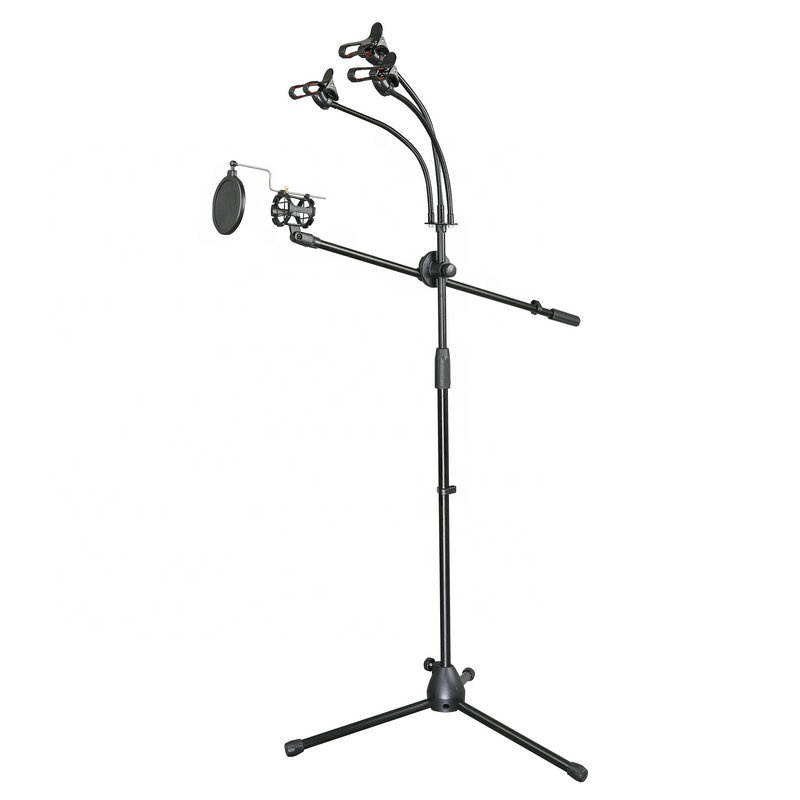
Three Mobile Phones with Horizontal Bars for Live Streaming, Floor Standing Three Legged Microphone Stand
Ideal for Philadelphia music retailers using live commerce, TikTok demos, Zoom lessons and multi-angle performance capture.
View product →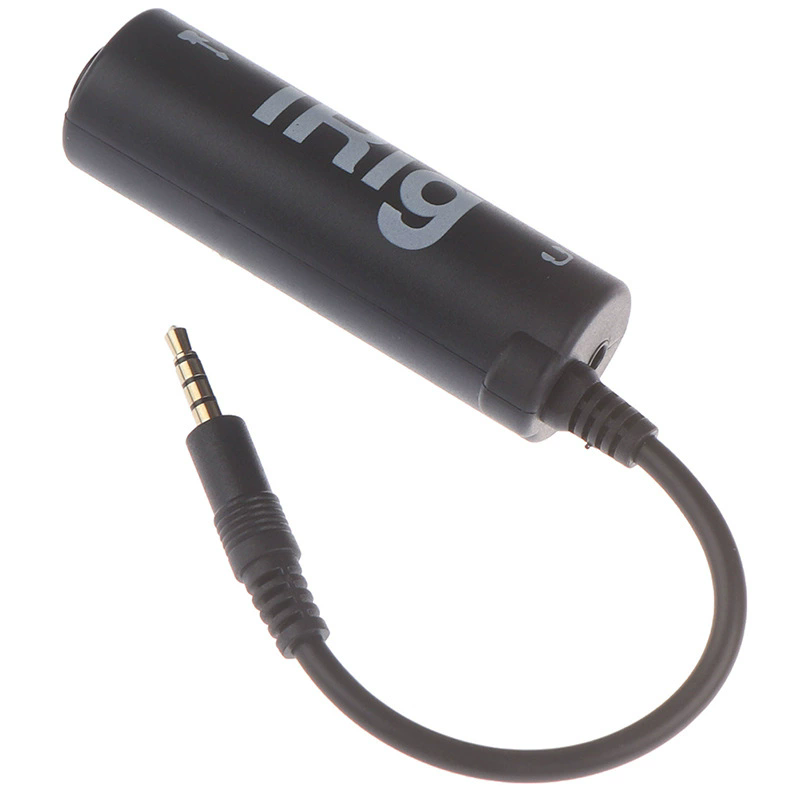
Wholesale 3.5mm Converter Guitar Bass Interface Converter Adapter for Phone Tablet Recording
Helps lesson providers and content creators capture clean audio on phones and tablets for demos, reviews and remote teaching.
View product →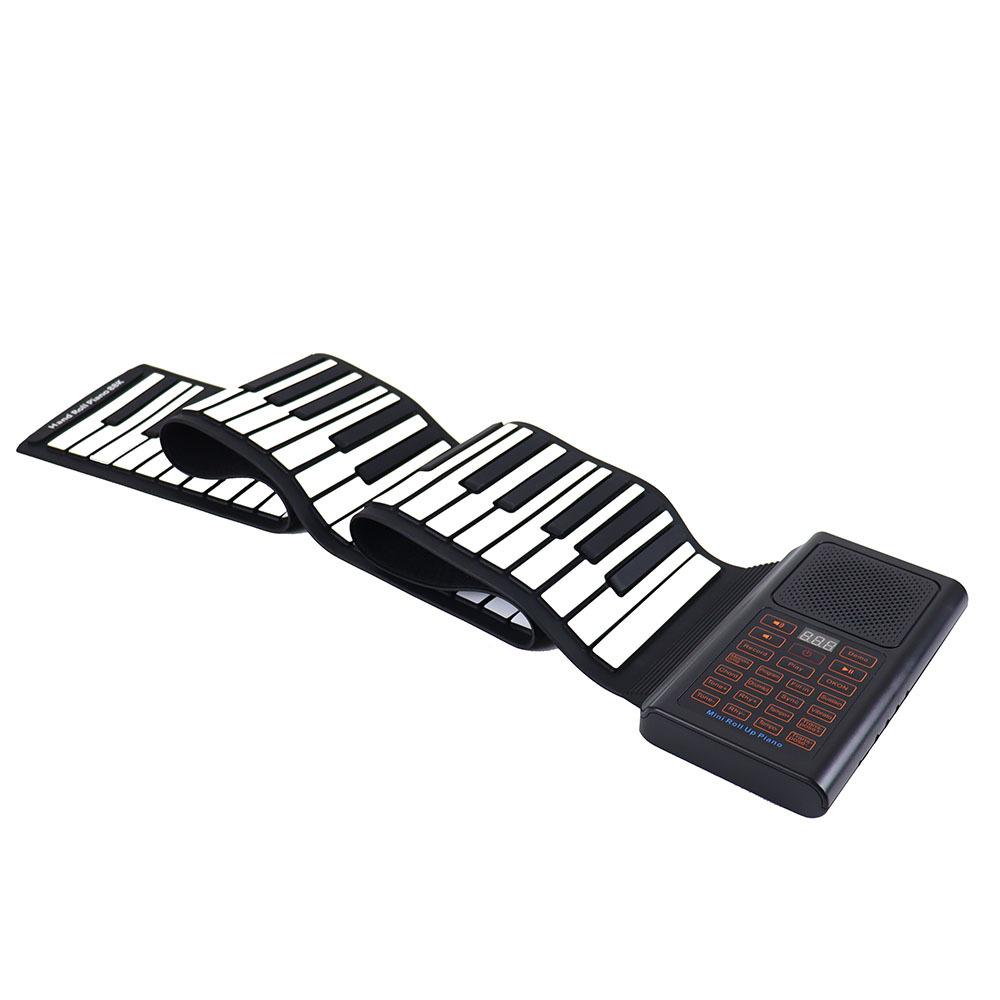
Wholesale 88-Keypad Keyboard Portable Digital Piano Foldable Entry-Level Soft Hand-Rolled Piano
A space-saving option for Philadelphia classrooms, senior centers, small apartments and community music programs.
View product →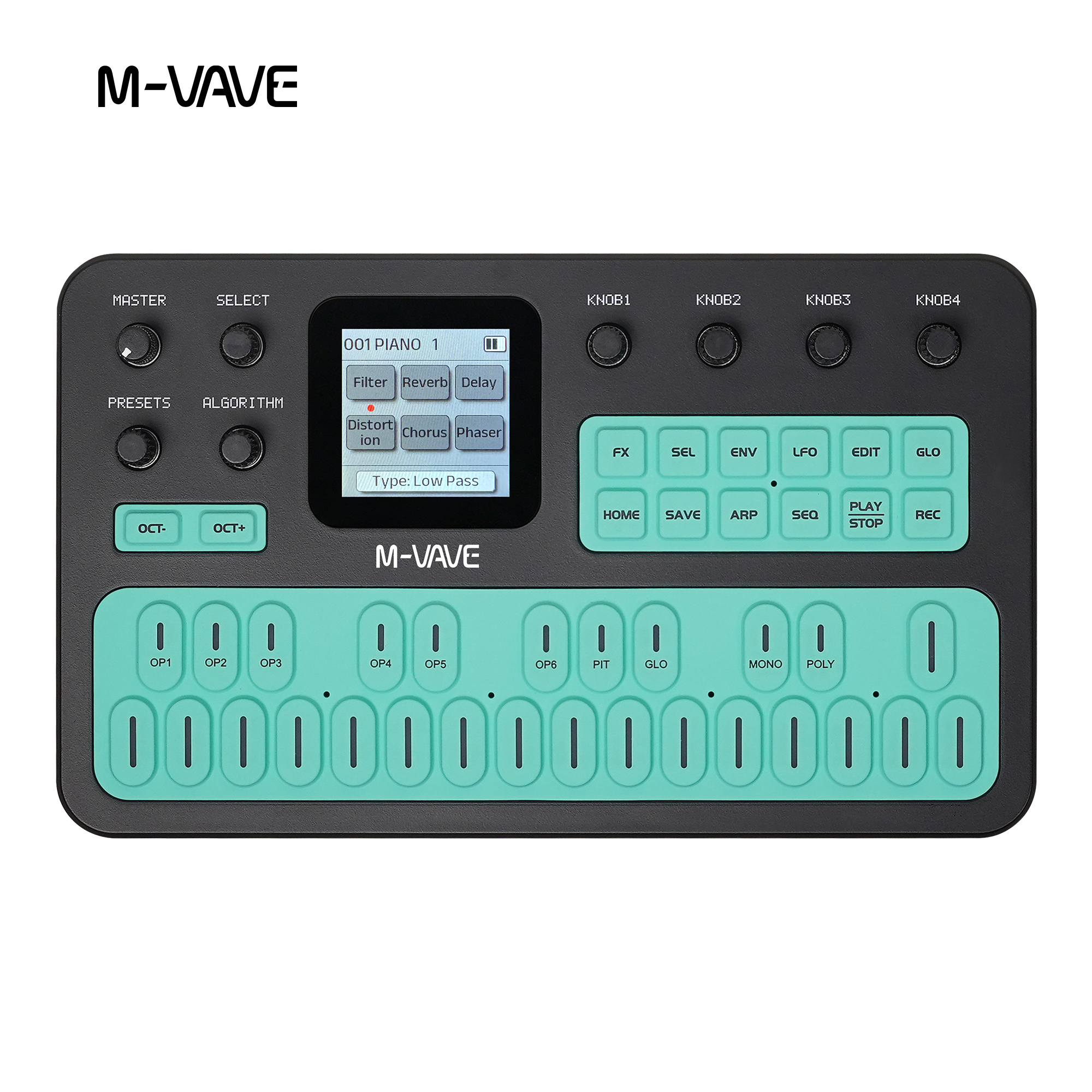
Factory Bestseller Portable M-VAVE FM-1 Synthesizer MIDI Digital FM Keyboard Screen Sequencer Arpeggiator Built-in Presets
Attracts younger musicians and electronic-music learners, making it a natural bridge product for stores that also sell kalimbas and hand percussion.
View product →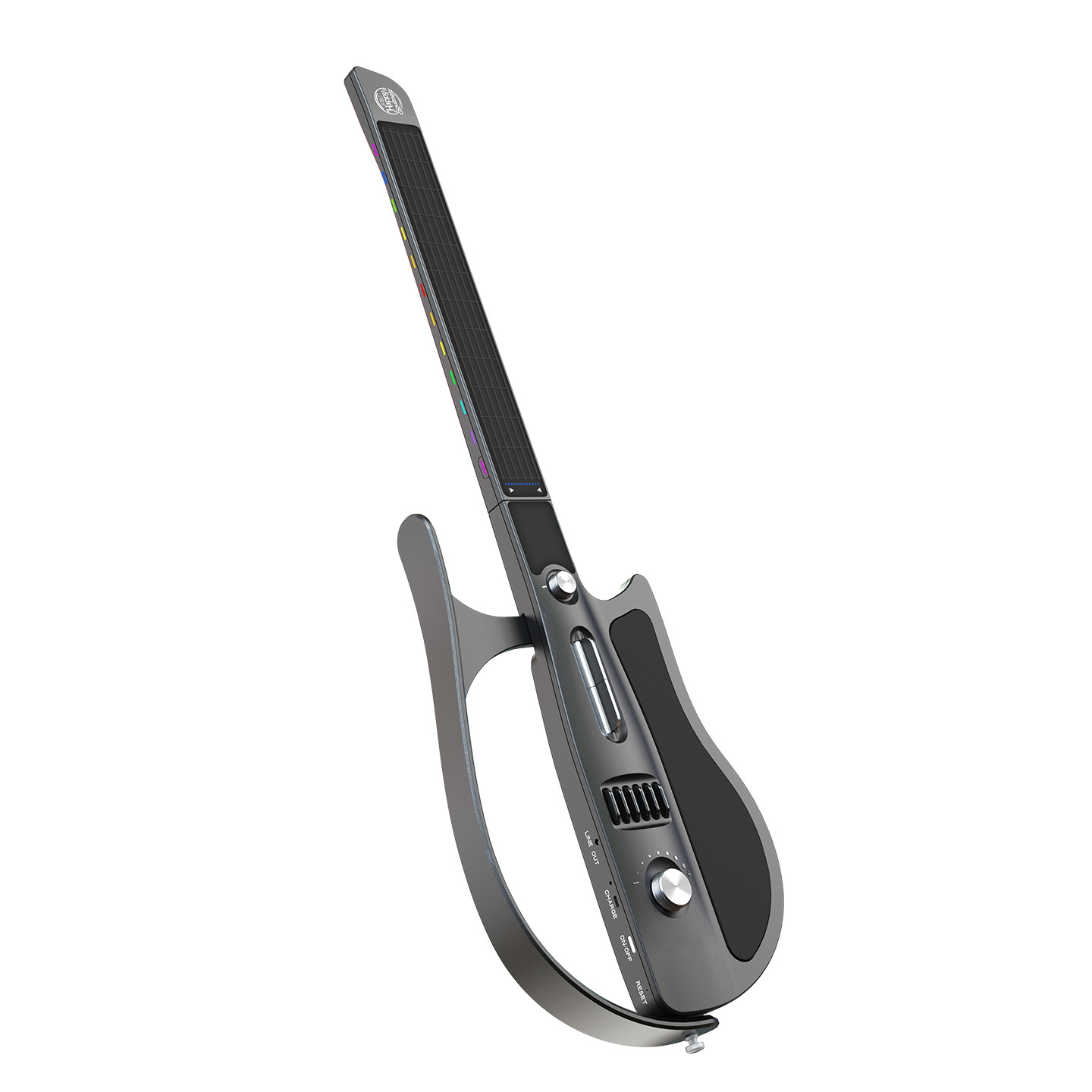
Hot Selling N1 Smart Accompaniment Stringless Guitar Smart Guitar Travel Guitar
A gift-friendly, travel-oriented instrument for Philadelphia tourism retail, hotel shops and experience-led music stores.
View product →Where Thumb Pianos and Related Instruments Win in Philadelphia
Philadelphia buyers do not sell into a single channel. A kalimba program can succeed across education, wellness, tourism, performance and online content if the product mix and supplier support match each use case.
K-12 Music Classrooms & After-School Programs
Thumb pianos are accessible, quiet enough for small rooms and suitable for group rhythm exercises. Philadelphia schools and community programs often need durable 17-key models, replacement tines, carry bags and simple teaching sheets. Pairing kalimbas with foldable digital pianos and recorder adapters helps program coordinators buy from one shipment.
University & Community Music Workshops
University City and community music centers value instruments that support world-music surveys, composition workshops and inclusive performance. A mix of 10-key, 17-key and 21-key kalimbas allows teachers to demonstrate scale layouts, tuning systems and ensemble layering without committing to one price point.
Music Therapy & Senior Wellness
Kalimbas are often chosen for calm, tactile play and low-volume expression. Philadelphia music therapists and senior-living activity teams may prefer 10-key or 17-key models with rounded edges, soft bags, color-coded note stickers and replacement tines. Avoid overly sharp tine ends and verify finish safety for repeated handling.
Retail Demo & Tourism Gifting
Museum shops, historic-district gift stores, craft markets and boutique music shops need thumb pianos that photograph well and communicate quickly. Small logo engravings, gift boxes, story cards and city-themed packaging can turn a kalimba into a memorable Philadelphia gift without overcomplicating production.
Street Performance & Outdoor Events
Philadelphia’s parks, markets and waterfront events support busking and pop-up performance. Portable amplifiers, tripod stands and phone recording adapters make it easier to demonstrate kalimbas outdoors, capture content and sell through QR-linked product pages after the event.
Studios, Podcasters & Live-Stream Sellers
Content creators need clean audio and repeatable demo setups. Recording adapters, multi-phone tripods and compact synthesizers can be bundled with kalimbas for online sellers who demonstrate products through live video, short-form content and affiliate links.
Philadelphia Market Signals Shaping Kalimba & Instrument Demand
The trends below are qualitative planning signals for assortment and content strategy. They are not market-size statistics; they reflect how Philadelphia buyers are increasingly using portable, expressive and content-friendly instruments.
Portable music for smaller living spaces
Apartment-friendly instruments continue to appeal in University City, Center City, Northern Liberties and surrounding neighborhoods. Thumb pianos, foldable digital pianos and travel guitars fit that buying logic.
Content-led retail and live commerce
Philadelphia retailers and independent teachers increasingly sell through video. Tripods, recording adapters and compact performance gear can be bundled with kalimbas to make demonstration easier.
Wellness, therapy and senior activity programs
Calm, tactile instruments are a natural fit for music therapy, memory care and community wellness. Buyers should prioritize safe edges, reliable tuning, soft cases and easy note layouts.
Experience gifting and local identity
Historic districts, craft markets and museum shops reward products with a story. Custom packaging, city-themed cards and small-logo kalimbas can turn a simple instrument into a gift with local meaning.
How to Evaluate a Thumb Piano Factory or Exporter Before You Order
Use this buyer framework to compare kalimba suppliers on specifications that affect returns, reviews and repeat orders, not just unit price.
| Specification decision | Commercial benefit | What to verify |
|---|---|---|
| 17-key diatonic C major | Best entry-level format for schools, gifts and first-time players | Note layout accuracy, engraved note labels, tine spacing, replacement tine availability |
| 21-key chromatic or extended layout | Higher perceived value for performance, advanced students and content creators | Scale chart accuracy, tuning stability across the full range, bridge clearance, sustain balance |
| Solid mahogany or acacia body | Warm tone, strong gift appeal and premium retail presentation | Wood species declaration, moisture content, finish cure time, grain consistency and legal harvest documentation where applicable |
| Laminate or composite body | Cost control, humidity tolerance and stable mass production | Edge sealing, veneer lifting, odor, screw or fitting security and color consistency |
| Carbon steel tines | Familiar tone and broad supplier availability | Burr-free edges, plating quality, tine alignment, dead-note testing and spare-tine packing |
| Soft bag, hard case and accessories | Improves unboxing, reduces damage and raises average order value | Padding thickness, zipper quality, strap strength, mallet and cloth inclusion, instruction sheet accuracy |
| E-commerce packaging | Reduces returns for Philadelphia online sellers and Amazon-style channels | Drop-test readiness, inner retention, corner protection, barcode placement and polybag warnings |
Build an acceptance checklist
Before bulk production, define measurable criteria: pitch tolerance, tine alignment, finish defects, tune stability after settling, accessory completeness and packaging drop performance. A supplier that can respond to a written checklist is more reliable than one that only sends a photo gallery.
Ask for a mixed-order plan
Philadelphia buyers often test multiple colors, key counts and price bands. Ask whether the supplier can consolidate kalimba models with accessories, portable pianos, tripods and recording adapters in one order. This reduces freight waste and simplifies receiving.
Do not ignore landed cost
Compare product cost plus packaging, export clearance, freight, insurance, duty, port fees and last-mile delivery. A slightly higher FOB price with better packaging and fewer returns can be cheaper once the shipment reaches Philadelphia.
Why WPI Is a Practical Export Partner for Philadelphia Instrument Buyers
WPI International Trade Co., Ltd. (Huizhou) began exporting musical instruments from Hong Kong in June 2010 and established its Huizhou, Guangdong operation in 2014. The company operates as a multispecialty supplier with long-term partner workshops — a structure that helps buyers compare price bands, customize packaging and consolidate multiple instrument categories without losing visibility on quality.
For a Philadelphia kalimba buyer, the value is not only product access. It is the ability to work with a supplier that has a documented export history, an Intertek onsite assessment, a defined finished-product inspection step and a broad instrument range that can support cross-sell programs. WPI’s main markets are North America, Western Europe, Southeast Asia and South America, which means the export team is accustomed to English-language communication, mixed-container coordination and North American packaging expectations.
- 12+ yearsMusical instrument export experience
- 28 staff22 in trading and export roles
- US$9MAnnual sales, third-party assessed
- 952 ordersShipped in the last 6 months
- 4.6/5Average buyer rating
- 97.73%Inquiry response rate
Third-party assessed capabilities include sample-based customization, minor customization such as logo, packaging and graphics, design-based customization and full customization. Accepted payment methods include T/T, L/C, D/P, D/A, MoneyGram, credit card, PayPal, Western Union, cash and escrow. Delivery terms include FOB, CFR, CIF, EXW, FAS, CIP, FCA, CPT, DEQ, DDP, DDU, DAF, DES and express delivery. These options matter when a Philadelphia buyer needs to test a small kalimba program before committing to a larger container.
WPI has also exhibited at Shanghai and Guangzhou music shows from 2014 to 2019, giving the team direct trade-show experience with international buyers. The company’s emphasis is long-term cooperation: protecting the buyer’s market, keeping quality consistent and maintaining reasonable pricing so both sides can grow.

Quality Control Before Shipment
Finished-product inspection covers appearance, hardware, playability, tuning stability, accessories and packaging before delivery.
Factory-Direct Sourcing
Long-term partner workshops in Guangdong support competitive pricing, OEM/ODM development and flexible specification matching.
Wide Instrument Selection
1,000+ instruments and accessories across strings, percussion, keyboards, wind instruments and add-on categories.
One-Stop Consolidation
Combine guitars, kalimba-adjacent accessories, drums, keyboards and recording products in one shipment to reduce freight friction.
Intertek Onsite Assessment
WPI has been assessed onsite by Intertek, supporting buyer confidence in legal status, premises and documented capabilities.
- Finished product inspection
- Sample-based customization
- Minor customization: logo, packaging and graphics
- Design-based customization
- Full customization
Terms Built for Buyer Testing
Low MOQ allows Philadelphia buyers to sample before scaling. Typical MOQs range from 1 piece for many instruments to 2–10 pieces per model, with 20–600 sets for strings and small accessories. Mixed-category orders are welcome.
- Payment: T/T, L/C, D/P, D/A, credit card, PayPal and more
- Delivery: FOB, CIF, EXW, DDP, express and more
- Markets: North America, Western Europe, Southeast Asia, South America
Philadelphia Thumb Piano & Musical Instrument Buying Questions
These are the questions most commonly raised by Philadelphia-area retailers, schools, online sellers and event businesses when comparing thumb piano factories and musical instrument exporters.
Are you a Philadelphia thumb piano factory or an overseas exporter?+
WPI is an overseas musical instrument exporter based in Huizhou, Guangdong, China, serving buyers in Philadelphia and across North America. For thumb piano programs, the practical role is to coordinate with specialist workshops, verify specifications, inspect finished goods and consolidate shipments. Buyers comparing “Philadelphia thumb piano factories” should ask whether the supplier is a local maker, a trading company with partner factories, or a brand owner. The right answer depends on MOQ, customization needs and how much quality documentation you require.
What is the minimum order for a kalimba or mixed musical instrument order?+
WPI’s stated MOQ is flexible: many guitars, ukuleles, violins and saxophones can be ordered from 1 piece for sampling, with typical wholesale MOQs of 2–10 pieces per model and 20–600 sets for strings and small accessories. For a Philadelphia retailer testing kalimbas, the practical approach is to request a sample or small trial order, then combine reorders with accessories, portable pianos or other instruments to improve freight efficiency.
How do you ship thumb pianos and instruments to Philadelphia?+
For larger orders, WPI can quote FOB, CIF, DDP and other delivery terms. Philadelphia buyers may route shipments through East Coast ports, use the Port of Philadelphia where suitable, or choose air freight and express courier for samples and small launch quantities. The best term depends on whether your business is set up to handle customs clearance. DDP can be convenient for trial orders; FOB or CIF is often more cost-effective for experienced importers with a freight forwarder.
Can you customize logo, packaging, key count and tuning for kalimbas?+
OEM and ODM discussions should cover logo method, carton artwork, instruction language, note stickers, color choice, key count, scale layout, bag or case, and retail barcode. WPI’s assessed customization capabilities include minor customization such as logo, packaging and graphics, design-based customization and full customization. For tuning, request a written sample approval standard before mass production because scale layout and note labeling vary by model.
How can I reduce dead notes, tuning drift and damaged finishes?+
Use a pre-production sample to set acceptance criteria: tine alignment, burr-free edges, note position, pitch stability after settling, bridge contact, body finish, accessory completeness and packaging protection. For e-commerce sellers, test the interior carton with a drop test. For retail, inspect visible grain and finish consistency. Ask the supplier to document the inspection checklist and send photos or video of finished-product inspection before shipment.
Which thumb piano models should a Philadelphia retailer stock first?+
A sensible starter assortment includes 17-key diatonic kalimbas for beginners and schools, 10-key models for gifts and therapy use, and a smaller number of 21-key or chromatic models for advanced players. Add soft bags, replacement tines, note stickers and simple songbooks as add-ons. Retailers near universities, tourist areas or music venues may also test performance-oriented finishes and gift packaging. Avoid over-ordering one color before you know which local channel will sell through.
What documentation should I request for wooden thumb pianos?+
Ask for the wood species name, finish type, packaging details and any legal harvest or species documentation available for the materials used. If a product is described as mahogany, acacia, rosewood, ebony or another high-profile species, verify the actual material and avoid restricted or misdeclared wood. For Philadelphia importers, consistency between the product listing, invoice, packing list and marketing claims is essential for customs and consumer trust.
Can schools, churches and non-profits combine products for a music program?+
Yes. Mixed-category orders are useful for schools, community centers, churches and non-profit programs that need kalimbas, digital pianos, stands, adapters and accessories together. Provide quantities, age groups, storage conditions and any procurement documentation required by your organization. WPI can then recommend a combination that fits the budget while keeping the shipment practical. Tax-exempt status and local purchasing rules should be handled through your own finance process before the order is placed.
Ready to Build a Philadelphia Thumb Piano Program?
Tell us your target channel, key counts, finish direction, packaging requirements and estimated order quantity. Our export team can recommend a practical mix of thumb pianos, accessories and cross-sell instruments, then confirm current MOQ, lead time and shipping options to Philadelphia.