Top Trusted Guitar Pickguard Factory & Exporters for Baltimore
Factory-direct custom pickguards, OEM/ODM production and export-ready wholesale support for Baltimore music retailers, repair shops, schools and distributors.
8 Wholesale Guitar Products Baltimore Dealers Can Pair with Custom Pickguards
Pickguards rarely travel alone in a profitable wholesale order. These eight products help Baltimore retailers, repair benches and online sellers build practical bundles around guitar setup, protection, stage use, recording and beginner programs.
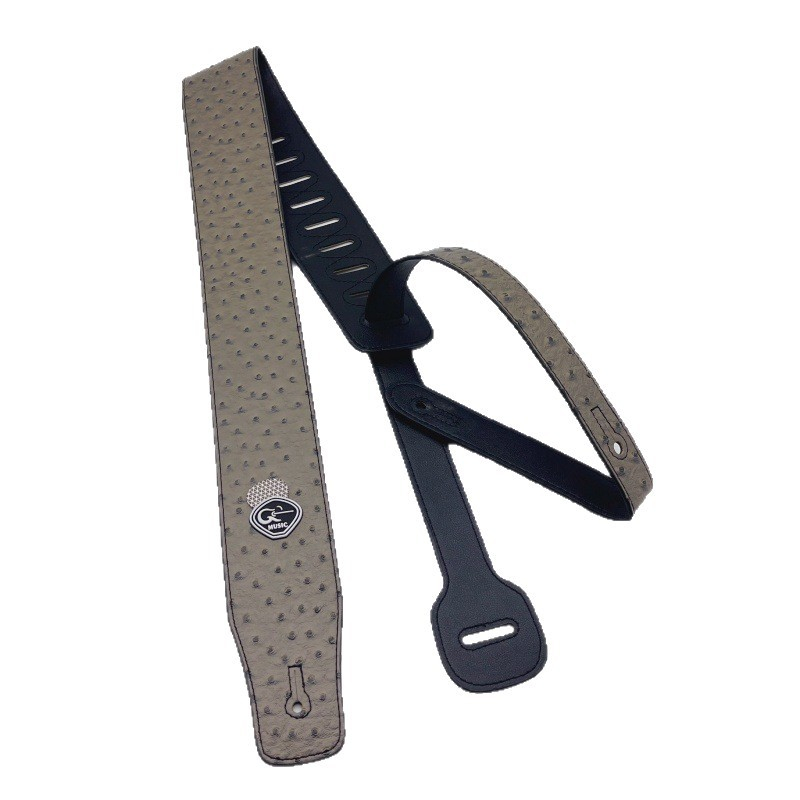
Genuine Leather Guitar Strap, Wide Wear-resistant Shoulder Strap, Dual-use Strap for Acoustic & Electric Guitar Wholesale
A natural add-on for guitar bundles, repair-shop upsells and retail displays serving acoustic and electric players.
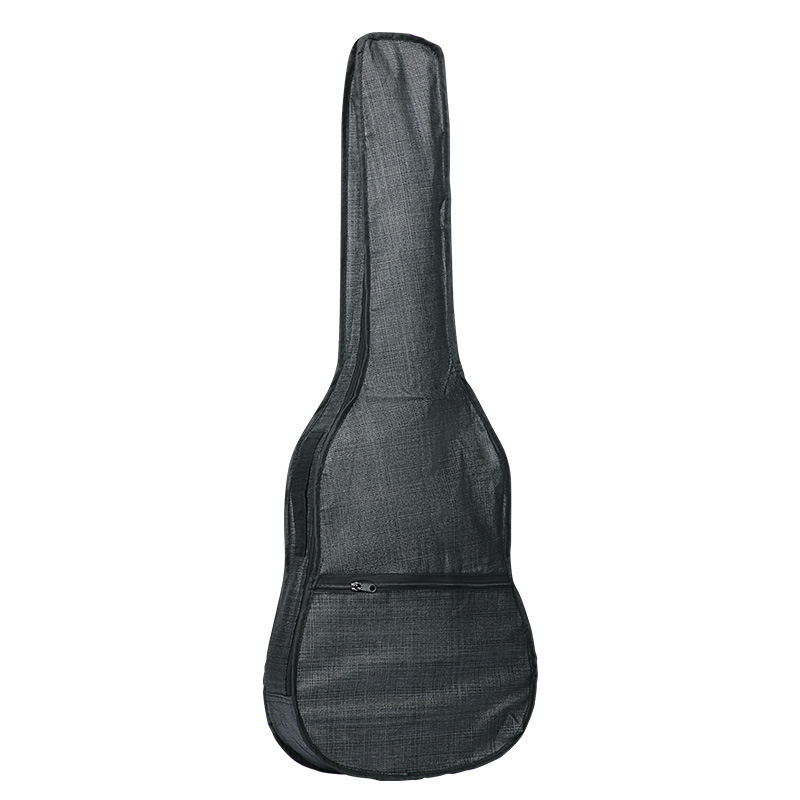
38 Inch New Non-woven Fabric Acoustic Guitar Bag, Single Shoulder Lightweight Single Layer Folk Guitar Backpack Wholesale
Lightweight protection for student and folk guitars, suitable for e-commerce parcels and school program orders.
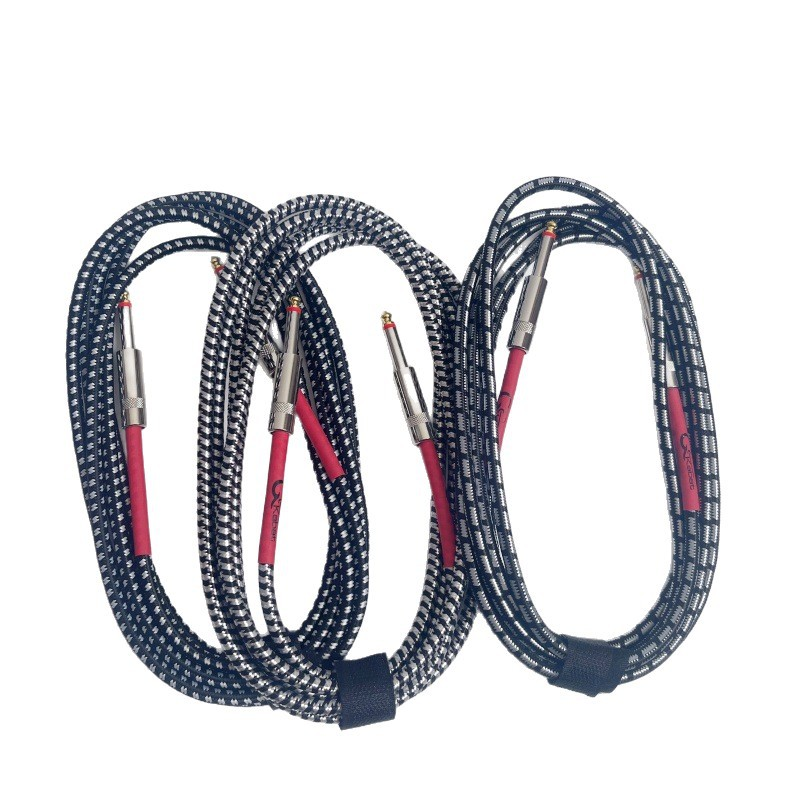
Braided Guitar Cable, 6.35mm Male to Male Noise Reduction Audio Cord for Bass, Instrument Connection Wire Wholesale
A practical accessory for demo rooms, rental fleets, live stages and repair-test benches.
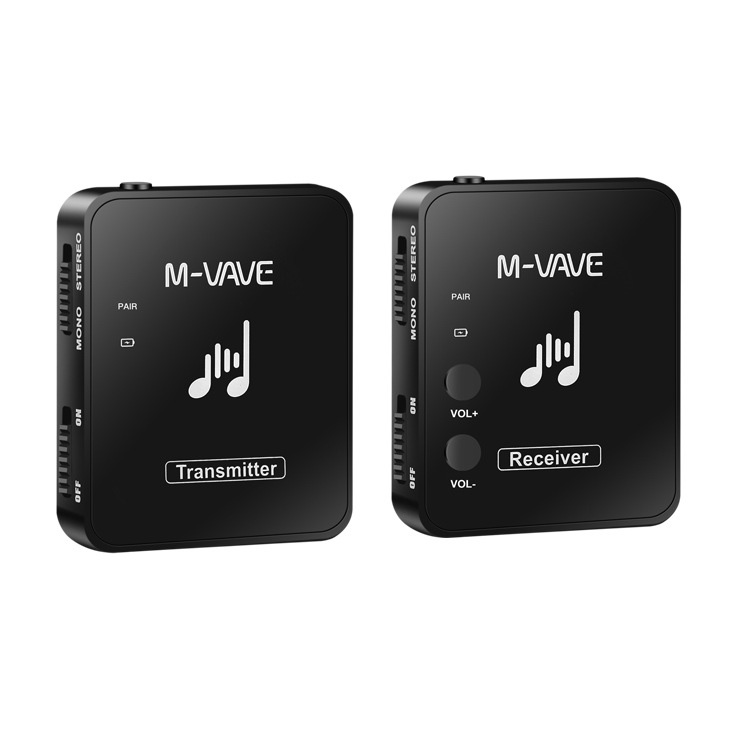
Wireless in Ear Monitor System Transmitter Receiver Mono Stereo Earback Set Guitar System
Useful for performers and content creators who need reliable monitoring in rehearsal and live settings.
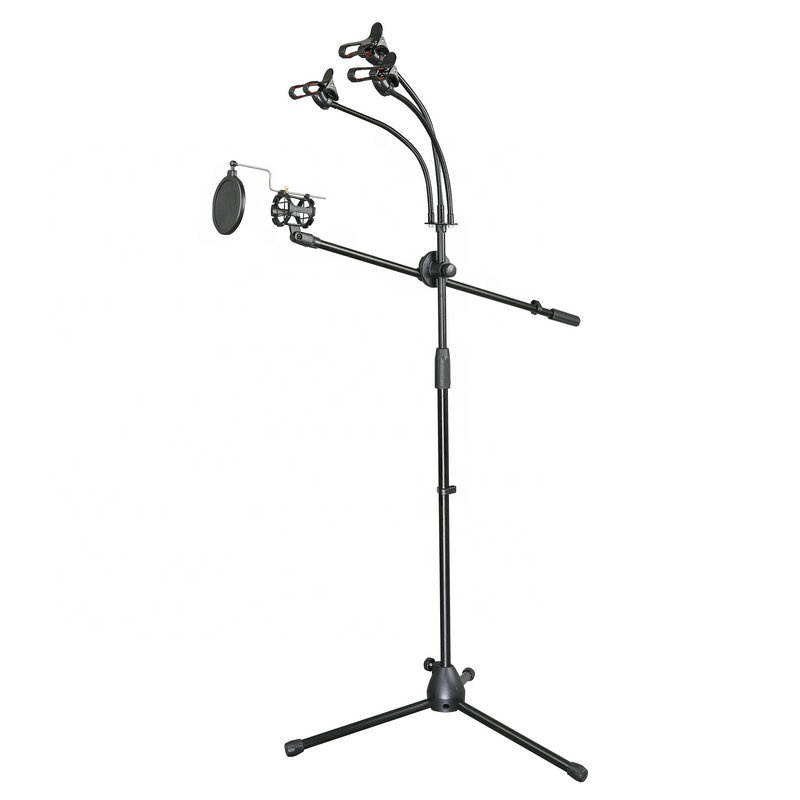
Three Mobile Phones with Horizontal Bars for Live Streaming, Floor Standing Three Legged Microphone Stand
A timely add-on for retailers serving musicians, teachers and independent content creators.
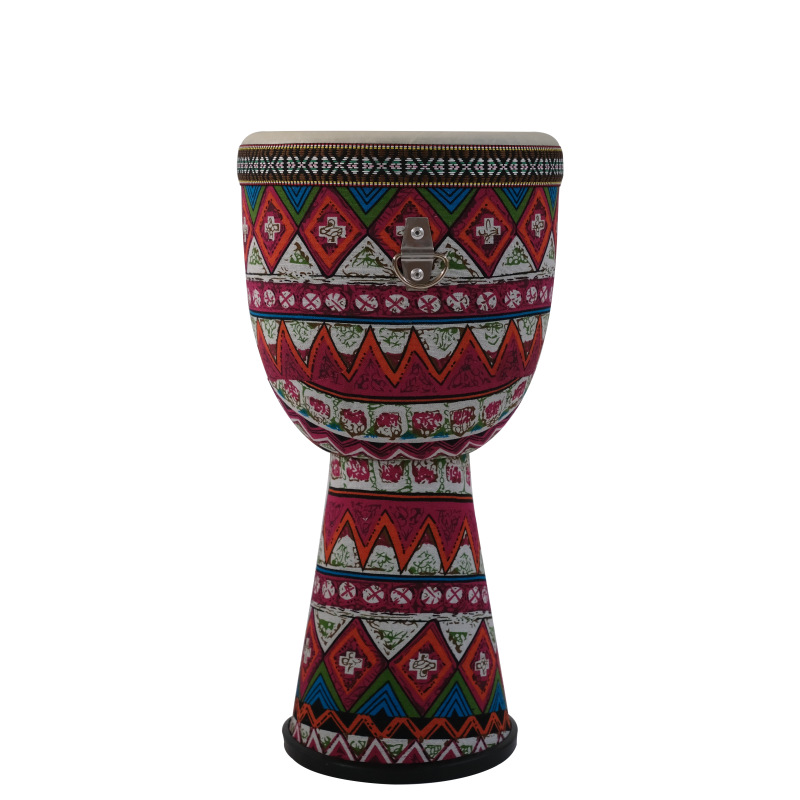
8 Inch African Djembe Drum, Lightweight PVC Fabric Hand Drum for Kids & Adults, Beginner Percussion Hand Beat Drum Wholesale
A beginner-friendly percussion item for schools, community programs, therapy sessions and gift retail.
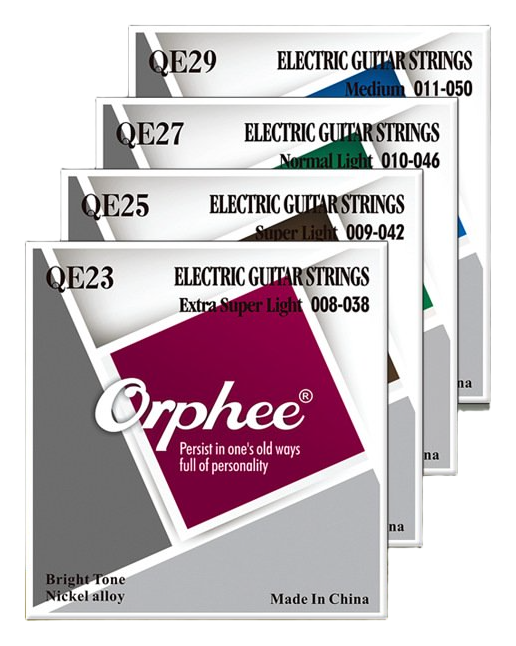
Wholesale Coated Nickel Core Electric Guitar String Set
A repair-counter staple that pairs naturally with pickguard replacement and full setup services.
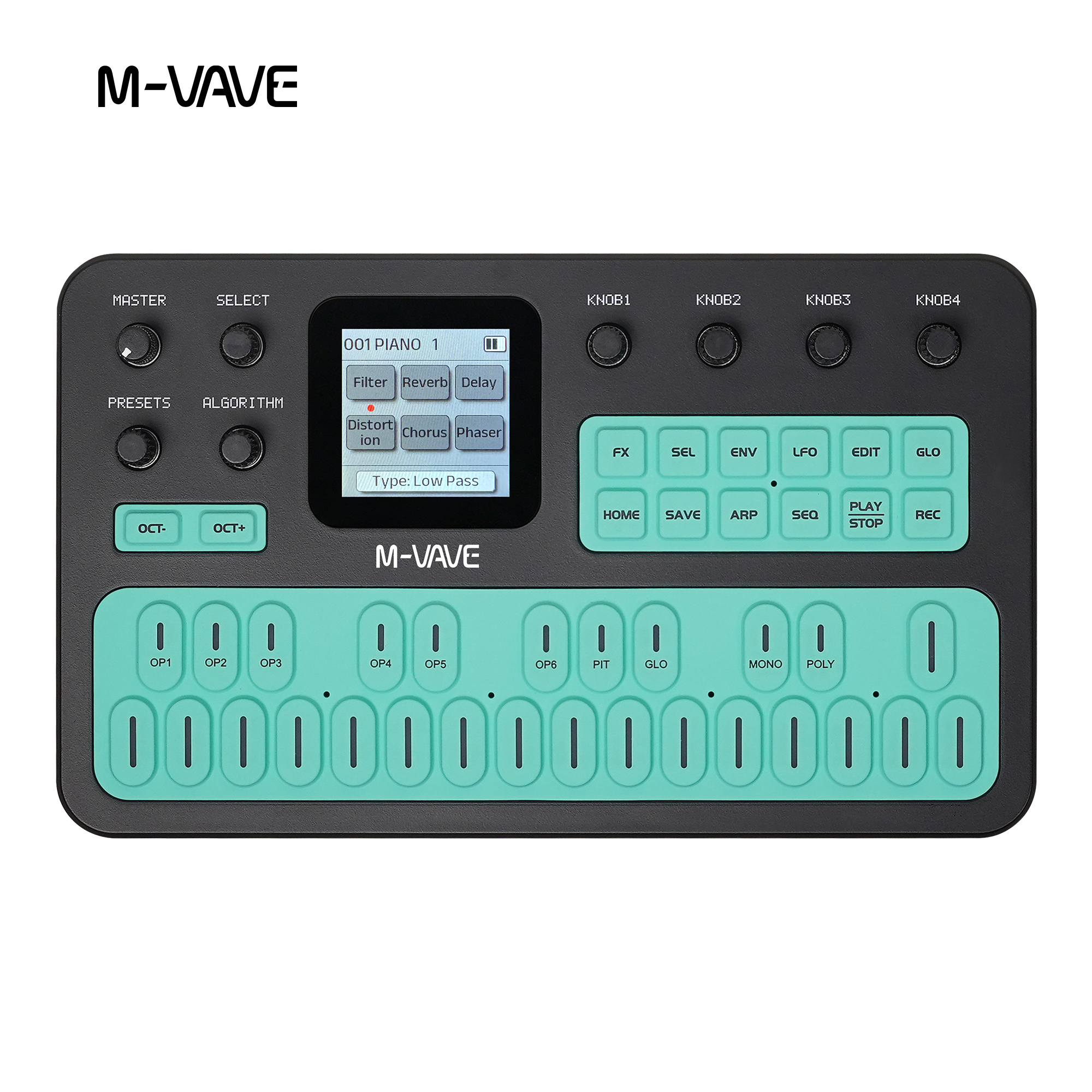
Factory Bestseller Portable M-VAVE FM-1 Synthesizer MIDI Digital FM Keyboard Screen Sequencer Arpeggiator Built-in Presets
A modern production and teaching item for retailers expanding beyond traditional guitar accessories.
Why Guitar Pickguards Matter in Baltimore's Local Music Economy
Baltimore is not a generic East Coast music market. It is a compact network of repair benches, school programs, club stages, home studios and retailers serving players across Hampden, Canton, Fell's Point, Federal Hill and the campuses around Peabody and MICA. In this environment, a pickguard is a fit-critical component, not a disposable cosmetic part.
Repair Shops in Hampden, Canton & Federal Hill
Repair counters need exact screw-hole alignment for Strat, Tele, P-Bass and J-Bass replacements. A ready supply of black, parchment, mint and tortoise blanks shortens turnaround, protects the finish during setup work and helps technicians present a professional repair.
Baltimore School & After-School Music Programs
Student electrics and acoustic guitars take hard use. Single-ply matte pickguards, edge-polished acrylic soundhole covers and printable name tags help programs repair instruments quickly, keep inventory presentable and stay within tight budget cycles.
Independent Retailers & Private-Label Electric Brands
Stores near Peabody, MICA and the club district can sell pickguards as add-ons or use custom pickguards to differentiate their own electric guitar lines. Logo engraving, retail packaging and mixed-color cartons make small private-label launches practical.
Touring Acts, Studios & Content Creators
Venues such as Rams Head Live and Baltimore Soundstage support players who care about stage appearance. Printed acrylic, brushed aluminum and vintage-correct celluloid options create a visual signature without changing the guitar's electronics or playability.
Information gain for buyers: pickguards are light, easy to warehouse and simple to consolidate with strings, straps, gig bags and cables. A well-chosen program can raise repair-ticket value and support private-label guitar sales without tying up capital in complete instruments.
Baltimore Pickguard Trends: What Retailers and Luthiers Are Asking For
Across the Mid-Atlantic, demand is moving in two directions at once: authenticity and personalization. Buyers restoring vintage instruments ask for period-correct shapes, screw patterns, bevels and colors. Buyers building modern instruments ask for clean matte finishes, laser engraving and durable materials that survive touring and humidity.
Baltimore buyer interest snapshot
Illustrative sourcing index for planning discussions; confirm current demand and material availability with your account manager.
Vintage-Correct Restorations
Restorers want period-appropriate tortoise, aged cream, mint and parchment tones, plus correct screw counts and bevels. For Baltimore repair shops, stocking a small matrix of colors and thicknesses can reduce wait time on vintage-style setup jobs.
Single-Ply Modern Minimalism
Matte black, parchment and clean single-ply guards remain strong for contemporary electrics and boutique builds. Edge polish and flatness matter more than decorative layers when the guitar has a modern, reduced visual style.
Local Artist & Limited-Run Customization
Laser engraving, printed graphics and small color runs help Baltimore stores create artist collaborations and store-exclusive drops. These projects benefit from clear vector artwork, approved color chips and packaging that can carry a logo without extra assembly.
Humidity-Ready Material Selection
Chesapeake Bay humidity and dry winter heating can stress low-grade plastics. Cast acrylic, high-grade PVC and aluminum give buyers more stable options, while traditional celluloid remains available for vintage-correct projects when storage and thickness are controlled.
Custom Pickguard Specification Guide for Baltimore Wholesale Programs
Use this table as an early planning framework before requesting samples. The fastest quotations come from an original pickguard, a paper tracing, a CAD file or a clear screw-hole pattern, together with your target material, thickness, finish and packaging direction.
| Pickguard Format | Likely Baltimore Use Case | Recommended Wholesale Build | Buyer Advantage |
|---|---|---|---|
| Strat SSS / HSS | Retail electrics, repair replacements, private-label launches | 2.0 mm PVC or cast acrylic, 11-hole pattern, edge bevel, protective film | Offer black, parchment, mint and aged cream in one mixed carton |
| Telecaster Style | Indie, country and rock players; setup shops | 2.0 mm single-ply matte black or 3-ply parchment, clean pickup cutout | Low visual noise and strong fit consistency for repeat orders |
| P-Bass / J-Bass | Rental fleets, bass repair, school jazz programs | 2.5 mm PVC, beveled edge, reinforced screw-hole spacing | Durable surface for high-use instruments and stage rental stock |
| Les Paul Style | Boutique luthiers and vintage-inspired builds | 1.5–2.0 mm acrylic, cream or black 3-ply, tight toggle clearance | Premium presentation for small-batch electric guitar lines |
| Acoustic Soundhole Covers | Folk guitar retailers, school programs, gift packs | 1.5 mm ABS or PVC, polished edge, stable flatness | Easy add-on for beginner guitars and accessory retail |
| Custom Artist Shapes | Store exclusives, band merchandise, local artist collaborations | Laser-cut acrylic or aluminum, vector artwork, color-chip approval | Differentiation without a heavy full-instrument inventory commitment |
Practical note: for any replacement guard, confirm pickup cavity clearance, neck pocket curve, bridge-side spacing and screw-hole positions before mass production. A 1 mm shift at the neck pocket can turn a perfect-looking part into a costly return.
Why WPI Is a Trusted Guitar Pickguard Export Partner for Baltimore
WPI International Trade Co., Ltd. (Huizhou) is an Intertek-assessed musical instrument supplier and exporter. Our team began exporting musical instruments from Hong Kong in June 2010 and established the Huizhou, Guangdong operation in 2014. Today 28 people support importers, distributors, retailers and schools; 22 work in trading and export roles. Third-party assessed annual export value is US$9 million, and recent trade data shows 952 orders in six months with a 97.73% inquiry response rate and an average buyer rating of 4.6/5.
Because we already coordinate guitars, ukuleles, violins, saxophones, drums, keyboards, strings and accessories, we understand where pickguards create friction: hole spacing, pickup clearance, neck pocket shape, finish protection and retail presentation. Baltimore customers can combine pickguard projects with other wholesale items, request logo and packaging customization, and choose export terms that fit their warehouse or online fulfillment model.
- Intertek onsite assessed supplier
- Main markets: North America, Western Europe, Southeast Asia, South America
- Address: 2313, Saige Building, Huizhou, Guangdong, China
- Assessed annual export: US$9M
- Recent trade: 952 orders in 6 months
- Average buyer rating: 4.6/5

OEM / ODM Support
Third-party assessed capabilities include sample-based customization, minor customization for logo, packaging and graphics, design-based customization and full customization. This structure supports pickguard runs tied to a specific guitar model or retail brand.
Low MOQ & Mixed Orders
Many instruments can be ordered from 1 piece for sampling, with typical wholesale MOQs of 2–10 pieces per model and 20–600 sets for strings and small accessories. Mixed-category orders are welcome, which helps Baltimore buyers test a pickguard line without overstocking.
Export Terms for U.S. Buyers
Payment methods include T/T, L/C, D/P, D/A, MoneyGram, credit card, PayPal, Western Union, cash and escrow. Delivery terms include FOB, CFR, CIF, EXW, FAS, CIP, FCA, CPT, DEQ, DDP, DDU, DAF, DES and express delivery.
Named Account Support
Each buyer works with a dedicated account manager who follows the order from quotation to after-sales. The team supports English-language sourcing, sample coordination, inspection follow-up and documentation before shipment.
Quality Control from Drawing to Baltimore Delivery
A pickguard project usually fails for simple reasons: a screw hole is 0.8 mm off, a pickup cutout is too tight, a bevel catches light incorrectly or a carton arrives with pressure marks. Our workflow is designed to catch those issues before packing, not after the goods reach a Baltimore repair bench.
Specification & Fit Review
Review the original part, tracing, CAD file, screw pattern and target guitar model. Confirm pickup layout, neck pocket curve and bridge-side clearance.
Material & Color Approval
Select PVC, acrylic, celluloid, ABS or aluminum, then approve thickness, surface gloss, color chip and protective film direction.
CNC Cutting & Beveling
Control outline tolerance, edge radius and bevel consistency. Sharp corners, rough edges and uneven polishing are checked before assembly.
Fit & Hardware Test
Test screw-hole alignment, pickup clearance and control-cavity access on approved reference instruments where available.
Surface & Packaging Inspection
Inspect scratches, flatness, pressure marks and protective film. Pack with retail-ready or bulk carton requirements in mind.
Export Documents & Shipping
Finalize inspection records, invoice, packing list and shipment terms. Choose Port of Baltimore routing, air express, FOB, CIF, DDP or another agreed term.
Quality commitment: every order goes through finished-product inspection before delivery, covering appearance, hardware, playability and packaging. Our company has also been assessed onsite by Intertek.
Common Questions from Baltimore Wholesale Buyers
These are the questions we hear most often from U.S. retailers, repair shops, schools and distributors evaluating custom pickguards and mixed musical-instrument orders.
Can WPI ship custom pickguards to Baltimore and the U.S. East Coast?
Yes. We can quote shipments to the Port of Baltimore, BWI air express, or a U.S. warehouse address using FOB, CIF, DDP and other agreed terms. For repeat buyers, pickguards can be consolidated with strings, straps, gig bags, cables and other catalog items to improve carton utilization and simplify receiving.
What is the minimum order quantity for custom guitar pickguards?
MOQ depends on shape, material, color, packaging and whether a new cutting program is required. WPI supports low-MOQ sampling and mixed-category orders; typical wholesale MOQs are 2–10 pieces per instrument model and 20–600 sets for strings and small accessories. Send your specification and target quantity so the team can confirm the most practical production route.
Can you match Fender, Gibson or imported guitar pickguard shapes?
We can review original pickguards, paper tracings, CAD files, photographs with a scale reference and screw-hole patterns. The safest route is to send an original part or a precise drawing. Before production, confirm pickup cavity clearance, neck pocket shape, bridge-side spacing and control layout so the replacement fits the intended guitar model.
Which pickguard materials are best for Maryland humidity?
For stable flatness in humid summers and dry winter interiors, specify cast acrylic, high-grade PVC or aluminum according to the guitar's look and price point. Traditional celluloid remains available for vintage-correct restorations, but buyers should confirm thickness, storage conditions and packaging protection. For school and rental instruments, matte PVC and ABS often provide a practical balance of durability and cost.
Do you offer private-label logos and retail packaging?
Yes. Assessed customization capabilities include logo, packaging and graphic changes, sample-based customization, design-based customization and full customization. Common options for Baltimore retailers include logo engraving, printed protective film, hang tags, poly bags, barcodes supplied by the buyer and retail-ready cartons for store or e-commerce fulfillment.
What payment and delivery terms do you accept?
Payment methods include T/T, L/C, D/P, D/A, MoneyGram, credit card, PayPal, Western Union, cash and escrow. Delivery terms include FOB, CFR, CIF, EXW, FAS, CIP, FCA, CPT, DEQ, DDP, DDU, DAF, DES and express delivery. Payment currencies include USD, EUR, JPY, CAD, AUD, HKD, GBP, CNY and CHF.
Ready to Source Custom Pickguards for Baltimore?
Send your original pickguard, tracing, CAD file or target screw pattern together with preferred material, thickness, finish, quantity and packaging. Our team will confirm fit feasibility, recommend a production route and quote export terms to Baltimore or your U.S. warehouse.
Email: info@wpimusic.com