Top China Instrument Stand Supplier & Wholesalers in the Chicago Market
A practical sourcing guide for Chicago music retailers, school programs, studios, live-event suppliers and online sellers comparing low-MOQ instrument stands, display hardware and music accessories from an Intertek-assessed Chinese exporter.
Why Chicago buyers need more than a list of China suppliers
Most searches for an instrument stand supplier or wholesale instrument stands in Chicago are not early-stage research clicks. They are procurement decisions made by retail buyers, school music departments, studio operators, e-commerce sellers and event production companies. The real question is not “Who sells stands?” but “Which supplier can deliver a market-fit assortment, protect product quality, support OEM packaging and keep the landed-cost structure predictable?”
The Chicago market adds its own filters. A buyer may be fitting out a Lincoln Park showroom, supplying a Wicker Park rehearsal space, preparing a school inventory order, creating content for an online store or equipping a live-event rental desk. Each route to market requires different fixture strength, finish durability, packaging protection and order flexibility. A China-based supplier is therefore only useful when its catalogue, quality controls, low-MOQ sampling and logistics terms match those local use cases.
WPI International Trade Co., Ltd. (Huizhou) fits that sourcing brief through a 2010-founded export operation, Intertek onsite assessment, one-stop musical instrument and accessory sourcing, low-MOQ sampling, OEM/ODM customization and finished-product inspection before delivery. This guide turns those supplier facts into Chicago-specific buying intelligence, with product recommendations, local applications, market trends, procurement FAQs and verified company advantages.
Verified sourcing snapshot
The company’s published trade profile points to an export operation built for repeat wholesale inquiries rather than one-off retail orders.
Based on verified transaction feedback covering product accuracy, communication and shipping time.
Three search-intent clusters behind “China instrument stand supplier Chicago”
Semantic search success comes from answering the commercial, operational and local questions behind the keyword, not from repeating it. These are the intent clusters a Chicago-focused supplier page should cover.
Transactional sourcing
Buyers want a fast route to quotations, MOQ confirmation, product images, private-label options and mixed-category consolidation. The page must make inquiry friction very low.
- bulk instrument stands Chicago
- wholesale violin hanger
- music stand supplier China
Commercial investigation
Buyers compare supplier credibility, inspection reports, response speed, sample policy and OEM depth before they send artwork or target quantities.
- China instrument stand reviews
- OEM guitar display stand
- Intertek assessed supplier
Local application
Chicago buyers search through use cases: retail display, school storage, apartment-friendly digital pianos, creator studios, rehearsal rooms and stage hardware.
- retail instrument display Chicago
- school music room storage
- home studio microphone stand
Eight product picks for a Chicago instrument-stand and music-gear assortment
A stronger wholesale assortment does not rely on stands alone. Chicago buyers often combine display fixtures, practice instruments, replacement parts and creator hardware so that each order supports higher average order value and fewer stock gaps. These eight products form a practical test basket for retail, education, studio and stage channels.
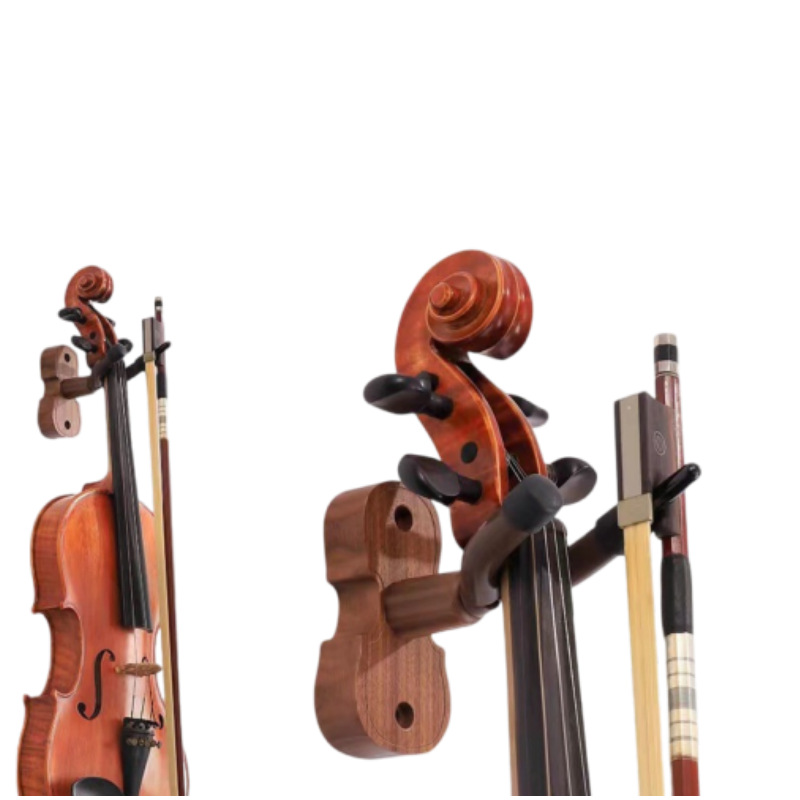 Wall display
Wood Base Violin Hanger, Wall Mount Violin & Erhu Display Bracket
Useful for boutique showrooms, school instrument storage and rental counters that need universal violin or erhu support with a warmer wood finish.
View product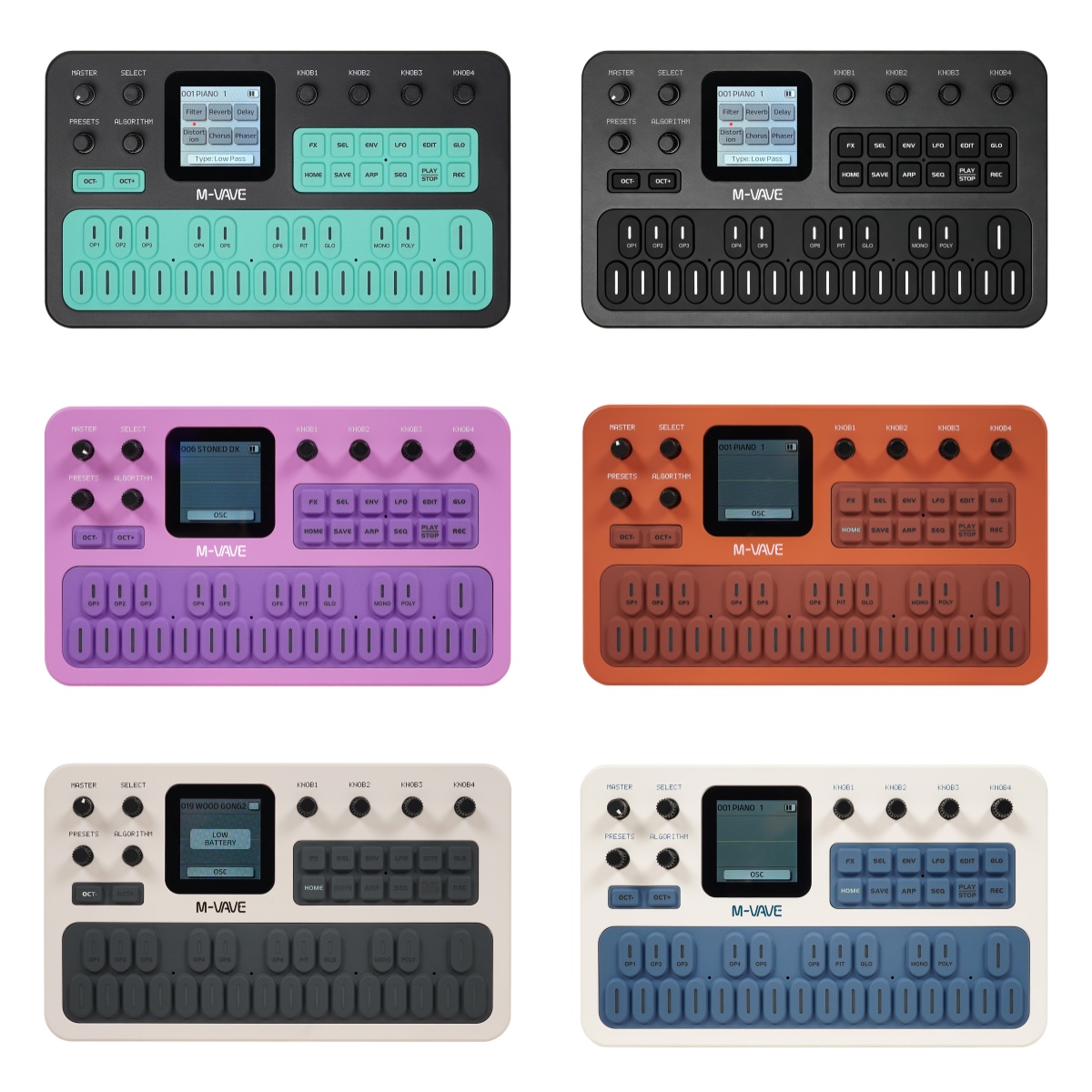 Creator gear
M-VAVE Mini FM-1 Synthesizer, 27 Keys, 3 Channel
A 12-hour battery and built-in speakers make this a fit for outdoor content creators, pop-up music workshops and compact Chicago apartment studios.
View product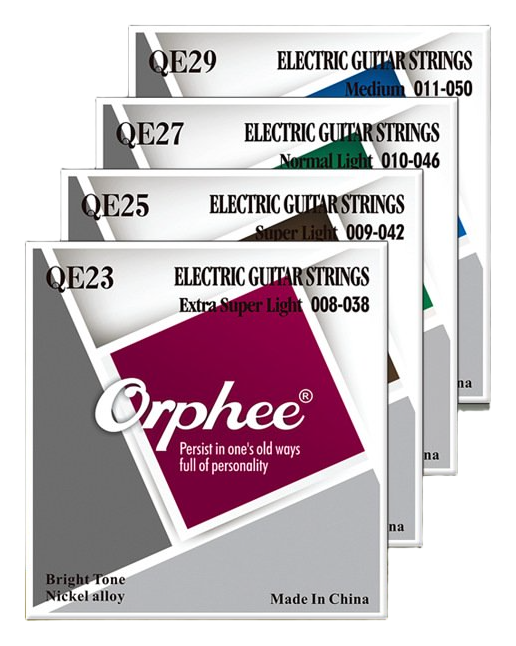 Repeat purchase
Wholesale Coated Nickel Core Electric Guitar String Set
An accessory staple for Chicago music stores, repair benches and e-commerce sellers. Strings create repeat orders and pair naturally with display fixtures.
View product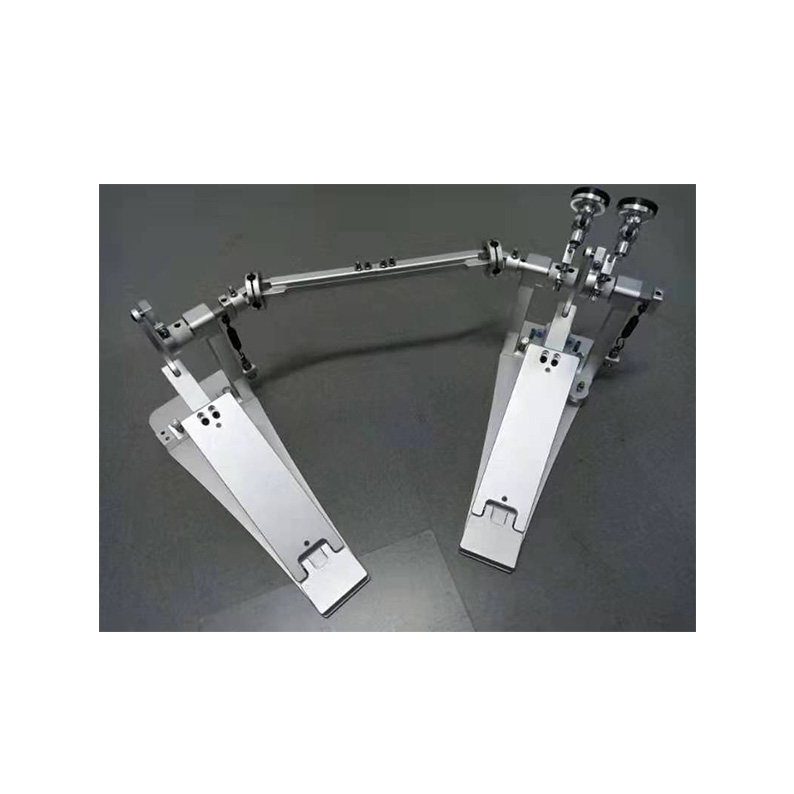 Drum hardware
Brushed Silver Double Bass Drum Pedal, Direct Drive
Suited to rehearsal rooms, drum shops and stage rental inventory where smooth direct-drive response and durable metal finish matter.
View product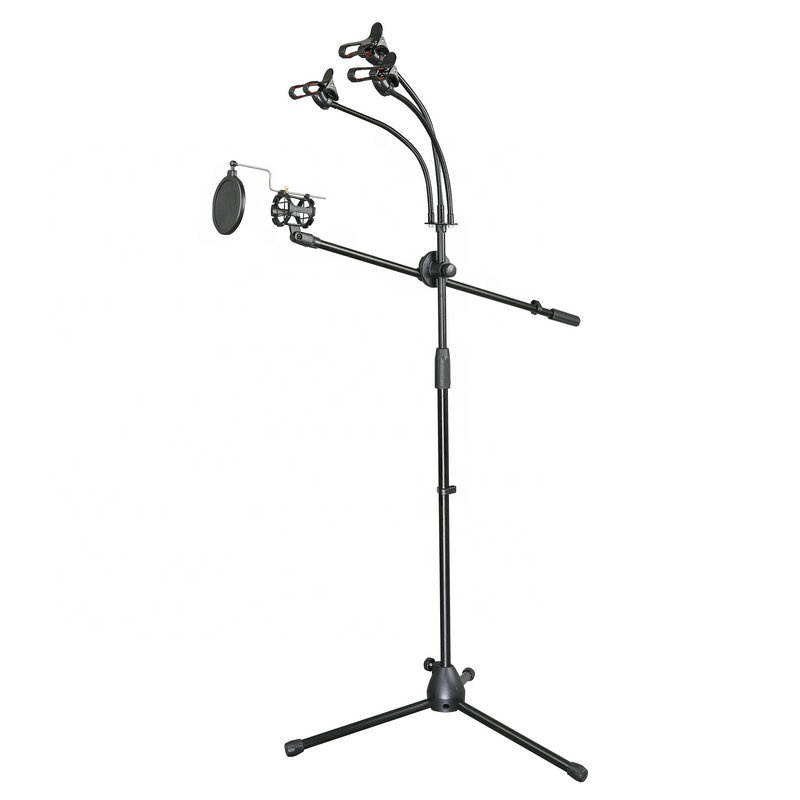 Studio & live
Three Mobile Phones Live Streaming Floor Tripod Microphone Stand
A practical stand solution for Chicago content creators, music retailers running demo streams and venues producing multi-angle social content.
View product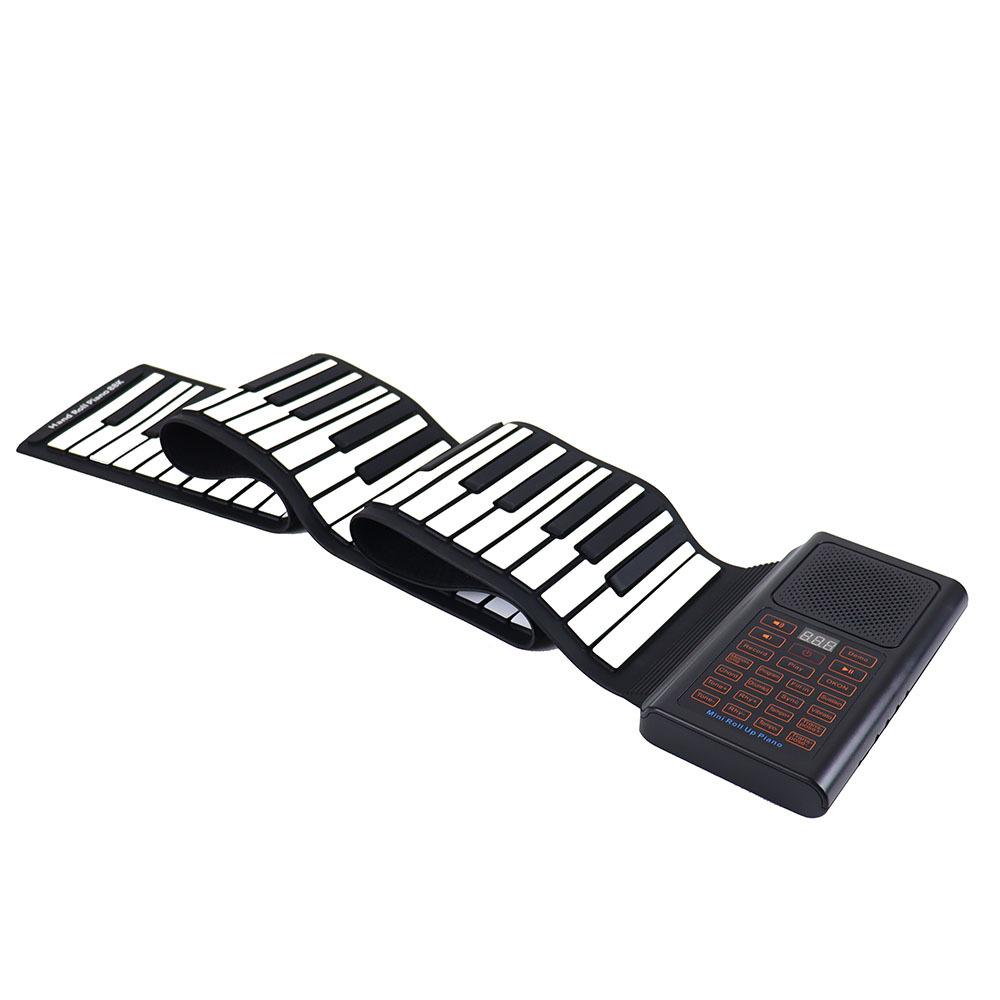 Teaching
Wholesale 88-Keypad Keyboard Portable Digital Piano
A foldable, space-saving piano for teaching studios, apartment practice and school programs that need a portable 88-key option.
View product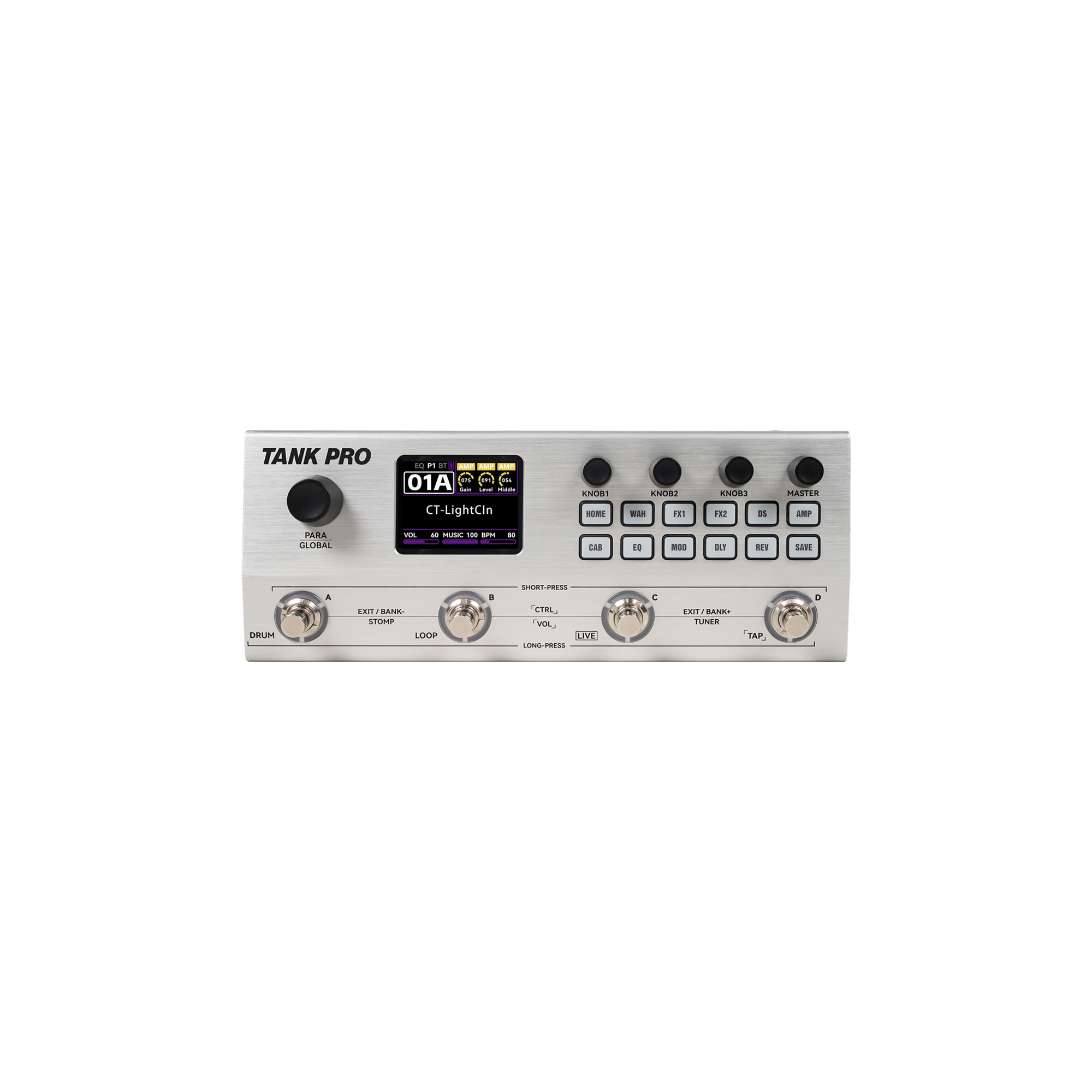 Demo & stage
Tank Pro Metal Guitar Multi-Effects Processor
Supports ANN third-party IR loading, OTG and internal recording — a useful demo-counter product for guitar retailers and home studio buyers.
View product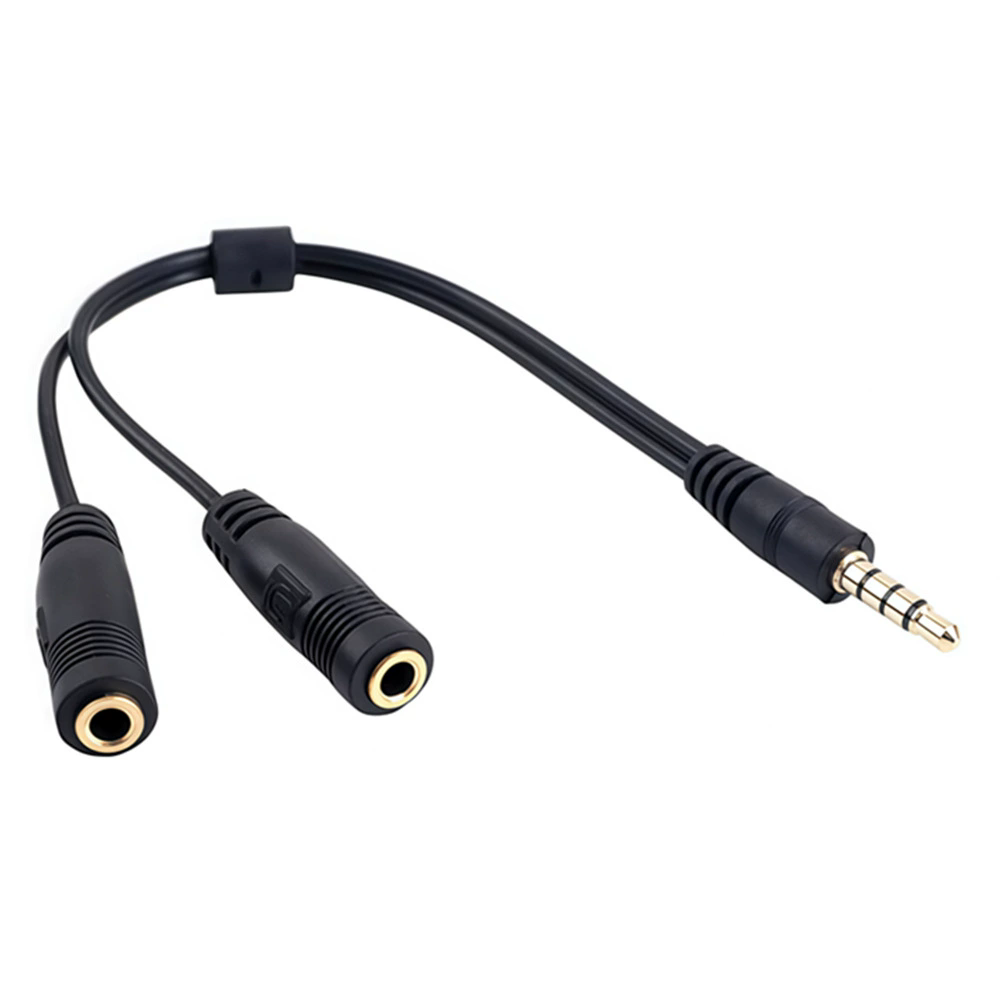 Online lessons
Wholesale 3.5mm 4-Pole Headset Microphone Splitter Adapter Cable
A low-cost, high-utility SKU for online music lessons, podcasting, gaming and laptop-based recording setups in Chicago’s creator economy.
View productProduct URLs are preserved as supplied. Buyers can request mixed-category quotations, samples and logo or packaging customization.
Where instrument stands and accessories create sell-through in Chicago
Chicago’s music economy is layered: neighborhood retail, school and community programs, rehearsal rooms, home studios, live venues and online sellers. Each environment values different product features, which is why a supplier page should show application fit rather than only catalogue images.
Retail showrooms
Music shops serving Wicker Park, Lincoln Park, the Loop and nearby neighborhoods can use wall hangers, display brackets and compact stands to improve visual merchandising and make small floor spaces work harder. Low-MOQ samples let buyers test finish and load feel before committing to a full planogram.
School & community programs
School music departments and community programs need repeatable, durable storage and practice solutions. Wall-mount violin hangers, foldable digital pianos and headset splitter cables support instrument storage, classroom practice and online lesson continuity.
Home studios & creators
Chicago creators working from apartments, converted lofts and home studios often buy space-saving gear: a three-phone live-streaming floor stand, a compact synth, a multi-effects processor and a headset splitter. These products support content-led retail and can be bundled into creator starter kits.
Rehearsal & stage suppliers
Rehearsal rooms, drum shops, rental desks and live-event suppliers look for robust hardware such as direct-drive double bass pedals, microphone stands and replacement strings. Consistent inspection and packaging matter because these products are often ordered in repeat batches.
Chicago-market trends shaping wholesale sourcing decisions
Chicago buyers are responding to changes in retail experience, institutional purchasing, creator culture and import planning. These trends affect how a China instrument stand supplier should package its offer.
Content-led retail
Chicago’s creator ecosystem is influencing what music retailers stock. Products that look good on video — compact synths, multi-effects units, live-streaming stands and clean display fixtures — help stores create social content while selling the same items on the floor.
Institutional documentation
Schools and public-facing programs often need clearer product descriptions, consistent packaging and dependable quality. An Intertek onsite assessment and finished-product inspection process reduce the uncertainty of sourcing from overseas.
Climate-aware hardware
Chicago winters are dry and cold, while summer spaces can become humid. Buyers should confirm stable finishes, protective cradle materials, secure packaging and hardware that will not loosen quickly during seasonal transport and storage.
Consolidated importing
Freight costs and delivery complexity make mixed-category shipments attractive. A one-stop supplier that combines stands, instruments, strings, pedals and creator accessories can reduce supplier management time and improve container or express-shipment planning.
Why WPI can support Chicago-market wholesale buyers
For overseas sourcing, the supplier’s operating system matters as much as the product photo. WPI International Trade Co., Ltd. (Huizhou) presents a verifiable export profile built around low-MOQ access, multi-category sourcing, OEM development and inspection before shipment.
Intertek onsite assessed
The company has been assessed onsite by Intertek, with verified business status, product lines and capabilities. This gives remote Chicago buyers a stronger due-diligence starting point than an unverified marketplace listing.
1,000+ SKU sourcing base
The catalogue spans guitars, ukuleles, violins, cellos, saxophones, clarinets, drums, keyboards, stands and accessories. Buyers can build a focused instrument-stand programme while adding high-velocity accessories and instruments to the same inquiry.
Low MOQ & OEM/ODM
Many instruments can be sampled from one piece, while typical wholesale MOQs run 2–10 pieces per model for instruments and 20–600 sets for small accessories. Assessed capabilities include sample-based customization, logo and packaging changes, design-based customization and full customization.
Inspection & export support
Finished-product inspection covers appearance, hardware, tuning stability, function and packaging before delivery. Accepted payment and delivery terms include common import methods, and the export team supports consolidated sourcing for North American buyers.
Trade terms at a glance
For Chicago import planning, buyers should align supplier terms with their customs broker, warehouse receiving window and sales calendar.
- Main export markets
- North America, Western Europe, Southeast Asia and South America.
- Accepted payment methods
- T/T, L/C, D/P, D/A, MoneyGram, credit card, PayPal, Western Union, cash and escrow.
- Accepted delivery terms
- FOB, CFR, CIF, EXW, FAS, CIP, FCA, CPT, DEQ, DDP, DDU, DAF, DES and express delivery.
- Typical MOQ
- From 1 piece for sampling on many items; 2–10 pieces per instrument model; 20–600 sets for strings and small accessories.
- Location
- 2313, Saige Building, Huizhou, Guangdong, China.
What Chicago buyers should verify before ordering
A supplier’s headline numbers are a starting point. Use the quotation stage to confirm the details that affect sell-through and landed cost.
- Product dimensions, load rating and finish spec
- Logo, hangtag and master-carton artwork
- Sample lead time and bulk production window
- Inspection photos before balance payment
- Incoterm, port or door delivery point
- Spare-parts and after-sales policy


From Huizhou brief to Chicago-ready shipment
A structured process reduces the risk that a low sample price turns into a high total project cost. This is the working path for a private-label or wholesale instrument-stand order.
Share the market brief
Define the target channel: retail showroom, school programme, studio bundle, stage rental or online marketplace. Include quantity, finish, size, packaging and target price.
Match products & specs
The supplier recommends models across stands, instruments and accessories, then confirms load requirements, materials, logo placement and carton planning.
Approve the sample
Low-MOQ sampling allows Chicago buyers to test finish, assembly, stability and presentation before committing to a seasonal or programme order.
Produce with checks
Mass production follows the approved specification, with in-process attention to hardware, appearance and packaging consistency.
Inspect before packing
Finished-product inspection covers appearance, function, tuning or hardware stability and carton condition before shipment.
Ship on agreed terms
FOB, CIF, DDP or express delivery can be discussed with the buyer’s forwarder, customs broker and Chicago receiving schedule.
Instrument stand selection: materials, finish and load checks
For the Chicago market, the cheapest stand is not always the lowest-cost decision. Returns, damaged showroom displays and school-safety concerns can erase the margin advantage. Use this comparison to brief a supplier with clearer technical language.
| Fixture or material | Best Chicago use case | What to check before ordering |
|---|---|---|
| Powder-coated steel floor stand | Retail floors, school storage rooms, rehearsal spaces and rental desks that need frequent repositioning. | Tube thickness, weld neatness, base stability, rubber feet, powder-coat adhesion and carton protection for rail or truck transit. |
| Aluminum wall-mount rack | Compact showrooms and teaching rooms where floor space is limited and instruments should be displayed securely. | Load rating, wall-anchor specification, screw quality, finish consistency and whether the mounting plate suits local wall construction. |
| Wood-base violin hanger | Boutique retail, rental counters and school display areas that want a warmer presentation for violins and erhu. | Wood finish stability, cradle softness, screw and bracket strength, and whether the coating is compatible with instrument lacquer. |
| ABS or padded TPU cradles | Protective contact points on wall hangers, display stands and travel storage fixtures. | Softness, odour, colourfastness, compression resistance and whether the material leaves marks on instrument finishes. |
| Direct-drive drum hardware | Drum shops, rehearsal rooms and stage rental inventory where response and durability influence repeat purchase. | Bearing smoothness, linkage tolerance, plated finish, spring tension range and spare-parts availability. |
For Chicago buyers, packaging should be specified for seasonal temperature changes. Allow products to stabilise after winter delivery before final inspection in a heated warehouse.
Common questions from Chicago instrument stand wholesalers and retailers
What is the minimum order quantity for instrument stands and accessories from China?
MOQ depends on the model and customization level. Many guitars, ukuleles, violins, saxophones and related items can be sampled from 1 piece. Typical wholesale MOQs are 2–10 pieces per model for instruments and 20–600 sets for strings and small accessories. For a Chicago retailer testing a new display programme, the practical route is to request a mixed-category sample order and then confirm the bulk MOQ for the exact stand, hanger or accessory.
Can WPI supply private-label instrument stands for a Chicago retail brand?
Yes. The assessed customization capabilities include sample-based customization, minor customization such as logo, packaging and graphics, design-based customization and full customization. Chicago buyers should provide logo artwork, colour references, packaging copy, barcode requirements and a target carton quantity before the sample is approved.
How is quality controlled before shipment to Chicago?
Every order can go through finished-product inspection before delivery, covering appearance, hardware, function, tuning stability where relevant, and packaging condition. The company has also been assessed onsite by Intertek. A buyer can request inspection photos and packing details before balance payment to reduce receiving surprises in Chicago.
Can I combine instrument stands, instruments and accessories in one order?
Mixed-category orders are welcome. This is particularly useful for Chicago distributors, music stores and online sellers that need display fixtures plus strings, pedals, digital pianos, synth products and lesson accessories. Consolidating products from one supplier can simplify communication, carton marking and freight planning, although the final container or express strategy should be confirmed with a licensed freight forwarder.
Which shipping terms work for the Chicago market?
Common delivery terms include FOB, CFR, CIF, EXW, FAS, CIP, FCA, CPT, DEQ, DDP, DDU, DAF, DES and express delivery. Many Chicago importers route shipments through US gateways and then rail or truck to Illinois; the correct Incoterm depends on whether the buyer has a customs broker, warehouse receiving capability and freight account. Confirm the final door-delivery point and responsibility split before production.
Are the products suitable for school or institutional purchasing?
Products can be specified for education and institutional use, but the buyer should confirm the exact load rating, finish, spare-parts policy and packaging needs. For school programmes, wall hangers and storage fixtures should be evaluated against the actual wall construction and installation process. The supplier can support product specification and inspection, while installation and local safety compliance remain the buyer’s responsibility.
How should a Chicago retailer choose between wall hangers, floor stands and display racks?
Use wall hangers for compact display and secure storage where floor space is limited; use floor stands for flexible merchandising, rental counters and rehearsal spaces; use display racks for higher-density showrooms. A smart test order usually includes at least two fixture styles plus compatible instrument accessories so the retailer can evaluate sell-through before expanding the programme.
What is the usual lead time for samples and bulk orders?
Lead time varies by product, material, logo method and packaging. Sampling is usually the fastest way to confirm feasibility before bulk production. Chicago buyers planning seasonal campaigns should share the required in-store date, target quantities and artwork deadline at the inquiry stage so the supplier can build a realistic production and shipping schedule.
Request a Chicago-ready wholesale quote
Send your target products, quantities, logo requirements, packaging notes, preferred delivery term and target in-store date. WPI can recommend low-MOQ options across instrument stands, display hardware, instruments and accessories, then confirm sampling and production details.
Email: info@wpimusic.com · Huizhou, Guangdong, China · Exporting since 2010