Top 10 Ukulele Pickup Exporter & Wholesalers Serving Montreal
Pickup architecture, Québec winter humidity cycling, CAD landed-cost maths and a verified 12-year instrument exporter that tests every plugged-in model before it leaves the warehouse.
Years exporting musical instruments
Annual export value (third-party assessed)
Orders shipped in the last six months
Instrument & accessory SKUs in range
Full-time export & QC team members
Why Ukulele Pickup Sourcing Works Differently in Montreal
Montreal is simultaneously Canada’s most bilingual instrument market and one of the hardest climates in North America for a thin-walled wooden instrument to survive intact.
A ukulele purchased in Montreal lives through roughly 40 wood-expansion cycles per year. January outdoor air sits near −25 °C and indoor relative humidity can drop below 15% once heating season begins; by July the same instrument is facing 30 °C afternoons at 70%+ RH. Every one of those transitions works the saddle slot, the bridge plate and the piezo element sitting between them.
That single physical fact changes what a buyer in this city should demand from an exporter. A pickup that performs flawlessly in a Shenzhen showroom can go thin, noisy or dead by February in a Plateau storefront — not because the electronics failed, but because saddle-slot tolerance drifted and the piezo element lost reliable contact pressure. For a retailer, that means warranty returns, technician time at CAD 45–65 per hour, and a review rating that never fully recovers.
The commercial layer matters just as much. Quebec’s Charte de la langue française requires French to be present and at least equally prominent on commercial packaging and documentation. Bilingual quick-start cards, bilingual warranty leaflets and French-language product naming are not marketing extras here — they are a condition of listing for most Montreal and Laval retailers. Exports that arrive with English-only inserts shift the labelling cost onto the importer.
Finally, there is the seasonality. From May through September, the Festival International de Jazz de Montréal, Francos, Osheaga and the terrace circuit along Saint-Laurent and the Old Port create months of amplified, small-venue performance demand. A ukulele that cannot be plugged in cleanly is a niche instrument. A ukulele with a well-installed active pickup is a gigging instrument — and a gigging instrument commands a higher margin in the same retail square footage.
The 10 Criteria Montreal Buyers Should Score Before Awarding an RFQ
Ranking an exporter by price alone is the fastest route to a warranty hole. These are the ten dimensions that separate a reliable ukulele pickup partner from a catalogue reseller.
Transducer Architecture
Under-saddle piezo, soundhole magnetic or contact disc. Nylon ukulele strings respond to piezo; magnetic soundhole units are largely ineffective on a standard ukulele.
Saddle-Slot Tolerance
A 1.9 mm slot needs a 1.9 mm element. More than 0.1 mm of play produces weak, uneven output and intermittent dropouts under climate cycling.
Humidity Cycling
Ask for a 30% → 70% → 30% RH cycle report over ten repetitions. This is the single most predictive document for Canadian winter performance.
Power & Cold Behaviour
CR2032 preamps survive a frozen car commute; 9V blocks under the soundhole do not always. Confirm battery access without loosening strings.
Preamp Feature Set
Three-band EQ with onboard tuner is the Canadian retail baseline. Passive units still sell, but only to the acoustic-purist shelf.
Installation Labour
True drop-in systems save 30–45 minutes of bench time per unit. Custom-bushing designs that need reaming quietly add CAD 45 to every plugged-in sale.
Bilingual Documentation
French and English quick-start cards, compliant packaging artwork and bilingual warranty terms — a hard requirement under Quebec language law.
MOQ Flexibility
Sampling from one piece, 2–10 pieces per model for restocks, and mixed-category consolidation in a single container.
Pre-Shipment Inspection
Appearance, hardware, tuning stability and — critically for amplified models — an output test on every single pickup-equipped unit.
Landed Cost & Incoterms
On a US$50,000 order, DDP Montréal and FOB Shenzhen differ by roughly four to seven percentage points once brokerage, duty and drayage are counted.
8 Product Lines That Consolidate With a Pickup Order
Ukulele pickups rarely fill a container on their own. Montreal dealers typically combine amplified instruments with the amplification, wireless, protection and high-turnover accessory lines below — all available on a single purchase order and a single consolidated shipment.
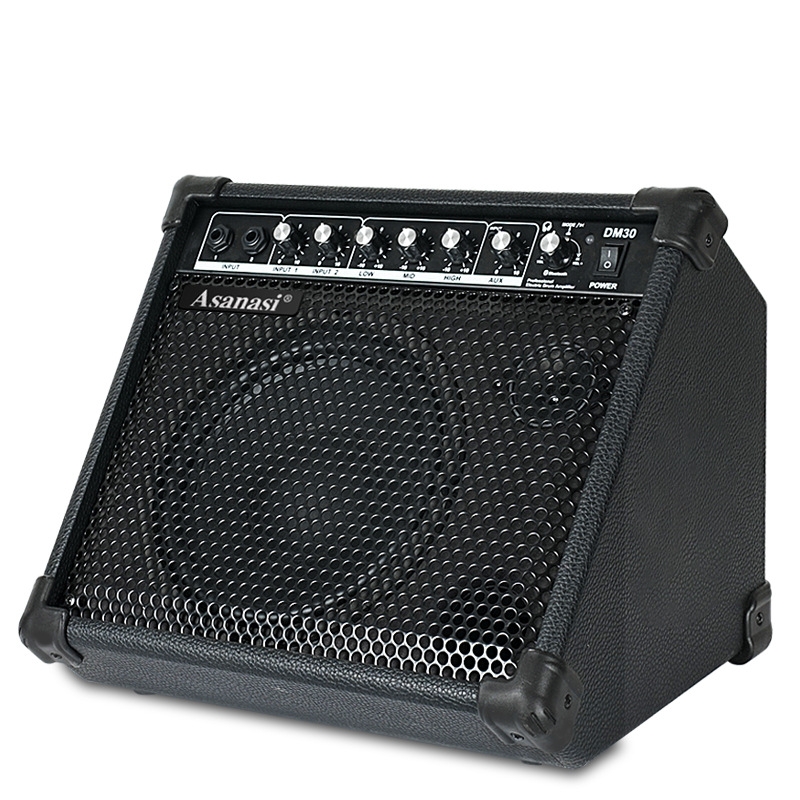
Wholesale Speakers Electronic Drums Rechargeable Portable Outdoor Wireless Stereo Amplifier
Rechargeable battery operation for terrace and festival use, where mains power is rarely within reach.
View product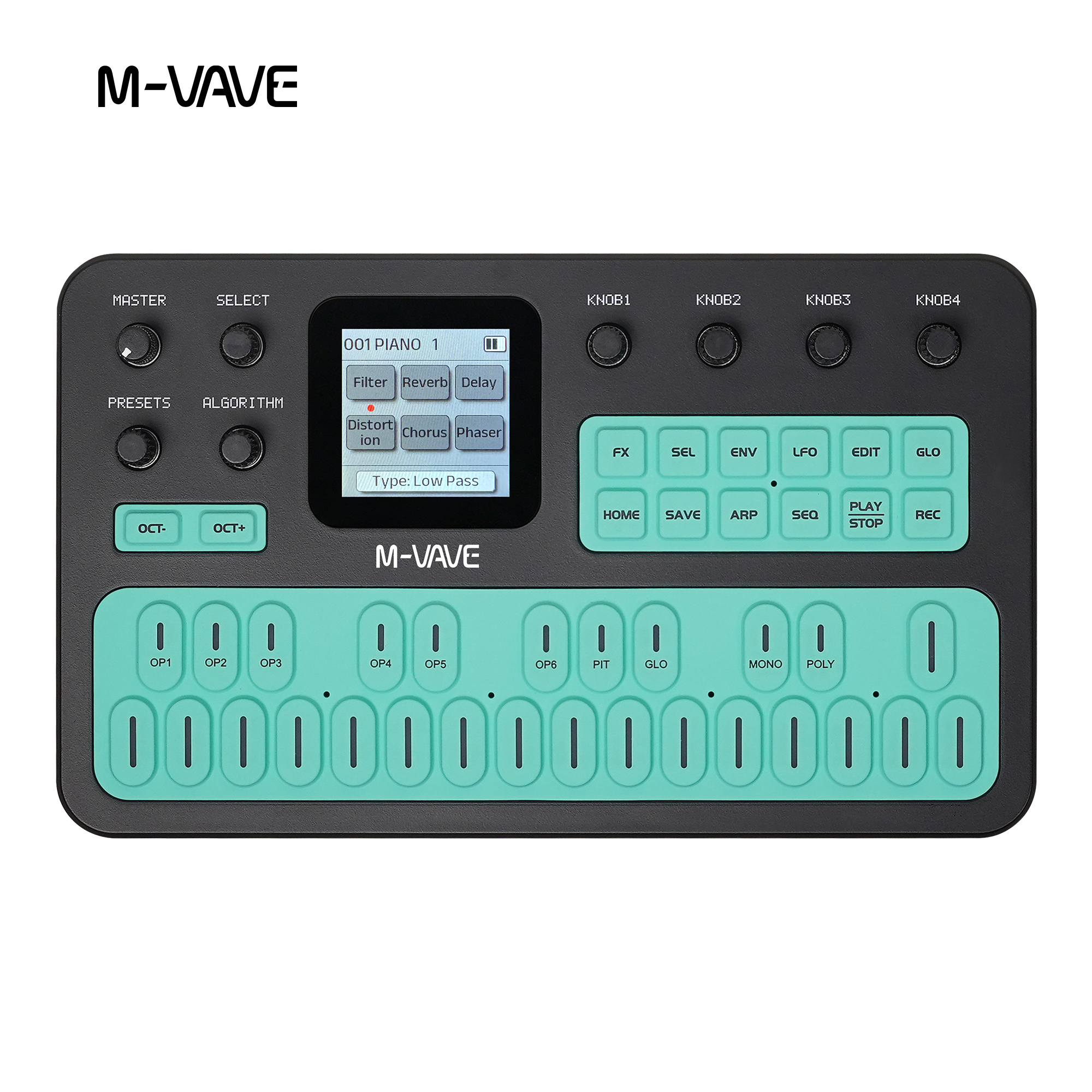
Factory Bestseller Portable M-VAVE FM-1 Synthesizer MIDI Digital FM Keyboard Screen Sequencer Arpeggiator Built-in Presets
A fast-moving demonstration counter item that lifts average basket value alongside amplified folk instruments.
View product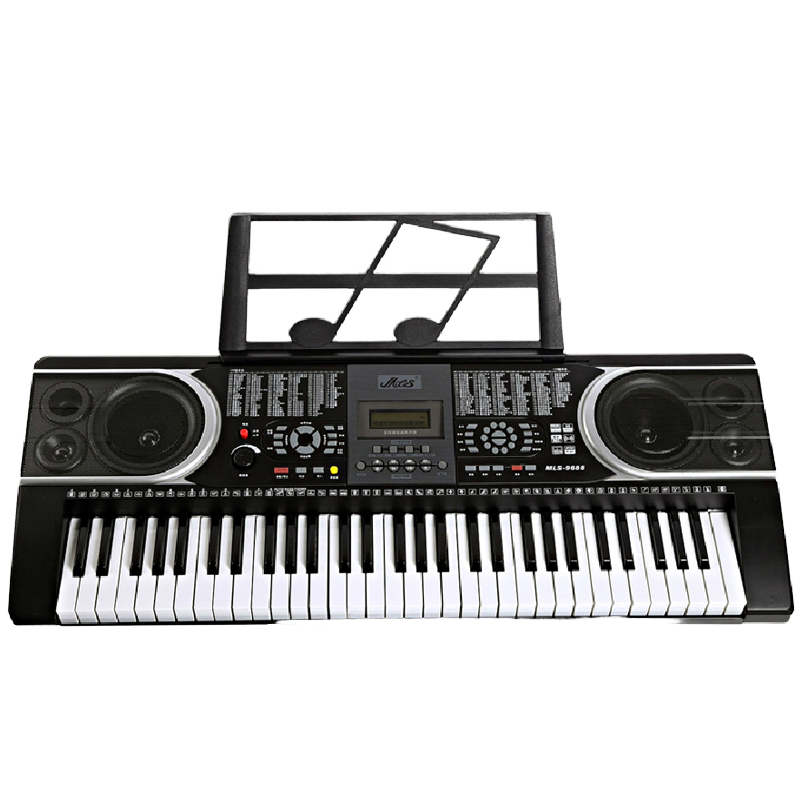
Professional Teaching Electronic Keyboard 61 Standard Keys
Sized and specified for classroom purchase orders from Montreal school boards and community music centres.
View product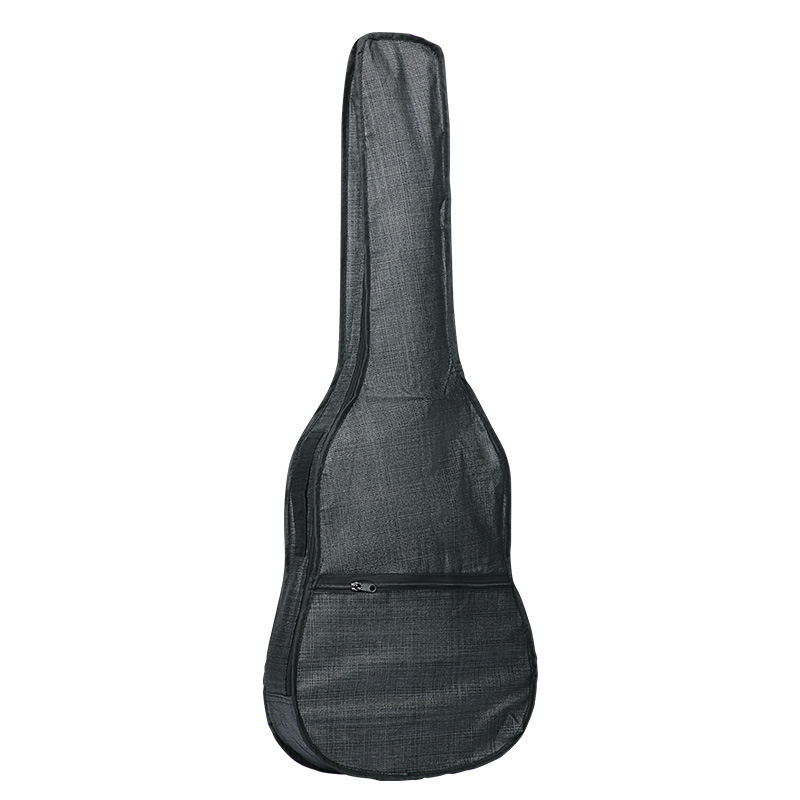
38 Inch New Non-woven Fabric Acoustic Guitar Bag, Single Shoulder Lightweight Single Layer Folk Guitar Backpack Wholesale
Lightweight gig protection that pairs naturally with amplified small-body instruments in student bundles.
View product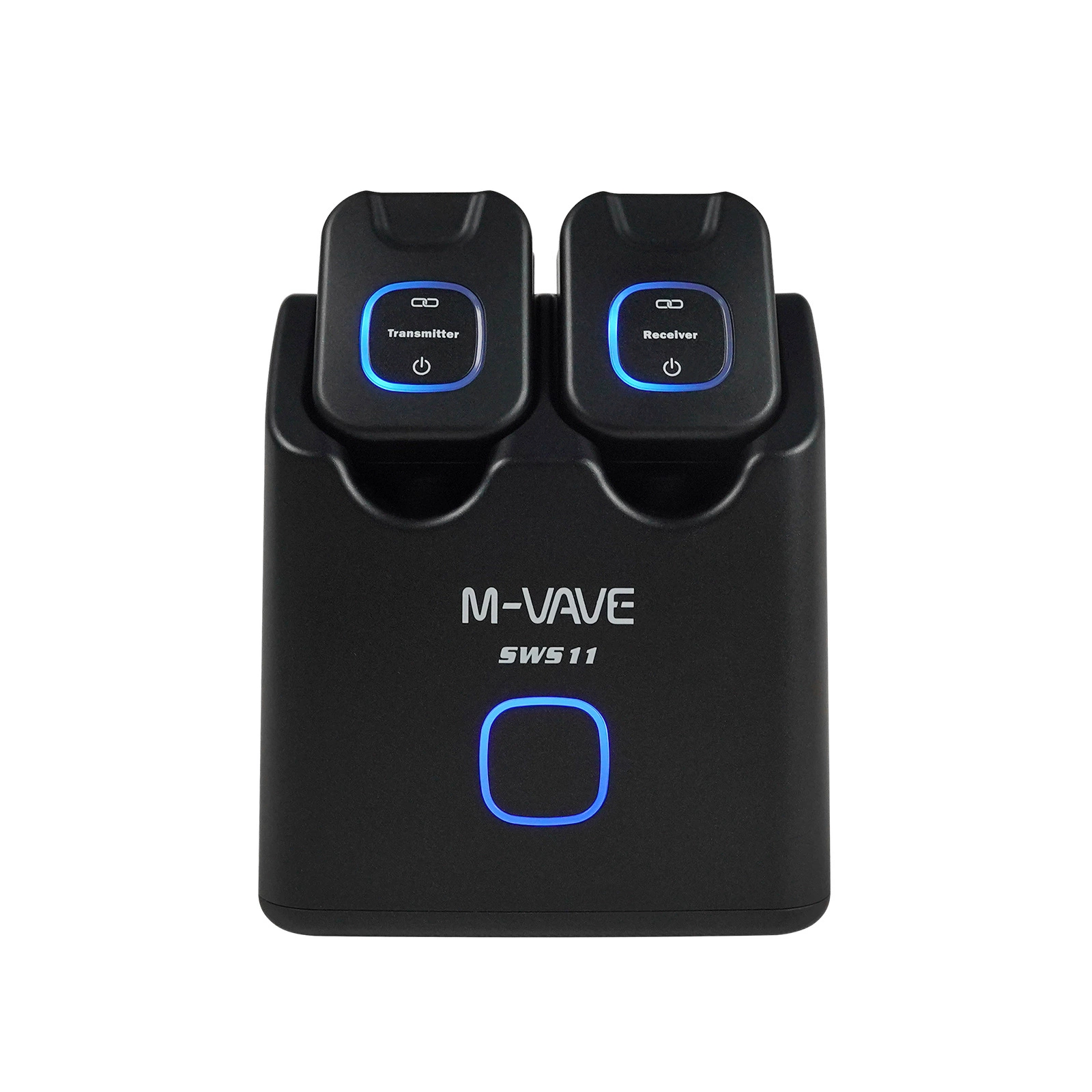
M-VAVE SWS11 2.4Ghz Wireless Guitar Audio System Rechargeable Transmitter Receiver with Charging Base
Cuts the cable on amplified acoustic instruments — the exact scenario Montreal terrace and festival players ask for.
View product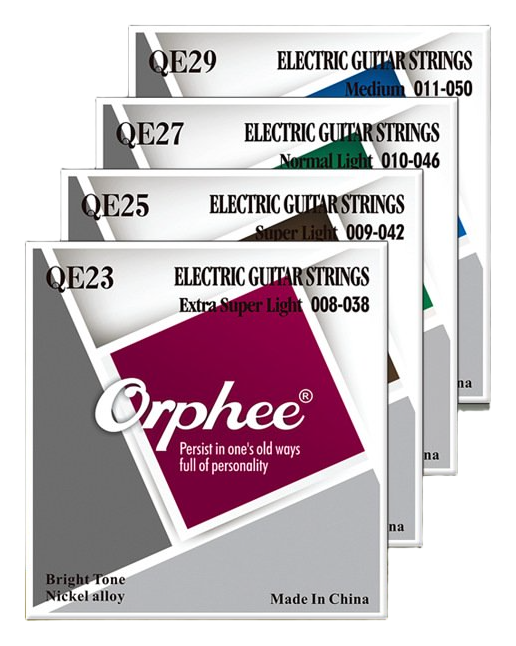
Wholesale Coated Nickel Core Electric Guitar String Set
High-turnover replenishment stock that keeps a pickup shipment commercially viable at low order values.
View product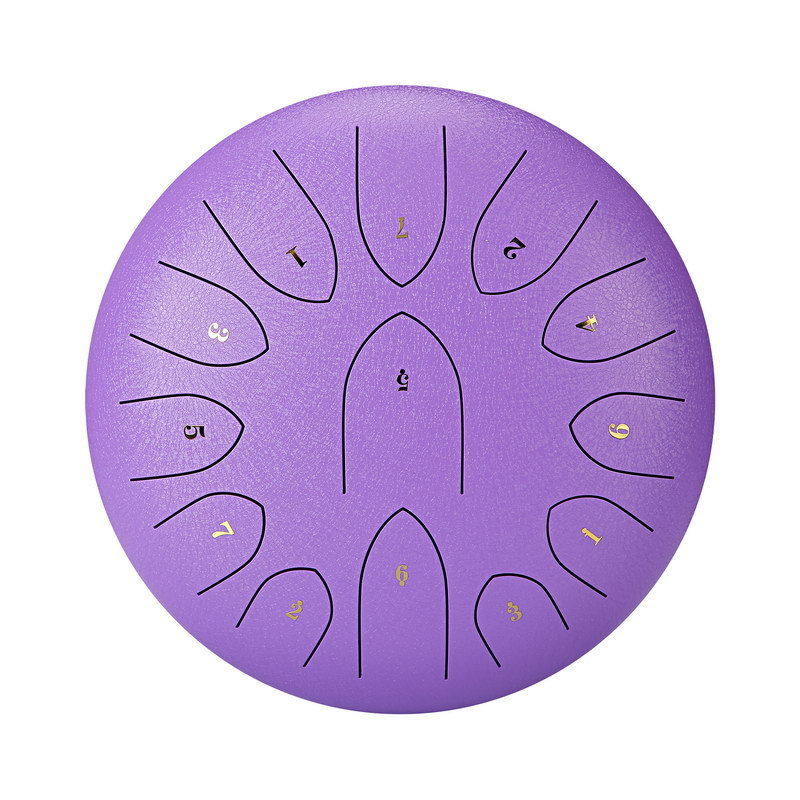
14 Inch Steel Tongue Drum, Handpan Drum, Mini Tank Drum Percussion Instrument, Complete Gift Set Wholesale
A high-margin gift and wellness line that suits Quebec holiday gifting and boutique tourist retail.
View product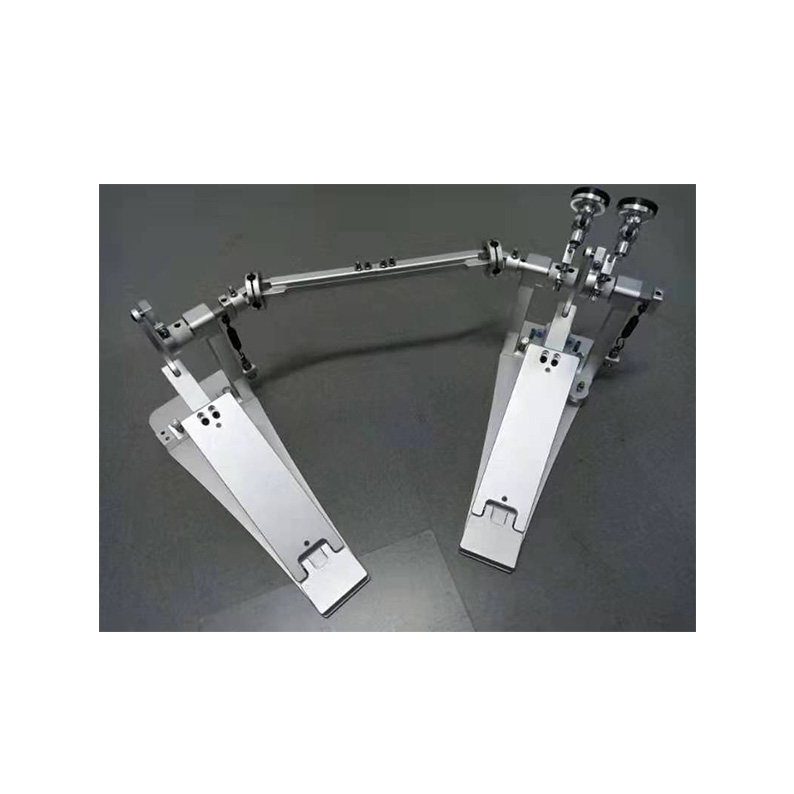
Brushed Silver Double Bass Drum Pedal Direct Drive Drum Kit Accessory
Metal hardware whose QC discipline reveals quickly whether an exporter inspects finished goods or only samples.
View productSix Places Amplified Ukuleles Actually Earn Money in Montreal
Product recommendations only create value when they map to a real buying occasion. These are the six demand pockets that repeat across Montreal retail and institutional orders.
Festival & Terrace Season
May to September. Small stages along Saint-Laurent, Mont-Royal and the Old Port need instruments that plug straight into a house DI with no ground hum and no battery anxiety.
School Board Programs
CSSDM, CSMB and CSPI purchasing windows land between February and April. Bid-ready specs need fixed saddle dimensions, durable preamps and bilingual teaching inserts.
Bilingual Retail Bundles
Amplified ukulele plus gig bag plus wireless plus French/English quick-start card, merchandised as one SKU for stores in Montréal, Laval and Longueuil.
Community & Seniors Music
CLSCs, community centres and seniors’ residences run group ukulele sessions. Gentle amplified output supports mixed-hearing rooms without pushing volume.
Studio & Content Creators
Home-studio podcasters and short-video creators want a quiet, direct-inject signal chain — which makes low-noise preamps a genuine differentiator in this segment.
Old Port Tourist & Gift Retail
Compact, colourful, ready-to-play amplified models with gift packaging outperform plain instruments in souvenir and boutique channels during cruise and summer seasons.
What Montreal-Area Buyers Actually Specify in 2025
Derived from WPI export order data covering 2023–2025 across North American accounts. The pattern is clear: buyers are trading raw price for installation certainty and documentation compliance.
| Pickup Type | Tone & Signal Behaviour | Best Suited To | Quebec Winter Note |
|---|---|---|---|
| Passive under-saddle piezo | Natural transient response, high output impedance, no battery | Purist acoustic shelves and entry price points | Most exposed to saddle-slot shrinkage — insist on tolerance testing |
| Piezo with active preamp | Buffered signal, three-band EQ, onboard tuner, low noise | Retail bundles and gigging musicians | CR2032 designs hold up better through cold transport |
| Soundhole magnetic | Warm midrange, but weak response to nylon string vibration | Steel-string crossover instruments | Not recommended as a default ukulele specification |
| Contact / disc piezo | Body-sensitive, feedback-prone at stage volume | Experimental and recording use | Adhesive failure is a known risk at low humidity |
| Dual-source blend | Piezo plus internal microphone with blend control | Premium performance and studio models | Microphone capsules need protection from rapid temperature shifts |
Why Montreal Buyers Work With WPI International Trade
WPI International Trade Co., Ltd. (Huizhou) began exporting musical instruments from Hong Kong in June 2010 and established its Guangdong operation in 2014. The company has been assessed onsite by Intertek and exports to North America, Western Europe, Southeast Asia and South America.
Inspection Before Every Shipment
Finished-product inspection covers appearance, hardware, tuning stability and packaging. Pickup-equipped models additionally get an output check, so a dead element never reaches Montreal.
1,000+ SKUs, One Container
Guitars, ukuleles, violins, cellos, saxophones, clarinets, drums, tongue drums, keyboards and accessories consolidated so importers avoid split shipments.
Factory-Direct OEM / ODM
Assessed capabilities include sample-based customization, minor customization of logos, packaging and graphics, design-based customization and full customization.
Low MOQ, Flexible Terms
Sampling from one piece, 2–10 pieces per instrument model for restocks and 20–600 sets for strings and small parts, with T/T, L/C, PayPal, credit card and escrow accepted.
- 97.73%Inquiry response rate across export accounts
- 4.6 / 5Average verified buyer rating
- US$9MAnnual export value, third-party assessed
- 20+Trade terms including FOB, CIF, DDP and DDU
Sourcing Ukulele Pickups for Montreal — Common Questions
What is the minimum order quantity for ukulele pickups shipped to Montreal?
Sampling starts from one piece. Typical wholesale MOQs run 2–10 pieces per instrument model, while small parts such as saddles and pickup elements are usually quoted at 20–600 sets depending on the component. Mixed-category orders are accepted, which lets a Montreal dealer test an amplified ukulele line without overstocking.
Can packaging and manuals be supplied in French and English?
Yes. Minor customization covering logo, packaging artwork and printed graphics is one of the assessed capabilities. Quebec-bound orders routinely receive bilingual quick-start cards, bilingual warranty leaflets and French product naming on the retail carton — the artwork is approved before mass production begins.
How long does production and shipping to Montreal take?
Sample lead time is typically 7–15 days. Mass production for stock models runs 20–35 days depending on quantity and customization depth. Ocean freight from South China to Montreal adds roughly 30–42 days door-to-door, while air and express options are available for sample and replenishment orders.
Do you ship DDP to Montreal, and which terms do you accept?
Accepted delivery terms include FOB, CFR, CIF, EXW, FAS, CIP, FCA, CPT, DEQ, DDP, DDU, DAF, DES and express delivery. Payment methods include T/T, L/C, D/P, D/A, MoneyGram, credit card, PayPal, Western Union, cash and escrow, with USD, EUR, CAD, GBP, JPY, AUD, HKD, CNY and CHF accepted as currencies.
How is pickup quality verified before the container leaves?
Every order passes finished-product inspection covering appearance, hardware, tuning stability and packaging. Amplified models are additionally checked for pickup output consistency and preamp function. WPI has also been assessed onsite by Intertek, and the assessment report is publicly reviewable.
Can I combine pickups with guitars, drums and accessories on one order?
Yes. One-stop consolidation is a core part of the service: strings, woodwinds, percussion, keyboards and accessories can be loaded into a single container alongside an amplified ukulele programme, reducing freight cost per unit and simplifying customs clearance for the importer.
Build a Pickup Programme That Survives a Quebec Winter
Send your target price band, quantities, preferred pickup architecture and packaging language requirements. We will return a recommended specification, sample plan and landed-cost estimate for Montreal.