8 Fast-Moving Products to Bundle Around a Kalimba Program
The products below use the current WPI product URLs and images. They are not presented as kalimbas; they are adjacent musical-instrument and accessory SKUs that Polish wholesalers, music schools and online sellers can consolidate to raise average order value, improve container utilization and strengthen category credibility.
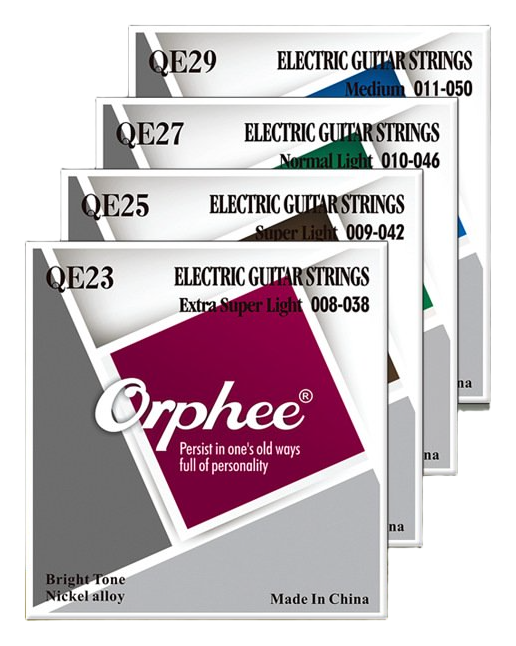
Wholesale Coated Nickel Core Electric Guitar String Set
Useful for guitar repair shops, starter bundles and e-commerce replenishment orders.
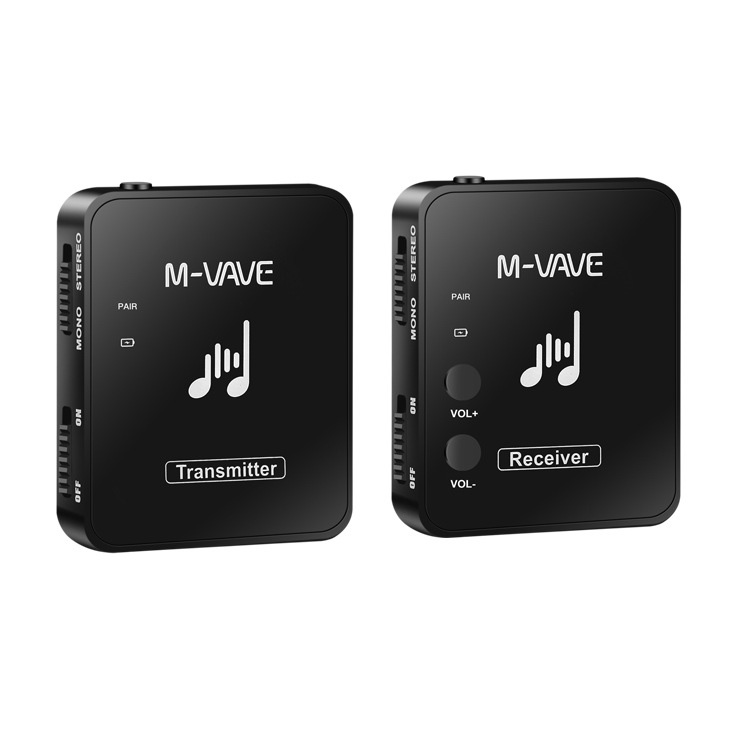
Wireless in Ear Monitor System Transmitter Receiver Mono Stereo Earback Set Guitar System
Fits live-sound installs, rehearsal rooms, schools and worship venues.
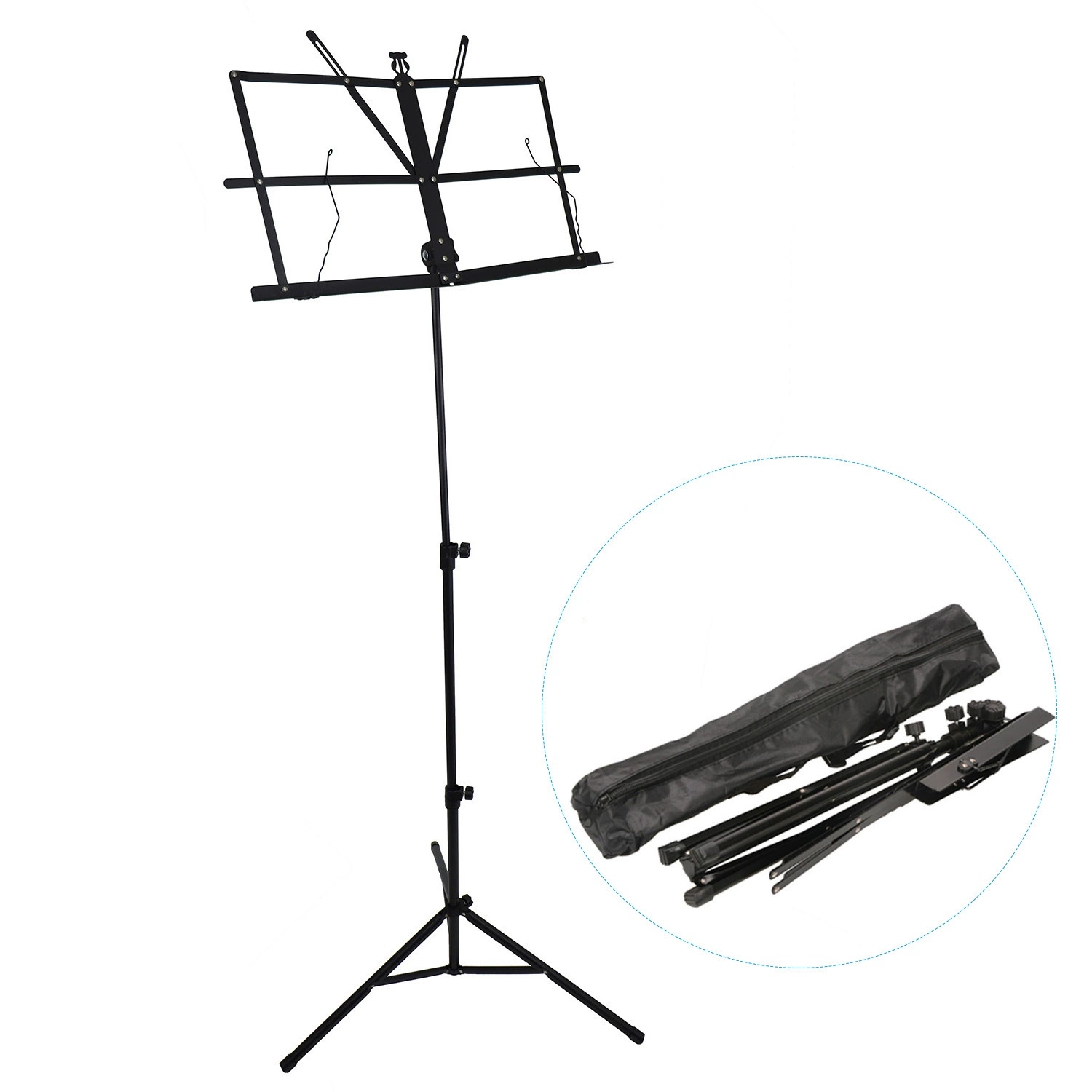
Factory Wholesale Small Size Portable Adjustable Music Stand With Bag
Strong fit for school tenders, beginner packages and local retail displays.
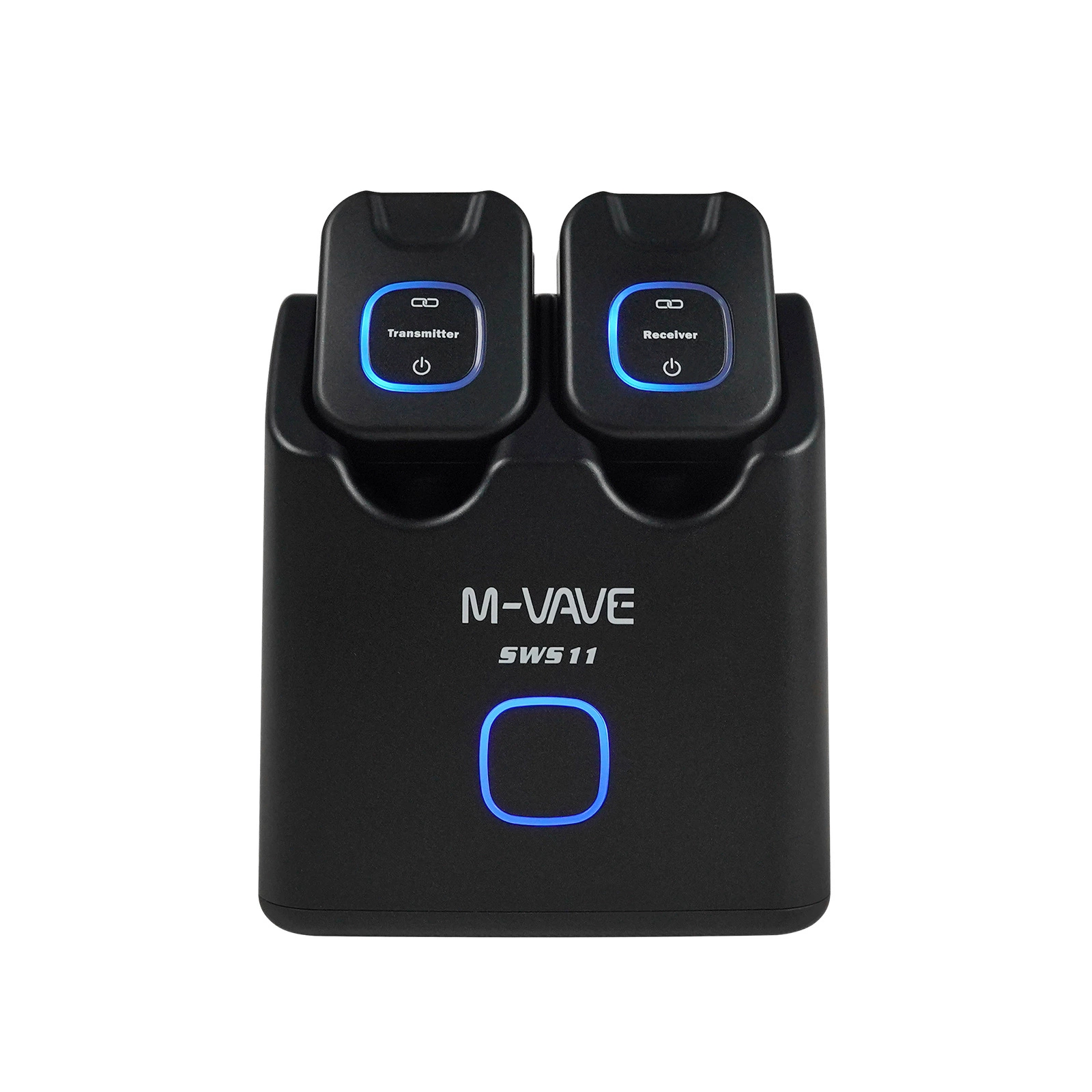
M-VAVE SWS11 2.4Ghz Wireless Guitar Audio System Rechargeable Transmitter Receiver with Charging Base
Attractive for stage-equipment retailers and content-creator bundles.
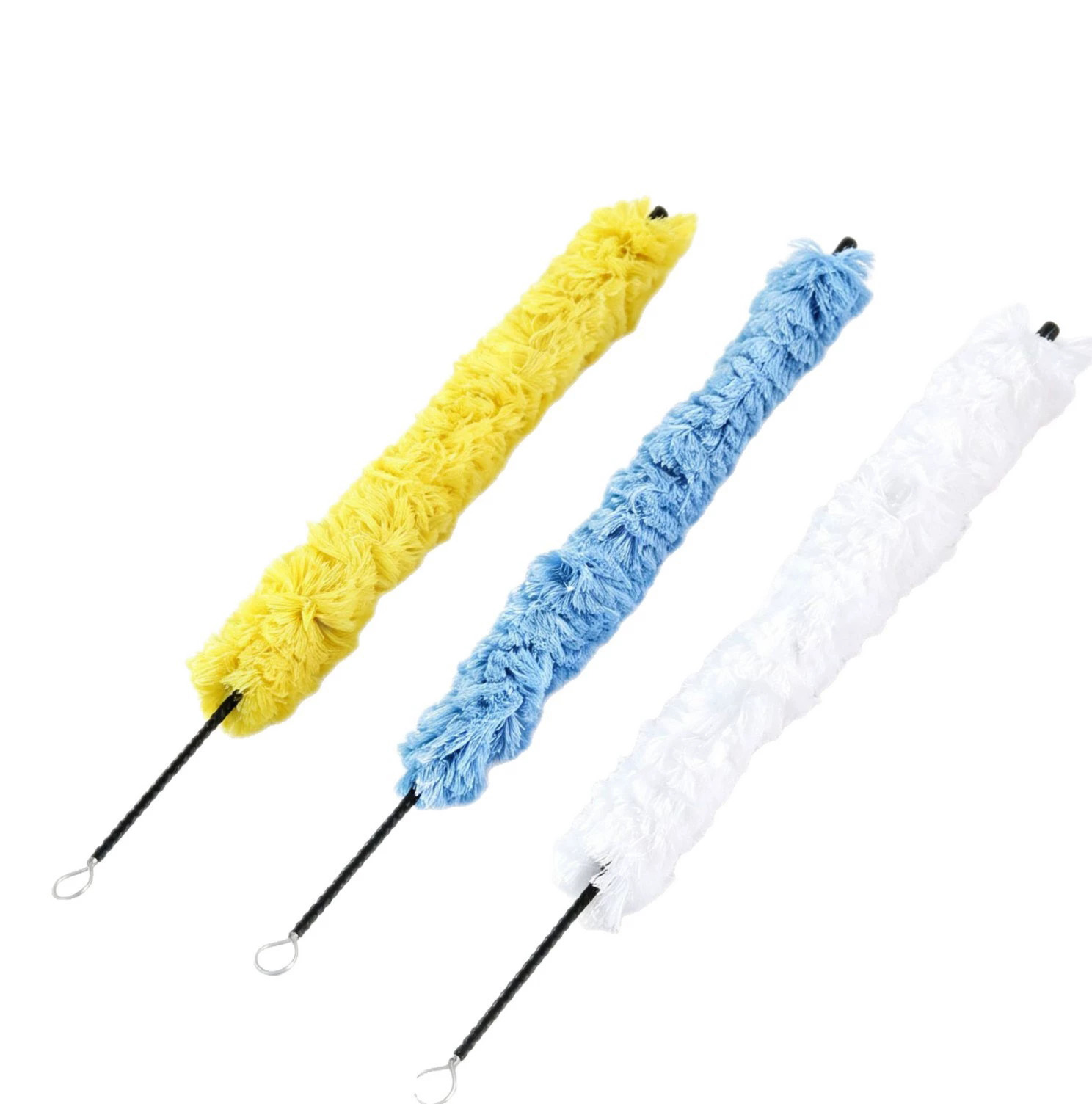
Washable Cotton Flute Bore Cleaning Brush Flute Brush Cotton Cleaning Swab
Low-parcel-cost accessory suitable for mixed accessory orders and repair counters.
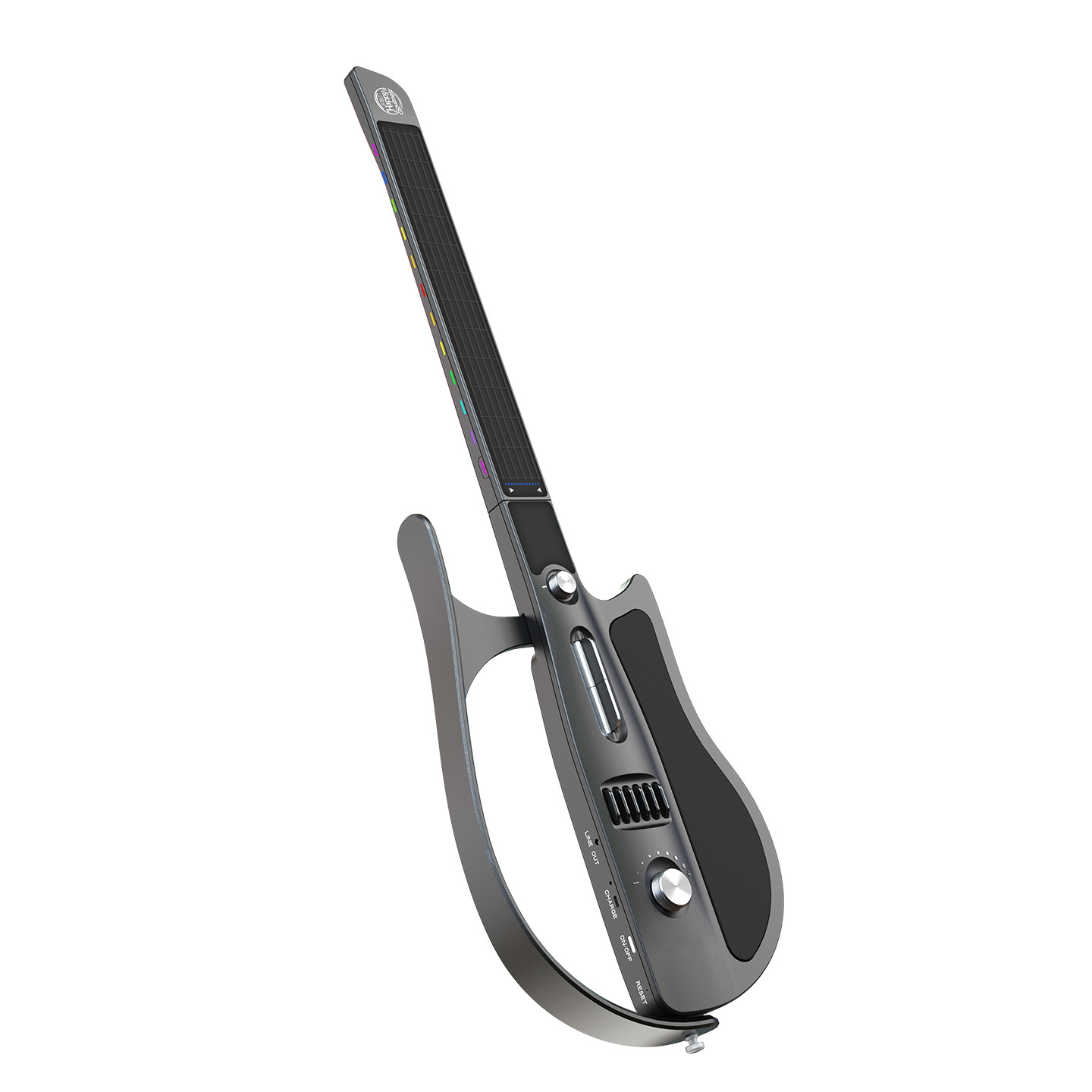
Hot Selling N1 Smart Accompaniment Stringless Guitar Smart Guitar Travel Guitar
Useful for gift-tech displays, travel retail and demo-driven social media content.
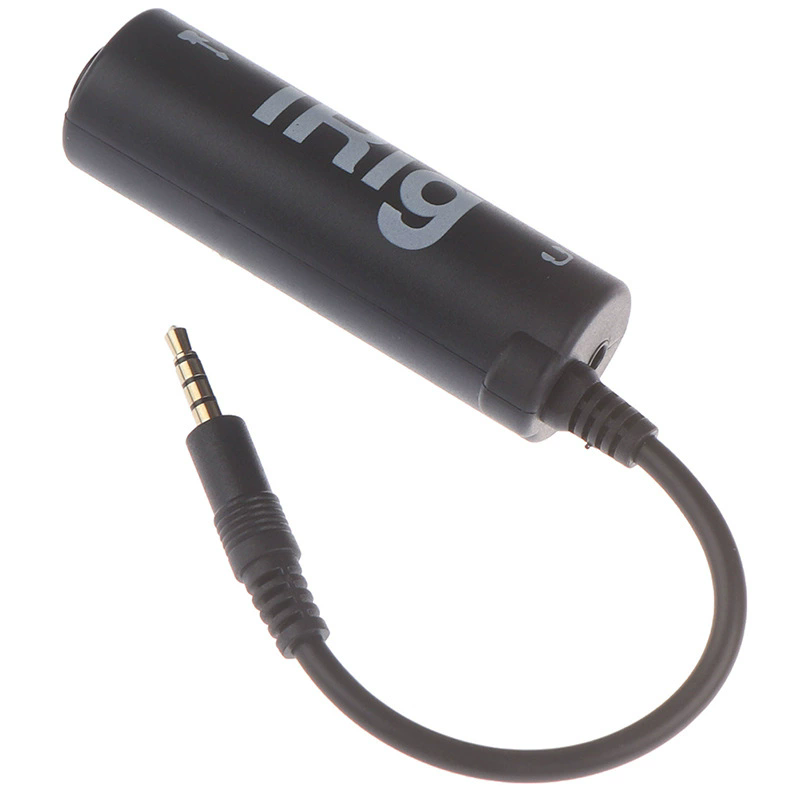
Wholesale 3.5mm Converter Guitar Bass Interface Converter Adapter for Phone Tablet Recording
Pairs well with home-recording kits, phone creators and starter bundles.
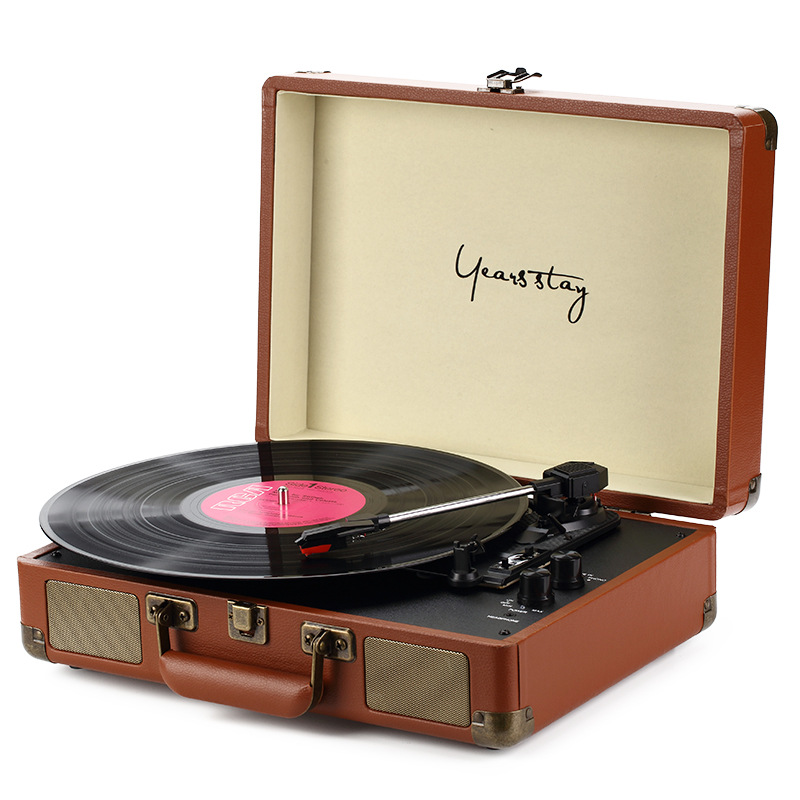
Portable Mini Phonograph Desktop Vinyl Record Player Handheld Wireless for Speaker Turntable
Gift retail, lifestyle merchandising and holiday campaign opportunities.
A Poland-Focused Kalimba Sourcing Strategy Should Use More Than One Supplier Type
For most Poland-based buyers, the strongest model is a three-layer supply chain: one China-based OEM/wholesale partner for private-label development and mixed containers; one EU-based distributor for rapid replenishment; and one Polish 3PL or marketplace specialist for local fulfillment, returns and Polish-language after-sales support.
WPI International Trade Co., Ltd. (Huizhou) is relevant in the first role because its published profile includes 12 years of musical-instrument export experience, low-MOQ sampling, OEM/ODM customization, finished-product inspection and one-stop sourcing across instruments and accessories. Kalimba-specific requirements — key count, scale, wood species, tine finish, tuning stability and packaging — must still be confirmed through a written specification and an approved pre-production sample.
Do Not Rank Any Factory Without Evidence
Poland is an EU market. Before appointing a kalimba factory or wholesaler, verify legal identity, product-safety documentation, EU responsible-person arrangements where applicable, packaging responsibility, sample quality, warranty terms and landed cost.
Use this white paper as a supplier-evaluation framework, not as a paid ranking. Availability changes; always re-check the latest company data, KRS/CEIDG entry, EORI number and assessment reports before contracting.
Why the Polish Kalimba Market Deserves a Dedicated Wholesale Strategy
Poland is not simply a price-sensitive import market. It combines active music education, a large e-commerce base, strong gift retail, growing wellness spending and increasingly professional B2B expectations around Polish-language service.
Accessible Instrument Demand
A kalimba sits at the intersection of beginner instrument, home décor, gift and wellness product. In Poland, that combination performs well in music stores, bookstores, gift shops, online marketplaces and school enrichment programs. The strongest listings are not generic English pages; they use local search language such as kalimba 17 klawiszy, kalimba drewniana and kalimba dla początkujących.
Landed Cost Beats Unit Price
Poland is inside the EU customs and VAT system. Experienced buyers compare the delivered landed cost — product, packaging, freight, duty, VAT treatment, 3PL intake and returns — rather than the ex-factory quote alone. A lower factory price can disappear quickly if the supplier cannot provide stable cartons, correct labeling or reliable documentation.
Compliance Is a Selling Point
EU product safety, material restrictions, packaging responsibility and electronic-product obligations where relevant are part of the buying decision. Polish B2B buyers increasingly ask for declarations, test evidence, batch traceability, Polish instructions and a clear responsible-person route. Suppliers who treat compliance as paperwork rather than engineering create avoidable risk.
Marketplace-Led Discovery
Consumers discover kalimbas through Allegro, Amazon.pl, Erli, Empik and social content. Marketplace sellers need clean product data, barcodes, dimensions, package contents, high-resolution images, warranty text and replacement-part clarity. Wholesalers that provide this content reduce listing friction and sell-through risk.
Shorter Replenishment Cycles
Polish retailers value fast replenishment for proven sellers. A China-direct container is excellent for planned private-label inventory, while an EU-based distributor or Polish 3PL is better for urgent top-ups, marketplace spikes and replacement units. The right answer is often a hybrid model, not one supplier for every order.
Localization Beyond Translation
Polish diacritics matter in product titles, but localization also includes warranty wording, invoice format, packaging text, QR-linked tuning guidance, songbook selection and customer-service scripts. A kalimba sold to a school is a teaching tool; a kalimba sold as a gift is an emotional purchase. The content and packaging should reflect that difference.
Kalimba Wholesale Trends in Poland for 2025 and Beyond
These are the practical shifts that separate a commodity kalimba listing from a profitable, differentiated assortment in the Polish market.
1. Bundle Design Becomes the Default
Single kalimbas face price comparison. Bundles with a padded bag, tuning hammer, Polish quick-start guide, songbook and gift box create perceived value and reduce returns caused by missing accessories. Wholesalers should quote bundle costs at the sampling stage, not after artwork approval.
2. Polish-Language Product Content Wins
Search and conversion improve when the listing answers local questions: how to tune, which key layout suits beginners, whether a child can use it, what is included, how to care for wood and how warranty claims are handled. Machine translation is rarely enough for marketplace support messages and compliance text.
3. Private Label Moves Down-Market
Private label is no longer only for large distributors. Smaller Polish sellers use low-MOQ customization to test a brand, logo-printed bags, gift boxes and instruction cards. The winning model is a small first order with a clear path to repeat volume.
4. Compliance Documentation Is Requested Earlier
Product-safety information, material declarations, packaging data and traceability are increasingly asked for before samples are approved. For electronic accessories or pickups, confirm whether EMC, RoHS or WEEE obligations may apply. Acoustic kalimbas still require general safety and material diligence.
5. 3PL and DDP Quotes Gain Ground
Polish sellers want to know the landed cost to a warehouse, not just a port. Door-to-door quotes, duty-paid options and 3PL intake checks can shorten the mental distance between a Chinese factory and a Polish online business. Always separate product cost, freight, duty, VAT and warehouse fees for proper comparison.
6. Wellness and Experience Channels Expand
Kalimbas appear in relaxation workshops, senior activity programs, team-building sessions and family music experiences. These channels value reliable tuning, gentle tone, hygienic finishes and simple learning materials. They also create repeat orders for replacement parts and accessories.
How Kalimbas Are Actually Sold in the Polish Market
A generic “best seller” list is less useful than a channel map. The same kalimba may need different packaging, price points and supporting content depending on where it is sold.
Music Schools and After-School Programs
Schools in Warsaw, Kraków, Wrocław, Poznań, Gdańsk and Łódź value instruments that are safe, easy to clean, consistent in tuning and supported by teaching materials. Offer class packs with spare tines, tuning hammers and simple Polish lesson cards.
Therapy, Senior Care and Community Groups
Music therapists and senior-care coordinators look for pleasant tone, light weight, smooth edges and simple handling. Avoid overcomplicated chromatic models where a 10-key or 17-key diatonic instrument is easier to use. Provide care instructions for wood and metal parts.
Gift Shops and Bookstores
Gift retail responds to display quality. Window-ready packaging, a clean gift box, a short “play in five minutes” guide and a recognizable Polish title all help. Seasonal campaigns around Christmas, First Communion, Teacher’s Day and Children’s Day can lift turnover substantially.
Allegro and Amazon.pl Sellers
Marketplace operators need barcode-ready packaging, damage-resistant cartons, high-resolution images, accurate dimensions and clear accessory lists. Return rates fall when the buyer knows exactly which keys, scale, bag and learning materials are included.
Music Stores and Repair Counters
Specialist music retailers may stock kalimbas beside ukuleles, small percussion and gifts. They value dependable tuning, spare parts, a wholesale price ladder and quick answers on replacement tines. Mixed orders with guitar strings, stands and accessories improve container economics.
Corporate Gifting and Promotional Programs
Banks, schools, agencies and event organizers use musical gifts for loyalty campaigns and employee experiences. Require stable production schedules, branded sleeves, barcodes, replacement units and a realistic lead time for event deadlines.
Top 10 Kalimba Instrument Factories & Wholesalers in the Poland Market
This is a practical shortlist of supplier profiles rather than a paid directory. The ranking reflects fit for a Polish B2B buyer that needs evidence, communication, sample control and a route to market. Confirm current legal status, product range and compliance evidence before signing.
WPI International Trade Co., Ltd. (Huizhou)
Best for: mixed-category wholesale, OEM/ODM sampling and one-stop musical-instrument consolidation. Assessed experience, low-MOQ sampling, finished-product inspection and export support are documented. Kalimba specifications must be approved by sample.
Guangdong Specialist Kalimba Workshops
Best for: solid-wood and 17-key programs with private-label packaging. Request tine hardness, scale calibration, humidity stability and a pre-production sample before bulk approval.
Zhejiang and Yiwu Gift-Oriented Factories
Best for: budget models, printed designs, acrylic bodies and seasonal gift packaging. Verify material safety, carton drop-test performance and color consistency across repeat orders.
EU Musical-Instrument Distributors
Best for: smaller replenishment orders, faster delivery and intra-EU movement without customs clearance. Expect higher unit prices but lower minimum quantities and shorter lead times.
Polish Music-Instrument Wholesalers
Best for: Polish-language account support, local invoicing and marketplace-ready stock. Verify whether kalimbas are a current line or an opportunistic add-on rather than a supported category.
Music-School Supply Specialists
Best for: education tenders, class packs and Polish teaching resources. Ask for sample lesson cards, replacement-part availability and the ability to support public-institution purchasing.
Gift and Wellness Wholesalers
Best for: display-ready boxes, seasonal gift programs and lifestyle retail. Margins depend less on factory cost and more on packaging, photography and local content quality.
Marketplace-Focused 3PL Suppliers
Best for: Allegro, Amazon.pl and direct-to-consumer fulfillment. Look for EAN handling, returns processing, Polish customer-service support and low damage rates in last-mile delivery.
Trade-Fair and Showroom Sourcing Routes
Best for: physical inspection, relationship building and seeing finish quality in person. Verify the legal entity behind the booth and request references from EU buyers before paying deposits.
Gdańsk and Gdynia Import Consolidators
Best for: DDP support, kitting, labeling and distribution into Poland. They are not kalimba factories, but they can make a China-direct program workable for smaller Polish sellers.
How to Compare a Kalimba Factory or Wholesaler Before You Order
Use the same evidence standard for every supplier. A low quotation without documentation is not a lower risk; it is a delayed risk.
Why WPI Is Relevant to a Poland-Focused Instrument Program
WPI International Trade Co., Ltd. (Huizhou) began exporting musical instruments from Hong Kong in June 2010 and established its Huizhou operation in 2014. The company reports a team of 28 people, with 22 in trading and export roles, serving importers, distributors, retailers and schools.
Its published strengths align with the needs of Polish buyers testing a new kalimba or mixed instrument program: low-MOQ sampling, broad category access, OEM/ODM customization, quality inspection and export documentation support. For kalimbas specifically, request a written specification and sample approval before production.
- 12+ years in the musical-instrument industry
- Onsite assessed by Intertek
- US$9M annual export value, assessed
- 952 orders shipped in 6 months
- 97.73% inquiry response rate
- 4.6/5 average buyer rating
- Finished-product inspection before shipment
- OEM/ODM: logo, packaging and full customization

Low-MOQ Sampling
Many instruments can be sampled from low quantities, allowing Polish buyers to test demand before committing to larger production.
Wide Category Access
Guitars, ukuleles, violins, cellos, saxophones, clarinets, drums, keyboards and accessories can be consolidated with a kalimba-focused order.
Quality Control
Finished-product inspection covers appearance, hardware, tuning stability where relevant, and packaging before shipment.
Flexible Trade Terms
Payment methods include T/T, L/C, D/P, D/A, credit card, PayPal, Western Union and escrow; delivery terms include FOB, CFR, CIF, EXW and DDP options subject to quotation.
From Polish Market Brief to Kalimba Delivery
A disciplined process reduces sample drift and protects launch dates for online sellers and school tenders.
Define the Brief
Specify target retail price, key count, scale, body material, Polish manual, packaging and compliance requirements.
Screen Suppliers
Compare legal identity, product evidence, MOQ, sample lead time, warranty and freight assumptions.
Approve the Sample
Test tuning stability, tine finish, resonance, packaging drop resistance and Polish-language content.
Lock Production Specs
Sign off on materials, colors, logos, carton marks, barcodes, manuals and spare parts.
Inspect and Document
Request finished-product inspection, packing list, commercial invoice, product data and material declarations.
Ship and Replenish
Choose FOB, CIF, DDP or 3PL delivery. Plan a repeat schedule before the first stock-out signal appears.
Common Questions About Kalimba Wholesale in Poland
What is a realistic MOQ for kalimbas sourced from China to Poland?
MOQ varies by material, key count and packaging. Materially simple models may start lower, while custom wood, printed boxes or private-label manuals usually require larger runs. WPI's published model supports low-MOQ sampling for many instruments, but kalimba-specific MOQ must be confirmed in writing for each SKU. Ask for a mixed-color trial order and a price ladder from sample to repeat volume.
Do kalimbas need CE marking for sale in Poland and the EU?
Acoustic kalimbas are not automatically a CE-marked product category, but they remain subject to general product-safety and material obligations. If the product includes electronics such as a pickup, tuner or amplifier, EMC, RoHS or WEEE requirements may apply. Confirm the exact configuration, obtain supplier declarations and consult a qualified EU compliance adviser. Do not treat a CE logo alone as proof of compliance.
What shipping terms and lead times should a Polish buyer expect?
Samples often ship by express in days, while production usually requires weeks depending on customization. Sea freight to Polish ports such as Gdańsk or Gdynia commonly takes several weeks from South China, but schedules vary. Ask suppliers to separate production time, inland transport, port handling and customs clearance. A DDP quote can be useful, but require a full cost breakdown so you can compare it with FOB plus your own freight forwarder.
How should I prepare a Polish marketplace listing for a kalimba?
Use a clear Polish title with the key count and material, such as “Kalimba 17 klawiszy drewniana”. Include dimensions, weight, scale, package contents, tuning hammer, bag, songbook and warranty information. Add children-and-safety warnings where relevant. High-quality images of the real product, including the back, tines and accessories, reduce returns and improve trust.
Which payment and delivery terms does WPI accept?
WPI's published trade terms include payment by T/T, L/C, D/P, D/A, MoneyGram, credit card, PayPal, Western Union, cash and escrow. Delivery terms include FOB, CFR, CIF, EXW, FAS, CIP, FCA, CPT, DEQ, DDP, DDU, DAF, DES and express delivery. Confirm the final option in the proforma invoice and ensure the incoterm matches your customs and VAT arrangements.
How can I verify a Polish kalimba wholesaler or factory before paying a deposit?
Check the legal entity in KRS or CEIDG, confirm the VAT status and EORI number, match the bank account to the company, verify the delivery address, request product-safety evidence and ask for references from EU buyers. A video call, sample order and third-party inspection are stronger signals than a polished website. For imports from China, verify the supplier's business licence and assessment reports in the same way.
Request a Poland-Ready Kalimba & Instrument Quotation
Send your target retail price, annual quantity, key count, packaging style, Polish manual requirement and destination postcode. We can propose a mixed-category program that combines kalimbas with supporting instruments and accessories, then confirm specifications through samples before production.
Email: info@wpimusic.com