Eight Product Lines That Support a Tuner-Led Wholesale Program
Indianapolis buyers rarely order tuners in isolation. These eight catalog products help stores, schools and online sellers build bundles, lift average order value and test adjacent categories before committing to larger inventory.
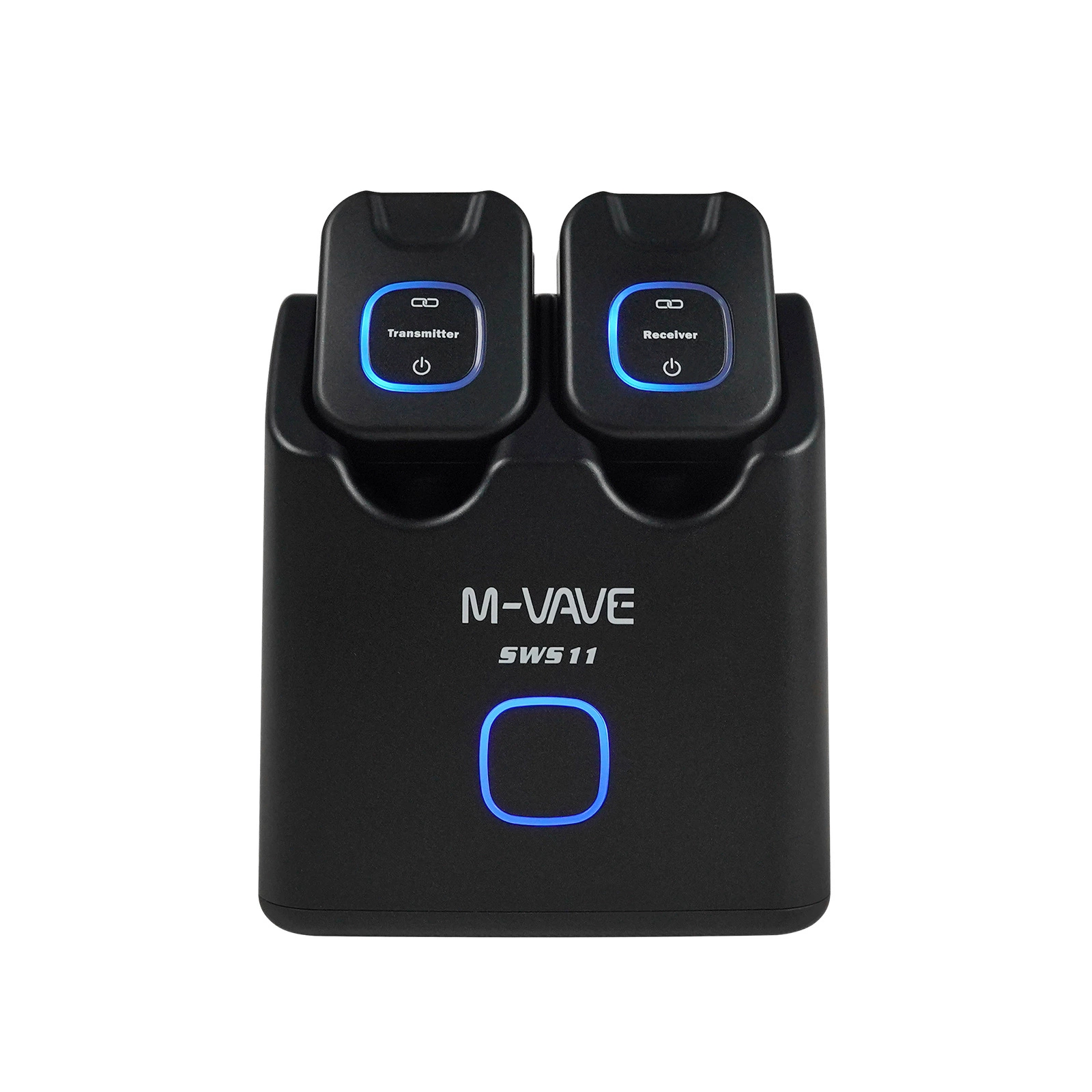
M-VAVE SWS11 2.4Ghz Wireless Guitar Audio System Rechargeable Transmitter Receiver with Charging Base
Useful for pedalboard demos, stage setups and accessory bundles aimed at gigging guitarists.

Orff Percussion Melody Bell 8-Note White Push Bell Colorful Push Chime Kindergarten Early Music Teaching Aid 8 tones bell
A classroom-friendly add-on for early music programs and school accessory orders.
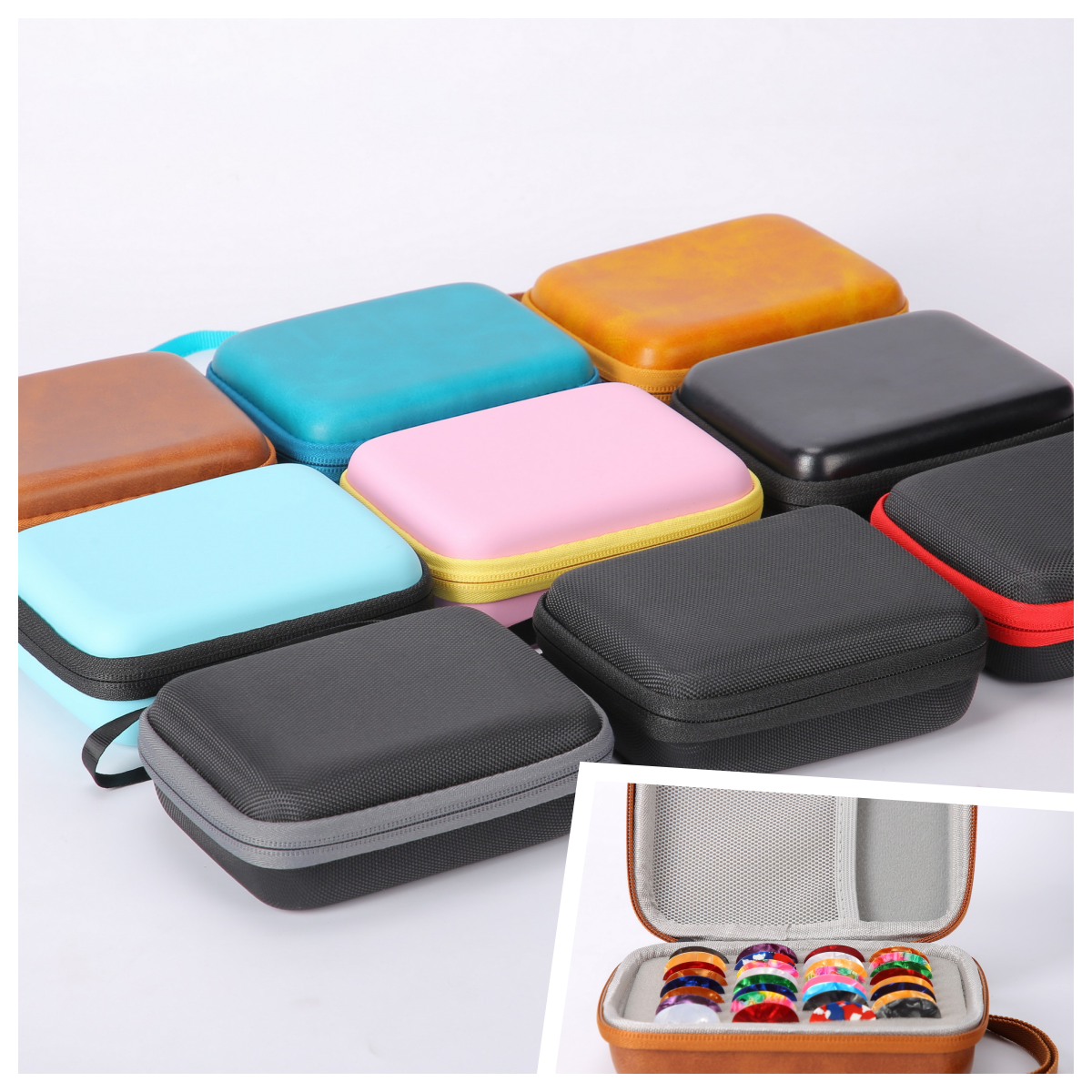
Guitar Folk Plectrum Storage Leather Case Leather PC Plectrum Bag Ukulele Plectrum Pick Case Package
Pairs naturally with clip-on tuners, strings and picks for gift-ready retail merchandising.
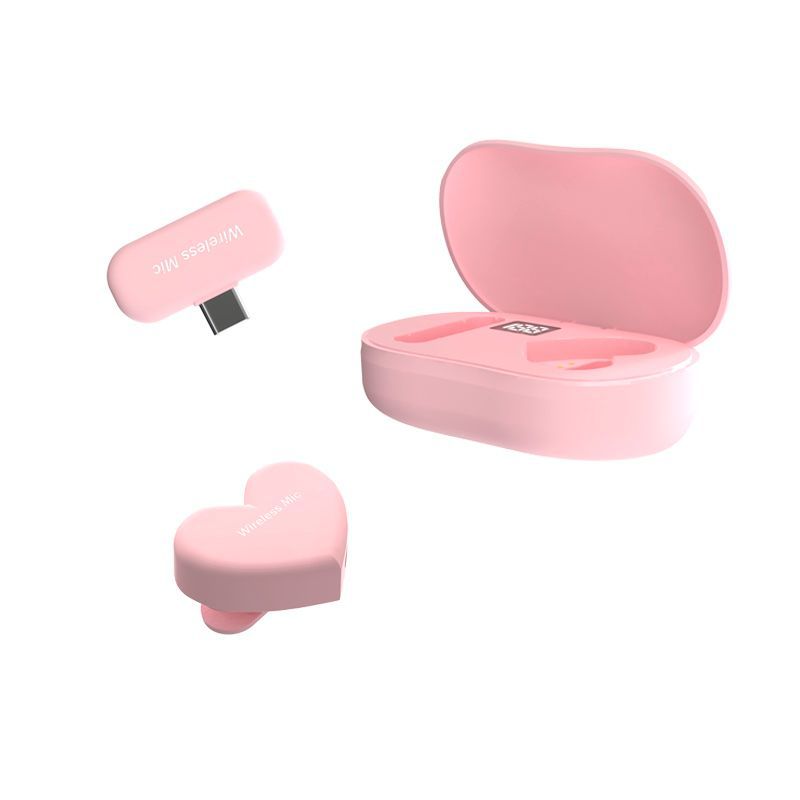
Stylish Pink Heart Wireless Mic with Clip Magnet Excellent for Vlog Recording on Mobile Compact Charging Case Portable Mic
Relevant to lesson studios, content creators and social-commerce sellers in the Indianapolis metro.

Wood Base Violin Hanger, Wall Mount Violin & Erhu Display Bracket, Universal Musical Instrument Wall Hanging Rack Wholesale
For repair shops, orchestra rooms and retail display walls that also stock tuners and accessories.

8 Inch African Djembe Drum, Lightweight PVC Fabric Hand Drum for Kids & Adults, Beginner Percussion Hand Beat Drum Wholesale
A lightweight percussion option for school rhythm programs, community groups and retail promotions.
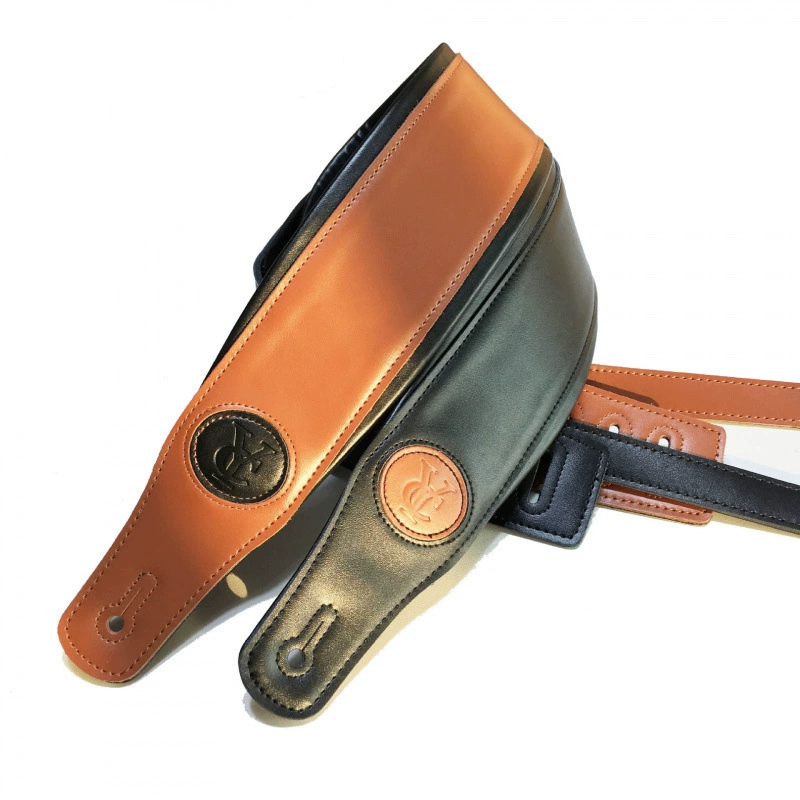
Wholesale Wide Padded Cowhide PU Leather Adjustable Soft Guitar Shoulder Strap for Acoustic Electric Bass Guitar
A practical add-on for guitar starter packs that include a tuner, picks and care items.
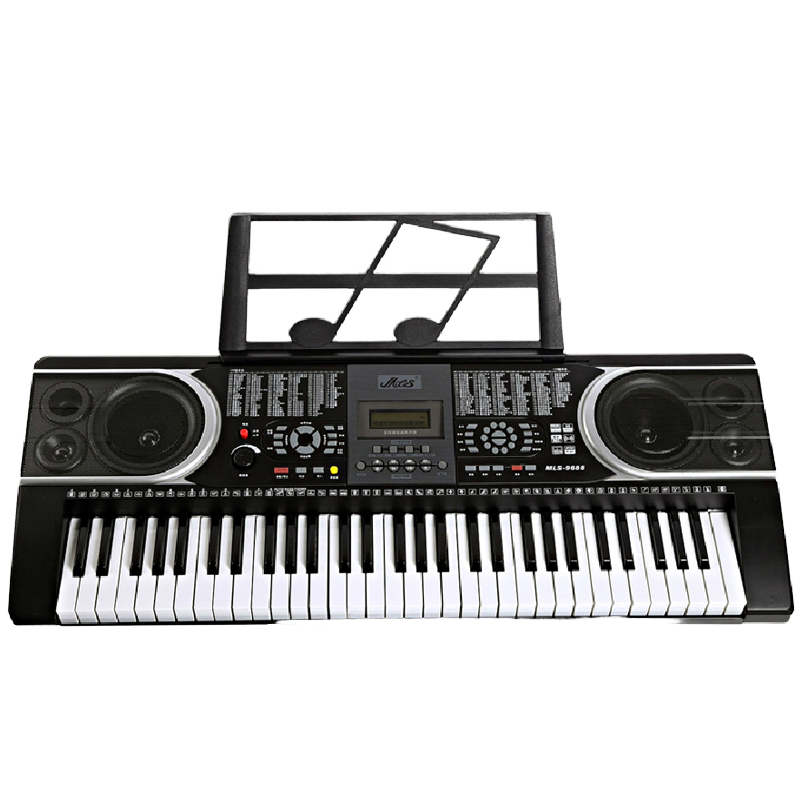
Professional Teaching Electronic Keyboard 61 Standard Keys
Suitable for teaching studios and beginner retail programs that also sell tuners and accessories.
Verified figures from WPI International Trade Co., Ltd. (Huizhou) company profile and Intertek onsite assessment. Product availability and tuner-specific MOQs should be confirmed on the current quotation.
What “Top 10” Means for Guitar Tuner Buyers in Indianapolis
Indianapolis is not a major tuner manufacturing city; it is a serious demand market. The metro combines independent music stores, school music programs across Marion, Hamilton, Johnson and Hendricks counties, repair benches, worship teams, weekend gigging circuits and a growing creator economy. The real sourcing question is not who advertises the lowest unit price, but which supplier can deliver consistent accuracy, retail-ready packaging, private-label flexibility and predictable replenishment into Central Indiana.
This guide uses a ten-signal supplier scorecard rather than paid directory rankings. A credible “top” supplier for Indianapolis should be judged on documented export experience, tuner-specific engineering, display readability, battery and charging documentation, OEM/private-label capability, low-MOQ testing, pre-shipment inspection, export terms, response speed and consolidation of related instruments and accessories. That last point matters because tuners are often sold beside straps, picks, cases, stands, strings, metronomes and starter instruments.
For buyers comparing a local distributor with a direct manufacturer or export wholesaler, ask for evidence: assessment reports, sample test results, packaging photos, barcode readiness, battery documentation and a clear Incoterm. The strongest program is usually a test-and-scale mix—start with samples and low-MOQ mixed orders, validate sell-through in Indianapolis, then increase depth on proven models.
Retail intent
Stores search for tuners that are easy to demonstrate, giftable and profitable as add-on bundles.
School intent
Programs prioritize durability, clear displays, multi-instrument modes and simple English instructions.
OEM intent
Local brands and online sellers need logo, packaging, manual and color customization at manageable MOQs.
The Top 10 Signals We Used to Shortlist Guitar Tuner Manufacturers & Wholesalers
Use this scorecard when comparing factories, trading companies and wholesale distributors that serve Indianapolis. The featured supplier in this guide is WPI International Trade Co., Ltd. (Huizhou), whose assessed profile aligns closely with the ten signals below.
| # | Evaluation signal | What Indianapolis buyers should verify | WPI alignment |
|---|---|---|---|
| 1 | Export tenure and assessment | Company registration, export history, third-party onsite assessment and references from North America. | Exporting musical instruments since 2010; Intertek onsite-assessed supplier. |
| 2 | Tuner engineering depth | Accuracy claims, frequency range, A4 calibration, chromatic and instrument modes, auto-off behavior. | Multi-category instrument expertise with OEM/ODM sourcing across accessories and instruments. |
| 3 | Display and usability | High-contrast screens, viewing angles, clip spring tension, pedal mute, true-bypass or buffer options. | Buyer-specific sample review before production; packaging and model recommendations. |
| 4 | Battery and power options | Coin cell, AAA, USB-C rechargeable, charging indicators, battery documentation for air freight. | Accessory sourcing experience with rechargeable products such as the M-VAVE SWS11 and FM-1. |
| 5 | Durability | Hinge quality, housing material, pedal enclosure, drop-test packaging and spare-parts policy. | Finished-product inspection covering appearance, hardware, tuning stability and packaging. |
| 6 | OEM / private label | Logo method, color, gift box, manual, barcode, warning labels and minimum custom quantity. | Sample-based, minor, design-based and full customization capabilities. |
| 7 | MOQ and mixed orders | Sample from one piece, typical instrument MOQ, accessory set MOQ and mixed-category order policy. | Many instruments from 1 pc for sampling; typical 2–10 pcs per model and 20–600 sets for small accessories. |
| 8 | Quality control | Pre-shipment inspection checklist, tuning accuracy spot checks, logo alignment and carton quality. | Dedicated QC process before delivery; onsite assessment supports documented capability. |
| 9 | Export logistics | FOB, CIF, DDP, express options, battery compliance, consolidation with guitars or school products. | Payment and delivery terms include T/T, L/C, FOB, CIF, DDP, DDU and express delivery. |
| 10 | Communication and after-sales | Response rate, named account manager, quotation clarity and after-sales escalation path. | 97.73% inquiry response rate, 4.6/5 buyer rating and dedicated export account managers. |
Where Guitar Tuners Are Used Across Indianapolis
Search intent in Indianapolis is usually practical: “Where can I buy wholesale guitar tuners near Indianapolis?”, “Who offers private-label clip-on tuners?”, or “Which tuner is durable enough for a school rental fleet?” These six local use cases explain the demand behind those searches.
Independent retail in Broad Ripple, Fountain Square & Mass Ave
Clip-on tuners belong near strings, picks, straps and capos. A working demo tuner helps shoppers compare readability and clip tension against big-box alternatives.
School music programs and rental fleets
Districts and private schools around Carmel, Fishers, Noblesville, Greenwood and Avon need durable chromatic tuners, clear instructions and simple battery management.
Repair benches and luthiers
Setup work, intonation checks and customer demonstrations benefit from stable readings, A4 calibration and displays that remain clear under shop lighting.
Worship teams and community venues
Volunteer musicians often standardize on pedal tuners with mute and bright displays, while acoustic teams prefer compact clip-on models.
Touring and weekend gigging
Rugged clip-on and pedal tuners must survive loading, temperature swings and warm stage lighting. Rechargeable models reduce disposable battery waste.
Online sellers, lesson studios and creators
Private-label tuners, product photos and low-MOQ test orders let Indianapolis sellers validate bundles without overstocking.
Indianapolis Tuner Procurement Trends Shaping 2025
These trends reflect the practical needs of Central Indiana buyers rather than generic global forecasts. They are the signals worth discussing with a supplier before you finalize packaging and quantities.
Humidity-aware setup culture
Indiana’s seasonal humidity swings can affect neck relief, action and tuning stability. A reliable tuner supports faster setup and customer education.
USB-C and rechargeable demand
Younger players and pedalboard users increasingly expect rechargeable products, but air-freight battery documentation still needs confirmation.
Multi-instrument modes
Guitar, bass, ukulele, violin and chromatic modes help retailers serve diverse customers with fewer SKUs.
Private label for local retailers
Store-branded packaging, QR codes to setup guides and gift-ready boxes can outcompete generic tuner cards.
Low-MOQ trial orders
Buyers want to test color, display, packaging and price before committing to deeper inventory.
B2B e-commerce expectations
Clear specs, barcodes, images, MOQ, lead time and Incoterm clarity now influence supplier shortlisting.
Guitar Tuner Formats: What to Stock for Indianapolis Buyers
No single tuner format covers every customer. The right assortment depends on whether you sell to schools, gigging guitarists, acoustic players, repair techs or online bargain hunters.
| Format | Best Indianapolis use | Accuracy and spec signals | Wholesale buying notes |
|---|---|---|---|
| Clip-on chromatic | Retail counters, schools, acoustic players and starter packs | ±0.5 to ±1 cent, A4 calibration, auto-off, clear display | Check clip spring, battery type, screen contrast and master-carton packaging. |
| Pedal tuner | Gigging guitarists, worship teams and pedalboard builders | Mute, true bypass or buffer, bright display, metal housing | Confirm power draw, jack placement, box contents and warranty language. |
| Strobe / bench tuner | Repair shops, luthiers and advanced players | High precision claims, stable display, calibration controls | Request sample verification; professional buyers compare repeatability, not just price. |
| Soundhole tuner | Acoustic players who want an unobtrusive setup | Compact profile, clear viewing angle, secure fit | Check clearance, display visibility and packaging that explains installation. |
| Multi-instrument tuner | Schools, general retail and family music stores | Chromatic, guitar, bass, ukulele, violin modes; transposition | Great for reducing SKU count, but instructions must be simple and well translated. |
| Rechargeable headstock | Creators, younger players and online bundles | USB-C, charging indicator, long standby, low-profile clip | Confirm battery documentation, charging cable inclusion and air-freight acceptance. |
Illustrative Buyer Weighting
Use this weighting as a discussion tool with your team. It is not a market survey; it helps retailers avoid choosing on unit price alone.
For a school-focused mix, increase durability and instruction clarity. For online private label, increase packaging and OEM weighting.
The WPI Advantage: Verified, Low-MOQ and Built for Mixed-Category Buyers
WPI International Trade Co., Ltd. (Huizhou) is a wholesale and OEM musical instrument supplier with an assessed export profile. For tuner buyers, the advantage is not only product access; it is the ability to consolidate tuners, instruments and accessories with transparent terms.
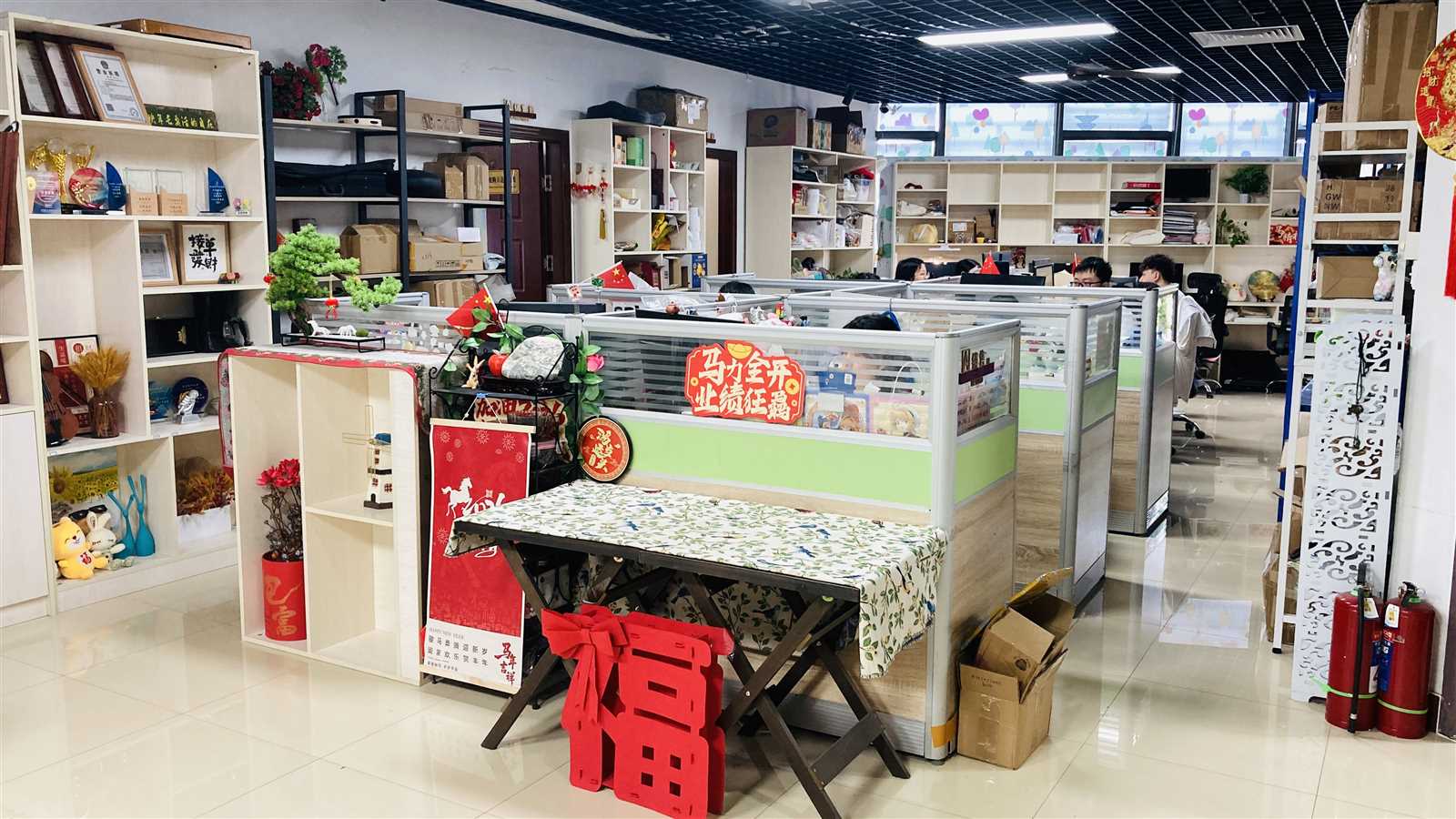
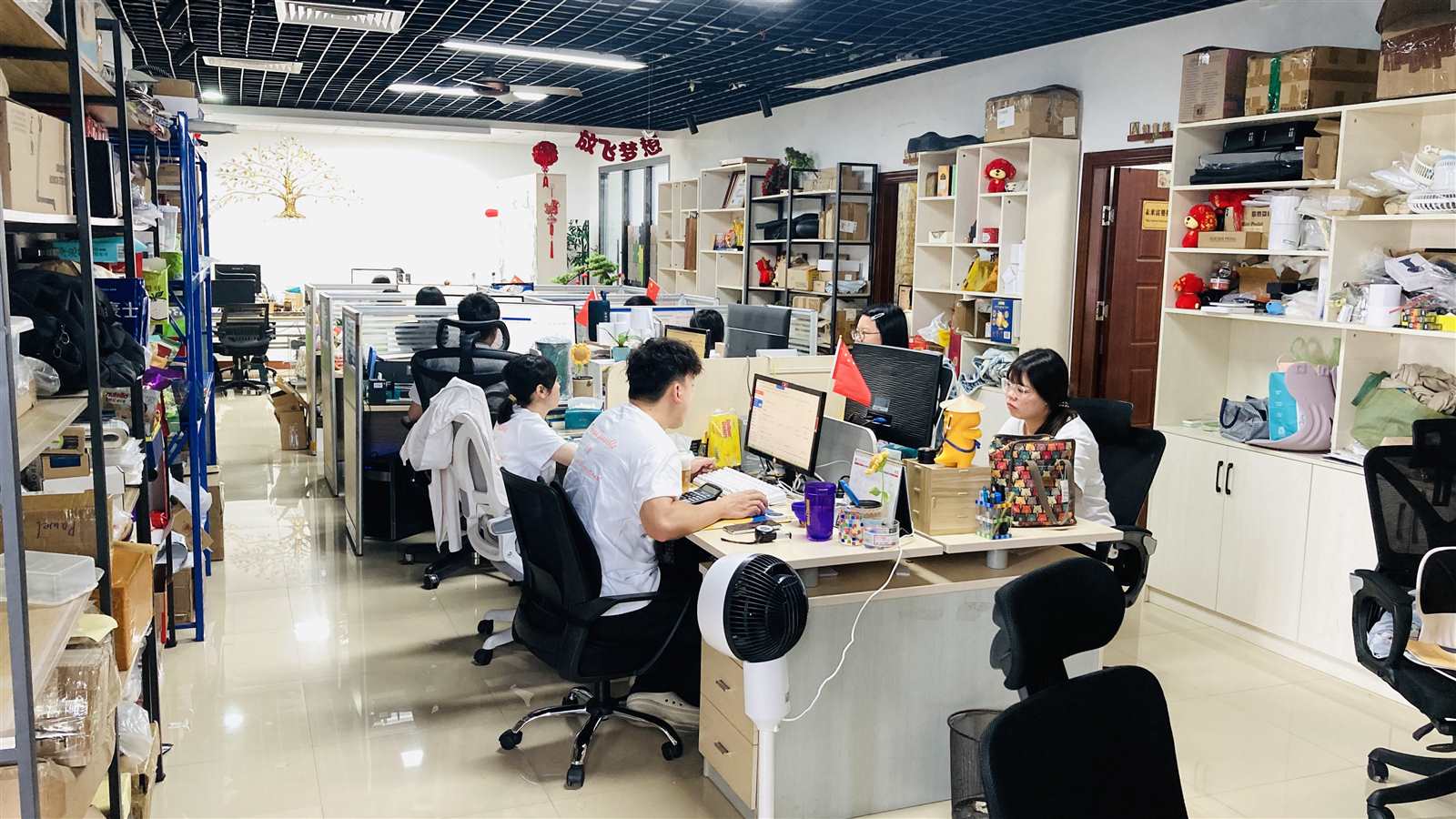
WPI began exporting musical instruments from Hong Kong in June 2010 and established its Huizhou, Guangdong operation in 2014. The team includes 28 people, with 22 in trading and export roles. The company supplies more than 1,000 instruments and accessories across acoustic and electric guitars, ukuleles, violins, cellos, saxophones, clarinets, drum sets, steel tongue drums, keyboards and accessories.
For an Indianapolis buyer, that breadth matters. A tuner order can be consolidated with straps, plectrum cases, stands, strings, classroom products and starter instruments. WPI’s assessed annual export value is US$9,000,000, with 952 orders and US$370,000+ in recent six-month trade activity. Main markets include North America, Western Europe, Southeast Asia and South America.
- Intertek onsite-assessed supplier
- 12+ years in the instrument industry
- Finished-product inspection before delivery
- Sample-based, minor, design-based and full customization
- Low MOQ and mixed-category orders
- Named export account managers

Verified assessment
Intertek onsite assessment supports claims around export experience, customization and quality control.
Low-MOQ testing
Many instruments can start from 1 pc for sampling; typical wholesale runs are 2–10 pcs per model and 20–600 sets for small accessories.
One-stop consolidation
Combine tuners with guitars, straps, stands, picks, classroom products and accessories in one shipment plan.
Export documentation
Payment terms, delivery terms and currencies are clearly stated for B2B buyers placing repeat orders.
WPI Trade Terms at a Glance

From Tuner Brief to Indianapolis Delivery
A clear procurement workflow reduces rework on logos, packaging and battery documentation. The same six steps can be used for a small sample order or a repeat wholesale replenishment.
Brief
Define tuner format, accuracy target, modes, display, battery, logo and target retail price.
Proposal
Match models and workshops; recommend packaging, MOQ and suitable export terms.
Sampling
Request samples for accuracy, clip tension, screen visibility and packaging review.
Customization
Approve logo method, color, manual, barcode, warning labels and gift-box artwork.
Inspection
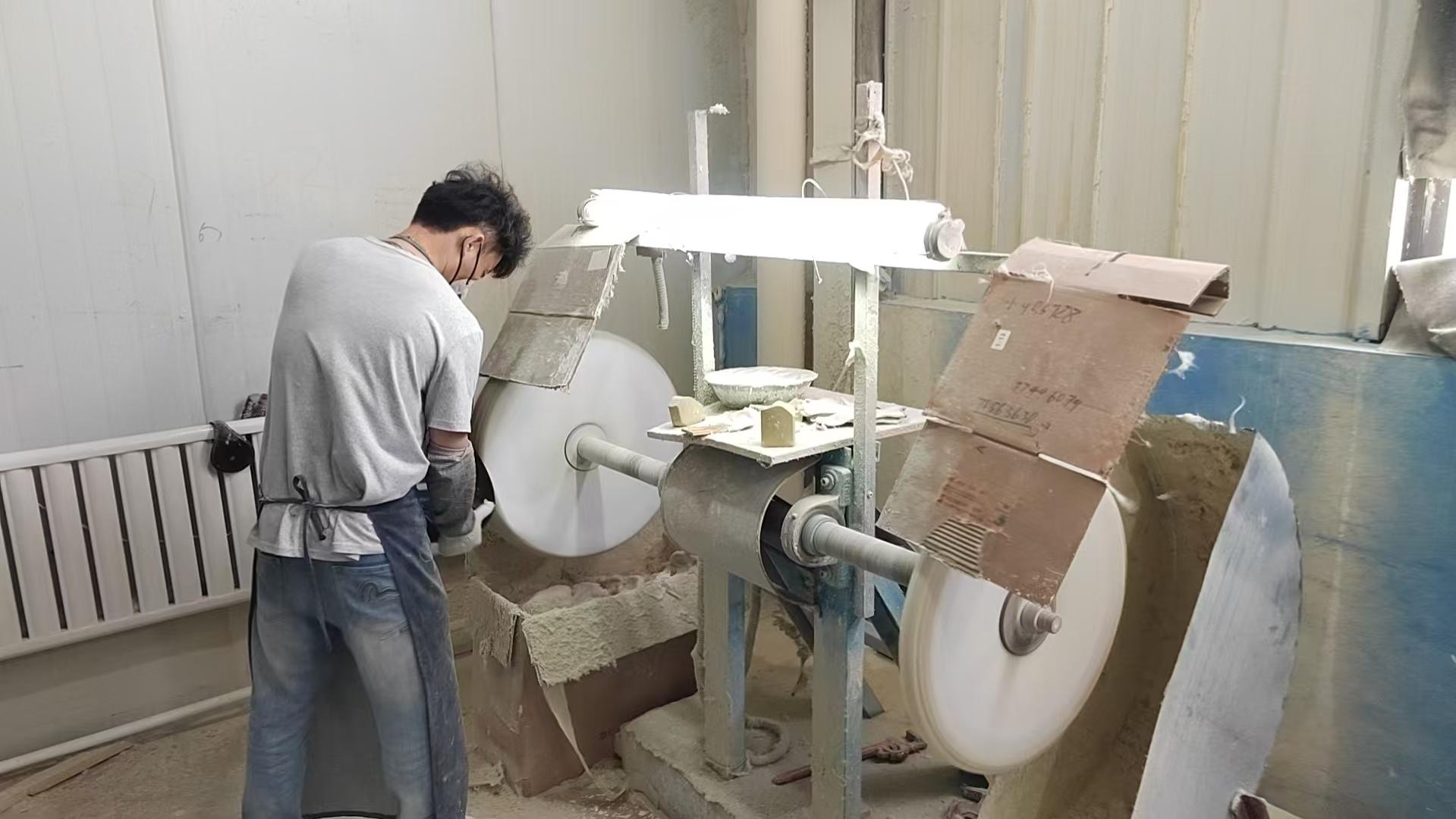
Complete pre-shipment checks for appearance, hardware, tuning stability and packaging.
Shipping
Choose express, air, FOB, CIF, DDP or another agreed term; consolidate with related products.
Indianapolis Delivery, Battery Documentation and Landed-Cost Planning
Shipping tuners to Indianapolis is usually manageable, but the details change by order size, battery type and Incoterm. Plan the landed cost before you compare quotations.
Practical shipping notes
- Small tuner test orders often move by air express; repeat orders can use ocean freight plus rail or truck to Indianapolis.
- Confirm Incoterms clearly. FOB and CIF leave more responsibility with the buyer; DDP and DDU may simplify delivery but must be quoted in writing.
- Coin-cell and rechargeable tuners may require battery documentation for air freight. Ask the supplier and carrier before booking.
- Use a licensed customs broker to confirm HS classification, commercial invoice, packing list and importer responsibilities.
- For school bids, request line-item packing, English instructions, spare batteries where allowed and clear carton marks.
Landed-cost checklist
- Unit price at the agreed MOQ and specification.
- Logo, packaging, manual and barcode setup costs.
- Sample courier, freight, insurance and customs charges.
- Inspection, consolidation and final-mile delivery to Indianapolis.
- Indiana sales-tax treatment and marketplace collection rules—consult your tax adviser.
Guitar Tuner Wholesale Questions from Indianapolis Buyers
These are the questions most often asked by Central Indiana retailers, schools and online sellers when comparing tuner manufacturers and wholesalers.
Are there guitar tuner manufacturers based in Indianapolis?
Indianapolis is primarily a demand, retail and distribution market rather than a tuner manufacturing center. Most buyers source from verified overseas OEM/ODM suppliers or national distributors. A direct export wholesaler with documented assessment, low-MOQ sampling and clear logistics can often provide better customization and inventory flexibility.
What is the MOQ for custom guitar tuners?
At WPI, many instruments can start from one piece for sampling. Typical wholesale MOQs are 2–10 pieces per instrument model and 20–600 sets for small accessories. Tuner-specific MOQ depends on the model, logo method, packaging and whether the item is stock or custom. Always confirm the exact MOQ on the quotation.
Can I private-label clip-on or pedal tuners for my Indianapolis store?
Yes, subject to the model and customization method. WPI’s assessed capabilities include sample-based customization, minor customization such as logo, packaging and graphics, design-based customization and full customization. Provide your target price, display preference, accuracy target, battery type, logo artwork and packaging requirements before sampling.
How accurate should a wholesale guitar tuner be?
For general retail and school use, ±0.5 cent to ±1 cent is a practical range. Professional strobe or bench tuners may claim higher precision. Always test a sample across several instruments, check the A4 calibration range, confirm the available modes and verify that the display remains readable in normal lighting.
What tuner mix should an Indianapolis music store start with?
A sensible starting point is about 60% clip-on chromatic tuners, 20% pedal tuners, 10% multi-instrument models and 10% premium or bench tuners. Adjust based on your school accounts, repair traffic, online sales and whether you sell starter packs that include a tuner, picks and strap.
How do you ship tuners to Indianapolis?
Small test orders usually move by express or air freight. Larger orders can use ocean freight with rail or truck to Indianapolis. WPI supports FOB, CIF, DDP, DDU, EXW and express delivery terms. Confirm the carrier, battery documentation, customs broker and final-mile responsibility before production is completed.
Do you offer mixed orders with guitars, cases and accessories?
Yes. Mixed-category orders are welcome and can be consolidated. This is useful for tuner bundles that include straps, plectrum cases, stands, strings or classroom products. Consolidation can improve carton utilization and simplify supplier management.
How can I verify quality before placing a bulk order?
Review the supplier’s Intertek assessment, request product samples, test tuning accuracy, inspect clip or pedal hardware, review logo and manual quality, and require pre-shipment inspection. Compare packing photos with the approved packaging specification before shipment.
Build a Tuner-Led Wholesale Program for Indianapolis
Share your target retail price, tuner format, accuracy target, logo artwork, packaging needs and estimated first order. WPI’s export team will recommend models, confirm MOQ and prepare a quotation with suitable shipping terms.
Average inquiry response rate: 97.73% · Email: info@wpimusic.com