Banner-to-basket product examples
Eight Original Catalog Items for Mixed Lyon Orders
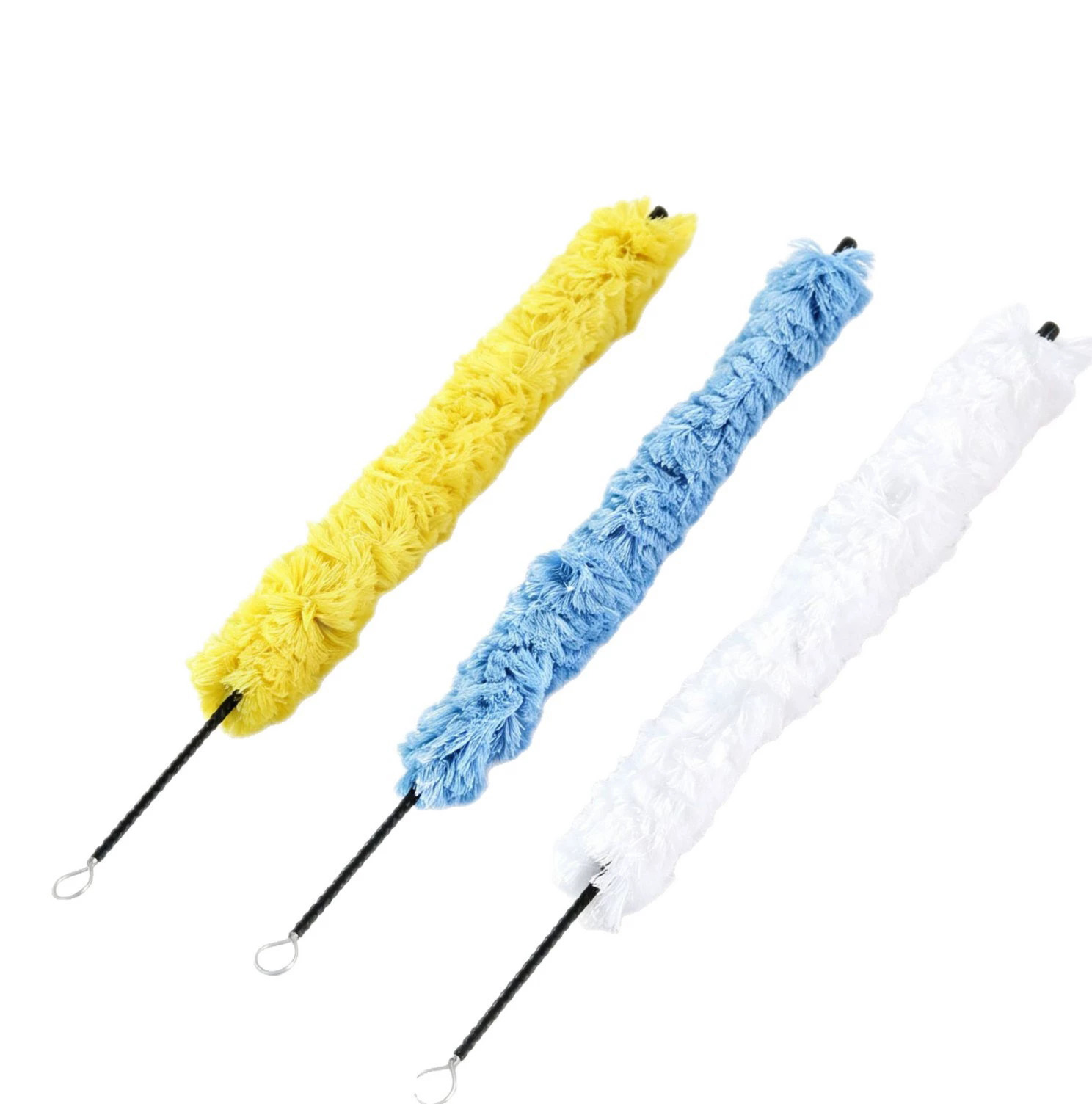
The eight products below retain their original images and product URLs. They show the breadth of the WPI International Trade Co., Ltd. (Huizhou) catalog, which can help Lyon buyers consolidate clip-on tuner accessory programs with instruments, parts and retail add-ons in one sourcing conversation.
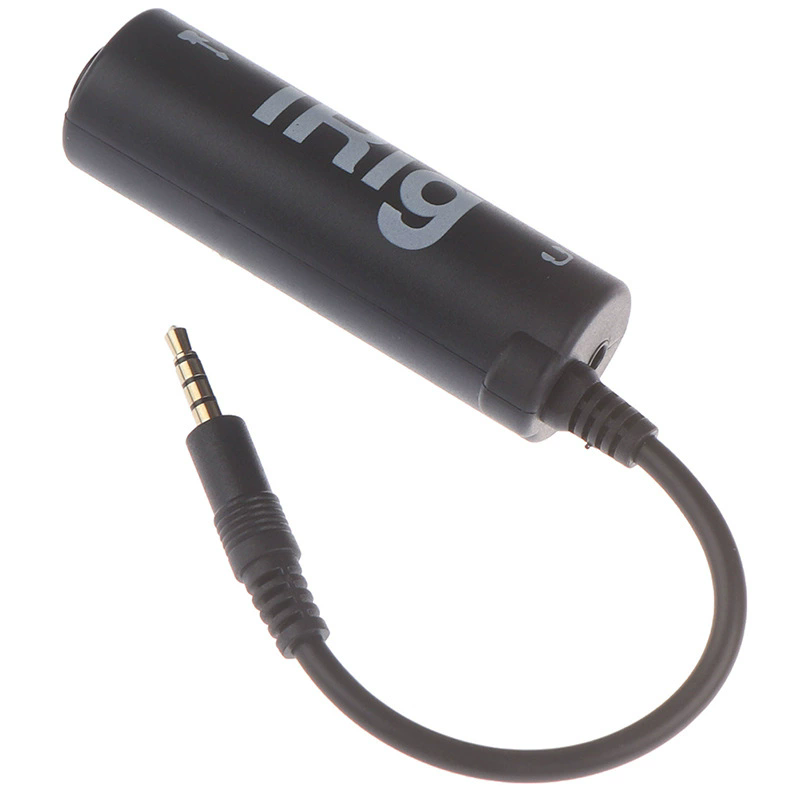
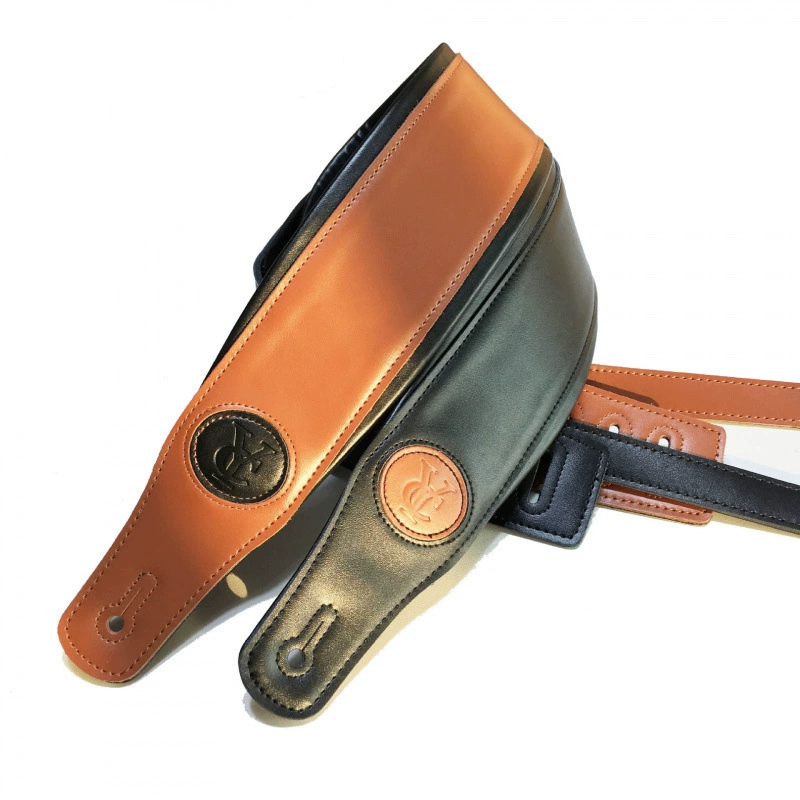
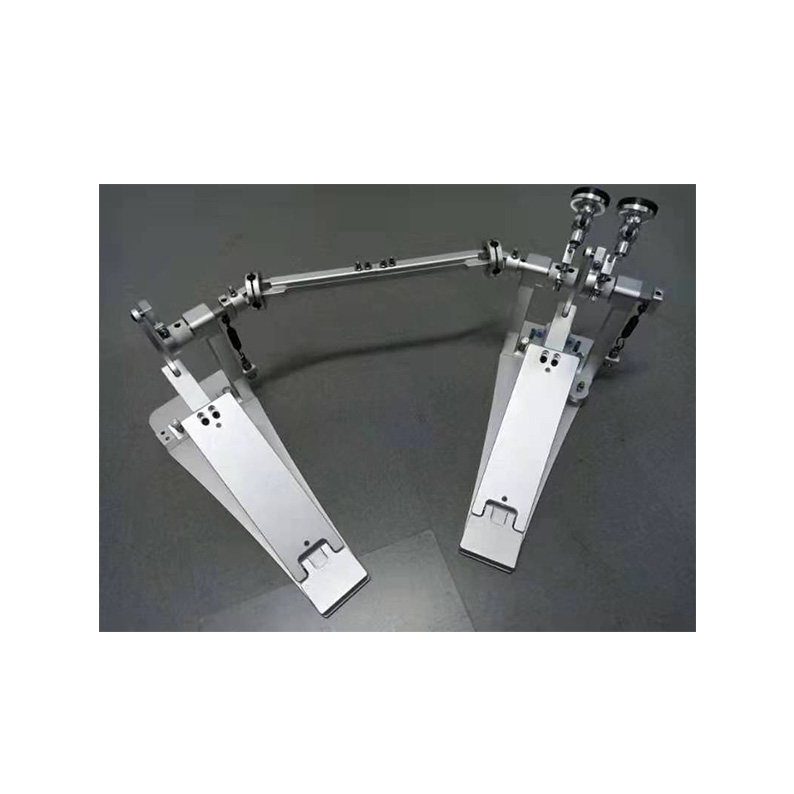
Brushed Silver Double Bass Drum Pedal Direct Drive Drum Kit Accessory
Drum hardwareBulk ready
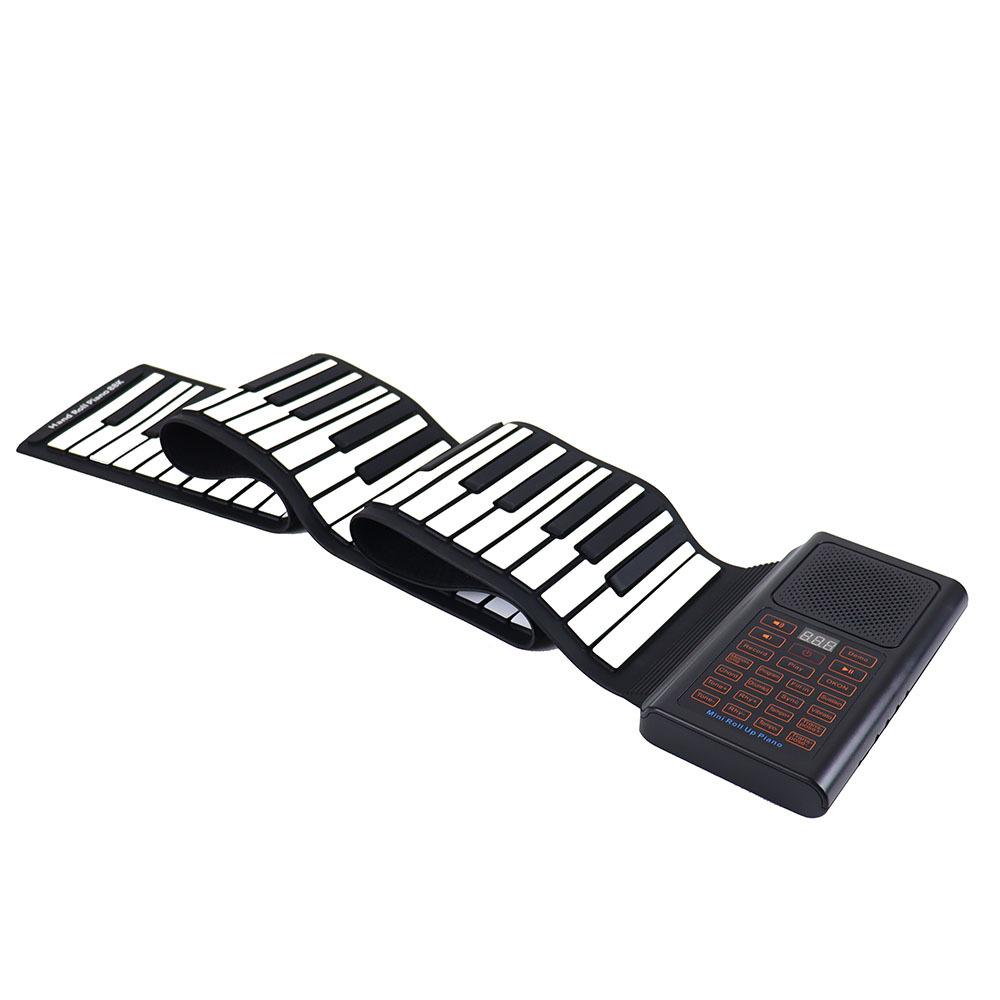
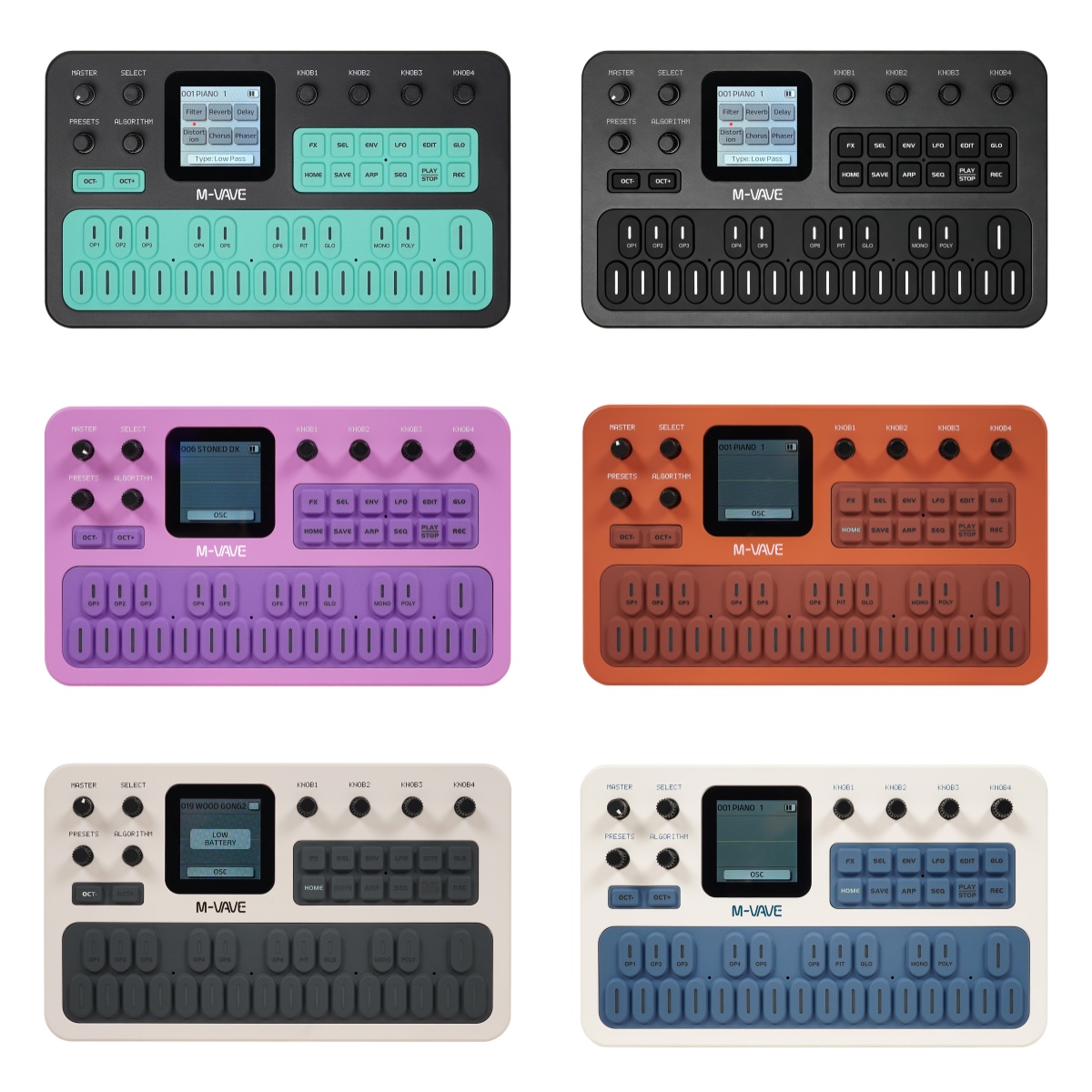
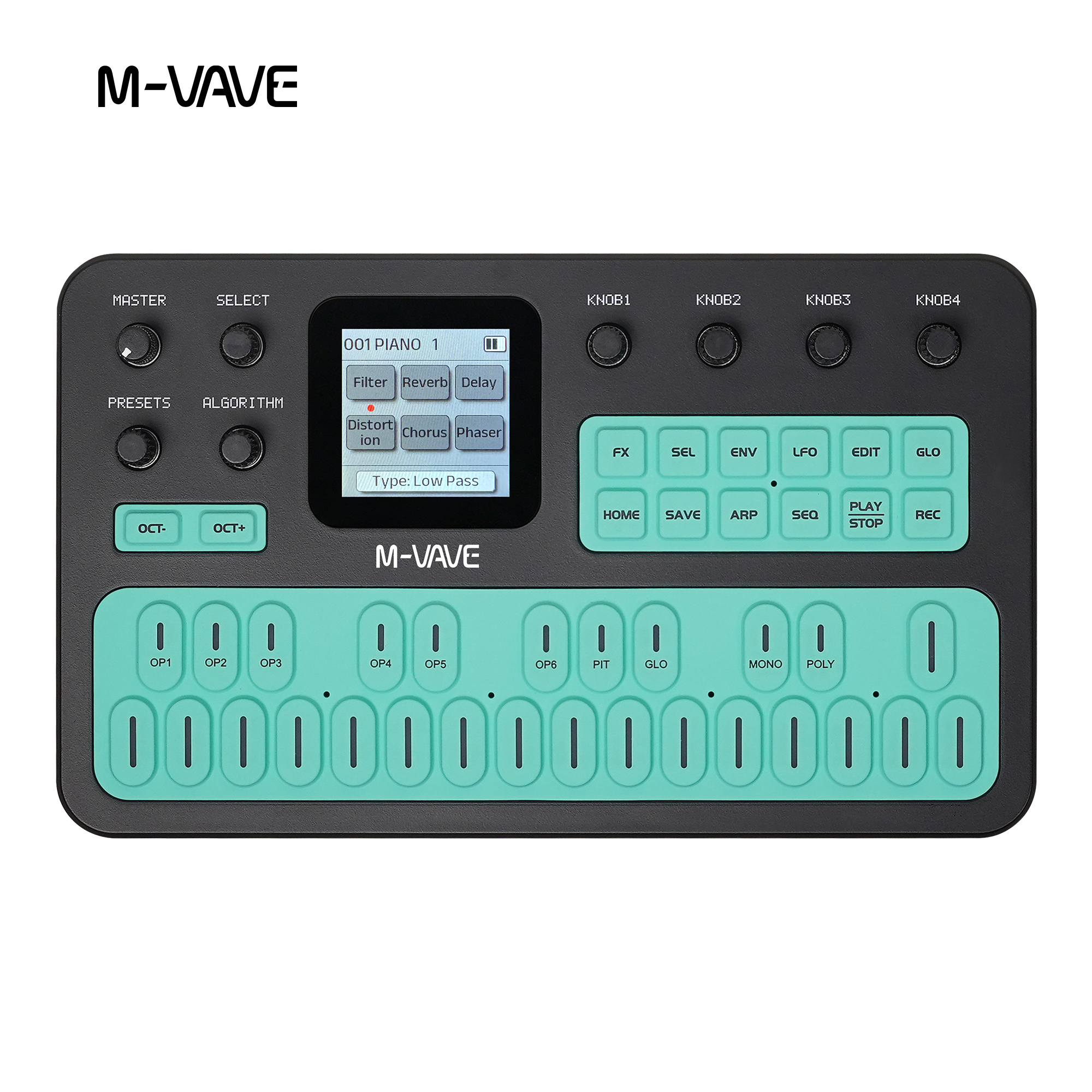
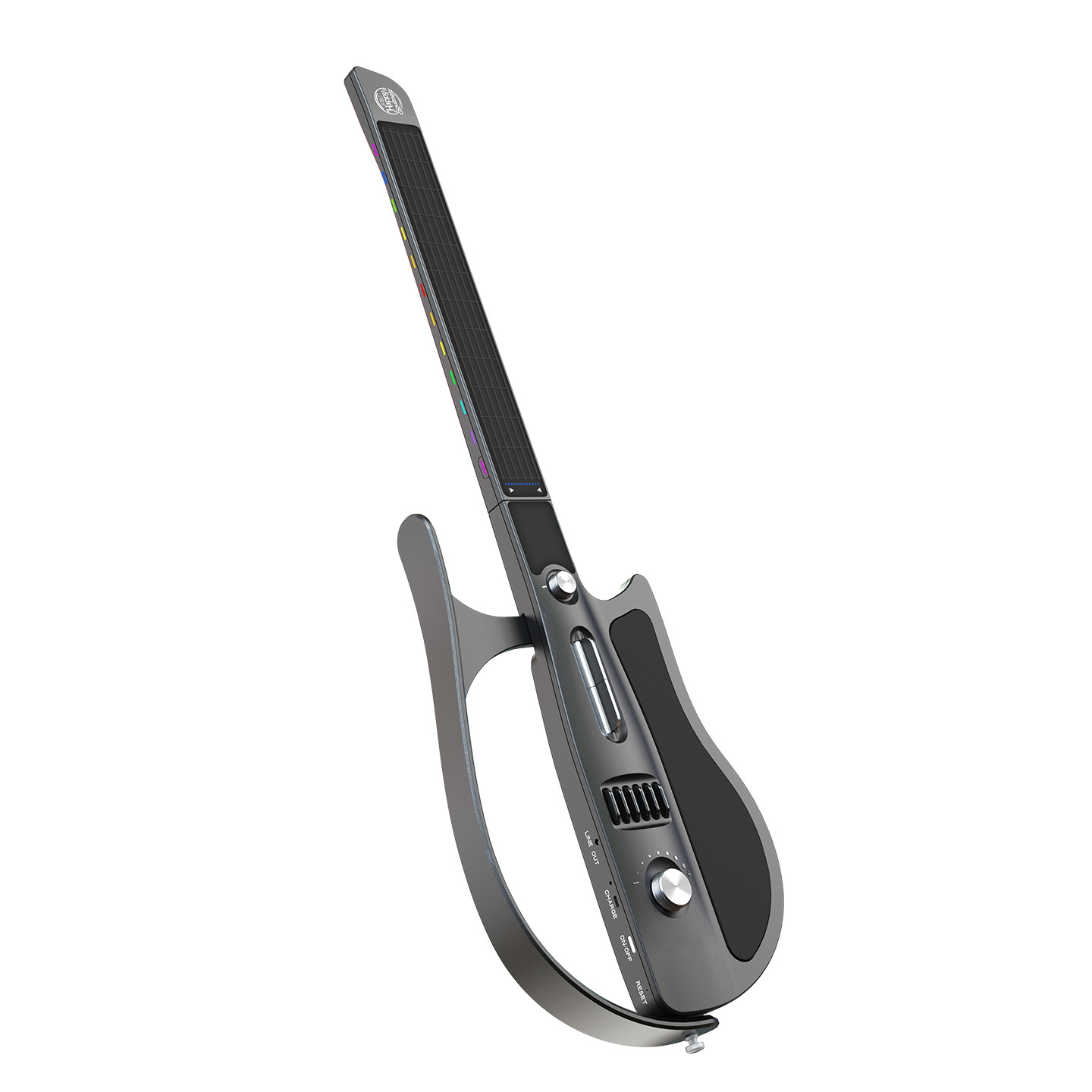
Hot Selling N1 Smart Accompaniment Stringless Guitar Smart Guitar Travel Guitar
Smart guitarNew trend
Why Lyon Is a High-Value Market for Clip-On Tuners
Lyon is not just a large French city; it is a dense musical ecosystem. The Lyon metropolitan area supports conservatoire students, school music programs, amateur orchestras, brass bands, acoustic duos, ukulele groups, guitar retailers, luthiers, repair benches, live venues, festival organisers and e-commerce sellers. For a buyer searching for clip-on tuner factories or exporters serving Lyon, the real intent is rarely “find the cheapest tuner.” The intent is to find a supplier that can deliver stable tuning accuracy, French-language retail readiness, EU compliance documentation, low-risk MOQ and reliable export communication.
Clip-on tuners are small-ticket items, but they are strategically useful. They attach to the headstock or body, read vibration rather than ambient sound, work in noisy rooms and help a player tune quickly between songs. In Lyon music shops, they are natural counter accessories. In schools and conservatoires, they support beginners who need a simple visual cue. On stage and in festival conditions, they help players recover from temperature or humidity shifts. For distributors, they are a high-turn accessory that can be bundled with guitars, ukuleles, violins, straps, cleaning brushes and recording adapters.
The local climate and performance calendar also matter. Lyon has a semi-continental climate with seasonal humidity and temperature changes. Instruments move; tuning drifts. A tuner with a secure clip, readable display and repeatable calibration is more valuable than a tuner with an attractive photo but inconsistent readings. In summer, outdoor events and street performances increase demand for compact, battery-powered tuning tools. In winter, heated indoor spaces can dry instruments and alter tuning stability. A serious Lyon buyer therefore evaluates the product as a retail accessory, a school tool and a stage instrument at the same time.
Top 10 shortlist filters
Top 10 Evaluation Criteria Used by Lyon Buyers to Shortlist Clip-On Tuner Factories & Exporters
Because “top 10” lists can be based on marketplace rankings rather than verified capability, professional buyers should shortlist factories and exporters against evidence. The ten criteria below are the practical filters used by retail, education and distribution buyers who need a Lyon-ready supply partner.
01
Tuning Accuracy
Ask for chromatic mode, reference pitch range and repeatability evidence. A ±1 cent claim should be testable across multiple strings and instruments.
02
Clip Stability
For Lyon retailers, the clip must hold during student practice, stage use and transport without marking instrument finishes.
03
Display Readability
High-contrast screens, backlight behaviour and clear sharp/flat indicators matter in dim venues and bright shop windows.
04
Battery & EU Compliance
Coin-cell or rechargeable designs must be checked against CE, RoHS, REACH, battery and packaging obligations.
05
French Documentation
A private-label tuner for Lyon often needs French packaging, simple instructions, warning labels and QR support.
06
OEM / ODM Flexibility
Logo, colour, retail box, blister pack, counter display and manual customisation should be confirmed before quoting.
07
MOQ & Mixed Orders
Low sample MOQ and mixed-category consolidation help Lyon buyers test demand without overstocking slow SKUs.
08
QC & Inspection
Pre-shipment inspection should check appearance, clip pressure, button response, tuning stability, battery and packaging.
09
Trade Terms
FOB, CIF, DDP, express delivery and document accuracy all affect landed cost and replenishment speed for Lyon.
10
After-Sales Response
A supplier with a named export contact, clear response rate and spare-unit policy is easier to manage than an anonymous listing.
A Weighted Scorecard for Lyon Sourcing Teams
Use a scorecard rather than a single unit price. For most Lyon accessory programs, accuracy and compliance should carry the greatest weight because a tuner that fails in-store or creates documentation problems costs more than the unit-price difference. OEM flexibility and MOQ matter next, especially for private-label music shops and school tender offers.
Request evidence with the quotation: product photos, measurement method, battery type, packaging artwork, available declarations and the name of the export contact who will handle the order. A strong supplier will answer these points directly instead of sending only a price list.
Tuning accuracy & repeatability25%
EU compliance & battery documentation20%
QC and pre-shipment inspection15%
OEM / private label readiness15%
MOQ and mixed-order flexibility10%
Export logistics and documents10%
After-sales communication5%
| Criteria | Evidence to request | Why Lyon buyers care |
|---|---|---|
| Accuracy | Calibration range, test method, sample video, reference pitch settings | Retail returns and school trust depend on consistent readings. |
| Clip and finish | Jaw pressure, silicone pad photos, drop-test notes | Lyon shops sell to students and professionals who care about instrument finish. |
| Compliance | CE, RoHS and REACH declarations; battery and packaging documents | French wholesale and retail channels need traceable documentation. |
| OEM | Logo proof, box dieline, French manual draft, counter-display option | Private-label differentiation matters in a crowded accessory wall. |
| QC | Finished-product inspection checklist and packing standard | Consistency across a mixed order protects season launch dates. |
| Logistics | FOB, CIF, DDP or express quote; carton dimensions and lead time | Lyon buyers need predictable landed cost and replenishment. |
Localized use cases
Where Clip-On Tuners Are Used in and around Lyon
A single tuner model rarely fits every channel. Lyon buyers should map the product to the use case, then choose the factory or exporter that can support that channel’s quality and packaging needs.
♬
Conservatoire & school ensembles
Students need simple chromatic tuning, clear displays and durable clips. French-language instructions and low unit cost help music schools buy in class sets.
▣
Music retail counters
Clip-on tuners are impulse accessories. Counter displays, multilingual packaging and private-label boxes lift average order value beside guitars, ukuleles and straps.
⚙
Luthier and repair benches
Repairers value accurate chromatic readings, reference pitch control and quick response across violin, cello, guitar and bass setups.
◎
Stage and festival use
Lyon’s live venues and outdoor events need high-contrast screens, secure clips and reliable battery life when players tune between songs.
⌁
Buskers and travel players
Compact, lightweight tuners suit street performers, travel guitar players and pocket-instrument users who need fast setup.
◈
E-commerce and gift retail
French packaging, clear product photography and simple instructions help online sellers reduce returns and improve conversion.
Localized development trends
What Is Changing in Lyon Clip-On Tuner Procurement
Search demand is moving from “cheap tuner” toward “reliable accessory program.” Buyers want a supplier who understands retail presentation, school safety, EU compliance and mixed-category export consolidation.
↗
Accessory-led basket building
Lyon shops increasingly bundle tuners with straps, picks, cleaning brushes and adapters rather than selling them as isolated items.
FR
French-language private label
Local retailers want French instruction sheets, packaging text and warning labels that look credible on a French shelf.
✓
Compliance transparency
CE, RoHS, REACH, battery and packaging questions are moving earlier into the quotation process, not after the order.
◇
Institutional purchasing discipline
Schools and music programs compare durability, simple operation, replacement policies and clear local support more carefully.
Product recommendations
Recommended Clip-On Tuner Assortment for Lyon Buyers
These recommendations are written for buyers who want a focused accessory assortment rather than a random catalog. Confirm final specifications, certifications and packaging requirements directly with the supplier.
G
Entry chromatic tuner for guitar, bass and ukulele
Best for music shops and online sellers. Prioritise a clear screen, ±1 cent target accuracy, common battery type and secure clip.
V
Compact tuner for violin, viola and cello
Choose a smaller jaw and chromatic mode for orchestral students. A readable display and gentle clip pads help protect varnished instruments.
PL
Private-label retail tuner with French packaging
For Lyon music shops, combine logo, French manual, retail box and a counter-display option. Keep MOQ realistic for a pilot launch.
+
Mixed accessory bundle with instruments
Clip-on tuners can be consolidated with eight example catalog items shown above, plus straps, adapters, brushes, stands and small parts.
WPI International Trade Co., Ltd. (Huizhou) is a multi-category musical instrument exporter rather than a single-SKU tuner shop. Its public catalog covers guitars, ukuleles, violins, cellos, saxophones, clarinets, drums, keyboards, synthesizers and accessories. For Lyon buyers, that breadth is useful: a tuner program can be tested alongside broader instrument orders, and mixed-category purchasing can reduce the administrative burden of working with several unrelated suppliers.
Information gain
What High-Performing Lyon Buyers Ask That Marketplaces Do Not Show
Information gain in this category comes from asking questions that reveal operational capability, not just product appearance. The three questions below often separate a professional exporter from a listing-only reseller.
01
Can the battery and compliance trail be traced?
Ask for battery type, safety documents, packaging information and declaration support. A credible exporter should know which documents can be supplied and which must be verified for the final SKU.
02
Can mixed orders be inspected as one shipment?
Lyon distributors often combine tuners, straps, adapters and instruments. Ask how final inspection is handled when multiple categories are packed together.
03
Is French retail readiness built in?
A logo alone is not enough. Ask about French manuals, warning labels, packaging text, counter displays and product-photo support for local e-commerce.
Company advantages
How WPI International Trade Co., Ltd. (Huizhou) Supports the Lyon Market
WPI’s public company profile provides verified signals that matter to European buyers: export experience since 2010, an Intertek onsite assessment, pre-shipment inspection, OEM/ODM capability, low MOQ sampling and a broad instrument and accessory catalog.
12+Years in the musical instrument industry
US$9MAnnual export sales, third-party assessed
952Orders shipped in the last 6 months
97.73%Inquiry response rate
4.6/5Average buyer rating
Exporter with multi-category sourcing strength
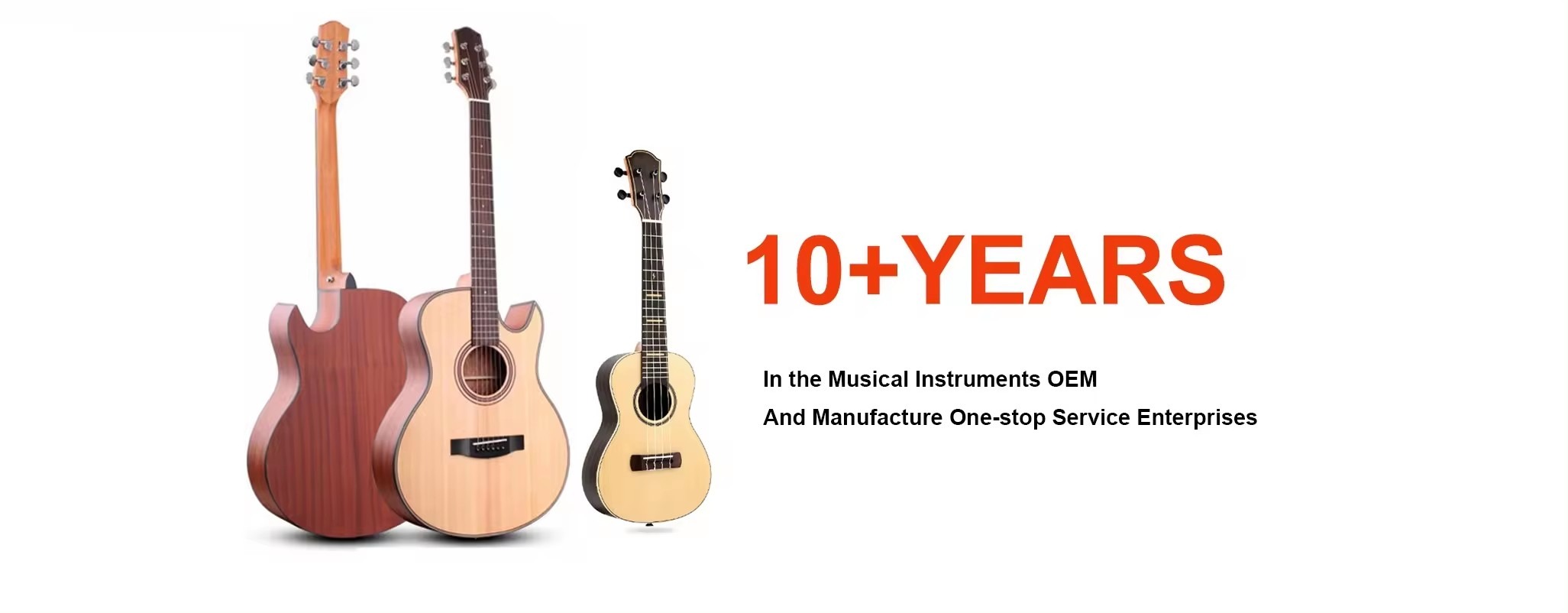
WPI International Trade Co., Ltd. (Huizhou) began exporting musical instruments from Hong Kong in June 2010 and established its Huizhou, Guangdong operation in 2014. The company describes itself as a trading company and multispecialty supplier with 28 employees, including 22 in trading and export roles. Its main markets include North America, Western Europe, Southeast Asia and South America, making Western Europe a familiar destination for its export documentation and packing workflows.
The public catalog covers acoustic and electric guitars, ukuleles, violins, cellos, saxophones, clarinets, drum sets, steel tongue drums, keyboards and accessories. For Lyon buyers, the practical advantage is mixed-category consolidation: a clip-on tuner program can sit beside guitars, straps, adapters, cleaning brushes, digital pianos and synthesizers in one sourcing discussion.
- Intertek onsite assessed supplier profile
- Finished-product inspection before delivery
- Sample-based, minor, design-based and full customization
- Low MOQ sampling and mixed-category orders
- OEM logo, packaging and graphics support
- Export to Western Europe and other major regions
- 1,000+ instruments and accessories across categories
- Dedicated export sales contact from quotation to after-sales
Payment methodsT/T, L/C, D/P, D/A, MoneyGram, credit card, PayPal, Western Union, cash and escrow.
Delivery termsFOB, CFR, CIF, EXW, FAS, CIP, FCA, CPT, DEQ, DDP, DDU, DAF, DES and express delivery.
Typical MOQFrom 1 piece for sampling on many instruments; 2–10 pieces per model; 20–600 sets for small accessories. Confirm by SKU.
CurrenciesUSD, EUR, JPY, CAD, AUD, HKD, GBP, CNY and CHF.
Pilot process
How a 30-Day Clip-On Tuner Trial Works for a Lyon Buyer
A disciplined trial reduces the risk of overstocking and catches packaging or compliance issues before a larger purchase order.
Brief
Define target channels: retail, school, stage, e-commerce, private label. State instrument mix, price band and packaging language.
Sample
Request 3–5 tuner options and test clip grip, display visibility, response speed and battery replacement.
Compliance
Collect available CE, RoHS, REACH, battery and packaging information, then confirm what the final SKU requires.
Customize
Approve logo, French manual, retail box, barcode and counter-display artwork before mass production.
Pilot
Place a controlled pilot order, inspect before shipment, test sell-through and then scale the winning SKU.
FAQ
Procurement FAQ for Lyon Clip-On Tuner Buyers
These answers combine the supplier’s public export information with practical questions asked by European accessory buyers. Final specifications and compliance requirements should always be confirmed in the quotation.
What is the MOQ for wholesale clip-on tuners?
MOQ depends on the model, branding and packaging. WPI’s public terms show sampling from 1 piece on many instruments, typical wholesale MOQs of 2–10 pieces per model for instruments and 20–600 sets for small accessories. Clip-on tuner MOQ should be confirmed by SKU and customization level.
Can a Lyon retailer order private-label tuners with French packaging?
Yes, discuss logo, packaging and graphics customization. WPI’s assessed capabilities include sample-based customization, minor customization such as logo and packaging, design-based customization and full customization. French manual and warning text should be approved before production.
How is quality controlled before shipment?
WPI states that orders go through finished-product inspection before delivery, covering appearance, hardware, tuning stability and packaging. For tuners, add checks for display function, buttons, clip pressure, battery contact and retail packing.
Which compliance documents should Lyon buyers request?
Ask for CE, RoHS and REACH declarations, battery information and packaging documentation relevant to the final product. Requirements vary by product and channel; verify with your importer or compliance advisor.
What payment and delivery terms are accepted?
Payment methods include T/T, L/C, D/P, D/A, MoneyGram, credit card, PayPal, Western Union, cash and escrow. Delivery terms include FOB, CFR, CIF, EXW, FAS, CIP, FCA, CPT, DEQ, DDP, DDU, DAF, DES and express delivery.
Does WPI export to France and the Lyon market?
WPI’s main markets include North America, Western Europe, Southeast Asia and South America. Western Europe is a stated export region, so Lyon buyers can request FOB, CIF, DDP or express quotes depending on order size and urgency.
Can clip-on tuners be mixed with instruments and accessories?
Mixed-category orders are welcome. The eight product examples above show the kind of catalog breadth that can be consolidated with tuner accessories, subject to stock, MOQ and packing requirements.
Which tuner should a Lyon shop stock first?
Start with a chromatic clip-on tuner for guitar, bass and ukulele, then add a compact model for violin and cello. Prioritise a clear display, secure clip, common battery type, French instructions and packaging that suits your sales channel.
Executive summary
What Makes a Truly Useful Top 10 Clip-On Tuner Exporter List for Lyon?
The most useful “top 10” list is not a wall of anonymous marketplace links. It is a structured comparison of accuracy, compliance, OEM flexibility, QC, MOQ and communication. Lyon buyers need a supplier who can serve a musical city with both practical accessories and broader instrument sourcing.
A
Evidence over claims
Request calibration evidence, packaging artwork, compliance documents and inspection records. These details create real information gain for search users and procurement teams.
B
Localization over translation
French-language packaging, school-friendly instructions and Lyon-relevant use cases matter more than a generic “Europe ready” statement.
C
Consolidation over fragmentation
A multi-category exporter such as WPI can help combine tuner accessories with instruments, straps, adapters, cleaning tools and keyboards to simplify purchasing.
Request a Lyon-Ready Clip-On Tuner Sourcing Pack
Share your target price, instrument mix, expected quantities, packaging language and compliance requirements. We will help you compare suitable tuner options and discuss mixed-category consolidation with the broader WPI musical instrument catalog.
Verified exporter profile · Intertek onsite assessed · OEM/ODM and low-MOQ sampling discussions welcome