8 Music Products That Support Rhythm, Percussion and Classroom Programs
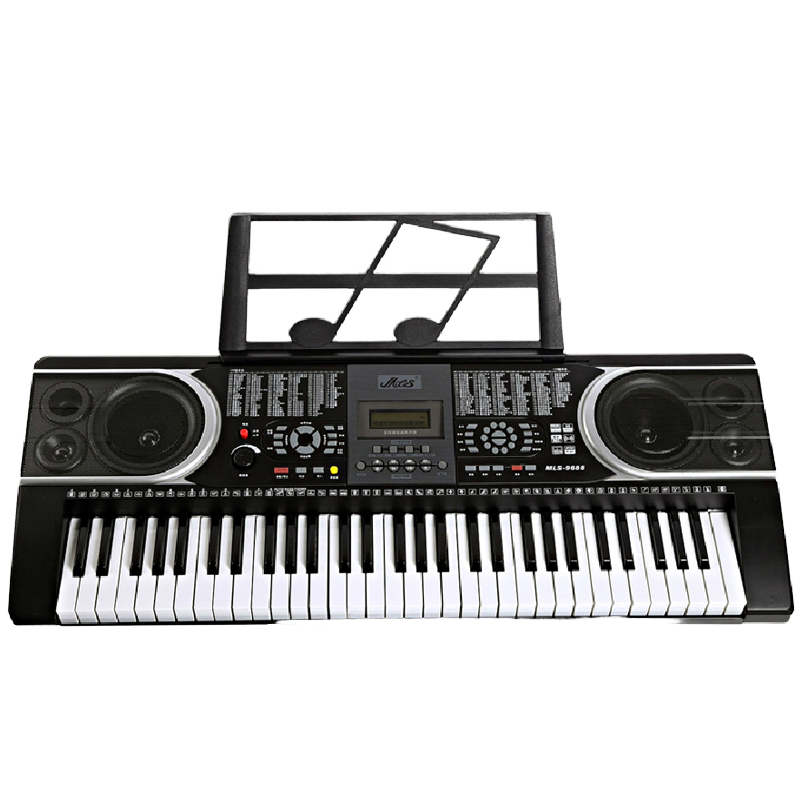
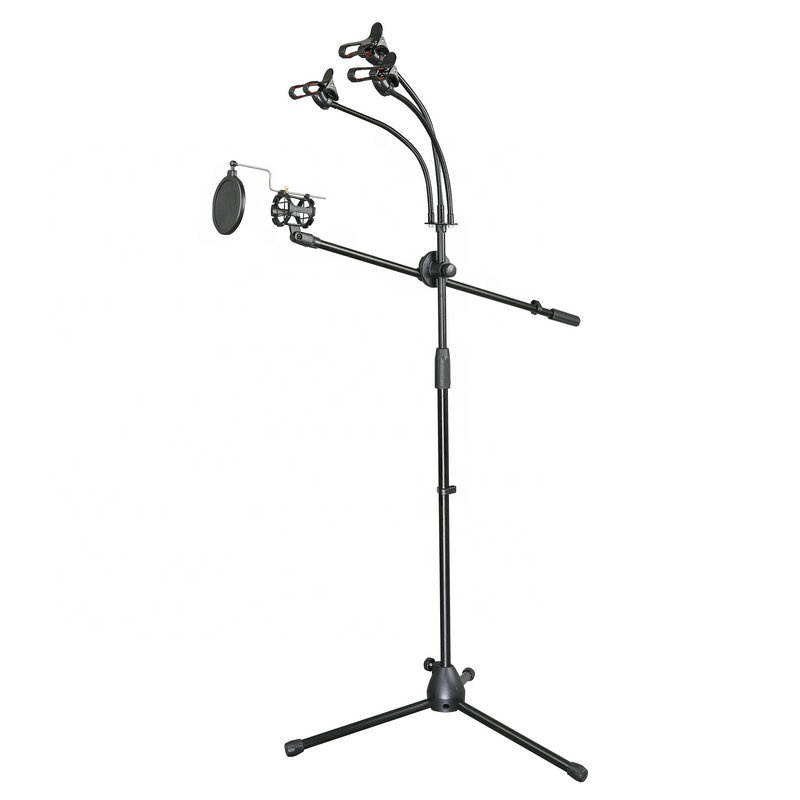
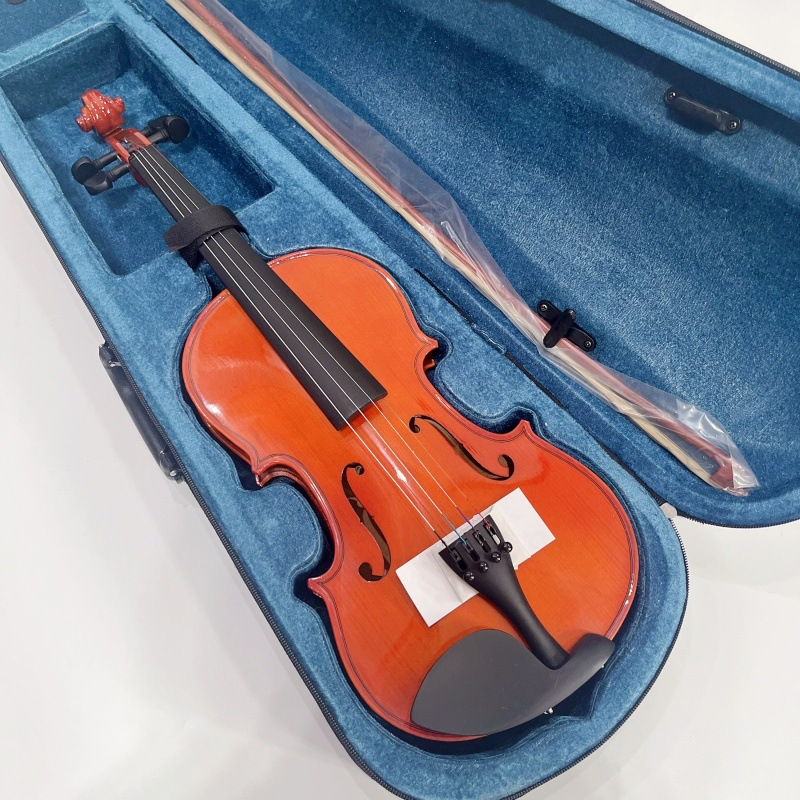
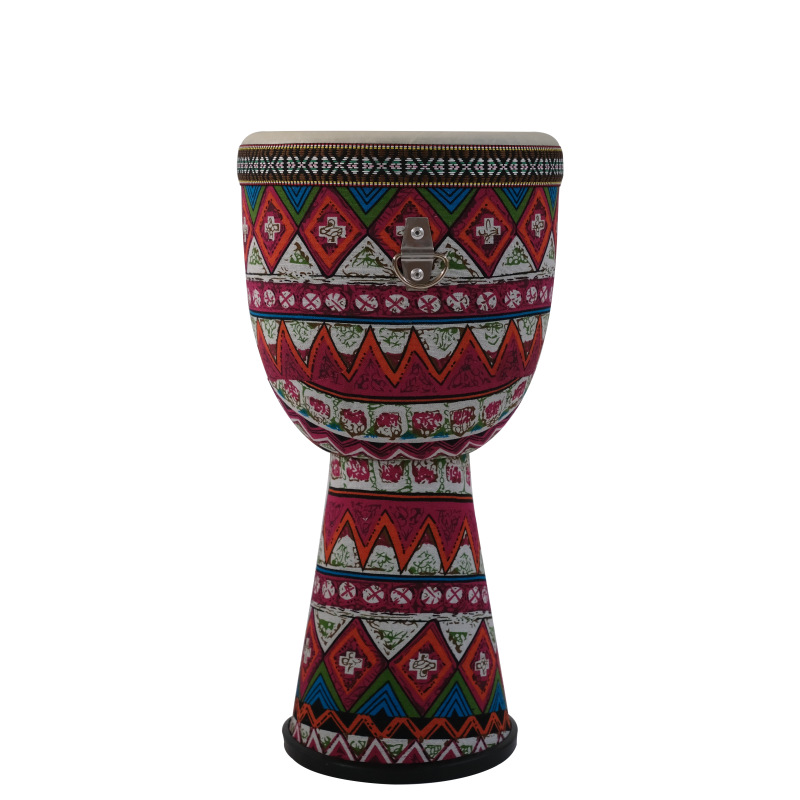
Rhythm sticks are rarely purchased alone. Schools, music shops and program buyers often consolidate sticks with hand drums, keyboards, student instruments, care products and accessories. The eight products below preserve the original WPI catalogue links and can be evaluated as part of a mixed Phoenix order, school kit or retail assortment.
What Phoenix Buyers Are Really Comparing
Search demand for rhythm sticks manufacturers in Phoenix comes from institutional and commercial buyers with different decision criteria. The strongest supplier is the one that can satisfy both the classroom and the commercial shelf.
Search demand for rhythm sticks manufacturers in Phoenix comes from two different buying journeys. The first is institutional: a school district, charter network, Head Start center, music therapist, parks department or church needs compliant, durable classroom sets and may require purchase orders, samples and documentation. The second is commercial: a music retailer, e-commerce seller, rental company or distributor wants repeatable quality, custom packaging, margin protection and a supplier who can consolidate rhythm sticks with adjacent music products.
Those journeys overlap on one question: can the supplier deliver a consistent product, on a predictable schedule, with evidence? Phoenix buyers are not simply purchasing a pair of sticks. They are purchasing classroom minutes, retail sell-through, safety documentation and a lower risk of returns. A low quote can disappear quickly when a shipment arrives with inconsistent diameters, splintered ends, faded packaging or missing compliance paperwork.
This white paper is structured around the information a serious buyer needs before requesting a sample: material selection for the desert climate, local application scenarios, market trends, manufacturer verification, quality control, shipping terms and a clear procurement FAQ. WPI International Trade Co., Ltd. (Huizhou) is used as the reference supplier profile because its published data and third-party assessment provide concrete E-E-A-T signals: 12+ years in the music industry, an assessed annual export value of US$9 million, 952 orders in six months, a 97.73% inquiry response rate and a 4.6/5 buyer rating.
Information gain for Phoenix buyers: specify a finish that resists dry-air cracking and monsoon-season humidity swings, and test the sticks after simulated storage in a hot vehicle. A visual sample alone is not enough. Ask for written tolerances for length, diameter, weight pairing, end sanding, finish type, packaging and age grading.
Growth, Climate and Curriculum Are Reshaping Rhythm-Stick Demand
Phoenix is not one market. It is a network of school systems, retail corridors, community programs and fast-growing suburbs including Mesa, Chandler, Gilbert, Glendale, Scottsdale, Tempe, Peoria, Surprise and Buckeye.
Growth corridors need replenishment
New campuses and expanding after-school programs need repeatable kits rather than one-time novelty orders. Buyers in Surprise, Buckeye, Gilbert and Chandler often need small replenishment runs for replacement pairs, teacher kits and summer programs.
Dry heat, UV and monsoon swings require a spec
Phoenix’s dry air can stress poorly sealed wood, while monsoon season introduces humidity swings. A buyer should ask for stable wood moisture, sealed ends, UV-resistant colorants and packaging that protects the finish in transit and storage.
STEAM and inclusive music education
Rhythm sticks support pattern recognition, phonemic awareness, coordination and ensemble listening. That makes them attractive to general music teachers, special-education teams, bilingual programs, homeschool co-ops and libraries building maker or music kits.
Evidence-based procurement is normal
Institutional buyers increasingly ask for test reports, age grading, pre-shipment inspection, sample approval and clear terms. Retail buyers ask for barcodes, packaging copy, replacement-pair options and landed-cost clarity. Slogans are less useful than documentation.
Phoenix’s growth is not uniform. Districts on the periphery may open new campuses with complete music rooms, while established central-city schools may prioritize replacement and repair. A supplier that can ship 48 pairs to a charter school and 2,000 pairs to a district warehouse—with the same finish and labeling discipline—creates more value than a low quote alone. This is where a manufacturing partner with multi-category consolidation and export experience outperforms a local intermediary that cannot control production or packaging.
Material, Finish and Size: A Phoenix-Ready Specification
“Wood rhythm sticks” is not a purchase specification. The buyer should define species, length, diameter, end shape, finish, weight matching, packaging and the compliance documents required for the target channel.
| Option | Best Phoenix Use Case | Specification Notes |
|---|---|---|
| Hard maple | Classroom, performance and matched-pair programs | Dense and durable; specify kiln-dried stock, rounded ends, smooth sanding, non-toxic water-based or UV-cured finish, and tight length tolerance. |
| Birch or beech | K–5 music, beginner kits and retail packs | Balanced cost and bright tone; check grain tightness, diameter consistency, end finishing and color variation between pairs. |
| Bamboo | Eco-positioned retail and light classroom use | Attractive sustainability story; require stable lamination, sealed ends and a finish tested for arid conditions and monsoon humidity swings. |
| ABS or PP plastic | Outdoor, PE, early-childhood and easy-clean programs | Specify UV stabilization, phthalate-free formulation, deburred ends and colorfastness. Plastic can be practical for high-turnover or hygiene-sensitive settings. |
| Composite or soft-grip | Music therapy, senior wellness and sensory-friendly rooms | Confirm grip security, non-toxic materials, weight balance and cleanability. Lighter sticks are often easier for long group sessions. |
For most Phoenix institutional buyers, a sensible first assortment is: (1) 8-inch hardwood pairs for K–2; (2) 10-inch hardwood pairs for Grades 3–5 and general music; (3) 12-inch maple pairs for performance and ensembles; and (4) an easy-clean plastic set for outdoor and high-turnover programs. Buyers should test a pre-production sample in real conditions—including a week in a hot vehicle or storage room if that reflects actual use. The goal is not merely to pass a toy-safety test; it is to survive the logistics of a Phoenix school year.
Classroom Core Kit
24 pairs of 8-inch and 10-inch sticks, color-coded by grade, with a labeled storage tote and teacher activity card. Best for K–5 general music and new campus openings.
Early Childhood & Sensory Set
6-inch to 8-inch lightweight pairs with rounded ends, smooth sealed finish and easy-clean surfaces. Suitable for preschool, special education and library story-time kits.
Performance & Ensemble Pair
10-inch to 12-inch matched maple pairs with consistent weight and tone. Add numbered pairs, a drawstring bag and a simple care label for touring or festival use.
Retail & E-Commerce Bundle
Pair plus activity card, drawstring bag and barcode-ready packaging. A high-value starter pack for music stores, teacher supply shops, marketplace sellers and gift channels.
Where Rhythm Sticks Work in Phoenix Programs
The same pair of sticks can serve a kindergarten music lesson, a senior wellness session and a retail starter kit. The product specification should change with the user, not the label.
K–12 general music and Orff-inspired classrooms
Teachers use sticks for steady beat, rhythm echo, notation readiness and ensemble listening. Durable pairs reduce replacement friction in schools that see multiple classes each day.
Early childhood, special education and sensory rooms
Lightweight sticks with rounded ends and predictable size help children participate in call-and-response, motor planning and group routines. Cleanable finishes are useful in shared spaces.
After-school programs, parks and summer camps
Camps and recreation departments need high-visibility, easy-clean inventory that can survive outdoor rehearsals, heat and frequent handing out. Color coding helps with fast kit checks.
Music therapy and senior wellness
Facilitators use rhythm activities for social connection, hand dexterity, memory cues and group participation. Lighter sticks and soft-grip options can improve comfort during longer sessions.
Music retailers and e-commerce bundles
Private-label rhythm sticks can lift average order value when paired with recorders, hand drums, lesson books and accessories. Retail packaging should show age range and activity ideas.
Churches, community groups and festivals
Community ensembles need larger quantities, matched tone and simple replacement availability. Bulk packing, storage bins and group labels reduce administrative time.
What WPI Brings to a Phoenix Rhythm-Stick Program
WPI International Trade Co., Ltd. (Huizhou) supports wholesale and OEM musical-instrument buyers with assessed export experience, low-MOQ sampling and mixed-category consolidation.
The company began exporting musical instruments from Hong Kong in June 2010 and established its Huizhou, Guangdong operation in 2014. Its team of 28 people includes 22 in trading and export roles. The product range covers ukuleles, acoustic and electric guitars, violins, cellos, saxophones, clarinets, drums, keyboards and accessories. For a Phoenix buyer building a rhythm, percussion or classroom-music program, that breadth matters because it reduces the number of suppliers, purchase orders and shipping documents.
Years in the instrument industry
Annual export value, third-party assessed
Orders shipped in the last 6 months
Inquiry response rate
Average buyer rating
Intertek-assessed export operation
WPI has been assessed onsite by Intertek. The profile covers legal status, main products, trade capacity, finished-product inspection and customization capabilities—useful evidence for buyers who need more than a quotation.
Low-MOQ sampling and mixed orders
Many instruments can be sampled from 1 piece, with typical wholesale MOQs of 2–10 pieces per model and 20–600 sets for small accessories. Mixed-category orders are welcome, which helps Phoenix buyers test several age groups or price points.
OEM and ODM customization
Assessed capabilities include sample-based customization, minor customization such as logo, packaging and graphics, design-based customization and full customization. Rhythm-stick buyers can request brand marks, activity cards, retail packaging and kit assembly.
Pre-shipment inspection and trade support
Orders can pass through finished-product inspection before delivery, covering appearance, hardware, tuning stability and packaging. WPI also accepts a wide range of payment methods and delivery terms for international buyers.

A Catalogue Built for Mixed Musical-Instrument Orders
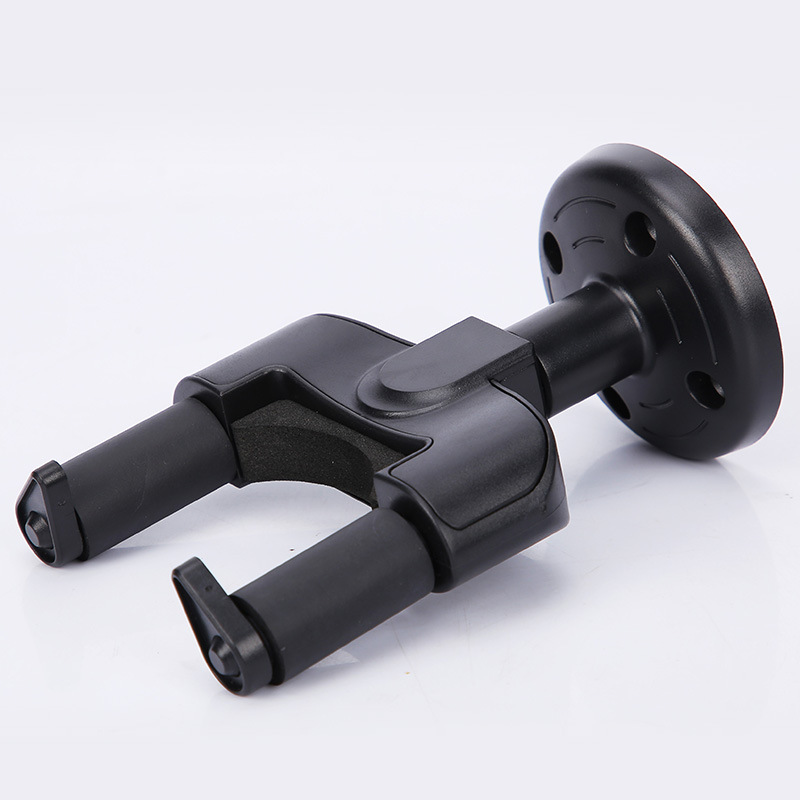
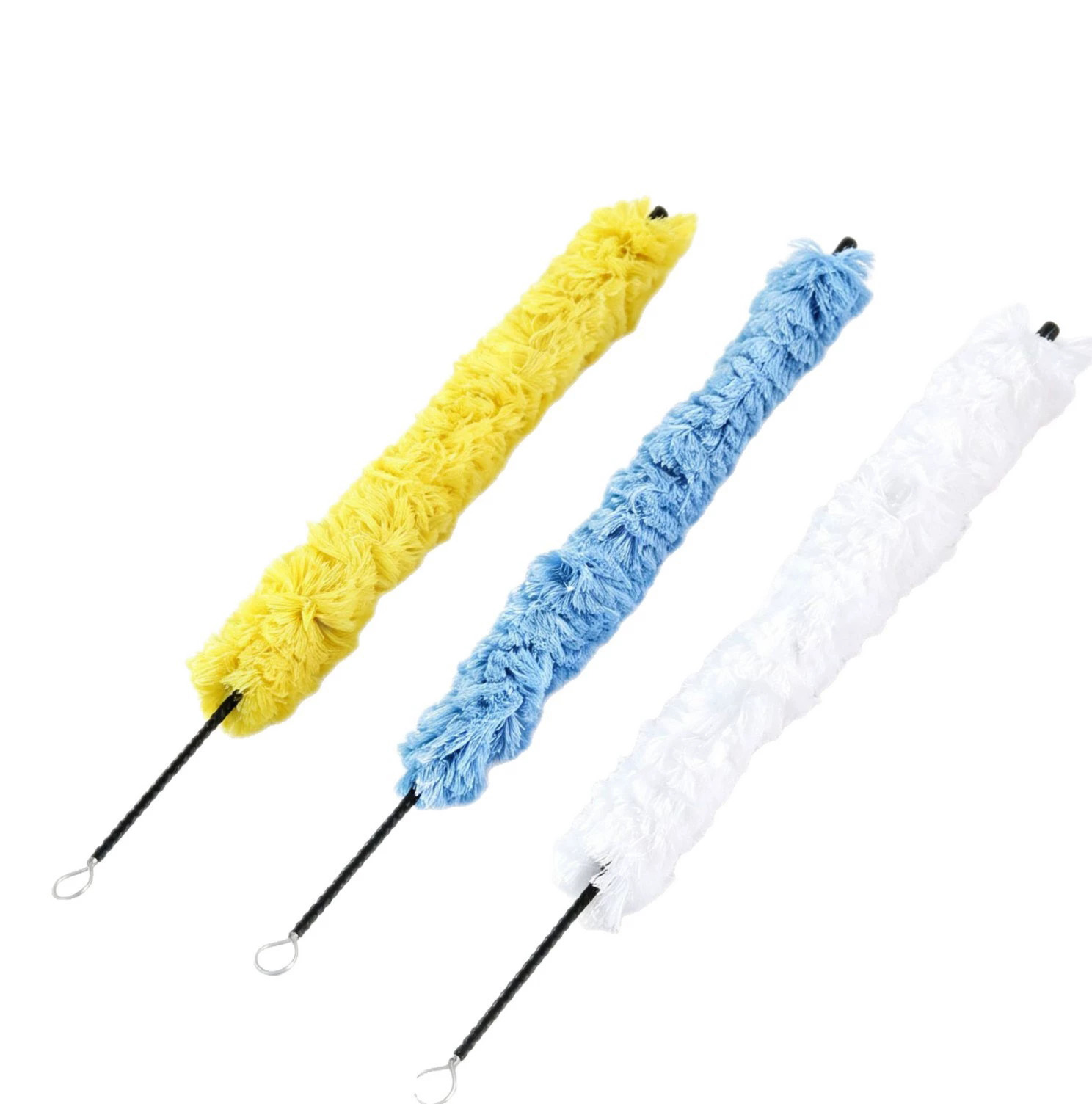
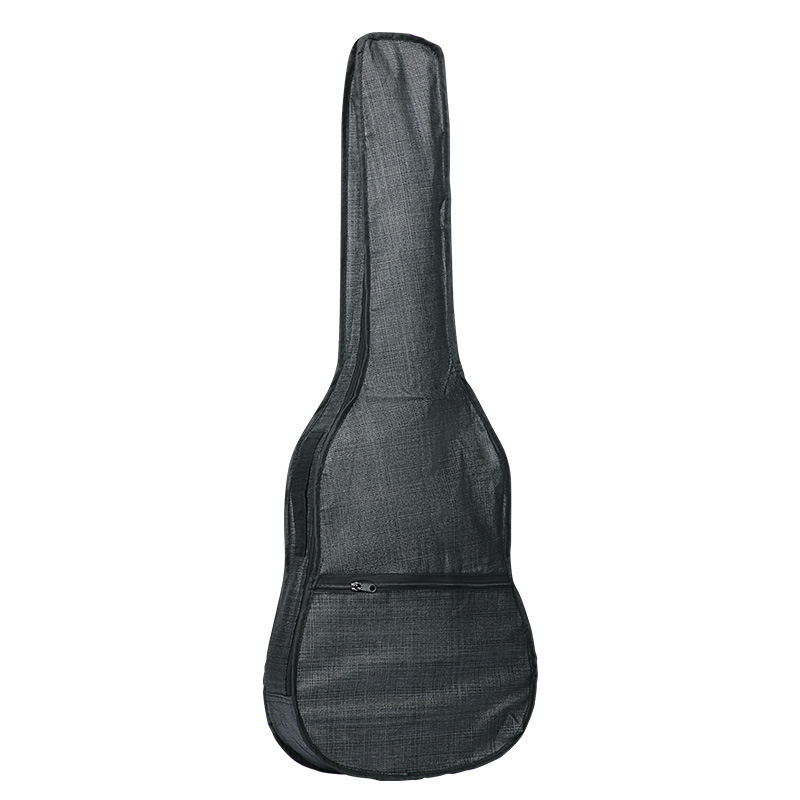
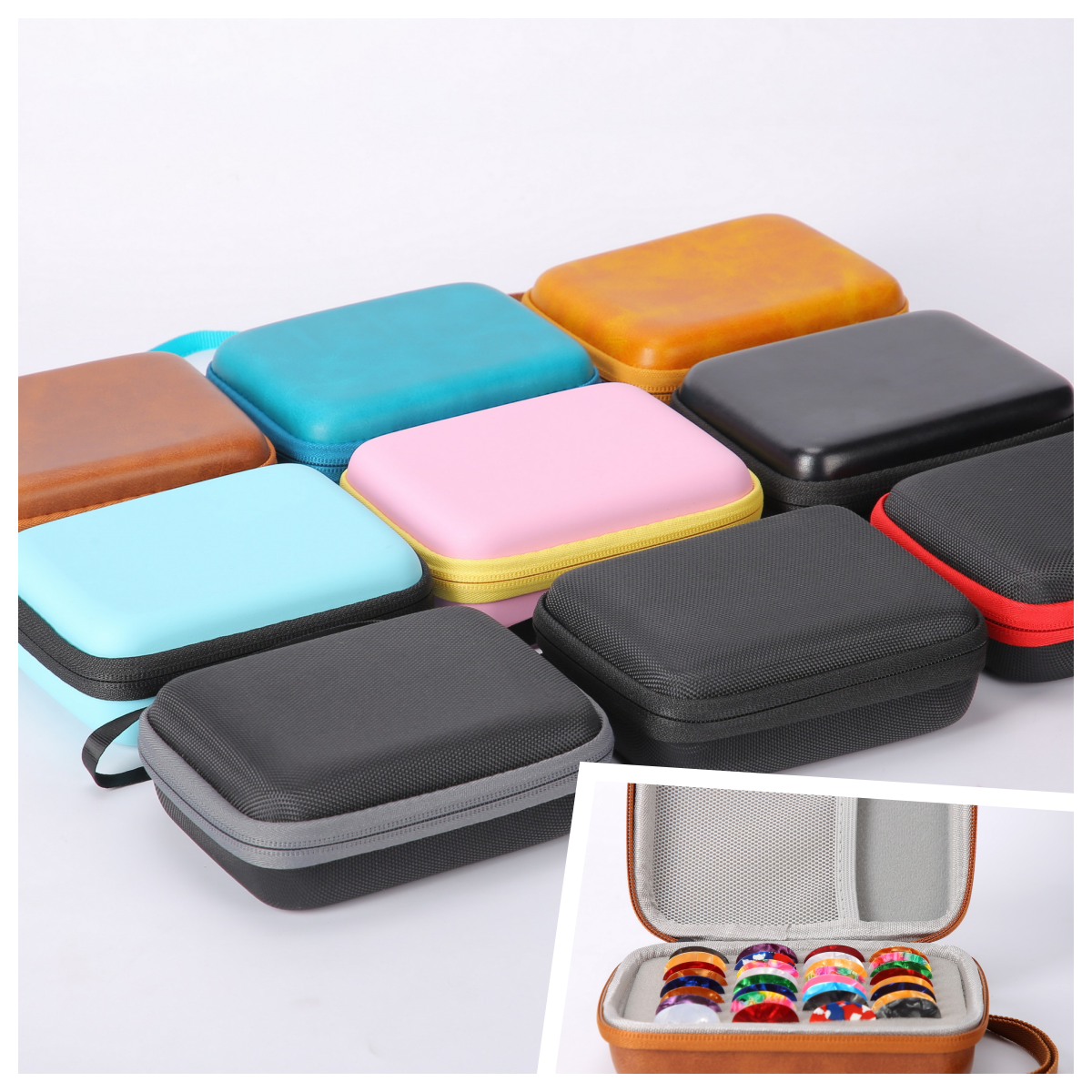
Phoenix buyers can consolidate classroom keyboards, student string instruments, hand percussion, care products, storage accessories and retail add-ons in one sourcing conversation. That reduces administrative load and helps achieve better container utilization for larger programs.
Trade Terms at a Glance
Payment: T/T, L/C, D/P, D/A, MoneyGram, credit card, PayPal, Western Union, cash and escrow. Delivery: FOB, CFR, CIF, EXW, FAS, CIP, FCA, CPT, DEQ, DDP, DDU, DAF, DES and express delivery.
Quality and Market Focus
Main markets include North America, Western Europe, Southeast Asia and South America. The company has exhibited at Shanghai and Guangzhou music shows and supports buyers with named account managers from quotation to after-sales follow-up.
1. Brief
Define age group, length, material, finish, quantity, compliance needs, logo method, packaging and delivery ZIP code.
2. Sample
Approve a pre-production sample for sound, feel, finish, diameter tolerance, weight pairing and label copy.
3. Production
Confirm inspection criteria before mass production; check end sanding, color consistency, packaging and carton marks.
4. Delivery
Choose FOB, CIF, DDP or express; verify importer of record, duties, customs brokerage and Phoenix-area delivery.
Phoenix Rhythm-Stick Procurement Questions
These are the questions that most often decide whether a sample becomes a repeat order. Answers should be confirmed in writing for the exact SKU, quantity and destination.
What is the difference between rhythm sticks, claves and Lummi sticks?
Rhythm sticks are usually a pair of cylindrical wooden or plastic sticks used for beat, rhythm and movement activities. Claves are typically thicker, shorter and tuned for a bright clicking tone. Lummi sticks are often longer and used in seated routines, sometimes with call-and-response songs. For school procurement, specify the exact length, diameter, end shape and intended activity so the supplier does not substitute a different product category.
Which material is best for Phoenix heat and dry air?
For daily classroom use, hard maple and tight-grain birch or beech are practical choices when properly kiln-dried and sealed. For outdoor, PE or high-turnover programs, UV-stabilized plastic may be easier to clean and replace. Bamboo can work well for eco-positioned retail, but the buyer should require stable lamination and sealed ends. In every case, test finish adhesion and end sanding after storage in a hot vehicle or dry room, because Phoenix conditions can expose weak finishing quickly.
Can WPI produce custom rhythm sticks with our logo and packaging?
WPI’s assessed capabilities include sample-based customization, minor customization for logo, packaging and graphics, design-based customization and full customization. For rhythm sticks specifically, confirm the exact production line, wood species, printing method, packaging artwork, barcode requirements and compliance documents before approving the sample. A clear brief shortens the sampling cycle and reduces rework.
What MOQ should a Phoenix school or retailer expect?
WPI’s assessed product lines support sampling from 1 piece for many instruments, with typical wholesale MOQs of 2–10 pieces per model and 20–600 sets for strings and small accessories. Rhythm-stick MOQs depend on length, material, branding, packaging and whether the order is mixed with other music products. Institutional buyers should ask for a written MOQ by SKU, while retailers should ask how mixed-model orders affect pricing and carton consolidation.
Which safety and compliance documents should a manufacturer provide?
For products marketed to children in the United States, buyers commonly request CPSIA documentation, lead and phthalate testing, age grading and ASTM F963 reports where applicable. Institutional buyers may also require finish safety documentation, material declarations and labeling review. Requirements vary by channel and use, so confirm the exact documents with your compliance advisor before production and ensure the report matches the final SKU and packaging.
How are rhythm sticks shipped to Phoenix?
Common options include ocean freight to Los Angeles or Long Beach followed by rail or truck to Phoenix, air express for samples, and DDP arrangements that simplify landed-cost planning. WPI accepts delivery terms including FOB, CFR, CIF, EXW, DDP and express delivery. The buyer should verify the importer of record, customs bond, tariff treatment, insurance and local delivery appointment before shipment. For retail launches, order a small express sample first and confirm the carton drop test and label placement.
What is the typical OEM process from brief to delivery?
A practical process is: brief and specification, model or material matching, sample production, sample approval, packaging artwork approval, pre-production meeting, mass production, finished-product inspection, consolidation and shipping. The buyer should sign off on dimensions, finish, logo, packaging, carton marks and compliance documents before mass production. For Phoenix school orders, add a deadline buffer for district receiving appointments and summer break closures.
How do buyers control quality before the shipment leaves China?
Write an inspection checklist. For rhythm sticks, include length and diameter tolerance, weight pairing, end sanding, splinter check, finish color consistency, logo alignment, packaging print quality, barcode scan test and master-carton drop check. WPI’s assessed capability includes finished-product inspection before delivery, covering appearance, hardware, tuning stability and packaging. The buyer should request the inspection report and photos before the balance payment or shipment release.
Request a Rhythm-Stick Sample or OEM Quote
Send your target quantity, age group, length, material, finish, logo method, packaging, compliance documents and Phoenix delivery ZIP code. A complete brief shortens sampling and improves landed-cost accuracy.
Email: info@wpimusic.com