Professional Drum Set Manufacturers & Wholesalers in the Seattle Market
A sourcing guide for Seattle music retailers, school band programs, rehearsal studios, worship venues and touring drummers — with practical advice on OEM drums, landed cost, Pacific Northwest humidity, private-label packaging and verified export credentials.
8 Products to Bundle With Drum Set Orders for Seattle Retailers and Schools
Seattle buyers rarely order drums in isolation. A drum shop may add in-ear monitoring for stage kits, a school may pair a drum program with Orff percussion, and a multi-category retailer may stock wall hangers and music stands. These eight products keep their original product URLs and work as adjacency items for a Seattle-market drum set program. For drum-specific configurations, request a quote; for the products shown, use the direct product links.
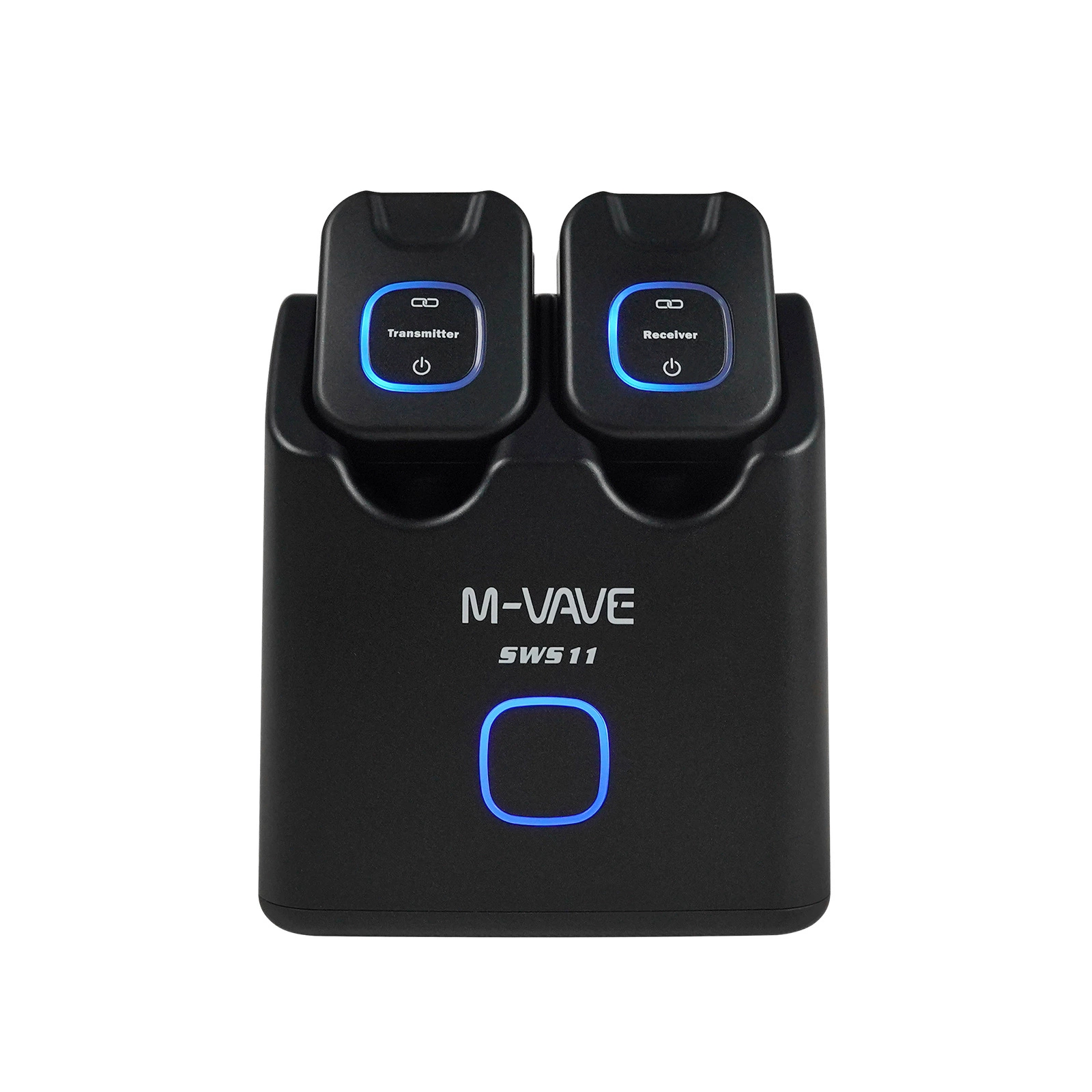
M-VAVE SWS11 2.4GHz Wireless Guitar Audio System with Charging Base
Useful for multi-instrument retailers and stage-accessory bundles; rechargeable transmitter and receiver suit rehearsal-room and venue setups.
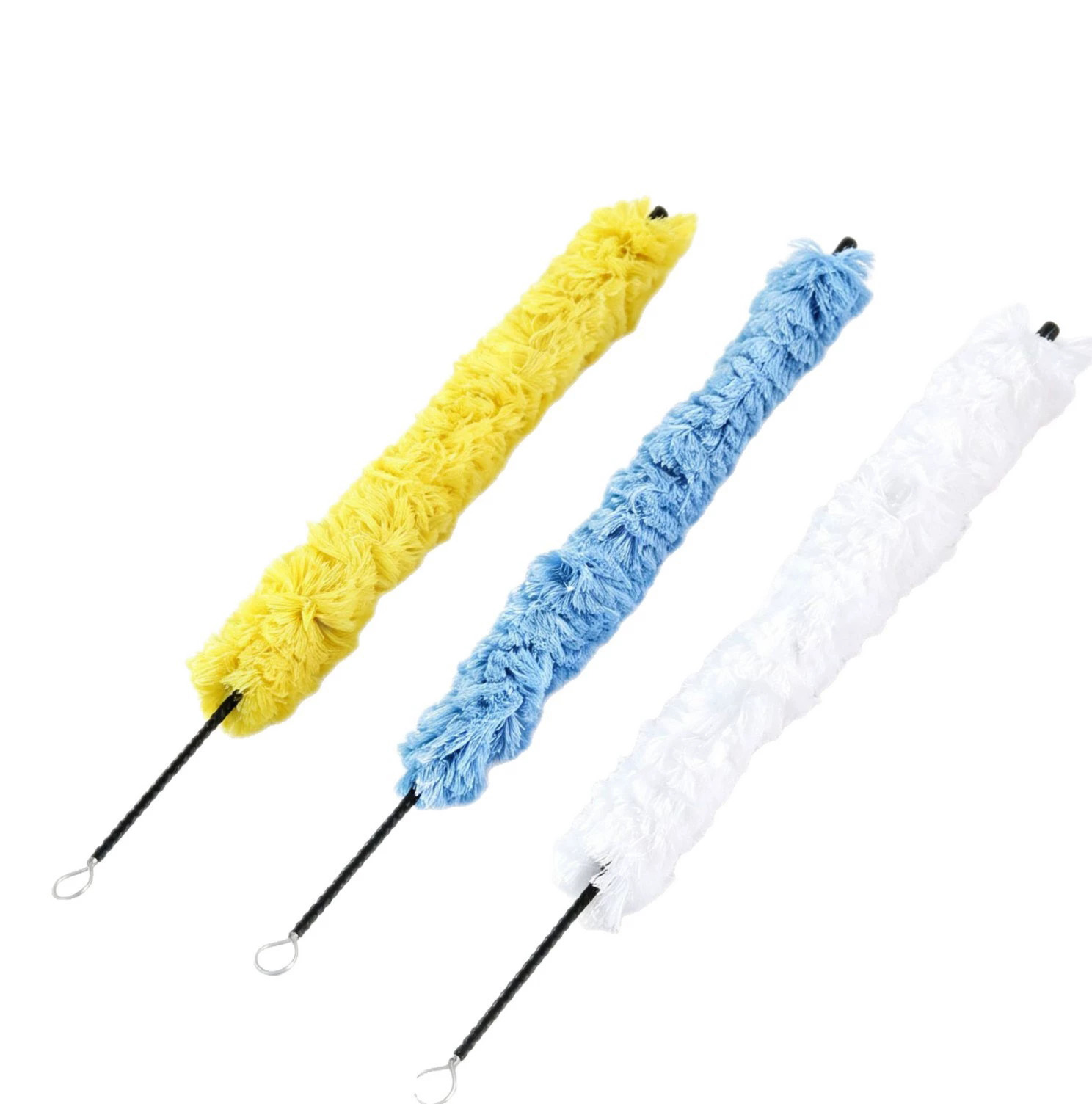
Washable Cotton Flute Bore Cleaning Brush
A practical accessory for school music programs and instrument-care kits; washable cotton swabs support repeatable cleaning routines.
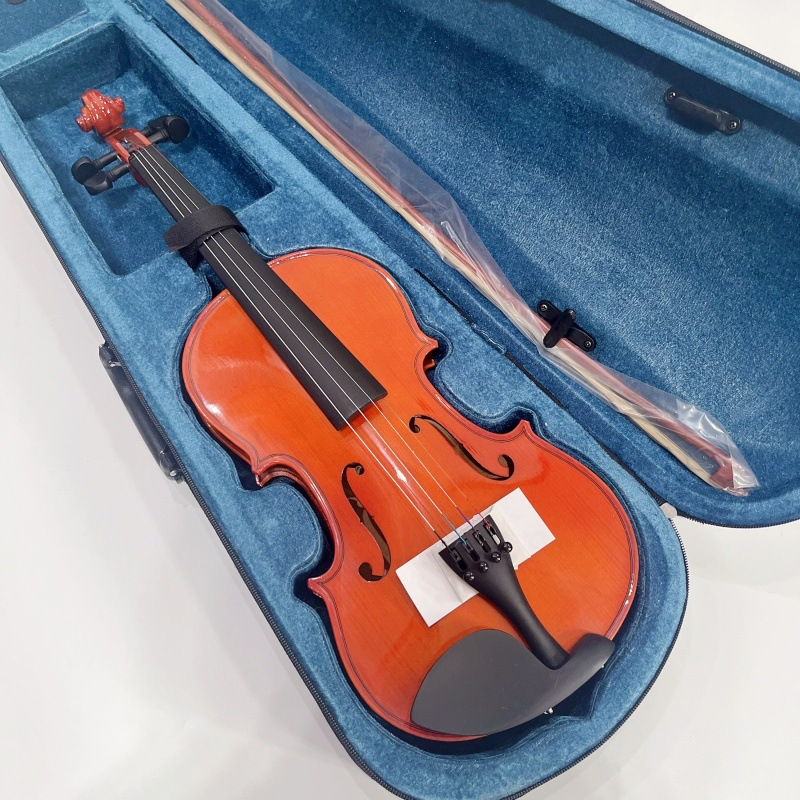
4/4 Full Size Solid Spruce Top Student Violin
An orchestra-program add-on for music stores that serve Seattle-area school bids and need string instruments alongside percussion.
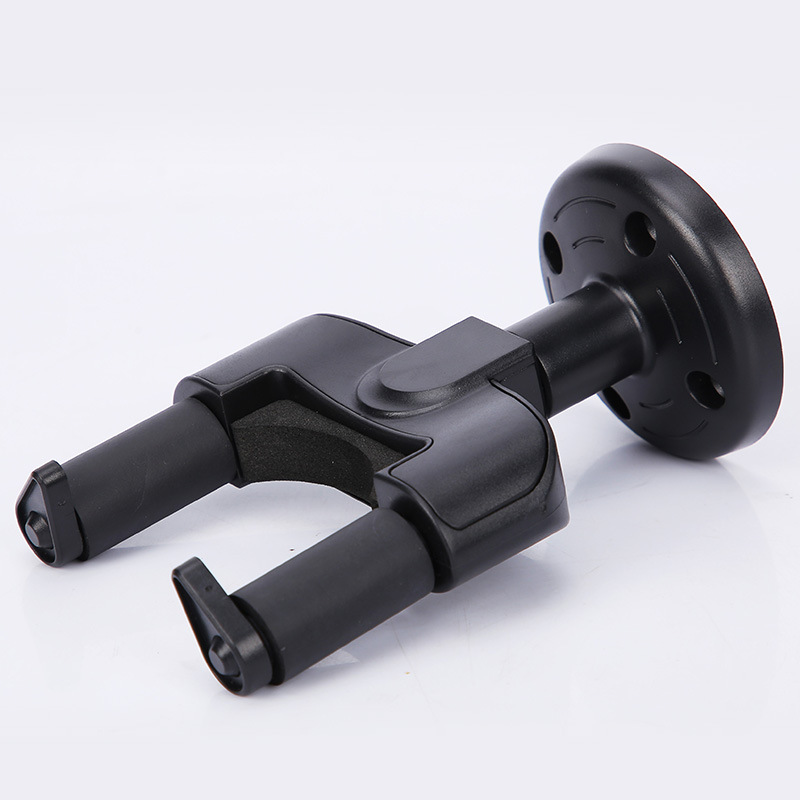
Gravity Auto Lock Guitar Wall Hanger
Useful for music-store display walls and studio storage; auto-lock designs help protect instruments in high-traffic retail spaces.
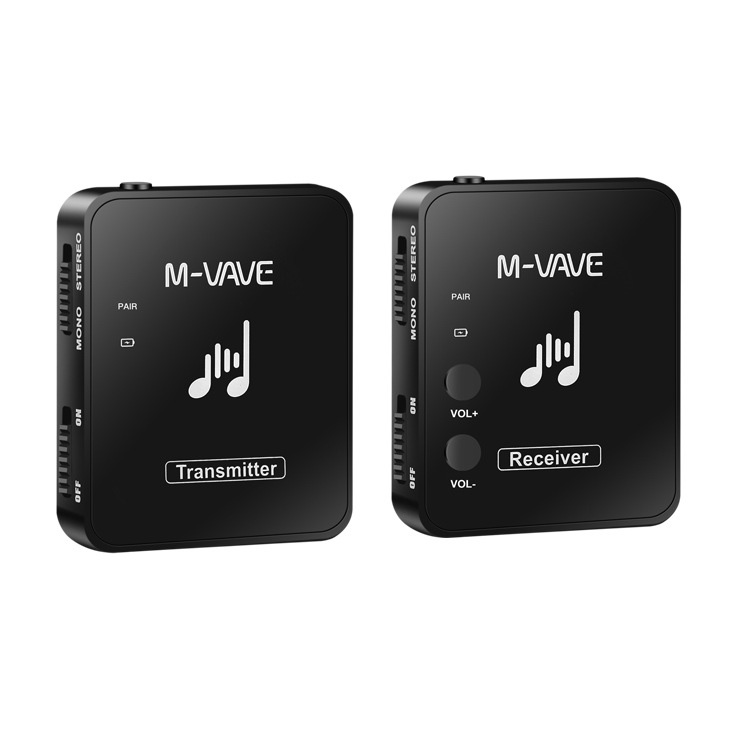
Wireless In-Ear Monitor System Transmitter Receiver
A strong add-on for live drummers, worship teams and rehearsal studios that need quiet, controlled monitoring on stage.
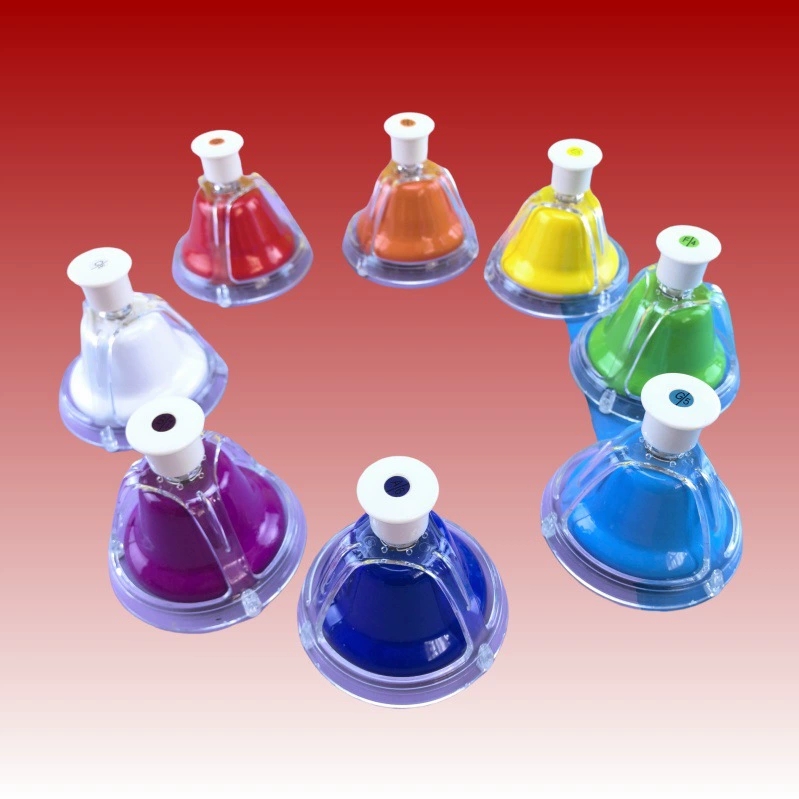
8-Note Orff Percussion Melody Bell Teaching Aid
An education-channel product for stores that sell to kindergartens, early music programs and school rhythm classrooms.
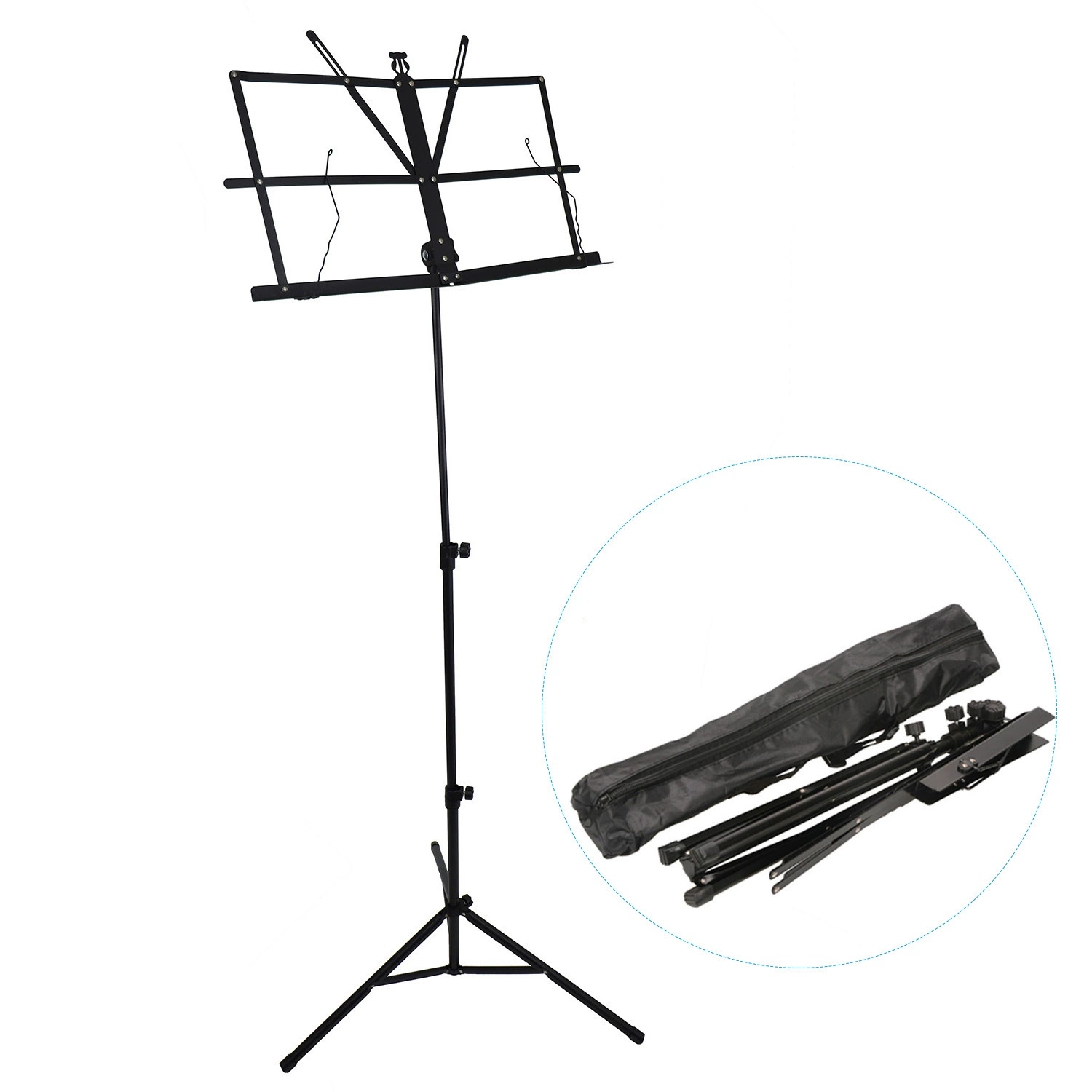
Portable Adjustable Music Stand with Bag
A natural bundle for drum lessons, school ensembles and rehearsal rooms; portable stands move easily between studios and performance spaces.
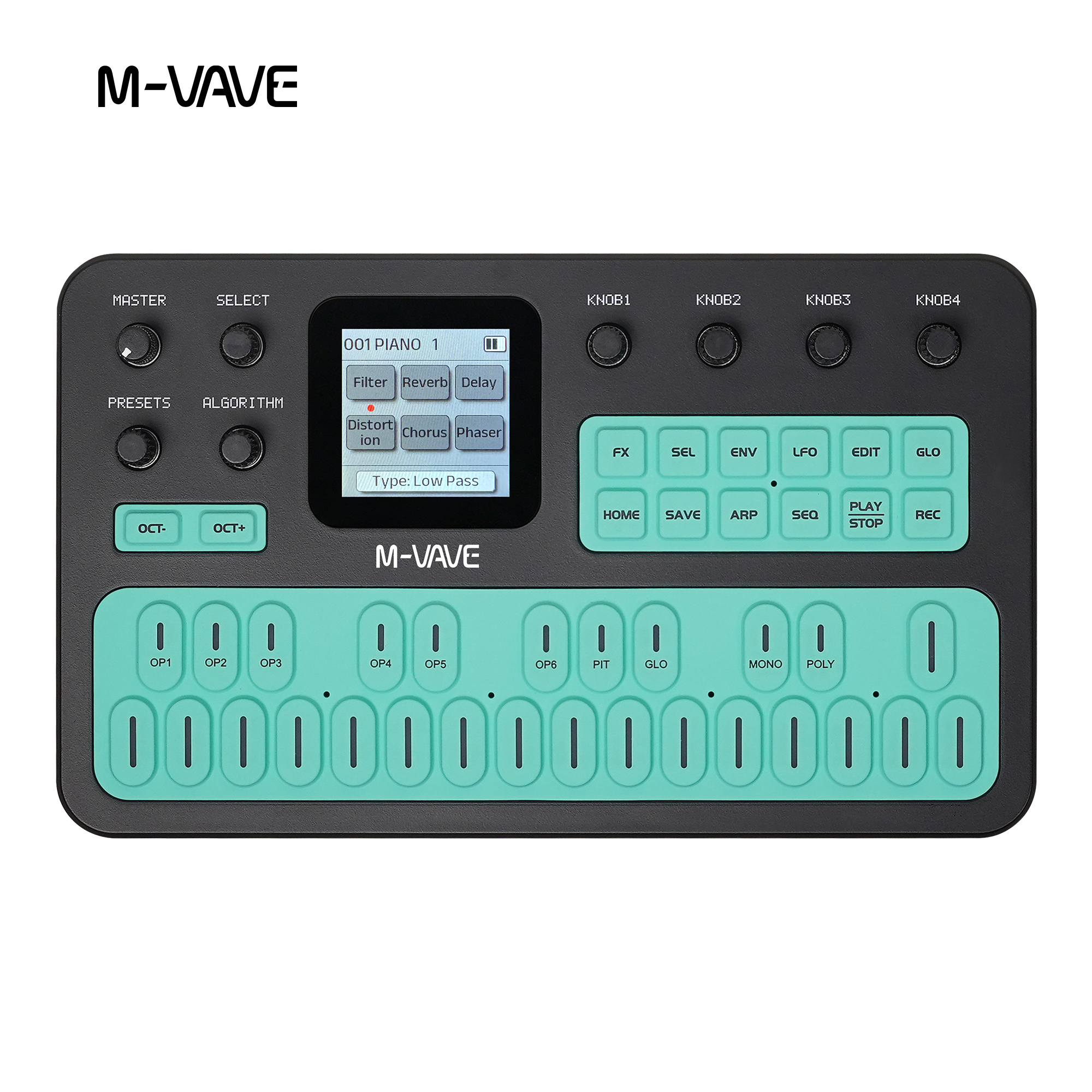
M-VAVE FM-1 Portable Digital FM Synthesizer Keyboard
For Seattle music shops serving producers and electronic performers; a compact digital instrument that widens the accessory-led product mix.
What Seattle Buyers Need From a Drum Set Manufacturer or Wholesaler
The phrase “professional drum set manufacturers and wholesalers in the Seattle market” can hide several different intentions: a retail buyer wants a margin-friendly kit; a school purchasing office wants durable shells and replacement parts; a studio wants a compact house kit; a private-label brand wants custom wraps and badges; a working drummer wants a specific shell pack. A supplier that answers all five with the same catalog will usually disappoint one or more groups.
A Seattle sourcing strategy should separate retail, school, studio and touring demand
Seattle is not a high-volume drum manufacturing center in the way export hubs in Asia are. The local advantage is taste, service and proximity to a dense music scene; the global advantage is access to factory-direct OEM production. Many Seattle retailers and schools therefore use a hybrid model: local hands-on setup, repair and warranty support, plus direct import for private-label or volume programs. WPI operates as a China-based export manufacturer and wholesaler — not a Seattle factory — and supports distributed buyers in North America with factory-sourced instruments, accessories and OEM development.
For a reliable Seattle supply plan, compare total landed cost through the Port of Seattle or Port of Tacoma, not just FOB price. Include freight, customs brokerage, duties, drayage, warehousing, assembly and any local setup labor. Then ask for drum-specific evidence: shell plies, bearing edges, hoop thickness, lug thread quality, hardware plating, packaging drop-test results, spare-part availability and pre-shipment inspection photos. This is where a supplier’s process matters more than a generic catalog page.
For Seattle drum sets, request a brief that states the target buyer, room size, transport plan, shell material, finish durability, cymbal package, hardware level and spare-part expectations. A school may prioritize replaceable lugs and strong bags; a retail shop may prioritize finish variety and private-label branding; a studio may prioritize compact dimensions, controlled volume and easy microphone setup. A wholesaler who understands those differences can propose a better assortment instead of simply quoting the lowest kit.
Information-gain note for Seattle procurement
Ask three questions before buying drums for the Seattle market: (1) What humidity protection is built into the packaging? (2) Which parts can be replaced locally without returning the whole kit? (3) What is the all-in landed cost after port, customs and warehouse handling? These questions reveal more than a headline unit price because they connect product quality to the real conditions of Pacific Northwest storage, retail display and school use.
Where Drum Sets Work in the Seattle Market
A drum set is not a single product. It changes by buyer, room and performance format. The four application clusters below help a Seattle wholesaler or retailer plan an assortment that sells through instead of sitting in a warehouse.
Music retail and private-label shops
Seattle music stores and suburban showrooms need kits that photograph well, tune easily and support add-on sales. A 5-drum kit with a clean finish, stable hardware and a choice of cymbal package can anchor a retail floor. Private-label buyers may ask for custom bass drum heads, badges, wraps, packaging and owner’s manuals. The right wholesale brief balances visual differentiation with easy service and repeatable setup.
School band and youth programs
Seattle-area school districts, community music schools and youth ensembles often favor durable 5-piece kits, marching snares, bass drums and replacement parts. Order planning should account for back-to-school demand, spring concerts and repair cycles. Schools also value consistent specifications across repeat purchases, so a supplier should document shell sizes, hardware threads, hoops and packaging to make future replenishment predictable.
Rehearsal studios, venues and worship stages
Seattle rehearsal rooms, clubs, churches and community stages need house kits that survive frequent setup changes. A 5-drum 4-cymbal configuration, reinforced hardware, stable throne and clear labeling for drumheads can reduce turnover time. In-ear monitor systems, music stands and spare sticks are practical add-ons that help a venue sell a complete stage solution rather than a single instrument.
Touring drummers and apartment practice
Seattle’s dense housing and active touring scene create demand for two opposite formats: compact, travel-ready shell packs and low-volume practice solutions. Mesh heads, silent cymbals, electronic modules and hybrid kits can serve apartment players; compact hardware and padded bags serve gigging drummers. A wholesaler that can supply both configurations helps a retailer address more of the local market.
Trends Shaping Drum Purchases in Seattle
Seattle buyers respond to practical problems: small rooms, damp winters, high shipping costs and a strong preference for individual expression. These trends are especially useful when planning a wholesale drum set line for the Seattle metro.
Low-volume and hybrid kits
Apartment living, home studios and late rehearsals push demand toward mesh heads, low-volume cymbals, electronic modules and compact acoustic kits. A supplier that can configure a kit for quiet practice as well as stage use creates a more flexible retail story.
Compact shell packs and transport-friendly hardware
Seattle gigging drummers often move between clubs, rehearsal rooms and shared stages. Smaller bass drums, shallow toms, flat-based hardware and padded bags can reduce transport friction without sacrificing a professional look.
Humidity and corrosion planning
Pacific Northwest humidity makes packaging and hardware finish important. Buyers should specify plated hardware, sealed bearing edges, desiccant packs, moisture-barrier bags and clear acclimation instructions before tuning a kit after delivery.
Private-label identity for local shops
Independent retailers and local brands want custom wraps, badges, bass drum head printing and packaging. OEM differentiation helps a Seattle shop avoid direct price comparison while building a recognizable house line.
School replenishment and repair-part availability
Music education budgets often focus on durability and repairability. Schools value consistent hardware, replaceable lugs, available tension rods and strong cases. Suppliers that document spare parts make procurement easier.
Accessory-led basket building
Sticks, pedals, thrones, stands, in-ear monitors, practice pads and music stands lift average order value. A drum set supplier should be able to consolidate these items with drums — or at least with adjacent instruments — to reduce freight complexity.
Data Visualization: Planning Windows and Buyer Priorities for Seattle
The two charts below turn common Seattle sourcing questions into planning modules. Use them in a buyer brief or internal merchandising discussion; confirm exact lead times, duties and routing in a formal quote with your freight forwarder.
Typical replenishment window for a private-label drum order
Typical planning ranges only. Sampling, production, ocean freight, port handling and local delivery vary by model, season and carrier. Air and express options may shorten transit at a higher freight cost.
Illustrative buyer-priority weighting for a Seattle drum brief
Illustrative planning model, not a statistically representative Seattle market survey. Use it to structure a supplier conversation around real trade-offs.
Drum Set Recommendations for Seattle Retailers, Schools and Studios
These recommendations map typical Seattle buying intents to practical configurations. Specifications should always be confirmed in a quotation because shell sizes, finishes, cymbal packages and carton dimensions affect freight and landed cost.
5-Drum 3-Cymbal Acoustic Drum Set
A strong entry point for adult beginners, lesson studios and retail showrooms. Standard 5-piece layouts with a throne and cymbal package are easy to demonstrate, finance and upgrade. Ask for finish options, hardware thickness, drumhead branding and a carton drop test before committing to a seasonal buy.
Review the drum set option →5-Drum 4-Cymbal Stage Kit
For churches, clubs, community venues and rehearsal rooms that need a fuller stage configuration. Consider stable hardware, clear labeling for shared use, replaceable parts and an optional in-ear monitor bundle. The 4-cymbal setup gives drummers more tonal range for live arrangements.
See available percussion products →Marching Snare & Birch Marching Bass Drum
Seattle-area school programs frequently need marching drums that survive outdoor use and repeated transport. Specify shell construction, carrier compatibility, tension rods, drumheads and replacement-part availability. For bands, consider a mixed order with sticks, practice pads and music stands.
View percussion range →Pedals, Stands and Oak Drumsticks Bundle
A high-utility bundle for retail and school orders. A CNC double bass pedal, ride cymbal stand and oak 5A/7A drumsticks can lift average order value while solving real setup needs. Bundle packing should be agreed early to avoid shipping damage and excess dimensional weight.
View double bass pedal →View oak drumsticks →How to Source Drum Sets for Seattle: A Practical OEM Process
A disciplined process protects margin, reduces damage and shortens the gap between a buyer’s idea and a sellable drum set. The following workflow is suitable for a Seattle retailer, school supplier or private-label brand working with WPI.
Define the Seattle brief
State target buyer, kit size, shell material, finish, hardware level, cymbal package, carton limits, branding and target landed cost. For schools, add replacement-part and documentation requirements.
Match model and factory capability
Select an existing model or adjust a shell pack. Confirm bearing edges, lug type, hoop thickness, tom mount and hardware finish before sampling.
Approve samples and artwork
Review the pre-production sample, logo, packaging, labels, owner’s manual and bass drum head print. Record approved specifications for repeat orders.
Run production with in-process checks
Mass production should include shell inspection, hardware assembly checks and finish review. Keep approved samples as the reference standard.
Inspect finished products before shipment
Finished-product inspection should cover appearance, hardware, tuning stability, packing and carton durability. Request photos and inspection notes before release.
Consolidate and ship to Seattle
Choose FOB, CIF, DDP or another agreed term, then coordinate freight to the Port of Seattle or Port of Tacoma. Consolidate drums with accessories to reduce handling.
Verified Enterprise Advantages From WPI
WPI International Trade Co., Ltd. (Huizhou) is a musical instrument export and OEM supplier serving importers, distributors, retailers and schools. The company began exporting musical instruments from Hong Kong in June 2010 and established Huizhou operations in Guangdong in 2014. A team of 28 people — including 22 in trading and export roles — supports buyers across North America, Western Europe, Southeast Asia and South America.
Why Seattle buyers can use WPI as a sourcing partner
WPI combines multi-category product access with low-MOQ customization, finished-product inspection and one-stop consolidation. The goal is long-term cooperation: protecting the buyer’s market, keeping quality consistent and pricing reasonable so both sides can build repeatable programs.


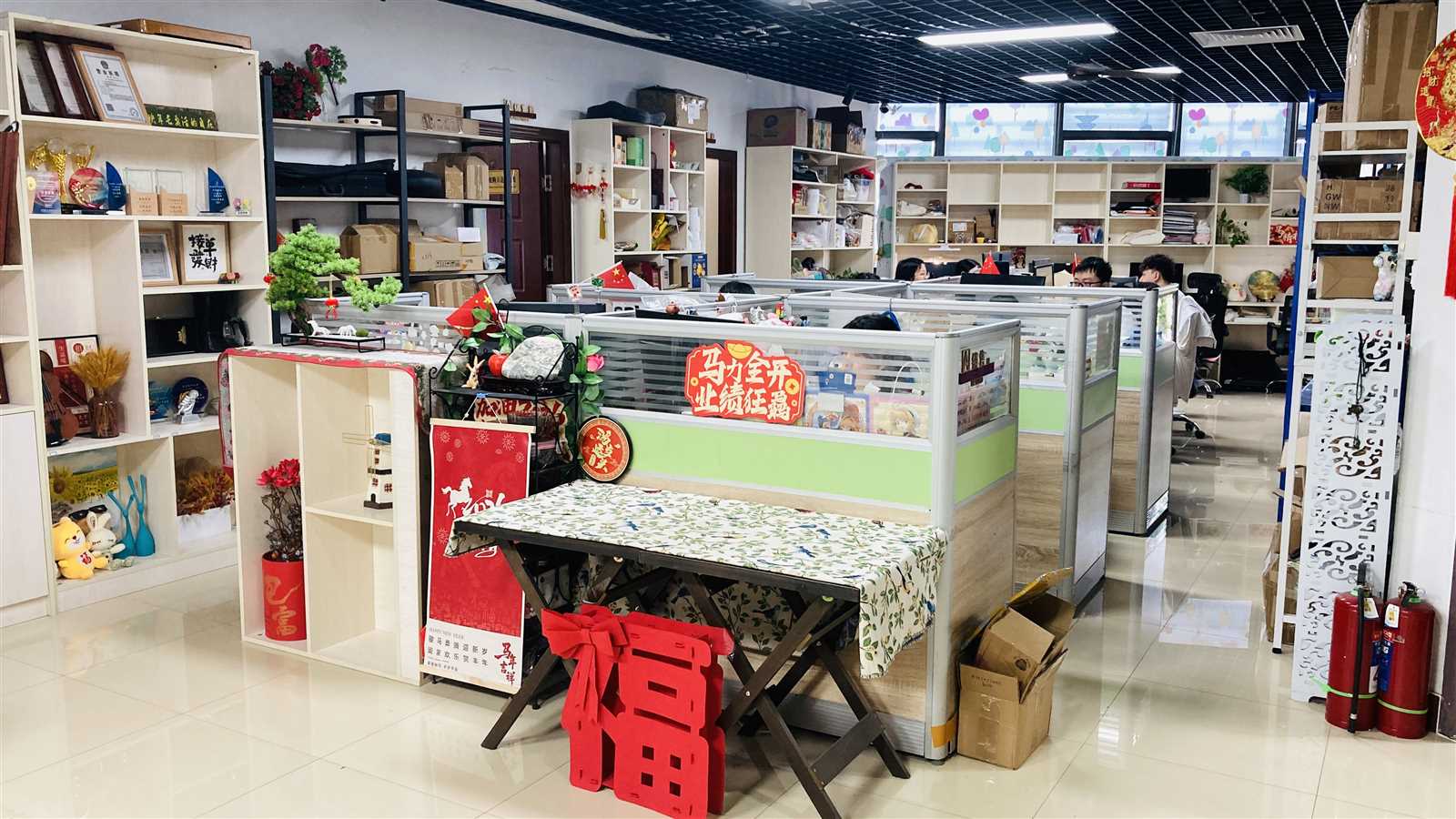 Export operations and product coordination
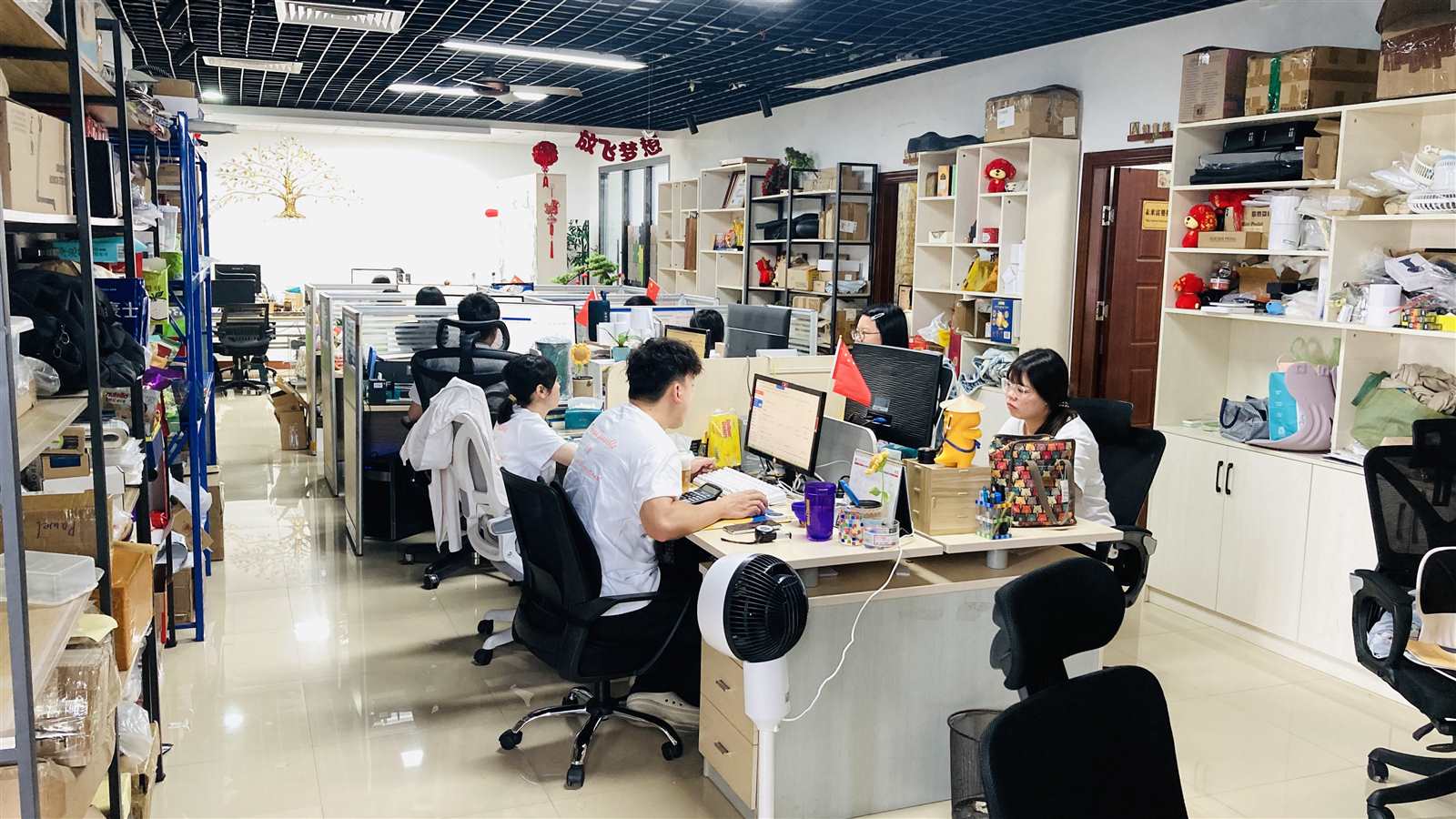 Multi-category instrument sourcing
 Order review and shipment preparation
Local Buyer Questions About Drum Set Wholesale and Sourcing
These answers address the questions Seattle-area retailers, schools and studios most often ask before requesting a drum set quotation.
Are there actual drum set manufacturers in Seattle, or are most suppliers wholesalers?
Seattle has custom builders, repair shops, retailers and distributors, but production-scale drum manufacturing is more concentrated in other regions. Buyers should ask whether a supplier manufactures, sources or both. For import programs, request factory assessment, sample verification, shell and hardware specifications, and a clear statement of origin.
What is the minimum order quantity for custom drum sets and private-label kits?
Many sample orders can start from 1 piece. Typical wholesale MOQs are 2–10 pieces per model for instruments and higher for custom packaging, wraps or full private-label development. Mixed-category orders are welcome. Final MOQ depends on the exact shell pack, finish, hardware and branding requirements.
How long does drum set shipping from China to Seattle usually take?
Sampling often takes around 7–14 days after specifications are approved. Production may take 25–45 days depending on complexity and season. Ocean freight plus inland delivery to Seattle commonly adds several weeks, and customs or warehouse buffer should be planned separately. Express or air freight can shorten transit at a higher cost; confirm every stage in the quotation.
How should Seattle buyers plan for Pacific Northwest humidity?
Specify hardware plating, sealed bearing edges, moisture-barrier packaging and desiccant packs. After delivery, allow shells to acclimate for 24–48 hours before final tuning or stage use. For long-term storage, keep drums in a stable environment and avoid direct contact with damp floors or exterior walls. These steps help protect wood shells, metal hardware and drumheads.
Which compliance and shipping documents should a Seattle importer request?
Ask for a commercial invoice, packing list, bill of lading or airway bill, certificate of origin where applicable, wood-species documentation for relevant wood products, and ISPM 15-compliant wood packaging. If your product scope requires additional test reports, request them before production. Confirm tariff treatment and customs clearance with a licensed customs broker.
Can a Seattle retailer mix drum sets with other musical instruments in one order?
Yes. One-stop sourcing is useful for independent retailers that want to spread freight across multiple categories. A mixed order can include drums, guitars, ukuleles, violins, keyboards, stands, in-ear monitors and accessories. Consolidation reduces handling and can simplify supplier management, but carton dimensions and minimum quantities should be planned carefully.
Do you support private-label branding for Seattle shops and online brands?
Yes. Assessed customization capabilities include sample-based customization, minor customization such as logo, packaging and graphics, design-based customization and full customization. For drums, branding may involve badges, bass drum head printing, wrap selection, carton artwork and owner’s manual inserts. Final cost and MOQ depend on the chosen process.
What payment and delivery terms are available for wholesale drum orders?
Payment methods include T/T, L/C, D/P, D/A, MoneyGram, credit card, PayPal, Western Union, cash and escrow. Delivery terms include FOB, CFR, CIF, EXW, FAS, CIP, FCA, CPT, DEQ, DDP, DDU, DAF, DES and express delivery. Select the term that fits your freight forwarder, broker and internal cash-flow plan.
Request a Seattle-Ready Drum Set Wholesale Quote
Share your target market, drum set configuration, shell and hardware preferences, logo or packaging requirements, estimated quantity and delivery window. WPI will recommend a practical model, confirm OEM options and outline the next steps for a Seattle-market quotation.