What a Serious Plastic Tambourine Buyer in Turin Needs to Compare
Turin’s music education, family tourism, retail and community-event channels rarely buy a plastic tambourine as an isolated commodity. The better question is not “who has the lowest unit price?” but “which supplier can control jingle volume, rim safety, recycled-content claims, Italian packaging and replenishment for Piedmont’s school and retail calendars?”
WPI International Trade Co., Ltd. (Huizhou) has exported musical instruments and accessories since 2010. We work as a low-MOQ, OEM-ready export partner with an Intertek-assessed trading operation, a 28-person team, and long-term manufacturing relationships in Guangdong. This guide is written from that position: it combines material engineering, Turin-specific application scenarios, local market trends, procurement FAQs and transparent company credentials, rather than repeating a short product description.
The most common avoidable problem in tambourine sourcing is specification drift: a sample sounds bright and controlled, but mass production arrives louder, heavier or visually different. A second problem is compliance ambiguity: a buyer may describe the item as a “musical instrument” while the retail packaging presents it as a children’s toy. For Turin buyers, the practical answer is to lock the intended age grade, body polymer, jingle alloy, jingle gap, rim finish, print method and packaging language before tooling or mass production begins.
Years in the musical instrument industry, with export activity since 2010.
Team members, including 22 in trading and export roles.
Annual export value, based on third-party assessed company data.
Inquiry response rate, supported by named export account managers.
How Turin Buyers Can Specify a Plastic Tambourine Before Sampling
A plastic tambourine is a percussion instrument made from interacting parts. The shell polymer, head construction, jingle alloy, jingle spacing and rim finish all influence perceived quality. A supplier who can explain these variables is easier to audit than one who only quotes a diameter.
| Component | Options to Compare | Effect on Sound, Safety and Positioning | Good Fit for Turin |
|---|---|---|---|
| Body polymer | ABS, PP, HDPE, recycled PP, bio-based blends | ABS usually gives a crisp attack and clean mould detail; PP is tough and cost-efficient; HDPE is flexible; recycled PP needs batch-level consistency. Wall thickness affects weight and resonance. | ABS for retail and school sets; PP for event and promotional volumes; recycled PP where the buyer can support verifiable content claims. |
| Head / frame | Heat-sealed film head, open frame, replaceable head design | Closed heads produce a more controlled “tambourine” tone; open frames are lighter and louder. Tension and sealing quality influence durability. | Closed head for early-years and music therapy; open frame for festivals and community rhythm groups. |
| Jingles | Nickel-plated steel, stainless steel, brass; single row or double row; 4–10 pairs | Jingle count, thickness and gap determine cut, volume and brightness. Tight gaps reduce rattle; wider gaps increase projection but can sound harsh in classrooms. | Single-row 4–6 pairs for schools; double-row stainless steel for events; damped mounting for inclusive workshops. |
| Rim & grip | Rounded edge, TPR overmould, matte finish, textured grip | Sharp mould lines are a common complaint in school tenders. A smooth rim and secure grip improve hand comfort and reduce slip risk. | Rounded rim and matte finish for children’s channels; overmoulded grip for long workshop sessions. |
| Color & print | Masterbatch color, pad print, UV print, heat transfer, laser mark | Print method affects durability, color consistency and minimum order. Light colors can show scuffs; dark colors can hide mould texture. | Turin landmark artwork, museum gift packaging, school color-coding and private-label logo placement. |
| Compliance | EN 71-1/-2/-3, REACH SVHC, phthalate declarations, age-grade review | If the product is marketed to children under 14, toy safety requirements may apply. CE marking is not automatic for every tambourine; intended use and claims matter. | Agree the age grade before testing; keep material declarations and test reports traceable by SKU. |
Four Plastic Tambourine Builds for Turin’s Main Sales Channels
These builds are starting points, not fixed catalogue numbers. They help a buyer brief a manufacturer with the right questions, and they help WPI quote against a clear use case rather than a vague “best price” request.
Turin early-years set
An 8-inch ABS tambourine with a rounded rim, single row of 4–6 jingle pairs and a controlled-volume mounting. Best for nursery, primary-school music labs and family workshops where teachers need a clear rhythm without overwhelming a room.
- Wipe-clean surface
- Smooth rim and light weight
Museum & gift-shop edition
A 6–8 inch tambourine with landmark-inspired print, Italian hangtag and compact gift box. Suitable for Turin museum shops, bookstores and tourism retail around Mole Antonelliana, the Egyptian Museum and Valentino Park, where presentation matters as much as the instrument.
- Low-carton-volume gift pack
- Italian retail copy support
Festival & community build
A 10-inch PP tambourine with double-row stainless steel jingles, stronger rim and high-impact finish for outdoor events, samba groups and community workshops in Piedmont. The louder projection works for street performance but should be sampled before classroom use.
- High-impact PP shell
- Logo and event color options
Inclusive music-therapy model
An 8-inch tambourine with damped jingle mount, soft-touch rim and low-glare colors for music therapy, sensory sessions and care-home programs. The design goal is predictable response: easy to hold, easy to control and not painfully loud at close range.
- Damped jingle response
- Comfortable grip
Where Plastic Tambourines Move in Turin and Piedmont
Turin is a compact but diverse market. A product that suits a primary-school rhythm class is not automatically right for a museum gift shop or an outdoor festival. The application scenario should drive the specification, packaging and order quantity.
Schools, music labs and after-school programs
Turin’s primary schools, private music schools and family education programs often buy rhythm instruments in class sets. Buyers typically ask for consistent color options, rounded edges, easy cleaning and a moderate sound level. A 60–120 piece order may need individual poly bags, class labels and replacement jingle availability. The best supplier response is not just a price list, but a packing plan that survives classroom storage.
Museum shops and family tourism
Turin’s museum and attraction shops need small-footprint merchandise that tells a local story. A tambourine can work as a child-friendly souvenir when the print, hangtag and packaging are designed for the venue. Around Mole Antonelliana, the Egyptian Museum and Valentino Park, gift buyers look for photo-ready color, Italian copy and a carton size that fits limited stockroom space. Private-label packaging is often more important than a marginal unit-price difference.
Music therapy and inclusive workshops
Turin’s care homes, community centers and inclusive arts programs need predictable sound and comfortable handling. In this channel, louder is not better. A damped jingle mount, smooth rim and consistent weight can matter more than a high-gloss finish. Buyers should request a sample audition with close-range playing and a long shake roll, then compare fatigue and control across two or three jingle configurations.
Retail, e-commerce and event suppliers
Piedmont music stores and online sellers often use tambourines as basket-filling accessories alongside recorders, small percussion and classroom kits. E-commerce buyers need reliable master-carton data, barcode placement, drop-test awareness and clean product photography. Event suppliers, on the other hand, may prioritize color impact, logo printing and fast replenishment for festivals, weddings and community parades.
Turin & Piedmont Trends Shaping 2026 Tambourine Orders
Buyers are not only comparing unit prices. They are asking for evidence on material content, age grading, packaging responsibility and local relevance. These four trends are especially visible in conversations with European importers and multi-channel music suppliers.
Compliance-first procurement
European buyers increasingly ask for a document pack before they ask for a discount. For tambourines, the first step is to agree whether the item is a musical instrument, an educational resource or a toy for children under 14. That classification influences the EN 71 test plan, warning language and CE discussion. Turin buyers should expect a supplier to ask about intended age and marketing claims, not simply send a generic certificate.
Circular materials without greenwashing
Recycled PP and mono-material packaging are moving from novelty to tender requirement. The risk is making a claim the buyer cannot support. A credible approach is to define the recycled content percentage, name the verification route, keep material batches traceable and avoid mixing recycled-content language with unrelated environmental claims. For a plastic tambourine, the body, packaging and print consumables should be reviewed together.
Local identity and micro-personalization
Turin buyers increasingly want merchandise that feels local rather than generic. Small-batch print runs, Piedmont-inspired color palettes, museum-specific hangtags and private-label packaging can turn a simple tambourine into a sellable gift. The constraint is minimum order by print method. Pad printing, UV print and heat transfer each have different setup economics, so the artwork and expected volume should be discussed before the supplier quotes.
Experience-led retail and festival demand
Post-pandemic retail has leaned toward participatory products: instruments that can be tried in-store, used in family workshops or photographed at events. That favors tambourines with confident color, comfortable grip and simple playability. At the same time, online sellers need stable carton dimensions and clean images. A supplier that can support both physical display and e-commerce content has an advantage over a pure price trader.
8 Export Lines Turin Buyers Often Combine With a Rhythm Program
Plastic tambourines are usually purchased as part of a broader music assortment. The eight lines below show adjacent products that can be consolidated with a tambourine order, reducing supplier count, inspection touchpoints and freight complexity. Product URLs and image paths are preserved as supplied; quotations for tambourines and any listed line use the same inquiry channel.
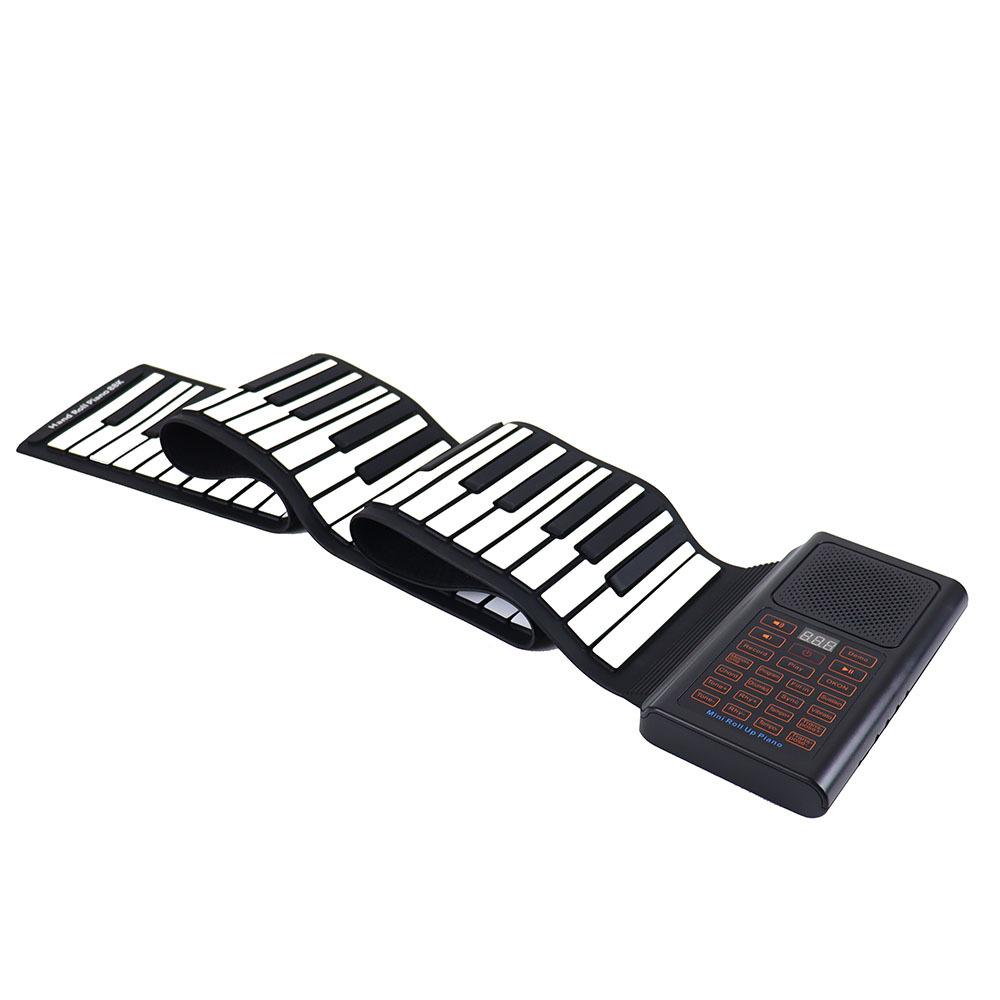
Wholesale 88-Keypad Keyboard Portable Digital Piano Foldable Entry-Level Soft Hand-Rolled Piano
A higher-ticket line for music labs, family retail and gift seasons. Folding formats can reduce carton volume for Turin distributors.
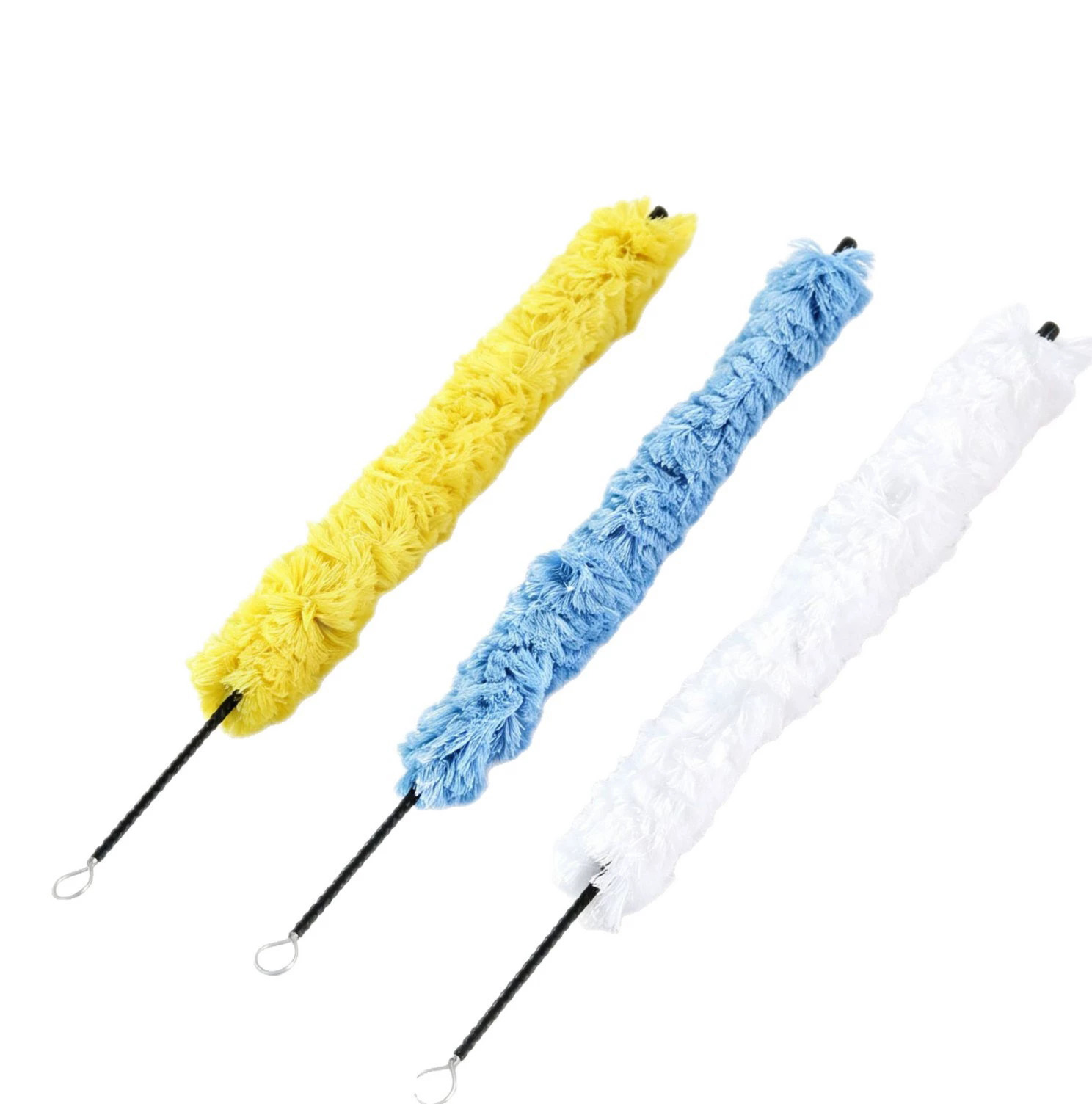
Flute bore cleaning brush flute brush cotton cleaning swab washable cotton thread cleaning stick white /yellow/ blue
Useful for school rental fleets, conservatory maintenance and accessory walls. A small, practical add-on for instrument care bundles.
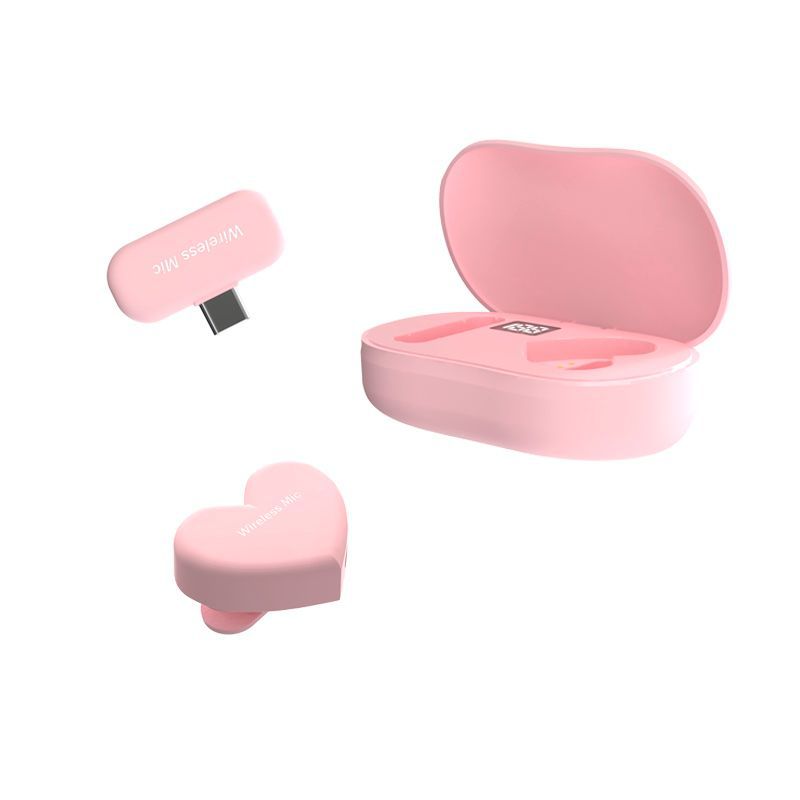
Stylish Pink Heart Wireless Mic with Clip Magnet Excellent for Vlog Recording on Mobile Compact Charging Case Portable Mic
Aligned with Turin’s creator, event and social-media retail channels. Compact packaging supports impulse purchase and gifting.
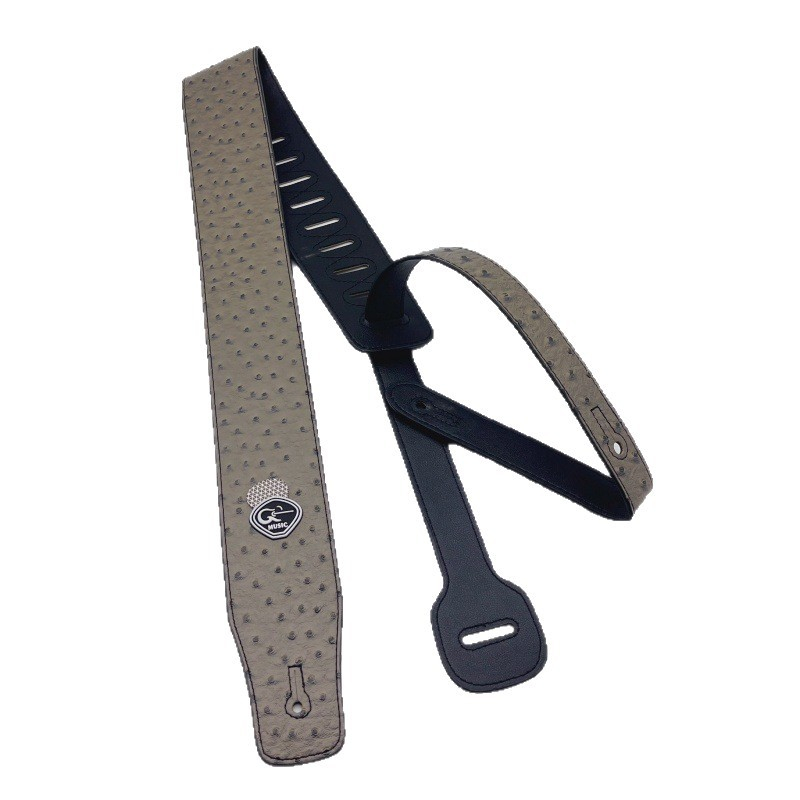
Genuine Leather Guitar Strap, Wide Wear-resistant Shoulder Strap, Dual-use Strap for Acoustic & Electric Guitar Wholesale
A natural attachment to acoustic and electric guitar packages. Leather and wear-resistant positioning suit music-store displays and lesson bundles.
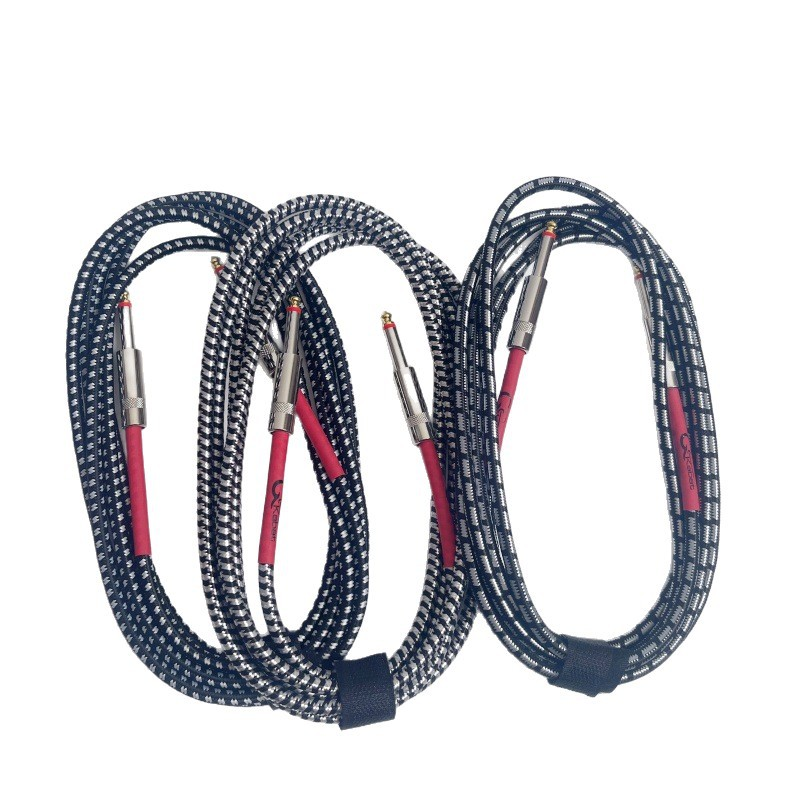
Braided Guitar Cable, 6.35mm Male to Male Noise Reduction Audio Cord for Bass, Instrument Connection Wire Wholesale
A practical replenishment SKU for instrument retailers and school studios. Bundling cables with lesson packages can lift average order value.
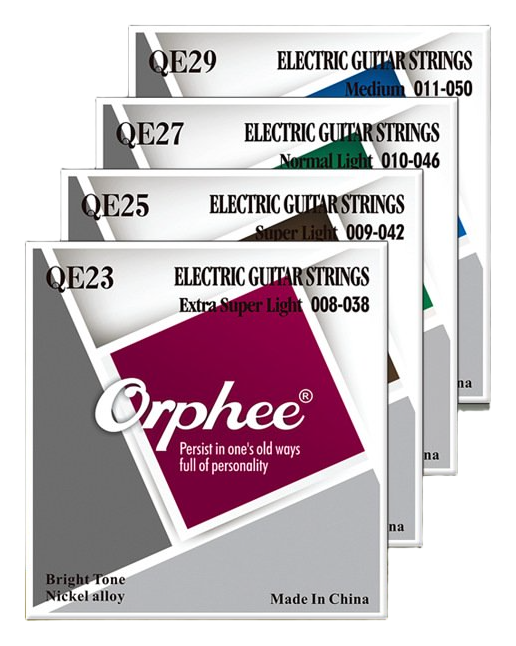
Wholesale Coated Nickel Core Electric Guitar String Set
A fast-moving accessory for guitar shops, online sellers and teaching studios. Useful as a low-price add-on in consolidated shipments.
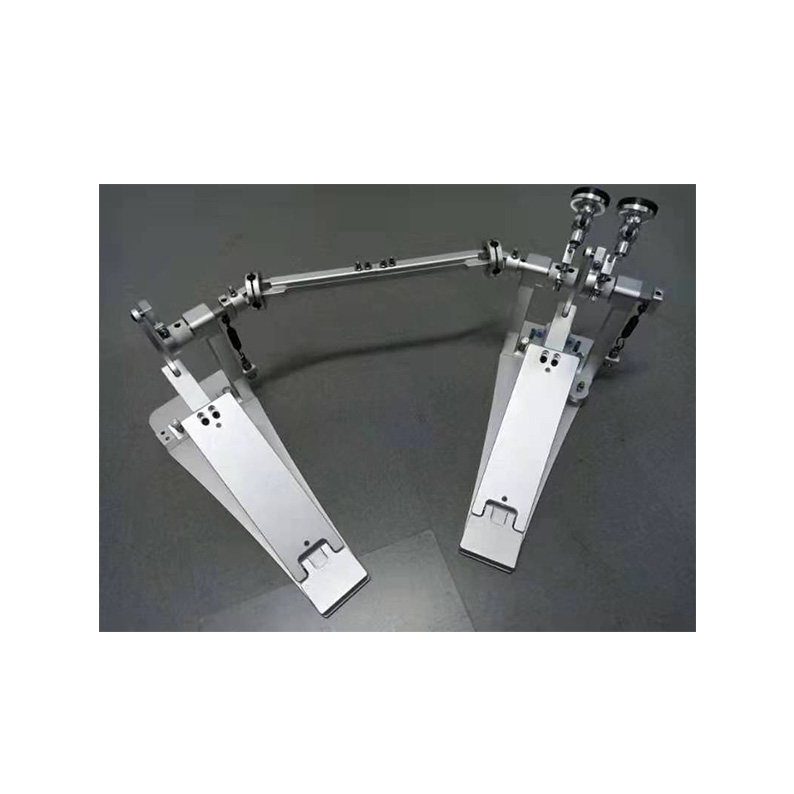
Brushed Silver Double Bass Drum Pedal Direct Drive Drum Kit Accessory
An adjacent percussion line for drum retailers, school kit upgrades and online niche stores. Consistent hardware inspection matters in this category.
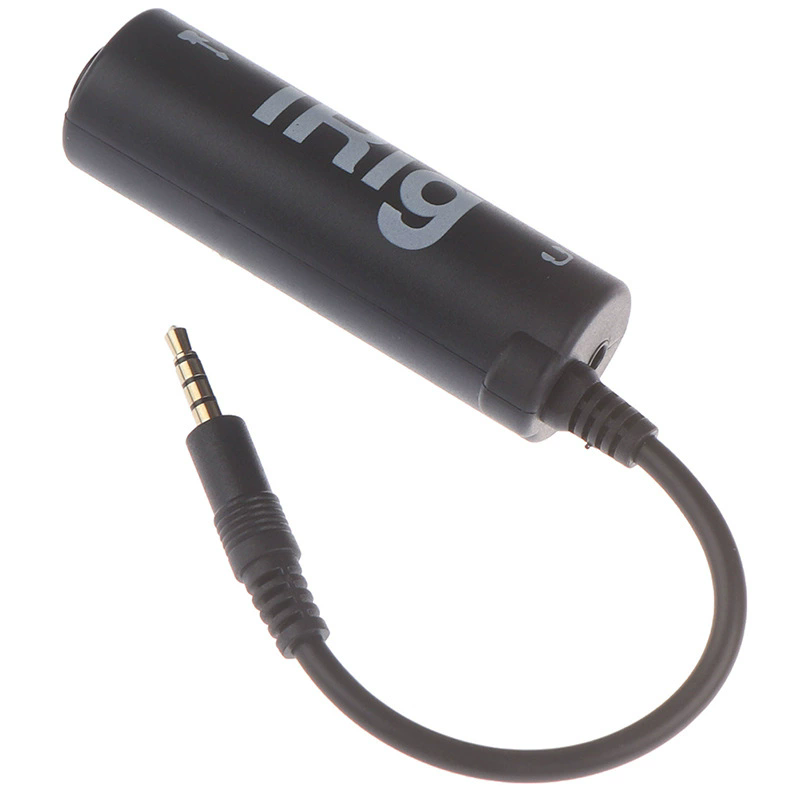
Wholesale 3.5mm Converter Guitar Bass Interface Converter Adapter for Phone Tablet Recording
A compact interface option for mobile recording, content creators and starter bundles. Good impulse item with low carton volume.
Why WPI Fits a Turin Tambourine and Music-Accessory Brief
Turin buyers need a supplier who can answer both product and process questions. Our advantage is not a single machine or a single SKU; it is the ability to coordinate specification, sampling, inspection, documentation and consolidation across a broad musical-instrument range.
Intertek-assessed trading operation
Our company has been onsite assessed by Intertek, covering premises, legal status and assessed capabilities. We began exporting musical instruments from Hong Kong in June 2010 and established our Huizhou, Guangdong operation in 2014. The current team includes 28 people, with 22 in trading and export roles.
Low MOQ and mixed-category orders
Many instruments and accessories can be started from small quantities for sampling, with typical wholesale MOQs varying by model and material. Mixed-category orders are welcome, which matters when a Turin buyer wants tambourines, recorders, guitar accessories and classroom products in one shipment rather than managing five suppliers.
OEM / ODM and packaging support
Third-party assessed capabilities include sample-based customization, minor customization such as logo, packaging and graphics, design-based customization and full customization. For a tambourine program, this can cover shell color, jingle configuration, pad-printed artwork, hangtag copy, barcode placement and retail-ready carton design.
One-stop QC and export coordination
Every order can pass through finished-product inspection before delivery, covering appearance, hardware, playability and packaging. Payment options include T/T, L/C, D/P, D/A, credit card, PayPal, Western Union and others; delivery terms include FOB, CFR, CIF, EXW, DDP and express delivery. A named account manager follows the order from quotation to after-sales.
From Turin Inquiry to Pre-Shipment Inspection
A reliable tambourine order is built in stages. The goal is to remove ambiguity before mass production, then verify the agreed specification before the cartons leave the factory.
Intended-use review
Confirm buyer channel, age grade, retail claims and packaging language. Decide whether the item is positioned as a musical instrument, an educational resource or a children’s toy.
Material & jingle approval
Approve polymer type, wall thickness, jingle alloy, jingle count, gap, rim finish and print method. Request material declarations and relevant test evidence from manufacturing partners.
Sample validation
Audition sound, check hand comfort, inspect mould lines and verify artwork against the approved packaging dieline. Keep a signed or sealed golden sample for production reference.
Pre-shipment inspection
Check jingle security, rim finish, print adhesion, color consistency, poly-bag warnings, barcode placement and master-carton condition before shipment.
- Material and phthalate declarations where required
- EN 71-1 / -2 / -3 test coordination when age grade requires it
- REACH SVHC declarations and color/artwork proofs
- Commercial invoice, packing list, certificate of origin and inspection record
- Italian retail copy and importer details reviewed before print
- Packaging material identification for Italian EPR / CONAI discussions
Common Questions From Plastic Tambourine Buyers in Turin
These are the practical questions that appear in real sourcing discussions. They are written for importers, distributors, schools and retail buyers who need a clear next step rather than a vague sales promise.
What is the MOQ for custom plastic tambourines shipped to Turin?
MOQ depends on the tambourine model, body material, jingle configuration, print method and packaging. Sampling can often start smaller than a full retail production run, while mass production becomes more efficient once the shell tooling, jingle spec and artwork are fixed. Mixed-category orders are welcome, so tambourines can be combined with other music accessories for a consolidated quotation.
Which plastic is better for Turin schools: ABS, PP or recycled PP?
ABS is often chosen for a crisp sound, clean mould detail and a more premium retail feel. PP is tough, cost-efficient and suitable for high-volume event or promotional models. Recycled PP can be appropriate when the buyer has a verifiable content claim and accepts batch-level color consistency review. For schools, the more important variables are rim smoothness, weight, controlled jingle volume and cleanability.
Can you coordinate EN 71 and REACH documentation for a tambourine?
Yes, we can coordinate the relevant documentation with manufacturing partners, including material declarations, phthalate information and EN 71-1/-2/-3 test reports where the intended age grade requires them. The buyer should first confirm the intended use and age grade. A musical instrument listing and a children’s toy listing may follow different compliance routes, and CE marking should not be assumed without that review.
Can the packaging be in Italian and suitable for Italian retail?
Yes. Artwork can be prepared with Italian retail copy, barcode placement, importer details and packaging material identification. For Italian EPR / CONAI discussions, the buyer should confirm the final packaging composition and responsibility route with its compliance adviser. We recommend approving a printed proof and a physical packaging sample before mass production, especially for museum shops and gift channels.
How do you control jingle volume for classroom or therapy use?
Volume is influenced by jingle count, jingle thickness, gap size, mounting tension, body material and whether the tambourine has a closed head or open frame. For classroom use, a single-row configuration with a controlled gap and damped mount is often more suitable than a loud double-row festival build. Always request an audition video and a physical sample before approving a large order.
Can I consolidate tambourines with other instruments and ship to Turin?
Yes. A typical consolidated basket may include tambourines, classroom keyboards, guitar accessories, maintenance tools and small recording adapters. Consolidation can reduce supplier administration and inspection touchpoints, but it requires a clear packing list and carton marking plan. For Turin, sea freight via Genoa or La Spezia plus trucking, air freight via Milan Malpensa or Turin Caselle, and express door-to-door are common options; the final choice depends on volume, timing and Incoterm.
Build a Plastic Tambourine Range That Fits Turin’s Buyers
Send your target age group, quantity, body material, jingle count, print artwork, packaging language and preferred delivery term. We will reply with a specification sheet, sampling path and a consolidated quotation for tambourines or any of the eight adjacent product lines shown above.