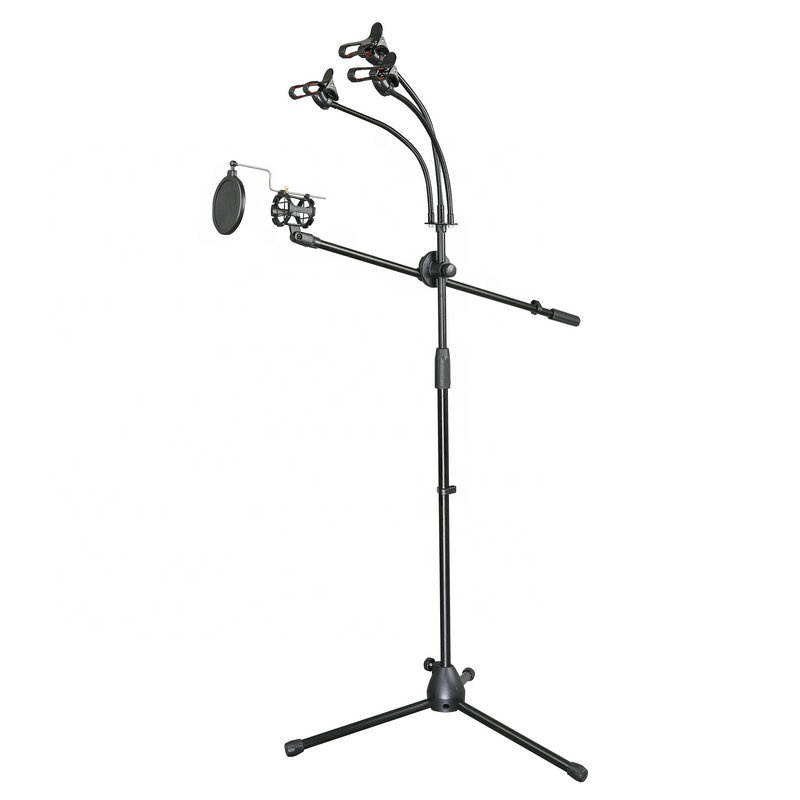
Three Mobile Phones with Horizontal Bars for Live Streaming, Floor Standing Three Legged Microphone Stand
A three-device rig for live sellers and rehearsal-room creators around the Medical Center and Stone Oak.
China-direct OEM gig bags engineered for Texas humidity and shipped to Bexar County retailers, school band programs and online sellers — Intertek-assessed quality control, one-piece sampling and consolidated freight from Huizhou.
Every item below ships from the same Huizhou consolidation point, so a San Antonio buyer can build one mixed container instead of chasing five vendors. Sampling starts at one piece, and all eight support OEM branding.
A three-device rig for live sellers and rehearsal-room creators around the Medical Center and Stone Oak.
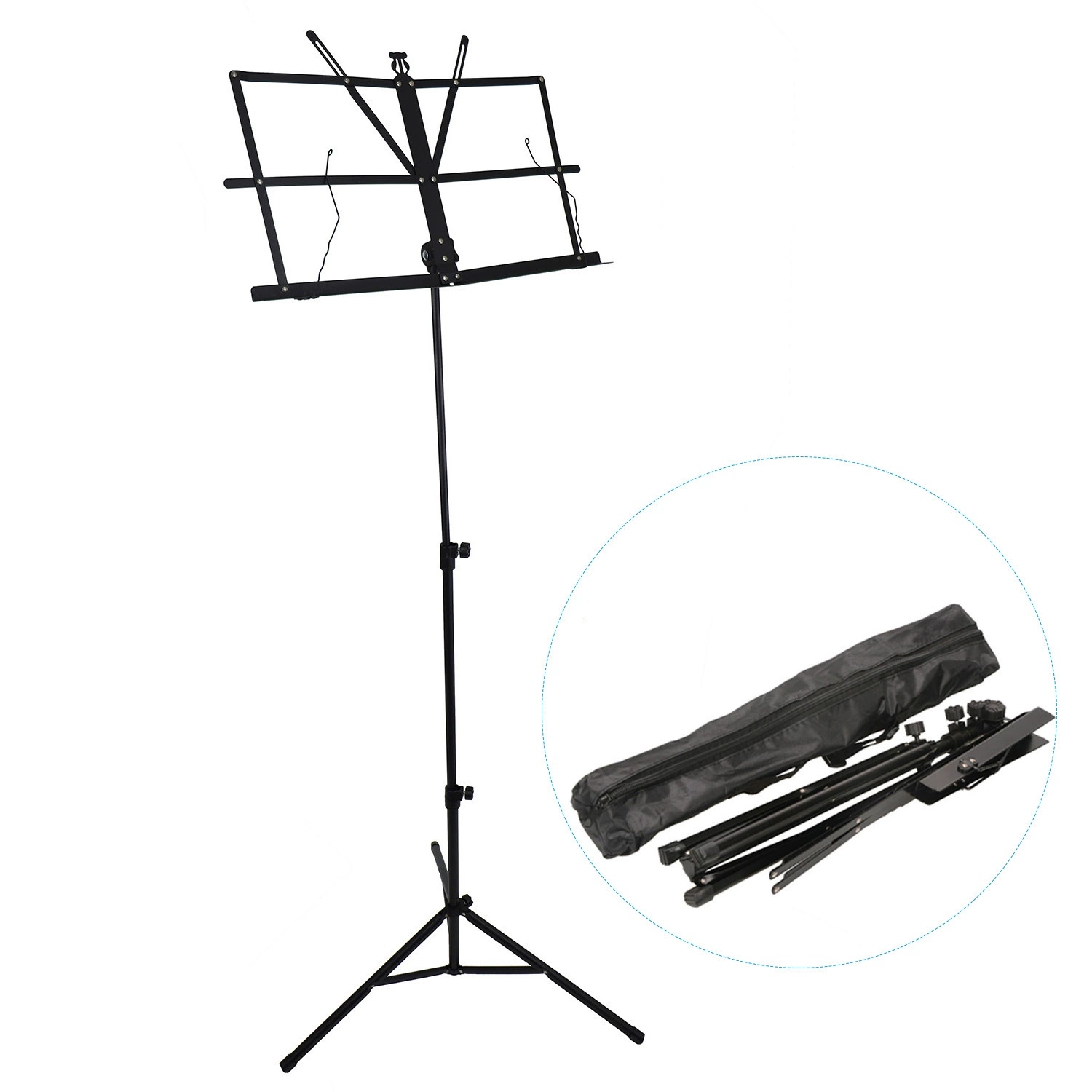
Folds flat into a shoulder bag — the workhorse stand for district band and mariachi program orders.
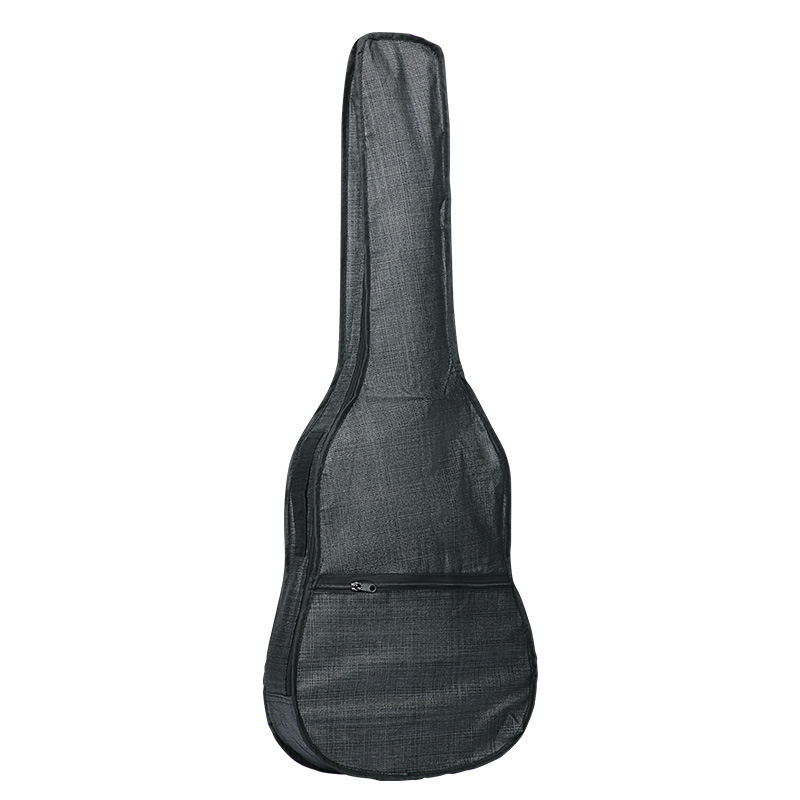
The entry price point for retail racks, rental fleets and bundle promotions — the volume driver of this assortment.
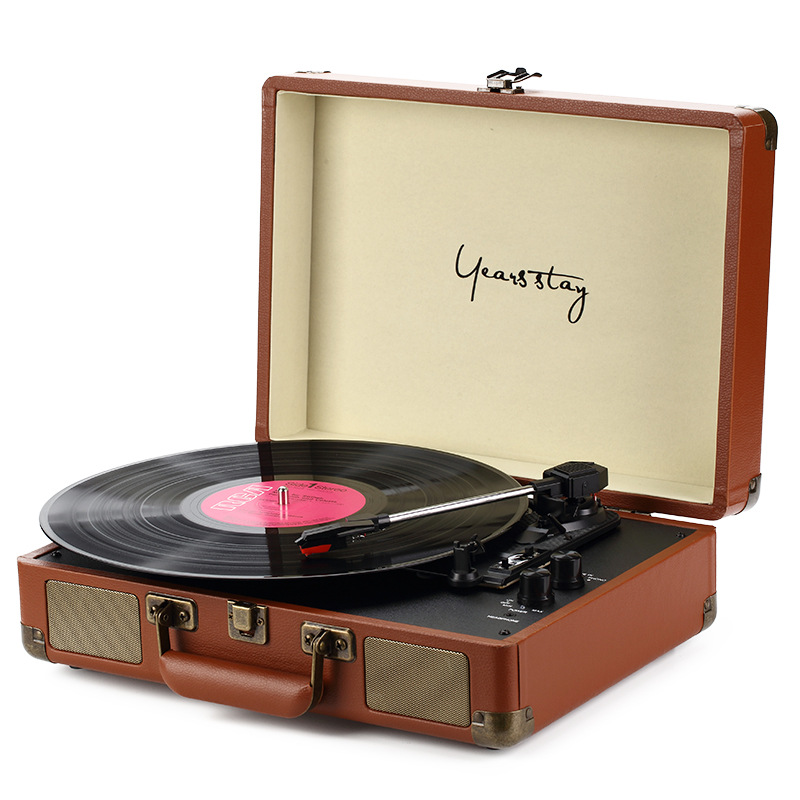
A giftable add-on that pairs well with the vinyl revival already running through Southtown record shops.
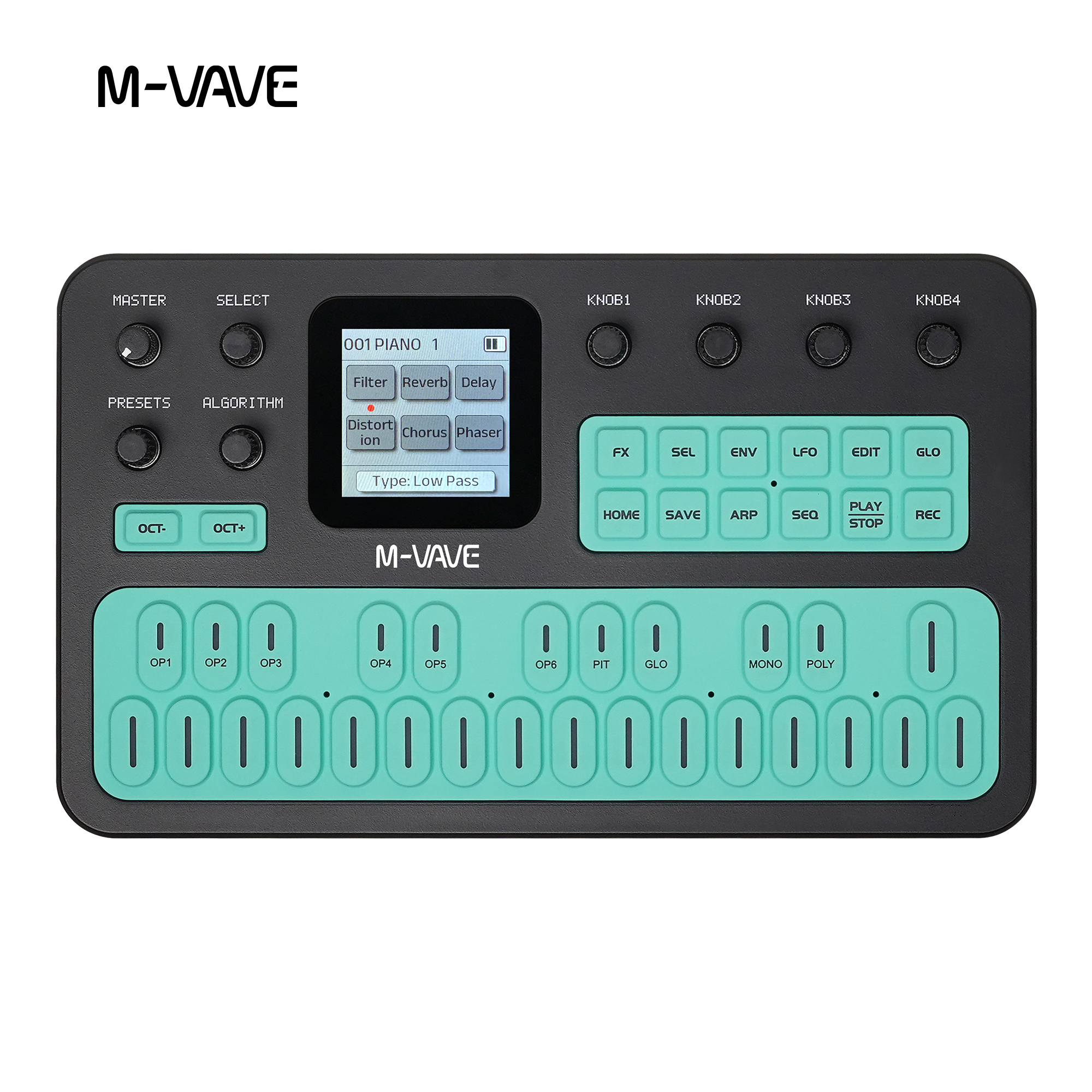
Battery-powered FM synth that sells to bedroom producers and college music-tech students alike.
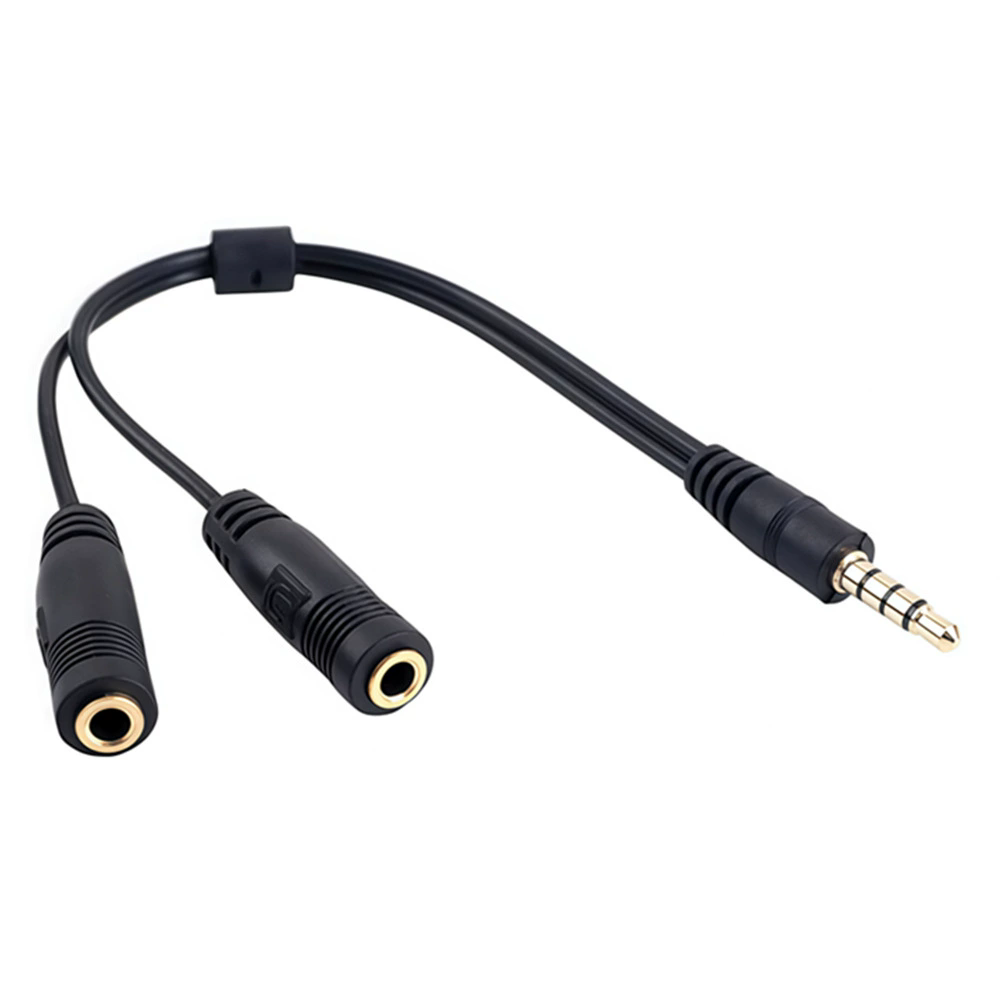
A low-cost, high-turnover impulse item that lifts average order value at the counter.
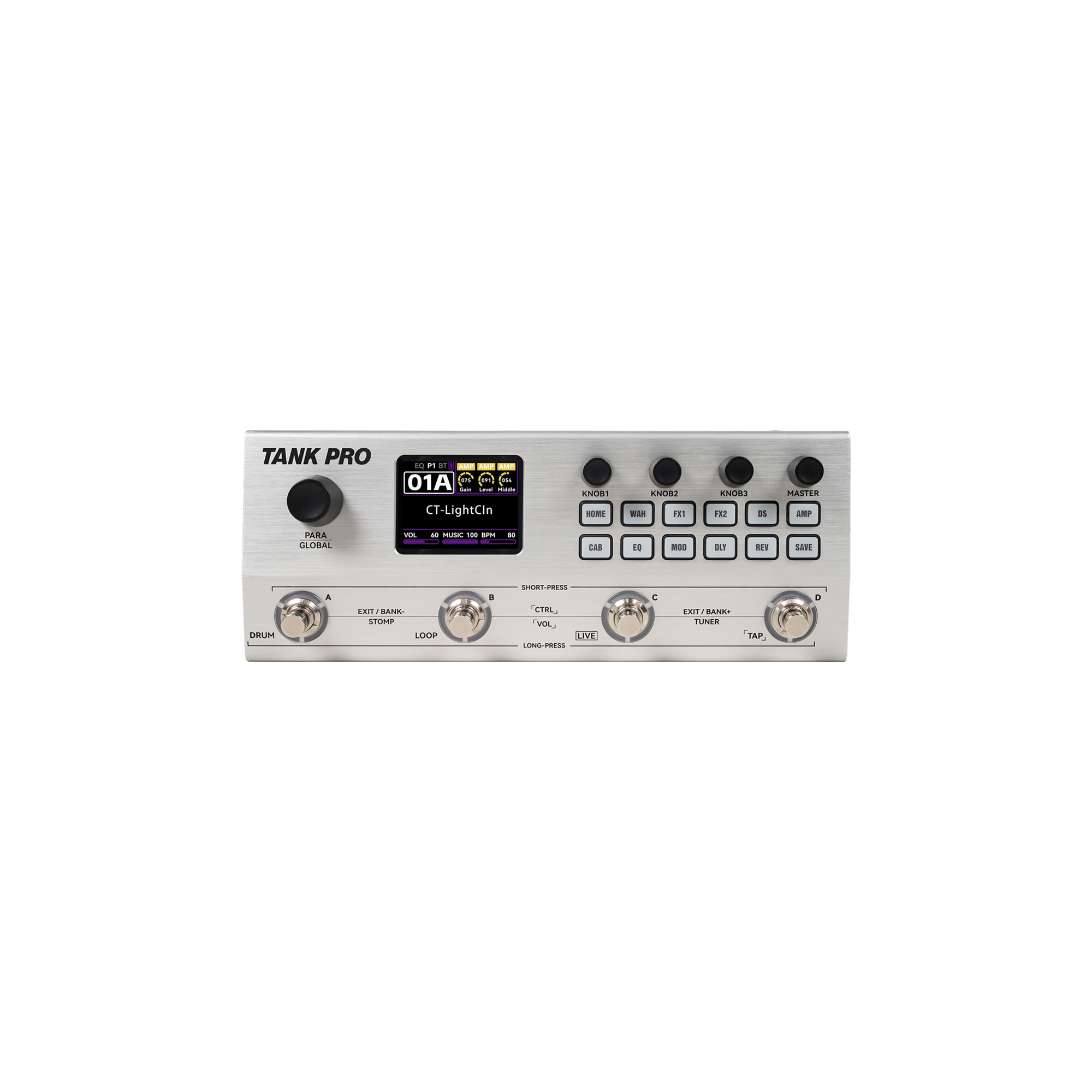
IR loading and OTG recording — the pedal gigging players on the St. Mary's Strip actually ask for.
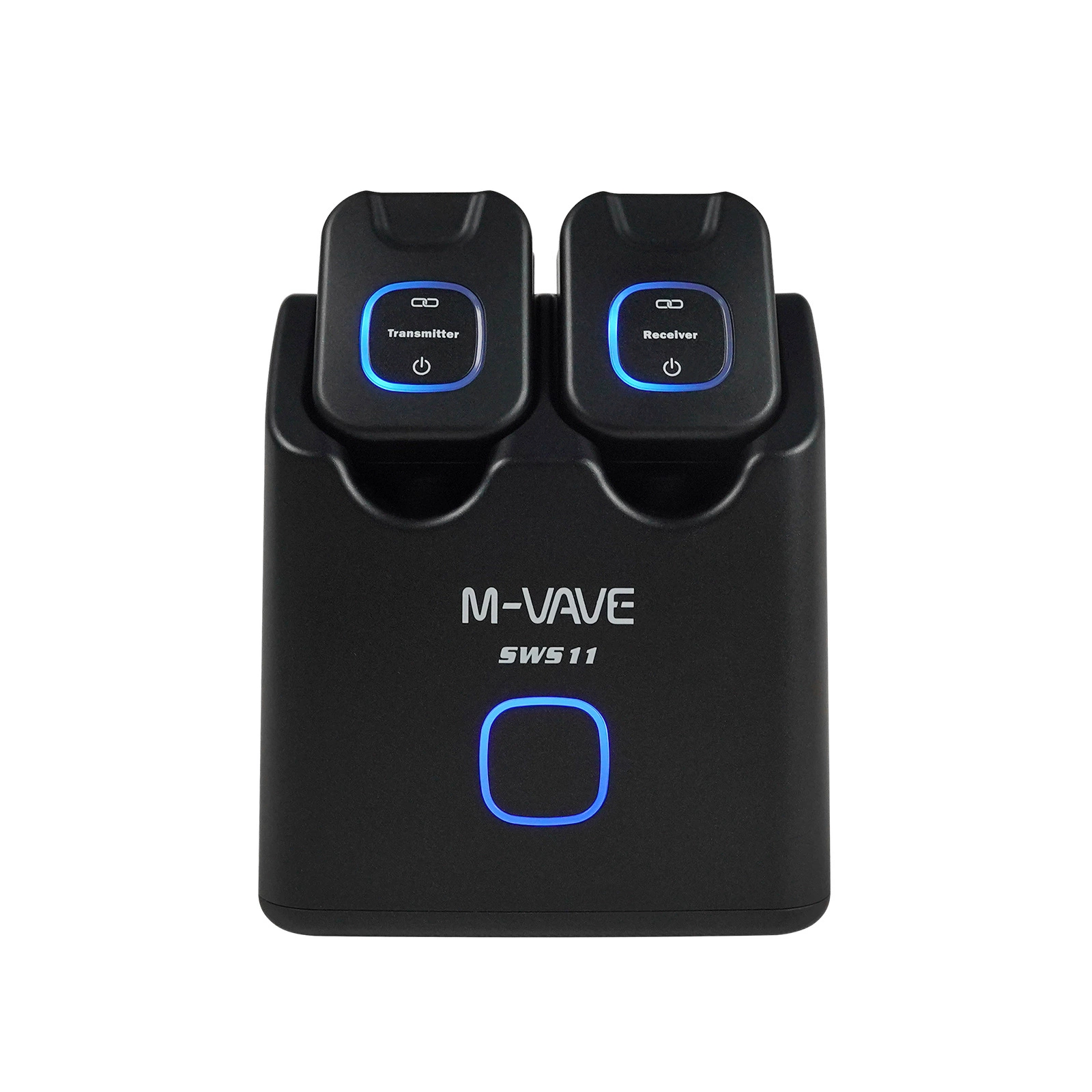
A charging-base wireless kit that bundles naturally with every acoustic-electric you already stock.
Every figure below comes from assessments and platform records, not marketing copy. Buyers can request the underlying reports before placing a first order.
Years exporting musical instruments since 2010
Annual export volume, third-party assessed
Orders shipped in the most recent six-month window
Inquiry response rate across the trading team
Most product pages list “padded” as a single word. Here is the engineering behind it, so buyers can compare specs instead of adjectives.
San Antonio sits in a humid subtropical climate. Summer relative humidity commonly runs near 60–70%, and September and October bring the heaviest rain of the year. For a solid-top acoustic guitar, that is a double-edged risk: the soundboard swells as it absorbs moisture, the neck relief shifts, and frets can begin to lift at the edges. A bag that is only nominally “padded” does not solve this — it simply hides the problem during transit.
When you evaluate a padded acoustic guitar bag for the San Antonio market, these are the five specifications that actually decide whether a customer comes back or files a claim:
The 38-inch non-woven acoustic guitar bag covers indoor retail and rental use at the lowest landed cost. Custom padded models with 10 mm foam cover transit and daily commuting. Both are sampled from a single piece, so a San Antonio retailer can test two or three constructions in a real store before committing to a holiday-season buy.
Four buyer profiles, four different reasons the same product matters — and four different buying rhythms.
Independent dealers around Alamo Heights and the Medical Center sell a bag with roughly every second or third acoustic. If the customer walks out with the guitar and no bag, the upsell is gone. Low MOQ lets a single store stock 38-inch, 40-inch and 41-inch fits without tying up capital in a 500-unit commitment.
Northside, Northeast and North East ISD band and guitar-class programs buy on a summer-to-fall cycle. Their requisitions favour colour-coded bags, an exterior pocket for folded scores and a clean space for asset tagging. Custom logo printing on the shell is a genuine differentiator when a district consolidates instrument storage across campuses.
Rooms clustered around Southtown, the St. Mary's Strip and near the Pearl see a steady parade of players arriving with instruments and leaving with damaged ones. A venue-branded house bag doubles as rental protection and as a small merchandise line — and the per-unit cost is low enough to absorb into a season's operating budget.
San Antonio sellers operating on marketplaces need SKUs with low damage-in-transit rates, because a single claim can wipe out the margin on five units. Padded construction cuts those disputes. Bundle the bag with the Tank Pro processor or the M-VAVE SWS11 wireless kit and you have a ready-made starter listing with no extra photography work.
What buyers in the metro ask us for has changed noticeably over the last few seasons. These are the patterns worth planning inventory around.
After several summers of extreme heat and sudden heavy rain, buyers have stopped treating a bag as a disposable accessory. The question has shifted from “what is your cheapest bag” to “what thickness and what shell fabric”. Retailers who can explain foam density at the counter win the sale — and those explanations come from suppliers who publish the numbers.
School-adjacent demand clusters in late July through September, with a secondary January wave tied to new-semester electives. Consumer retail peaks in November and December. Placing production orders roughly 45–60 days ahead of each window is what separates a stocked store from a store apologising for backorders in the middle of band season.
Work-from-home arrangements have reshaped how apartment-dwelling players buy. A single padded bag now has to hold the instrument, a foldable stand, cables and a small pedal. Exterior pocket depth and internal divider layout have become real selection criteria rather than cosmetic detail — especially for the rental and dorm-room segments.
WPI International Trade Co., Ltd. (Huizhou) has been exporting musical instruments since 2010, with the Huizhou operation established in 2014. A 28-person team, 22 of them in trading and export roles, supports importers, distributors, retailers and schools across four continents.
Premises, legal status and capabilities were verified on location, including assessed video, factory inspection reporting and confirmed product lines. Buyers can review the assessment before committing.
Many guitars, ukuleles, violins and saxophones ship from one piece for sampling. Typical wholesale runs are 2–10 pieces per instrument model and 20–600 sets for strings and small parts. Mixed-category containers are routine.
Assessed capability covers sample-based customization, minor customization (logo, packaging, graphics), design-based customization and full customization — from private-label gig bags to complete store-brand assortments.
Guitars, cases, stands, effects, wireless kits, synths and small accessories leave in a single container. That removes the freight fragmentation that usually eats a distributor's margin on multi-vendor orders.
Nothing on this page requires you to take our word for it. The figures below are drawn from third-party assessment and platform records.
Production for stock models runs roughly 20–30 days after sample approval. Ocean freight from Shenzhen or Ningbo into Houston, then inland to San Antonio, typically adds 30–40 days port-to-door depending on the sailing and customs clearance. That puts a realistic total at 50–70 days. If you are stocking for a July–September school window, production should be released by April or early May. Smaller trial orders can move by air express, and we can quote a landed, DDP-inclusive figure rather than leaving you to calculate duties separately.
Specify closed-cell foam and a PU-coated Oxford shell and the bag will resist moisture uptake far better than open-cell or non-woven construction. Closed-cell foam does not act like a sponge, so the padding stays effective season after season. For daily commuters we recommend the 10 mm Oxford build; for indoor retail racks and rental fleets, the non-woven 38-inch model is a cost-effective and entirely reasonable choice. If you want the best of both, we can quote a hybrid construction with a non-woven body and reinforced Oxford back panel.
Many bag models can be sampled from a single piece, and typical wholesale quantities sit at 2–10 pieces per model for instruments and bags, with 20–600 sets for strings and small parts. Mixed-category orders are accepted, so a store can combine a bag run with music stands, splitter cables and wireless kits in one shipment. Nobody has to commit to a container-scale buy before they know how a model performs in their own market.
Yes. Assessed customization capability covers minor customization such as logo printing, packaging artwork and graphics, through to design-based and full customization. For school districts we can apply consistent colour coding plus a clear, flat area for asset tags. For retailers and venues, heat-transfer or screen-printed branding is the usual route. Typical brand-custom quantities start around 50–100 units depending on the decoration method, and we will confirm the exact threshold before you commit.
Yes — this is one of the practical advantages of buying through a multi-category supplier rather than several single-line vendors. Bags, the Tank Pro multi-effects processor, the M-VAVE SWS11 wireless kit, music stands and microphone splitter cables can all be consolidated into one booking. Doing so usually reduces per-unit freight cost and avoids multiple customs entries. Mixed-category orders are routine, and the trading team will build a single proforma covering all lines.
Every order passes finished-product inspection before delivery, covering appearance, hardware, zipper function, strap stitching, foam integrity and packaging. Our company has been assessed onsite by Intertek, and buyers can request the assessment profile along with inspection documentation for their specific order. If you work with a third-party inspection agency in Texas, we can coordinate the visit at the factory before the container is sealed.
Send us your target retail price, quantity and preferred construction. Our trading team will come back with model recommendations, a sample plan and a landed cost estimate — usually within one business day.
Get a Quote