8 Portland-Ready Products from the Same Factory Network
Mini kalimba buyers often need more than one pocket instrument line. These eight products from WPI’s wider wholesale catalog help Portland retailers, lesson studios and online sellers build a mixed assortment, test add-on demand and consolidate accessories with a mini kalimba inquiry. Product URLs are preserved as supplied.
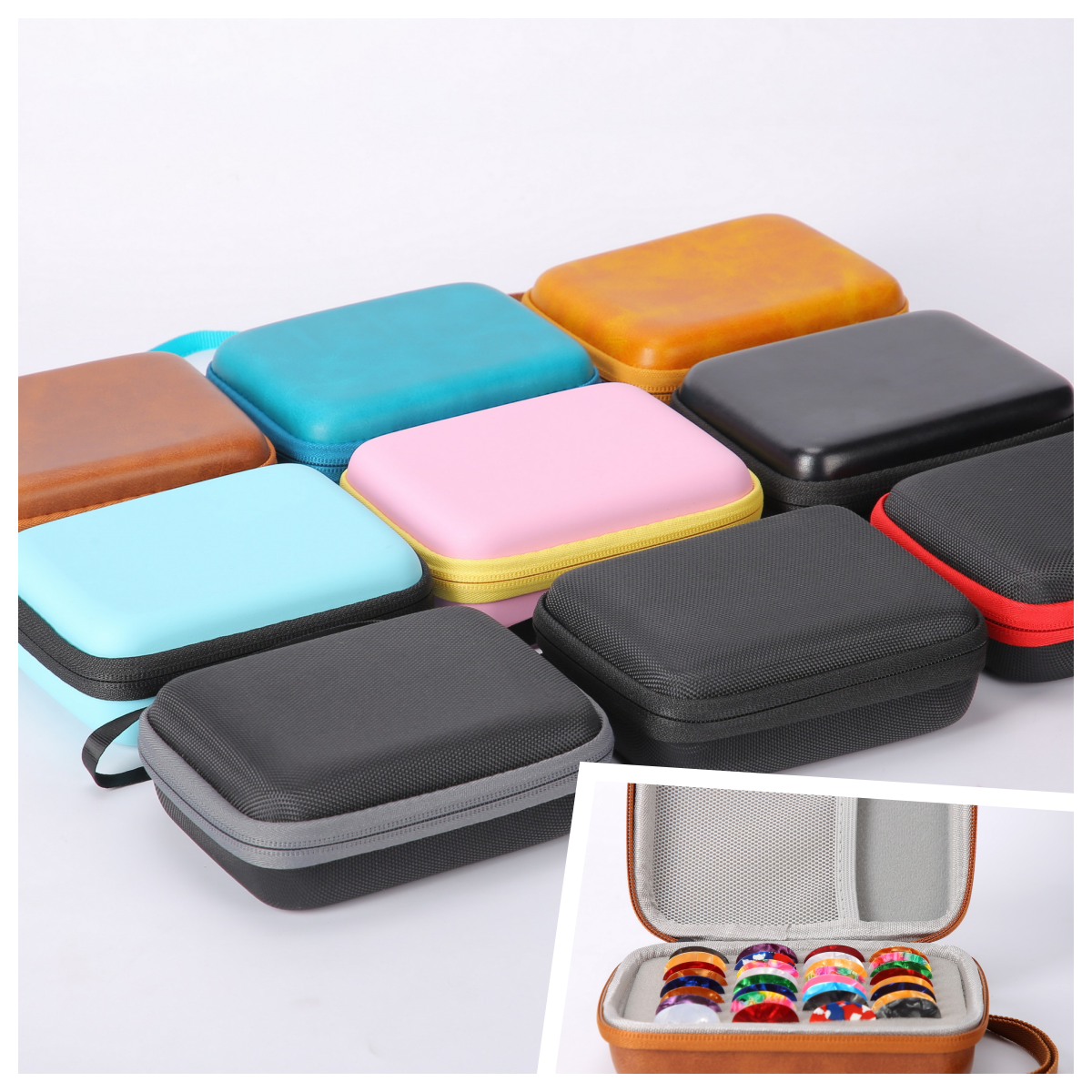
Guitar Folk Plectrum Storage Leather Case Leather PC Plectrum Bag Ukulele Plectrum Pick Case Package
Countertop pick case for guitar and ukulele accessories; useful for Portland shops building small lesson-book, string and thumb-piano gift baskets.
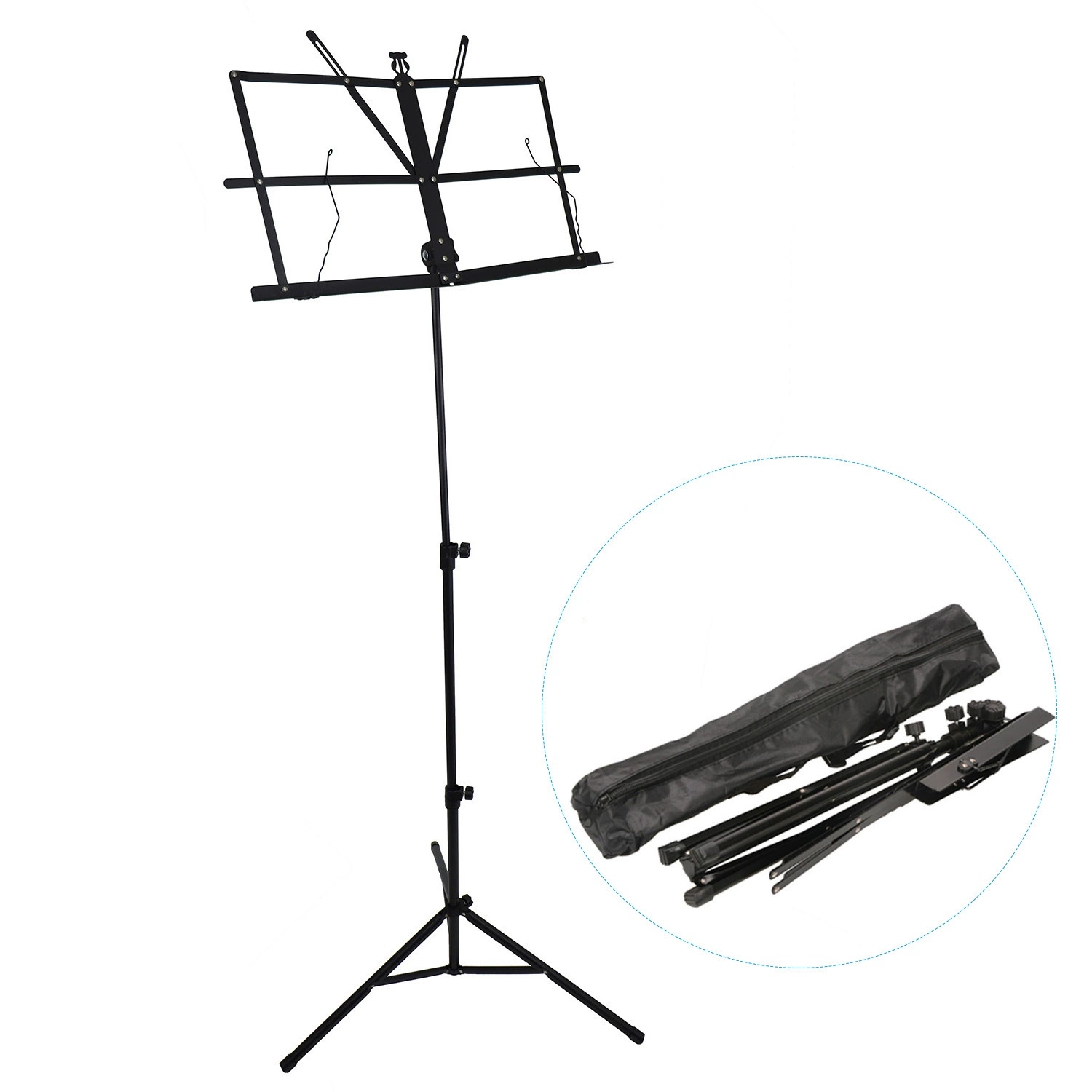
Factory Wholesale Small Size Portable Adjustable Music Stand With Bag
Portable stand with bag for lesson studios, pop-up markets, community workshops and in-store demonstration events.
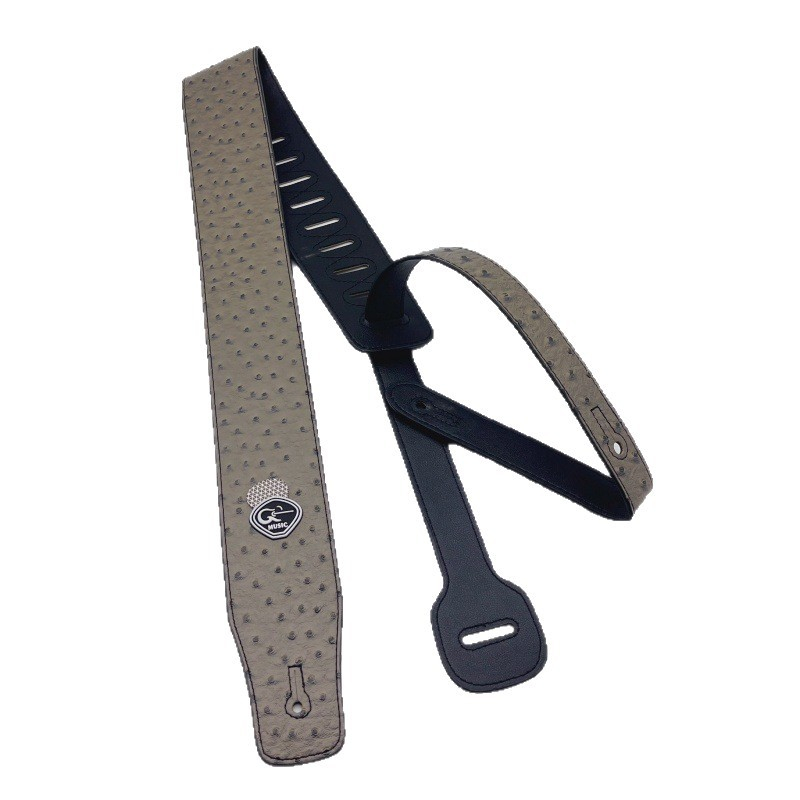
Genuine Leather Guitar Strap, Wide Wear-resistant Shoulder Strap, Dual-use Strap for Acoustic & Electric Guitar Wholesale
Wide leather strap for acoustic and electric guitars; cross-merchandise with stringed-instrument setup services and accessory walls.
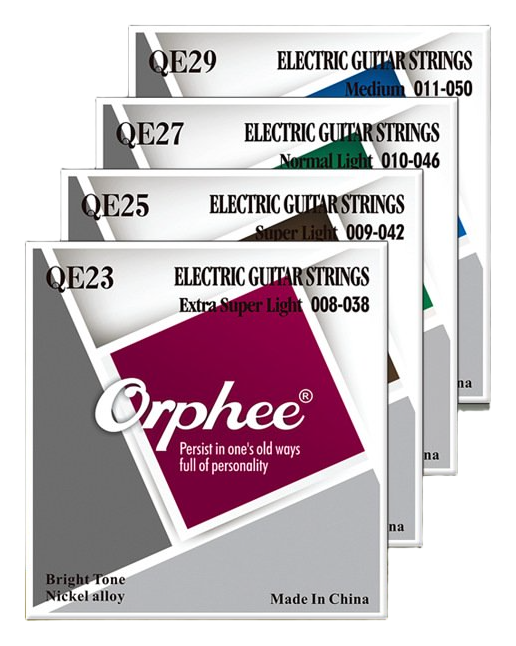
Wholesale Coated Nickel Core Electric Guitar String Set
Coated nickel-core electric guitar strings; a practical replenishment item for repair counters and lesson-studio retail displays.
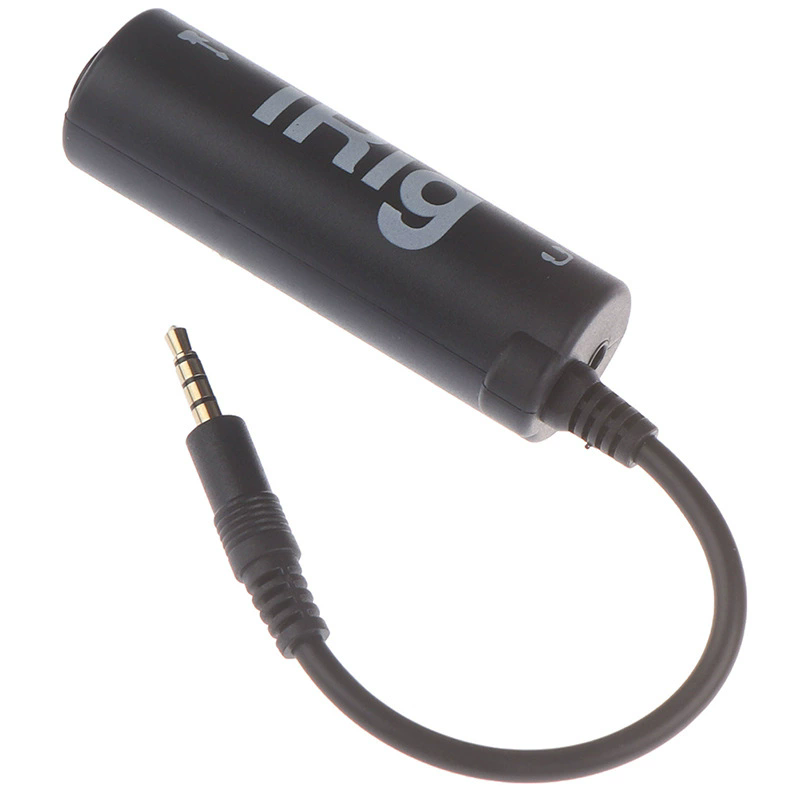
Wholesale 3.5mm Converter Guitar Bass Interface Converter Adapter for Phone Tablet Recording
Recording adapter for phone and tablet demos; relevant to Portland creators producing short-form instrument reviews and lesson videos.
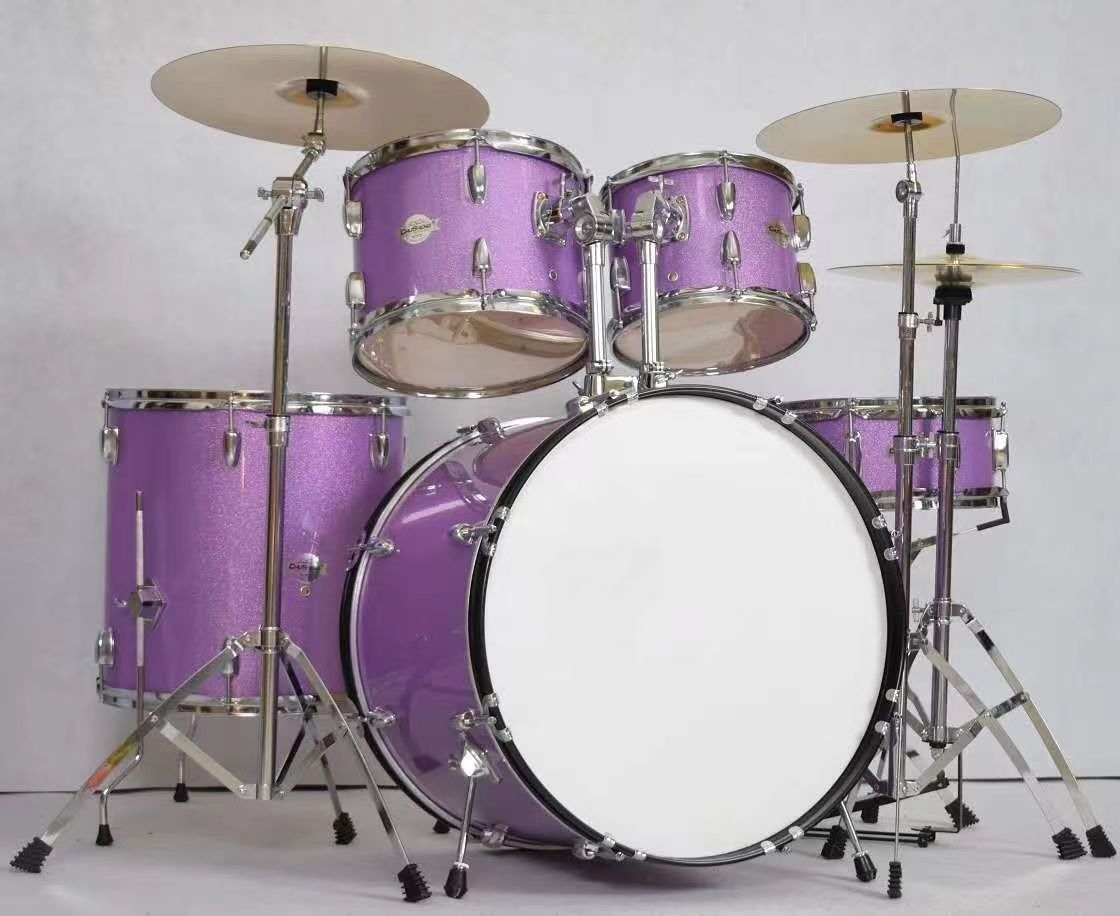
Hot Selling Ordinary 5 Drums 3 Cymbals Adult Drum Set Jazz Drum
Five-drum, three-cymbal adult jazz kit for school band stock, rental fleets and music retailers combining percussion with small instruments.
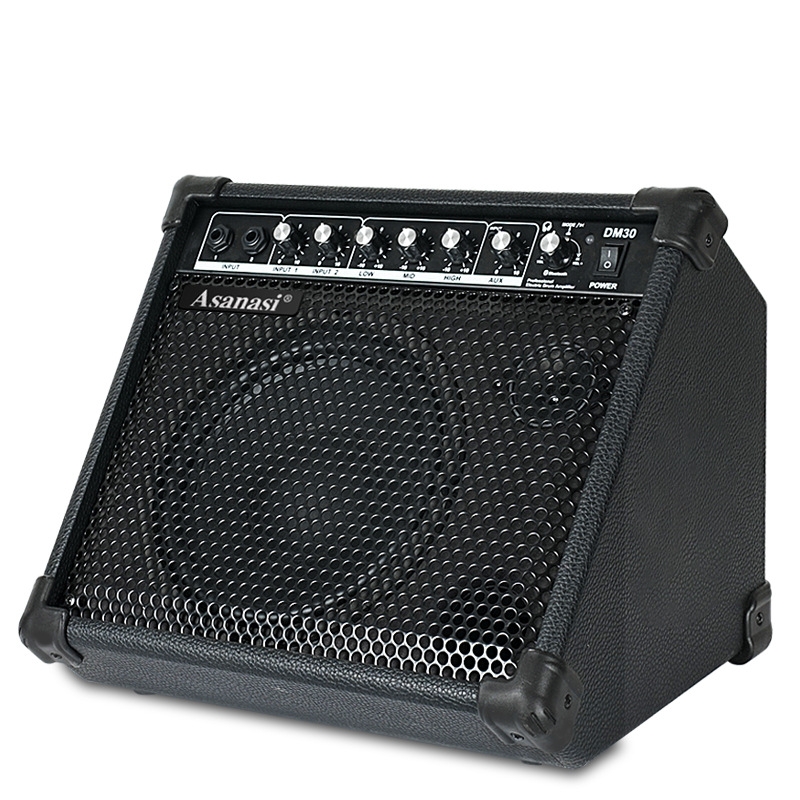
Wholesale Speakers Electronic Drums Rechargeable Portable Outdoor Wireless Stereo Amplifier
Rechargeable portable stereo amplifier for electronic drums and busking; fits Portland market, park and outdoor-event use cases.
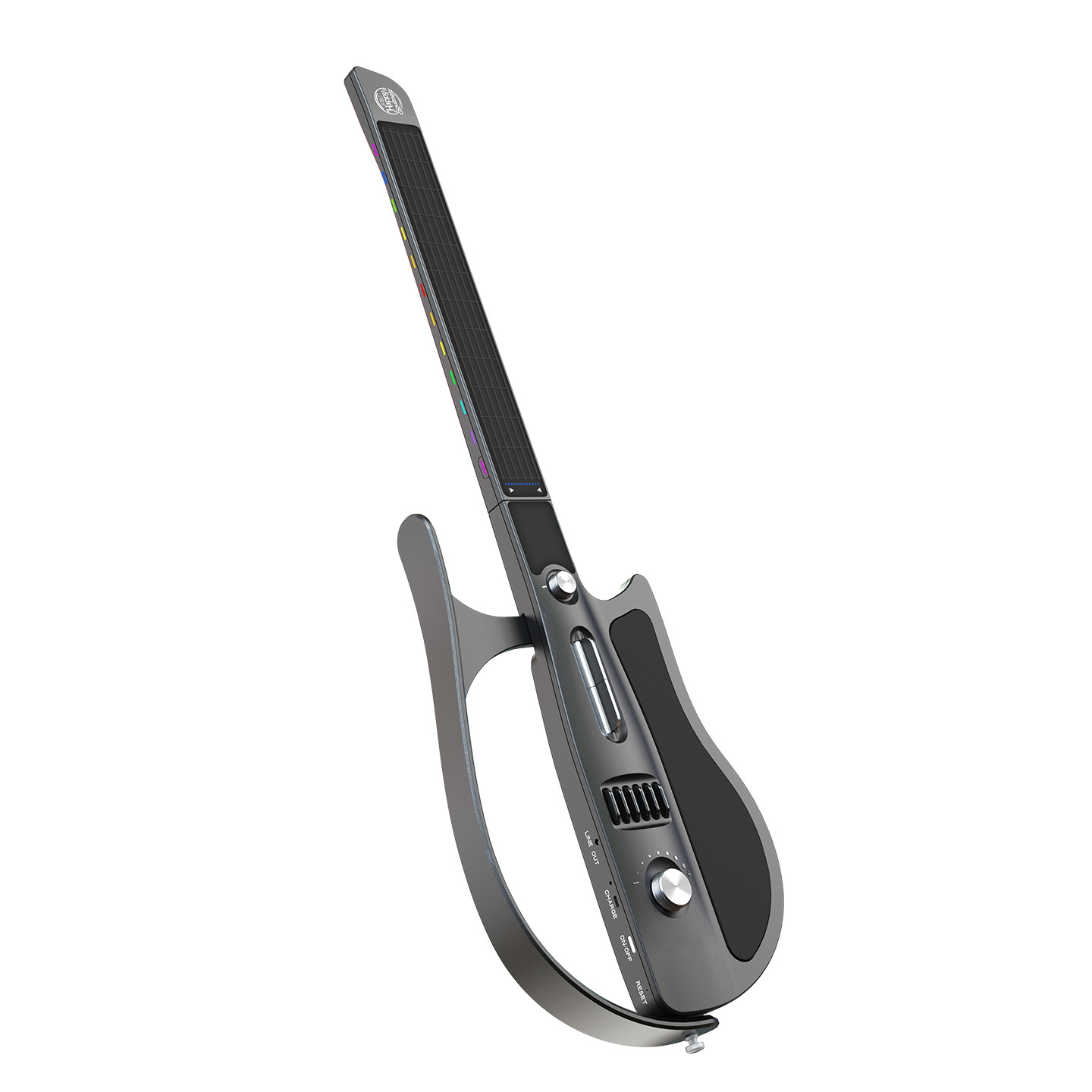
Hot Selling N1 Smart Accompaniment Stringless Guitar Smart Guitar Travel Guitar
Smart stringless travel guitar for compact music-tech retail, gift displays and content-friendly product demos.
What Portland Buyers Should Know Before Choosing a Mini Kalimba Factory
Mini kalimbas—also called thumb pianos, finger pianos or mbira-style pocket instruments—look simple in a product photo: a box, a bridge and a row of metal tines. In retail, the category behaves very differently from a novelty. A Portland gift shop may test a 17-key kalimba as an impulse item; a music store may need consistent tuning and replacement parts; a wellness studio may care about finish, touch response and carrying accessories; a school may need durable construction and age-appropriate packaging. Buyers comparing mini kalimba factories should therefore evaluate the product as both a musical instrument and a locally merchandised object.
For Portland, the phrase “factory serving Portland” should mean a supplier that understands the market’s buying rhythm, not a claim of local manufacturing. Portland buyers tend to order in compact runs, test a product with lessons, events or social content, and then scale a finish or packaging option that reflects the metro’s independent retail identity. That is why a factory-direct mini kalimba program needs more than a low unit price: it needs a clear sample process, tuning tolerance, humidity-aware packaging, private-label capability and a way to consolidate kalimbas with adjacent accessories in one shipment.
WPI International Trade Co., Ltd. (Huizhou) approaches this as an export and sourcing partner with factory relationships. Our assessed strengths include low-MOQ sampling, OEM/ODM development, pre-shipment inspection and one-stop consolidation across guitars, ukuleles, violins, drums, keyboards and accessories. For a Portland buyer, that combination reduces supplier sprawl: a mini kalimba order can travel with display stands, straps, strings, lesson accessories and gift packaging from a coordinated supply chain. It also creates a more useful request-for-quote conversation: instead of asking only “What is the price per piece?”, the buyer can ask for tuning reference, tine temper, box material, finish, packaging, inspection criteria and the best export term for Portland.
Portland Mini Kalimba Sourcing Snapshot
- Market fit: independent retail, gift and tourism counters, school music programs, wellness studios and online content-led sellers.
- Product focus: 8-, 10- and 17-key mini kalimbas in warm wood, laminate, bamboo-style or durable ABS options.
- Customization: logo, gift box, barcode-ready packaging, instruction inserts and private-label care cards, subject to quote.
- Quality checks: tuning reference, tine alignment, bridge pressure, dead notes, finish, drop protection and humidity packaging.
- Buying route: sample first, then small batch; consolidate with other instrument categories; confirm FOB, CIF or DDP for Portland delivery.
- Climate note: Portland’s wet winters and dry summer spells make moisture control and storage guidance part of the product spec.
Years in the musical instrument industry, with export experience dating to 2010.
Annual export value, supported by third-party assessed company information.
Orders shipped in the last six months, reflecting a high-frequency export workflow.
Inquiry response rate, paired with an average buyer rating of 4.6/5.
Why a Portland Buyer Would Use WPI as a Mini Kalimba Factory Partner
A credible mini kalimba factory relationship is not only about unit cost. It is about sample discipline, written specifications, repeatable inspection and export flexibility for a Portland retail calendar.
Low-MOQ sampling and mixed orders
Compare mini kalimba factories without overcommitting. WPI supports sample-based customization and low-MOQ instrument orders; many products can start from a single piece for sampling, with production MOQ confirmed by model, finish and packaging. Portland retailers can test 8-key, 10-key and 17-key options before scaling.
Quality control before shipment
Finished-product inspection covers appearance, hardware, tuning stability and packaging. For kalimbas, use a written checklist: tine spacing, bridge screws, dead-note check, tuning reference, box resonance, finish defects and carton drop protection. WPI’s Intertek onsite assessment and export workflow support a documented QC conversation.
OEM/ODM and Portland-ready packaging
Private label is more than a logo. Ask for localized gift boxes, hangtags, care cards, QR codes, UPC/barcode placement and protective bags. WPI’s assessed capabilities include sample-based customization, minor customization such as logo and packaging, design-based customization and full customization.
One-stop export with trade flexibility
Consolidate mini kalimbas with strings, straps, stands, drum accessories or other instruments. Accepted payment methods include T/T, L/C, D/P, D/A, credit card, PayPal, Western Union, cash and escrow. Delivery terms include FOB, CIF, DDP and express options; confirm the best Incoterm for your Portland warehouse, 3PL or direct-to-consumer plan.
Mini Kalimba Applications in Portland’s Retail, Education and Wellness Economy
Portland’s buying culture rewards products that are demonstrable, story-rich and useful beyond a single purchase. Mini kalimbas fit when the assortment is designed around how local customers discover, try and gift music.
Independent retail and gift counters
Neighborhood shops, craft markets and tourism-oriented counters benefit from a product that can be picked up, played and understood in seconds. Start with an 8-key or 10-key mini kalimba for entry gifting, then add a 17-key model for music-curious adults. A Portland display can use a small sound-test station, a care card and a QR code linking to a demo video. Because mini kalimbas are compact, they also work in low-footprint planograms alongside leather pick cases, music stands and travel instruments. Retailers should ask for retail-ready packaging that survives repeated handling, not just protection for ocean freight.
Schools, libraries and community music
Portland metro schools, libraries and community programs need instruments that are easy to clean, store and distribute. For classroom use, prioritize stable tuning, smooth tine edges, simple notation inserts and protective bags or cartons. Laminate wood or polymer bodies can offer a practical balance between tone and durability. Mini kalimbas are useful for rhythm, melody and listening exercises because learners can hear pitch immediately without a steep technique barrier. Request a sample set and ask for age labeling, small-parts considerations and written care instructions before placing a classroom order.
Wellness, yoga and sound-therapy studios
Portland wellness studios often seek calming, portable sound tools that can be demonstrated in class or sold after a session. A 17-key kalimba with a warm wood look, soft bag, mallets and cleaning cloth can be presented as a sound-therapy or personal-practice item. Buyers should test the emotional impression of the finish and the touch response of the tines, not only the note layout. Pair mini kalimbas with QR-linked guided exercises, simple song cards and gift packaging. This is also a content-friendly product: short demonstrations, packing videos and in-store sound checks can support local social channels without overproducing the purchase.
Recommended Mini Kalimba Assortment for Portland Retailers
A simple three-tier assortment gives buyers a low-price entry point, a better-margin step-up and a gift-ready wellness set. Adjust quantities after sampling your target channel.
Starter Gift Assortment
Best for gift shops, market stalls and lesson-studio counters that need an easy first purchase.
- 8-key or 10-key mini kalimbas
- Printed gift box and care card
- Small counter display with sound-test copy
- Recommended mix: warm wood plus one bright finish
17-Key Retail Step-Up
For music stores, online sellers and adult hobby buyers who want a broader note range.
- 17-key model with stable tine layout
- Soft bag and tuning/instruction insert
- Optional pickup or accessory bundle, confirmed by quote
- Private-label logo and packaging available
Wellness and Workshop Kit
For yoga studios, sound-therapy facilitators and creative workshops in the Portland metro.
- 17-key kalimba with warm finish
- Mallets, cleaning cloth and carry bag
- Care card plus simple guided-practice insert
- Gift-ready packaging for seasonal programs
Portland Trends Shaping Mini Kalimba Demand
The strongest product listings do not just claim to be local; they reflect local buying behavior. These are the trends worth writing into a Portland-focused product brief.
Material transparency and greener packaging
Portland shoppers often ask where a material comes from and whether packaging can be recycled. Avoid unsupported “eco” claims. Instead, specify recyclable paper inserts, reduced plastic, clear care instructions and traceable wood documentation where available. Honest sourcing language builds more trust than a vague green label.
Experience-led retail and small-format discovery
Independent retail in the Pearl District, Alberta Arts District and downtown Portland rewards products that can be demonstrated. A mini kalimba is ideal for sound bars, short in-store videos and try-before-buy displays. Pair one demo unit with boxed inventory and a simple hygiene wipe-down routine.
Private-label gifting and local identity
Portland buyers respond to thoughtful gifting: a small instrument, a story card and packaging that feels designed rather than generic. Private-label boxes, local event editions and workshop kits can turn a low-ticket item into a memorable gift. Keep claims accurate and allow time for sample approval before holiday production.
Wellness, travel and content creation
Mini kalimbas overlap with Portland’s wellness, outdoor and creator communities. Merchandise them with soft bags, travel-friendly instruments and portable amplifiers from the same mixed-order catalog. Demo content should focus on real use: a five-minute practice break, a yoga-studio sound check or a compact travel music kit.
Mini Kalimba Materials, Tuning and Quality Benchmarks for Portland’s Climate
Portland’s wet winters and dry summer spells make humidity cycling a more important QC check than many first-time buyers expect. The right material choice depends on whether the instrument is a gift, a school tool, a performance product or a wellness object.
| Body material | Typical sound and feel | Best Portland use | Sourcing note |
|---|---|---|---|
| Solid acacia, koa-style or similar hardwood | Warm, rich and resonant; premium visual character | Gift retail, wellness studios and step-up music displays | Higher cost; confirm legal sourcing, moisture content, finish sealing and humidity care. |
| Mahogany or sapele laminate | Balanced tone with good stability and value | General retail, online sellers and adult beginners | A practical all-rounder for humid winters; inspect edge sealing and bridge seating. |
| Maple or birch-style body | Bright, articulate and clean-looking | Music education, modern gift packaging and design-led shops | Ensure tine-to-body pairing is tested; bright woods can reveal buzzing if QC is weak. |
| Bamboo or composite option | Light, crisp and naturally styled | Sustainability-minded displays and travel gifts | Support any green claim with documentation; check cracking, expansion and finish consistency. |
| ABS or polymer body | Durable, colorful and consistent | Schools, kids’ programs, tourism retail and promotional gifts | Confirm tine mounting, smooth edges and applicable safety labeling for the target age group. |
QC checklist to agree before production
- Tuning reference: agree a reference pitch such as A4 = 440 Hz and acceptable cent variation.
- Tine alignment: no buzzing, consistent spacing, deburred edges and even playing feel.
- Bridge and screws: seated correctly, even pressure and no dead tines.
- Body and finish: sealed edges, stable moisture content, no sharp corners or visible cracks.
- Packaging: drop-test carton, moisture barrier where appropriate and retail-ready labels.
- Documentation: signed spec sheet, sample approval, packing list and inspection record.
A Four-Step Factory-to-Portland Sourcing Path
For a product as tactile as a mini kalimba, the sample is the real brief. Use the process below to reduce ambiguity between a Portland buyer and a China-based factory network.
Specification and sample brief
Define key layout, body material, finish, logo method, packaging, target price band and whether the product is for gift, school, wellness or music retail. Ask for a written quotation with MOQ, sample cost and lead-time assumptions.
Tuning and packaging validation
Approve the sample after checking tuning, tine response, dead notes, finish and retail box fit. Test the product with Portland-specific scenarios: repeated handling, dry indoor storage, damp winter transport and a simple demo video.
Production and pre-shipment inspection
Lock the approved sample as the reference. Conduct finished-product inspection before packing, including appearance, hardware, tuning stability, packaging and carton strength. WPI has been onsite assessed by Intertek and uses pre-shipment inspection as part of its export workflow.
Portland delivery and reorder plan
Choose FOB, CIF, DDP or express according to your 3PL, customs broker and cash-flow plan. Consolidate mini kalimbas with other products when practical, then plan a reorder based on sell-through, damaged units and seasonal gift demand.
WPI International Trade Co., Ltd. (Huizhou)
WPI began exporting musical instruments from Hong Kong in June 2010 and established its Huizhou, Guangdong operation in 2014. The team has 28 people, with 22 in trading and export roles. Company information identifies WPI as a trading company and multispecialty supplier with annual sales of US$9,000,000, supported by third-party assessment. Main markets include North America, Western Europe, Southeast Asia and South America.
Recent trade information referenced in the company profile includes 952 orders and more than US$370,000 in a six-month period, a 97.73% inquiry response rate and an average buyer rating of 4.6/5. Our premises and capabilities have been onsite assessed by Intertek, including finished-product inspection, sample-based customization, minor customization such as logo and packaging, design-based customization and full customization. Payment methods include T/T, L/C, D/P, D/A, MoneyGram, credit card, PayPal, Western Union, cash and escrow. Delivery terms include FOB, CFR, CIF, EXW, FAS, CIP, FCA, CPT, DEQ, DDP, DDU, DAF, DES and express delivery.
For mini kalimba projects, WPI works through a factory network and export process. Buyers should confirm the production location, bill of materials, tuning specification and final inspection checklist in the quotation. Transparency at this stage protects the Portland brand, the school buyer and the end customer. Review our company profile, Intertek assessment, trade history and credit overview before requesting a quote.
- Business typeTrading company / multispecialty supplier
- Annual salesUS$9,000,000 assessed
- Recent trade952 orders in 6 months
- Service scopeOEM, ODM, mixed instruments and accessories
- AssessmentIntertek onsite checked
- LocationHuizhou, Guangdong, China



Mini Kalimba Sourcing and Portland Delivery FAQ
These are the questions Portland buyers commonly ask when comparing mini kalimba factories, mixed orders and private-label packaging requirements.
What MOQ should a Portland mini kalimba buyer expect?
For WPI instrument categories, sampling can start from 1 piece for many models; bulk MOQ depends on finish, packaging, logo method and model. For a first Portland test, request a small sample set—8-key, 10-key and 17-key—then confirm bulk pricing at the exact quantity. Mixed-category orders are welcome, so kalimbas can be combined with accessories or other instruments.
Can we customize tuning, logo and packaging for a Portland brand?
Yes, customization can be discussed across sample-based, minor, design-based and full customization. Specify tuning reference, note layout, logo placement, box dimensions, barcode/UPC, instruction language and care-card copy. For retail, request a pre-production sample with final packaging before mass production so the approved sample becomes the reference for inspection.
How do we control quality before shipment?
Use a written checklist and request finished-product inspection before delivery. For mini kalimbas, check tuning stability, tine alignment, bridge screws, dead notes, finish, sharp edges, packaging fit and drop protection. WPI has been onsite assessed by Intertek and provides pre-shipment inspection as part of its export workflow; define acceptance criteria in the order.
How does shipping to Portland work?
Delivery can be quoted as FOB, CIF, DDP, express or another agreed term. Small tests may move by courier or air; larger orders can consolidate with other instruments and travel by ocean to a U.S. West Coast port for onward truck or rail to Portland. Confirm transit time, duties, customs broker, warehouse receiving requirements and seasonal capacity before booking.
Which mini kalimba is best for Portland schools or beginners?
For beginners, 8-key or 10-key models are easy to hold and explain; 17-key models offer a broader musical range for music stores and wellness studios. For classrooms, prioritize durable construction, smooth edges, stable tuning, simple notation inserts and a protective bag or carton. If the product is for young children, confirm age labeling and small-parts compliance.
What payment and delivery terms does WPI accept?
Payment methods include T/T, L/C, D/P, D/A, MoneyGram, credit card, PayPal, Western Union, cash and escrow. Delivery terms include FOB, CFR, CIF, EXW, FAS, CIP, FCA, CPT, DEQ, DDP, DDU, DAF, DES and express delivery. Ask for the term that best fits your Portland warehouse, 3PL or direct-to-consumer fulfillment plan.
Request a Portland-Focused Mini Kalimba Quote
Send your target quantity, key layout, body material preference, logo and packaging needs, and whether you want a mixed order. WPI can respond with model suggestions, sampling steps, inspection criteria and trade-term options for Portland delivery.