Melodica Instrument Factories & Wholesalers for Hamburg
A practical sourcing white paper for importers, music retailers and school suppliers who need verified melodica supply, complementary instrument lines and consolidated shipments into northern Germany.
8 Products Hamburg Buyers Can Combine with Melodica Programmes
Consolidated sourcing protects freight efficiency and gives retailers, schools and online sellers a broader assortment without opening multiple supplier relationships. These eight factory-direct products support music education, live sound, content creation and accessory sales.
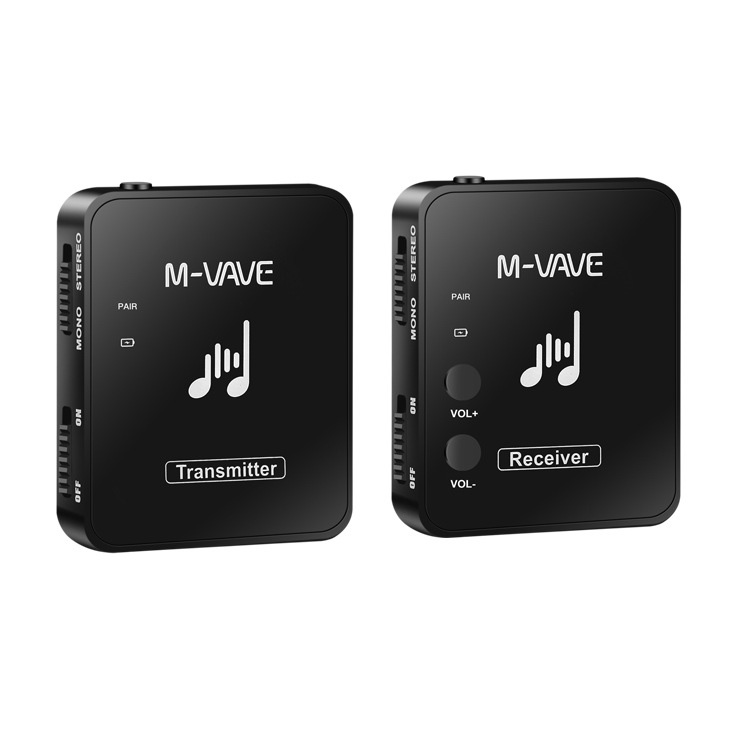
Wireless in Ear Monitor System Transmitter Receiver Mono Stereo Earback Set Guitar System
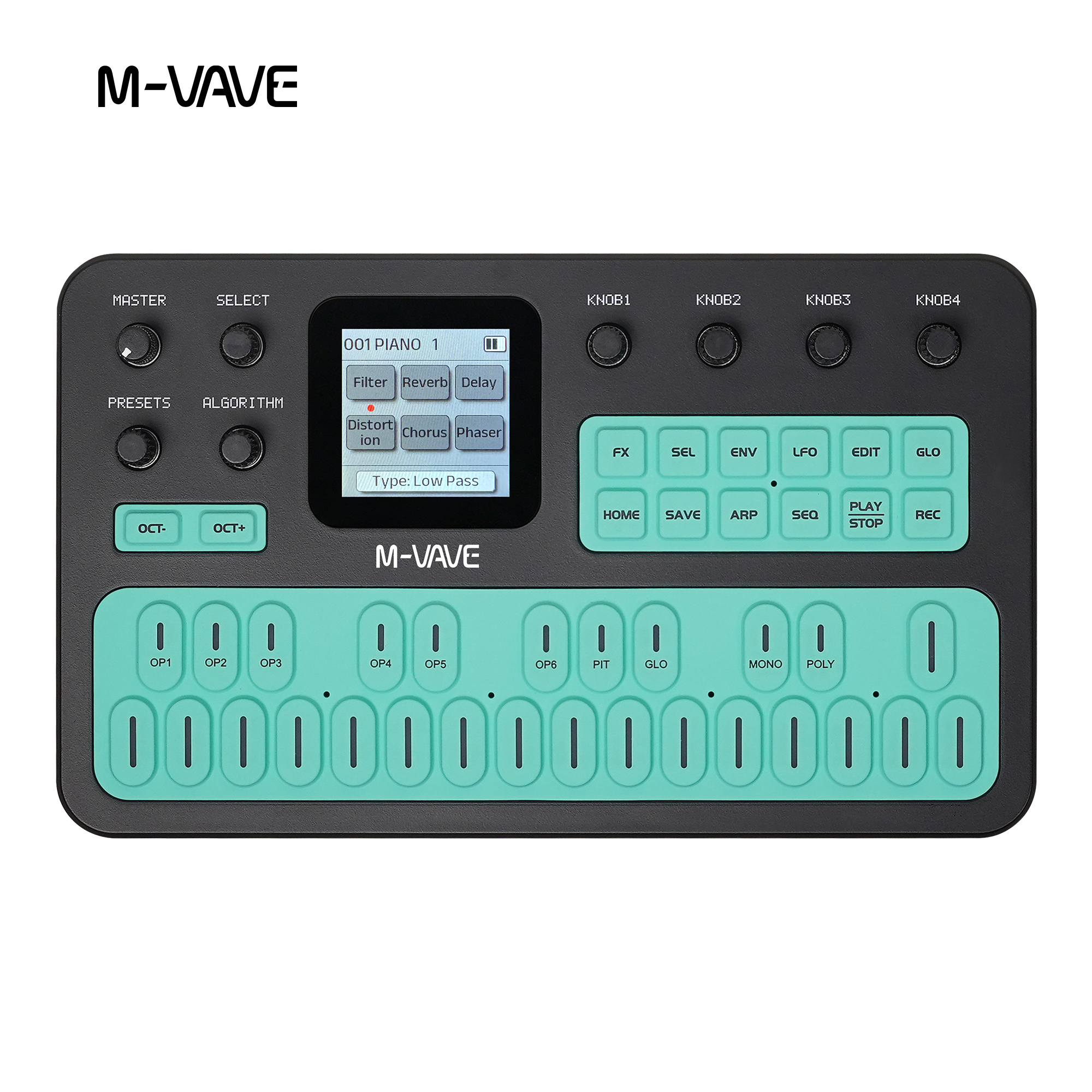
Factory Bestseller Portable M-VAVE FM-1 Synthesizer MIDI Digital FM Keyboard Screen Sequencer Arpeggiator Built-in Presets
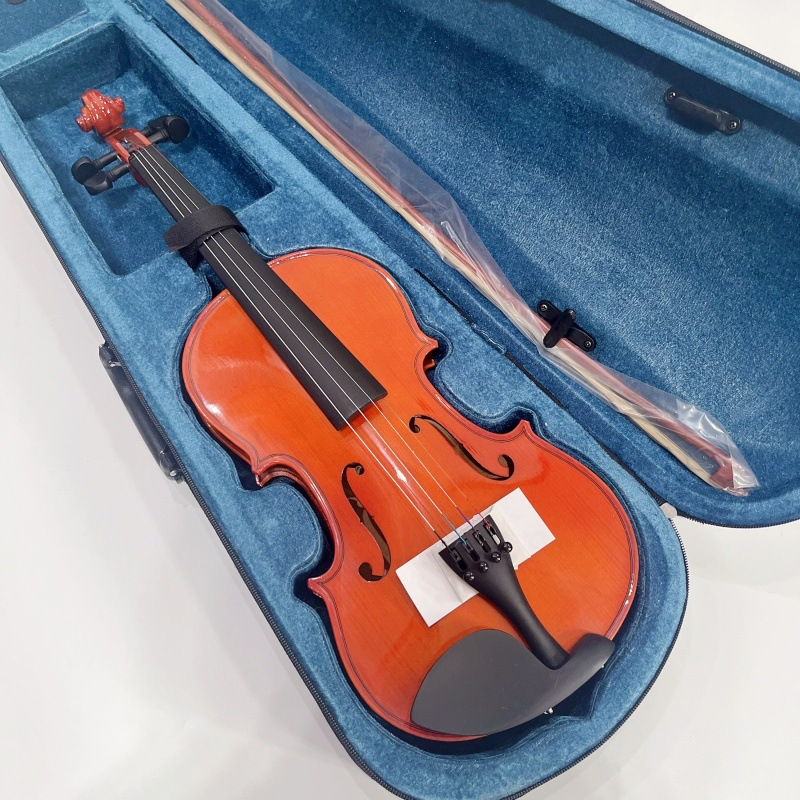
4/4 Full Size Solid Spruce Top Violin, Adult Beginner Violin, Solid Wood Student Violin Musical Instrument Wholesale
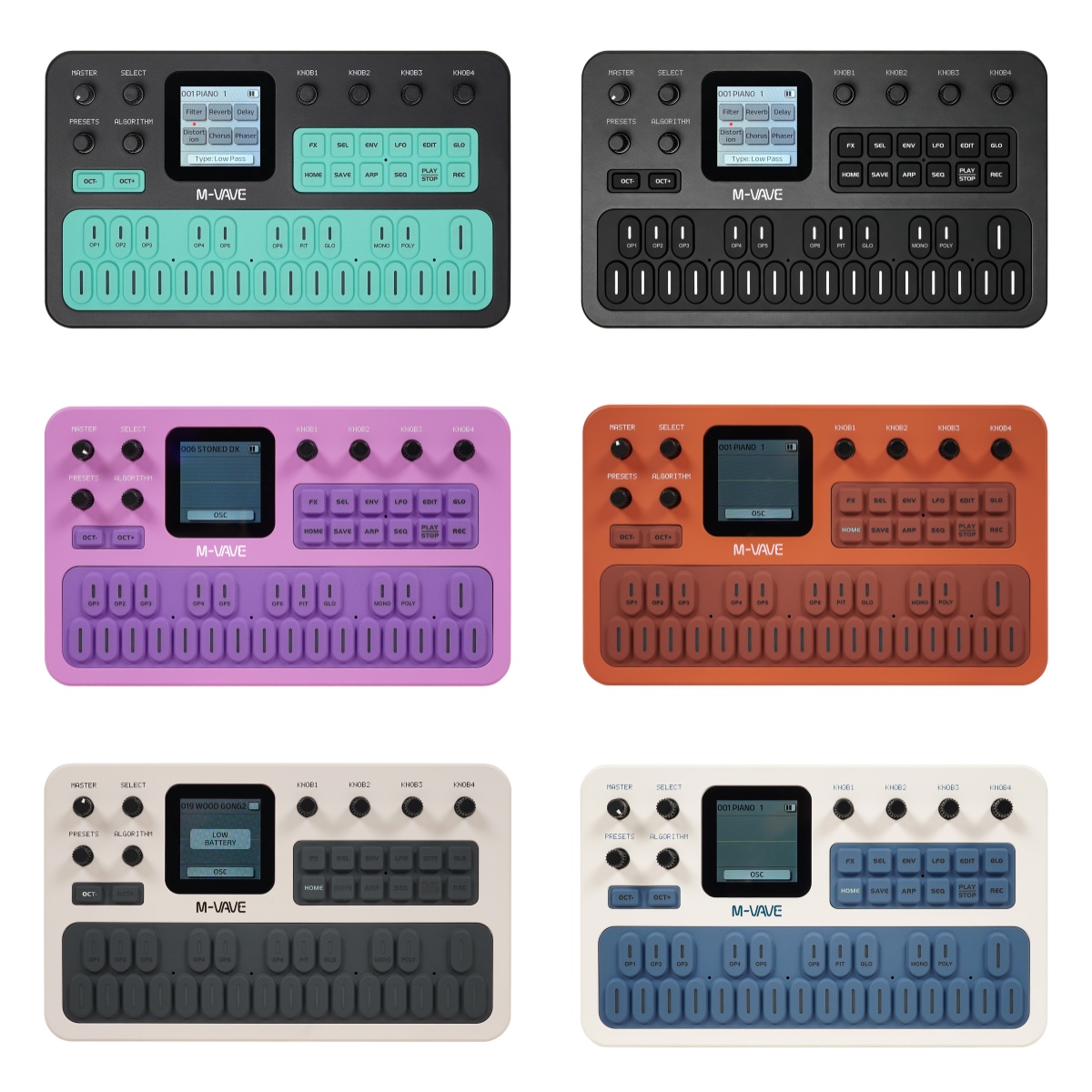
M VAVE Mini FM 1 Synthesizer 27 Keys 3 Channel 12h Battery Built in Speakers for Outdoor Music Production and Pocket Effect
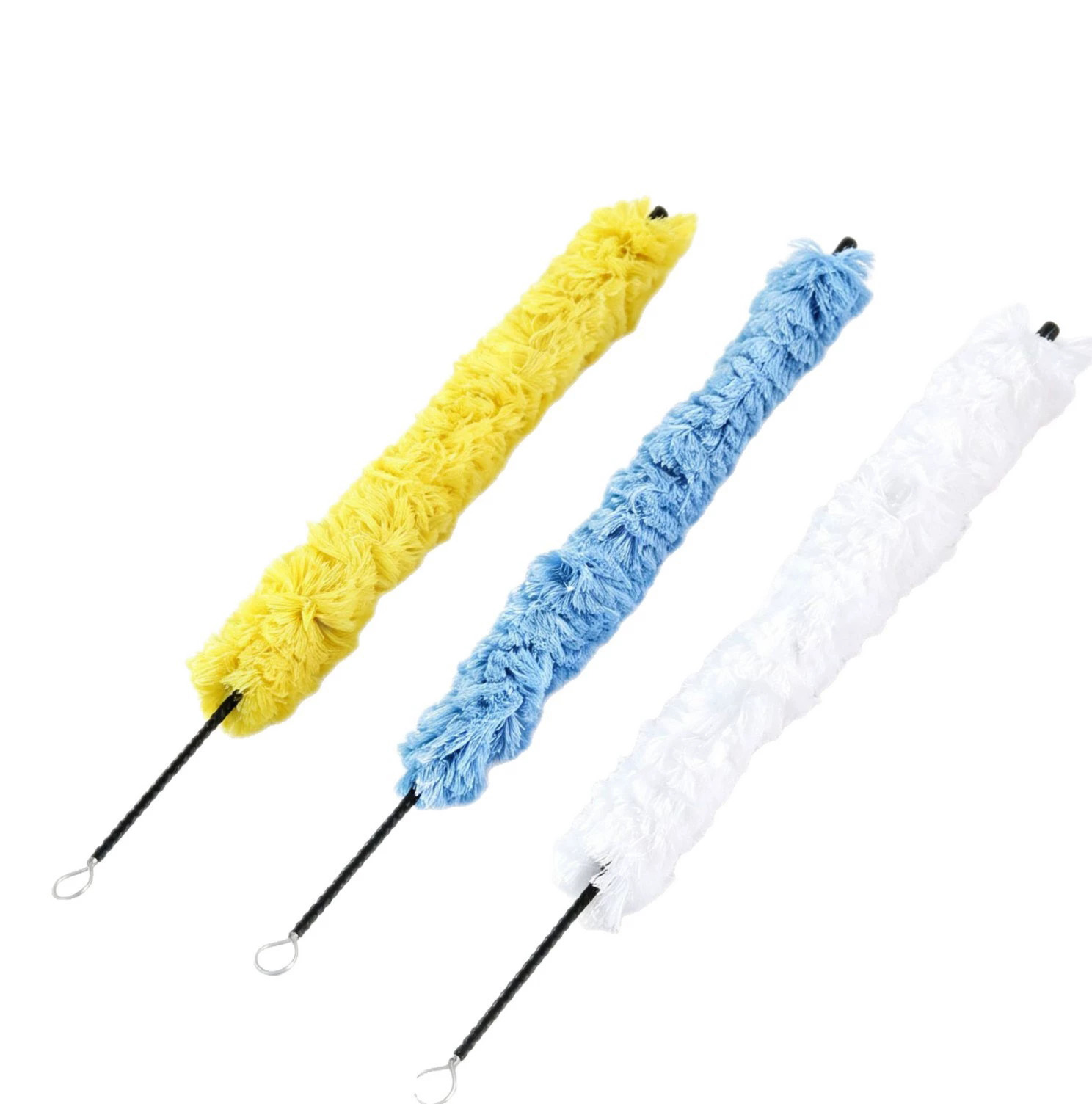
Flute bore cleaning brush flute brush cotton cleaning swab washable cotton thread cleaning stick white /yellow/ blue
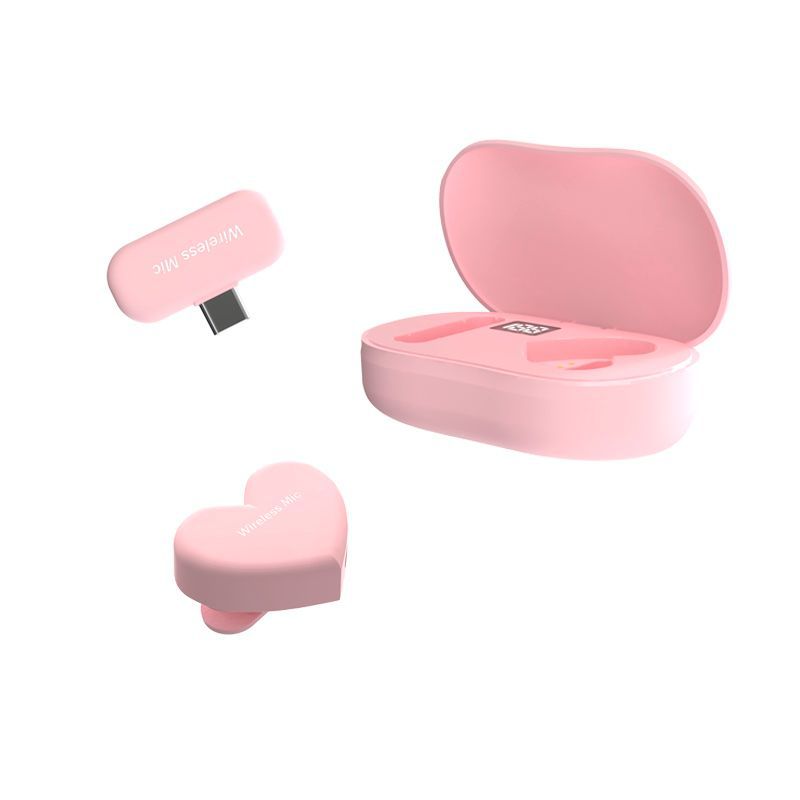
Stylish Pink Heart Wireless Mic with Clip Magnet Excellent for Vlog Recording on Mobile Compact Charging Case Portable Mic
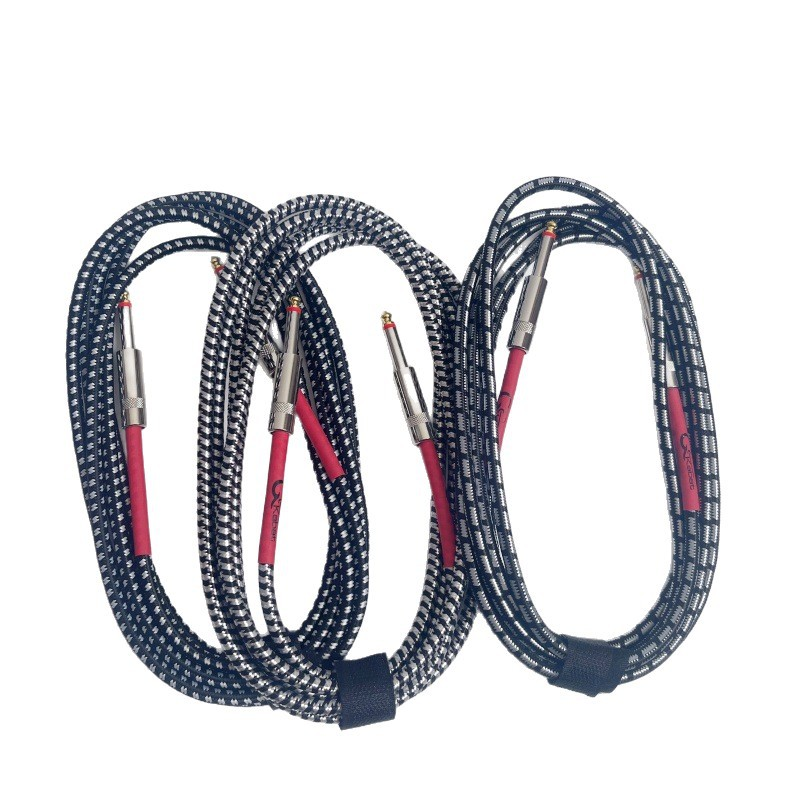
Braided Guitar Cable, 6.35mm Male to Male Noise Reduction Audio Cord for Bass, Instrument Connection Wire Wholesale
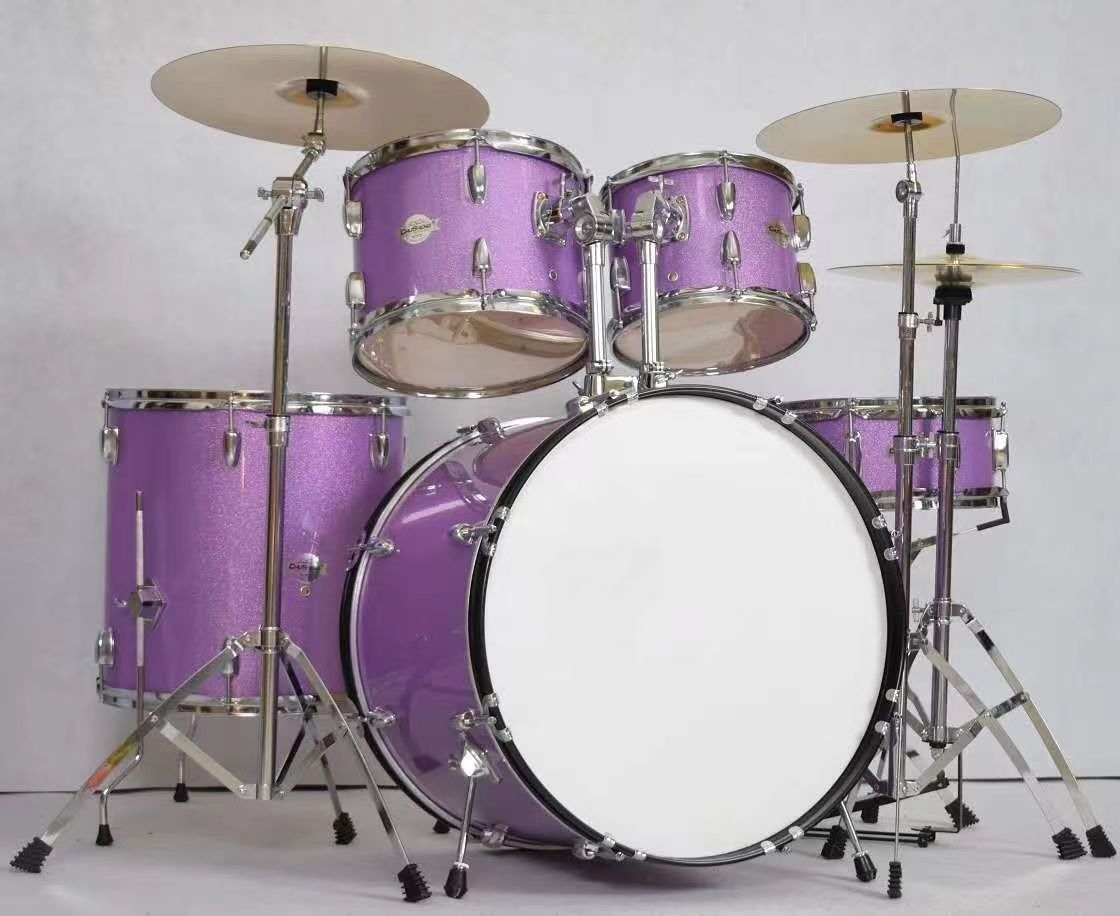
Hot Selling Ordinary 5 Drums 3 Cymbals Adult Drum Set Jazz Drum
For Hamburg buyers, these products are not a random catalogue list. They help fill a container around school-music, retail, live-sound and creator-economy demand while keeping the primary melodica programme focused on the right key count, packaging and price band.
Melodica Instrument Factories & Wholesalers for Hamburg: What Serious Buyers Should Compare
Hamburg buyers do not need another undifferentiated price list. They need a supplier who understands port-based replenishment, EU retail expectations, school-music demand and the risk of mixing low-value accessories with higher-value instruments in one shipment.
Hamburg is one of Europe’s most recognisable music cities. The Elbphilharmonie, a dense network of music schools, instrument retailers, live venues, creative agencies and a working port all shape local demand. For a melodica wholesaler, that means orders rarely follow a single pattern. A school supplier may need 32-key classroom melodicas, replacement mouthpieces and cleaning accessories; a retailer may want 37-key models for adult beginners; an online seller may test a small mixed batch before scaling. The strongest sourcing partner is therefore not simply a factory with the lowest unit price. It is a supplier that can document materials, control key action and tuning, consolidate categories, prepare retail-ready packaging and respond to Hamburg-specific logistics questions without delay.
This guide is written for importers, distributors, music shops, school-equipment buyers and e-commerce operators searching for melodica instrument factories & wholesalers for Hamburg. It explains what to verify before you place a purchase order, how to adapt an assortment to Hamburg’s local use cases, and where a broader musical-instrument supply partner can reduce total landed cost. WPI International Trade Co., Ltd. (Huizhou) has exported musical instruments since 2010 and has operated from Huizhou, Guangdong since 2014. Our experience covers guitars, ukuleles, violins, cellos, saxophones, clarinets, drums, keyboards, synthesizers and accessories, with OEM and ODM support for buyers who need a controlled, repeatable product line.
For melodica procurement specifically, the sourcing logic is similar to other mouth-blown and keyboard-style instruments: confirm the key count and range, check the reed-plate and mouthpiece materials, test air-tightness and key return, agree on hygiene packaging, and ask how spare parts will be handled after the first shipment. A factory that can answer these questions with evidence is usually a safer long-term partner than one that competes only on a headline quotation.
Export Experience That Hamburg Buyers Can Check
E-E-A-T is not a claim repeated in a paragraph. It is a pattern of verifiable experience, documented capability and consistent response performance. The following figures reflect the WPI supply profile and give sourcing teams a practical baseline for supplier comparison.
Years in the musical instrument industry, with exporting experience since 2010.
Annual export value under the company’s assessed trade profile.
Orders shipped in a recent six-month period, reflecting repeat wholesale activity.
Inquiry response rate, supported by a named export account team.
How to Vet Melodica Instrument Factories & Wholesalers for Hamburg
Use this six-point framework to compare quotations with confidence. It is designed to expose the information gap between a low headline price and a supply relationship that can survive repeat orders, retail scrutiny and northern European storage conditions.
Model range and key count
Confirm whether the factory’s melodica line covers the key counts and ranges your buyers expect. For school and beginner demand, check 32-key and 37-key options, the actual musical range, whether the mouthpiece and blow tube are included, and whether colour, logo and packaging can be matched to German retail requirements.
Reed plate, mouthpiece and moisture control
For a mouth-blown instrument, material and hygiene are product-quality issues, not just packaging details. Ask about reed-plate material, mouthpiece surface quality, moisture drainage, corrosion resistance and whether individual mouthpieces can be bagged or retail-boxed. Hamburg’s maritime climate makes moisture-resistant storage and clear care instructions especially relevant.
Tuning, air-tightness and key action
Request a pre-production sample and test the full keyboard: slow key return, air leakage, buzzing reeds and uneven response should be identified before mass production. A serious melodica factory should be willing to share a simple inspection checklist covering tuning, key travel, case fit and mouthpiece connection.
EU-facing documentation and packaging
Clarify which documents your Hamburg importer needs before cargo arrives. Depending on the product, packaging and destination, this may include material declarations, safety data, instruction sheets, barcodes, carton marks and German-language retail text. For electronic accessories, confirm the relevant compliance documentation rather than assuming an acoustic-instrument rule applies.
Spare parts and after-sales depth
Ask how replacement mouthpieces, mouthpiece caps, cases and key parts can be ordered after the first container. For wholesalers and school suppliers, a small spare-parts allowance can prevent returns and downtime. If a factory cannot explain how it supports after-sales use, the relationship remains price-led rather than operationally reliable.
MOQ, sampling and mixed-container logic
Low-MOQ sampling is useful only if it leads to a repeatable production plan. Compare the sample cost, production lead time, inspection method, carton configuration and whether melodica models can be consolidated with other instrument lines. A realistic mixed-container plan is often more valuable to a Hamburg buyer than a theoretical factory capacity claim.
Where Melodicas and Complementary Instruments Fit in Hamburg
Search intent for melodica wholesalers in Hamburg is rarely limited to the word “melodica”. Buyers compare classroom supply, retail assortment, live-sound add-ons and creator products in the same purchasing cycle.
Schools, music schools and classroom programmes
Hamburg’s music-education ecosystem supports steady demand for entry-level instruments that are easy to teach, store and replace. A school supplier may combine melodicas with 4/4 solid spruce top student violins, washable cotton flute bore cleaning brushes and compact electronic keyboards or synthesizers for music-technology lessons. Consistent tuning, simple care instructions and spare mouthpieces matter more than luxury presentation.
Music retail, online sellers and gift-oriented displays
Retailers in a compact city need products that earn shelf space and photograph well for e-commerce. A melodica programme can sit beside the portable M-VAVE FM-1 synthesizer, the stylish pink heart wireless mic, the mini FM-1 outdoor synthesizer and the 5-drum 3-cymbal adult drum set. Buyers can test colours, bundles and price tiers with low-MOQ orders before committing to larger seasonal quantities.
Live venues, rehearsal rooms and the creator economy
Hamburg’s venues, harbour-side events, rehearsal spaces and content studios create demand for reliable accessories. Wireless in-ear monitor systems, braided 6.35mm guitar cables and clip-on wireless microphones are natural add-on categories for distributors already selling melodicas to schools or stores. These products increase order value without forcing the buyer to manage a separate supplier for every small item.
Local Trends Shaping Melodica Wholesale Decisions
The strongest assortment is not the largest one. It is the assortment that matches Hamburg’s port logistics, retail behaviour and teaching environment with a manageable inventory risk profile.
Port-led replenishment and mixed containers
Hamburg’s port infrastructure rewards buyers who plan replenishment carefully. Instead of importing melodicas alone, a distributor can combine school instruments, accessories, synthesizers and percussion products to improve container utilisation. The practical questions are carton dimensions, pallet configuration, mixed-SKU labelling, delivery term and how the supplier coordinates inspection before the container is sealed.
Lower-risk range testing and omnichannel retail
Hamburg retailers and online sellers increasingly need small batches to test a colour, bundle or price point before scaling. A supplier that supports low MOQs, quick samples and consistent product photography assets has a clear advantage. For melodica programmes, test beginner key counts first, then add accessory bundles and complementary instruments once sell-through data is available.
Hygiene, serviceability and product information
Mouth-blown instruments require clear care information and sensible packaging. Buyers should ask for individual mouthpiece protection, cleaning guidance and spare-part availability. The same logic applies to accessories such as flute bore cleaning brushes. Information gain here is practical: a supplier that anticipates hygiene and after-sales questions reduces returns and improves retailer confidence.
| Buyer segment | Practical product bundle | Sourcing priority |
|---|---|---|
| School music supplier | Classroom melodicas, solid spruce student violins, flute cleaning brushes, compact keyboards | Stable tuning, spare mouthpieces, simple care instructions and predictable replenishment. |
| Music retailer | Melodicas, portable synthesizers, drum sets, guitar cables and display-friendly accessories | Low MOQ, retail packaging, demo-ready samples and mixed-category consolidation. |
| Online creator seller | Wireless clip microphones, in-ear monitor sets, mini synthesizers and instrument cables | Fast product assets, battery documentation, durable cartons and repeatable quality. |
| Mixed distributor | Melodicas plus violins, percussion, synthesizers and accessories in one shipment | Inspection before shipment, carton-level labelling and FOB, CIF or DDP options. |
Why Hamburg Buyers Use WPI as a Musical Instrument Supply Partner
WPI combines multi-category sourcing with low-MOQ customisation, so importers can test new lines without overstocking. The company began exporting musical instruments from Hong Kong in June 2010 and established its Huizhou operation in 2014; today a team of 28 people, including 22 in trading and export roles, supports buyers across North America, Western Europe, Southeast Asia and South America.
Factory-direct, multi-category sourcing
Long-term partner workshops in Guangdong support factory-direct pricing across strings, woodwinds, percussion, keyboards and accessories. Buyers can build a broader catalogue from one export partner rather than negotiating every category separately.
Low-MOQ sampling and OEM/ODM
Many instruments can be ordered from one piece for sampling, while typical wholesale MOQs run from two to ten pieces per instrument model and from twenty to six hundred sets for small accessories. Assessed customisation capabilities include logo, packaging, graphics and design-based development.
Quality control before shipment
A dedicated QC process inspects finished products before delivery, covering appearance, hardware, tuning stability, playability and packaging. For melodica enquiries, the inspection brief can be extended to key action, air-tightness, mouthpiece condition and carton protection.
Intertek-assessed credibility
WPI has been assessed onsite by Intertek, with verified company information, product lines and trade capabilities available for buyer review. This third-party check supports the kind of supplier due diligence that Hamburg importers and EU buyers increasingly expect.
Hamburg-ready export terms
Payment methods include T/T, L/C, D/P, D/A, credit card, PayPal, Western Union, cash and escrow. Delivery terms include FOB, CFR, CIF, EXW, CIP, FCA, CPT, DDP and express delivery, allowing Hamburg buyers to choose the cost and control model that fits their import structure.
Named account team and follow-up
Each buyer works with a named account manager who follows the order from quotation to after-sales. The company reports a 97.73% inquiry response rate, a 4.6/5 average buyer rating and 952 orders shipped in a recent six-month period — useful evidence when comparing responsiveness.
How an OEM Melodica or Instrument Order Works
A practical sequence from first brief to Hamburg delivery.
Brief
Share model, key count, materials, logo, packaging language and target market.
Proposal
Receive a matched specification, quotation, MOQ guidance and packaging recommendation.
Sampling
Approve a pre-production sample for appearance, tuning, feel and retail presentation.
Production
Mass production proceeds with in-process checks against the approved sample.
Inspection
Finished-product inspection covers appearance, hardware, tuning stability and packing.
Shipping
Choose FOB, CIF, DDP or express delivery with consolidated multi-category loading.
Verifiable Experience Behind the Quotation
Buyers assessing melodica factories and wholesalers for Hamburg should look beyond the product photo. The export operation, sample workflow, inspection routine and communication record are part of the product.
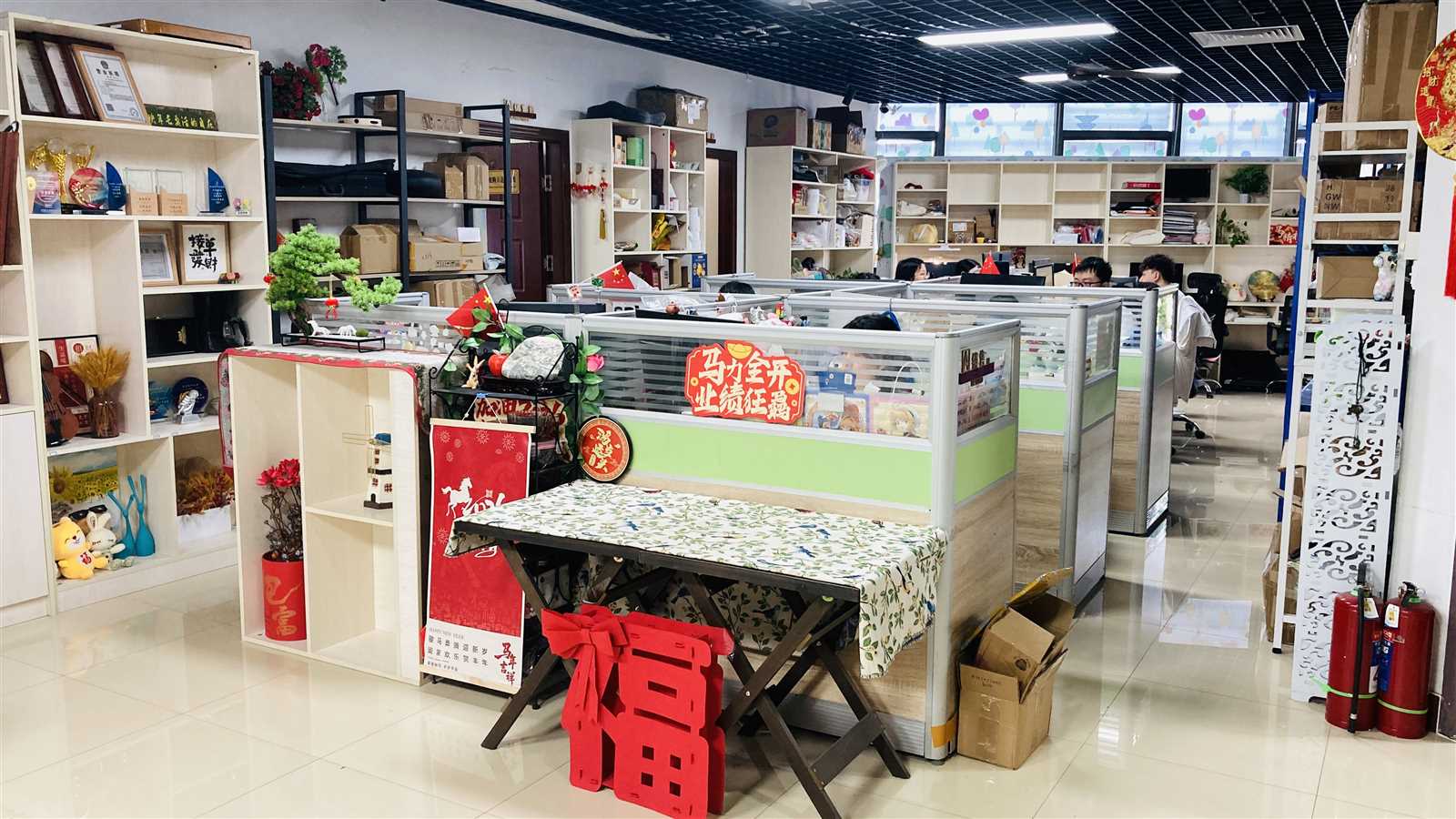
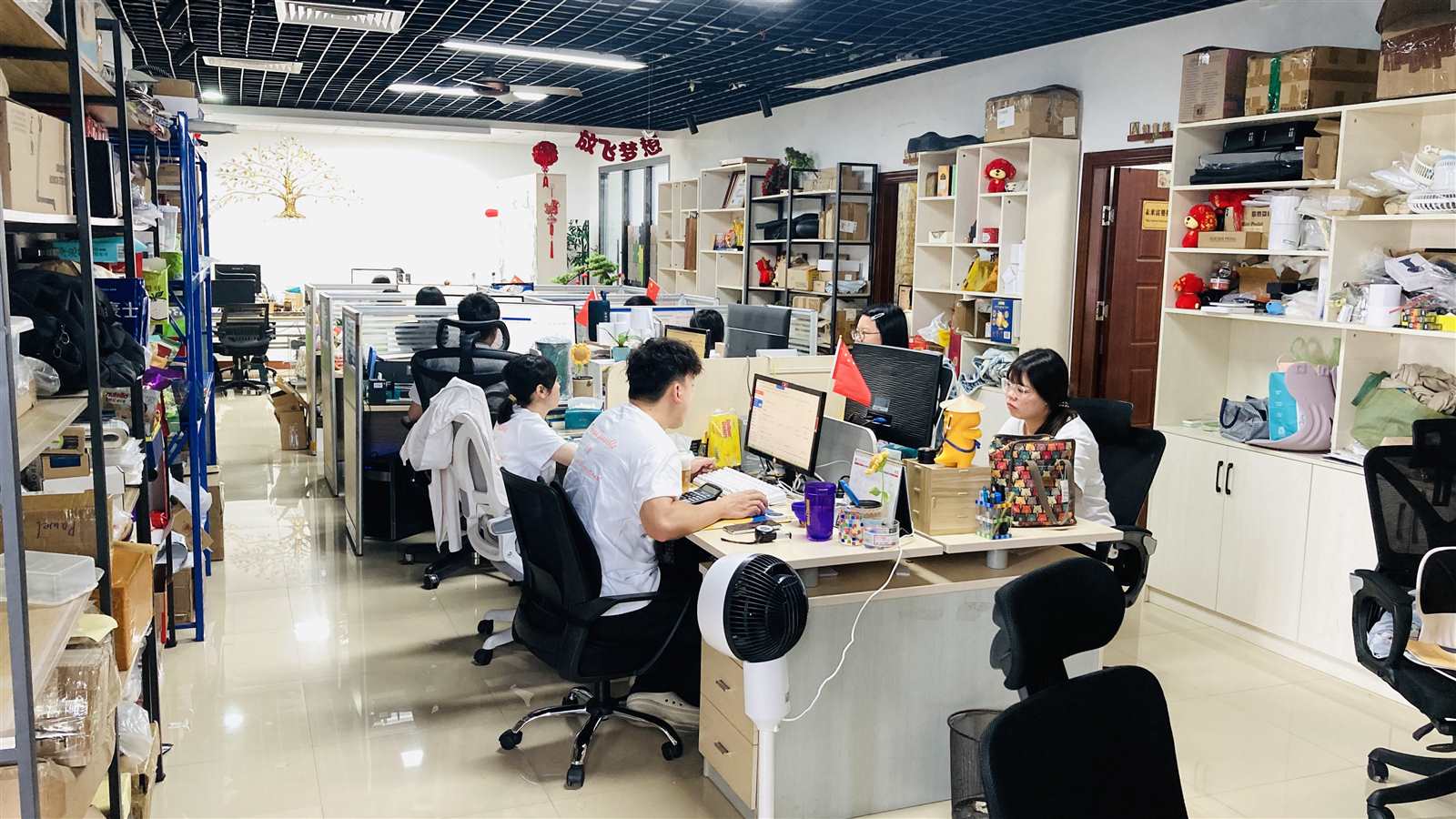
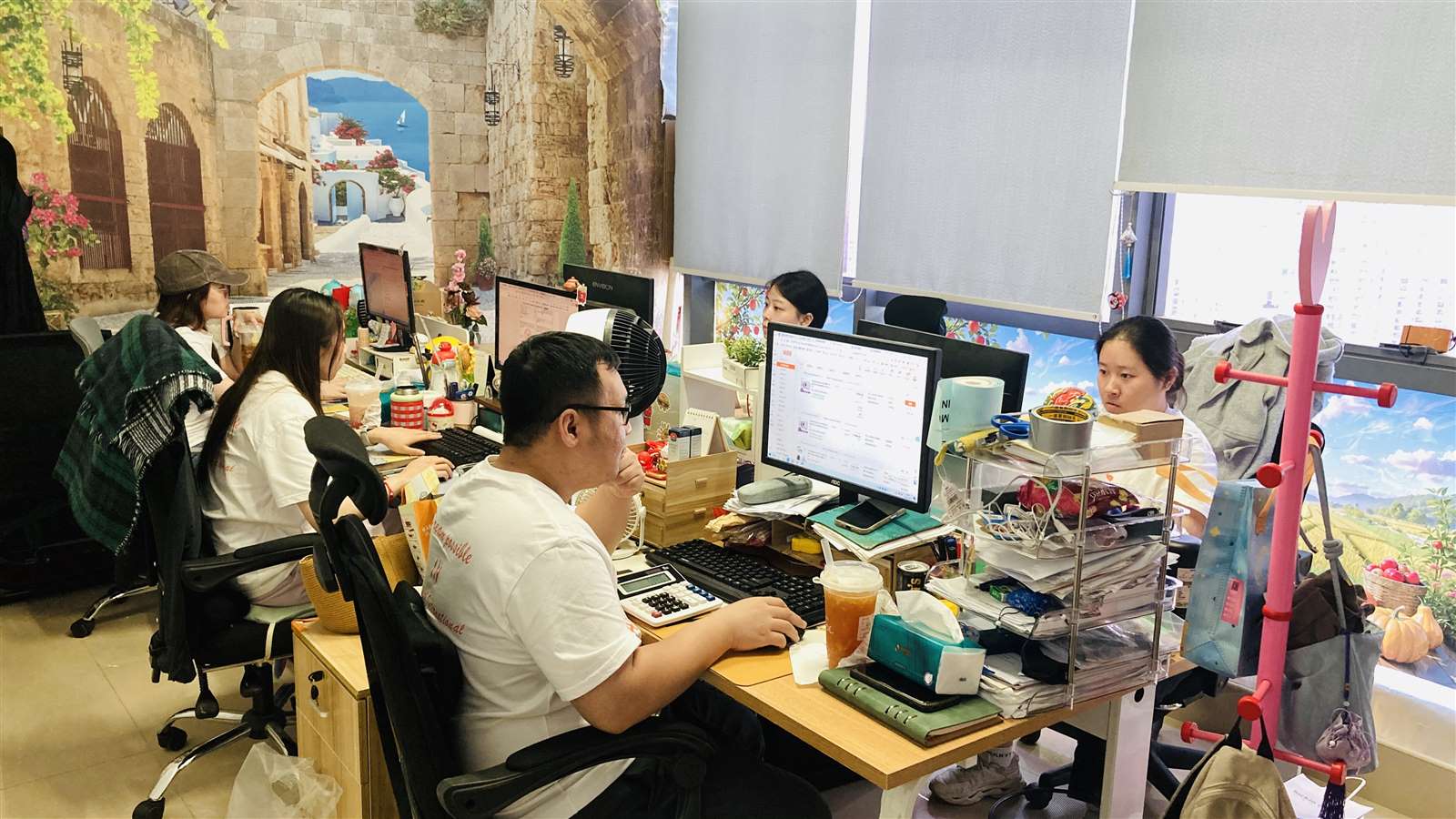
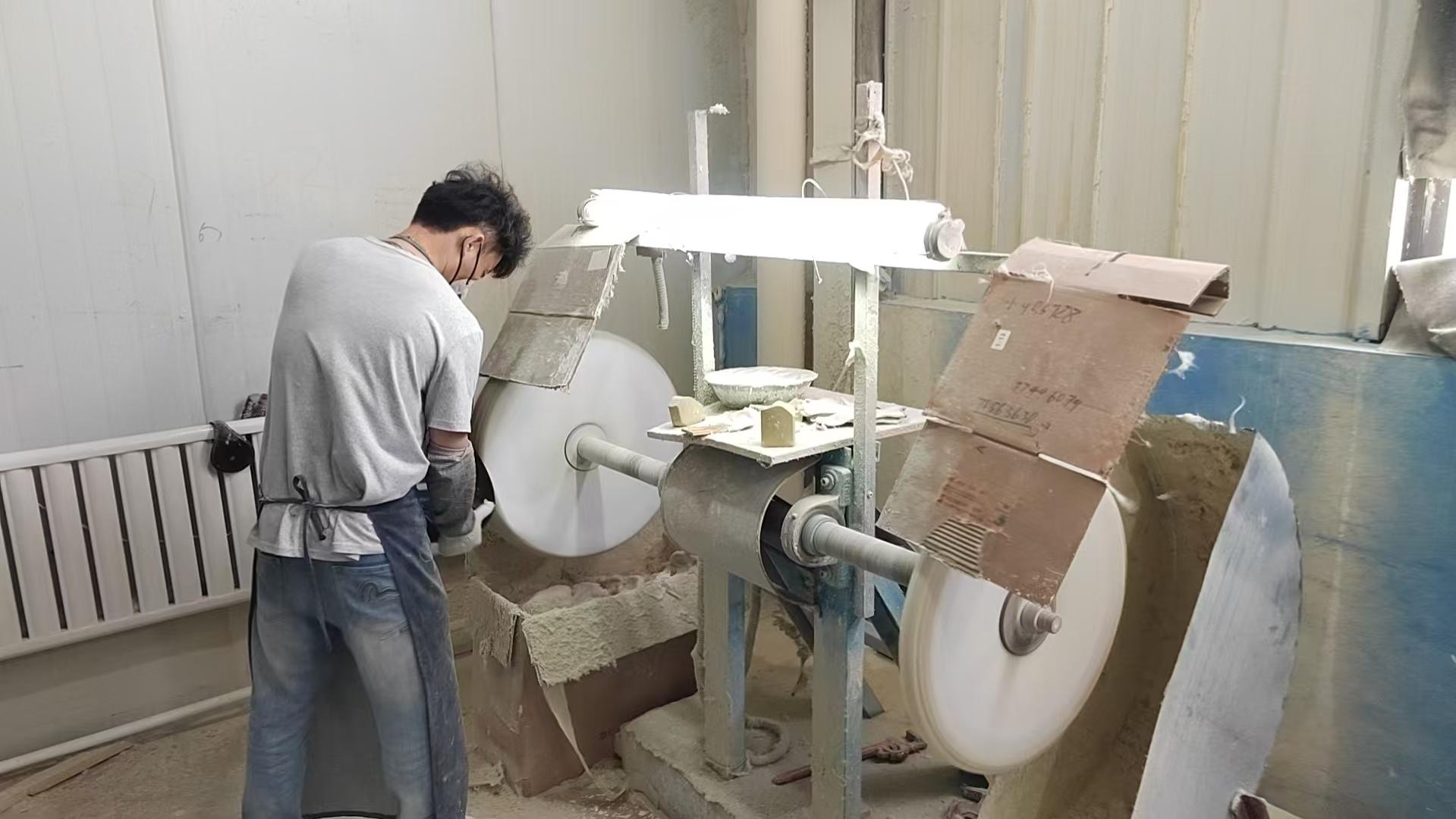
 Intertek onsite assessment
Verified premises and supplier capabilities
Common Questions About Melodica Factories, Wholesalers and Import Orders
These are the questions Hamburg importers, music retailers and school suppliers ask most often when comparing a Chinese musical-instrument partner.
What should a Hamburg buyer verify before ordering melodicas from a factory?
Verify the key count, musical range, reed-plate material, mouthpiece quality, air-tightness and key return. Ask for a sample, an inspection checklist and packaging details. If the melodica will be sold in Germany, confirm retail text, barcodes, carton marks and any documentation your importer requires. Do not compare suppliers on price alone; compare the specification and inspection evidence behind the quotation.
Can WPI combine melodica enquiries with the other instruments shown on this page?
Yes. The product cards above show the broader multi-category range that WPI supports, including violins, synthesizers, wireless audio products, cables, cleaning accessories and drum sets. Hamburg buyers can discuss mixed orders, consolidated shipping and category-level MOQs with one account manager rather than opening multiple supplier files.
What MOQ applies to melodica or school-instrument orders?
Many instruments can be sampled from one piece. Typical wholesale MOQs are two to ten pieces per instrument model, while strings and small accessories may require twenty to six hundred sets. For melodica-specific models, confirm the exact MOQ against the selected key count, colour, packaging and logo requirement.
How should Hamburg buyers plan shipping and delivery terms?
Common options include FOB, CIF, DDP and express delivery. FOB gives the buyer more control over the freight forwarder; DDP can simplify the landed-cost calculation but must be quoted carefully. For mixed orders, confirm carton dimensions, pallet configuration, label placement and whether the supplier can consolidate product categories before container sealing.
How do you handle Hamburg’s climate and storage conditions?
Hamburg’s maritime climate makes moisture control relevant for mouth-blown instruments and wood products. Ask for protective packaging, desiccant where appropriate, clear care instructions and spare parts such as mouthpieces or cleaning tools. Retailers should also discuss how products will be stored before sale, especially if cartons remain in a warehouse for several weeks.
Which products should a new Hamburg retailer test first?
A practical first order usually combines a beginner melodica model, one step-up violin or student instrument, a portable synthesizer, a wireless microphone and essential accessories. This gives the retailer several price points without excessive inventory. Use sell-through data to decide whether to scale melodica key counts, colours, bundles or complementary live-sound products next.
Source Melodicas and Mixed Instruments with Fewer Surprises
Share your target key count, packaging language, estimated quantity, logo requirement and preferred delivery term. Our team will recommend a practical model mix and outline the sampling, inspection and shipping steps for Hamburg.
Get CatalogEmail: info@wpimusic.com · Huizhou, Guangdong, China · Serving North America, Western Europe, Southeast Asia and South America