Instrument Cable Factories & Supplier in the United States Market
A practical buying guide for US distributors, music retailers, schools, integrators, houses of worship and private-label brands comparing cable quality, factory evidence, documentation, mixed-order supply and sell-through support.
8 Sell-Through Products for US Cable and Accessory Buyers
The products below are strong bundle candidates for US music stores, online sellers, schools and content-creation channels. They help build a complete accessory basket around cable programmes without relying on one SKU.
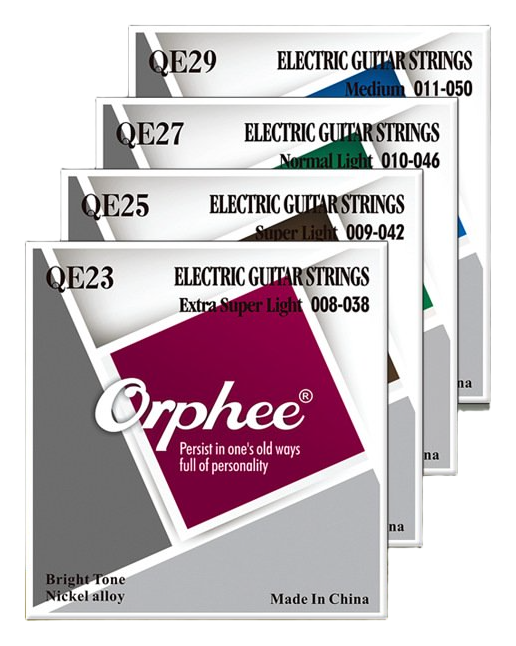
Wholesale Coated Nickel Core Electric Guitar String Set
A consumable with high reorder potential. Pair with instrument cables, picks, tuners and gig bags for starter kits, retail displays and online bundles.
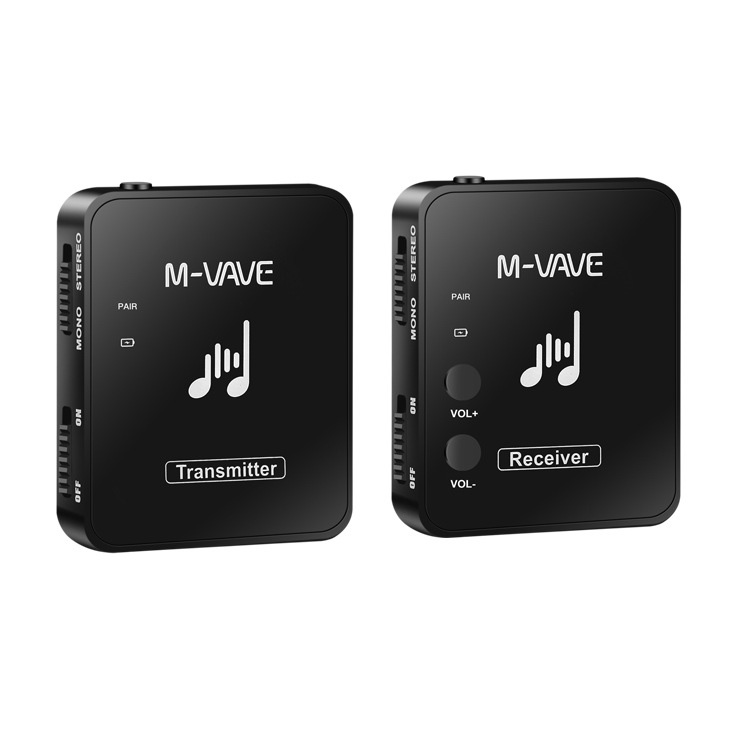
Wireless in Ear Monitor System Transmitter Receiver Mono Stereo Earback Set Guitar System
A practical upsell for performers and rehearsal rooms. Sell it with a clear cable-backup note because RF conditions and venue layouts vary.
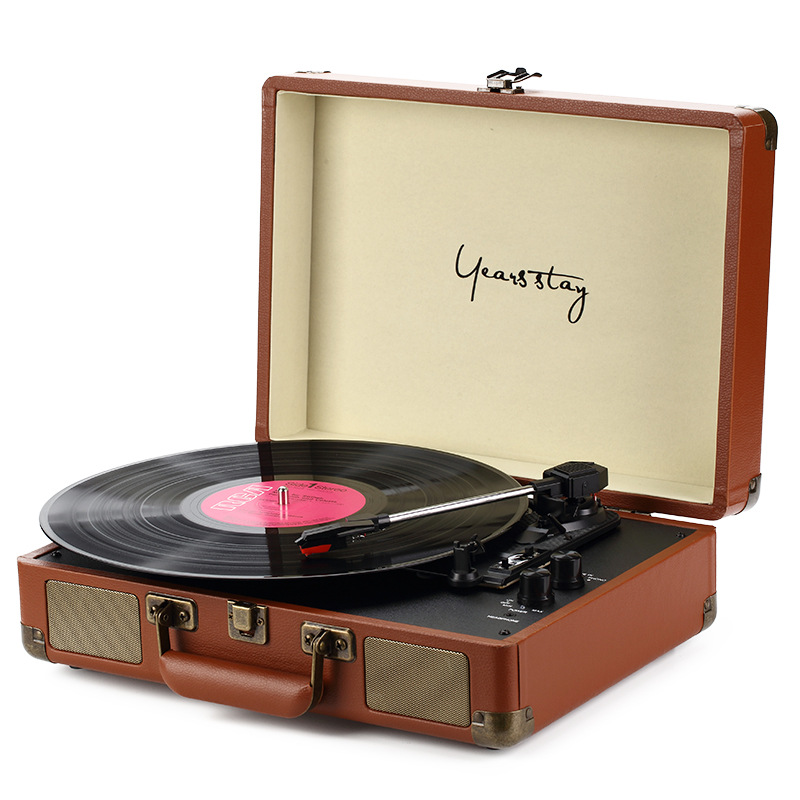
Portable Mini Phonograph Desktop Vinyl Record Player Handheld Wireless for Speaker Turntable
A gift-friendly lifestyle item for home audio shelves and boutique retail. Pair with the correct aux, RCA or speaker accessories after confirming the interface.
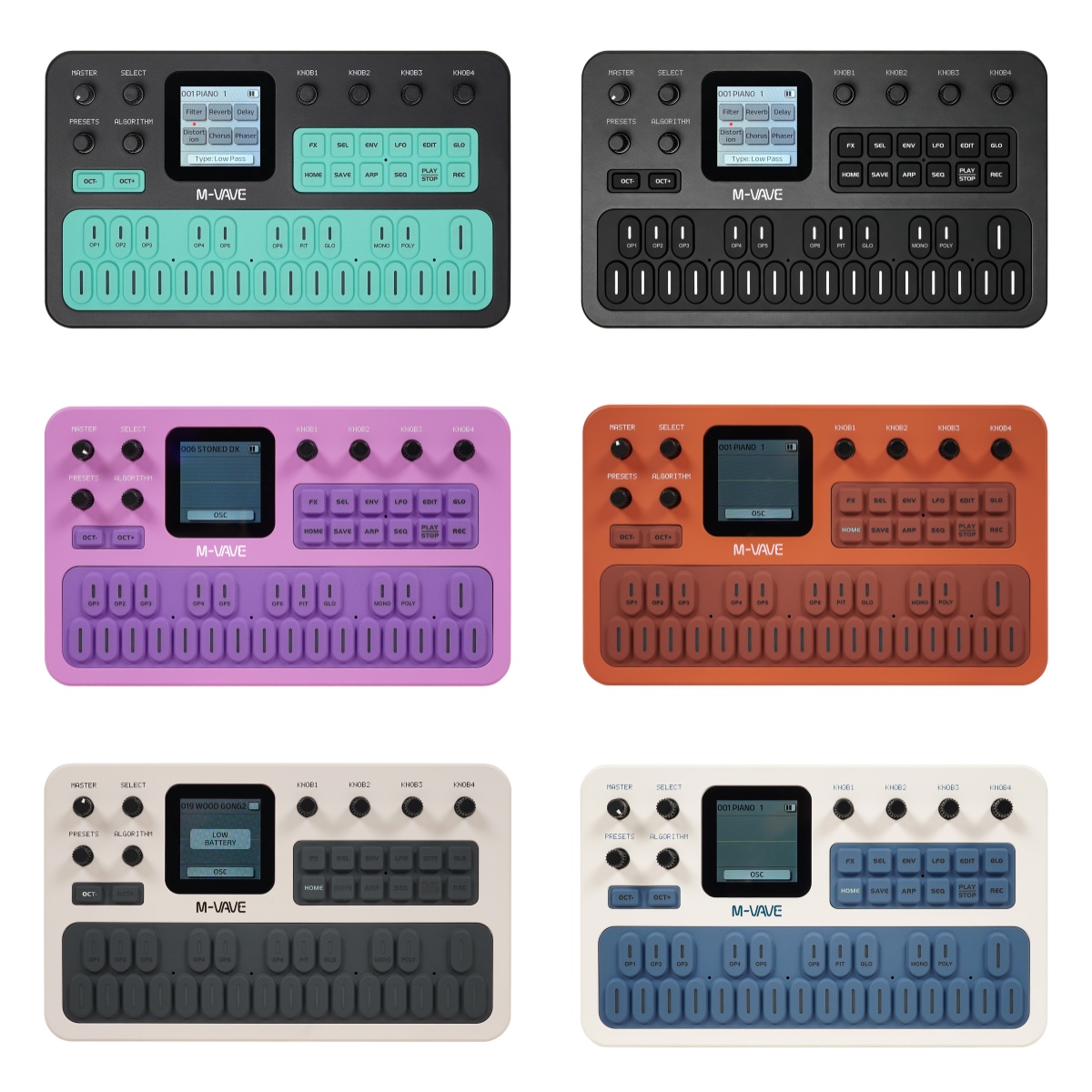
M VAVE Mini FM 1 Synthesizer 27 Keys 3 Channel 12h Battery Built in Speakers for Outdoor Music Production and Pocket Effect
Portable music-production and outdoor performance product. Add TRS/TS cables, headphones and power accessories after checking each input and output.
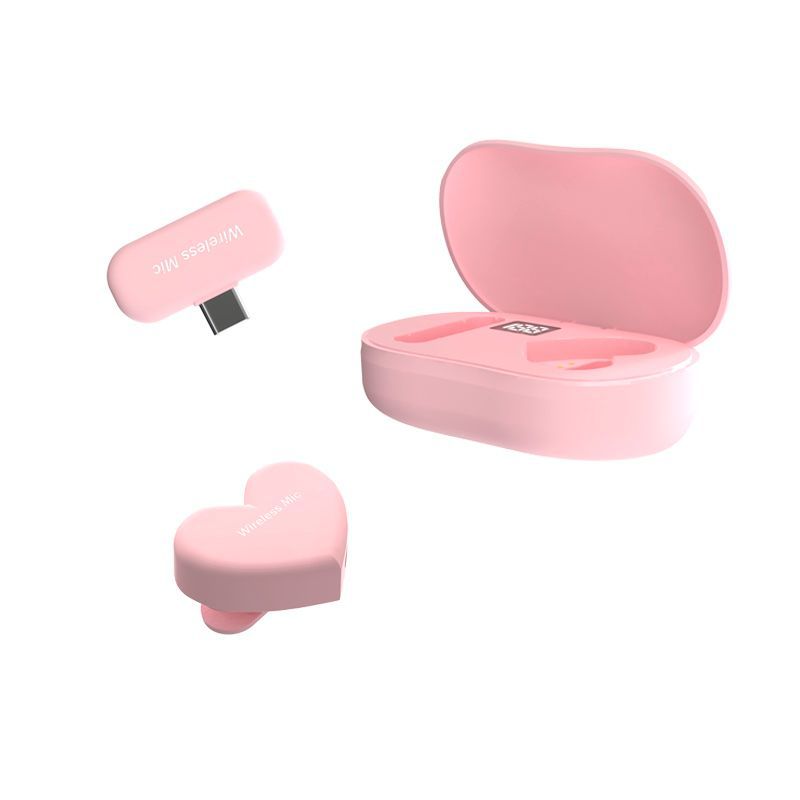
Stylish Pink Heart Wireless Mic with Clip Magnet Excellent for Vlog Recording on Mobile Compact Charging Case Portable Mic
A short-form video and creator item. Bundle with phone adapters, charging accessories and small lighting; confirm iOS and Android compatibility for US buyers.
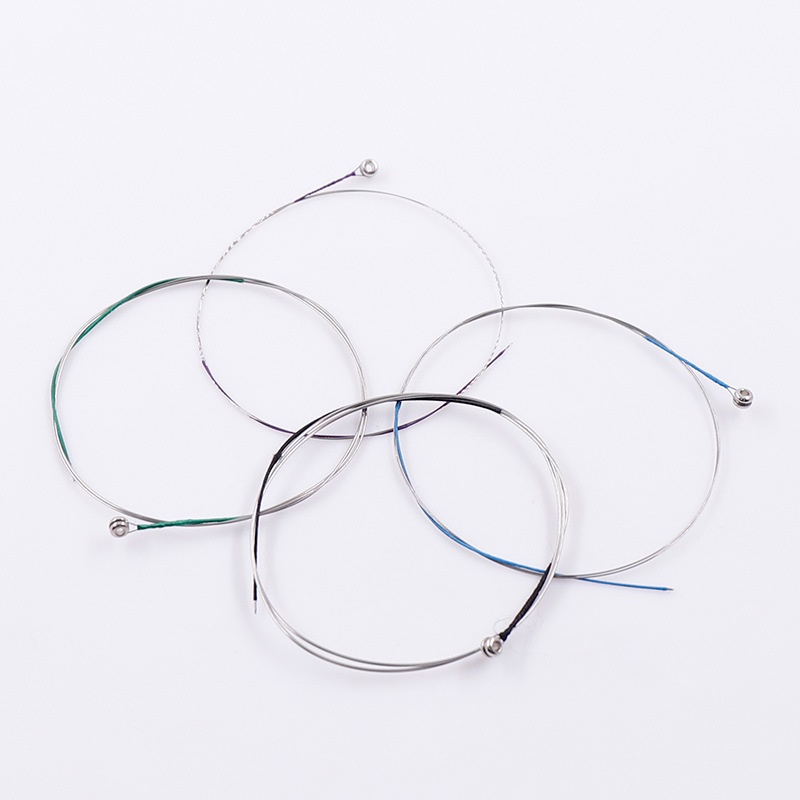
Silver Steel Violin Strings Loose Set for Classical Guitar Wholesale Guitar Parts Accessories
A replenishment item for music education and repair channels. Combine with rosin, cases and care kits, and state the exact instrument fit clearly on the SKU.
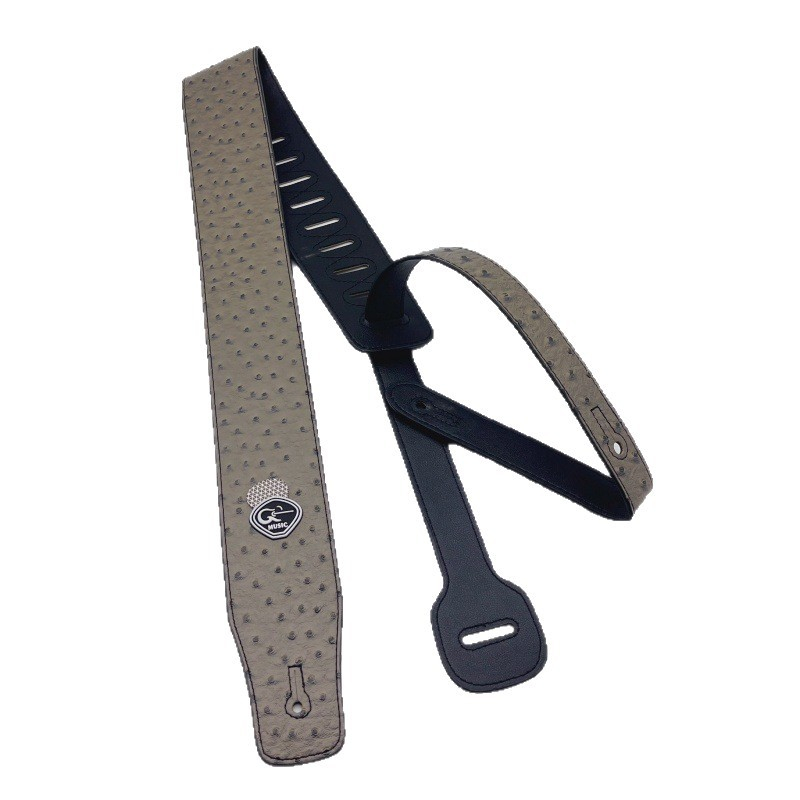
Genuine Leather Guitar Strap, Wide Wear-resistant Shoulder Strap, Dual-use Strap for Acoustic & Electric Guitar Wholesale
A margin-rich accessory that travels well with strings and cable orders. Offer logo embossing, multi-pack options and retail-ready packaging for music stores.
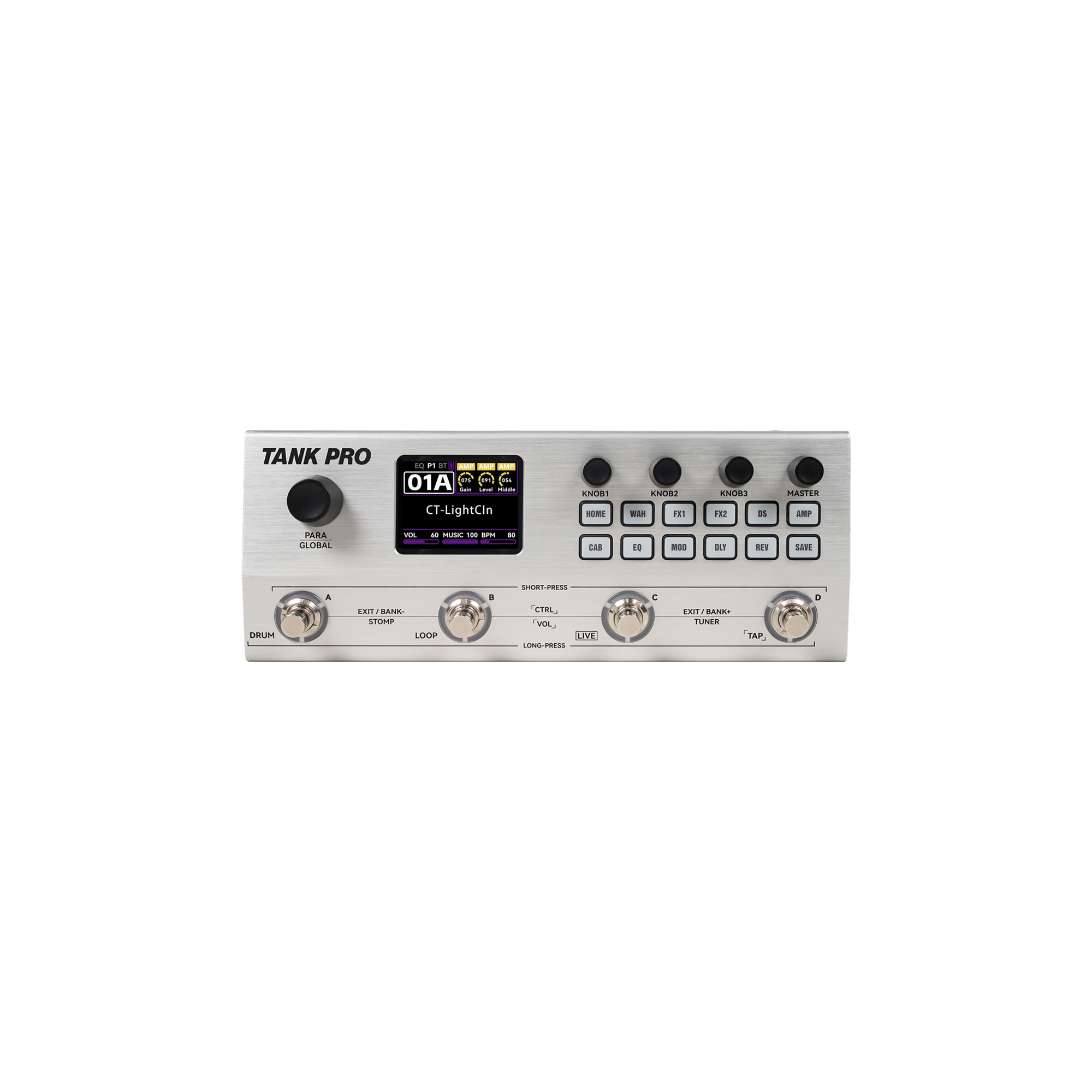
Tank Pro Metal Guitar Multi Effects Processor with ANN Third-Party IR Loading OTG Internal Recording
An effects and recording product for creators and guitar retailers. Pair with cables, power supplies and headphones, and supply a simple quick-start sheet to reduce support tickets.
All product URLs above are preserved from the source catalog. For cable-specific specifications, custom lengths, connector options and packaging quotations, use the inquiry button on this page.
What US Buyers Should Compare Before Choosing an Instrument Cable Factory
The United States is not one market for instrument cable. A touring sound company in Tennessee, a school district in California, a church in Texas and a home-studio creator in New York may all buy 1/4-inch cables, but they experience failures differently.
Instrument cables look simple: conductor, dielectric, shield, jacket, connectors and solder joints. At purchasing scale, however, the difference between a low-return cable programme and a support-heavy one usually comes from process evidence. Buyers should ask how the factory verifies incoming copper, how much shield coverage is specified, how connector tolerances are controlled, how strain relief is tested, whether continuity and short checks are performed, and how finished goods are labelled and packed.
A factory that cannot show process evidence is not automatically a bad factory; it is simply an unproven one. For US importers, supplier verification should separate three roles: who owns the factory, who assembles the finished cable, and who is accountable for the purchase order. A trading company can be a legitimate supplier if it can map the factory, control inspection and consolidate mixed categories. The risk rises when those roles are unclear.
WPI International Trade Co., Ltd. (Huizhou) approaches this from a multi-category supply position. WPI is an Intertek-assessed trading company and multispecialty musical instrument supplier, not a single cable mill. That distinction matters for E-E-A-T transparency. The relevant value for US buyers is consolidated sourcing: cable programmes can be discussed alongside strings, wireless systems, straps, multi-effects and other accessories that move through the same retail, education and creator channels.
This white paper uses a practical lens: can the supplier prove the process, document the SKU, and keep mixed orders moving? Price matters, but landed cost includes returns, replacement shipments, support time and the cost of discovering a specification error after the container arrives. For US buyers, the strongest cable supplier is often the one that makes the specification boring, repeatable and auditable.
Four US Buying Signals
Where Instrument Cables and Accessory Bundles Win in the US Market
Different US sales channels create different cable specifications. The application should define the cable, not the other way around.
Live Performance & Touring
Cable failures often appear at connectors and solder joints after repeated coiling. Touring suppliers need consistent lengths, clear labels, right-angle options for pedalboards and a documented test routine. Sell spare cables rather than only one cable per order.
Schools & Houses of Worship
Education and worship buyers value predictable replacement, colour coding and low-hum performance. Standardise common 10 ft and 20 ft lengths, label by room, and keep a repair-or-replace policy. Packaging clarity and material documentation help procurement approval.
Recording & Content Creation
Home studios and creators use short patch cables, balanced TRS lines, XLR microphone cables and instrument cables. Low-noise shielding and connector quality reduce rework. Bundle with the Tank Pro, mini synth and wireless mic to build creator kits.
Retail, Rental & E-commerce
US online buyers scan for length, connector type, warranty and use case. Product images should show both connectors and strain relief. Retailers benefit from sell-ready polybags, barcodes, hang tags and mixed master cartons that reduce warehouse labour.
Trends Reshaping Instrument Cable and Accessory Sourcing
US buyers are not simply switching suppliers. They are changing order size, documentation expectations and the way cable is bundled with instruments and creator gear.
Finished Assemblies Over Bulk Reels
More US sellers buy sell-ready 10 ft and 20 ft cables with packaging and barcodes, then hold a smaller number of bulk reels for repairs. Assembly, labelling and retail packaging now count as much as raw cable price.
Hybrid Wireless + Wired Systems
Wireless in-ear monitors and microphones are growing, but cable remains the fallback. Offer bundles with a backup instrument cable and clear guidance. For wireless products, US buyers should request FCC documentation and confirm the exact frequency band.
Documentation-Led Procurement
Procurement teams ask for RoHS/REACH declarations, test reports, packaging specifications and, where relevant, California Proposition 65 support. A supplier that organises documents by SKU shortens the approval cycle for US channels.
Micro-Bundles and Mixed Containers
Instead of one-container, one-category orders, US importers test micro-bundles: strings + cables + straps + a small effects unit. Multi-category suppliers reduce the number of purchase orders and consolidate inspection. This is where WPI’s low-MOQ, mixed-category model fits.
A Practical 100-Point Scorecard for US Buyers
Use this framework to compare instrument cable factories, assemblers and multi-category suppliers. The weights are a starting point, not a universal rule; adjust them for touring, education, retail or installation buyers.
Cable Specification Matrix
| Cable Type | Typical Build | Verification Focus |
|---|---|---|
| Guitar / instrument cable | 1/4 in TS, stranded copper conductor, braided or spiral shield, flexible jacket, 10–20 ft | Continuity, short test, connector pull strength, capacitance if specified, coiling memory and label accuracy |
| Patch cable | 1/4 in TS or TRS, short 6–12 in lengths, low-profile connectors | Pedalboard clearance, strain relief, repeated plug-in durability and colour/length consistency |
| Balanced line | TRS or XLR, twisted pair with shield, appropriate connector plating | Pinout, noise rejection, solder joints, connector lock and documentation for the exact assembly |
| Speaker cable | Unshielded two-core cable, correct gauge for the run | Do not substitute instrument cable for speaker runs; verify conductor gauge, connector type and power handling requirements |
100-Point Supplier Scorecard
Run a continuity test, a short test, a pull test at the connector, a coiling test and a packaging check. Ask who solders or moulds the connector, what test is performed and how failed units are handled. Before the PO, spell out the Incoterm, packaging expectation and spare-parts policy.
Why WPI Fits a US Multi-Category Cable and Instrument Program
WPI International Trade Co., Ltd. (Huizhou) has exported musical instruments since June 2010 and established its Huizhou, Guangdong operation in 2014. A 28-person team, with 22 in trading and export roles, supports importers, distributors, retailers and schools.
Intertek-Assessed Accountability
WPI has been onsite assessed by Intertek. Finished-product inspection can cover appearance, hardware, playability and packaging, giving US buyers a documented checkpoint before shipment.
One-Stop Musical Instrument Supply
The catalog spans acoustic and electric guitars, ukuleles, violins, cellos, saxophones, clarinets, drums, keyboards and accessories. Mix cable-adjacent accessories with instruments to reduce supplier count.
Low-MOQ OEM / ODM
Many instruments can be sampled from 1 piece, with typical wholesale MOQs of 2–10 pieces per model and 20–600 sets for small accessories. Customization includes logo, packaging, graphics, sample-based and full customization.
Responsive Export Communication
Assessed data shows a 97.73% inquiry response rate, 952 orders shipped in six months and a 4.6/5 average buyer rating. A named account manager follows quotation, sampling, inspection and after-sales communication.
Evidence, Not Just Promises
WPI is a trading company and multispecialty supplier with annual sales of US$9,000,000 assessed. Its main markets include North America, Western Europe, Southeast Asia and South America. For US buyers, that operating rhythm matters because a cable programme is not only a factory problem; it is a communication, documentation and shipment-consolidation problem.
Quality control is supported by finished-product inspection before delivery. Depending on the order, checks can cover appearance, hardware, tuning stability and packaging. Customization capabilities assessed by a third party include sample-based customization, minor customization such as logo and packaging, design-based customization and full customization.
 Onsite Check Evidence Available
US Buyer Diligence Pack
Before approving a cable or accessory order, request the exact factory map, the assembly partner, test records, packaging specification and the latest assessment materials. WPI can share company, trade-capacity, assessment and transaction information so US buyers can verify the business before a purchase order.
Email: info@wpimusic.com
Location: 2313, Saige Building, Huizhou, Guangdong, China
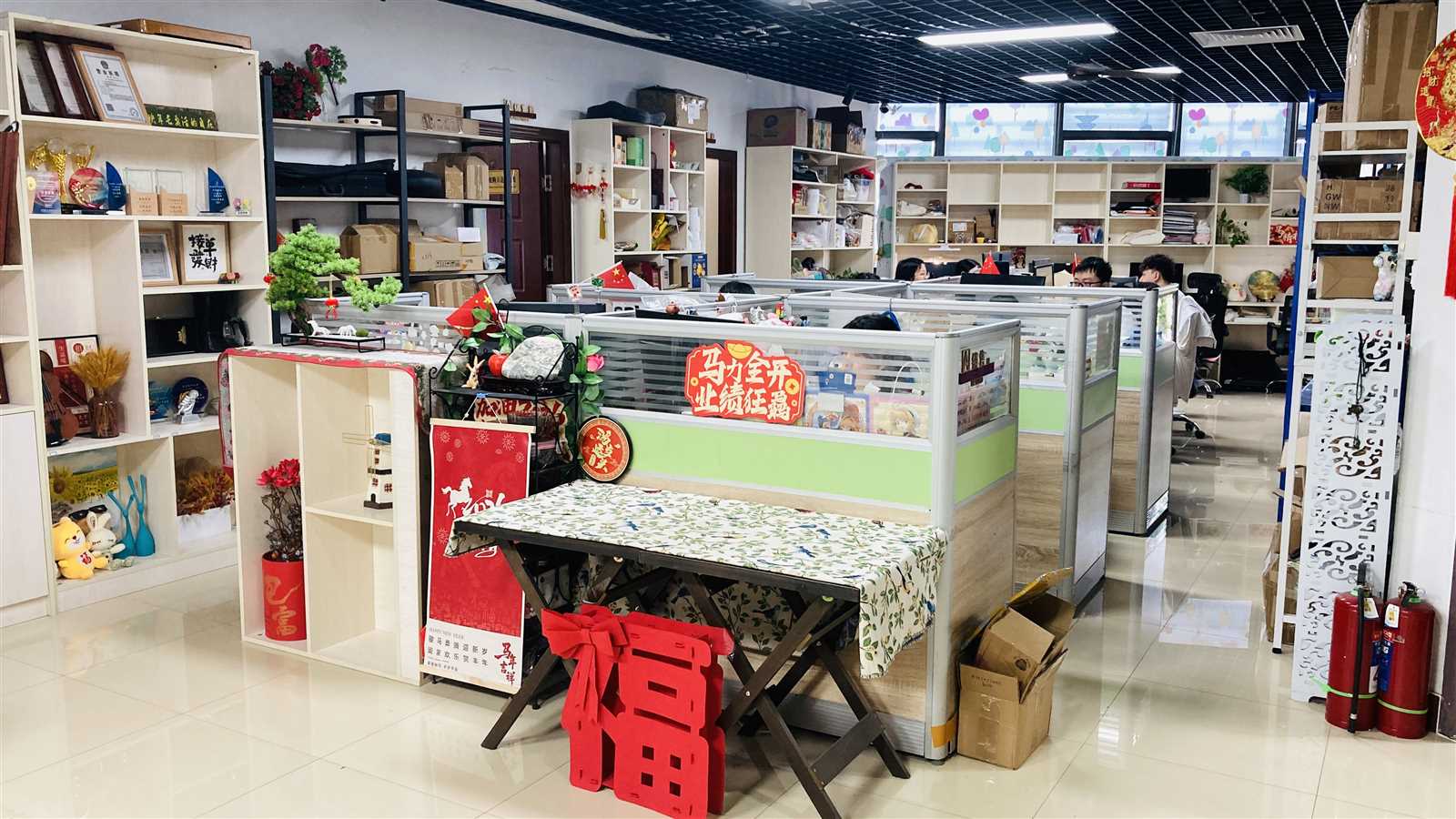 Showroom and product display
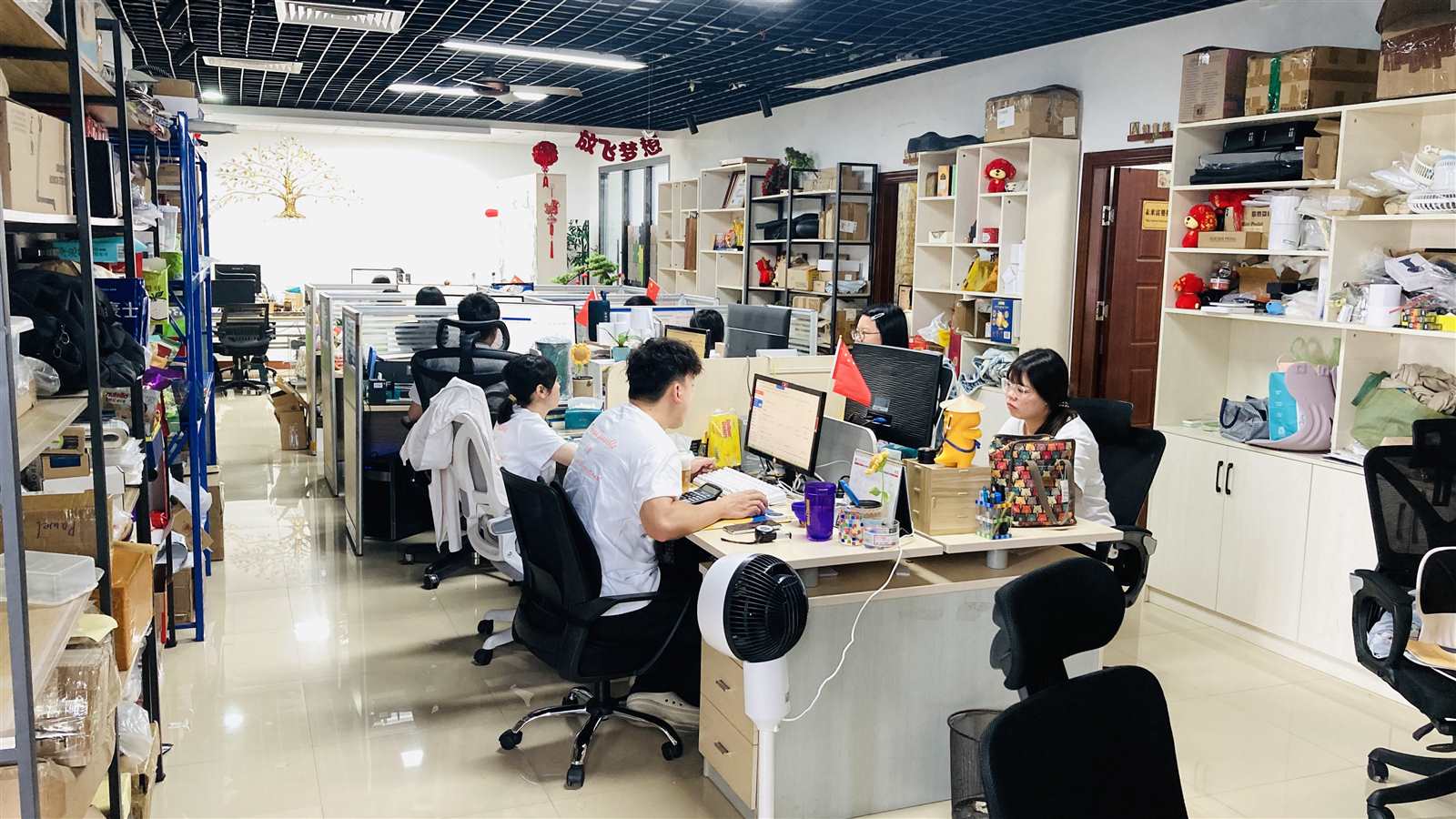 Warehouse and export preparation
 Export support team
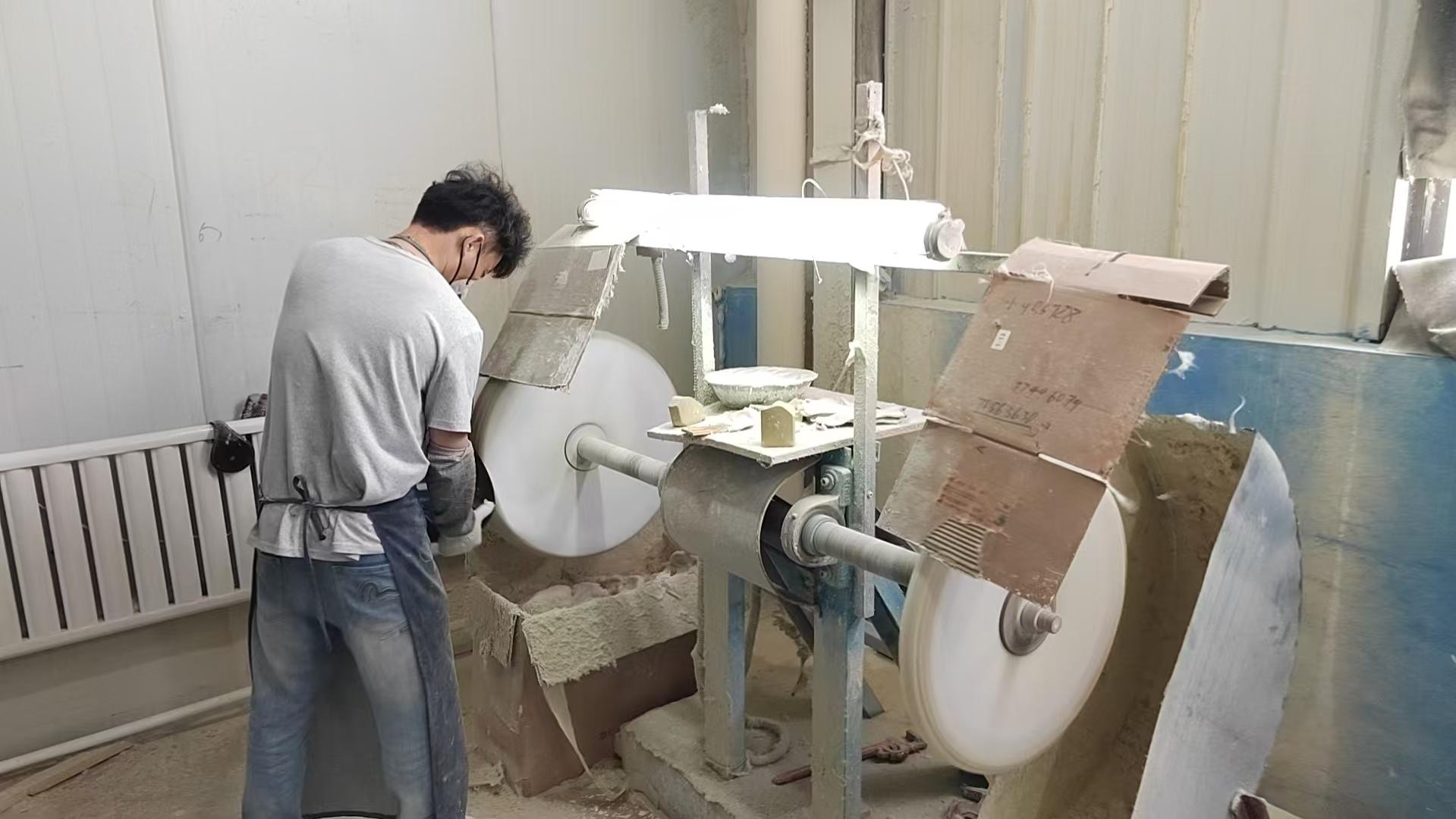 Product inspection workflow
Terms, Quality Control and US Buyer Diligence
Use the quotation as the source of truth. The list below reflects WPI’s published capability, but the final Incoterm, inspection plan and document set should be agreed in writing for each order.
Trade Terms at a Glance
- Accepted Payment Methods
- T/T, L/C, D/P, D/A, MoneyGram, credit card, PayPal, Western Union, cash and escrow.
- Accepted Delivery Terms
- FOB, CFR, CIF, EXW, FAS, CIP, FCA, CPT, DEQ, DDP, DDU, DAF, DES and express delivery.
- Payment Currencies
- USD, EUR, JPY, CAD, AUD, HKD, GBP, CNY and CHF.
- Typical MOQ
- From 1 piece for sampling on many models; 2–10 pieces per instrument model; 20–600 sets for strings and small accessories.
- Main Markets
- North America, Western Europe, Southeast Asia and South America.
Pre-Order Checklist for US Importers
1. Verify the entity: match the business licence, company name and bank beneficiary before payment.
2. Map the factory: ask who owns the factory, who assembles the finished cable and who performs final inspection.
3. Test the exact SKU: request continuity, short, pull, coiling and packaging checks for the approved sample.
4. Confirm documents: organise RoHS/REACH declarations, material reports, Proposition 65 support where applicable and FCC documentation for wireless products.
5. Protect the shipment: agree on sampling/AQL, carton marks, barcode format, spare-parts policy and the chosen Incoterm before production.
Instrument Cable Factories and Supplier Questions
Direct answers for US importers comparing factories, trading companies and multi-category musical instrument suppliers.
What is the minimum order quantity for instrument cables and accessories?
WPI’s published model allows sampling from 1 piece for many instruments, with typical wholesale MOQs of 2–10 pieces per model and 20–600 sets for strings and small accessories. Cable MOQs depend on the actual cable factory, length, connector and packaging. Ask for a written quotation before assuming a MOQ.
Can WPI customise cable lengths, connectors and packaging?
WPI’s assessed customization capabilities include sample-based customization, minor customization such as logo and packaging, design-based customization and full customization. For cable-specific specifications, the sourcing team must confirm the actual assembly partner, conductor, shield, jacket and connector. Do not approve a custom cable without a golden sample and test record.
How do I verify an instrument cable factory for the US market?
Separate three questions: who owns the factory, who assembles the finished cable, and who is accountable for the purchase order. Request the business licence, factory audit or onsite video, photos of the assembly line, continuity and short-test records, connector and wire certifications, and references. If the supplier is a trading company, ask for the factory map and QC plan.
Which specifications matter most for guitar and instrument cables?
For passive guitar cables, start with conductor gauge and strand count, capacitance, shield coverage, jacket flexibility, connector plating and strain relief. For balanced lines, use twisted-pair construction with shield and confirm TRS or XLR pinout. For speaker runs, use unshielded two-core speaker cable, not an instrument cable. Test continuity, shorts, pull strength and noise before bulk approval.
What documents should US buyers request?
Ask for RoHS/REACH declarations or test reports for the exact materials, relevant California Proposition 65 documentation, packaging material specifications and FCC documentation for wireless transmitters. For school or government tenders, request any additional purchasing documentation early. Documents must match the SKU and supplier name, not a generic catalog.
Which WPI products should be bundled with cable programmes?
The eight products on this page are practical bundle candidates: coated electric guitar strings, a wireless in-ear monitor set, a mini turntable, a portable FM synthesizer, a clip-on wireless microphone, violin or guitar strings, a leather guitar strap and the Tank Pro multi-effects processor. Combine them with the right 1/4-inch, TRS, XLR or adapter cables after confirming the interface on each product.
Ready to Build a US-Ready Cable and Accessory Programme?
Share your target channel, cable specification, packaging requirements and quantities. The team will recommend practical models, MOQ options and a consolidated sourcing plan.
Email: info@wpimusic.com