Guitar Repair Tools Manufacturers & Factory in Düsseldorf
A white-paper style guide for luthiers, repair shops, music retailers, rental fleets and school buyers who need verified factory-direct supply, low-MOQ customization and practical delivery into Düsseldorf and the wider Rhine-Ruhr market.
Eight Low-MOQ Products for Repair Benches, Retail Counters and Teaching Rooms
Placed directly below the banner, these eight live product links are preserved as supplied. They are selected as adjacent, high-utility products for a Düsseldorf music-service business: practical add-ons for repair intake, retail display, rental stock and education programs. They are not presented as substitutes for calibrated luthier files, fret gauges or precision setup tools; a repair-tool enquiry can be quoted alongside them to consolidate freight, QC and documentation.
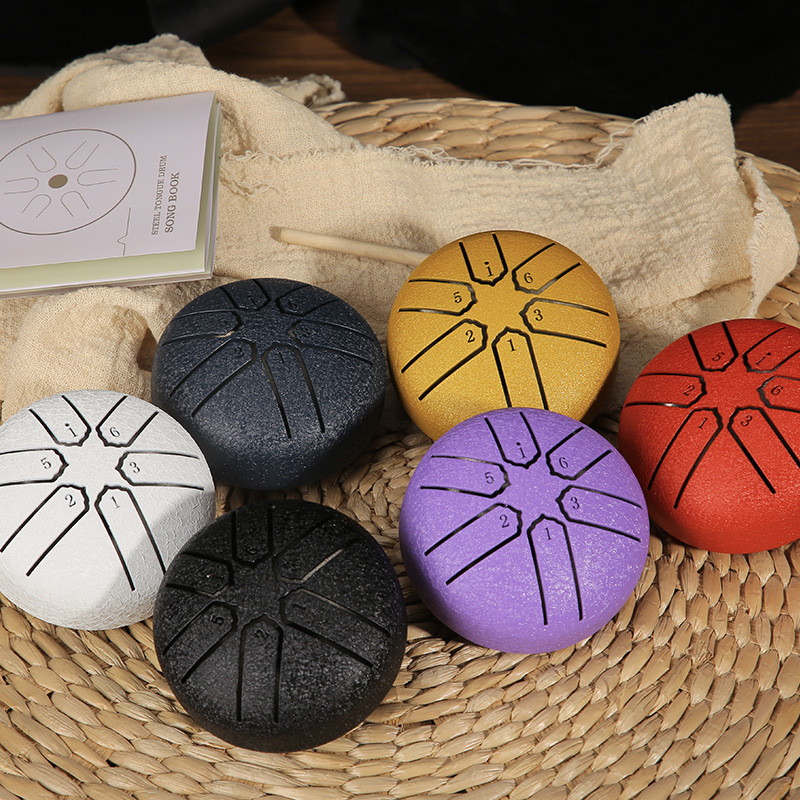
3 Inch 6 Notes Mini Steel Tongue Drum, Easy Learn Percussion Instrument, Kids Hand Drum Toy for Boys Girls Wholesale
An easy-entry percussion item for music schools, family workshops and retail therapy corners. A low-risk line to test beside repair-service signage, lesson cards or gift displays.
View product details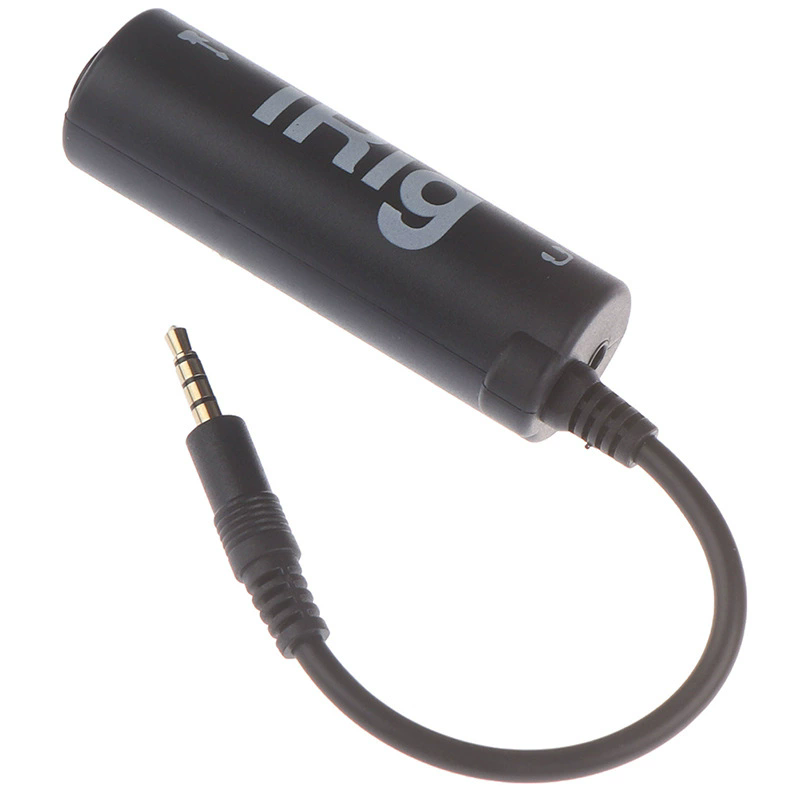
Wholesale 3.5mm Converter Guitar Bass Interface Converter Adapter for Phone Tablet Recording
Useful at repair intake and handover: plug a repaired guitar or bass into a phone or tablet to confirm output, pickup switching and obvious noise issues before the customer arrives.
View product details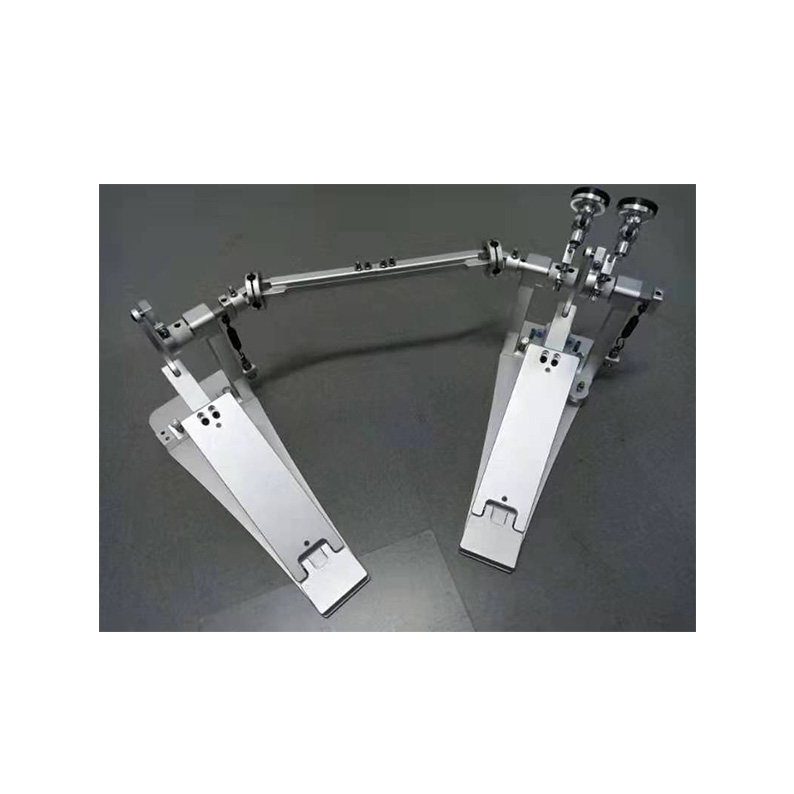
Brushed Silver Double Bass Drum Pedal Direct Drive Drum Kit Accessory
A practical component for drum-teching, rental fleets and backline suppliers serving Düsseldorf venues. Direct-drive feel and a brushed finish make it attractive to metal, rock and studio customers.
View product details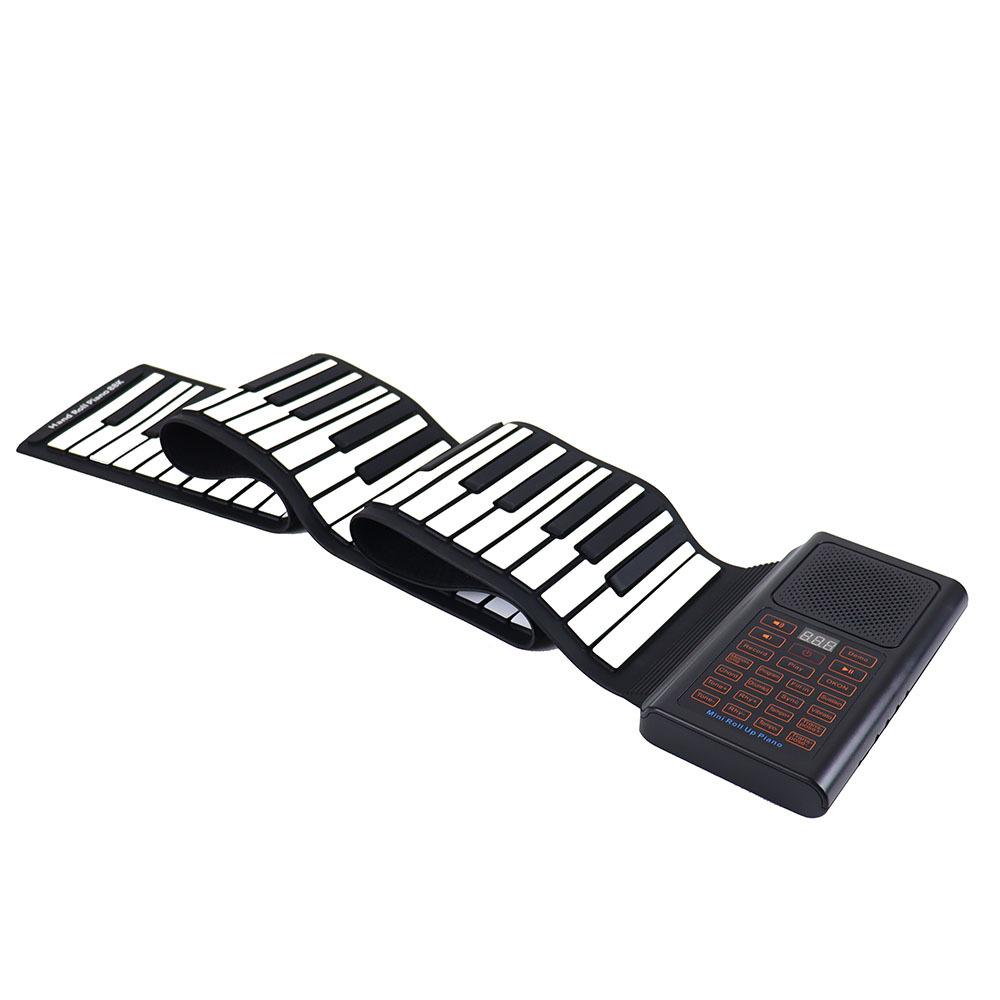
Wholesale 88-Keypad Keyboard Portable Digital Piano Foldable Entry-Level Soft Hand-Rolled Piano
A sensible option for apartment studios, pop-up teaching rooms and adult beginners in dense Düsseldorf districts. Folds away when the room returns to rehearsal, repair or retail use.
View product details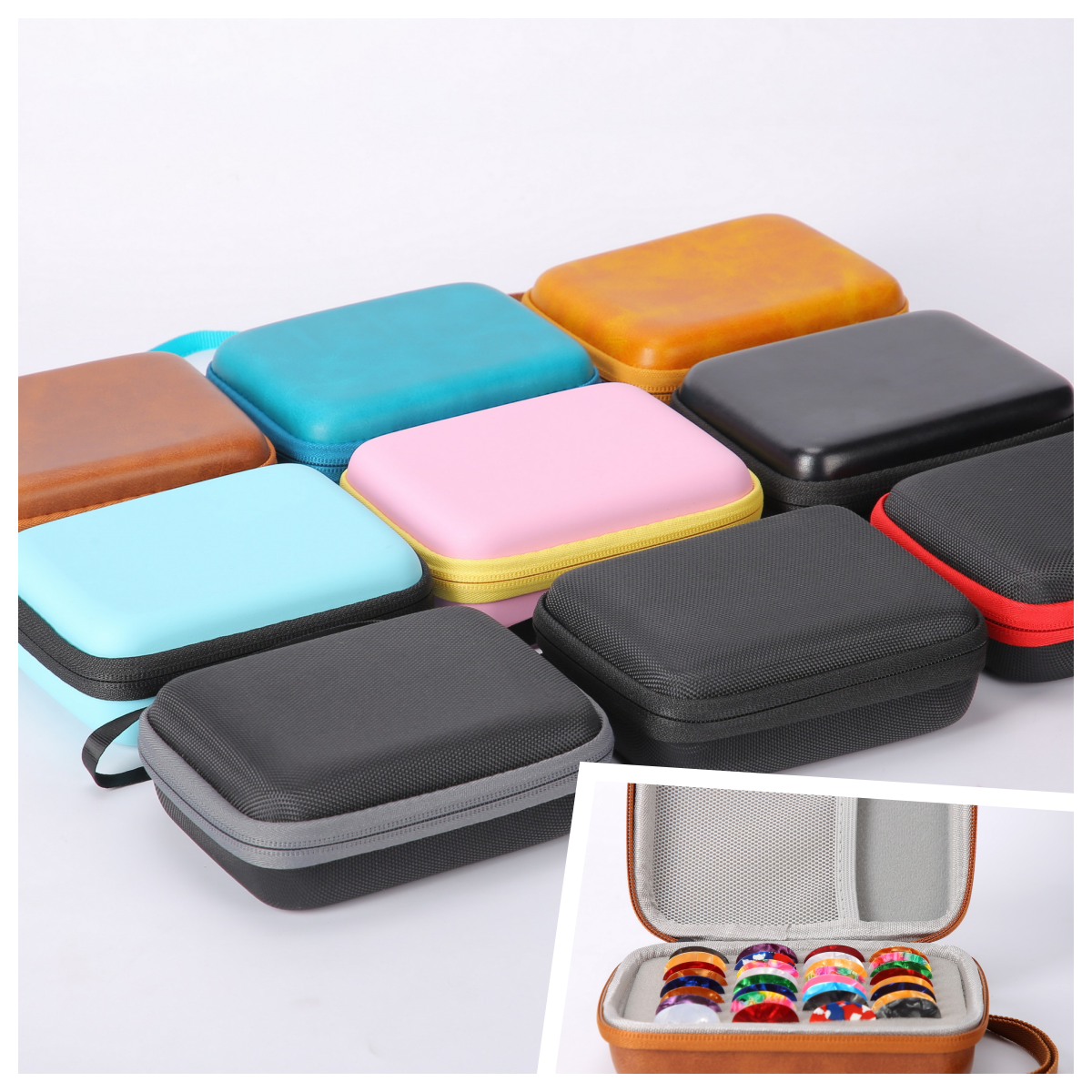
Guitar Folk Plectrum Storage Leather Case Leather PC Plectrum Bag Ukulele Plectrum Pick Case Package
A low-cost pick case that works as a checkout add-on, lesson starter gift or logo-embossed accessory. Easy to bundle with strings, straps and setup service vouchers.
View product details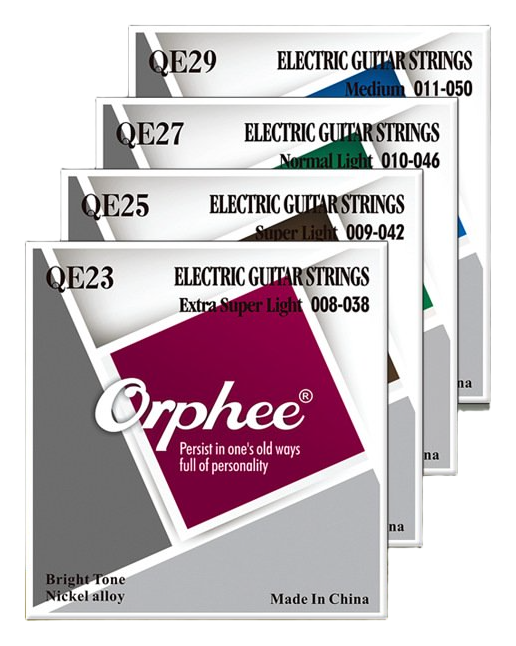
Wholesale Coated Nickel Core Electric Guitar String Set
A natural add-on to every setup, restring and repair ticket. Coated nickel-core strings support repeat purchase behavior and are easy to display near the service counter.
View product details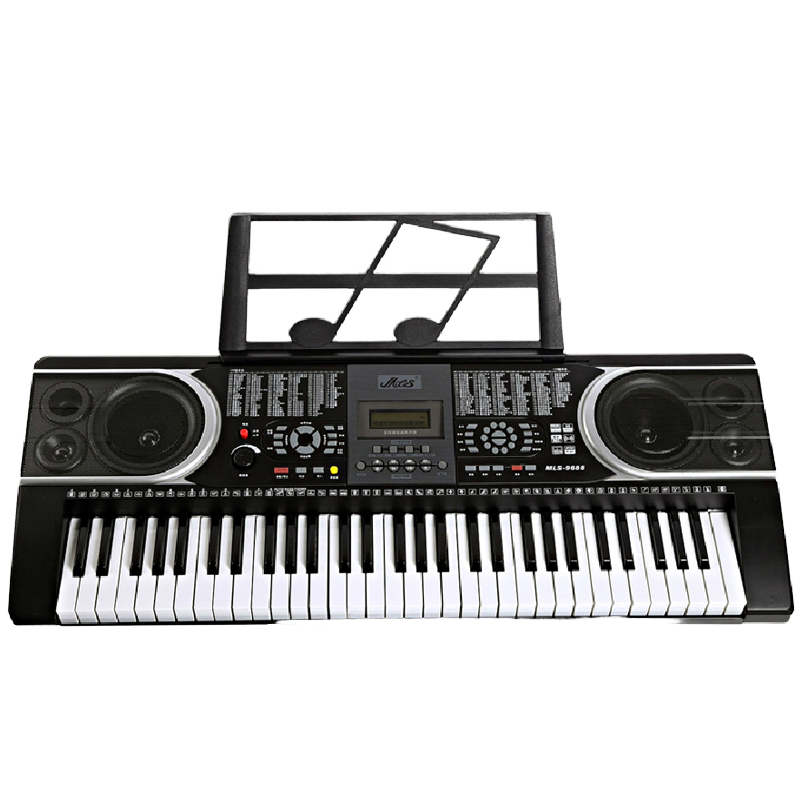
Professional Teaching Electronic Keyboard 61 Standard Keys
A 61-key format that suits group teaching, rehearsal rooms and short-term rental. A sensible bridge between beginner instruments and full-stage keyboards.
View product details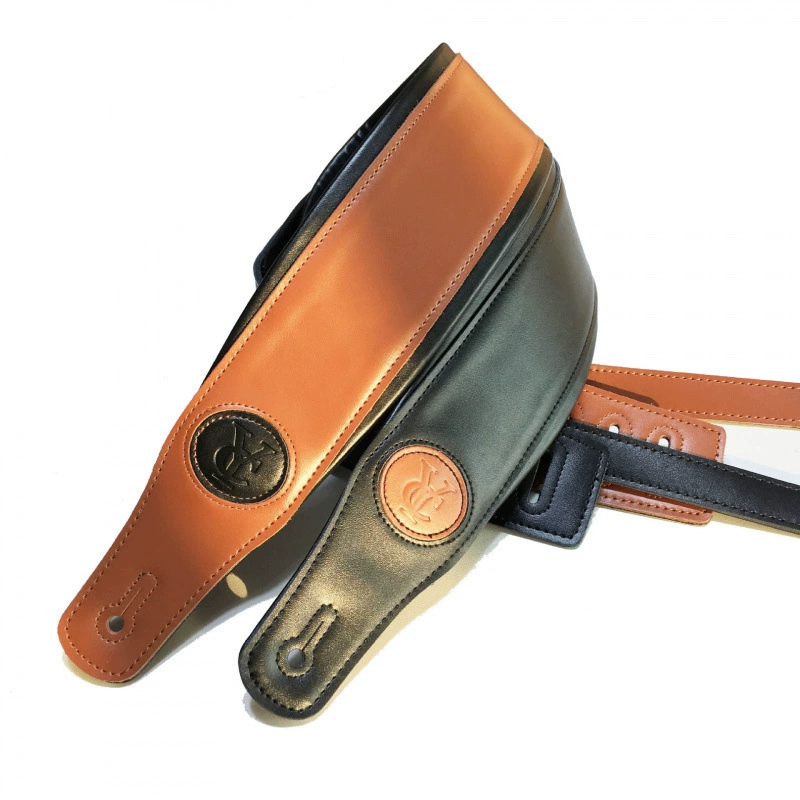
Wholesale Wide Padded Cowhide PU Leather Adjustable Soft Guitar Shoulder Strap for Acoustic Electric Bass Guitar
A comfort-led retail add-on for long rehearsals, heavy basses and lesson studios. Wide padding reduces point pressure, and the leather-look surface is suitable for shop branding.
View product detailsWhy Düsseldorf Buyers Search for a Guitar Repair Tools Manufacturer or Factory
The phrase “manufacturers & factory in Düsseldorf” usually signals a buyer who wants three things at once: direct pricing, dependable customization and a supply route that understands the local service market. The practical answer is not simply a workshop address; it is a verified supply system that combines factory-direct instruments and accessories with local repair, retail and education workflows.
Düsseldorf is the state capital of North Rhine-Westphalia and sits inside the Rhine-Ruhr metropolitan region, one of Europe’s densest cultural and commercial corridors. For a repair shop, music retailer or school buyer, that location creates a specific pattern of demand: small studios in Unterbilk, Pempelfort and Oberkassel, rental fleets serving venues, students moving between heated rooms, and retailers that need fast replenishment rather than a single large seasonal shipment.
The local climate matters more than many sourcing pages admit. Rhine-Ruhr weather and winter indoor heating create repeated humidity swings. Wooden instruments can develop fret sprout, bridge movement, sharp fret ends, truss-rod drift and tuning instability. A repair bench needs precise tools, but it also needs consumables, bench-test accessories and customer-facing add-ons that keep the service bay productive. This is where a mixed factory-direct assortment can outperform a narrow tool-only order.
What buyers actually mean by “factory in Düsseldorf”
Düsseldorf is a high-value service and distribution market, not a low-cost manufacturing zone for precision luthier files. Buyers who use the search phrase typically want a factory-direct import partner: a supplier that can quote from partner workshops, arrange samples, control quality, consolidate categories and prepare export documents. The real competitive advantage is verification and replenishment, not a misleading claim of local manufacturing.
For buyers serving the Clara-Schumann-Musikschule, Robert Schumann Hochschule, Tonhalle Düsseldorf, Capitol Theater, Mitsubishi Electric Halle and independent teaching rooms, the assortment must work across age groups and skill levels. The same is true for repair shops serving Neuss, Ratingen, Meerbusch and the wider Rhine-Ruhr area: a small, well-chosen inventory often beats a costly, slow-moving catalog.
Düsseldorf repair-shop decision weights
An illustrative planning model for a mixed assortment; it is not a statistical forecast.
Information gain for Düsseldorf buyers: pair a repair-tool order with high-turn consumables and setup accessories. This reduces the number of separate shipments and gives the shop a repeat-revenue layer beyond labor hours.| Local search intent | What the Düsseldorf business really needs | What to verify before ordering |
|---|---|---|
| “Guitar repair tools manufacturer” | A reliable source for setup tools plus consumables, bench-test accessories and retail add-ons. | Material or hardness specification where relevant, dimensional drawings, sample performance, after-sales replacement policy. |
| “Factory in Düsseldorf” | Factory-direct pricing without losing clarity on who is responsible for inspection and EU import duties. | Supplier assessment, finished-product inspection, Incoterms, EU importer details and product compliance file. |
| “Wholesale supplier for music shops” | Low-MOQ mixed orders that let a shop test new lines before committing to deep stock. | MOQ per model and color, mixed-category rules, sample lead time, carton dimensions and barcode requirements. |
| “OEM guitar accessories” | Logo, packaging and finish customization with a clear approval process. | Artwork template, material options, proofing steps, packaging compliance and whether the buyer or supplier manages EU labeling. |
How the Eight Products Fit Düsseldorf Repair, Retail, School and Venue Workflows
A product list only becomes useful when it maps to a workflow. These four scenarios translate the eight recommendations into local buying logic for Düsseldorf and the surrounding Rhine-Ruhr service economy.
Repair bench & setup intake
The 3.5mm converter allows a quick phone or tablet test of pickup output and noise before a setup is closed. Coated electric strings support the restring part of the same ticket. A pick case and wide strap give the counter a low-cost reason to start a conversation about comfort and accessories.
Retail counter & private label
For music shops in the city center or district high streets, the leather-look pick case and PU leather strap are simple logo projects. The mini tongue drum adds a gift or family item. With low-MOQ sampling, a retailer can test display placement before placing a deeper private-label order.
Schools & community programs
The 61-key teaching keyboard and the 88-key foldable piano serve different room sizes. The mini steel tongue drum is useful for rhythm, sensory and introductory music sessions. For buyers working with Düsseldorf music schools, shipping one consolidated order simplifies storage and supplier administration.
Rental, backline & stage support
Direct-drive double bass pedals are relevant to drum rental stock and venue backline. Foldable 88-key pianos help pop-up rehearsals and apartment studios. Wide padded straps reduce fatigue for long pit rehearsals and show days, making them a practical upsell for performers.
Procurement Trends Shaping the Next Repair-Tool and Accessory Assortment
Local demand is moving toward service-led retail, smaller test orders and stronger documentation. The winning assortment is not the largest catalog; it is the most controllable one.
Repair-first retail
Shops are using setup, restringing and repair services to differentiate from pure e-commerce. Tools, consumables and counter add-ons should be planned as one system.
Test-before-scale buying
Low-MOQ sampling reduces the risk of importing a color, size or finish that does not fit Düsseldorf customers. Mixed orders help buyers compare demand signals before repeat purchasing.
Compliance readiness
EU GPSR, WEEE, packaging EPR, CE/RoHS and CITES questions can slow a shipment if documents are unclear. Buyers increasingly ask for a compliance file before confirming the order.
Compact, multi-use gear
Small studios, pop-up lessons and shared rehearsal rooms favor foldable pianos, portable percussion and easy-to-ship accessories. Space efficiency is part of the value proposition.
Assortment planning snapshot
Use these practical ratios when planning a first Düsseldorf quotation request. They are a planning framework, not a market-size claim.
What a complete guitar repair tools enquiry should include
Precision repair tools are specification-led purchases. A supplier cannot quote responsibly from a generic “repair tools” message alone. Include the following information so the factory, trading team and your Düsseldorf importer can review the same requirements.
Tool list and dimensions: nut files, fret crowning files, notched straight edges, feeler gauges, radius gauges, string-action rulers, soldering equipment, clamps and neck rests.
Material and hardness: specify tool steel, stainless steel, handle material and any expected hardness range. Request a dimensional drawing for custom items.
Target quantity: separate sample quantity from production MOQ. Mixed-model orders should be stated clearly so freight consolidation can be checked.
Compliance route: confirm whether the product is a tool, an electronic accessory, a toy, or a musical instrument accessory. This affects CE, RoHS, WEEE, GPSR and packaging obligations.
Packaging and language: ask for retail carton dimensions, barcode placement, German-language label content and importer details. The EU importer usually remains responsible for final label accuracy.
Inspection plan: agree on appearance, function, packing and carton-drop checks before production. Ask for finished-product inspection photos and a written conformity file.
Why WPI International Trade Co., Ltd. (Huizhou) Is a Practical Factory-Direct Partner for Düsseldorf Buyers
WPI is a China-based musical-instrument trading company and multispecialty supplier, not a Düsseldorf machine shop. Its value to the Düsseldorf market is factory-direct access, verified quality control, low-MOQ sourcing and one-stop export coordination across instruments and accessories.
The team began exporting musical instruments from Hong Kong in June 2010 and established its Huizhou, Guangdong operation in 2014. Today WPI has 28 people, including 22 in trading and export roles, supporting importers, distributors, retailers and schools worldwide. The company is Intertek-assessed onsite and reports annual export sales of US$9,000,000, with a recent six-month record of 952 orders and US$370,000+ in trade. Its main markets are North America, Western Europe, Southeast Asia and South America.
- Finished-product inspection covering appearance, hardware, tuning stability and packaging
- Sample-based, minor, design-based and full customization
- MOQ from 1 piece for sampling; typical 2–10 pieces per instrument model
- Mixed-category orders with guitars, ukuleles, percussion, keyboards and accessories
- Trade-show experience at Shanghai and Guangzhou music shows from 2014 to 2019
- Average buyer rating of 4.6/5 and a 97.73% inquiry response rate

T/T, L/C, D/P, D/A, MoneyGram, credit card, PayPal, Western Union, cash and escrow.
FOB, CFR, CIF, EXW, FAS, CIP, FCA, CPT, DEQ, DDP, DDU, DAF, DES and express delivery.
From 1 piece for sampling; 2–10 pieces per instrument model; 20–600 sets for strings and small accessories.
2313, Saige Building, Huizhou, Guangdong, China. Export support for Düsseldorf and EU importers.
From Brief to Düsseldorf Delivery: A Controlled Factory-Direct Workflow
A repair-tool, accessory or instrument order should move through explicit checkpoints. This is the practical sequence used to reduce sampling surprises and shipment disputes.
Brief
Share model, size, material, logo, target market, compliance route and expected quantity. For repair tools, include drawings and performance requirements.
Proposal
The team matches suitable partner workshops, recommends specifications and confirms sample cost, MOQ and packaging options.
Sampling
A pre-production sample is made for approval. Fit, finish, function and packing should be reviewed before mass production.
Production
Mass production proceeds with in-process checks. Any change to material, color or logo should be documented before the run starts.
Inspection
Finished-product inspection covers appearance, hardware, tuning stability and packaging before the shipment is released.
Shipping
Choose FOB, CIF, DDP or express delivery. Düsseldorf buyers should confirm EU import VAT, customs broker, EPR and product-compliance responsibilities.
Common Local Procurement Questions About Repair Tools and Factory-Direct Supply
These answers are written for repair shops, music retailers, rental companies, schools and studios comparing a factory-direct supplier with local distributors.
Are you a guitar repair tools manufacturer in Düsseldorf?
WPI is a China-based musical-instrument trading company and OEM supplier, not a Düsseldorf manufacturer. For repair-tool requests, the team can review a written specification and confirm whether a factory-direct quotation is feasible. Buyers should always verify the actual production location and request samples before committing.
What is the minimum order quantity for a first order?
Many guitars, ukuleles, violins and saxophones can be sampled from 1 piece. Typical wholesale MOQs are 2–10 pieces per model for instruments and 20–600 sets for strings and small accessories. Mixed-category orders are welcome, subject to model and packaging confirmation.
Can I mix instruments, accessories and repair-shop consumables in one shipment?
Yes, mixed-category consolidation is a core advantage for retailers and schools. The practical limit is carton protection, shipping mode and the supplier’s ability to inspect every line. Provide a prioritized SKU list rather than a single large quantity for one model.
Which EU compliance topics should a Düsseldorf importer check?
Check the product-specific route: CE and RoHS for applicable electronics, WEEE or battery obligations where relevant, EU GPSR importer information, German packaging EPR registration, and CITES or timber-documentation questions for restricted materials. The EU importer normally remains responsible for final compliance, so confirm with a qualified adviser.
What payment and delivery terms are accepted?
Payment methods include T/T, L/C, D/P, D/A, MoneyGram, credit card, PayPal, Western Union, cash and escrow. Delivery terms include FOB, CFR, CIF, EXW, FAS, CIP, FCA, CPT, DEQ, DDP, DDU, DAF, DES and express delivery. The best term depends on whether your business has an EU customs broker and import VAT setup.
How is quality controlled before shipment?
Every order is intended to pass finished-product inspection before delivery, covering appearance, hardware, tuning stability and packaging. WPI has been assessed onsite by Intertek. For repair tools, add dimensional checks, function tests and material verification to the inspection plan where applicable.
What information is needed for an OEM logo or packaging project?
Provide artwork files, logo placement, color reference, packaging dimensions, barcode requirements and target market language. WPI supports sample-based, minor, design-based and full customization. Legal label wording and importer details should be reviewed by the EU responsible party before printing.
How should a Düsseldorf buyer start a repair-tool enquiry?
Send a short brief with the tool list, dimensions, material expectations, target price, sample quantity, estimated annual volume and any compliance requirements. Mention that delivery is to Düsseldorf or a nearby Rhine-Ruhr address so the team can discuss shipping terms, consolidation and documentation early.
Request a Factory-Direct Quotation for Your Düsseldorf Repair, Retail or Education Assortment
Share your target models, repair-tool specifications, quantities and delivery expectations. The team can recommend a low-MOQ starting assortment, confirm OEM options and outline inspection and shipping terms for Düsseldorf and the wider Rhine-Ruhr market.