8 Wholesale Products That Support a Washington DC Guitar-Care Planogram
A guitar cleaning cloth is most profitable when it sits beside the products Washington DC players already buy: strings, cables, stands, teaching tools, display fixtures, smart instruments and creator accessories. These eight catalog items help local stores and distributors build a practical mixed order alongside private-label microfiber cloths.

Orff Percussion Melody Bell 8-Note White Push Bell Colorful Push Chime Kindergarten Early Music Teaching Aid
For DC school music programs and early-childhood teachers; bundle with instrument-safe cloths for shared classroom kits.
Teaching bundle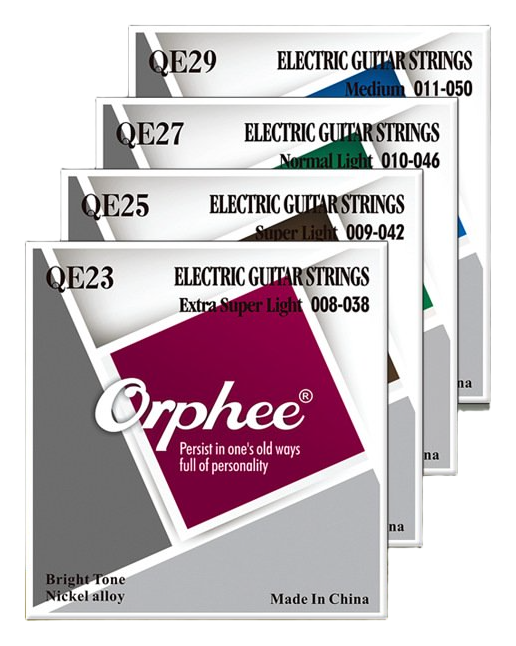
Wholesale Coated Nickel Core Electric Guitar String Set
A natural repair-bench companion; add a polishing cloth to restringing service upsells and retail string cards.
Service add-on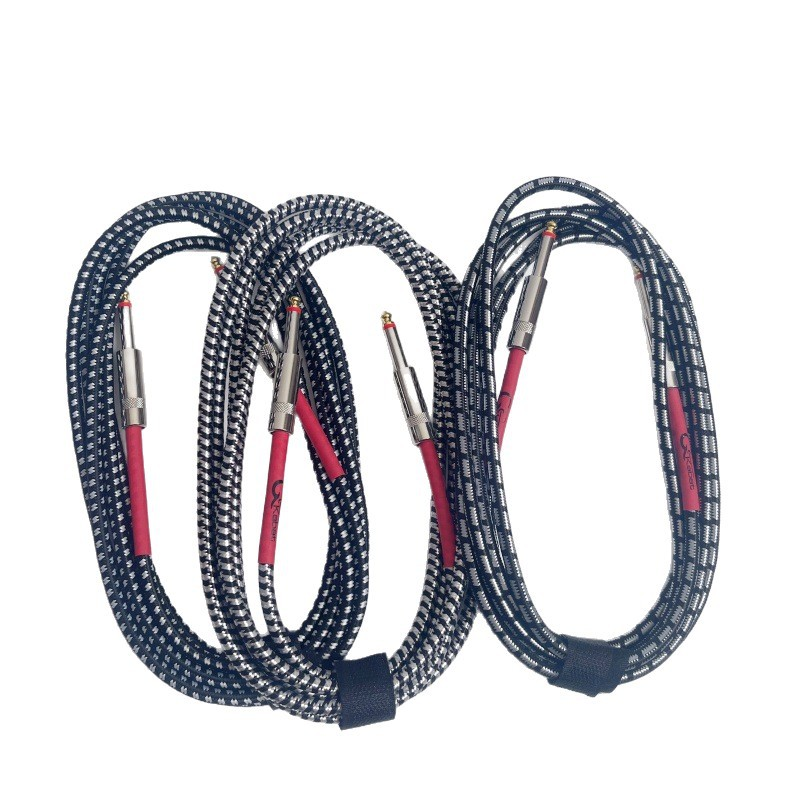
Braided Guitar Cable, 6.35mm Male to Male Noise Reduction Audio Cord for Bass, Instrument Connection Wire Wholesale
Useful for gigging players in DC and Northern Virginia; merchandise as a stage-ready care-and-connection kit.
Gig-bag kit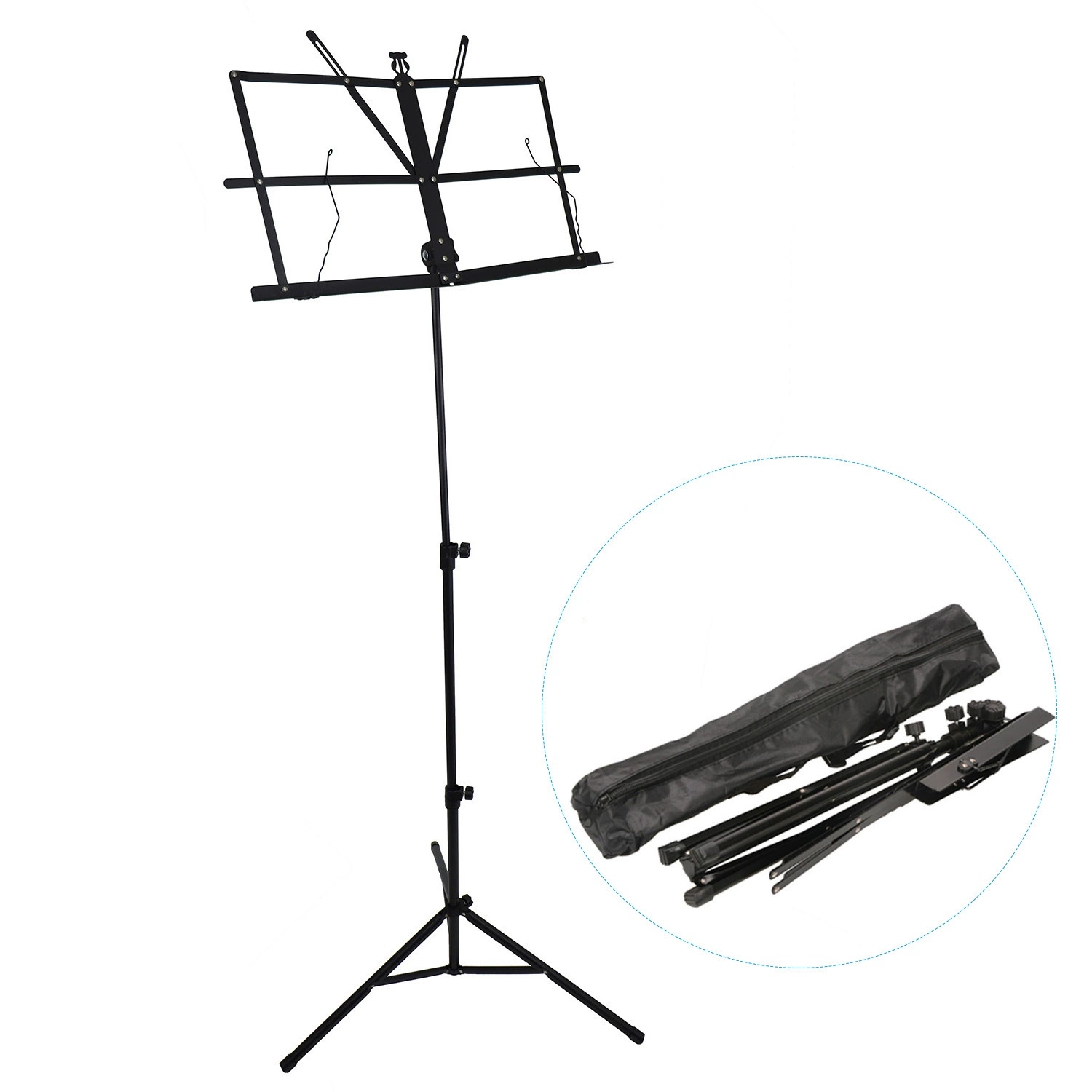
Factory Wholesale Small Size Portable Adjustable Music Stand With Bag
For private lessons, recitals and school accounts; pair with cloths in teacher starter bundles.
Lesson bundle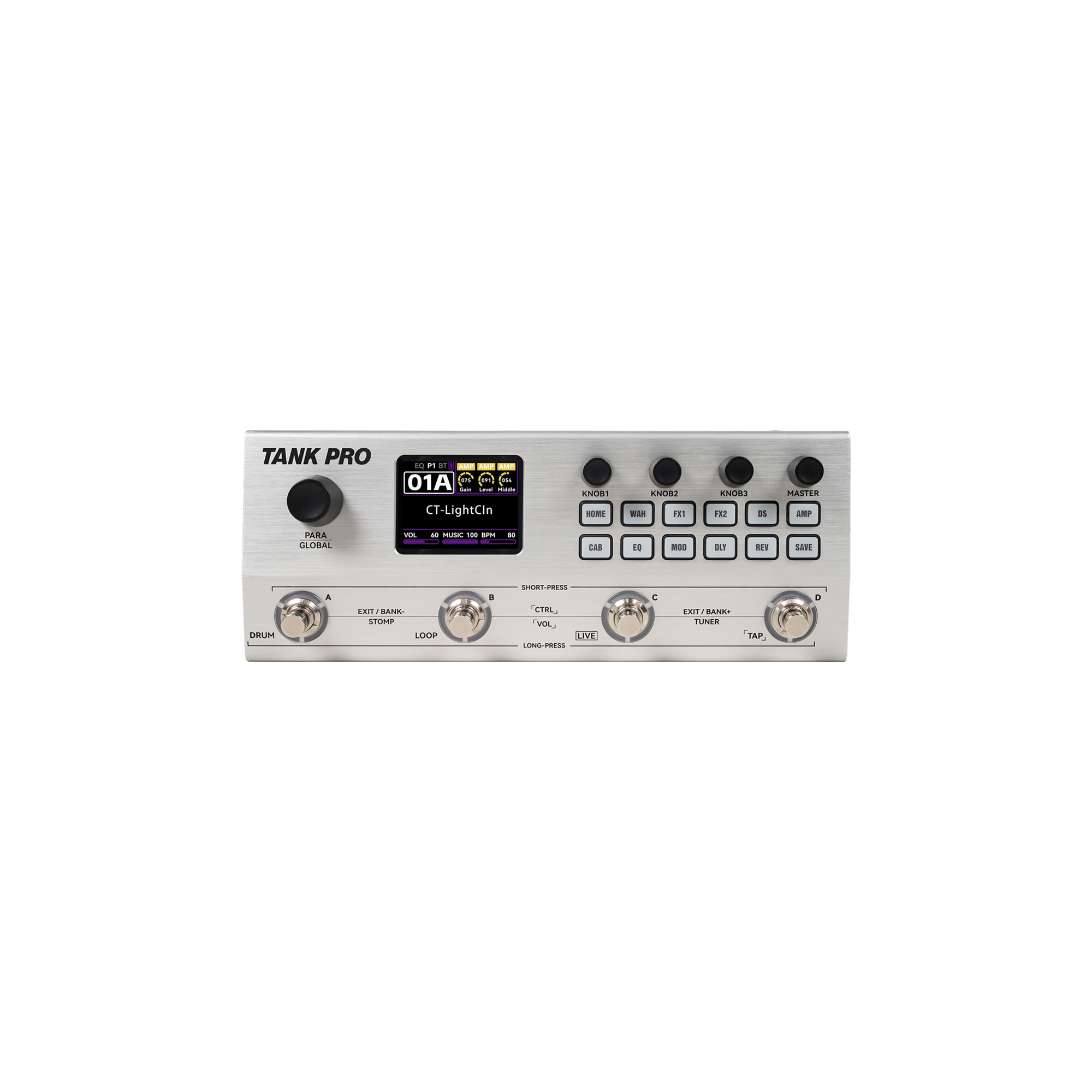
Tank Pro Metal Guitar Multi Effects Processor with ANN Third-Party IR Loading OTG Internal Recording
A higher-ticket item for modern players; include a lint-free wipe for pedalboard, guitar and recording setup care.
Modern player care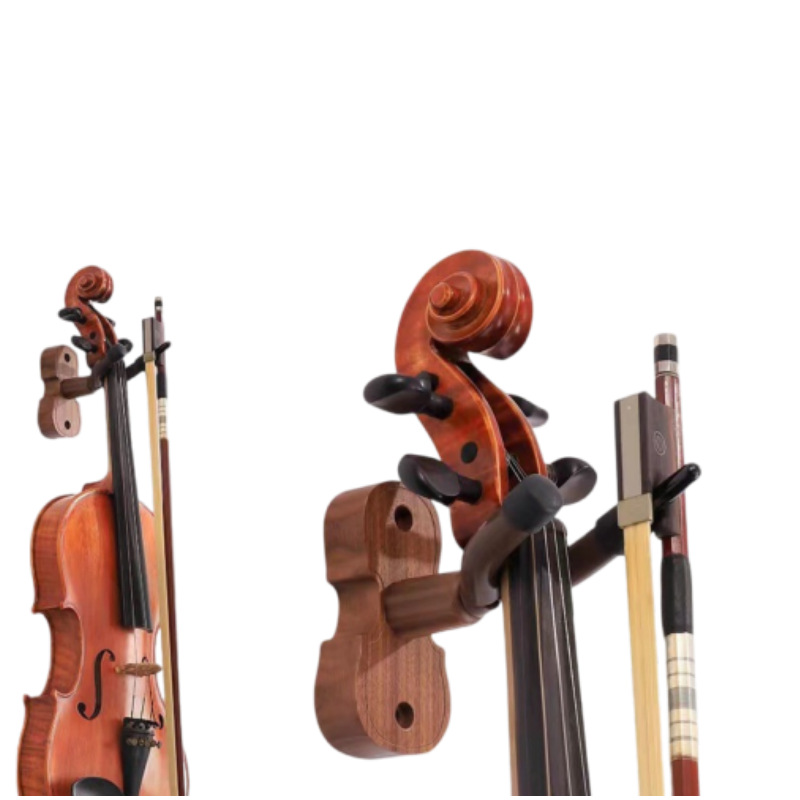
Wood Base Violin Hanger, Wall Mount Violin & Erhu Display Bracket, Universal Musical Instrument Wall Hanging Rack Wholesale
For shops with orchestral customers and studio display walls; dust-control cloths improve display maintenance.
Display care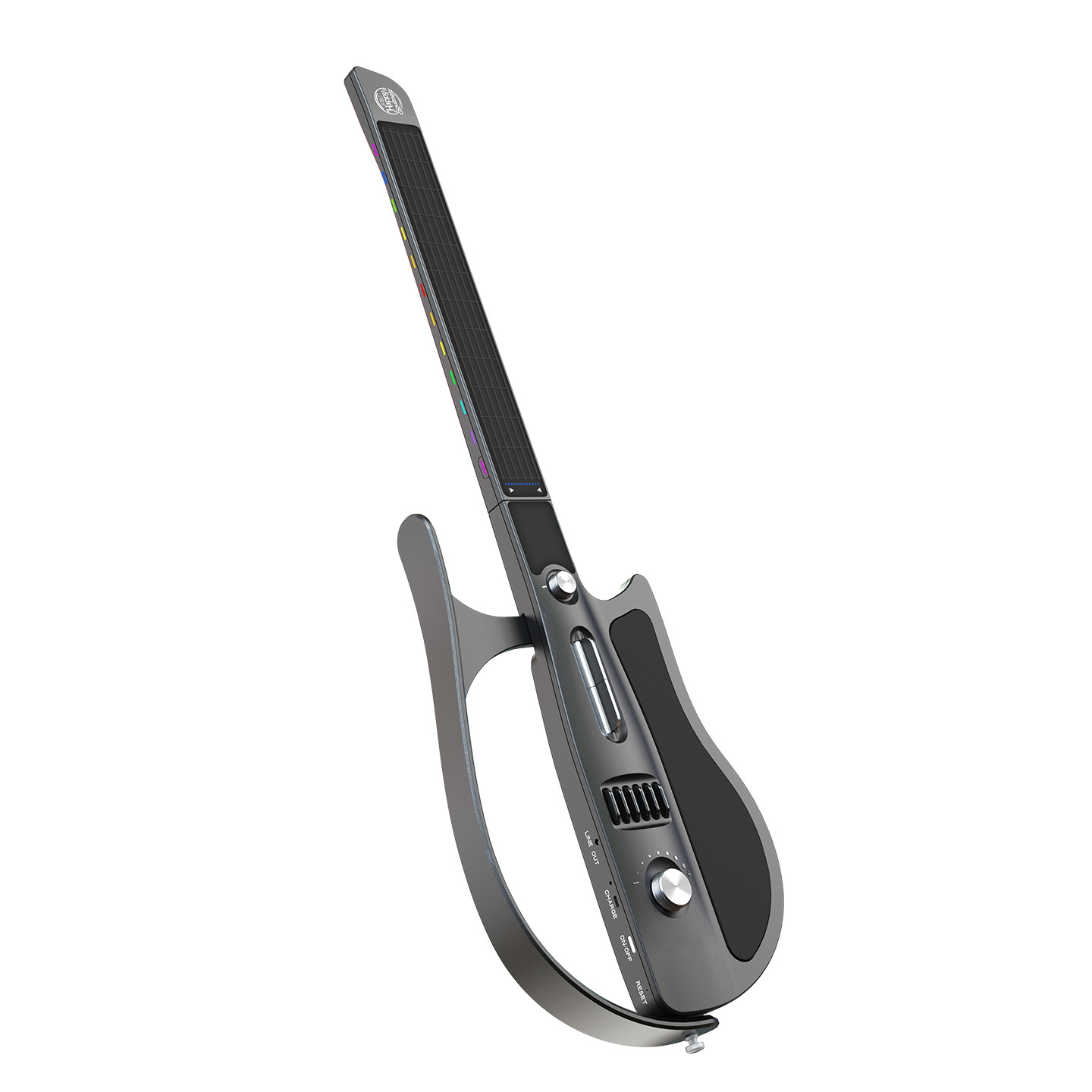
Hot Selling N1 Smart Accompaniment Stringless Guitar Smart Guitar Travel Guitar
An attention-grabbing travel instrument for DC commuters, students and gift buyers; a care cloth is a low-friction add-on.
Travel retail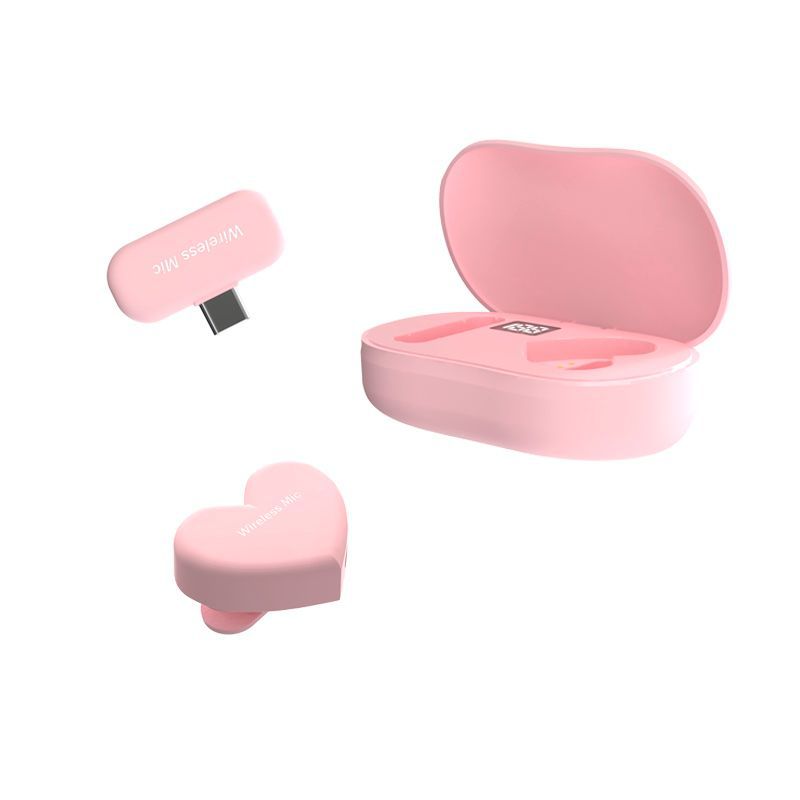
Stylish Pink Heart Wireless Mic with Clip Magnet Excellent for Vlog Recording on Mobile Compact Charging Case Portable Mic
For content creators around DC studios and online sellers; cleaning cloths support creator kit merchandising.
Creator bundleWhat Washington DC Buyers Need to Know About Guitar Cleaning Cloth
Price per piece is only one part of a successful cloth program. The more important questions are finish safety, lint behavior, edge construction, packaging and whether the supplier can combine guitar care products with the instruments and accessories a local store already sells.
A guitar cleaning cloth looks like a simple accessory, but in the Washington DC market it is a trust product. A cloth that sheds lint onto a black lacquer guitar, leaves polish residue in a fretboard, or scratches a nitrocellulose finish creates returns, negative reviews and lost counter sales. A well-specified microfiber cloth, by contrast, becomes a repeat-purchase item for players, teachers and repair technicians.
For buyers sourcing from Asia, the practical distinction is between a “cheap cloth” and a controlled guitar care textile. The relevant specification usually includes fabric composition, fabric weight, pile style, cut method, edge finish, colorfastness, wash durability, label placement and retail packaging. A cloth intended for guitar bodies may need a soft plush surface; a cloth used around strings, hardware and fretboards may need a tighter woven or suede-like surface that picks up dust without snagging. A double-sided cloth can serve both needs, but the buyer should confirm that neither side leaves fibers behind.
Washington DC’s climate also affects the category. The region experiences humid summers and dry winter indoor air, and many instruments move between homes, schools, rehearsal rooms and venues. Sweat, dust, polish and airborne particles accumulate quickly on guitars used in lessons and gigs. The result is steady demand for lint-free, washable, finish-safe cleaning cloths that can be sold at the counter, included with a setup service, or packed into a starter kit for students and adult beginners.
A Practical Buyer Specification for Guitar Cleaning Cloth
For wholesale programs serving Washington DC retailers, a realistic specification discussion should cover: fabric weight around the chosen microfiber construction; surface style such as plush, suede or woven; size options such as 20×20 cm, 30×30 cm or 40×40 cm; edge treatment using ultrasonic cutting, stitched binding or laser cutting; no exposed loose edge; colorfastness; wash-test performance; private-label options for care instructions, logo and recyclable packaging; and consistency between sample and mass production. These details are more valuable than a vague promise of “soft microfiber.”
Why the “Factory or Supplier” Question Matters in Washington DC Procurement
Many local buyers search for guitar cleaning cloth factories, but a reliable export supplier can be equally important. WPI has worked in musical instrument export since 2010, with Huizhou operations established in 2014. The company is a trading company and multispecialty supplier rather than a single cloth mill, which gives buyers access to vetted production partners, mixed-category consolidation and instrument-specific quality control. This matters when a Washington DC retailer wants cleaning cloths, string sets, stands, cables and educational instruments in a coordinated assortment.
The advantage is not simply price. It is the ability to manage specification, sampling, inspection and shipping across a broader musical instrument program. WPI’s onsite assessment by Intertek verified company capabilities including finished-product inspection, sample-based customization, minor customization for logos, packaging and graphics, design-based customization and full customization. For a private-label guitar cloth, those capabilities translate into a more controlled path from buyer brief to saleable carton.
How Cleaning Cloth Fits the Local Guitar-Care Routine
A Washington DC player may use one cloth after practice, another during string changes and a third for final polish before a performance. The retail opportunity is to package those routines rather than sell an anonymous cloth in a polybag. A simple “electric guitar care” bundle may include a plush microfiber polish cloth, a smaller string cloth, a quick-start care card and a branded paper sleeve. A “school guitar” bundle can add a durable cloth, a name label and a compact storage pouch. For repair shops, bulk cloths become part of setup, restringing and cleaning services.
Local teachers often need supplies that work across many instruments without risky chemicals. Buyers should avoid overclaiming universal compatibility. A cloth can be marketed as non-abrasive when tested against the intended finishes, but the care card should still advise players to follow the instrument maker’s instructions and test any cleaning method on a hidden area. This is a small detail that improves customer trust and reduces returns.
Procurement Strategy: Think in Kits, Not Single SKUs
For independent music stores in Washington DC, accessories must justify shelf space. A cleaning cloth alone may be slow to sell; a cloth bundled with a string set or included in a setup service becomes part of a higher-value transaction. This is where WPI’s one-stop catalog can help. A local buyer can combine guitar care cloths with electric guitar strings, audio cables, music stands, violin hangers, smart travel guitars or creator microphones, then request consolidated logistics support. The exact mix depends on the store’s customer base, but the principle is consistent: care products should support the categories that already sell.
Where Guitar Cleaning Cloth Demand Appears Across Washington DC
The most successful local assortment depends on the buyer. A school account, a repair technician, a boutique retailer and a content creator all use cleaning cloths for different reasons.
Retail Counters & Private Label
Music stores in Washington DC, Arlington, Alexandria, Bethesda and Silver Spring can use private-label cloths as a low-friction add-on at checkout. Stock a soft plush cloth for guitar bodies, a smaller cloth for strings and a branded sleeve for gift purchase.
Repair Benches & Setup Services
Guitar repair specialists and luthiers need clean, low-lint wipes for routine setups, fretboard work and final polishing. A consistent bulk cloth helps shops standardize the service experience and avoid cross-contamination between cleaning and polish steps.
Schools & University Programs
DC public and charter school music programs, after-school guitar classes, community workshops and university practice rooms need shared instruments kept clean. Cloths can be bundled with teaching aids and labeled by classroom or instrument type.
Studios, Venues & Creators
Players working around NoMA, Navy Yard, Shaw, the Wharf and the wider DC metro often need quick cleanup between takes or sets. Studios and content creators also value small, branded cloths that fit in gig bags, pedalboards and creator kits.
Local Development Trends Shaping Guitar Cleaning Cloth Demand
Accessory buying in the DC market is moving toward smaller test orders, better presentation and clearer care education. Buyers want products that sell quickly without creating inventory risk.
Private-Label Care Kits
Independent Washington DC retailers increasingly compete on experience rather than generic accessories. A cloth with a store logo, care instructions and clean packaging feels like part of the brand, not a commodity item.
Smaller Test Buys
Buyers want to test a care program before committing to a full container. Mixed-category orders, sampling and low-MOQ options reduce risk and allow local stores to react to customer feedback faster.
Humidity-Aware Education
Seasonal humidity changes make instrument care a year-round conversation. Retailers can use simple care cards to explain when to wipe sweat, when to dust, and why a dry cloth may be preferable to a heavily treated polish method.
Sustainable & Washable
Reusable microfiber and recyclable paper packaging appeal to eco-conscious buyers. A washable cloth with clear care instructions supports repeat use and strengthens the value message at the counter.
Choosing the Right Microfiber Construction for Guitar Care
The “best” guitar cleaning cloth depends on the surface being cleaned, the finish, the retail price point and the care instructions you want to give the end user.
| Construction Option | Best Use | What to Specify | Washington DC Buyer Note |
|---|---|---|---|
| Plush microfiber | Body polish, dust removal, final wipe before display | Fabric weight, pile height, color, ultrasonic edge, no loose fibers | Good for retail counter displays and setup-service finishes; pair with a care card. |
| Suede microfiber | Strings, hardware, fretboard dust and tighter areas | Surface texture, absorbency, cut size, edge softness | Useful for repair benches and school instrument maintenance kits. |
| Woven lint-free cloth | Gloss finishes, display instruments and camera/creator gear | Low-lint performance, colorfastness, wash durability | Fits DC studios and creator bundles where residue visibility matters. |
| Two-sided cloth | Retail starter kits and multi-step cleaning routines | Side differentiation, stitching, label placement, packaging | Increases perceived value for gift purchases and private-label care kits. |
| Recycled PET microfiber | Eco-positioned accessories and reusable retail programs | Recycled content claim, packaging, washing instructions | Appeals to Washington DC buyers seeking sustainable retail options. |
Retail-Ready Details That Reduce Returns
Buyers should define the edge treatment before mass production. A laser-cut or ultrasonic edge may be preferable for softness, while a stitched edge may offer a more premium look but must be checked for loose threads. Care labels should explain washing temperature, drying and whether fabric softener should be avoided. Packaging should protect the cloth from dust and handling, while still allowing the retailer to add a logo, barcode or care message.
For e-commerce sellers, consistent colors and readable photography matter. For repair shops, bulk packing may be more practical than individual retail sleeves. For schools, name labels and durable bulk packs can be more useful than luxury packaging. These are all customization decisions that can be discussed before sampling, so the final cloth matches the sales channel rather than forcing one SKU into every use case.
Why WPI Is a Practical Supplier for Washington DC Buyers
WPI International Trade Co., Ltd. (Huizhou) started exporting musical instruments from Hong Kong in June 2010 and established its Huizhou, Guangdong operation in 2014. Today the company supports importers, distributors, retailers and schools with musical instruments and accessories, including guitar care textiles through its export and customization network.
The company’s strength is not a single warehouse promise. It is a combination of assessed credentials, multi-category sourcing, OEM flexibility and pre-shipment inspection — the capabilities a Washington DC buyer needs when building a private-label care accessory program alongside instruments and gifts.
- ✓Intertek onsite assessed: premises, legal status and capabilities verified, including finished-product inspection and multiple customization levels.
- ✓12+ years in industry: exporting since 2010, with a 28-person team, 22 of them in trading and export roles.
- ✓Trade record: US$9,000,000 annual export assessed; 952 orders shipped in the last six months; 97.73% inquiry response rate; 4.6/5 average buyer rating.
- ✓One-stop sourcing: guitars, ukuleles, violins, cellos, saxophones, clarinets, drums, keyboards, educational instruments and accessories can be consolidated.
- ✓OEM & ODM: sample-based customization, minor customization for logo, packaging and graphics, design-based customization and full customization.
- ✓Trade terms: T/T, L/C, D/P, D/A, MoneyGram, credit card, PayPal, Western Union, cash and escrow; delivery terms including FOB, CFR, CIF, EXW, DDP, DDU and express delivery.

How a Guitar Cleaning Cloth OEM Order Moves From Brief to Delivery
A clear process keeps the sample, packaging and inspection aligned with the retail plan.
Share the Brief
Define target price, cloth size, fabric style, logo, packaging, order quantity and Washington DC sales channel.
Match Specifications
WPI recommends fabric and packaging options, then clarifies MOQ, artwork requirements and sampling details.
Approve the Sample
Check hand feel, edge finish, lint behavior, color, label placement and retail presentation before production.
Confirm Terms
Finalize quantity, payment method, delivery term and shipping route with the buyer’s forwarder or WPI’s logistics support.
Inspect Before Shipment
Finished-product inspection covers appearance, construction, packing and order consistency, consistent with WPI’s assessed QC capability.
Consolidate & Ship
Combine care cloths with instruments or accessories where useful, then ship by the agreed express, air or sea arrangement.
Common Questions From Washington DC Buyers
Practical answers for music stores, repair shops, schools and online sellers planning a guitar cleaning cloth order.
What is the MOQ for a private-label guitar cleaning cloth order?
WPI supports low-MOQ sourcing and mixed-category orders. Many instruments can be sampled from 1 piece, while typical wholesale MOQs are 2–10 pieces per model for instruments and 20–600 sets for strings and small accessories. For a private-label cloth, the final MOQ is confirmed after fabric weight, size, edge, label and packaging are defined. Washington DC buyers can start with a focused test assortment and expand after sell-through.
Can you customize logo, size, color and retail packaging?
Yes. WPI’s assessed customization capabilities include sample-based customization, minor customization such as logo, packaging and graphics, design-based customization and full customization. For guitar cleaning cloths, common requests include logo printing on the cloth or sleeve, custom sizes, private-label care cards, barcode placement, polybag or paper packaging, and retail-ready cartons for Washington DC distribution.
Which cloth should be specified for humid summers and dry winters in DC?
Many buyers choose a plush microfiber for guitar bodies and a tighter suede or woven surface for strings and hardware. The cloth should be low-lint, washable and free from exposed rough edges. Buyers should avoid making risky universal chemical claims; for sensitive finishes, provide care instructions and recommend testing on a hidden area. Sampling is the safest way to confirm hand feel and performance.
How is quality controlled before shipment?
Order quality control can cover appearance, construction, size, color consistency, edge finish, labels, packaging and carton condition. WPI’s supplier assessment includes finished-product inspection before delivery, and the company has been assessed onsite by Intertek. For cloth programs, buyers should agree on a simple inspection checklist so the sample and bulk production are evaluated the same way.
Can I combine cleaning cloths with instruments and accessories?
Yes. WPI is a multispecialty musical instrument supplier with a catalog that includes guitars, ukuleles, violins, cellos, saxophones, clarinets, drums, keyboards, stands, strings, cables, hangers and other accessories. Combining categories can reduce sourcing complexity for a Washington DC retailer, school or distributor. Delivery costs and schedule depend on the final mix, volume, packing and chosen shipping terms.
Which payment and delivery terms are available?
Accepted payment methods include T/T, L/C, D/P, D/A, MoneyGram, credit card, PayPal, Western Union, cash and escrow. Delivery terms include FOB, CFR, CIF, EXW, FAS, CIP, FCA, CPT, DEQ, DDP, DDU, DAF, DES and express delivery. For Washington DC buyers, the best term depends on whether the order is a small sample shipment, an air shipment for a test program, or a consolidated container with instruments and accessories.
Build a Guitar Cleaning Cloth Program for Washington DC
Send your target price, cloth size, logo requirements, packaging direction and expected quantity. WPI will recommend a practical microfiber construction and help you combine guitar care cloths with the instruments and accessories your local market already buys.
Inquire Now