Eight Products Toronto Buyers Can Bundle Around Guitar Cleaning Cloth Programs
Cleaning cloths perform best when they are attached to a clear purchase moment: a new guitar, a student violin outfit, a keyboard rental, a drum-pedal upgrade or a portable instrument for condo practice. The eight products below are supplied as cross-sell anchors for Toronto retail displays, lesson packages, repair counters and e-commerce bundles. Product URLs and images are retained as supplied.
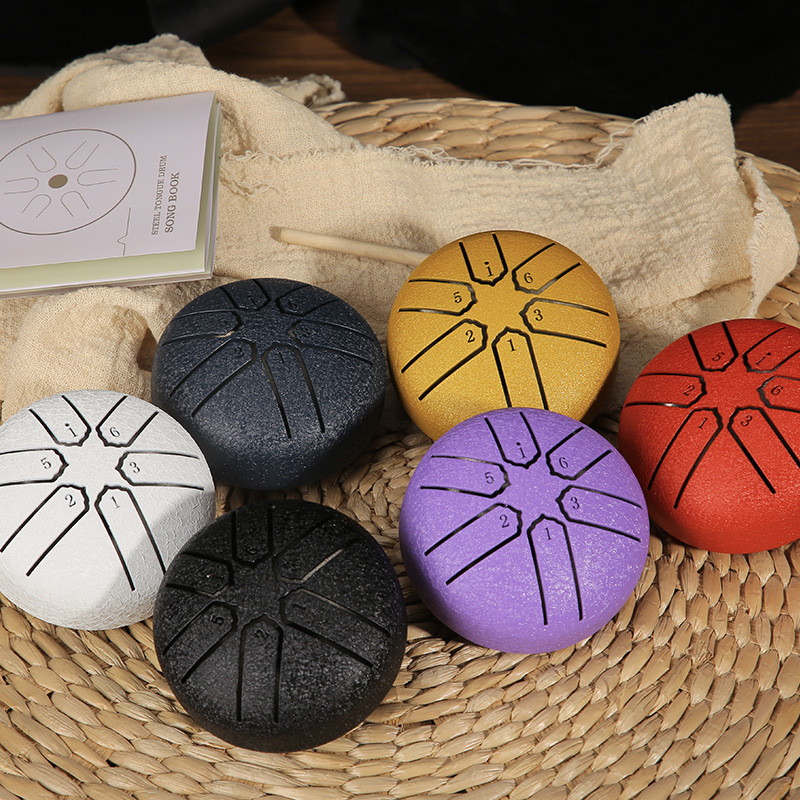
3 Inch 6-Note Mini Steel Tongue Drum
Easy-learn percussion for kids, music discovery classes and gift displays; pair with a small care cloth for wipe-down after handling.
View product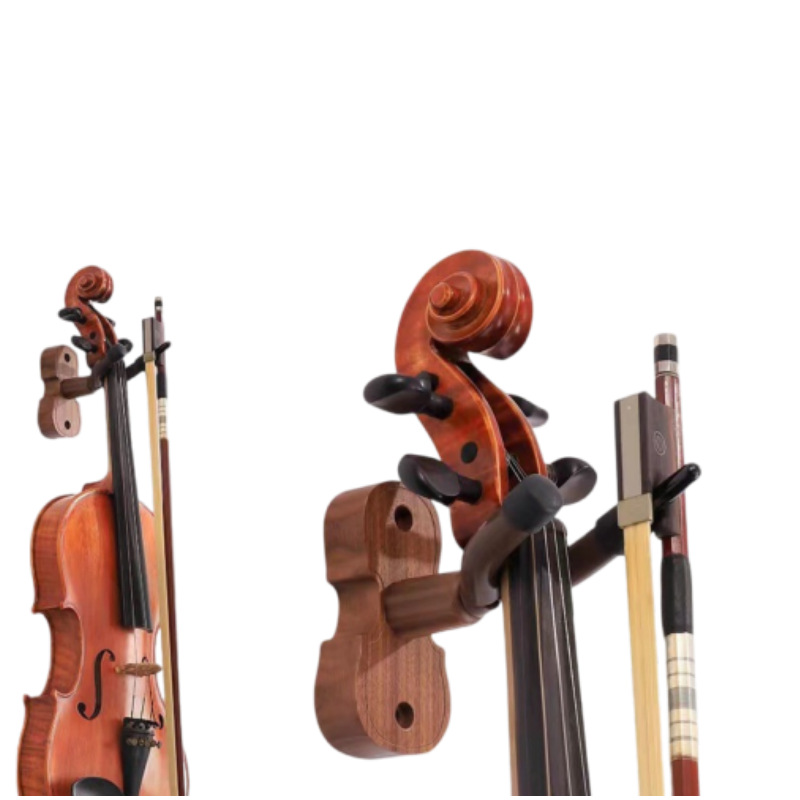
Wood-Base Wall-Mount Violin & Erhu Hanger
A practical add-on for violin retailers, rental rooms and home studios; supports display merchandising and instrument-room organization.
View product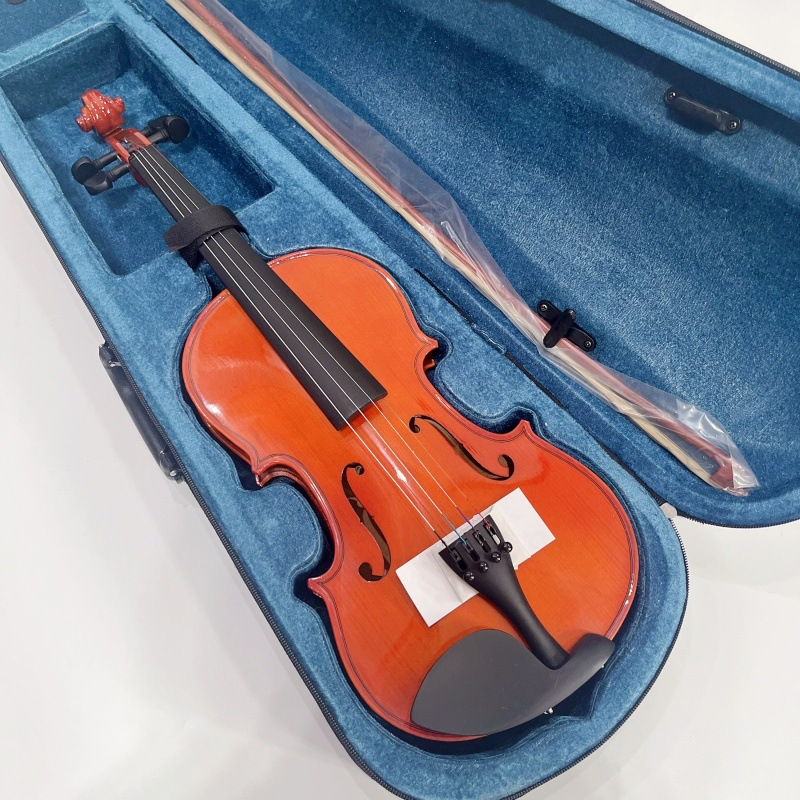
4/4 Full Size Solid Spruce Top Student Violin
An adult beginner and student outfit that benefits from a rosin-removal cloth, fingerboard wipe and case-care instruction at the point of sale.
View product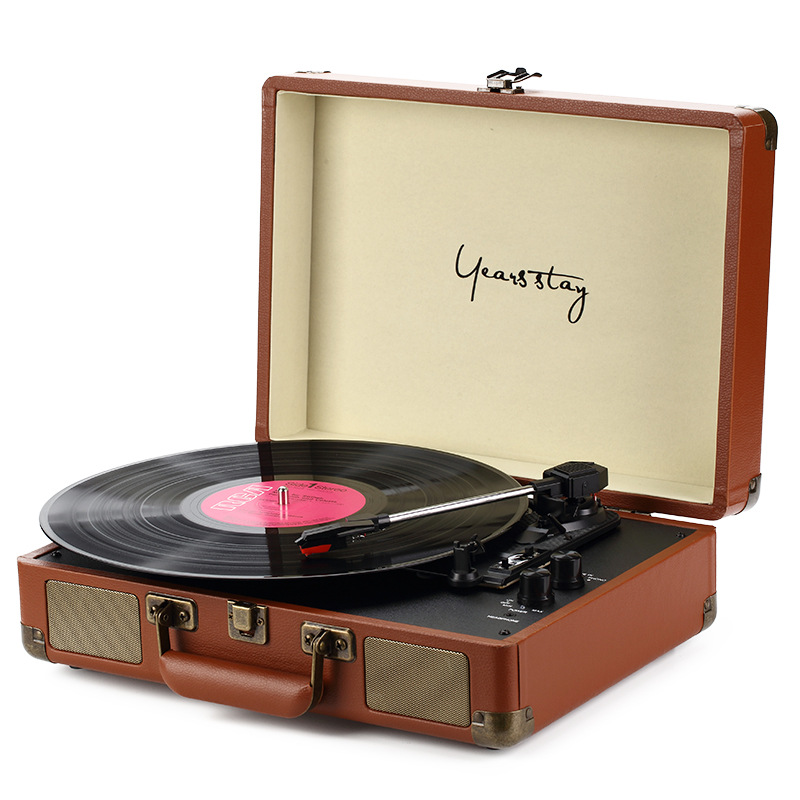
Portable Mini Wireless Vinyl Record Player
A gift-oriented desktop phonograph for lifestyle shops and music boutiques; an easy anchor for accessory bundles and care-focused retail displays.
View product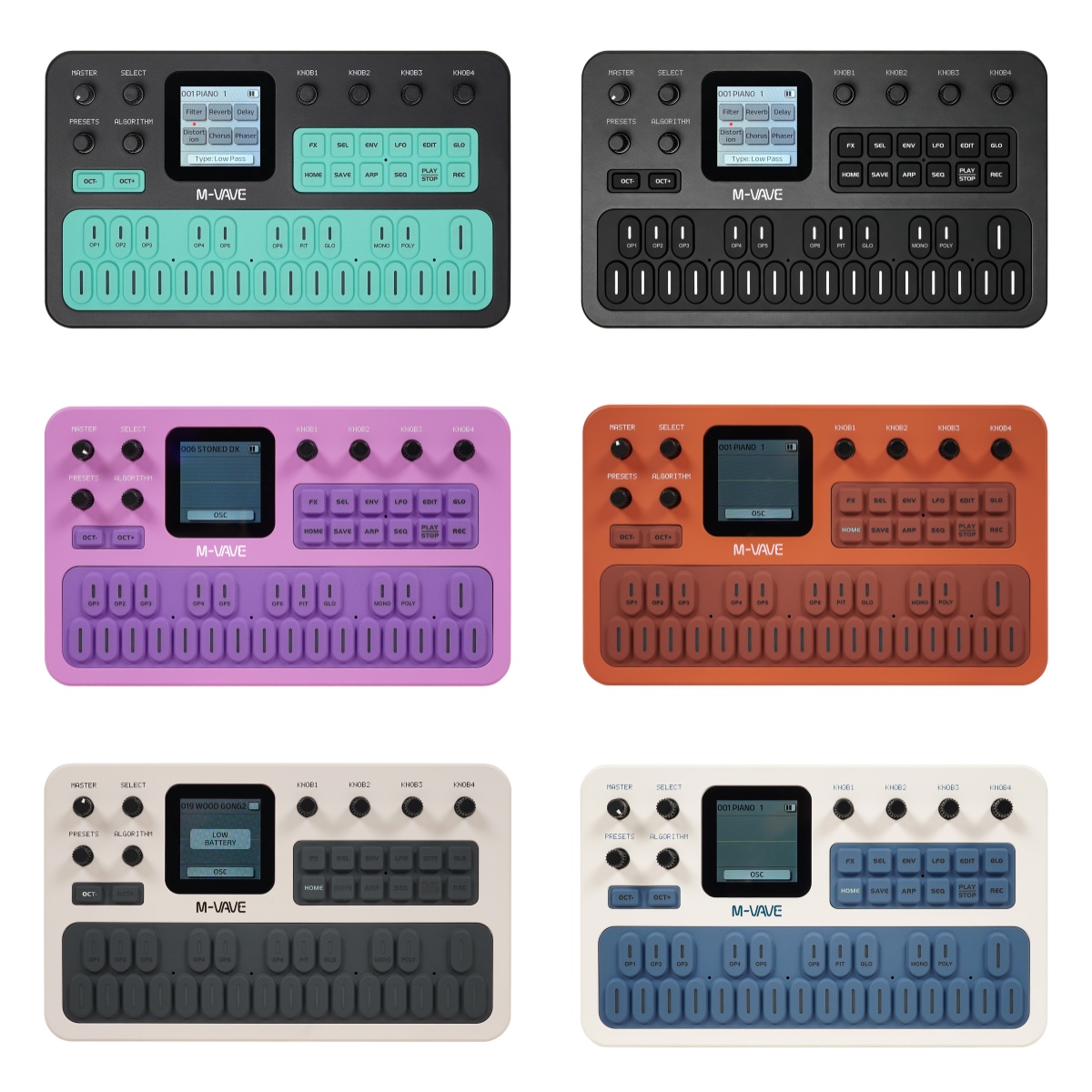
M-VAVE Mini FM-1 Synthesizer
27 keys, built-in speakers and battery operation suit outdoor music, content creation and compact practice; ideal for “grab-and-go” care kits.
View product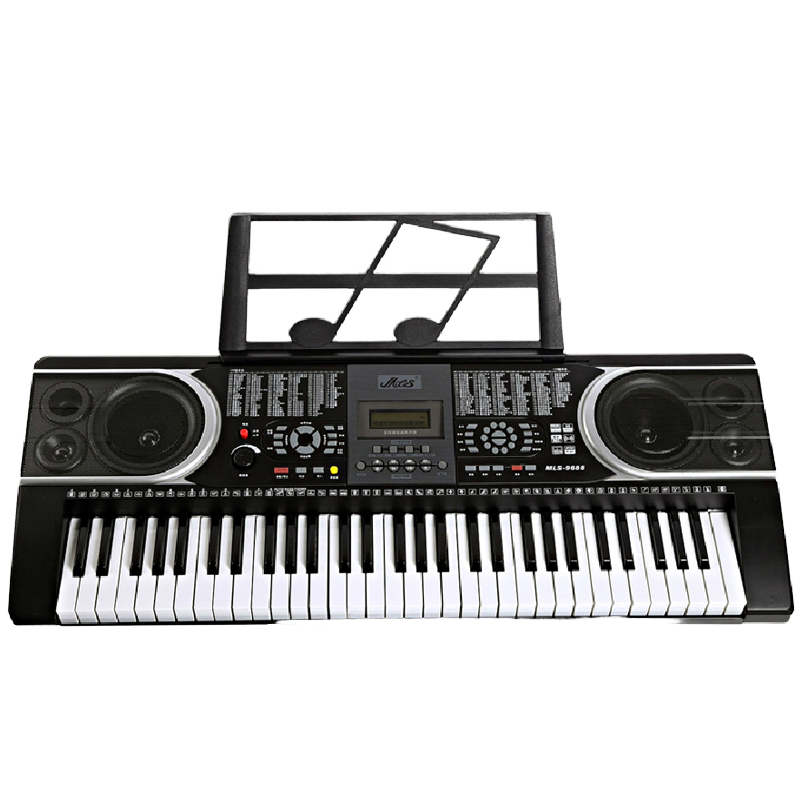
Professional Teaching Electronic Keyboard, 61 Keys
A teaching-focused keyboard for schools, rental fleets and beginner programs; add a dry dust cloth to every classroom or rental check-out.
View product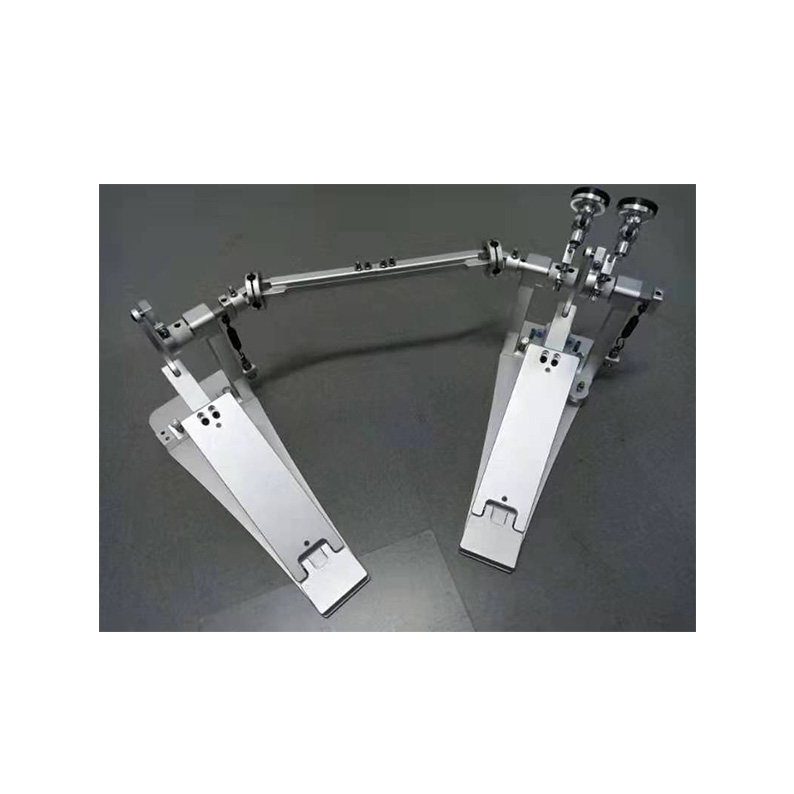
Brushed Silver Direct-Drive Double Bass Drum Pedal
A performance hardware SKU for drum shops and repair benches; microfiber cloths support safe wipe-down of pedals, stands and metal hardware.
View product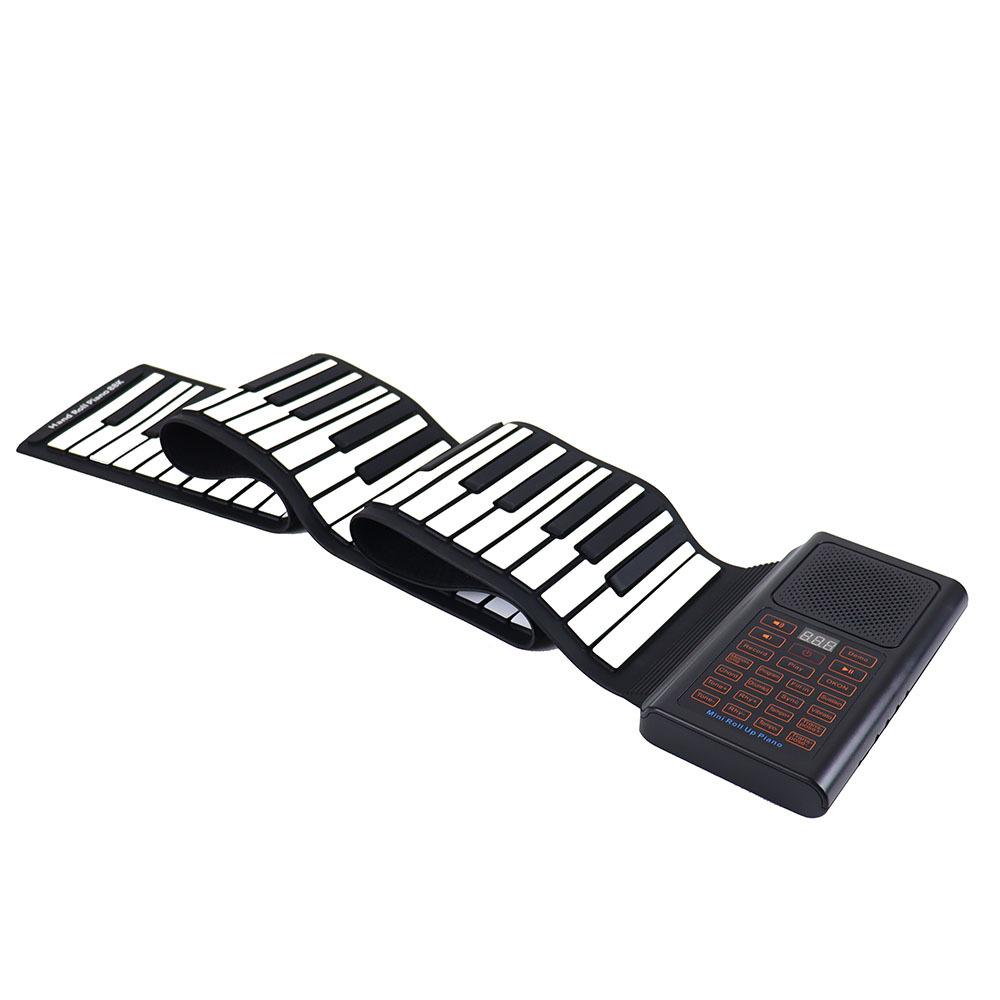
Foldable 88-Key Portable Digital Piano
Portable, entry-level digital piano format for apartment practice and online retail; a compact cloth and care card may add meaningful perceived value.
View productThese eight SKUs are not substitutes for a dedicated cleaning-cloth range. They show where cloth programs can be attached to real Toronto purchase moments, from school orchestra season to condo practice, studio display and repair work.
The Toronto Opportunity: A Small Accessory With Large Basket Economics
Guitar cleaning cloths look simple from a distance. In a professional buying context, they are a technical accessory with direct effect on presentation, return rates, repair workflow and repeat purchase.
A guitar cleaning cloth is a low-ticket item, but it sits at the center of a high-trust relationship: the sale and maintenance of a musical instrument. In Toronto, that relationship plays out across downtown retail counters, Scarborough and Etobicoke repair benches, North York lesson studios, Mississauga rental fleets, Vaughan online brands, Markham school programs and high-rise apartments where musicians practice in compact spaces. A cloth that picks up dust, leaves lint, transfers silicone or scratches a finish can turn an inexpensive accessory into a costly service issue.
Most supplier pages say “soft, lint-free microfiber” and stop there. That is not enough for a Toronto buyer comparing wholesale programs. Information gain in this category comes from specifying the job to be done: dry dust removal before polishing, safe wipe-down around fingerboards and hardware, lint-free buffing after setup, and clear separation between a shop bench cloth and a consumer retail cloth. A cloth that is excellent for final polish may be poor at capturing abrasive grit. A cloth that feels soft may shed fibers. A cloth with a sewn edge may trap particles that later scratch a finish. A private-label package that claims “antibacterial” or “eco-friendly” without evidence creates compliance risk for the importer.
For a Toronto market page, the commercial argument should be built around use cases, not vague claims. Music retailers need two-pack retail cloths that can sit beside guitar hangers, ukuleles and student violins. Luthiers need bench cloths that are lint-free, absorbent and large enough for final inspection. School and rental programs need durable, color-coded cloths that can be washed and tracked. Online brands need a compact, private-label cloth with UPC-ready packaging and bilingual English/French copy for the Canadian market. These are different products even if they all contain microfiber.
Toronto’s climate and housing pattern change the care conversation
Toronto’s winter indoor environment can be dry, while summer air-conditioning and transit can create condensation cycles. A guitar that leaves a heated condo, travels to a lesson and returns to a case may pick up dust, skin oils and case fibers. A dry microfiber cloth used before polish can remove abrasive particles; a damp cloth used carelessly around unfinished wood, electronics, open grain or hardware can create streaks or corrosion risk. High-rise storage adds another factor: instruments may live in closets, on wall hangers or in gig bags rather than dedicated studios. A compact cloth that stays in the case or gig bag has a better chance of being used consistently.
Toronto Market Trends That Affect Cleaning-Cloth Demand
Winter dry-air and indoor climate care
Toronto buyers increasingly need simple care instructions that separate dry dust removal from polishing. A two-color cloth system helps retailers explain the correct sequence without a long conversation at the counter.
Compact instruments and condo practice
Portable keyboards, mini synthesizers, ukuleles, travel guitars and silent-string instruments create more “care kit” moments. Small cloths fit naturally into gig bags, apartment storage and lesson bags.
Low-MOQ private label
Toronto shops, lesson studios and online brands want testable small runs with logo printing, bilingual packaging and mixed-category orders. Low MOQ reduces the risk of tying up cash in accessory inventory.
Recommended Guitar Cleaning Cloth Assortment for Toronto Wholesale Programs
A Toronto-ready cleaning-cloth range should be organised by buyer and job rather than by one universal SKU. The following specification framework is a sourcing brief; every fiber composition, GSM, edge style and packaging claim should be validated with samples and current test reports before commercial launch.
Dust & Polish Cloth Pair
25 × 25 cm, 280–320 GSM microfiber plan, two colors to separate dry dusting from polish buffing. A practical counter add-on for Toronto guitar and ukulele sales.
Bulk Inspection Cloth
30 × 30 cm, light-color, low-lint microfiber with laser-cut or carefully finished edgeless construction. Packed 25–50 per bag for repair benches.
Fleet Care Cloth
20 × 20 cm, durable washable construction, color-coded by instrument family. A 10-pack helps rental desks and school music rooms standardize care.
Gig-Bag Travel Cloth
15 × 15 cm or 20 × 20 cm compact cloth with custom logo, UPC-ready bag and English/French packaging copy. Designed for e-commerce and branded care kits.
| Toronto buyer segment | Recommended cloth format | Pack architecture | Information gain for the buyer |
|---|---|---|---|
| Guitar retailer | 25 × 25 cm, 280–320 GSM microfiber, two colors | 2-pack retail bag with hanger or Euro hole | Separate dry dust removal from polish buffing; include a short care card at the counter. |
| Luthier / repair shop | 30 × 30 cm, light-color, low-lint, edgeless construction | 25 or 50 per bulk bag | Bench cloth must reveal residue and avoid trapped grit; avoid silicone-based polish contamination. |
| School / rental fleet | 20 × 20 cm, durable washable microfiber | 10-pack with color code | Keep violin, keyboard and rental guitar cloths separate; reduce cross-contamination. |
| Online / private label | 15 × 15 cm travel cloth or 20 × 20 cm kit cloth | Custom bag, logo, UPC, English/French copy | Build a repeat-purchase care kit with clear use instructions rather than a commodity rag. |
Localised Application Scenarios Across the Greater Toronto Area
Retail counters in Downtown, North York and Scarborough
Attach a two-pack cloth to every guitar over a certain value, or place a care display near hangers, strings and gig bags. The cloth becomes a helpful close, not an impulse item with no explanation.
Luthier and repair benches in Etobicoke and Mississauga
Repair work exposes the cost of lint and contamination. A bulk, light-colored bench cloth supports final setup inspection and helps separate clean tools from polishing compounds.
School boards and private academies
Rental fleets and classroom instruments need simple, repeatable care routines. Color-coded cloths and a laminated care card can reduce mixed-instrument confusion and protect shared inventory.
Gigging musicians and online lesson students
Compact cloths fit into gig bags and creator kits. A care card that explains “dust first, buff second” adds useful information and improves perceived value without increasing product complexity.
Quality Checklist: What Toronto Importers Should Ask for Before Ordering
Microfiber is not a single material. Construction, weight, edge cutting, dye fastness, laundering performance and packaging all affect the final user experience. For professional buyers, the right question is not only “What is the price per piece?” but “What evidence shows that this cloth will perform consistently from sample to bulk production?”
1. Fiber composition and GSM
Request the exact polyester/polyamide blend, fabric weight and tolerances. A 280–320 GSM range may suit retail polishing; a heavier or differently constructed cloth may be better for bench work.
2. Edge finish and lint risk
Laser-cut, hot-cut, ultrasonic or carefully sewn edges can all work, but the edge must not snag or shed. Test with a dark instrument finish and inspect under strong light.
3. Residue and polish compatibility
Confirm that no silicone, fragrance or aggressive treatment is added unless clearly declared. Nitrocellulose and other finishes deserve special caution; test on an inconspicuous area first.
4. Colorfastness and washability
Dark cloths can hide dirt; light cloths reveal residue. Dye transfer, shrinkage and wash durability should be checked, especially for school and rental programs.
5. Packaging and private-label claims
Specify barcode placement, material description, care icons, language variants and any environmental claims. Do not print “antibacterial,” “organic” or “biodegradable” without verifiable scope and evidence.
6. Sample-to-bulk consistency
Ask for a signed sample, measurement record and pre-shipment inspection plan. Finished-product inspection should cover appearance, size, edge quality, packaging and quantity verification.

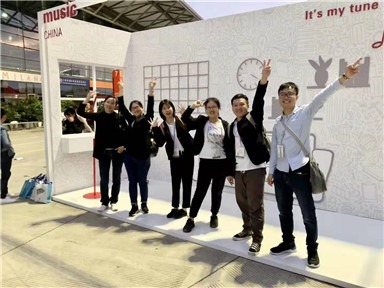
 E-E-A-T and sourcing confidence
Why Toronto Buyers Can Treat WPI as a Low-Risk Export Partner
WPI International Trade Co., Ltd. (Huizhou) began exporting musical instruments from Hong Kong in June 2010 and established its Huizhou, Guangdong operation in 2014. The team of 28 people includes 22 in trading and export roles, supporting importers, distributors, retailers and schools across North America, Western Europe, Southeast Asia and South America.
The company has been assessed onsite by Intertek, with finished-product inspection and assessed customization capabilities covering sample-based customization, logo and packaging changes, design-based customization and full customization. For a Toronto cleaning-cloth program, that matters because the supplier relationship must connect accessory specifications with instrument bundles, private-label packaging, inspection records and consolidated export logistics.
- Business type: trading company and multispecialty supplier with 12+ years in the instrument industry.
- Low MOQ: from 1 piece for sampling on many instruments; typical wholesale MOQs are 2–10 pieces per model, with 20–600 sets for strings and small accessories.
- Product breadth: guitars, ukuleles, violins, cellos, saxophones, clarinets, drums, percussion, keyboards, steel tongue drums and accessories.
- Export support: one-stop consolidation, pre-shipment inspection, OEM/ODM coordination and export documentation.
- Payment and delivery flexibility: T/T, L/C, D/P, D/A, credit card, PayPal, Western Union, cash and escrow; FOB, CFR, CIF, EXW, DDP and express options are available on quote.
Intertek-assessed operation
Onsite verification supports buyer due diligence and provides a clearer basis for supplier comparison.
Low-MOQ mixed orders
Toronto buyers can test accessory programs, instruments and cross-sell bundles without overcommitting inventory.
OEM / ODM and packaging
Logo, packaging, graphics and full customization are supported within assessed capabilities; specifications require sample approval.
Export logistics and inspection
Consolidate instrument and accessory lines, arrange pre-shipment checks and choose Incoterms based on landed-cost control.
Toronto Sourcing Notes: Assortment Mix, Logistics and Claims
Toronto is not a single retail market. It is a dense network of neighbourhood stores, online sellers, school programs, repair specialists, lesson studios and event-driven musicians. A cleaning-cloth assortment that works for a downtown guitar boutique may not work for a Mississauga rental fleet. Buyers should plan a mix rather than a single SKU.
This is an illustrative planning model for discussion, not a claim about the whole Toronto market. The correct mix depends on your customer profile, average order value, warehouse space and whether you sell through retail, e-commerce, education or repair channels.
For logistics, Toronto importers commonly compare ocean freight to Vancouver or Prince Rupert with rail movement to Toronto against air freight for samples and urgent launches. Ask your forwarder to confirm routing, transit variability, customs brokerage and final delivery. If landed-cost certainty matters, request a DDP quote; if you prefer to control the forwarder and import process, FOB may be more suitable. WPI’s stated delivery terms include FOB, CFR, CIF, EXW, DDP, DDU and express delivery, subject to order and destination.
Buyer due-diligence notes for the Canadian market
- Confirm textile fiber content, care instructions and country of origin for packaging.
- Use English/French copy where it supports Canadian retail; verify mandatory labeling requirements with your customs broker or compliance adviser.
- Avoid unverified “eco,” “antibacterial,” “biodegradable” or “certified organic” claims.
- Keep polishing chemistry separate from dry dusting cloths; specify whether treatments or silicone are present.
- Check barcode, carton marks, inner-pack quantity and retail-ready packaging before mass production.
- Approve a signed sample and agree on an inspection checklist before the first bulk shipment.
Frequently Asked Questions from Toronto Wholesale Buyers
What size and GSM guitar cleaning cloth should a Toronto music store stock first?
For a retail-first program, a 25 × 25 cm microfiber cloth in a 280–320 GSM planning range is a sensible starting brief, ideally in two colors so staff can explain “dry dust first, polish second.” GSM is only one variable; fiber blend, edge construction, lint performance and packaging matter just as much. Validate the exact specification with samples before printing packaging or making performance claims.
Is a guitar cleaning cloth different from a polishing cloth?
It can be. A dry dusting cloth should pick up grit and skin debris; a polishing cloth may need a different nap, absorbency or size for buffing. Many retail programs use a two-pack or color-coded pair. Repair benches may also need a separate lint-free inspection cloth that is not contaminated with polish or solvent.
How should Toronto retailers handle winter dryness and indoor heating?
Keep the care message simple and safe: remove dust with a dry, clean microfiber cloth before applying any polish; avoid excessive moisture around unfinished wood, electronics or hardware; and never use a cloth contaminated with grit. For nitrocellulose or specialty finishes, test any polish or treated cloth on an inconspicuous area and follow instrument-maker guidance.
Can WPI combine cleaning cloths with guitars, violins, keyboards and other products?
WPI supports mixed-category wholesale sourcing across instruments and accessories with low MOQ options. For a cleaning-cloth program, the practical path is to confirm the exact cloth specification, logo and packaging plan, sample approval and order quantity. The instrument and accessory SKUs on this page can then be considered as bundle anchors in one consolidated shipment, subject to quotation and stock confirmation.
Can we private-label cleaning cloths for our Toronto store or online brand?
Yes, private-label discussions can cover logo printing, packaging artwork, barcode placement, pack size and bilingual English/French copy where relevant. Because customization affects MOQ, sampling and production scheduling, provide your target price, expected monthly volume, packaging dimensions and any Canadian labeling requirements at the inquiry stage. All claims should be reviewed for substantiation before printing.
What is the minimum order for a first test order?
WPI’s published wholesale model includes sampling from 1 piece on many instrument models, with typical bulk MOQs of 2–10 pieces per model and 20–600 sets for strings and small accessories. Cleaning-cloth MOQs depend on whether the item is stock or customized, the packaging format and the selected material. Ask for a written quotation with sample, bulk and repeat-order pricing.
Which payment and delivery terms are available?
The supplier profile lists T/T, L/C, D/P, D/A, MoneyGram, credit card, PayPal, Western Union, cash and escrow, with delivery terms including FOB, CFR, CIF, EXW, FAS, CIP, FCA, CPT, DEQ, DDP, DDU, DAF, DES and express delivery. The appropriate combination depends on your forwarder, order value, destination and risk preference; confirm all terms in the final quotation.
How do we avoid greenwashing or compliance problems on cloth packaging?
Use a conservative claims policy. Print only what you can substantiate with current documents, and keep the scope specific: for example, fiber content, washability and care instructions are easier to verify than broad environmental claims. If a supplier mentions recycled content, organic content, antibacterial treatment or a certification, request the certificate holder, scope, validity date and traceability before using the claim on Canadian retail packaging.
Build a Toronto-Ready Guitar Care Program With WPI
Tell us your target segment, preferred cloth size, GSM range, edge style, packaging language, logo requirement and expected first order. We will help translate that brief into a practical sample plan and a cross-sell strategy that fits Toronto retail, repair, school, rental and online channels.
Inquire NowEmail: info@wpimusic.com · WPI International Trade Co., Ltd. (Huizhou) · 2313, Saige Building, Huizhou, Guangdong, China