Guitar Bridge Manufacturers & Factory Serving Boston
Factory-direct OEM guitar bridges, saddles, tailpieces, tremolo assemblies and instrument hardware for Boston music shops, luthiers, repair benches and distributors. Low-MOQ sampling, custom finishes and consolidated export packing from an Intertek-assessed musical instrument supplier.
8 Product Paths for Boston Bridge & Instrument Buyers
Guitar bridges are the primary sourcing request for this page. In real Boston orders, bridge hardware is often consolidated with the following catalog products to improve container efficiency, support retail merchandising and serve the broader New England music market. Product URLs are preserved; use the inquiry button if you need a custom bridge specification or a mixed quotation.
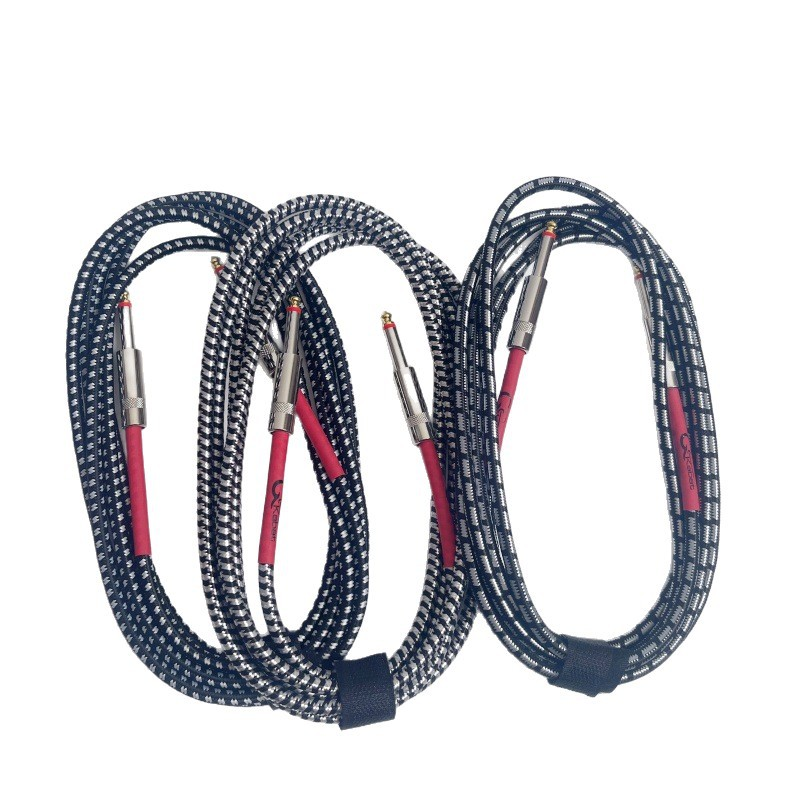
Braided Guitar Cable, 6.35mm Male to Male Noise Reduction Audio Cord for Bass, Instrument Connection Wire Wholesale
Stage and repair-shop cable accessory that pairs naturally with bridge upgrades, setup service and retail accessory walls.
View product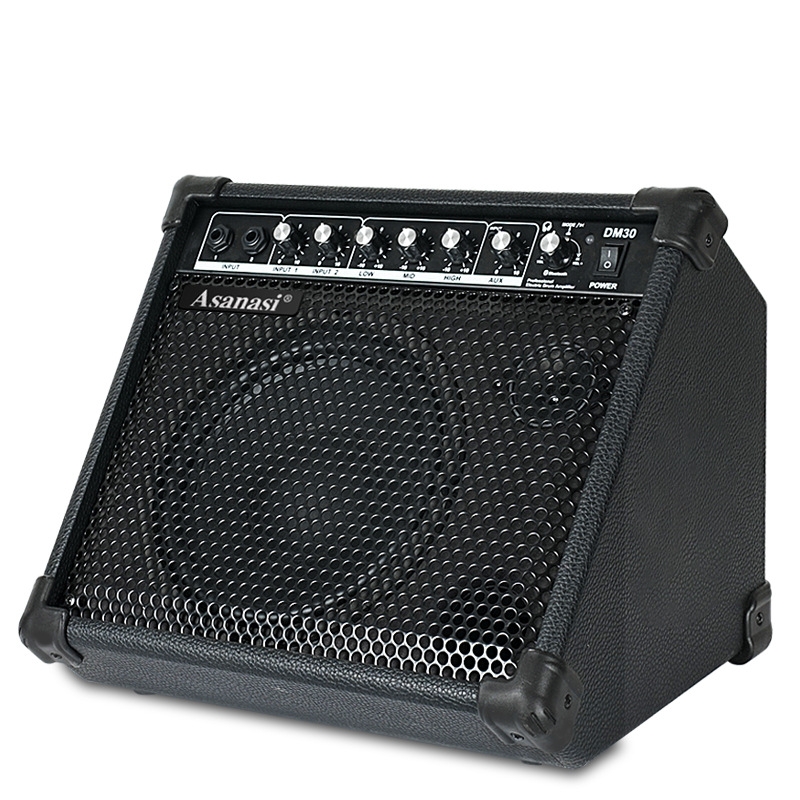
Wholesale Speakers Electronic Drums Rechargeable Portable Outdoor Wireless Stereo Amplifier
Portable amplification for drum, busking and school programs; useful add-on for mixed Boston wholesale orders.
View product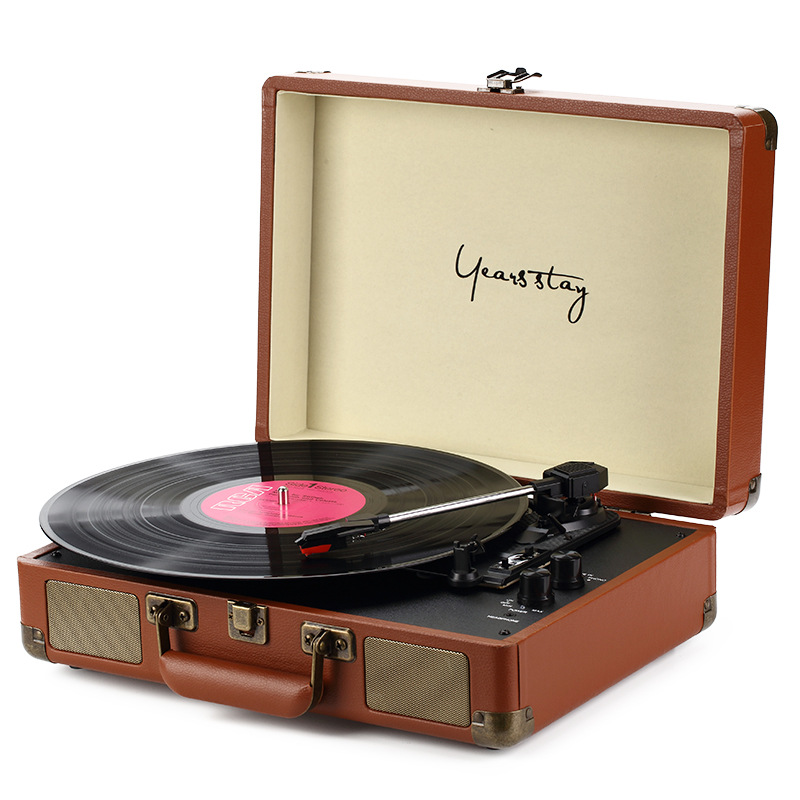
Portable Mini Phonograph Desktop Vinyl Record Player Handheld Wireless for Speaker Turntable
Lifestyle audio item for gift shops and electronics retailers; can travel in consolidated cartons.
View product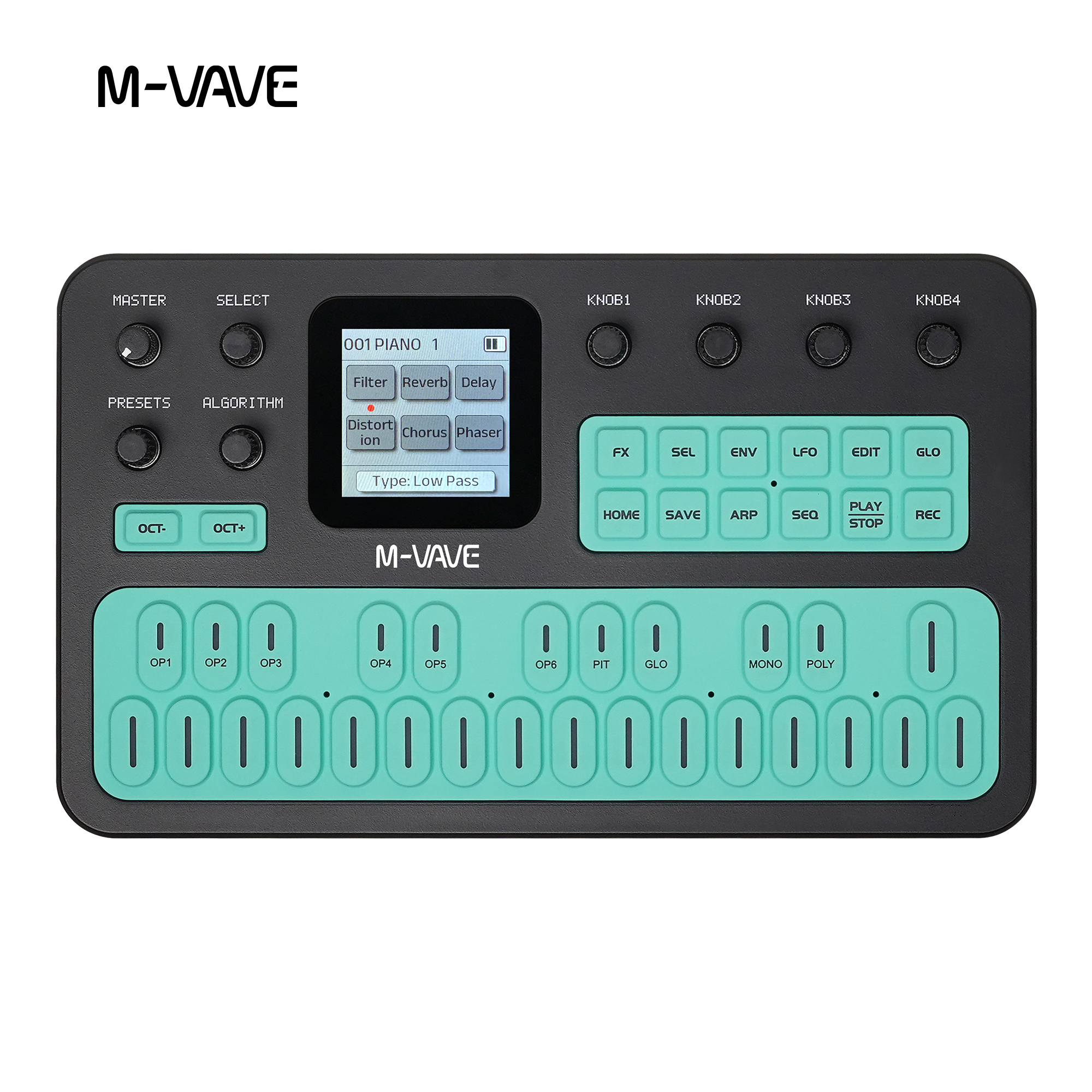
Factory Bestseller Portable M-VAVE FM-1 Synthesizer MIDI Digital FM Keyboard Screen Sequencer Arpeggiator Built-in Presets
Compact synth for education and content creators; a practical way to test the digital accessories line.
View product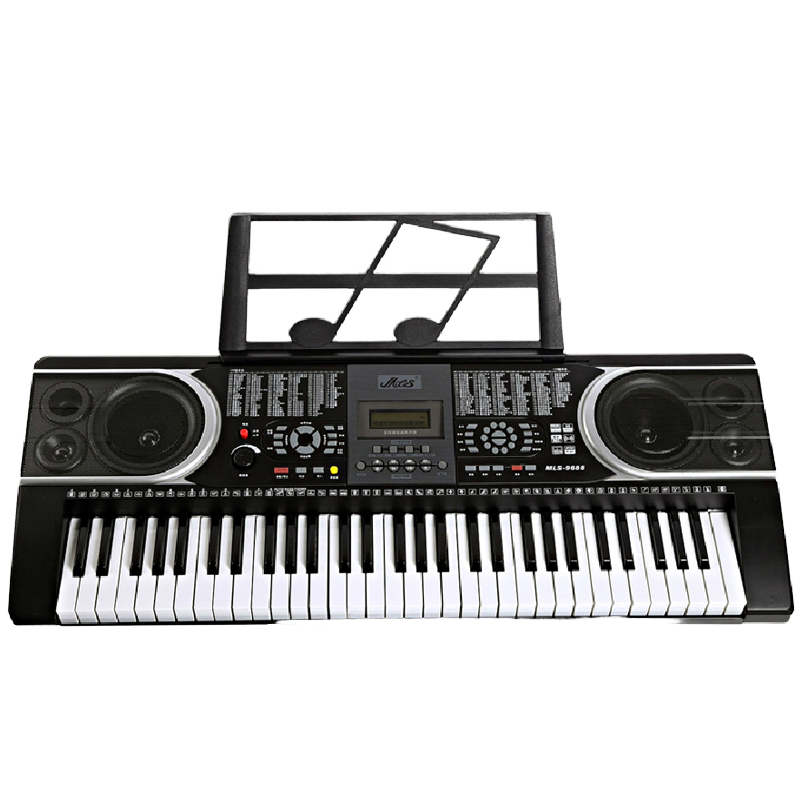
Professional Teaching Electronic Keyboard 61 Standard Keys
Classroom keyboard for schools and teaching studios; often ordered with accessories and maintenance parts.
View product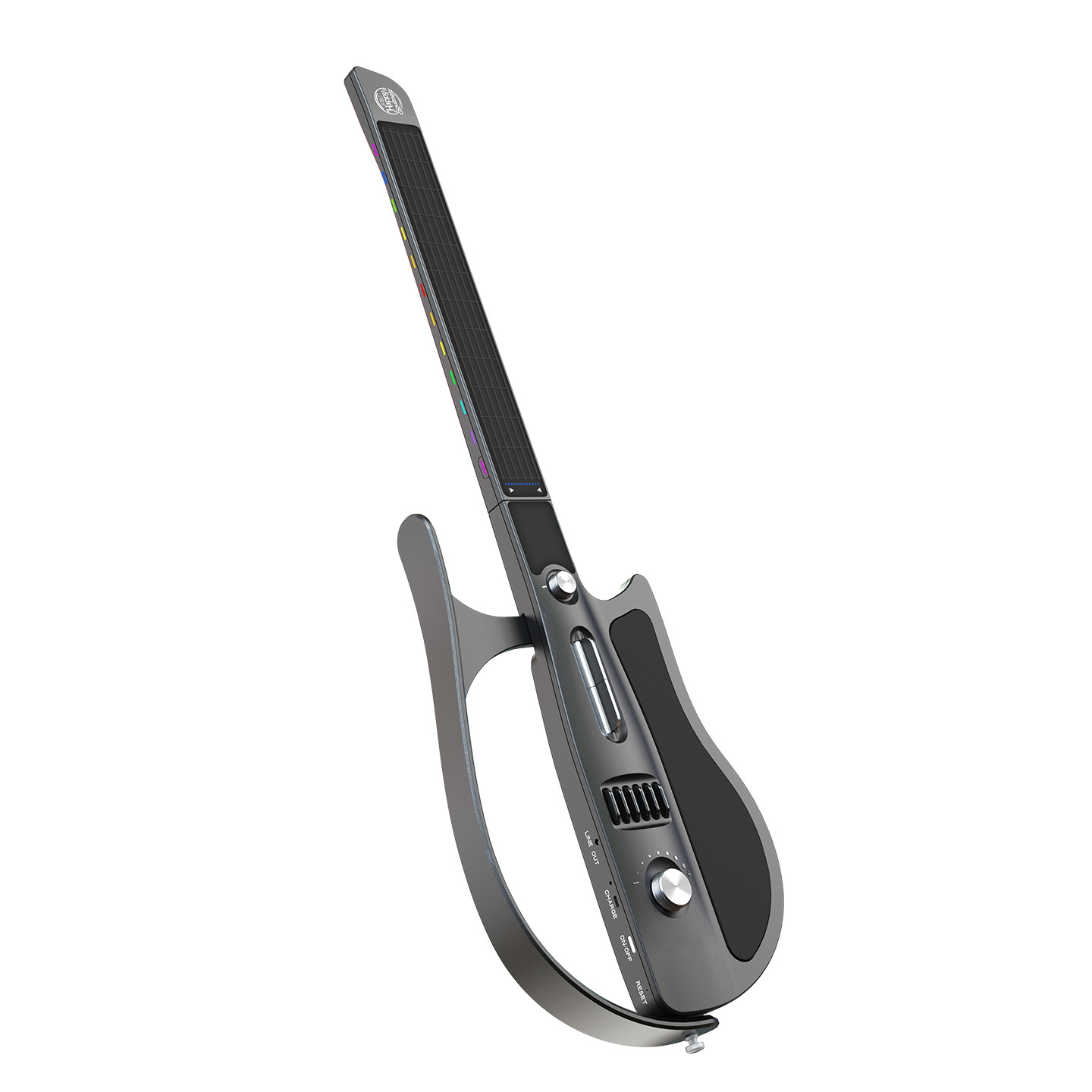
Hot Selling N1 Smart Accompaniment Stringless Guitar Smart Guitar Travel Guitar
Travel-friendly smart guitar for modern retail displays, beginner bundles and compact living spaces.
View product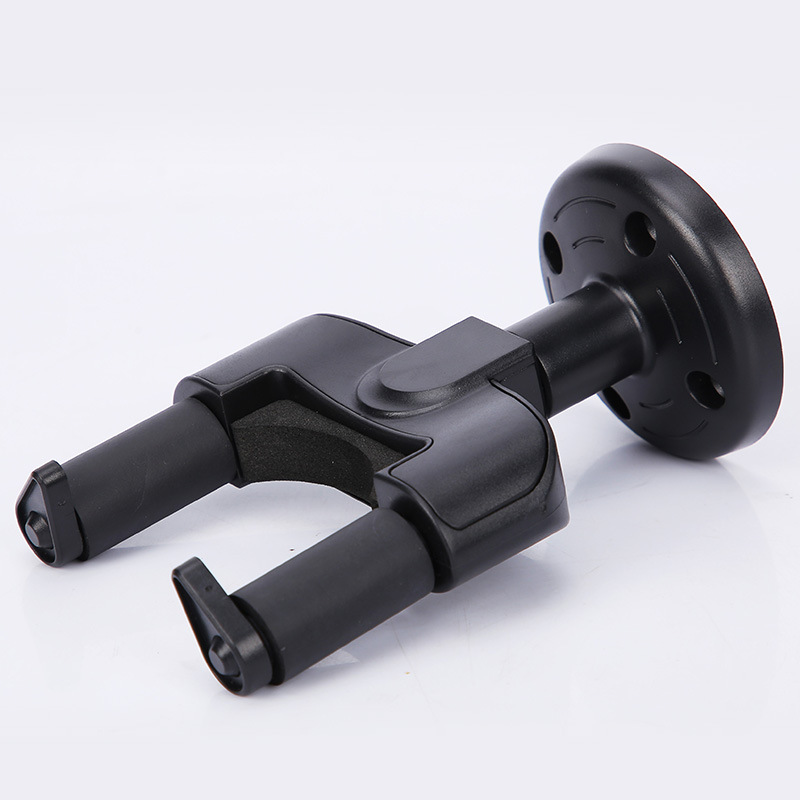
Gravity Auto Lock Guitar Hanger, Wall Mount Guitar Hook, Self-locking Holder for Electric & Acoustic Guitar Wholesale
Retail display and studio storage; works well with bridge and repair-service merchandising.
View product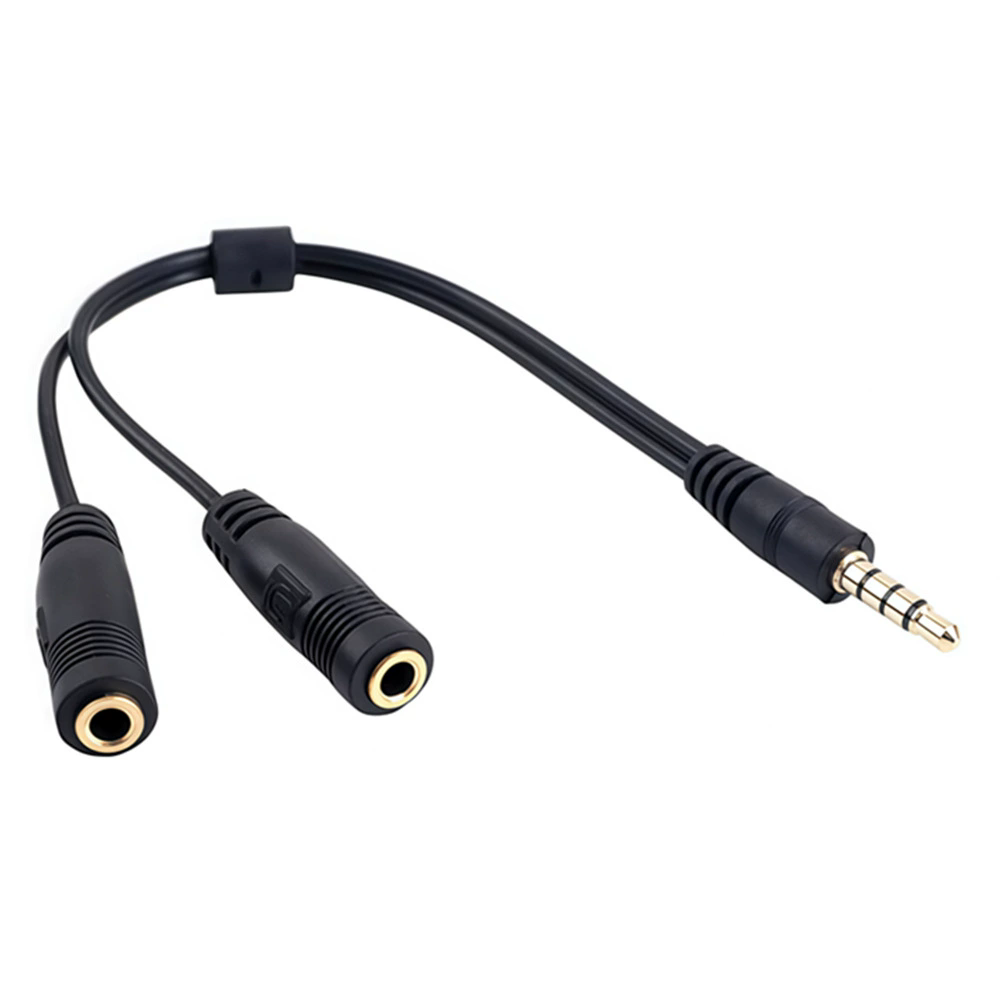
Wholesale 3.5mm 4-Pole Headset Microphone Splitter Adapter Cable for Laptop PC
Small accessory for online lessons, podcasting and school music labs; useful with digital instrument orders.
View productYears in the musical instrument industry
Annual export value, third-party assessed
Orders shipped in the last 6 months
Average inquiry response rate
Average buyer rating
Major export regions served
Why Boston Luthiers and Music Shops Choose a Specialized OEM Guitar Bridge Factory
Boston is not a generic market. Search intent around “guitar bridge manufacturers serving Boston” usually comes from three buyer groups: retail buyers who need sell-through replacement parts; luthiers and repair techs looking for accurate string spacing, saddle radius and metal choices; and institutions that need repeatable specifications for student instrument maintenance. The strongest supplier response is not just a price list — it is a specification conversation that covers fit, finish, adjustment travel and packaging.
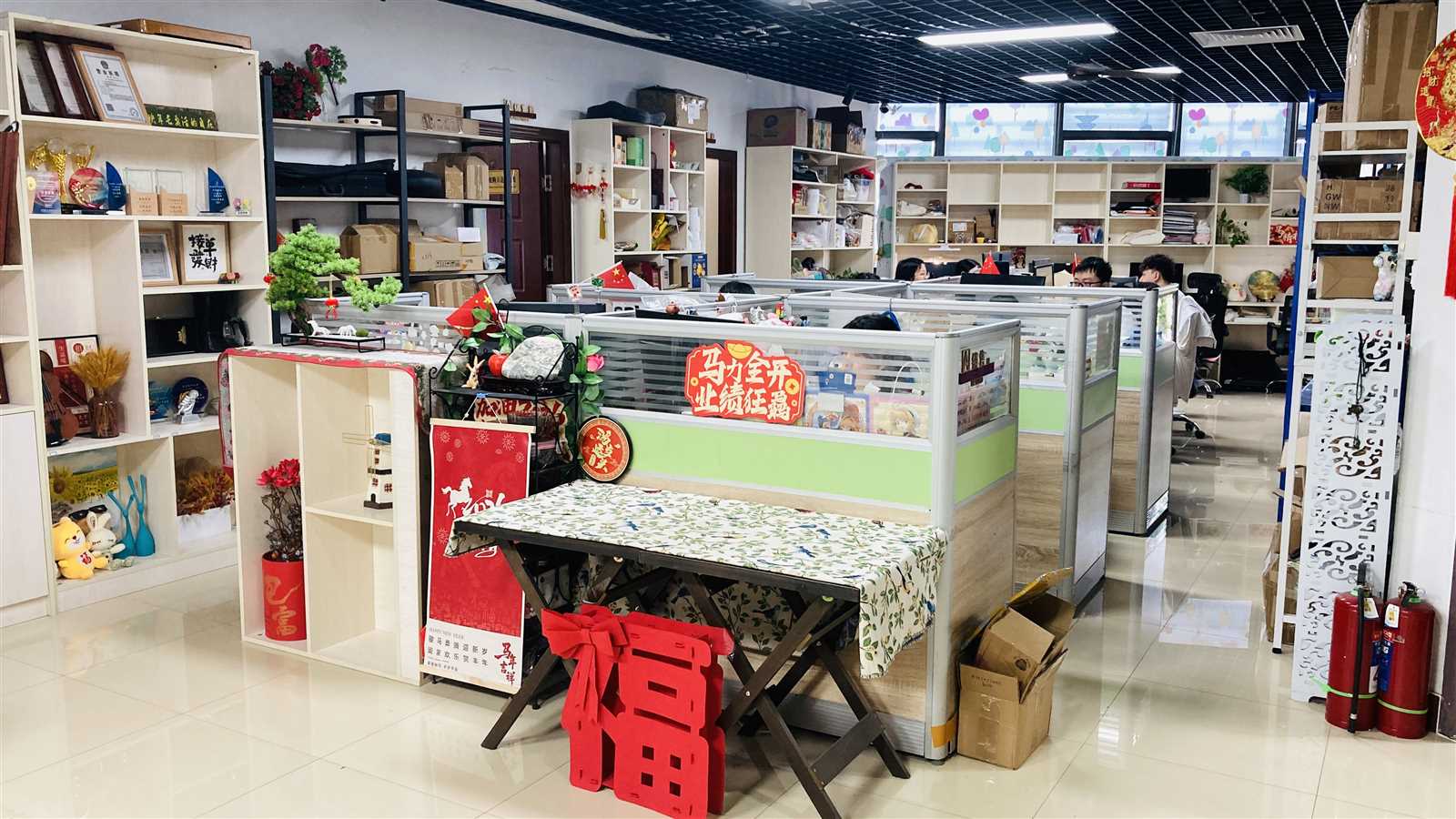
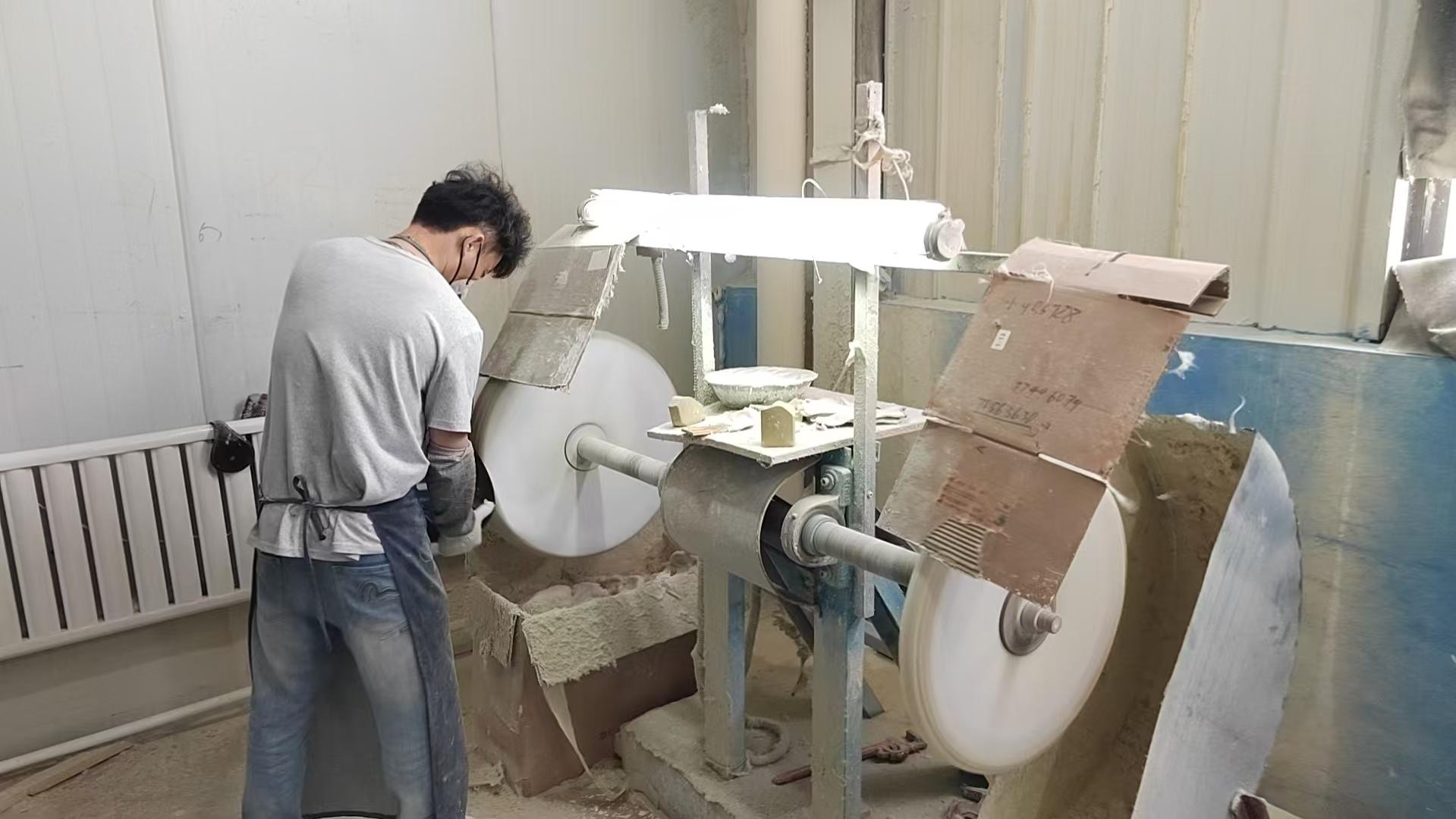
WPI International Trade Co., Ltd. (Huizhou) is an export and OEM sourcing partner working with long-term musical instrument workshops in Guangdong. Our 12 years of export experience, Intertek onsite assessment, and finished-product inspection process help translate a bridge requirement into a production-ready brief. For Boston buyers, that means you can compare a sample or drawing against clear criteria before committing to volume. It also means bridge parts can be consolidated with guitars, ukuleles, violins, keyboards and accessories — reducing freight friction and simplifying receiving.
- Spacing verification: E-to-E string spread, post spacing, stud thread, insert depth, saddle radius and screw travel.
- Climate-ready finishing: chrome, nickel, black nickel, brass, zinc-based castings, stainless steel and powder-coated options, depending on substrate and target price.
- MOQ flexibility: sampling from one piece is possible for many catalog instruments; bridge-specific MOQs depend on casting, CNC and polishing steps.
- Consolidation: combine bridge hardware with instruments and accessories to improve container utilization for Boston-area distributors.

Guitar Bridge Types and Hardware Selection Guide
Use this guide as an RFQ checklist. The right bridge is defined by instrument geometry, player feel, tuning system, finish durability and the service channel that will install it.
Tune-o-matic & ABR-Style Bridges
Electric-guitar bridges with adjustable saddles. Confirm ABR vs Nashville post style, saddle material, radius, string spread and stud thread before quoting.
Tremolo & Vibrato Systems
Two-point, six-screw, floating and locking-style assemblies. The block, arm tension, spring cavity and routing depth are critical for stable tuning.
Fixed Hardtail & Wraparound
Low-maintenance bridges for OEM electric lines, student instruments and repair upgrades. Check saddle height range and mounting screw pattern.
Acoustic Bridge & Saddle Assemblies
Bridge blanks, compensated saddles, bridge pins and glue-ready components. Specify scale length, saddle slot width and desired action range.
Bass & Extended-Range Bridges
Four-, five- and six-string bass bridges with top-load or string-through options. Confirm string spacing, baseplate footprint and saddle groove depth.
Saddles, Posts, Studs & Small Parts
Replacement hardware for repair benches and aftermarket SKUs. Keep parts separately bagged, barcoded and identified by finish and thread type.
Where Boston-Area Buyers Use Guitar Bridges and Hardware
The local music ecosystem rewards suppliers who understand how parts are installed, displayed, replaced and reordered — not only how they are manufactured.
Retail Counters & Online Stores
Boston music shops and e-commerce sellers need sell-through packaging: clear SKU names, finish photos, fit notes and barcode-ready labels. Bridge parts sell better when the listing answers “will this fit my guitar?” in the first three lines.
Luthier & Repair Benches
Repair techs care about post spacing, saddle radius, thread pitch and metal softness under repeated adjustment. Small batches, clear bin labels and consistent finish color reduce bench time.
Schools & University Music Programs
Institutional buyers need repeatable maintenance specs across batches. Stable finishes, consistent thread quality and documented packing help music departments reorder the same part year after year.
Gigging Players & Venues
For working musicians, rattle-free tremolo hardware, tuning stability and corrosion resistance matter more than marketing language. Boston’s seasonal humidity swings make adjustment-friendly designs especially valuable.
Boston Climate & Seasonal Setup
Cambridge, Somerville, Brookline and Greater Boston players move between cold dry outdoor air and heated indoor rooms. Moisture-barrier packaging and finishes that resist tarnish support better unboxing and seasonal setup.
Distributors & Private Label
Mixed containers make sense when bridge parts travel with guitars, ukuleles, violins, keyboards or accessories. Private-label buyers can request logo, packaging, barcodes and inspection photos.
Boston Market Trends: What Buyers Are Requesting in 2025
Search demand is shifting from “cheap guitar bridge” to specification-first sourcing. The winning supplier conversation includes fit data, finish durability and consolidation planning.
Specification-First RFQs
Buyers send drawings, photos, caliper readings or an original sample. Responses that confirm string spread, post spacing, saddle radius and finish options move faster.
Low-MOQ Custom Runs
Retailers test finishes, packaging and left-hand variants before volume. Low-MOQ programs reduce inventory risk while preserving a path to factory pricing.
Climate-Resilient Hardware
Corrosion-conscious plating, stable saddle materials and dry-pack cartons are increasingly requested for New England storage and retail display.
Repair & Aftermarket Parts
Setup and repair demand keeps growing. Saddles, posts, studs, springs and tailpieces are strong add-on SKUs because they solve a specific fit problem.
Mixed-Category Consolidation
Boston distributors often combine bridge parts with instruments and accessories. One consolidated shipment lowers freight and simplifies customs documentation.
Retail-Ready Packaging
Barcodes, hangtags, labeled bags and clear installation notes reduce returns. Packaging should protect metal finishes without making the part hard to inspect.
Boston Buyer Priority Index
Planning view for typical RFQ weights. It is a practical brief, not a market research claim; each project should be scored against its own channel and price target.
Materials, Finishes, and Tolerance Checks
This table helps a Boston buyer build a clearer RFQ. Actual feasibility depends on the bridge design, tooling status and target volume.
| Component / material | Typical use | Key checks | Boston sourcing note |
|---|---|---|---|
| Zinc-alloy cast bridge | Economy tune-o-matic, wraparound and tremolo blocks | Draft angle, thread inserts, plating adhesion, saddle fit | Good for retail price points; specify dry-pack cartons for seasonal storage. |
| Aluminum | Lightweight bridge bodies and tremolo blocks | Machining marks, string groove depth, thread durability | Attractive for tone-focused players; packaging must prevent surface scratches. |
| Brass | Bass bridges, saddles and blocks | Weight, machining consistency, tarnish protection | Clear finish and labeling help retail buyers compare upgrades. |
| Steel | Posts, screws, springs, baseplates | Hardness, thread pitch, rust prevention | Critical for repair benches; bag metal parts separately from cables and tools. |
| Chrome / nickel / black nickel | Show-surface finish options | Color consistency, coverage, corrosion resistance, polish | Confirm batch-to-batch color under neutral light for display and online listings. |
| Compensated saddle blanks | Acoustic guitars and repair replacements | Slot width, height, compensation point, material hardness | Offer multi-size packs so Boston repair shops can cover more instruments per order. |
12 Years of Export Experience and Intertek Assessment
For bridge hardware and mixed instrument orders, the supplier’s systems matter as much as the sample. Our assessed capabilities support both small starts and repeat production.
Intertek Onsite Assessment
Our premises and capabilities have been assessed onsite. Documentation supports buyers who need supplier verification before placing a first order.
Low-MOQ & Sampling
Many guitars, ukuleles, violins and saxophones can start from one piece for sampling. Small accessory orders typically range from 20 to 600 sets depending on SKU.
OEM / ODM Customization
Assessed capabilities include sample-based customization, minor customization for logo, packaging and graphics, design-based customization and full customization.
Pre-Shipment Inspection
Finished-product inspection covers appearance, hardware, threads, adjustment movement, packaging and carton marks before delivery.
One-Stop Consolidation
Source guitars, ukuleles, violins, cellos, saxophones, drums, keyboards and accessories alongside bridge hardware and small parts.
Export Experience
Main markets include North America, Western Europe, Southeast Asia and South America, with trade terms covering FOB, CIF, DDP and express delivery.


Share the specification
Send a sample, photo, caliper readings or 2D/3D drawing. Include string spread, post spacing, saddle radius and finish target.
Feasibility and quotation
We review material, process, tooling, MOQ and packaging, then recommend a bridge program that fits your channel.
Sample approval
Approve dimensions, finish, logo, packaging and labeling before mass production. Photos can be shared for remote approval.
Production and checks
Casting or CNC, polishing, plating, assembly and in-process checks are scheduled against the approved sample.
Pre-shipment inspection
Inspect appearance, threads, saddle travel, small-part counts, barcodes and carton condition before packing.
Boston delivery planning
Choose FOB, CIF, DDP or express. Combine bridge hardware with instruments and accessories to simplify receiving.
Guitar Bridge Manufacturing and Wholesale Questions
Direct answers for Boston-area retailers, repair shops, distributors and private-label buyers.
Do you manufacture guitar bridges for Boston buyers without a large MOQ?
Yes. Sampling from one piece is possible for many catalog instruments, and small accessory programs often start from 20 to 600 sets depending on material, finish and packaging. Bridge-specific MOQs depend on whether the design uses existing tooling or requires new casting or CNC work. We review tooling-free options first, then quote a practical path for a Boston test order.
Can you match an existing bridge’s post spacing, string spread and saddle radius?
Yes. Send an original sample, caliper measurements or a 2D/3D drawing. Before quotation, confirm E-to-E string spread, post spacing, stud thread, insert depth, saddle radius, adjustment travel and finish. If you are comparing an ABR-style and Nashville-style bridge, include photos of the mounting posts and thumbwheels so the fit can be checked correctly.
What finishes are suitable for Boston winters and humid summers?
Chrome, nickel, black nickel, brass, stainless steel and powder-coated options are available depending on the substrate. For Boston and New England storage, we recommend corrosion-conscious plating, dry-pack cartons and simple care instructions. If the part will sit on a retail wall or in a heated practice room, batch color consistency and tarnish protection should be part of the approval sample.
Do you offer OEM logos, custom packaging and barcodes?
Yes. Our assessed customization capabilities include sample-based customization, minor customization for logo, packaging and graphics, design-based customization and full customization. Provide artwork, barcode requirements, warning text and packaging copy for review. For bridge hardware, packaging should show fit notes clearly so Boston retail staff can answer customer questions quickly.
Can you produce left-handed, seven-string or eight-string bridge variants?
Many standard bridges have left-hand or extended-range options, but new spacing and baseplate designs require a review. We check string spread, saddle travel, route depth and MOQ, then quote CNC or dedicated tooling if needed. Combining a new bridge SKU with saddle sets or small parts can improve the economics of the first production run.
How do you control quality before shipment?
Finished-product inspection covers appearance, hardware, threads, saddle movement, small-part counts and packaging. For related instruments, tuning stability and basic playability checks can also be included. Our premises and capabilities have been assessed onsite by Intertek, and inspection photos can be provided for remote approvals.
What payment and delivery terms do you accept?
Payment methods include T/T, L/C, D/P, D/A, MoneyGram, credit card, PayPal, Western Union, cash and escrow. Delivery terms include FOB, CFR, CIF, EXW, FAS, CIP, FCA, CPT, DEQ, DDP, DDU, DAF, DES and express delivery. For Boston buyers, we can review the best mix of air, express and consolidated sea freight based on quantity and timing.
Can I consolidate guitar bridges with instruments and accessories for Boston?
Yes. WPI supplies guitars, ukuleles, violins, cellos, saxophones, drums, keyboards, stands, cables and accessories. Many buyers consolidate bridge parts with instruments to reduce freight and simplify receiving. Mixed-category orders are welcome, and product URLs can be used to build a first reference list before a formal quotation.
Send Your Boston Guitar Bridge Specification
Share target quantity, bridge type, material, finish, string spread, post spacing, saddle radius, sample link or drawing. We will reply with a bridge program recommendation, MOQ options and a consolidated sourcing plan for Boston delivery.
Email: info@wpimusic.com · Huizhou, Guangdong, China · Export markets: North America, Western Europe, Southeast Asia, South America