Drum Cymbals Wholesaler & Wholesalers for Austin
A practical wholesale sourcing guide for Austin drum shops, school percussion programs, backline companies, worship teams and music retailers—combining cymbal programs with verified low-MOQ instruments and accessories.
8 Wholesale Products That Complete an Austin Drum-Cymbal Order
The cymbal buyer is often the same buyer who needs sticks, practice tools, backline-ready parts, recording accessories and retail add-ons. The eight lines below are fast-turn complementary products for Austin drum shops, school music programs and live-event suppliers. Product URLs are preserved from the original catalog; use the live-chat inquiry button for mixed-carton, OEM and price confirmation.
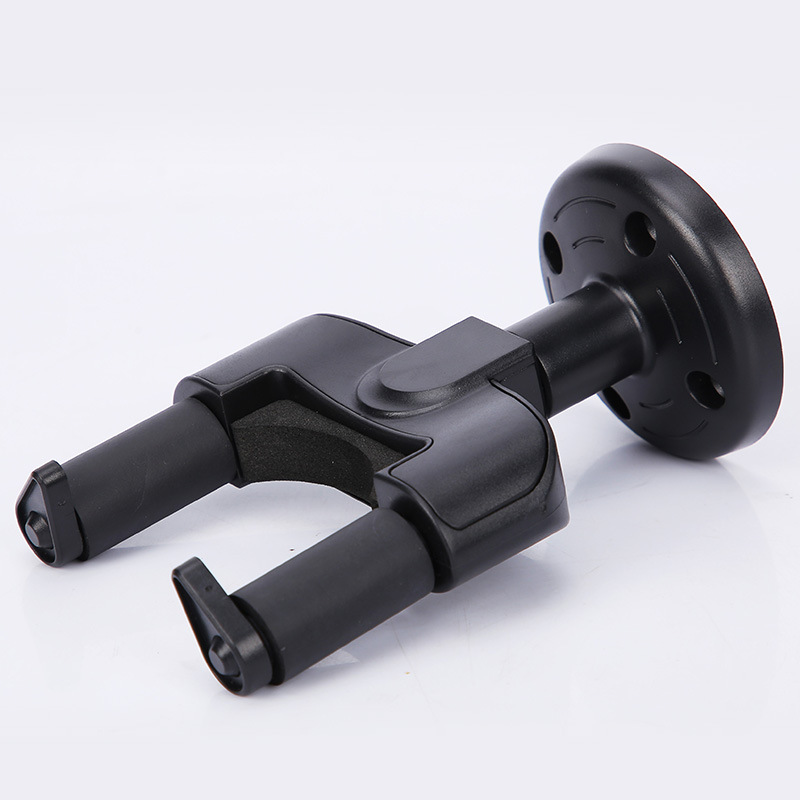
Gravity Auto Lock Guitar Hanger, Wall Mount Guitar Hook, Self-locking Holder for Electric & Acoustic Guitar Wholesale
Self-locking wall holder for electric and acoustic guitars; useful for Austin drum shops adding a guitar-accessory wall.
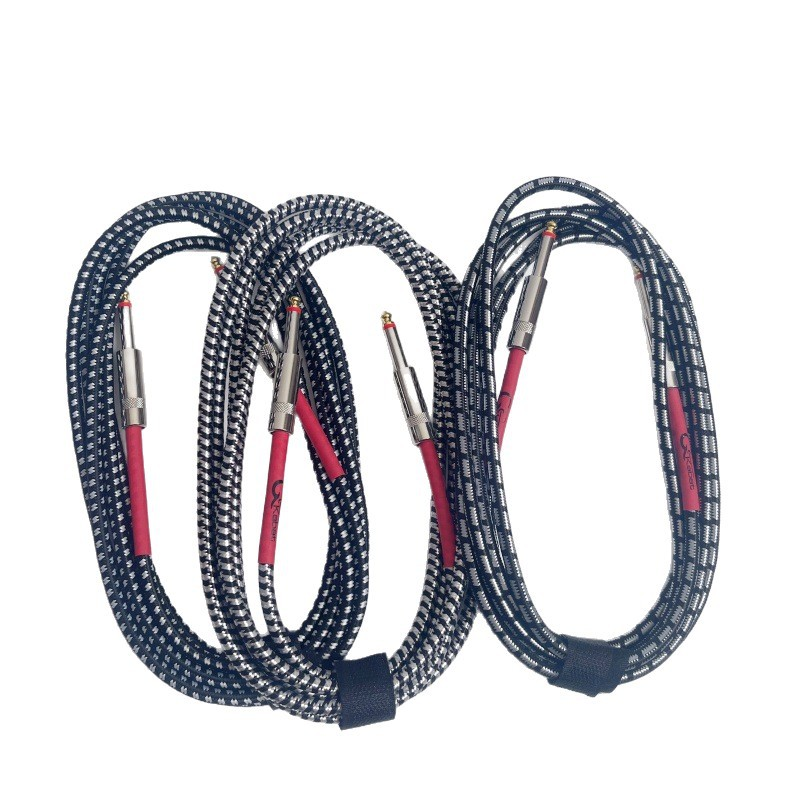
Braided Guitar Cable, 6.35mm Male to Male Noise Reduction Audio Cord for Bass, Instrument Connection Wire Wholesale
Male-to-male audio cord for bass, instrument and backline connections; a practical add-on for rental and stage customers.
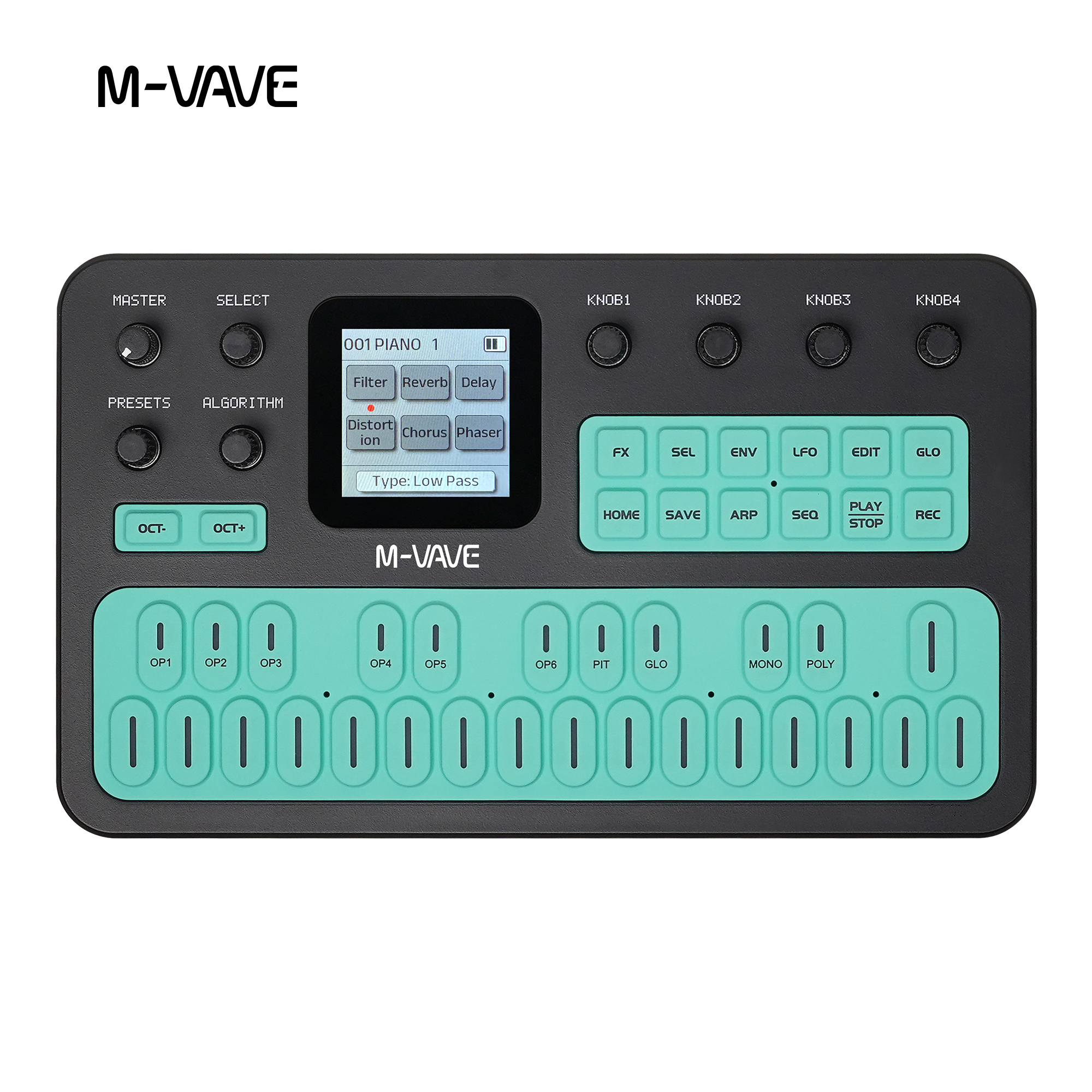
Factory Bestseller Portable M-VAVE FM-1 Synthesizer MIDI Digital FM Keyboard Screen Sequencer Arpeggiator Built-in Presets
Screen, sequencer, arpeggiator and built-in presets for creators, schools and electronic music buyers.
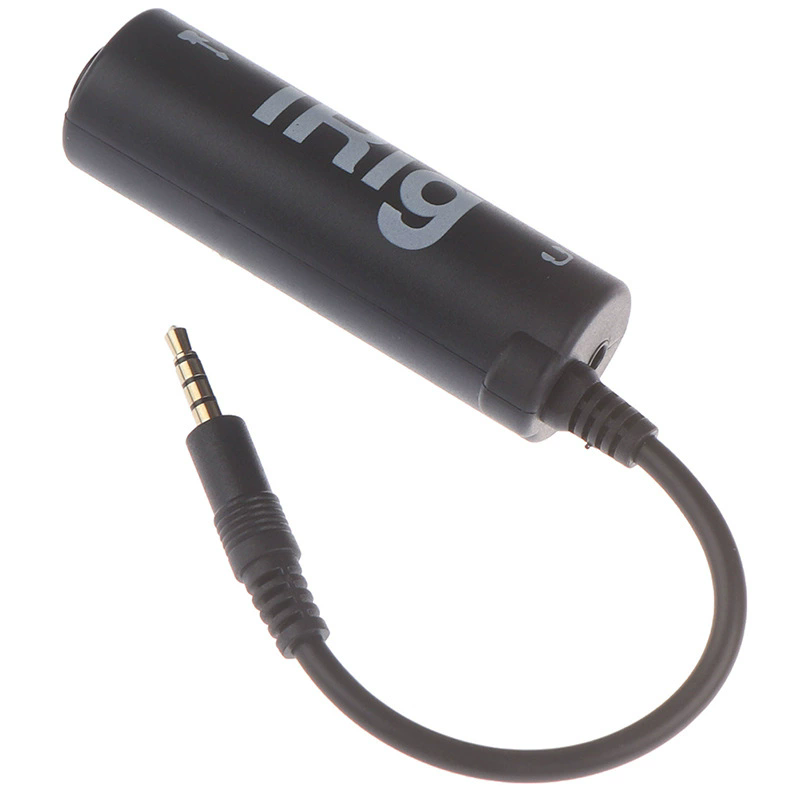
Wholesale 3.5mm Converter Guitar Bass Interface Converter Adapter for Phone Tablet Recording
Phone and tablet recording adapter for content creators and teaching studios; strong for mobile-first musicians.
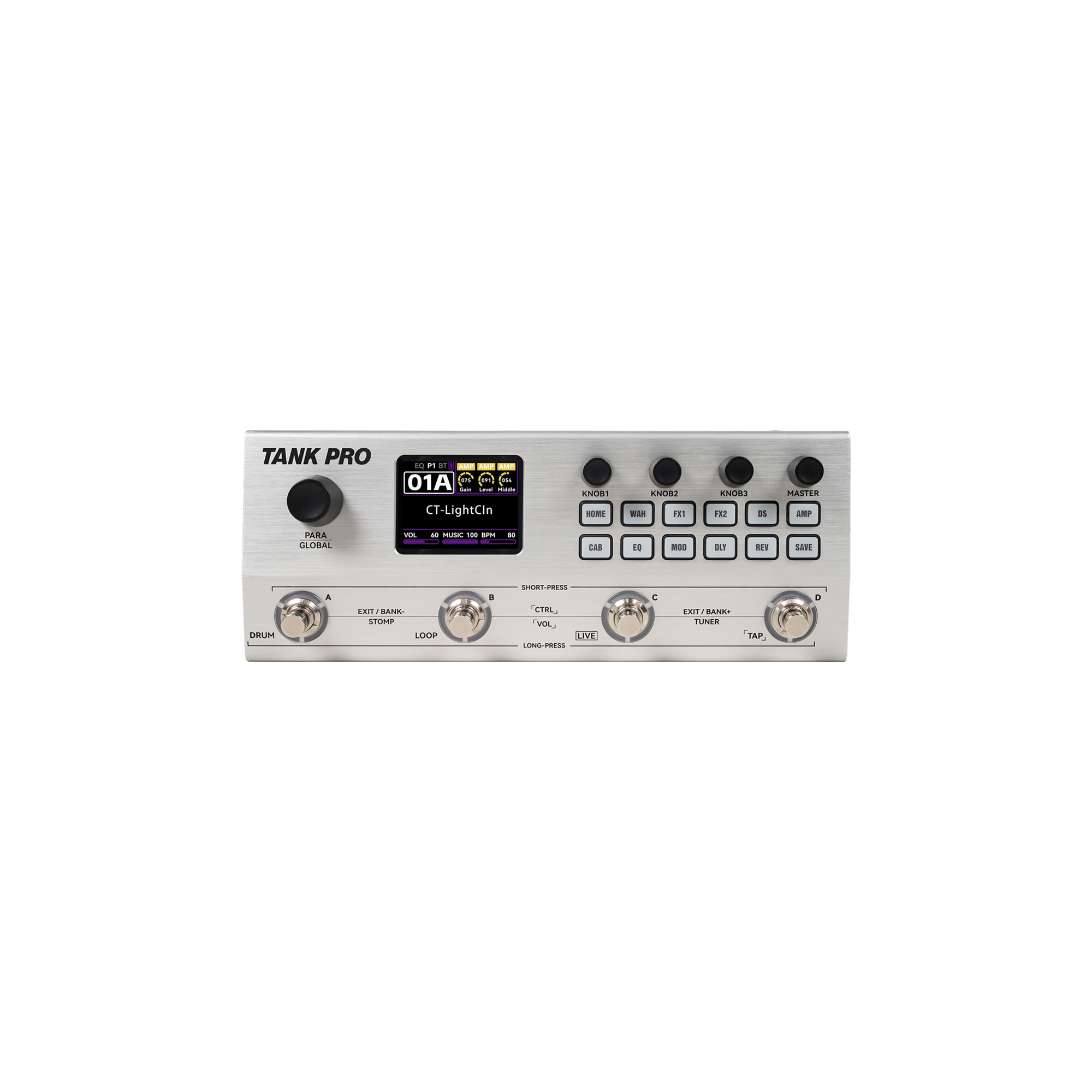
Tank Pro Metal Guitar Multi Effects Processor with ANN Third-Party IR Loading OTG Internal Recording
IR loading, OTG and internal recording; a cross-sell for pedal, amp and home-studio buyers.
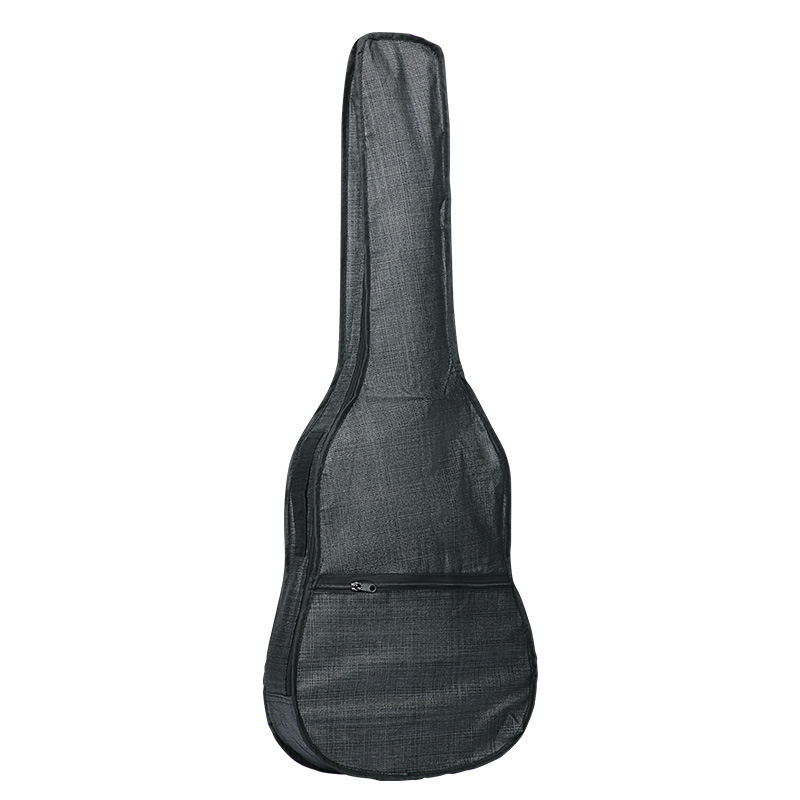
38 Inch New Non-woven Fabric Acoustic Guitar Bag, Single Shoulder Lightweight Single Layer Folk Guitar Backpack Wholesale
Lightweight single-shoulder folk guitar backpack; bundle with entry guitars, school orders and retail promotions.
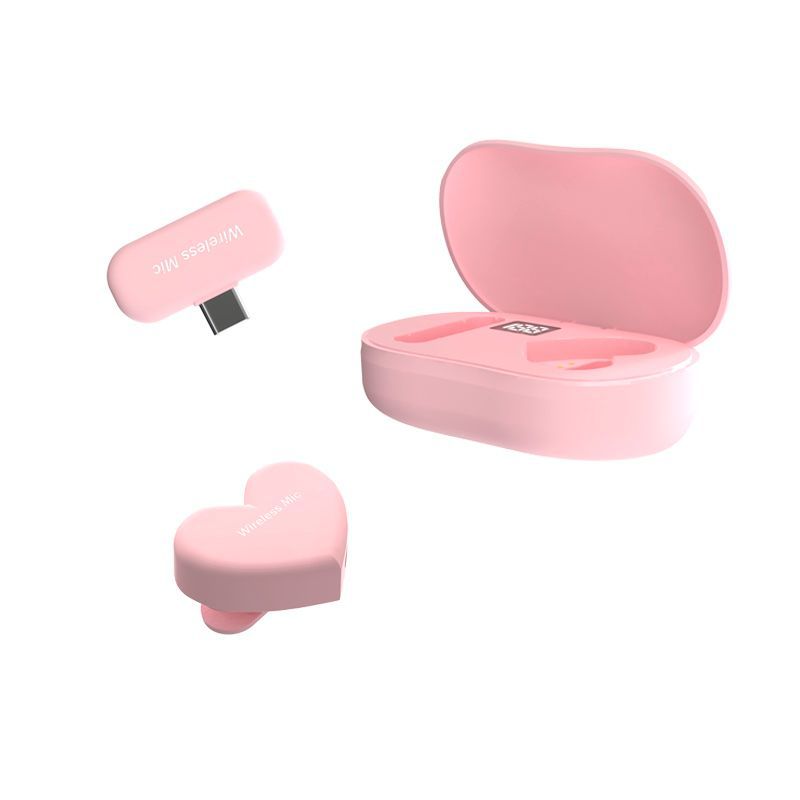
Stylish Pink Heart Wireless Mic with Clip Magnet Excellent for Vlog Recording on Mobile Compact Charging Case Portable Mic
Compact charging case and mobile vlog recording; a gift-oriented accessory for lifestyle and content retailers.
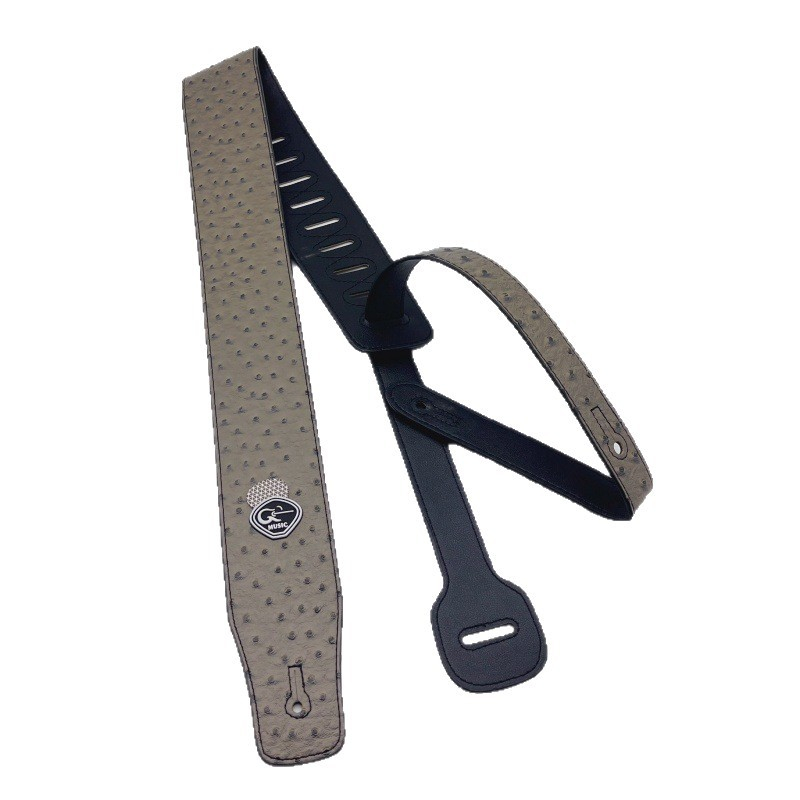
Genuine Leather Guitar Strap, Wide Wear-resistant Shoulder Strap, Dual-use Strap for Acoustic & Electric Guitar Wholesale
Dual-use shoulder strap for acoustic and electric guitars; attach to guitar, accessory and lesson-room orders.
Why Austin Wholesale Buyers Evaluate More Than Catalog Size
For a drum-cymbal buyer, the real question is whether a supplier can sustain quality, communicate clearly and consolidate mixed orders. WPI’s assessed profile provides six practical signals.
Drum Cymbals Wholesale for Austin: What Local Buyers Actually Need
Austin is often described as a live-music city, but for a wholesale buyer the more useful description is a replacement market. Cymbals are cracked, keyholed, edge-dented, over-tightened, transported and played hard. Venues and backline companies replace individual hi-hats, crashes and rides rather than complete sets. Schools replace school-owned cymbals at the start of the academic year. Churches often standardize on quieter setups. Rehearsal rooms and teaching studios buy durable mid-tier cymbals with predictable replacement SKUs. This is why a “drum cymbals wholesaler for Austin” must support break-pack quantities, consistent models, clear alloy and weight data, and mixed-category orders.
The search intent behind “Drum Cymbals Wholesaler & Wholesalers for Austin” usually combines five questions: can the supplier provide wholesale pricing, can it support OEM or private label, how will freight reach Texas, what is the minimum order, and can cymbals be consolidated with other music products? A local page should answer all five. WPI is not an Austin storefront; it is an export supplier based in Huizhou, Guangdong. That distinction matters. The advantage is factory-direct sourcing, low-MOQ customization, third-party assessment and one-container consolidation—not same-day local pickup. Austin buyers needing urgent single-piece replacement should use local dealers. Buyers planning seasonal stock, school programs, private-label lines, festival-season rentals or mixed containers can use an export wholesaler.
For a credible cymbal program, separate product performance from purchasing convenience. A cymbal may sound excellent, but if the supplier cannot repeat the alloy, weight class, bell shape or finish in the next production run, the retailer inherits returns and bad reviews. Austin’s buyers are experienced: drum-shop staff, touring backline technicians, school percussion specialists and worship directors all notice inconsistency. A wholesale page therefore needs to discuss alloy, manufacturing method, weight, durability, quality inspection and packaging—not just price per piece.
Cymbal Selection Matrix for Austin Retail, Rental and Education Buyers
Use this matrix as a starting brief for a mixed cymbal order. It is written for buyers who need to balance sound, durability, price tier and replacement consistency.
| Cymbal Type / Construction | Sound & Durability Profile | Best Austin Use | Wholesale Planning Note |
|---|---|---|---|
| B20 cast bronze 80% copper / 20% tin |
Complex, warm to dark, musical; professional feel; higher cost and more careful handling. | Pro drum shops, recording studios, touring backline, advanced players and premium rental kits. | Sample 1–2 pieces first, then build a 6–24 piece mixed program by weight and series. |
| B8 sheet bronze 92% copper / 8% tin |
Bright, consistent, durable and value-oriented; easier to repeat across production runs. | Schools, churches, rental fleets, entry-to-mid drum kits and replacement cymbals for retail. | Bundle with kits and hardware; keep 2–10 pieces per fast-moving model as a baseline. |
| Brass sheet | Bright, shorter sustain, lower cost; suitable for starter bundles and promotional price points. | Starter kits, online promotions, toy/education bundles and first-time player packages. | Use as a traffic-driving tier, but avoid overstocking because upgrade demand can be fast. |
| Low-volume cymbals holes, edge treatment or thin profiles |
Reduced stage volume with controlled attack; useful where volume management matters. | Worship stages, small venues, teaching rooms, rehearsal studios and content creators. | Test a small pack before scaling; confirm durability, stand fit and player feedback. |
| Effect cymbals splash, china, ozone, stack |
Short, trashy, bright or dark accents; niche but strong for content-led retail. | Drum shops, online niche sellers, modern players and studio rental inventories. | Keep a small assortment with strong photos, sound descriptions and bundle options. |
Where Austin Buyers Use Wholesale Cymbals and Percussion Add-Ons
Drum Shops & Online Sellers
A Red River, South Congress or East Austin drum shop may display 20–40 cymbals but stock replacements behind the counter. The wholesale order should include fast-moving hi-hat pairs, 16-inch and 18-inch crashes, 20-inch rides and a small effect selection. Online sellers need consistent photos, weights and bundle descriptions.
School Percussion Programs
Austin ISD and neighboring districts plan by school year. They need durable practice cymbals, replacement straps, pads, stands and sticks. A wholesaler should offer mixed-model packs, predictable replacement SKUs, invoice documentation and packaging that survives campus handling.
Venues, Backline & Festival Season
SXSW, ACL Fest and year-round venue calendars create short rental peaks. Backline companies value robust mid-tier cymbals and quick replacement of hi-hats, crash packs and hardware. Low-volume cymbals also suit small stages and rehearsal rooms where volume control matters.
Worship, Teaching & Home Studios
Churches and teaching studios often need low-volume options, darker rides or effect cymbals for recording. They also buy microphones, cables and accessories; bundled quotes reduce purchase orders and simplify inventory. A mixed quote can include cymbals, stands, practice pads and creator accessories.
How Austin Wholesale Demand Is Shifting
Austin buyers are not only stocking products; they are managing rental peaks, school calendars, venue requirements and online content expectations. These six planning themes should shape a wholesale brief.
Festival Season Compresses Replacement Demand
SXSW, ACL Fest and spring/fall event calendars create rental peaks. Backline suppliers and retail shops need replacement cymbals, hardware and accessories ready before the season—not ordered during it.
Education Budgets Favor Durable Mid-Tier
Schools rarely buy the cheapest option if it increases replacement frequency. Durable B8 sheet cymbals, reliable stands and consistent packaging often win over the lowest quote.
Low-Volume Is Moving Mainstream
Small venues, worship stages and teaching rooms increasingly prioritize volume control. Low-volume cymbals, practice setups and quiet-stage accessories are becoming test-worthy categories.
Micro-Brands Want Low-MOQ OEM
Austin creators, retailers and online sellers are launching private-label lines. They need low-MOQ sampling, logo options, packaging and repeatable specifications before scaling.
Freight Volatility Rewards Planning
Mixed containers, pre-season ordering and consolidated categories reduce exposure to freight and tariff changes. Buyers who combine cymbals with accessories can improve container utilization.
Product Content Is Part of the Product
Buyers want weight ranges, alloy details, sound descriptions, care guidance and video proof. Reliable product data reduces returns and helps retailers sell cymbals online with confidence.
Illustrative Planning Priorities
The chart below is a qualitative planning aid for Austin buyers, not a market-statistics claim. Validate priorities against your own sales data, rental history and school calendars.
A Three-Tier Cymbal Program for Austin Buyers
Avoid buying cymbals as a single price list. Build tiers by player, use case and replacement logic; then attach the accessories that increase average order value.
Starter and Replacement Inventory
For first-time players, starter kits, promotions and quick replacement. Keep price points accessible and packaging retail-ready.
Durable Mid-Tier Core
For Austin school programs, worship teams and rehearsal rooms that need repeatable models and sensible replacement costs.
Premium and Niche Selection
For advanced players, studios, touring backline and content-led retail where tone and detail justify a higher price.
A Wholesale Cymbal QC Checklist Before Shipment
Finished-product inspection should be documented before packing. For cymbal programs, the checklist should combine cymbal-specific checks with general export QC.
Alloy and weight verification: confirm the agreed alloy class, weight range and diameter before production is packed.
Bell, edge and mount hole: inspect for edge dents, keyholing, rough lathe marks and grommet fit.
Hammering and lathe consistency: compare pieces within the same model so retailers can reorder with confidence.
Hardware and stand compatibility: check cymbal stand fit, clutch, sleeve and wing-nut packaging where included.
Export packaging and drop protection: use separators, edge protection and retail-ready labels for mixed cartons.
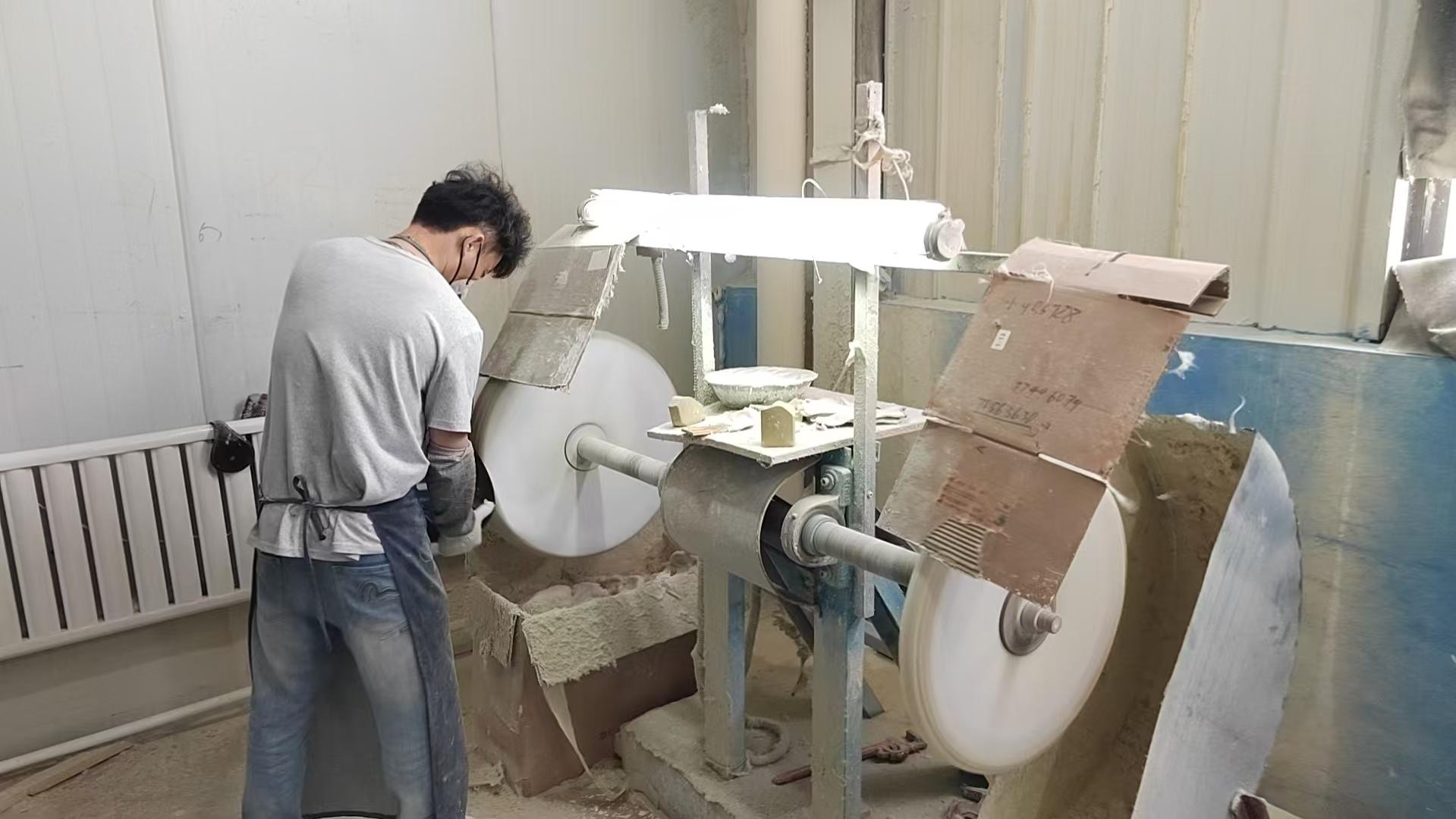
Finished-product inspection before delivery: WPI inspects appearance, hardware, tuning/assembly where relevant, and packaging before shipment.
Why WPI Fits an Austin Drum-Cymbal and Mixed-Order Strategy
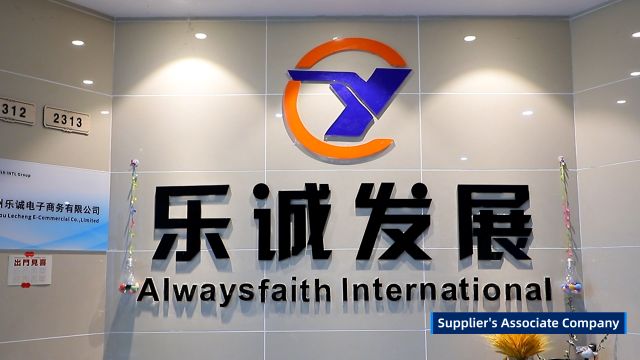
WPI International Trade Co., Ltd. (Huizhou) is a musical-instrument export and OEM supplier. Its advantage is not a single product; it is the ability to combine categories, customize at low MOQ and document quality before shipment.
Intertek Onsite Assessed
Premises, legal status and capabilities were verified onsite, supporting buyer confidence before the first order.
12+ Years Export Experience
Instrument export experience since 2010, with main markets in North America, Western Europe, Southeast Asia and South America.
Low MOQ & Mixed Orders
Sampling from 1 piece for many items; typical instrument MOQs of 2–10 pieces per model and 20–600 sets for small accessories.
OEM / ODM & One-Stop Sourcing
Sample-based, minor, design-based and full customization, plus consolidation across guitars, percussion, keyboards and accessories.
A supplier profile Austin buyers can review
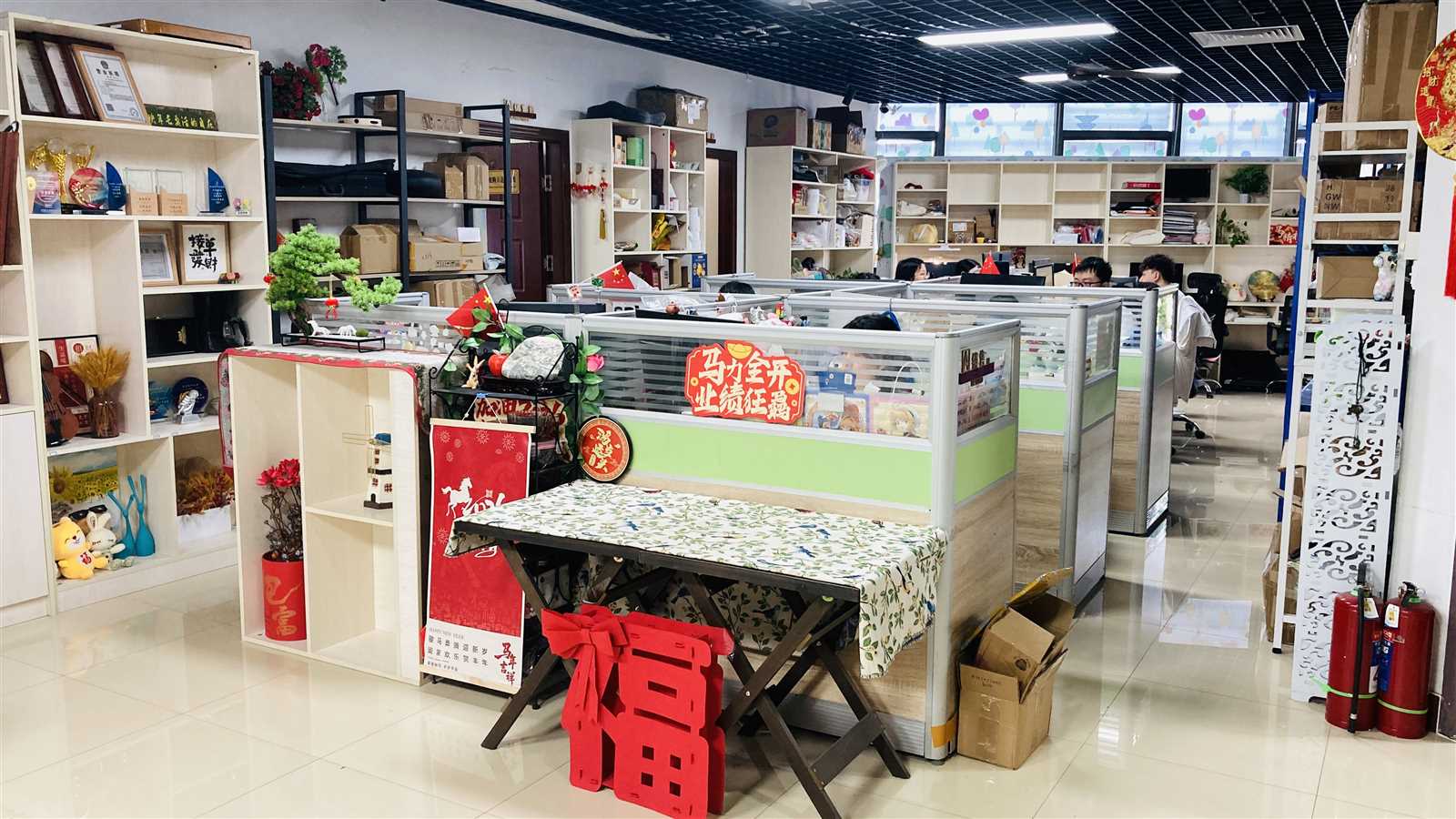
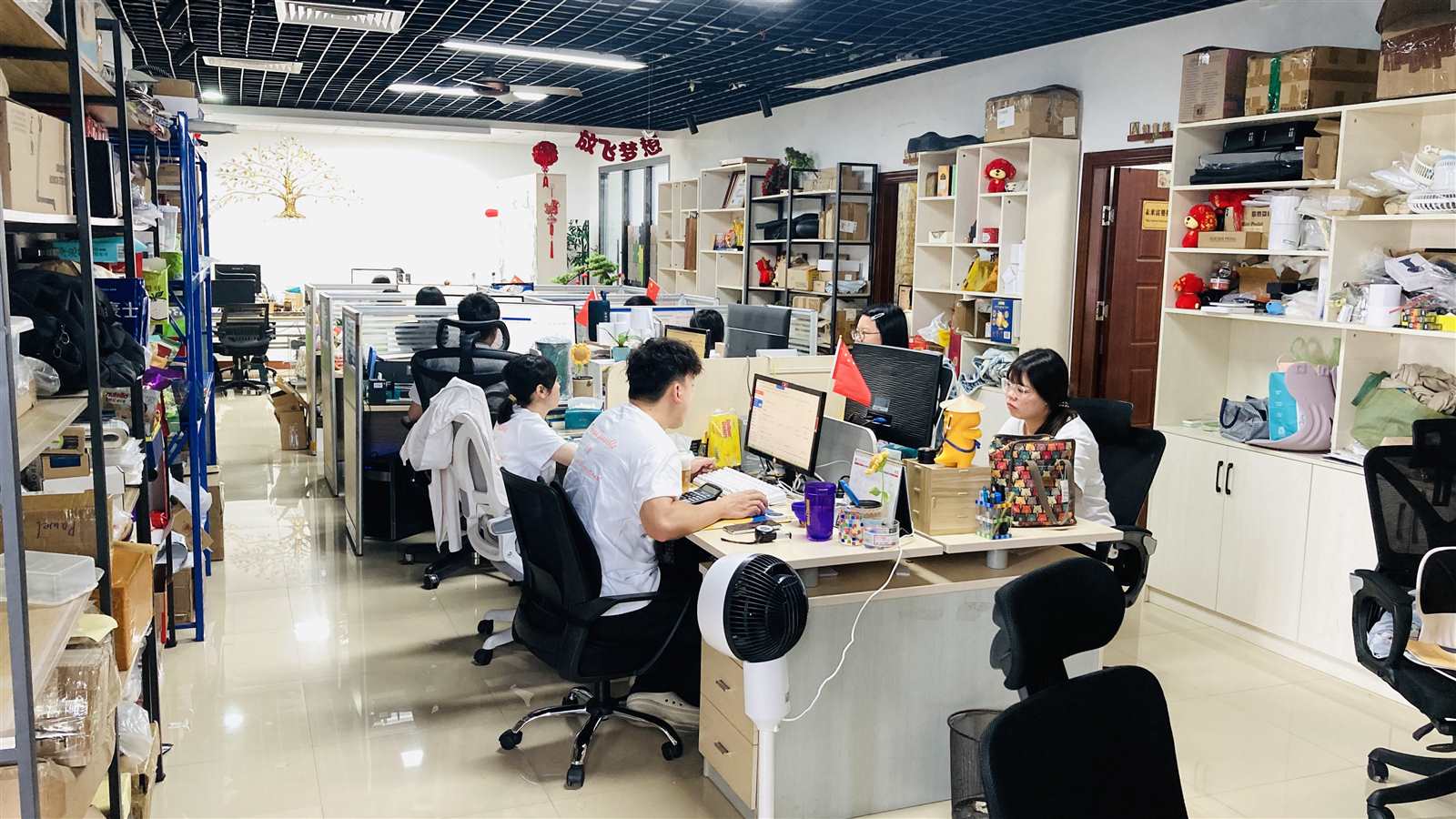
WPI began exporting musical instruments from Hong Kong in June 2010 and established its Huizhou, Guangdong operation in 2014. The company has 28 staff, including 22 in trading and export roles, and an assessed annual export value of US$9 million. Recent trade data shows 952 orders and US$370,000+ in six months, with a 97.73% inquiry response rate and a 4.6/5 average buyer rating.
Its catalog spans acoustic and electric guitars, ukuleles, violins, cellos, saxophones, clarinets, drum sets, steel tongue drums, keyboards and accessories. For Austin cymbal buyers, this matters because percussion is rarely a standalone purchase. A cymbal program can be consolidated with drum kits, hardware, sticks, cases, microphones, cables, straps and other add-ons—reducing supplier count and improving container utilization.

MOQ & Sampling
From 1 piece for many samples; instruments typically 2–10 pieces per model; small accessories 20–600 sets. Mixed-category orders are welcome.
Payment Methods
T/T, L/C, D/P, D/A, MoneyGram, credit card, PayPal, Western Union, cash and escrow.
Delivery Terms
FOB, CFR, CIF, EXW, FAS, CIP, FCA, CPT, DEQ, DDP, DDU, DAF, DES and express delivery.
Main Markets
North America, Western Europe, Southeast Asia and South America, with support for Austin and wider Texas buyers.
Common Wholesale Questions from Austin Music Retailers
What is the minimum order quantity for drum cymbals and mixed percussion orders?
Sampling can start from 1 piece for many catalog items. Typical instrument MOQs are 2–10 pieces per model, and small accessories are often 20–600 sets. Cymbal programs can be mixed with drum kits, hardware, sticks and add-ons. Confirm the exact cymbal MOQ by model, finish and logo requirement.
Can you customize cymbal logos, packaging and private-label programs?
Yes. Assessed capabilities include sample-based customization, minor customization such as logo, packaging and graphics, design-based customization and full customization. For cymbals, provide artwork, target weight range, alloy target, finish, packaging and any retail labeling requirements.
How do you ship wholesale cymbals to Austin, Texas?
Typical options include FOB, CIF, DDP and express delivery. Ocean freight usually enters through a US port and then moves by truck to Austin; air or express suits samples and urgent replacement. WPI confirms the best route based on volume, timing, Incoterm and buyer preference.
How do you control cymbal quality before shipment?
Every order goes through finished-product inspection before delivery, covering appearance, hardware, assembly where relevant and packaging. A cymbal checklist should also verify alloy and weight range, bell and edge condition, mount hole, lathe and hammering consistency, and export packaging protection.
Which cymbal alloys should an Austin retailer stock first?
For most Austin stores, start with durable B8 sheet cymbals for entry-to-mid kits and school replacement, then add a small B20 cast selection for pro, studio and backline customers. Brass entry cymbals work for starter bundles and promotions. Low-volume options are worth testing for worship and smaller venues.
Do you support low-volume or quiet cymbals for churches and teaching studios?
Yes, low-volume cymbals can be included in a test order. They suit worship stages, teaching rooms, small venues and content creators. Validate sound, stand fit and durability with a sample before scaling into a larger program.
Can I consolidate cymbals with guitars, accessories and other WPI lines?
Yes. WPI’s catalog spans guitars, ukuleles, violins, cellos, saxophones, clarinets, drums, keyboards, steel tongue drums and accessories. Mixed-category orders are welcome, which helps Austin distributors reduce freight cost and supplier count.
What lead times should Austin buyers plan for?
Lead time depends on stock, customization, QC and freight schedule. Allow extra time for private-label packaging and peak season around SXSW, ACL Fest and the school year. Request a production and shipping timeline with your quotation.
Planning an Austin Cymbal and Percussion Program?
Send your target price tier, alloy preference, MOQ, logo and delivery window. We will reply with model options, mixed-order recommendations and a production plan.