8 Wholesale Products Canadian Music Retailers Commonly Bundle with Cymbal Programs
The products below are supplied by WPI and are useful for drum shops, school music programs, worship teams, repair counters, and online retailers that want a broader accessory basket around cymbal sales. Original product URLs are preserved.
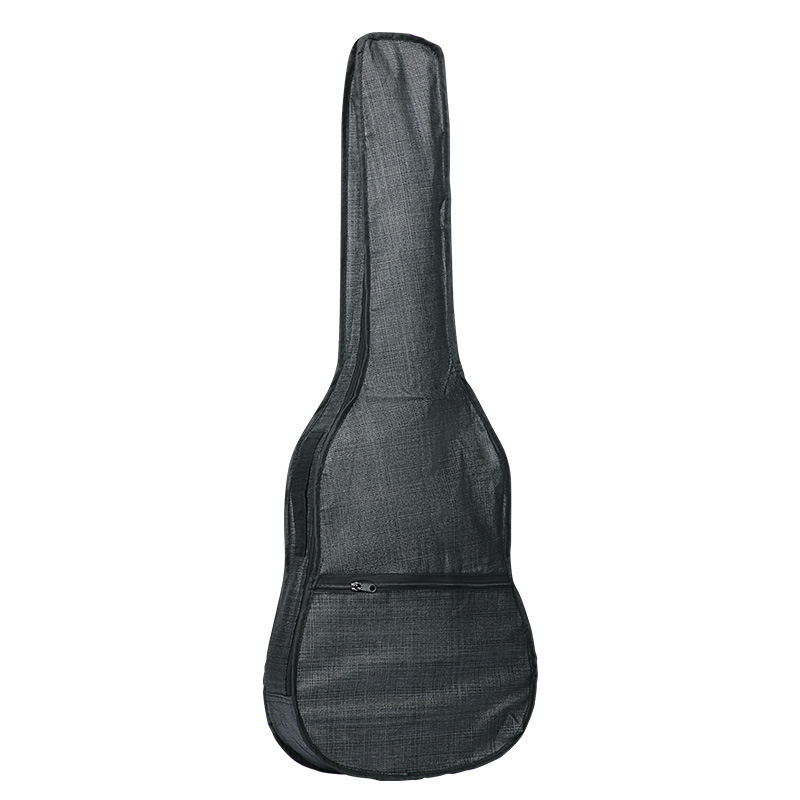
38 Inch New Non-woven Fabric Acoustic Guitar Bag, Single Shoulder Lightweight Single Layer Folk Guitar Backpack Wholesale
Lightweight student-bundle bag for retail promotions, online listings, and entry-level guitar packages.
View product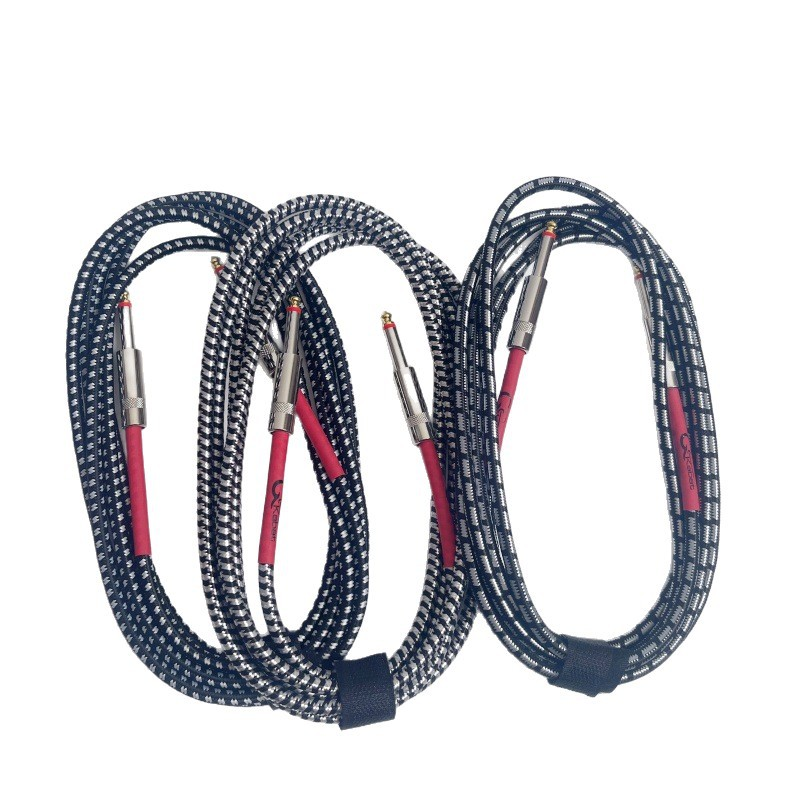
Braided Guitar Cable, 6.35mm Male to Male Noise Reduction Audio Cord for Bass, Instrument Connection Wire Wholesale
Countertop and online-bundle cable for guitar, bass, rehearsal rooms, and studio starter kits.
View product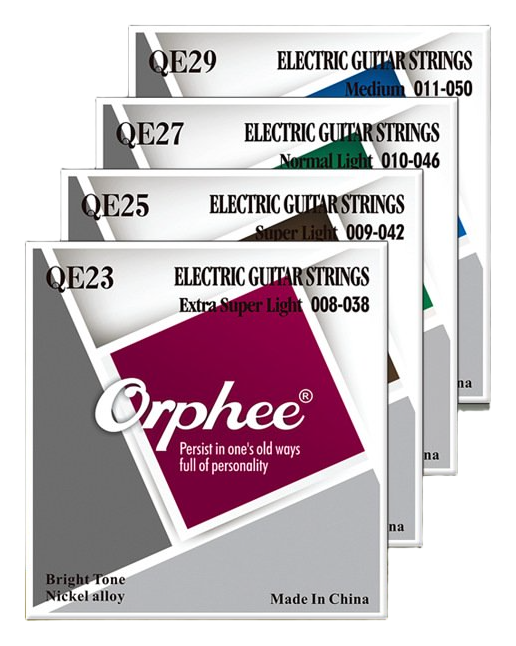
Wholesale Coated Nickel Core Electric Guitar String Set
Repeat-purchase accessory set for music stores that want higher basket value and private-label potential.
View product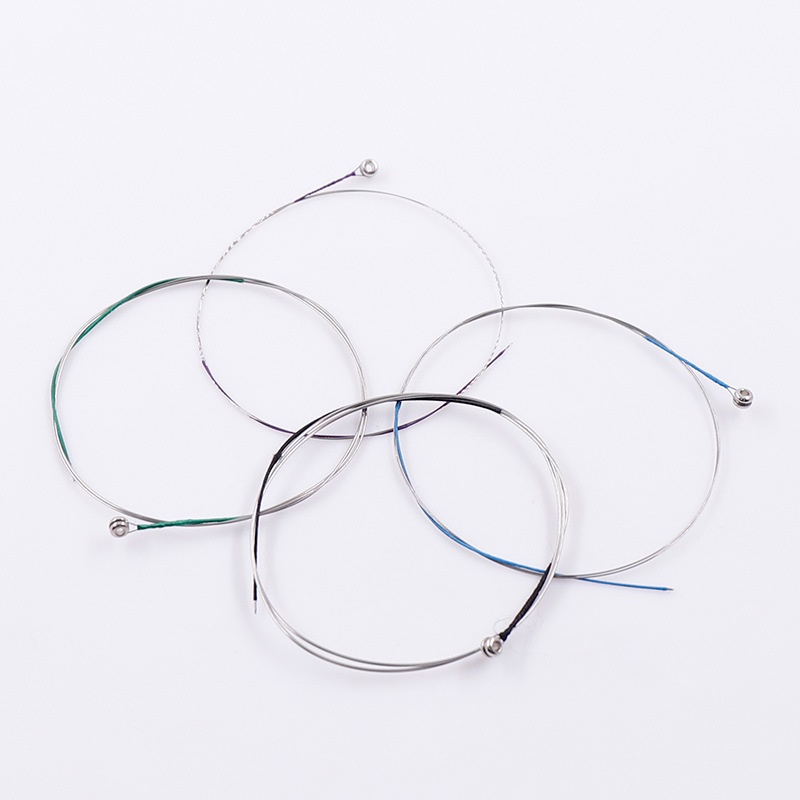
Silver Steel Violin Strings Loose Set for Classical Guitar Wholesale Guitar Parts Accessories
Loose string set for repair counters, school instrument care, and accessory assortment planning.
View product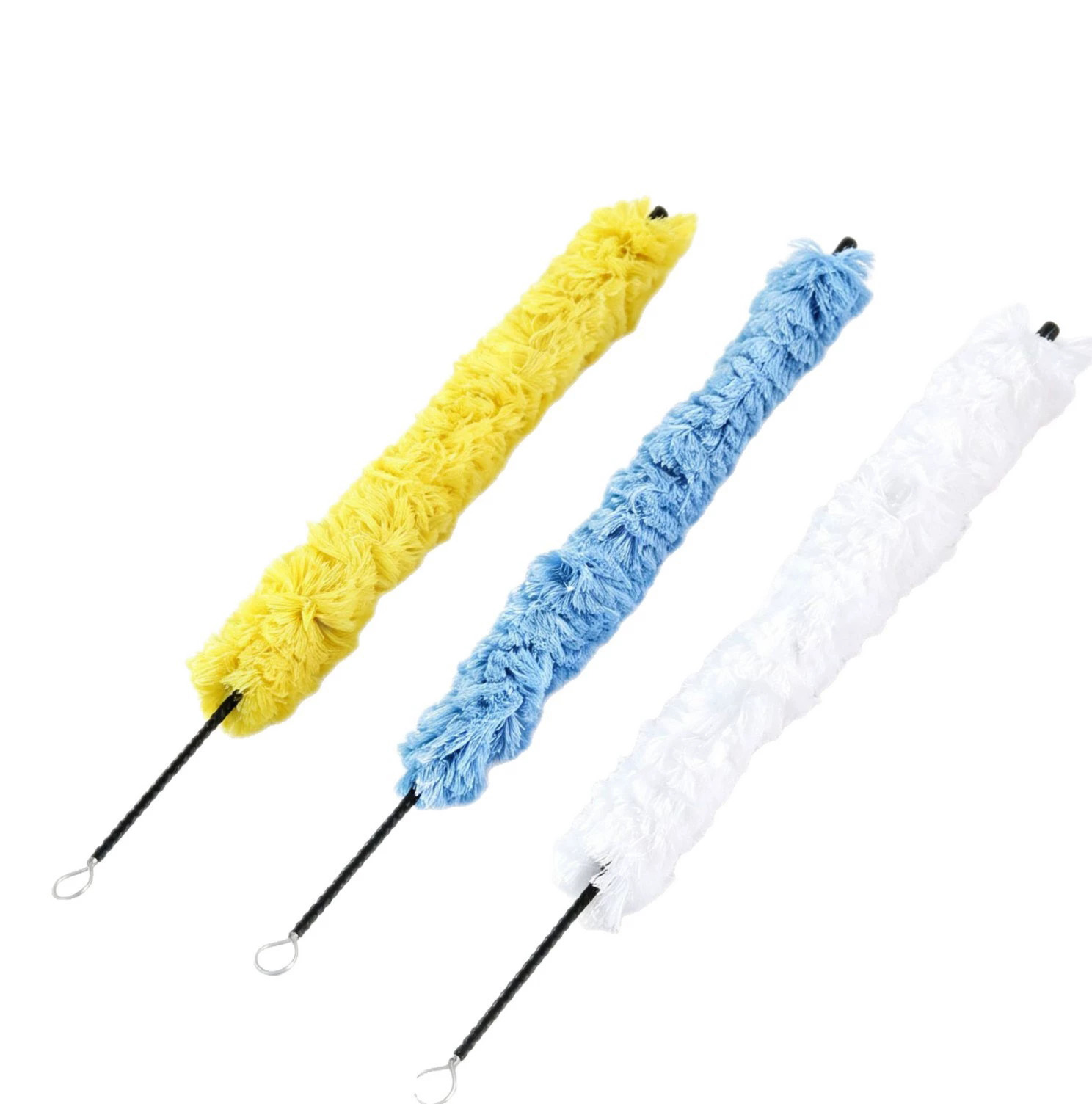
Flute Bore Cleaning Brush Flute Brush Cotton Cleaning Swab Washable Cotton Thread Cleaning Stick White / Yellow / Blue
Practical band-instrument care item for school programs, rental fleets, and music education bundles.
View product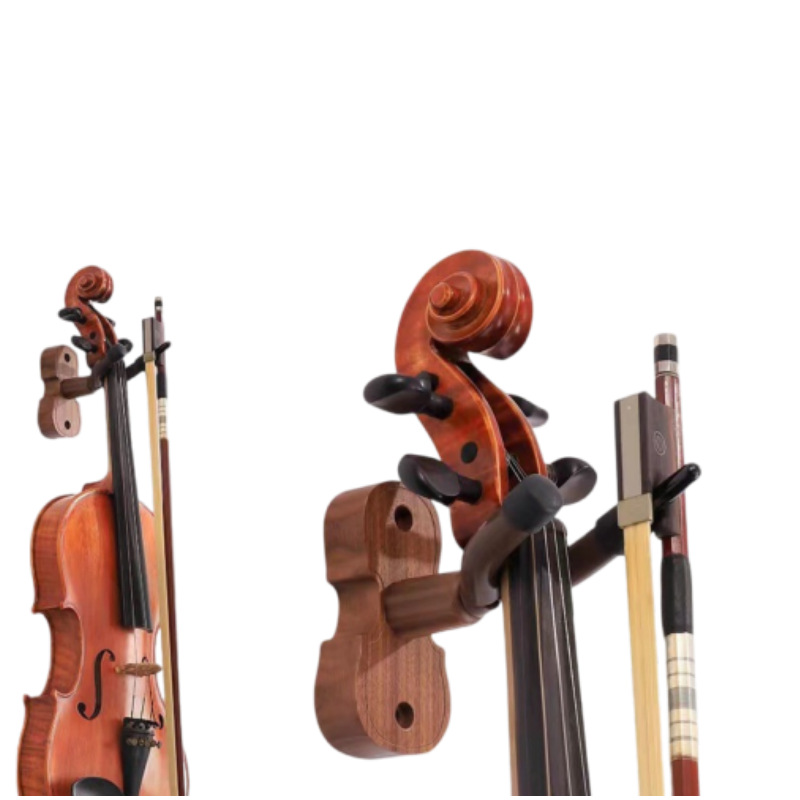
Wood Base Violin Hanger, Wall Mount Violin & Erhu Display Bracket, Universal Musical Instrument Wall Hanging Rack Wholesale
Retail display bracket for stringed instruments, lesson rooms, studios, and visual merchandising.
View product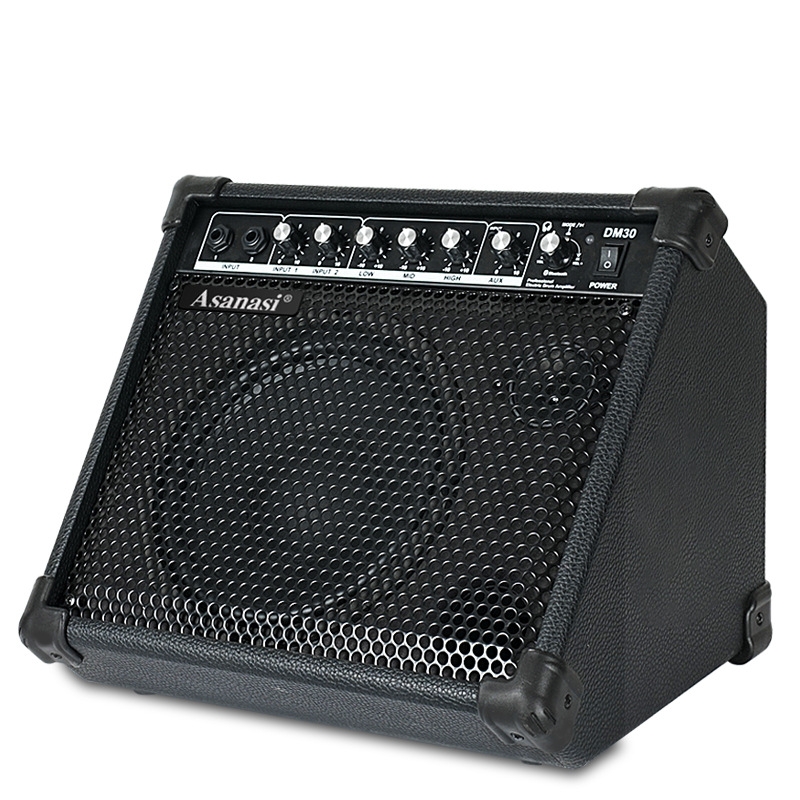
Wholesale Speakers Electronic Drums Rechargeable Portable Outdoor Wireless Stereo Amplifier
Portable drum amplification for busking, rehearsal rooms, school demos, and electronic kit promotions.
View product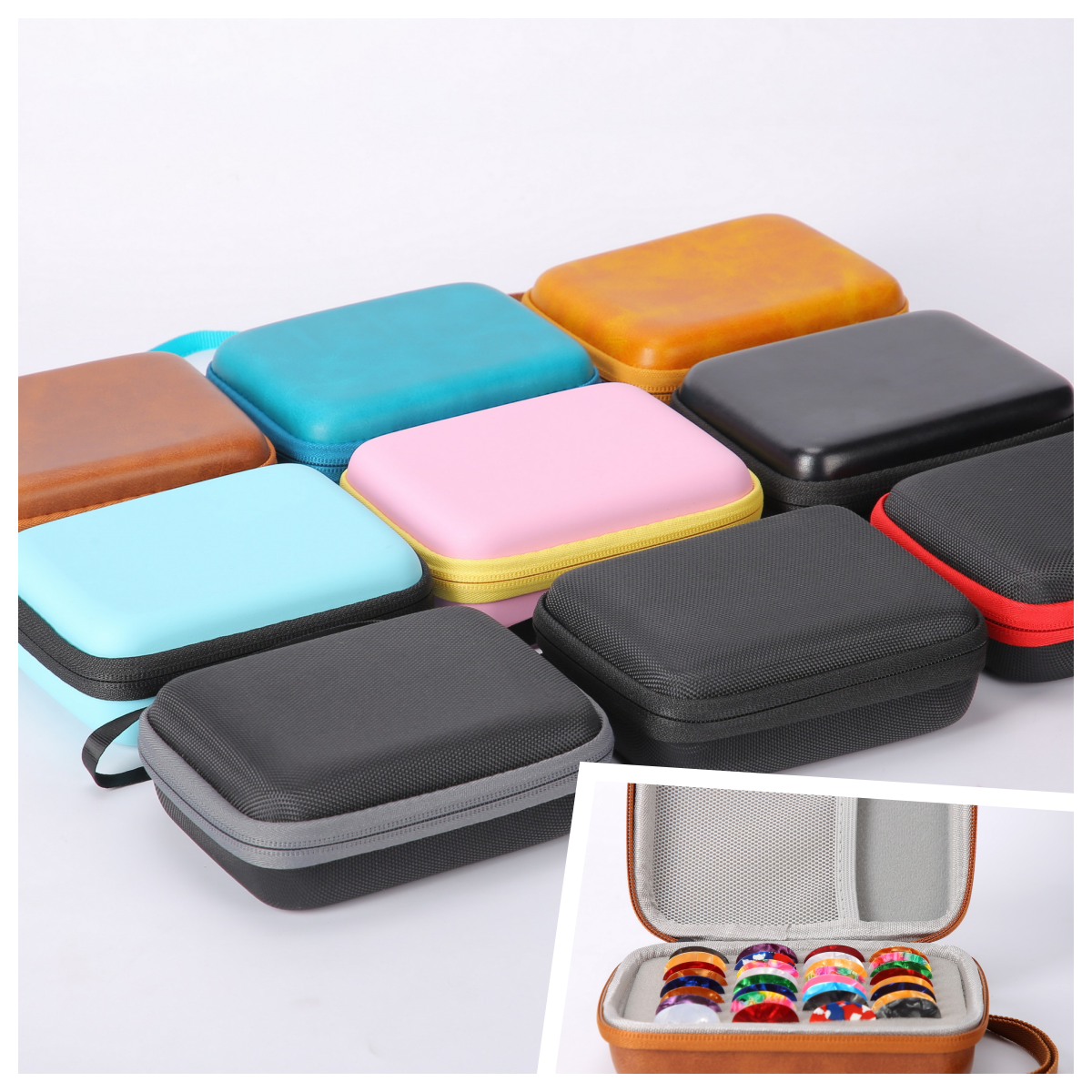
Guitar Folk Plectrum Storage Leather Case Leather PC Plectrum Bag Ukulele Plectrum Pick Case Package
Small-ticket add-on with gift appeal for checkout counters, starter packs, and seasonal promotions.
View productWhat Canadian Buyers Need to Know Before Sourcing Crash Cymbals
Canada is not a generic extension of the U.S. music retail market. A Vancouver drum shop may sell thin 16-inch crashes to church drummers and home-studio players; a Toronto backline company may standardize on 18-inch medium crashes for rental kits; a school music program may need durable 16-inch and 18-inch pairs that survive weekly handling; and an online retailer in Quebec may need English/French retail copy and return-resistant weight consistency. For importers, a crash cymbal factory relationship should therefore be judged on repeatable tolerances, alloy traceability, edge finishing, bell profile, pre-shipment inspection, packaging, and landed cost—not on one beautiful sound sample.
This white paper is written from the perspective of WPI International Trade Co., Ltd. (Huizhou), a musical instrument export and OEM partner established in 2010. WPI has been assessed onsite by Intertek and exports guitars, ukuleles, violins, cellos, saxophones, clarinets, drums, keyboards, and accessories to North America, Western Europe, Southeast Asia, and South America. The company’s public data includes an assessed annual export value of US$9 million, 952 orders shipped in the last six months, a 97.73% inquiry response rate, and a 4.6/5 average buyer rating. These credentials matter because Canadian buyers sourcing a crash cymbal factory and wholesalers for Canada need documented processes, not vague claims.
The most reliable sourcing strategy is to combine a controlled cymbal specification with a practical assortment. Start with one or two reference crashes—usually a 16-inch thin or medium-thin crash and an 18-inch medium crash—then test local demand through a low-MOQ order. Request weight ranges in grams, diameter tolerance, bell dimensions, alloy composition, lathing and hammering details, and a signed “golden sample.” For online sales, add clear sound demos, weight disclosure, and packaging that protects edges during parcel handling. For wholesale and OEM programs, use a factory audit and third-party inspection before scaling.
Information Gain: What This Guide Adds
- Canadian context: bilingual retail assets, winter storage, port routing, and inland freight.
- Factory audit checklist: alloy, lathing, weight tolerance, edge finish, sound reference, and export packaging.
- Low-risk sourcing: how to test with low MOQ while planning a future OEM cymbal line.
- Local FAQ: MOQs, shipping, duties, payments, bilingual packaging, warranty, and mixed orders.
- Enterprise evidence: Intertek assessment, trade terms, buyer feedback, and export history.
Why Canada Is Not a Generic Crash Cymbal Market
Canadian demand is shaped by climate, geography, language, education budgets, worship music, and e-commerce behavior. Buyers who ignore these details often overstock the wrong weights or lose margin to returns and freight.
Winter Humidity and Storage
Canadian winters can be dry indoors while coastal summers bring humidity swings. Cymbals tolerate climate better than wood instruments, but packaging, display placement, and padded storage still matter. Avoid stacking bare cymbals without separators, and keep demo models away from direct heat.
Bilingual Retail Presentation
For national retail and Quebec-focused online stores, English/French product sheets, packaging copy, and care instructions can improve conversion. Do not assume translated text is automatically accurate; review final artwork before mass production and keep claims consistent across channels.
Ports, Rail, and Inland Freight
Canadian buyers often route ocean freight through Vancouver or Prince Rupert, then rail toward Toronto or Montreal. Others use east-coast ports for European traffic. Carton strength, pallet configuration, and moisture protection should be planned before the container is booked.
Schools, Worship, and Rental Fleets
Education and worship channels often favor 16-inch and 18-inch crashes with predictable response and durable edges. Rental fleets prefer standardized models so replacement parts, sound demos, and inventory records remain simple. These buyers value consistency over exotic finishes.
E-commerce and Returns
Online cymbal sales depend on trust. Publish weight ranges, alloy, diameter, sound samples, and care notes. If two supposedly identical crashes feel different, returns rise—even if the alloy is technically correct. A signed reference sample helps prevent this problem.
Independent Drum Shops
Independent retailers rarely want a full container of one model. They need mixed orders, low MOQ sampling, and accessories that lift average order value. Crash cymbal wholesalers for Canada should therefore support assortment planning, not just pallet-quantity pricing.
Crash Cymbal Sizes and Weight Classes for Canadian Buyers
Use this matrix as a sourcing discussion guide, not as a substitute for listening tests. Diameter, weight, alloy, bell shape, lathing, and hammering must be evaluated together.
| Diameter | Typical Canadian Use Case | Suggested Weight Direction | Wholesale Sourcing Note |
|---|---|---|---|
| 16 inch | Small stages, worship, teaching rooms, practice kits | Thin to medium-thin | Fast attack and easy control; strong first SKU for e-commerce demos and student bundles. |
| 17 inch | Versatile crash for cover bands, studios, and independent shops | Medium-thin | A useful “middle” crash that bridges 16-inch and 18-inch demand; lower inventory risk than niche sizes. |
| 18 inch | All-purpose crash, backline rental, church, and pop/rock | Medium | Often the highest-volume crash size. Request weight consistency and sound-file comparison before reordering. |
| 19 inch | Rock, outdoor events, larger stages | Medium to medium-heavy | More projection and longer sustain; stock in smaller quantities and pair with 16-inch or 17-inch crashes. |
| 20 inch | Heavy rock, loud rehearsal, select studio use | Medium-heavy to heavy | Niche and freight-sensitive. Confirm demand before committing to quantity; use as a halo model for a cymbal line. |
Alloy Selection: B20, B8, and Budget Lines
For professional and serious student cymbals, B20 bronze is widely discussed because of its musical complexity. B8 bronze is common in entry-level and budget-focused lines, while brass is generally positioned at the lowest price tier. A credible crash cymbal factory should be able to explain alloy composition, incoming material control, and how lathing or hammering changes the final sound. Ask for a written specification and a reference sample, not only a color photo.
Weight Tolerance and “Golden Sample” Control
Weight affects response, pitch, and durability perception. Define a target weight in grams and an acceptable range for each model. Keep a signed golden sample with photos, diameter, weight, bell dimensions, and finish notes. For Canadian wholesale programs, this single control can reduce disputes when several production batches are delivered across a season or year.
How to Evaluate a Crash Cymbal Factory or Wholesaler
A low unit price means little if cymbals arrive with bent edges, inconsistent weights, or packaging that fails during parcel delivery. Use this checklist for sample approval and first-order inspection.
Alloy and Incoming Material Control
Request alloy composition, material certificates where available, and a process description. A factory should know its bronze specification and maintain traceability from sheet or ingot to finished cymbal.
Lathing, Hammering, and Edge Finish
Inspect lathing lines, hammer marks, edge taper, and keyhole area. Rough edges or inconsistent profile can create customer complaints and returns even when the cymbal sounds acceptable in the factory.
Bell Profile and Dimensional Consistency
Measure bell diameter, bell height, and profile shape. A bell that differs between batches changes stick response and perceived pitch, which is especially visible in online demos and school rental fleets.
Sound Reference Protocol
Approve samples using a repeatable setup: same stick, same room, same recording device, and the same strike points. Keep the approved sample sealed and signed so future shipments can be compared.
Weight, Diameter, and Finish Records
Ask for a control sheet per model: target weight, acceptable range, diameter tolerance, finish type, and logo method. A wholesaler that cannot share basic records is a reseller with limited process control.
Export Packaging and Documents
Specify individual sleeves, edge protection, separators, and double-wall cartons. Confirm commercial invoice, packing list, product descriptions, and HS code support for your Canadian customs broker.
2025 Canadian Demand and Sourcing Trends
The index below is an illustrative procurement planning framework from WPI’s export experience, not a statistically representative market survey. It highlights the priorities Canadian buyers often raise when planning mixed musical-instrument orders.
Canadian buyers increasingly treat cymbals as one part of a broader drum-shop assortment, not an isolated purchase.
Hybrid Retail and Sound Demos
Stores need factory photos, weight data, and clean sound files to support both physical demo rooms and online listings. Product content is now part of the purchase price.
Schools and Worship Teams
Value-oriented buyers want durable edges, consistent weights, and predictable pricing. A small, logical range often outsells a wide but inconsistent catalog.
Bilingual Product Support
English/French packaging and care instructions can improve national retail readiness. Buyers should budget for translation review before packaging production.
Landed-Cost Discipline
Freight, duties, brokerage, inland transport, and returns affect margin more than a few dollars of unit price. Plan with your Canadian broker and avoid unverified DDP assumptions.
Choosing the Right Sourcing Model for Canada
The best crash cymbal wholesaler for Canada may be a factory-direct program, a trading partner with consolidation capability, or a hybrid model that combines both. Match the model to your risk profile.
Stock Wholesale and Trial Orders
Best for independent drum shops, online sellers, and school programs testing new price points. Start with low MOQ, standard finishes, and two or three core sizes: 16-inch, 17-inch, and 18-inch.
Private-Label OEM / ODM
Best for established distributors and retailers with a defined brand. Plan logo method, packaging, sound target, and reference sample. WPI’s assessed customization capabilities include sample-based, minor, design-based, and full customization.
Mixed-Category Consolidation
Best for buyers who also purchase drums, stands, strings, bags, and accessories. Consolidating crash cymbals with the accessory lines shown above can reduce supplier management and improve container utilization.
Landed-Cost Planning Notes for Canadian Buyers
Use a simple landed-cost formula: ex-works or FOB price + freight + insurance + duties/taxes (as applicable) + brokerage + inland delivery + financing + returns allowance. Confirm the HS classification and current CBSA requirements with a licensed Canadian customs broker. WPI supports delivery terms such as FOB, CFR, CIF, EXW, DDP, DDU, and express delivery, with payment options including T/T, L/C, D/P, D/A, credit card, PayPal, Western Union, and escrow. Duty and tax treatment must always be verified for your product and origin; no supplier should replace professional customs advice.
For first orders, request pre-shipment inspection and keep packaging photos on file. For repeat orders, compare each batch against the golden sample. For mixed orders, confirm carton marks and pallet plan so that cymbals and accessories can be separated quickly at the Canadian warehouse.
Why Canadian Buyers Work with WPI
WPI International Trade Co., Ltd. (Huizhou) is a musical instrument export and OEM partner, not a marketplace listing. Its team supports buyers who need documented sourcing, inspection, and consolidation across categories.
Intertek Onsite Assessed
Premises, legal status, and capabilities were verified onsite. Assessed capabilities include finished-product inspection, sample-based customization, minor customization, design-based customization, and full customization.
12+ Years of Export Experience
The team began exporting musical instruments from Hong Kong in June 2010 and established its Huizhou, Guangdong operation in 2014. Main markets include North America, Western Europe, Southeast Asia, and South America.
Broad Category Consolidation
1,000+ instruments and accessories across guitars, ukuleles, violins, cellos, saxophones, clarinets, drums, keyboards, and accessories can be consolidated with cymbal programs and add-on products.
Low MOQ and OEM Flexibility
Many instruments can be ordered from one piece for sampling, with typical wholesale MOQs of 2–10 pieces per instrument model and 20–600 sets for strings and small accessories. Mixed-category orders are welcome.
Quality Inspection Before Shipment
Finished-product inspection covers appearance, hardware, tuning stability, and packaging. For crash cymbal programs, the same discipline can be applied to weight records, edge checks, and export carton validation.
Named Account Team
A dedicated account manager follows the order from quotation to after-sales. Public data shows a 97.73% inquiry response rate, 952 orders shipped in the last six months, and a 4.6/5 average buyer rating.
Verified Signals for Canadian B2B Buyers
Buyers should review supplier evidence before placing a first order. These original WPI images support the company profile, assessment, and buyer feedback referenced on this page.

Intertek Supplier Assessment
Onsite assessment supports the company’s claims about export experience, product scope, inspection, and customization capabilities.
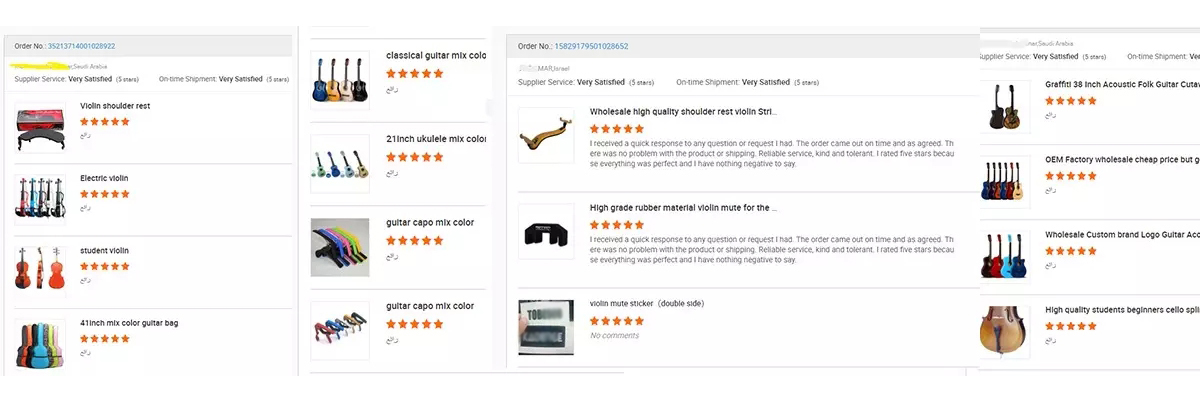
Buyer Feedback and Ratings
Verified transaction feedback covers product accuracy, communication, and shipping. The public average is 4.6/5.

Team, Showroom, and Warehouse
Company video and trade-show history give Canadian buyers a clearer view of the team behind the export process.
How a Crash Cymbal or Mixed Instrument Order Moves Forward
A disciplined process reduces surprises between sample approval and container delivery.
Brief and Specification
Share target diameter, alloy, weight range, bell profile, finish, logo, packaging, and target retail price.
Factory Match and Proposal
Match the brief to suitable production partners, confirm MOQ, lead time, and sampling plan.
Sampling and Approval
Review sound, dimensions, weight, photos, and packaging. Sign and retain a golden sample.
Production and In-Process Checks
Confirm material plan, artwork, logo method, and production schedule before mass production.
Pre-Shipment Inspection
Check appearance, edge condition, weight records, logo, packing, carton marks, and quantities.
Consolidation and Shipping
Combine cymbals and accessories where practical, then ship by FOB, CIF, DDP, or express based on your plan.
Localized FAQ for Canadian Crash Cymbal Wholesale Buyers
These answers reflect WPI’s public trade terms and common sourcing questions. Confirm final specifications, duties, and shipping terms in writing before placing an order.
What MOQ should a Canadian drum shop expect from a crash cymbal factory or wholesaler?
Can WPI ship musical instruments and accessories to Canada?
Are prices quoted FOB, CIF, DDP, or EXW?
Who handles Canadian duties and taxes?
Can packaging and product literature be supplied in English and French?
Which cymbal alloy should a Canadian retailer stock first?
How can I check consistency before a repeat order?
Do you offer OEM logos, laser marking, or custom packaging?
Which payment methods and currencies are accepted?
Can I combine crash cymbals with the eight accessories shown above?
Build a Canadian-Ready Crash Cymbal Assortment
Tell us your target market, cymbal specifications, quantities, packaging needs, and Canadian delivery plan. WPI will help compare sourcing options, prepare a mixed-category proposal, and keep the process documented from sampling to inspection.
Prepared by WPI International Trade Co., Ltd. (Huizhou) — musical instrument export and OEM partner since 2010. Email: info@wpimusic.com