8 Wholesale Products to Bundle with Cabasa Orders for Nice Buyers
Nice buyers rarely build a cabasa program around one SKU. They combine percussion, classroom instruments, stage electronics, display fittings and replacement accessories into a practical assortment. The eight products below are established WPI export items and can be consolidated with cabasa sourcing requests. Product links are preserved exactly so your team can request updated specifications, packing data and lead times. For cabasa-specific configurations — ABS shell, wood shell, metal body, mini gift set or private-label packaging — use the Get Catalog button.
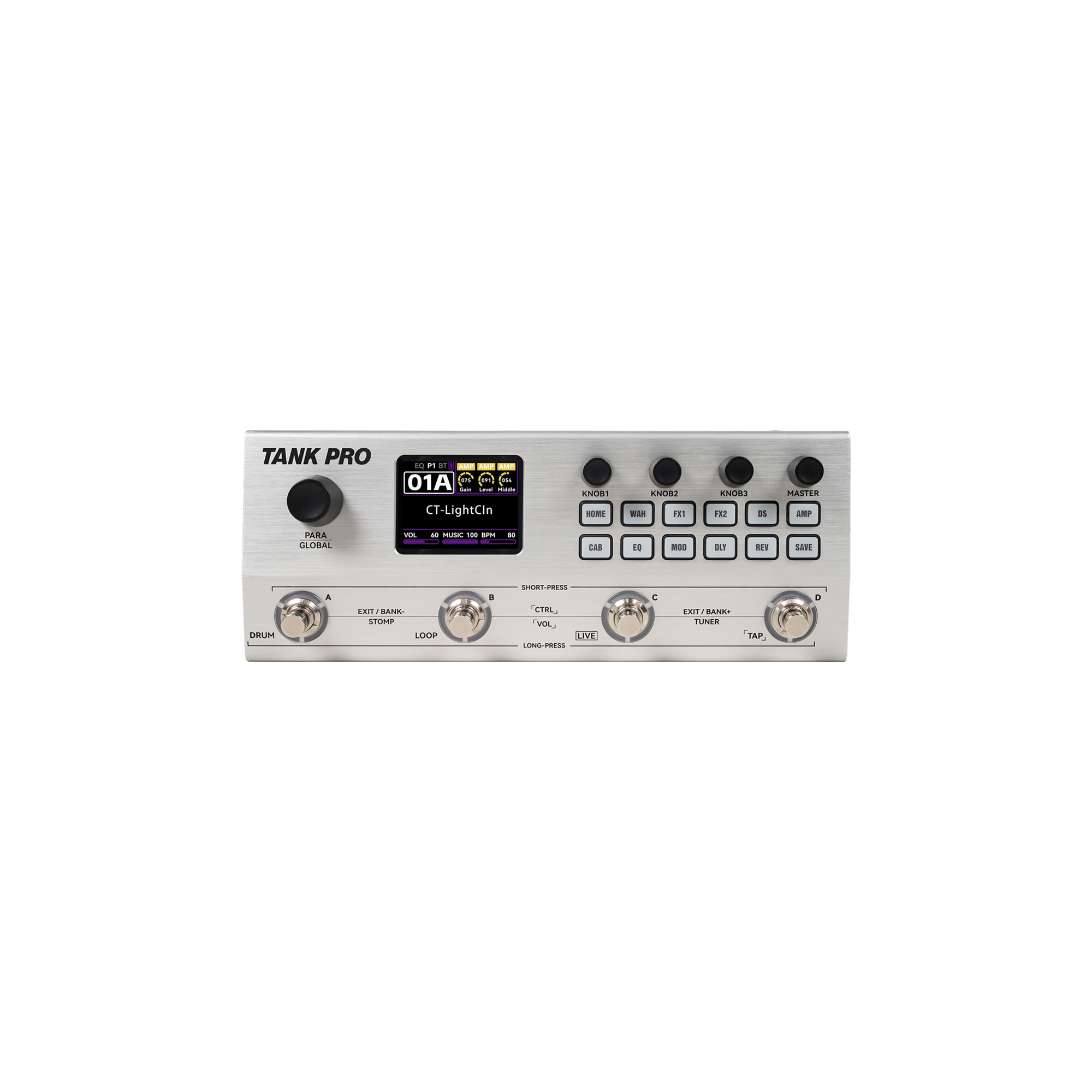
Tank Pro Metal Guitar Multi Effects Processor with ANN Third-Party IR Loading OTG Internal Recording
ANN third-party IR loading · OTG recording · stage and studio use
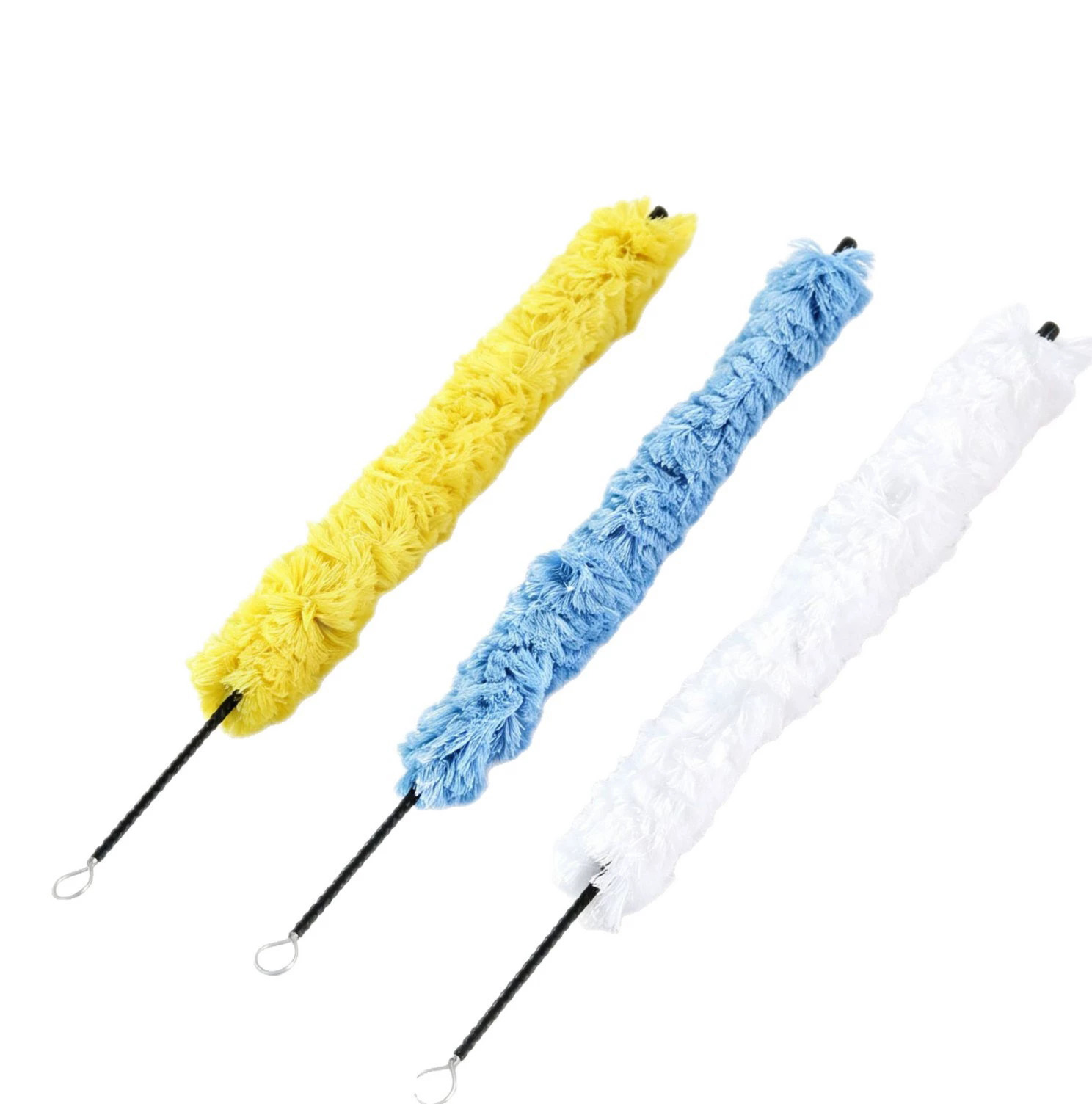
Flute bore cleaning brush flute brush cotton cleaning swab washable cotton thread cleaning stick white /yellow/ blue
Washable cotton · flute maintenance · school band supply
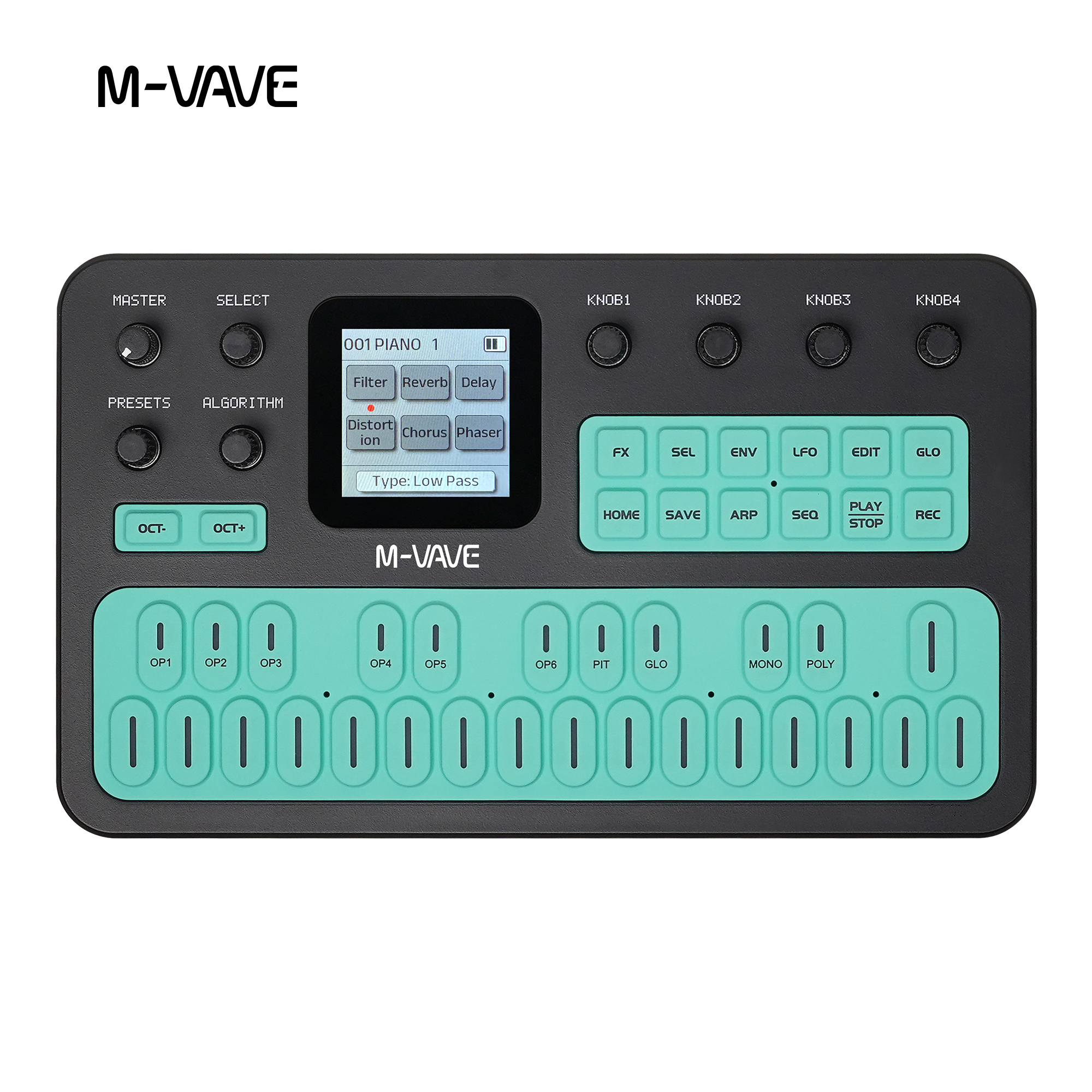
Factory Bestseller Portable M-VAVE FM-1 Synthesizer MIDI Digital FM Keyboard Screen Sequencer Arpeggiator Built-in Presets
FM synth · sequencer · arpeggiator · portable format
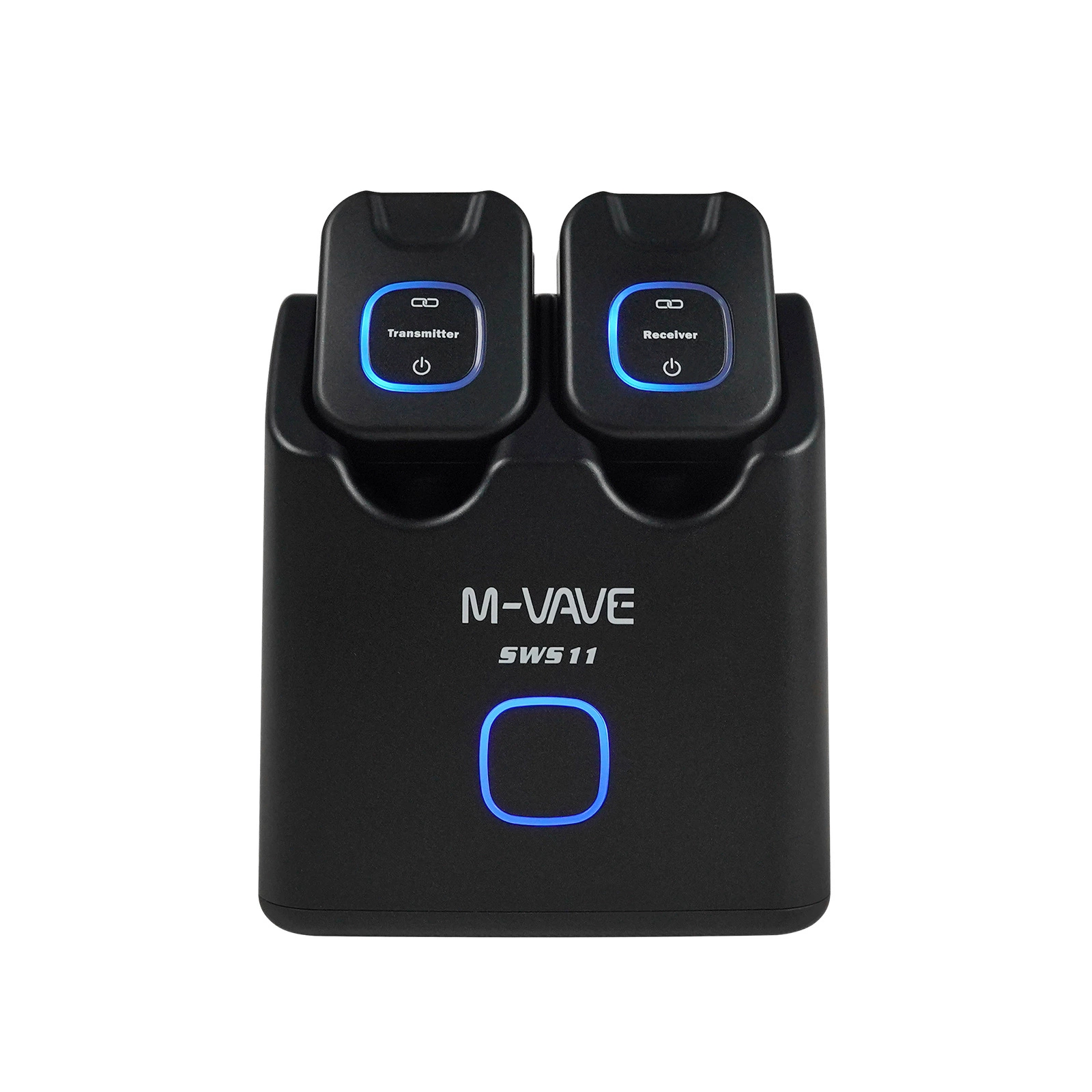
M-VAVE SWS11 2.4Ghz Wireless Guitar Audio System Rechargeable Transmitter Receiver with Charging Base
2.4 GHz · rechargeable · charging base · stage convenience
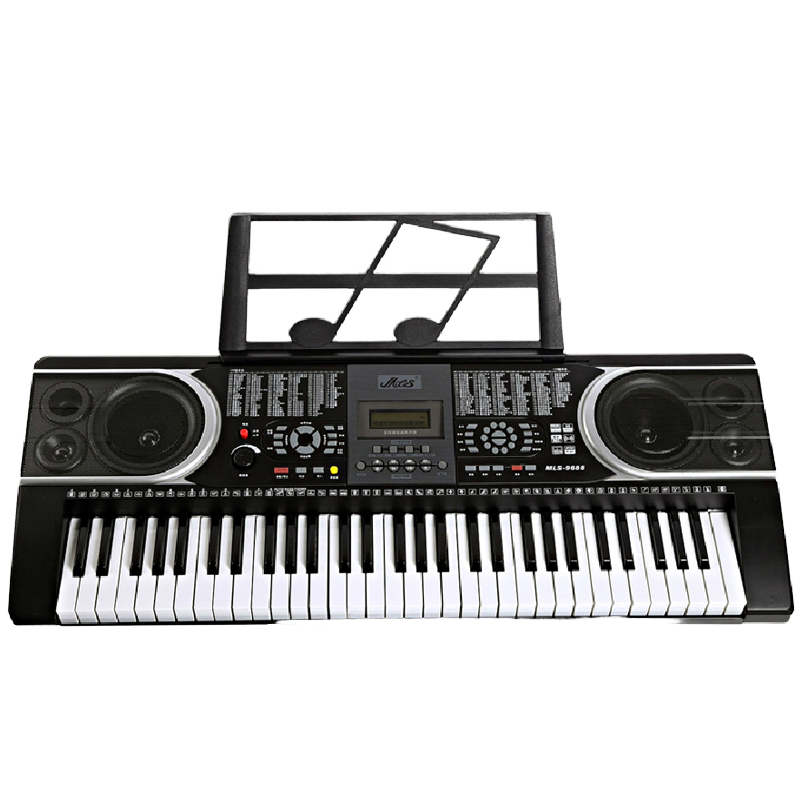
Professional Teaching Electronic Keyboard 61 Standard Keys
61 standard keys · teaching and classroom · wholesale supply
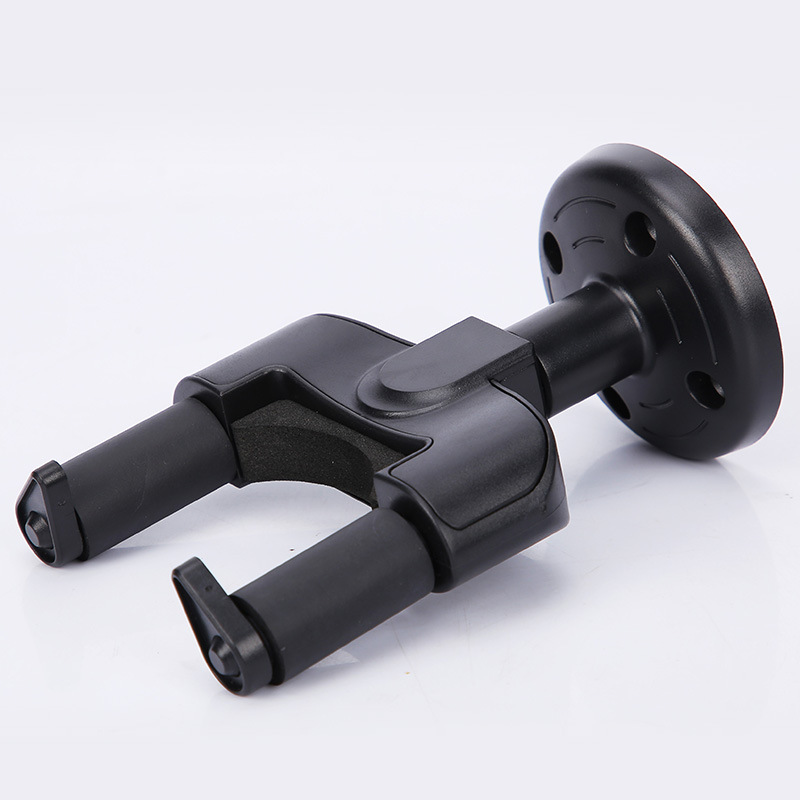
Gravity Auto Lock Guitar Hanger, Wall Mount Guitar Hook, Self-locking Holder for Electric & Acoustic Guitar Wholesale
Auto-lock · wall mount · retail display and studio storage
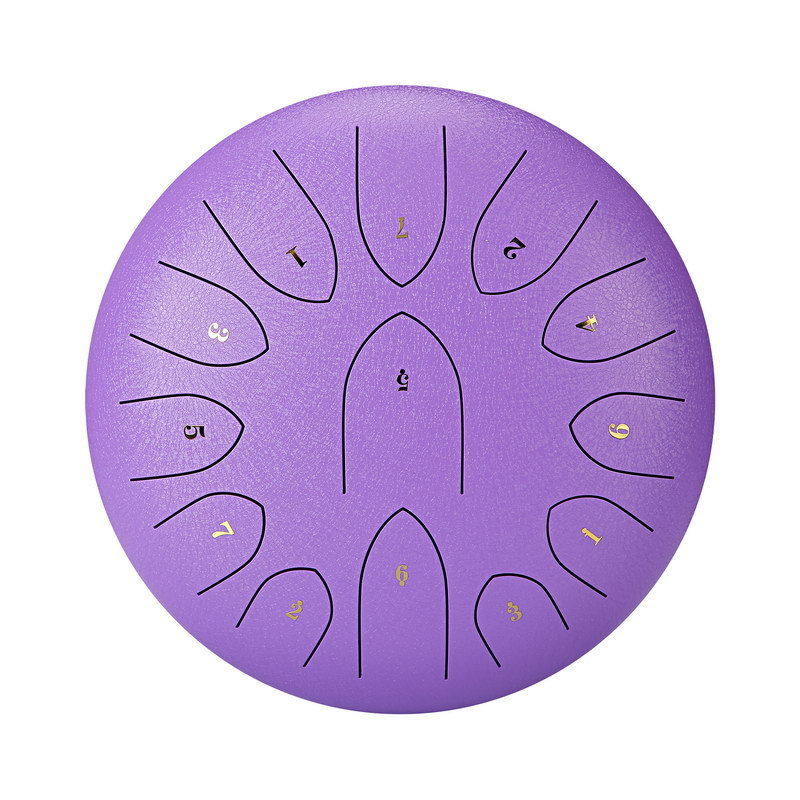
14 Inch Steel Tongue Drum, Handpan Drum, Mini Tank Drum Percussion Instrument, Complete Gift Set Wholesale
14-inch percussion · gift set · meditation and music education
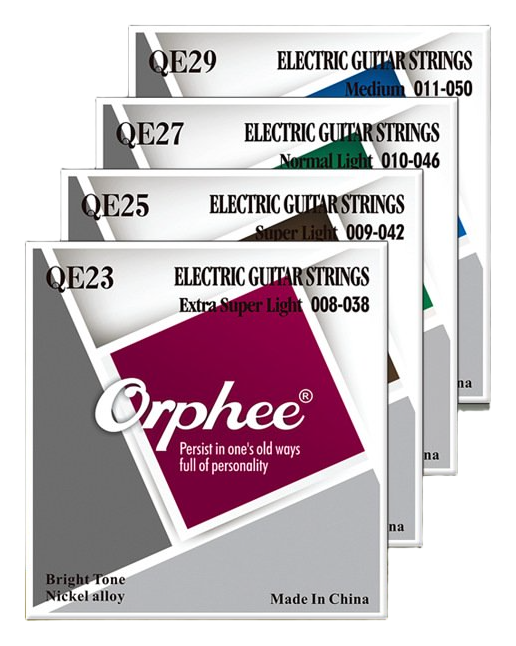
Wholesale Coated Nickel Core Electric Guitar String Set
Coated nickel core · electric guitar · wholesale set
Wholesale Capacity That Supports Cabasa Programs
For cabasa buyers, supplier reliability is not only a factory question; it is an export-control question. WPI’s company profile and third-party assessment data show a trading and export operation designed around repeat orders, mixed categories and inspection before shipment.
Reference: WPI company profile and Intertek assessment data. Average buyer rating: 4.6/5. Verify current commercial terms, product specifications and documentation before placing a purchase order.
What Makes a Top Cabasa Instrument Manufacturer for the Nice Market?
A cabasa is a compact hand percussion instrument, but a wholesale cabasa program depends on precision components: the cylindrical shell, the beaded chain, the handle, the ribbed surface and the finishing quality that determines comfort and repeatability.
In Nice, the cabasa instrument reaches far beyond a single music genre. Conservatoire percussion students use it to develop wrist control and rhythmic precision. Latin jazz and bossa nova groups use it for the characteristic “chick” attack. Early-years teachers use mini cabasas for pulse and coordination. Event producers and music therapists value it because it is accessible, expressive and easy to sanitize between sessions when the finish and materials are specified correctly. For retailers, the cabasa is also a useful add-on product: compact, display-friendly and easy to bundle with shakers, guiros and small percussion packs.
That versatility creates a sourcing challenge. A low-cost cabasa can look correct in a catalogue photo but fail in use if the bead chain binds, the handle rattles, the shell edges feel sharp or the beads lose plating after repeated handling. For a Nice retailer or school buyer, returns and complaints are expensive relative to the unit price. This is why a top cabasa manufacturer should be evaluated on consistency rather than price alone. Ask how bead spacing is controlled, how the chain is attached, how the handle is fixed, how edges are deburred and how finished goods are inspected before packing.
China-based manufacturing offers a practical balance of cost, customization and scale for the French Riviera market. The strongest sourcing partners are usually not single-product workshops; they are export teams that coordinate specialist workshops, compare materials, manage packaging and ensure the shipment is consolidated. WPI International Trade Co., Ltd. (Huizhou) operates in this model. Its core catalogue already covers guitars, ukuleles, violins, saxophones, drums, keyboards and accessories, and cabasa sourcing can be integrated into a wider musical instrument order for Nice distributors and multi-category retailers.
Use a simple technical vocabulary when comparing suppliers: ABS shell vs. wood shell, stainless steel bead chain vs. plated chain, fixed handle vs. replaceable handle, mini vs. standard diameter, and gift packaging vs. bulk cartons. This semantic detail helps your buying team compare quotations accurately and helps your website capture search intent from schools, music shops and event suppliers in Nice and across France.
Information Gain: The 3 Specifications That Predict Returns
- Bead-chain tension: too loose feels weak and noisy; too tight limits rotation and wrist comfort.
- Handle join and thread locking: a handle that loosens after a few weeks is a common complaint in school use.
- Edge radius and bead finish: smooth contact points matter for early-years, music therapy and long rehearsal sessions.
For a school quotation, request a sample from the same production batch and test it with 10–15 minutes of continuous rotation before approving the order.
Recommended Cabasa Configurations for Nice Buyers
Classroom & Conservatoire Standard
A durable ABS or finished wood shell with a smooth handle, rounded bead ends and consistent chain tension. Best for music schools, conservatoires and after-school programs that need repeatable stock.
- Medium size for general classroom use
- Logo or school name available
- Practical bulk cartons and replacement-chain option
Latin Jazz & Stage Cabasa
A crisp, controlled cabasa for Latin jazz, bossa nova, world music and percussion ensembles. Prioritize articulation, bead density, secure handle fixing and the ability to replace the chain after heavy use.
- Wood or metal body for stage projection
- Consistent rotation for fast rhythmic patterns
- Ideal for ensembles, studios and event bands
Festival Gift & Mini Cabasa
A compact, colorful and gift-friendly cabasa for tourism retail, Carnaval de Nice, Fête de la Musique and corporate music workshops. Focus on smooth edges, attractive packaging and low-MOQ customization.
- Hangtag, sleeve or gift-box options
- Printed logo for event and shop brands
- Useful add-on for music discovery kits
Cabasa Applications in Nice: From Conservatoire to Carnaval
Nice, France offers a dense mix of music education, cultural events, tourism retail and professional performance. That mix creates multiple buying intents for cabasa instruments, each with different specifications and packaging expectations.
Music Schools & Conservatoires
Classroom percussion sets need consistent feel across many identical units. Specify a comfortable medium size, smooth edges, secure handle fixing and a replaceable chain or low-cost spare-parts option. For school logos, use restrained branding that does not affect grip.
Latin Jazz & World Music Ensembles
Players in Nice’s jazz, salsa and world-music scenes expect fast response and a controlled shimmer. For professional use, the cabasa should rotate smoothly at low volume and project clearly at higher dynamics. Test bead-chain tension and handle balance in a real rehearsal.
Carnaval de Nice & Fête de la Musique
Event-driven buyers need visual impact and quick replenishment. Custom colors, printed logos, hangtags and mini cabasas for family workshops can work well. Plan production around the spring and summer event calendar and confirm packaging before the peak season.
Music Therapy & Early-Years Classes
Music therapists and early-years teachers often prefer lightweight mini cabasas with gentle sound and easy grip. Rounded bead ends, smooth surfaces and simple cleaning matter. If the product can be used by young children, review applicable toy-safety and labeling requirements with your compliance advisor.
Retail, Museum Shops & Tourism
Boutiques on the Côte d’Azur can use cabasas as affordable, tactile gifts alongside small percussion, steel tongue drums and music-themed souvenirs. Low-MOQ private label, multilingual hangtags and attractive counter displays help test demand without overstocking.
Rental, Production & Corporate Events
Event suppliers in Nice need repeatable stock for team-building workshops, conference energizers and stage productions. A practical approach is to standardize one or two cabasa models, keep spare bead chains and order replacement units with each seasonal batch.
Trends Shaping Cabasa Demand in Nice
The French Riviera market rewards suppliers that can combine cultural relevance, compliance awareness and reliable replenishment. These four trends are especially relevant when building a cabasa assortment for Nice.
EU Compliance Awareness
Buyers increasingly ask for material declarations, packaging information and age-suitability guidance. For children’s products, toy-safety requirements may apply; for general percussion, REACH and packaging considerations can still matter. Confirm documentation with your compliance advisor before import.
Low-MOQ Private Label
Independent shops and event brands want custom colors, logos and packaging without committing to container-scale inventory. A supplier that supports low-MOQ sampling plus minor customization can help Nice buyers test cabasa designs before scaling.
Hybrid Retail & Event Supply
Nice retailers increasingly sell through a shop, an online store and local event channels. Cabasas work well as content-rich products: they are visual, easy to demonstrate and suitable for music workshop videos. Stock planning should cover both retail packaging and bulk event supply.
Experiential Music & Wellness
Music therapy, mindfulness workshops and accessible music-making are expanding the audience for simple percussion. Mini cabasas and gift sets can support this demand when sound, comfort and packaging are adapted to the setting rather than treated as generic souvenir items.
Practical planning note for Nice: cabasa demand often rises ahead of the spring–summer event season. For a customized order, aim to approve samples and artwork well before the peak, then allow production plus sea or air freight time. A verified supplier should give you a clear timeline rather than an optimistic estimate.
Cabasa Manufacturing and Quality Control: A Buyer’s Guide
Cabasa quality is created at the component level. The shell, bead chain, handle, ribbed surface and assembly method all interact. A disciplined supplier should be able to explain each choice and inspect the finished product against the approved sample.
From a manufacturing perspective, the most important decision is the intended use. A school cabasa prioritizes durability and comfort; a professional stage cabasa prioritizes articulation and controlled rotation; a gift cabasa prioritizes visual appeal, packaging and price. Mixing these requirements into one low-cost specification usually creates compromises. The table below summarizes common configurations and sourcing notes for Nice buyers.
| Cabasa Build | Sound & Handling | Typical Nice Use Case | Sourcing Note |
|---|---|---|---|
| ABS shell + stainless bead chain | Bright, durable and lightweight; consistent in humid coastal conditions | Schools, early-years music, event workshops, retail starter stock | Specify smooth edges, secure handle fixing and practical carton packing. |
| Wood shell cabasa | Warmer tone and natural feel; attractive for boutique display | Professional ensembles, music shops, gift-oriented retail | Control finish quality and humidity exposure; confirm wood and coating details. |
| Metal body / afuche-style | Crisp projection and fast response for dense rhythms | Latin jazz, stage performance, percussion workshops | Check plating, thread security, bead-chain replacement feasibility and edge finishing. |
| Mini gift cabasa | Lightweight, easy to handle, visually appealing | Tourism retail, early-years classes, corporate music gifts | Review age-suitability, small-part safety and packaging claims where applicable. |
| Custom-branded cabasa | Differentiated for a shop, school or festival identity | Carnaval de Nice, Fête de la Musique, private-label retail | Confirm logo method, colorfastness, MOQ, artwork approval and production lead time. |
What to Include in a Cabasa RFQ
Send a concise technical brief rather than a vague request for “best price”. Include intended user, shell material, diameter, bead-chain material, handle style, logo method, packaging type, target quantity and required delivery window. If the product is for children or a school, state the age group clearly. If it is for a festival, include artwork dimensions and the date by which samples must be approved.
- Reference sample or clear product photo with dimensions.
- Bead-chain tension and replacement requirement.
- Surface finish, edge treatment and color standard.
- Logo placement, packaging artwork and barcode needs.
- Inspection method, carton drop-test requirement if applicable, and shipping terms.
A Practical Supplier Scorecard
- 25%: manufacturing transparency and product-specific evidence.
- 20%: material consistency and BOM clarity.
- 20%: quality inspection and sample approval process.
- 15%: low-MOQ customization and packaging flexibility.
- 10%: logistics to Nice and documentation support.
- 10%: communication speed and after-sales response.
Four Quality Gates Before a Cabasa Leaves Guangdong
1. BOM Check
Verify shell material, bead grade, chain, handle, screws, logo and packaging against the approved bill of materials.
2. Assembly & Tension
Check chain attachment, rotation feel, handle stability, screw locking and the absence of sharp edges.
3. Function Test
Rotate and shake the cabasa, listen for articulation, check bead movement and confirm the product matches the approved sample.
4. Pre-Shipment Inspection
Inspect appearance, hardware, function, logo, packaging and carton condition before delivery. Request inspection photos or video when useful.
Why WPI Is a Reliable Cabasa Supplier for Nice Importers
WPI International Trade Co., Ltd. (Huizhou) combines a broad musical instrument catalogue with export experience, third-party assessment and low-MOQ customization. For cabasa buyers in Nice, that means a single sourcing partner for percussion, education products and related accessories.
WPI began exporting musical instruments from Hong Kong in June 2010 and established its Huizhou, Guangdong operation in 2014. The team has 28 people, with 22 in trading and export roles, supporting importers, distributors, retailers and schools. The company profile reports annual sales of US$9,000,000, 952 orders shipped in the last six months and a 97.73% inquiry response rate. Main markets include North America, Western Europe, Southeast Asia and South America, with Western Europe being directly relevant to Nice buyers.
WPI is a trading company and multispecialty supplier rather than a single-product factory. This structure can be an advantage for cabasa programs because it allows consolidation: cabasas, classroom instruments, accessories and retail display products can be coordinated through one export team. WPI’s long-term partner workshops in Guangdong support factory-direct sourcing, OEM and ODM development. Buyers who need workshop-specific documentation should request it before approving the order.
The company has been assessed onsite by Intertek. Assessed capabilities include finished-product inspection, sample-based customization, minor customization such as logo, packaging and graphics, design-based customization and full customization. This supports the most common cabasa requests in Nice: school logos, retailer private label, festival colors and gift packaging.
Verified Capability Snapshot
- Business type: Trading Company / Multispecialty Supplier.
- Location: 2313, Saige Building, Huizhou, Guangdong, China.
- Export experience: since 2010; Huizhou operation since 2014.
- Assessment: onsite verified by Intertek.
- Customization: sample-based, minor, design-based and full customization.
- Quality control: finished-product inspection before delivery.
Why Buyers Choose WPI for Cabasa and Musical Instrument Orders
Intertek Onsite Assessment
Third-party assessment supports buyer confidence in supplier identity, premises and stated capabilities.
Factory-Direct Partner Workshops
Long-term Guangdong partner workshops support cabasa sourcing, OEM development and multi-category consolidation.
Low-MOQ OEM & ODM
Sampling and low-MOQ customization make it easier for Nice retailers and schools to test new cabasa designs.
One-Stop Export Support
Combine cabasas, classroom products, percussion and accessories in one shipment to reduce supplier-admin workload.
Accepted Payment Methods
T/T, L/C, D/P, D/A, MoneyGram, credit card, PayPal, Western Union, cash and escrow.
Accepted Delivery Terms
FOB, CFR, CIF, EXW, FAS, CIP, FCA, CPT, DEQ, DDP, DDU, DAF, DES and express delivery.
Payment Currencies
USD, EUR, JPY, CAD, AUD, HKD, GBP, CNY and CHF.
Typical MOQ Guidance
From 1 piece for sampling; typically 2–10 pieces per instrument model; 20–600 sets for strings and small accessories. Mixed-category orders are welcome.
Location & Contact
2313, Saige Building, Huizhou, Guangdong, China. Email: info@wpimusic.com.
Main Export Markets
North America, Western Europe, Southeast Asia and South America. Nice and the wider French market fit the Western Europe channel.
Inside the Export Operation: Showroom, Warehouse & Buyer Support
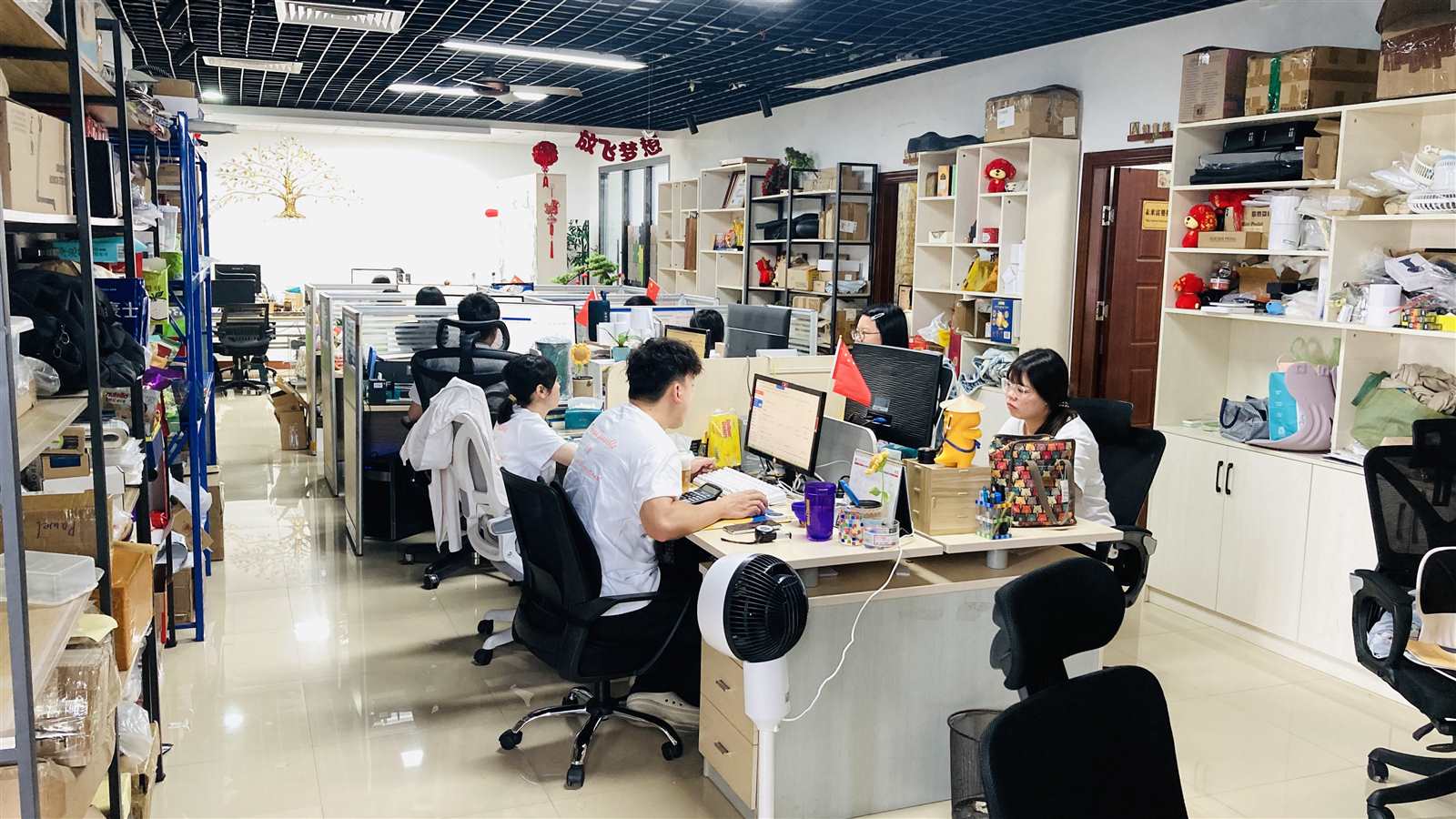
A cabasa order is more than a product sample. It involves artwork approval, production scheduling, inspection, export documentation and arrival planning. WPI’s team structure and trade-show history provide additional context for buyers evaluating a long-term supplier relationship.
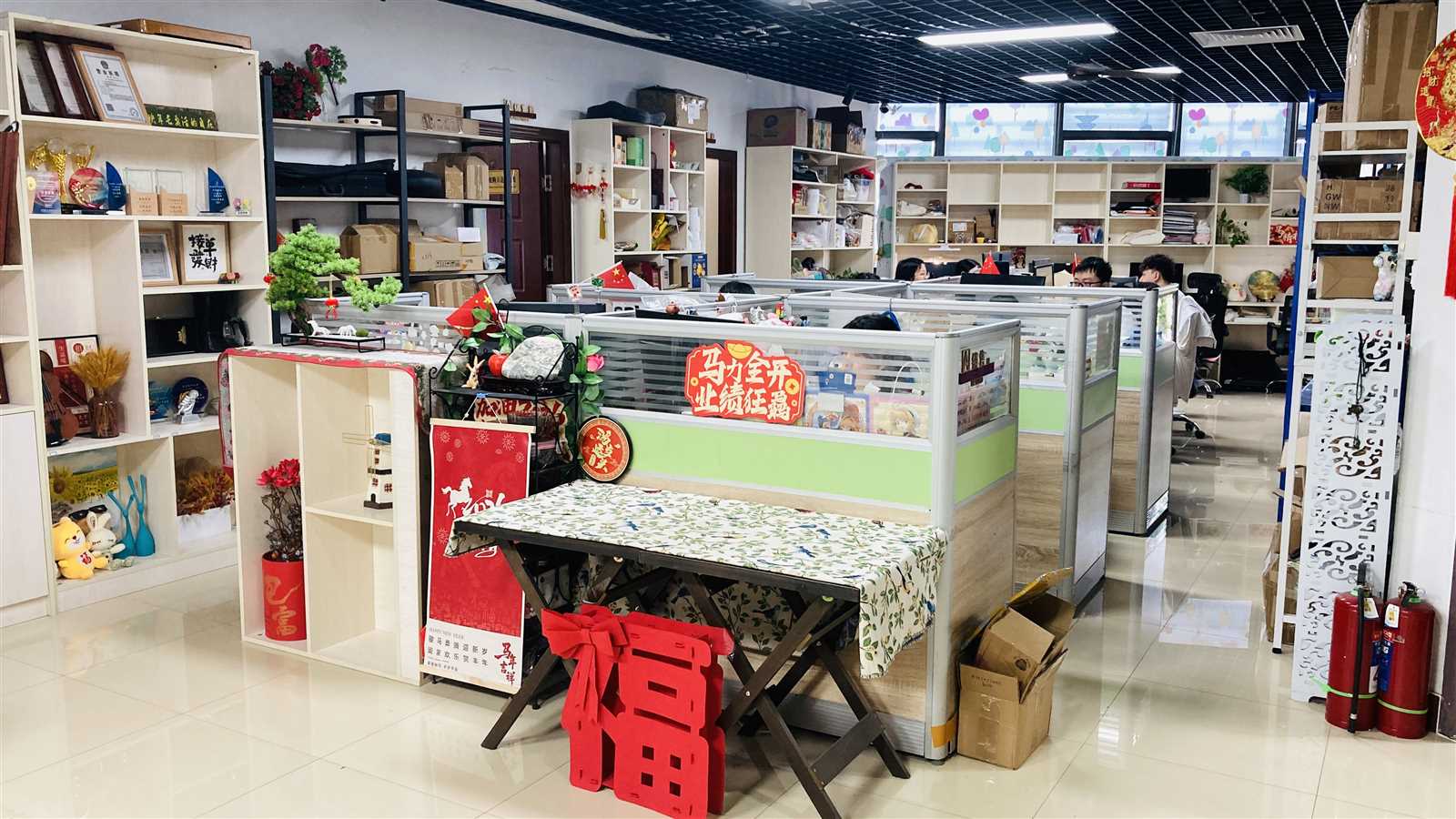 Export operations overview
 Product sourcing and display
 Export consolidation support
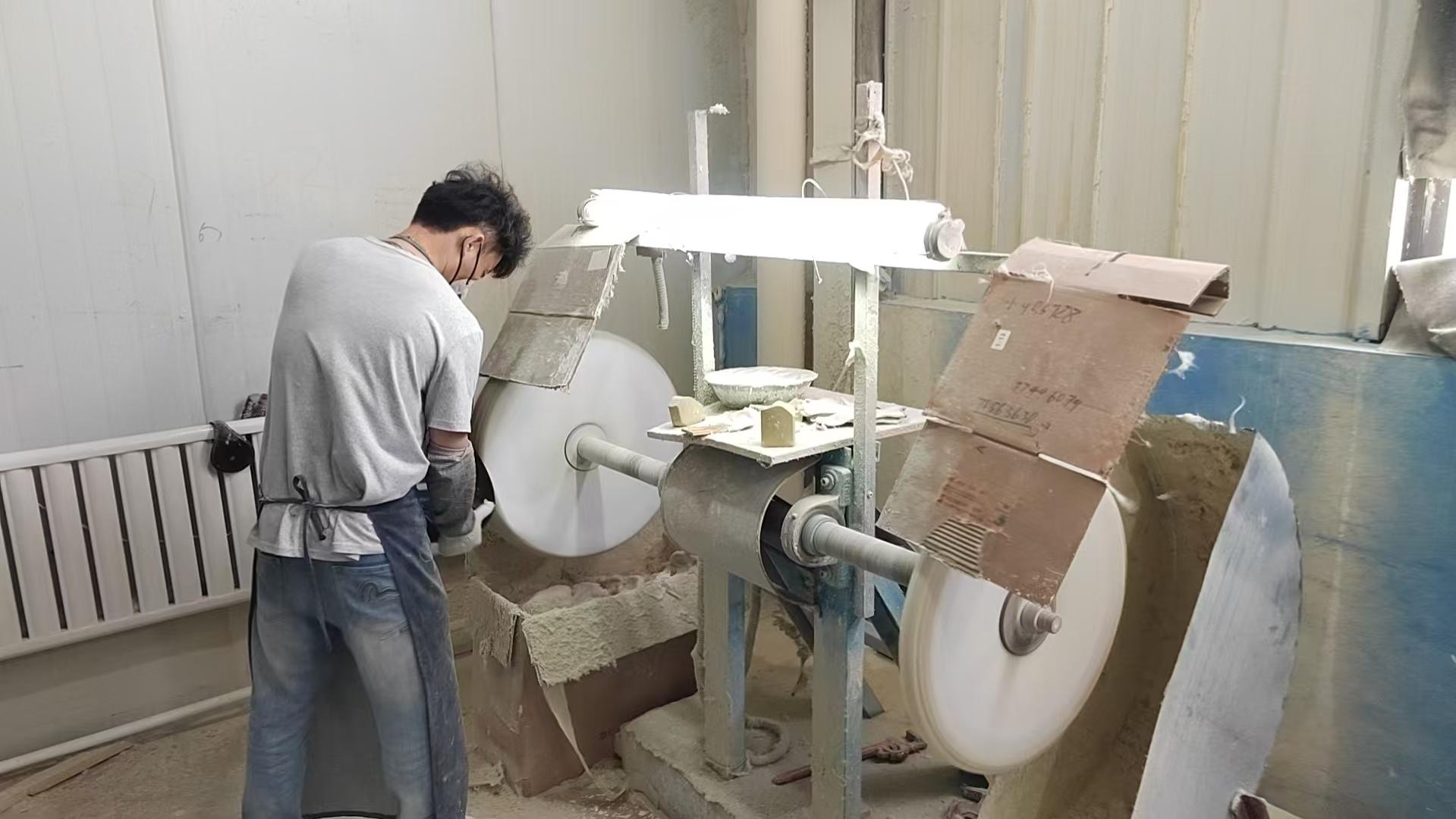 Buyer support and inspection
The company has exhibited at the Shanghai and Guangzhou music shows every year from 2014 to 2019, giving buyers a verifiable trade-show history. A named account team follows inquiries through quotation, sampling, production, inspection and after-sales. For Nice buyers, this is useful when coordinating mixed orders: one contact can align cabasa specifications with classroom keyboards, percussion gifts, guitar accessories and display products instead of splitting the project across many unrelated suppliers.
Cabasa Wholesale FAQ for Nice Buyers
These are the questions most often raised by music shops, schools, event suppliers and distributors when evaluating a China-based cabasa supplier for the Nice market.
What MOQ applies to wholesale cabasa instruments for Nice buyers?
WPI’s general model supports sampling from 1 piece for many instruments. Typical wholesale MOQs are 2–10 pieces per model for instruments and 20–600 sets for strings and small accessories. Cabasa-specific MOQs depend on shell type, bead-chain specification, logo method and packaging. For a first Nice order, request a small mixed-order quotation: a standard school cabasa, a stage model and a mini gift version can often be tested together before scaling.
Can WPI customize cabasa branding or packaging for French retailers?
Yes. Assessed customization capabilities include sample-based customization, minor customization such as logo, packaging and graphics, design-based customization and full customization. For Nice retailers, common requests include a shop logo on the handle or hangtag, festival colors, bilingual packaging and gift-box presentation. Approve artwork, placement and color reference before mass production, and request a pre-production sample where the design is new.
Which cabasa configuration is best for schools and music therapy in Nice?
For schools and music therapy, prioritize rounded bead ends, a smooth handle, predictable chain tension and easy cleaning. A medium ABS or finished wood cabasa is usually more practical than a highly decorative model. Mini cabasas can work for early-years and accessible music sessions, but if the product may be used by young children, review applicable toy-safety, labeling and small-part requirements with your compliance advisor before import.
How do you control bead-chain quality and consistency?
Quality control should start with the bill of materials: bead material, chain type, handle fixing and shell finish. During assembly, check rotation feel, bead movement, screw locking and edge smoothness. Before shipment, inspect appearance, hardware, function and packaging against the approved sample. For repeat orders, keep the approved sample and specification sheet on file so each production batch is measured against the same standard.
How are cabasas shipped to Nice and which terms are available?
Shipments can be arranged by sea, air or express depending on order size and timing. For larger consolidated orders, Mediterranean ports such as Marseille/Fos are commonly used in routing discussions, while smaller urgent orders may move by air. WPI lists delivery terms including FOB, CFR, CIF, EXW, FAS, CIP, FCA, CPT, DEQ, DDP, DDU, DAF, DES and express delivery. Confirm current freight, customs, VAT and product-documentation requirements with your freight forwarder or compliance advisor before placing the order.
Can cabasas be combined with other musical products in one order?
Yes. One of WPI’s advantages is multi-category consolidation. A Nice buyer can combine cabasas with classroom keyboards, small percussion, guitar accessories, display fittings, steel tongue drums or other catalogue items. This reduces supplier administration and can improve container utilization. Share your target product mix, quantities and required arrival window, and request a consolidated quotation with clear product and packing specifications.
Source Cabasa Instruments for Nice with a Verified China Partner
Tell us your target segment — school, retail, festival, music therapy or professional percussion — plus your estimated quantity and customization needs. WPI will recommend cabasa configurations, compatible musical products and a practical export plan for your Nice market.
WPI International Trade Co., Ltd. (Huizhou) · 2313, Saige Building, Huizhou, Guangdong, China · Intertek onsite assessed · Low-MOQ OEM / ODM musical instrument export