CE Certified Wooden Cajon Manufacturer & Exporter Serving the New York Market
Custom, wholesale, and private-label wooden cajons with CE-oriented documentation, play-tested sound, low MOQ, and export support for New York retailers, schools, studios, and distributors.
Years in the musical instrument industry
Onsite-assessed supplier credentials
Inquiry response rate
Average buyer rating
Wooden Cajon Sourcing for New York: What Serious Buyers Verify Before Ordering
A practical, documentation-led guide for importers, music retailers, school buyers, studios, and distributors comparing wooden cajon manufacturers and exporters.
New York is one of the most demanding music-retail and institutional markets in the United States. A buyer may be sourcing twenty cajons for a Brooklyn school percussion program, two hundred private-label units for an e-commerce launch, or a mixed container for a Long Island distributor. The search phrase CE certified wooden cajon manufacturer can hide all three jobs at once. A useful supplier response therefore needs to address more than a photo and a price sheet: it should clarify wood specification, tapa response, snare system, finish safety, packaging, documentation, MOQ, and landed-cost options for the New York market.
A wooden cajon looks simple: six panels, a playing surface, an internal snare system, feet, and a finish. In procurement reality, it is an acoustic product that must survive daily classroom use, retail display, studio recording, and online shipping. Buyers searching for a wholesale cajon supplier in New York are usually trying to reduce three risks: inconsistent sound between samples and mass production, unclear compliance documentation, and late-season stockouts when school and holiday demand overlap. The strongest supplier conversation begins with those risks, not just a unit price.
WPI International Trade Co., Ltd. (Huizhou) has been exporting musical instruments since 2010 and has been assessed onsite by Intertek. The company supplies guitars, ukuleles, violins, cellos, saxophones, clarinets, drums, keyboards, accessories, and mixed-category orders to importers, distributors, retailers, and schools worldwide. For cajon buyers, that export discipline matters: sample approval, controlled production, finished-product inspection before delivery, and a named export account manager who follows the order from quotation to after-sales.
Search intent behind “CE certified wooden cajon manufacturer”
Searches such as CE certified wooden cajon manufacturer, custom cajon wholesale New York, private label cajon for music stores, cajon exporter for schools NYC, and wooden cajon supplier Brooklyn represent different steps in the buying journey. The buyer may be validating compliance, comparing wood options, requesting a sample, planning a mixed container, or looking for an OEM partner. A high-quality landing page should therefore provide the information a sourcing manager can forward internally: a compliance explanation, application guidance, material logic, MOQ expectations, quality-control steps, trade terms, and a precise inquiry path.
Information gain for buyers: ask every supplier to separate the CE label from the evidence file. For a passive acoustic wooden cajon with no electrical components, the practical due-diligence file usually centers on wood species, adhesives, finish and coating data, heavy-metal screening where relevant, edge finishing, small parts, age labeling, packaging, and batch traceability. CE marking is an EU conformity framework, not a substitute for U.S. or New York compliance review. A serious manufacturer should be comfortable discussing the underlying documents rather than simply printing a logo on a carton.
Where Wooden Cajons Fit the New York Market
The same cajon model does not serve every buyer. New York applications place different demands on durability, tone, finish, packaging, and order size.
Schools & Community Music Programs
New York’s school, after-school, and community-music networks need instruments that can survive daily handling and group rotations. Cajons are accessible because they require no electricity, can be played by beginners, and work well in percussion workshops. For this channel, specify reinforced corners, sealed edges, stable feet, comfortable playing height, and consistent tapa tension across the batch.
Retail & Omnichannel Stores
Manhattan, Brooklyn, Queens, and Long Island retailers need display-ready finishes, barcodes, care labels, and packaging that protects the product without creating excessive waste. Online sellers also need camera-ready samples, repeatable color, and pack sizes that fit small storage footprints. A private-label cajon program can test a new line without committing to a full container of a single model.
Studios, Venues & Wellness
Recording engineers listen for snare buzz, bass slap, and dynamic control. Venues need a mic-friendly tone that cuts through rehearsals without becoming harsh. Music-therapy and wellness buyers often prioritize soft dynamics, comfortable height, and a calm visual finish. Before production, clarify whether the cajon will be recorded, mic’d, used in classrooms, or sold as a gift item so the wood, tapa, and snare system match the use case.
Localized Development Trends Shaping Cajon Procurement
Buyers are moving toward smaller, better-documented orders that can be tested in stores, schools, and online channels before scaling.
Documentation-Led Sourcing
New York buyers increasingly ask for material declarations, finish data, packaging information, and traceability before placing a private-label order. The winning supplier is the one that can provide a coherent file, not just a certificate image.
Small-Batch Private Label
Low-MOQ sampling lets retailers test colors, logos, packaging, and price points before scaling. Mixed-category orders are increasingly welcome because they let a buyer fill a container while keeping inventory diversified.
Humidity-Stable Construction
New York’s summer humidity and winter heating cycles can stress wood and joints. Stable plywood construction, controlled seasoning, sealed edges, and consistent tapa tension help reduce cracking, loose hardware, and sound drift.
Mixed-Container & Omnichannel
New York storage is expensive. Buyers prefer to consolidate cajons with school-music accessories, ukuleles, stands, and other catalog items to improve container utilization and reduce landed cost per unit.
Recommended Wholesale Products for New York Retailers & Distributors
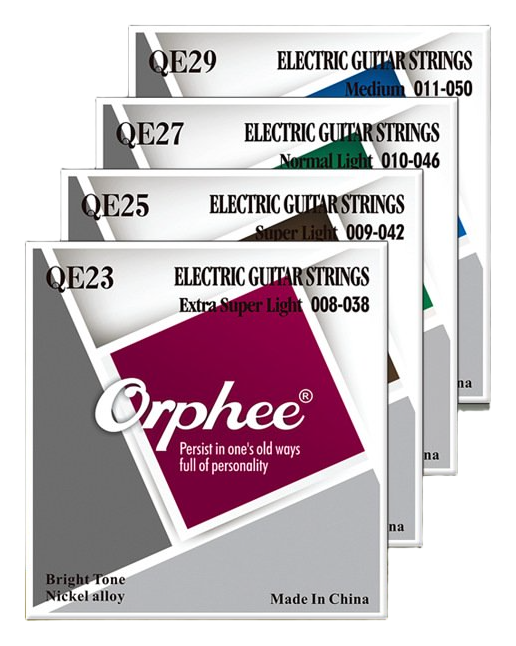
Cajon buyers often request mixed-category assortments. These eight export-ready WPI products can support school-music, accessory, online-retail, and cross-category orders alongside a cajon program.
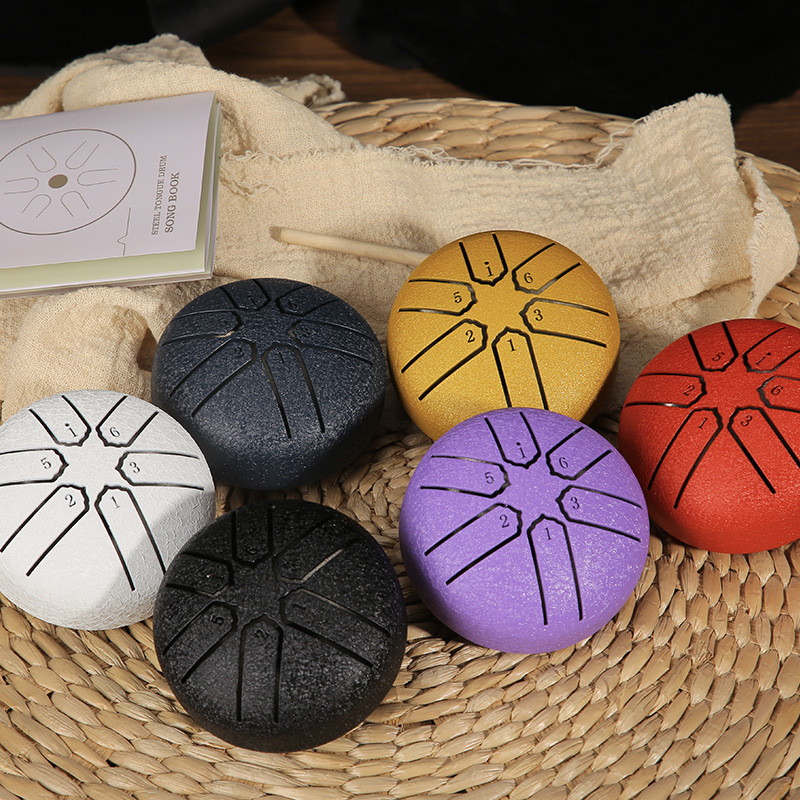
3 Inch 6 Notes Mini Steel Tongue Drum, Easy Learn Percussion Instrument, Kids Hand Drum Toy for Boys Girls Wholesale
View product detail →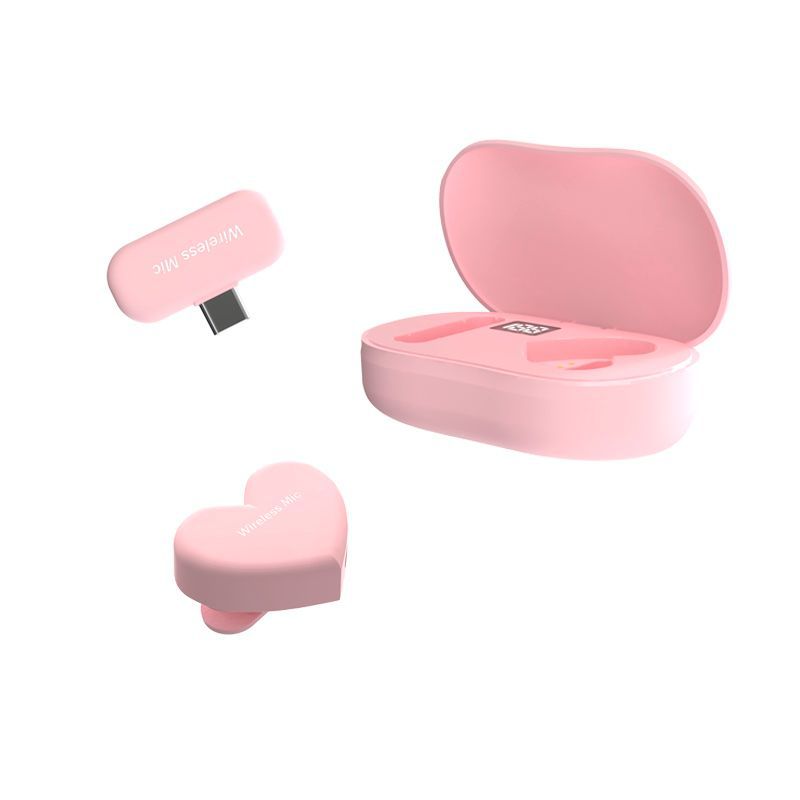
Stylish Pink Heart Wireless Mic with Clip Magnet Excellent for Vlog Recording on Mobile Compact Charging Case Portable Mic
View product detail →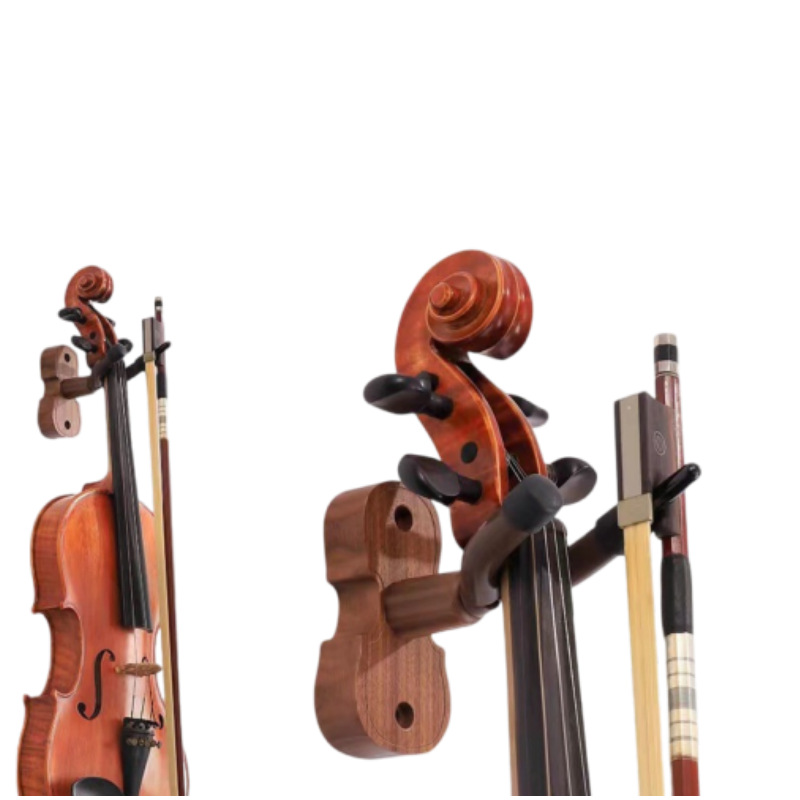
Wood Base Violin Hanger, Wall Mount Violin & Erhu Display Bracket, Universal Musical Instrument Wall Hanging Rack Wholesale
View product detail →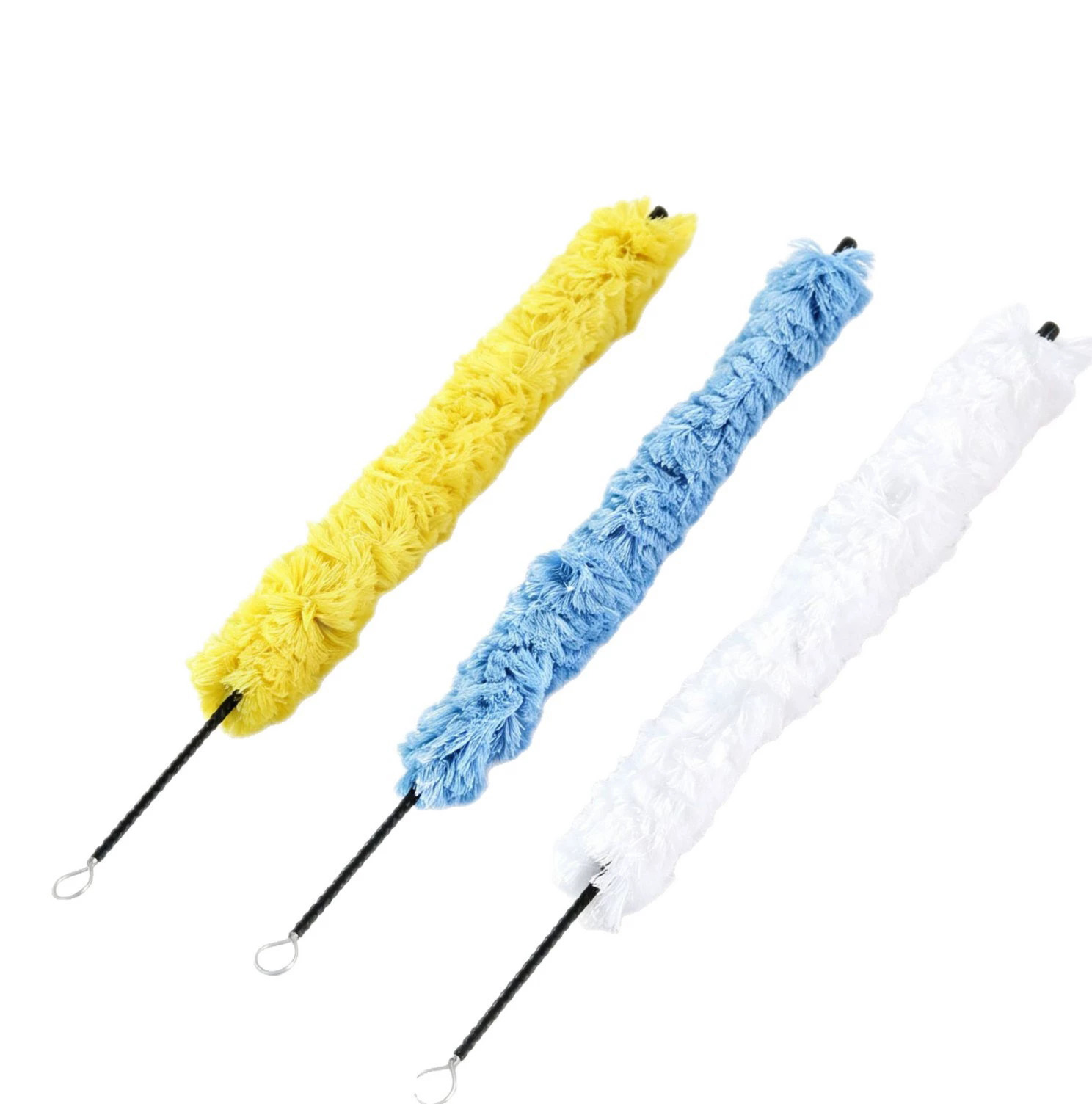
Flute bore cleaning brush flute brush cotton cleaning swab washable cotton thread cleaning stick white /yellow/ blue
View product detail →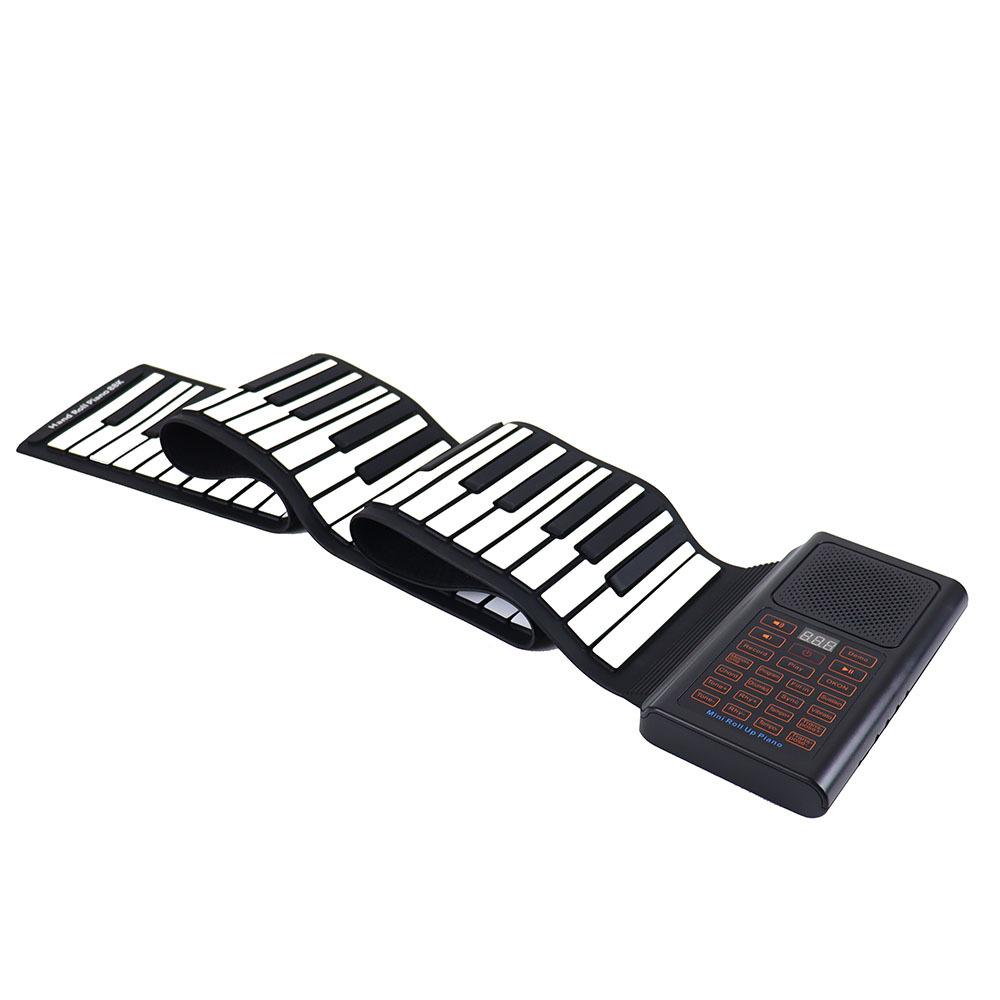
Wholesale 88-Keypad Keyboard Portable Digital Piano Foldable Entry-Level Soft Hand-Rolled Piano
View product detail →
Need current cajon MOQs, wood options, or a mixed-order quotation? Share your target market, quantity, logo, packaging, and preferred incoterm. The WPI export team will recommend the specification that fits your New York channel.
Inquire NowCE Claims, Material Safety, and the New York Buyer’s Due-Diligence File
Use CE documentation as part of a broader quality file. New York buyers should review the evidence behind the label, not only the label itself.
A practical interpretation of “CE certified” for wooden cajons
In procurement language, “CE certified” is often used as shorthand for a documented safety file. Serious buyers should separate the claim from the evidence. CE marking is part of an EU conformity framework; it is not the same as a New York or U.S. legal requirement and should not replace the compliance review your legal or import team performs. For a passive acoustic wooden cajon, the risk discussion usually centers on wood, adhesives, finishes, edge finishing, small parts, packaging, labeling, and age suitability.
Our position is straightforward: provide the underlying documents rather than simply print a logo. Depending on the final specification, a cajon documentation file can include wood and material declarations, adhesive and coating safety data, heavy-metal screening where applicable, packaging information, product labeling, model and batch coding, and an approved pre-production sample record. If the cajon is marketed to children, discuss age grading, small-parts risk, and applicable toy-safety review before production. If it carries a private label, keep the brand name, model number, batch code, and packaging information consistent across repeat orders.
For New York wholesale buyers, we recommend a four-part approval: first, approve the sample sound and feel; second, review material and finish declarations; third, confirm packaging and labeling; fourth, lock the final inspection checklist. This sequence gives your team a defensible buying record and reduces surprises at the port.

Buyer’s documentation checklist
- Approved sample with signed specification
- Wood species or board construction note
- Adhesive and finish safety data where required
- Heavy-metal or surface-safety review where relevant
- Age grading and small-parts consideration
- Retail packaging, barcode, and carton markings
- Batch code and model-number traceability
- Final inspection checklist before shipment
Body Wood & Tapa Selection: A Practical Matrix for New York Buyers
Final availability depends on current stock and customization requirements. Use this matrix to align tone, durability, and price with the selling channel.
Baltic Birch Construction
Balanced attack, predictable response, and strong resistance to handling. A practical choice for school programs, percussion workshops, and studio use where consistency across larger batches matters more than exotic grain.
Sapele / Mahogany-Style Wood
Warmer low-end character and a premium visual appearance. Suitable for retail displays, adult recreational players, and private-label lines that need a richer finish and stronger shelf presence.
Bamboo & Alternative Materials
Useful for buyers seeking distinctive grain, lighter weight, or a more sustainability-oriented story. Confirm tapa thickness, internal snare tension, and seasonal stability with a pre-production sample before committing to volume.
How a Wooden Cajon Order Moves from Brief to Shipment
A controlled export process protects sound, finish, packaging, and delivery schedule for New York buyers.
Every OEM or wholesale cajon project starts with a brief: target market, playing level, preferred wood, tapa response, finish color, logo method, packaging style, estimated order quantity, and desired incoterm. WPI then matches the specification with suitable production partners and recommends practical options for sampling. Sample-based customization, minor customization such as logo and packaging, design-based customization, and full customization are all part of the assessed supplier capability.
Mass production should not begin until the sample is approved. During production, in-process checks cover panel dimensions, joinery, internal snare placement, hardware tightness, surface preparation, and finish cure. For cajons, the final inspection should add a play-test: listen for unwanted rattle, confirm snare response, check bass tone, test tapa screw torque where applicable, inspect feet and edges, and verify the product matches the approved finish and packaging. This is how a manufacturer reduces the gap between a beautiful sample and a repeatable wholesale order.
Material Selection
Confirm wood type, board construction, tapa material, internal snare system, feet, and finish requirement.
Sample Approval
Produce a pre-production sample and record sound, dimensions, logo, packaging, and labeling.
Production & Play Test
Control joinery, hardware, finish, tapa tension, snare response, and batch consistency.
Final Inspection
Check appearance, function, packaging, carton marks, and shipment readiness before delivery.
Why New York Buyers Choose WPI for Cajon & Mixed Instrument Orders
WPI began exporting musical instruments from Hong Kong in June 2010 and established its Huizhou, Guangdong operation in 2014. The company is supported by a team of 28 people, including 22 in trading and export roles. Third-party assessed information includes annual export sales of US$9 million, 952 orders shipped in the last six months, a 97.73% inquiry response rate, and an average buyer rating of 4.6/5. Main markets include North America, Western Europe, Southeast Asia, and South America.
For a New York buyer, this breadth is useful. A retailer may need cajons for the school season, ukuleles for a holiday promotion, stands for instrument displays, and accessories for online orders. WPI’s one-stop sourcing model allows those products to be consolidated in a single shipment, reducing the administrative burden of working with multiple suppliers. Buyers can begin with a low-MOQ sample, confirm quality, then scale into mixed-category production.
- Intertek onsite-assessed supplier
- Finished-product inspection before delivery
- Sample, logo, packaging, and full customization
- One-stop mixed-category sourcing
- Named account manager support
- Trade-show experience since 2014
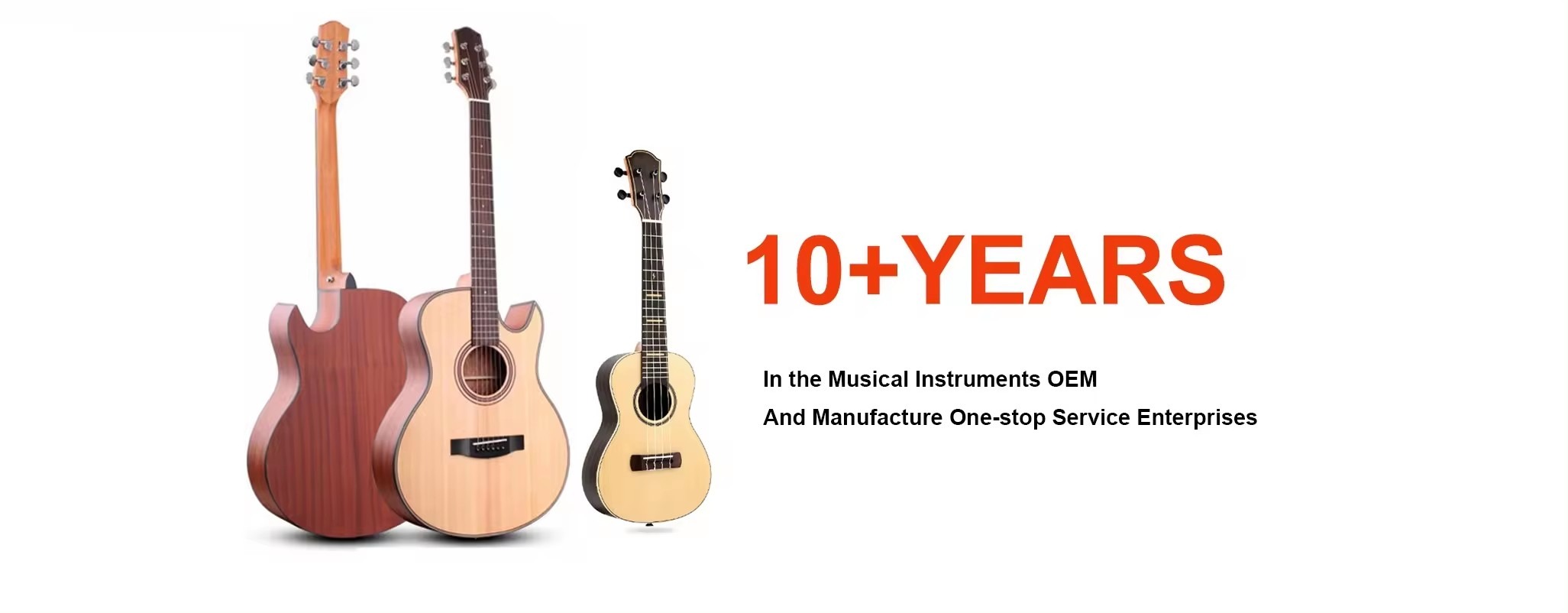
Verified Supplier Credentials
Intertek onsite assessment, published supplier capacity, and transparent trade terms give buyers a documented starting point for due diligence and internal approval.
Low MOQ & Sampling
Many instruments can be sampled from one piece. Typical production MOQs range from 2–10 pieces per model for instruments, while strings and small accessories may range from 20–600 sets.
OEM / ODM Capability
Sample-based customization, minor customization for logo, packaging and graphics, design-based customization, and full customization are all documented capabilities.
Quality Control Before Shipment
Every order can go through finished-product inspection covering appearance, hardware, tuning stability, playability, packaging, and carton markings before delivery.
One-Stop Export Service
Guitars, ukuleles, violins, saxophones, drums, keyboards, cajons, and accessories can be consolidated in one container with end-to-end logistics support.
Dedicated Account Management
Each buyer works with a named account manager who follows the order from quotation to after-sales. Average inquiry response rate is 97.73%.
Transparent Terms for New York Wholesale Buyers
Review the commercial and verification details before requesting a cajon sample or mixed-category quotation.
Trade Terms at a Glance
- Accepted Payment Methods: T/T, L/C, D/P, D/A, MoneyGram, credit card, PayPal, Western Union, cash, escrow
- Accepted Delivery Terms: FOB, CFR, CIF, EXW, FAS, CIP, FCA, CPT, DEQ, DDP, DDU, DAF, DES, express delivery
- Payment Currencies: USD, EUR, JPY, CAD, AUD, HKD, GBP, CNY, CHF
- Typical MOQ: From 1 piece for sampling; 2–10 pieces per instrument model; 20–600 sets for strings and small accessories
- Location: 2313, Saige Building, Huizhou, Guangdong, China
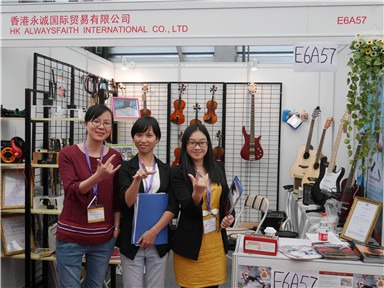
Independently Assessed & Trade-Show Proven
Our Intertek assessment covers company information, main product lines, and documented capabilities. WPI exhibited at the Shanghai and Guangzhou music shows every year from 2014 to 2019, including the 2014 Shanghai show, 2018 Shanghai booth W5A79, and 2019 Guangzhou Hall 9, 9B030405. These face-to-face buyer conversations helped refine our packaging, sampling, and export communication for North American buyers.
Before you place a cajon order, review the supplier assessment, trade capacity, transaction level, and buyer feedback. A credible sourcing decision should be supported by third-party verification and clear commercial terms, not only a product listing.
- Annual export sales assessed at US$9 million
- 952 orders shipped in the last six months
- 12 years in the musical instrument industry
- 4.6/5 average buyer rating
- North America, Western Europe, Southeast Asia, South America
- Finished-product inspection before delivery
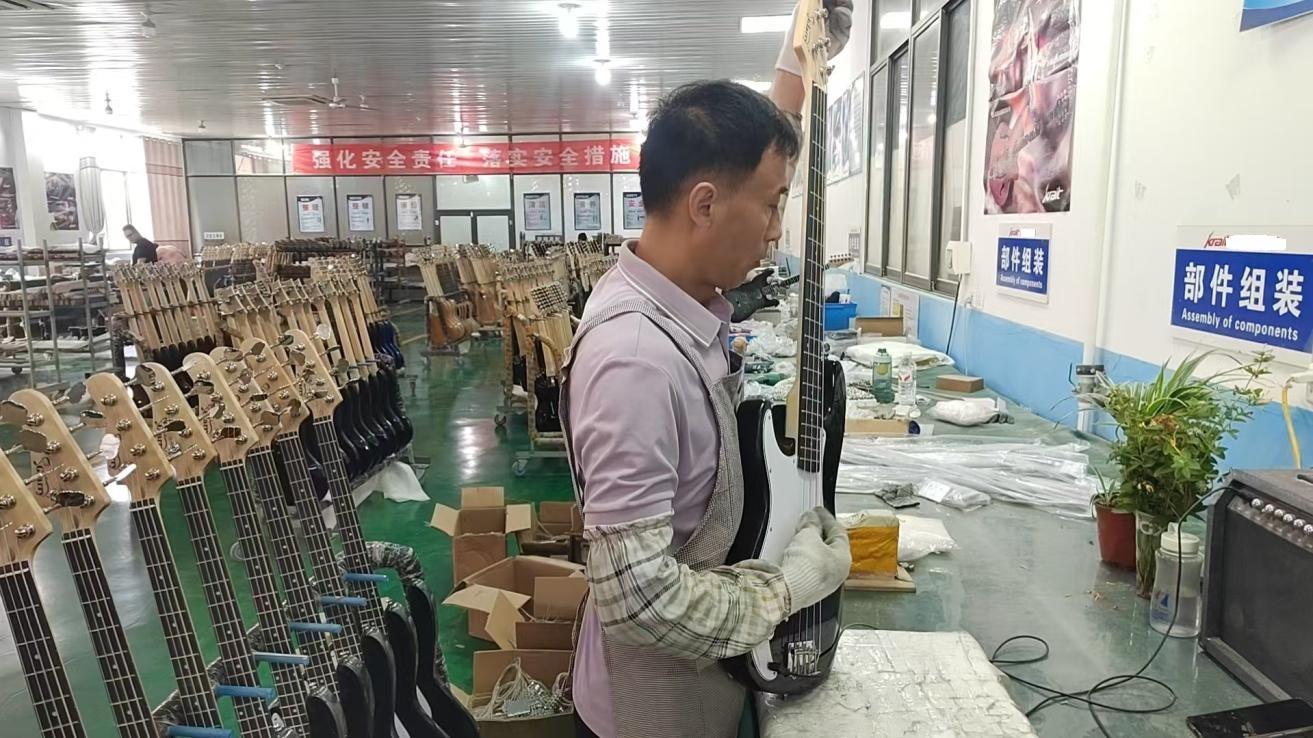
Inside WPI: Showroom, Warehouse, Quality Review, and Trade Shows
Visual evidence of the team, facilities, and export experience behind the catalog.
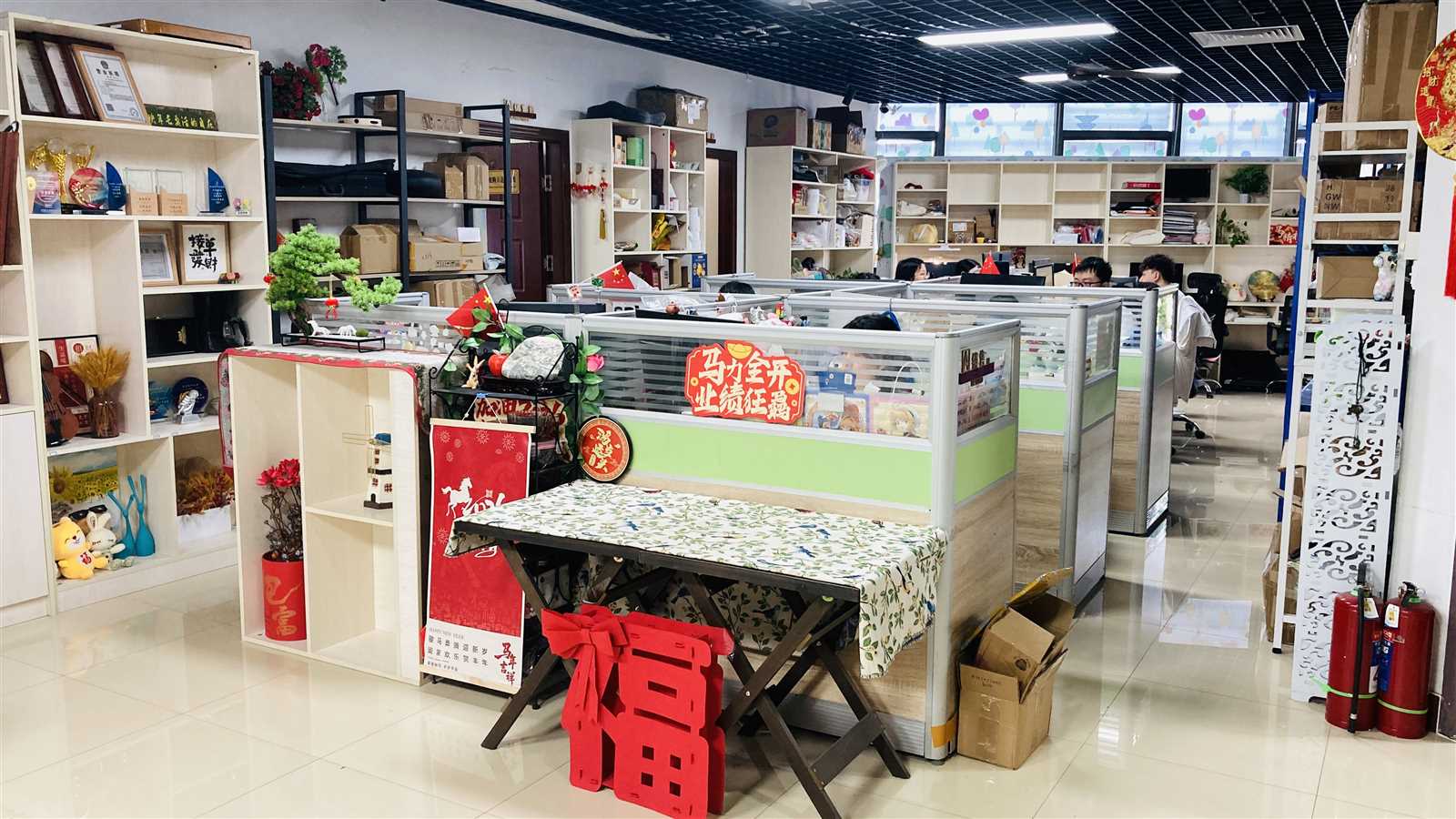
Showroom and product display support for wholesale buyers.

Order consolidation for mixed-category shipments.

Pre-shipment quality and packaging review.
Trade-show and buyer communication experience.
Wooden Cajon Purchasing FAQ for New York Buyers
Common questions from New York retailers, schools, studios, and distributors evaluating a cajon manufacturer or exporter.
Is a CE certificate mandatory for a wooden cajon sold in New York?
Not in the simple way many buyers expect. CE marking is part of an EU conformity framework and is not a blanket substitute for U.S. or New York compliance obligations. Many importers request CE-oriented documentation as part of their quality-assurance file. Before ordering, ask for the actual declaration, relevant test reports, material and finish data, labeling information, and age-suitability review where needed. WPI can prepare a specification-matched documentation file, but we do not present CE wording as a replacement for the compliance review your legal or import team requires.
What is the MOQ for custom wooden cajons and mixed orders?
Many instruments can be sampled from one piece. Typical wholesale MOQs are 2–10 pieces per model for instruments and 20–600 sets for strings and small accessories. Cajon MOQ depends on the custom size, wood, logo method, finish, packaging, and whether the order is part of a mixed-category shipment. Mixed orders are welcome, which is useful for New York buyers testing a new percussion line alongside school-music accessories or other catalog products.
Which wood should we choose for New York humidity and winter heating?
New York’s seasonal humidity swings make construction stability important. Baltic birch-style plywood is often chosen for predictable response and durability in school and studio use. Sapele or mahogany-style wood can provide a warmer visual and tonal character for retail. Bamboo and alternative materials can support a different sustainability story. Regardless of wood, specify controlled seasoning, sealed edges, stable feet, and consistent tapa tension. Approve a sample and keep it as the production reference.
Can you private-label cajons and create retail-ready packaging?
Yes. Assessed capabilities include sample-based customization, minor customization such as logo, packaging and graphics, design-based customization, and full customization. Send your logo file, packaging direction, target price, and selling channel. We can discuss barcode placement, care labels, model number, batch code, carton markings, and packaging protection for e-commerce or retail display. Private-label programs work best when the sample, specification sheet, and packaging artwork are approved before mass production.
How do you test cajon sound and quality before shipment?
Every order can go through finished-product inspection before delivery, covering appearance, hardware, tuning stability, playability, and packaging. For cajons, a practical checklist should add snare response, unwanted rattle, bass tone, tapa screw torque where applicable, feet attachment, edge finish, and finish cure. The goal is to compare the mass-production batch with the approved sample, not only to confirm that the product looks correct in a carton.
What shipping and payment terms can WPI support for New York orders?
Accepted payment methods include T/T, L/C, D/P, D/A, MoneyGram, credit card, PayPal, Western Union, cash, and escrow. Delivery terms include FOB, CFR, CIF, EXW, FAS, CIP, FCA, CPT, DEQ, DDP, DDU, DAF, DES, and express delivery. Payment currencies include USD, EUR, JPY, CAD, AUD, HKD, GBP, CNY, and CHF. New York buyers often compare FOB with DDP or port-of-New-York/New-Jersey arrangements; confirm the preferred incoterm, warehouse address, and delivery window before quotation.
How quickly can samples and production be arranged?
Timing depends on whether you need an existing model, a new logo, a custom finish, or a new packaging design. Start with your target specification, quantity, and launch date. WPI’s average inquiry response rate is 97.73%, and a named account manager follows the project from quotation to after-sales. For repeat or seasonal New York orders, share a forecast early so production and packaging can be scheduled before school or holiday peaks.
Request a CE-Oriented Wooden Cajon Sample for Your New York Assortment
Share your target price, wood preference, tapa response, logo, packaging, order quantity, and preferred delivery term. WPI will respond with a practical specification, sampling path, and mixed-order options for the New York market.