CE Certified Mechanical Metronome Manufacturers & Wholesalers in the Charlotte Market
A practical buying guide for Charlotte music retailers, independent teachers, school buyers, studios, and private-label brands comparing documentation, MOQ, local use cases, and factory-direct supply.
8 Wholesale Products That Support a Metronome-Led Charlotte Assortment
These eight SKUs are selected for Charlotte buyers who want to attach practice, studio, teaching, and performance accessories to a mechanical metronome program. They are basket builders: products that raise average order value, support lesson-room organisation, and give retailers a reason to reorder after the metronome demonstration. Product links and image paths are preserved from the original catalog.
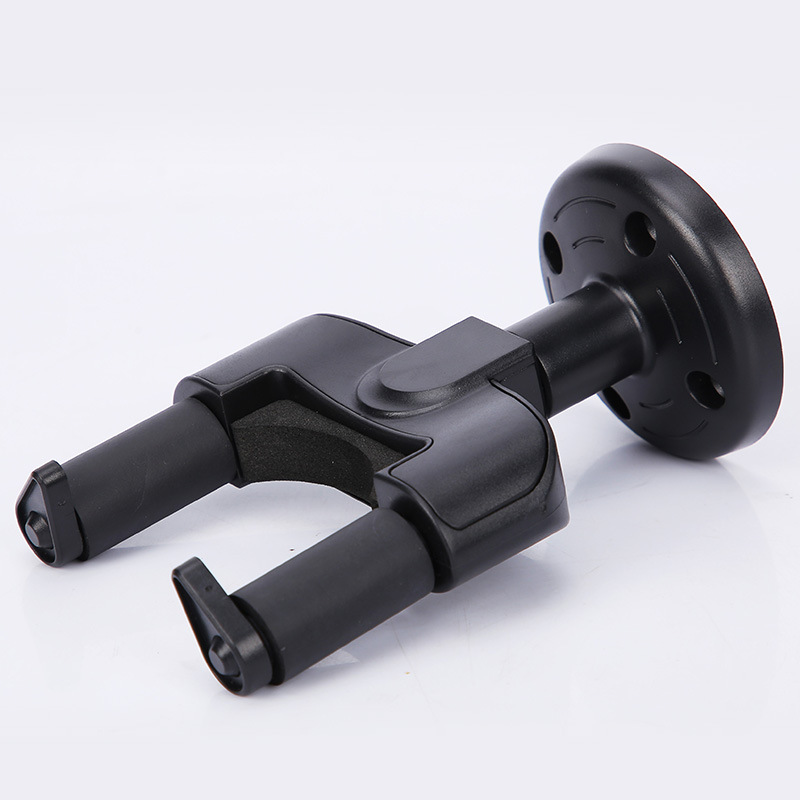
Gravity Auto Lock Guitar Hanger, Wall Mount Guitar Hook
Self-locking display and practice-room storage for electric and acoustic guitars. A natural add-on for Charlotte lesson studios, repair counters, and retail wall displays.
View wholesale SKU →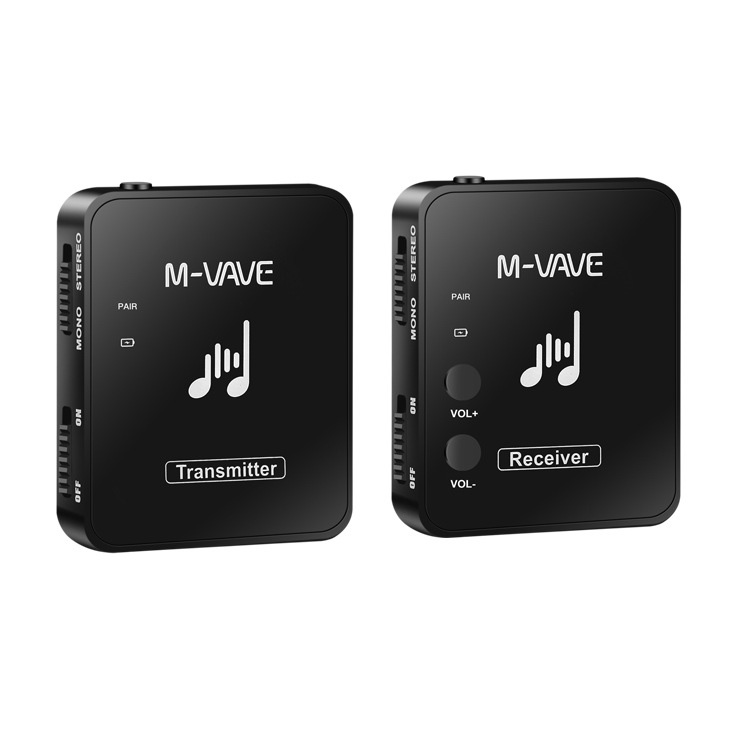
Wireless In-Ear Monitor System Transmitter Receiver
Mono and stereo earback set for worship teams, small venues, and teaching studios. Useful in Charlotte rehearsal spaces where click and tempo reference must be shared cleanly.
View wholesale SKU →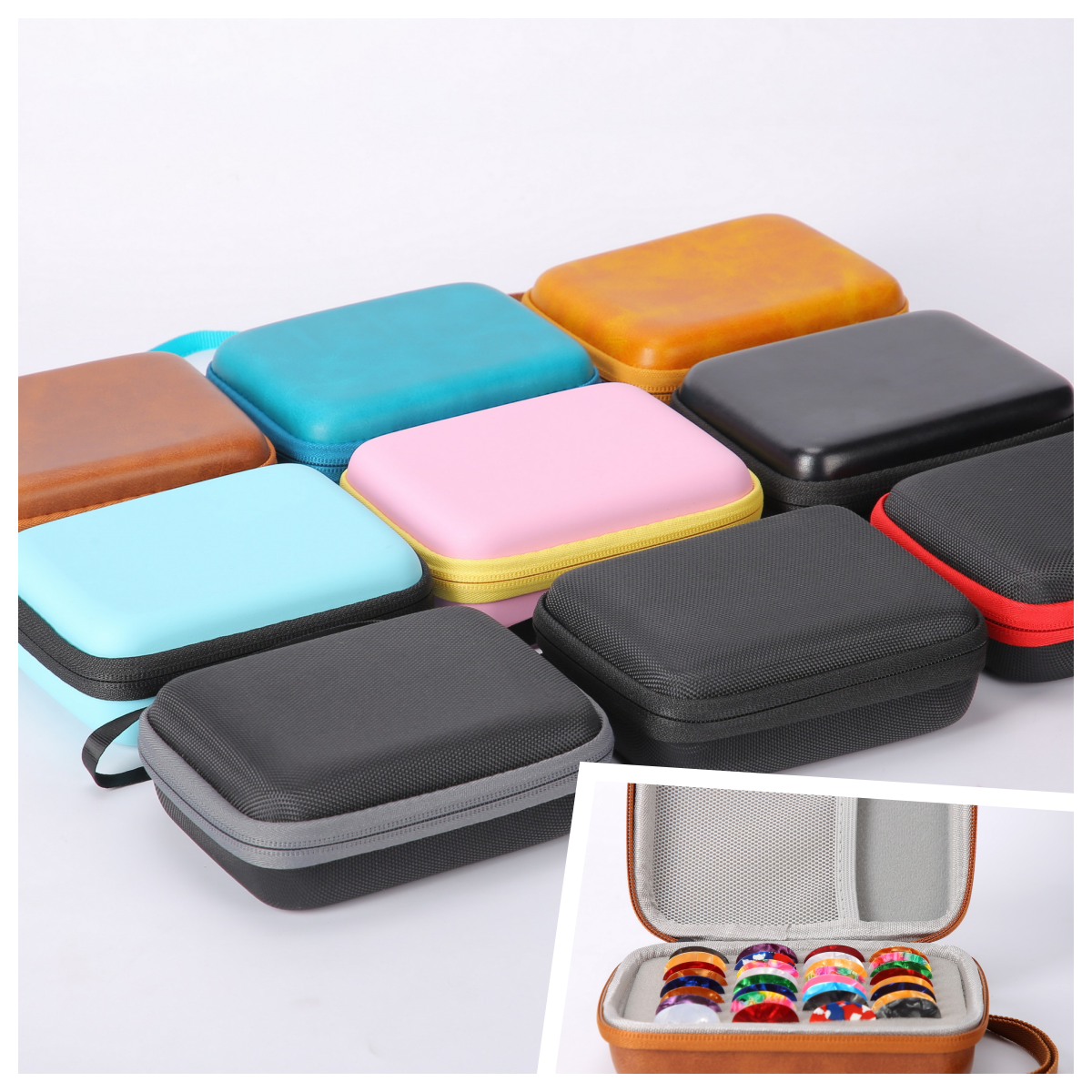
Guitar Folk Plectrum Storage Leather Case
Leather PC plectrum bag for guitar and ukulele picks. An easy countertop or checkout-lane add-on beside method books, tuners, and metronome displays.
View wholesale SKU →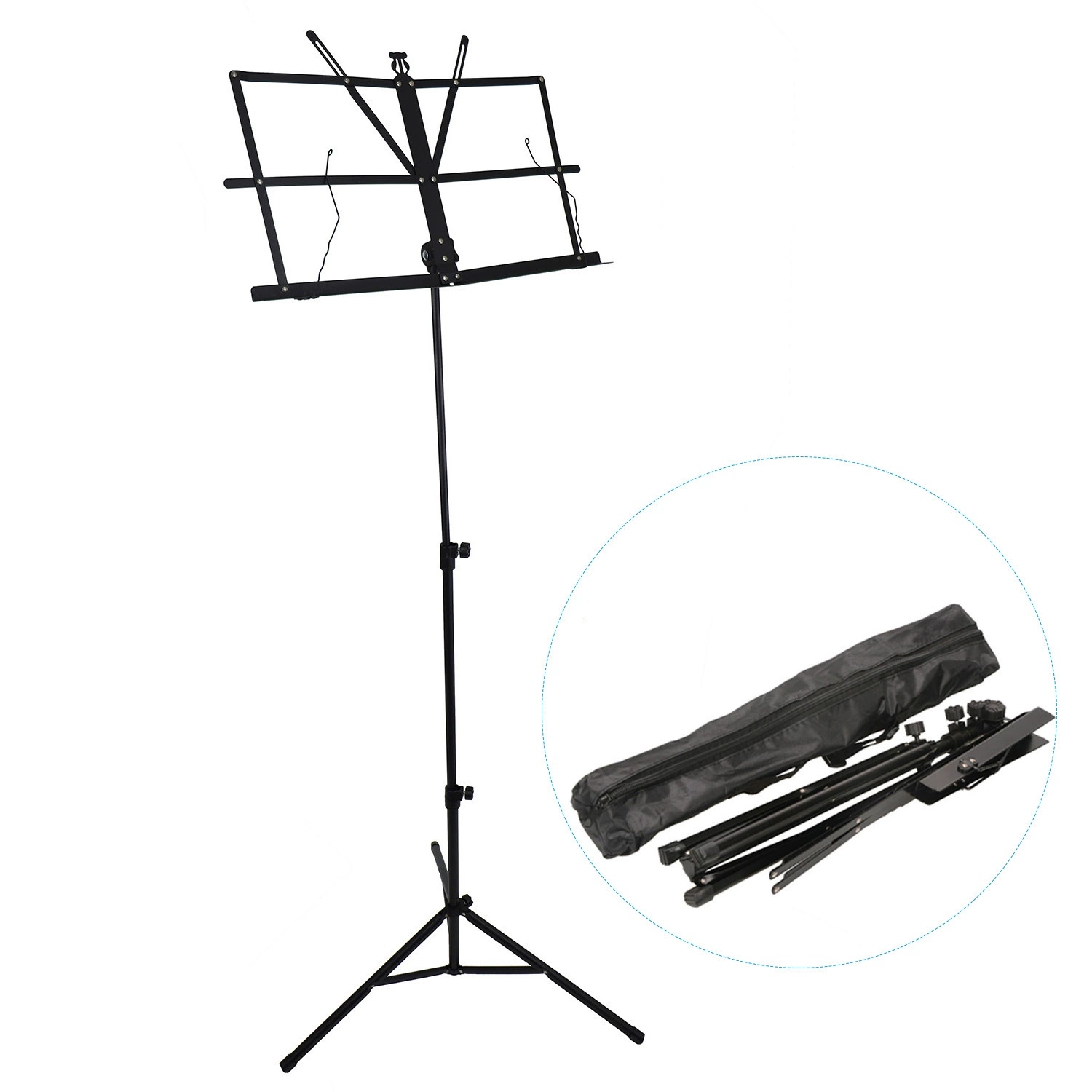
Portable Adjustable Music Stand with Bag
Small-size folding stand for lesson rooms, exam centres, and performance rehearsals. Bundles naturally with a battery-free mechanical metronome.
View wholesale SKU →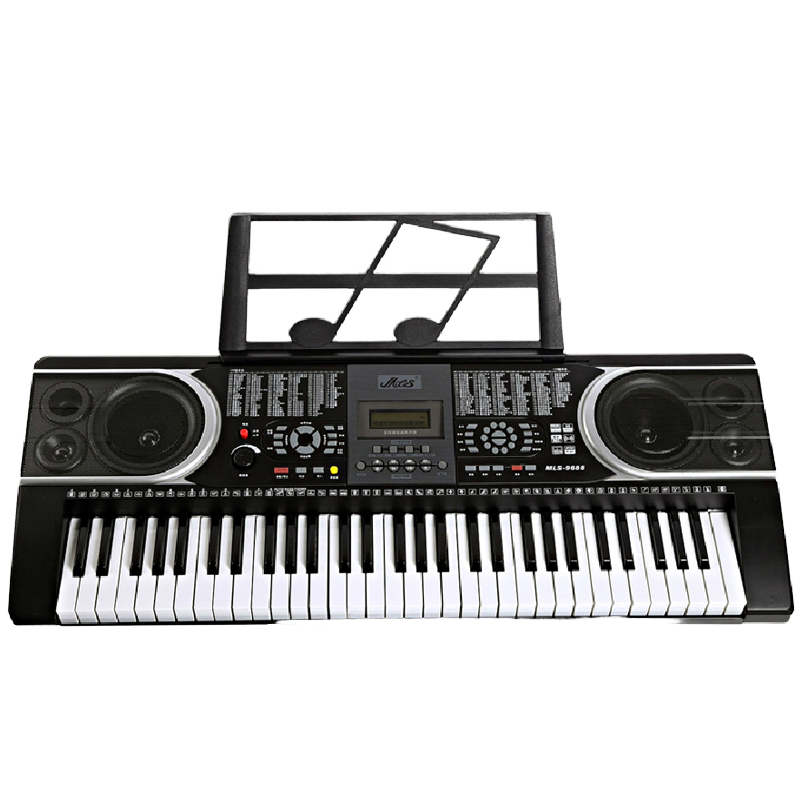
Professional Teaching Electronic Keyboard, 61 Standard Keys
Classroom and studio keyboard with 61 standard keys. Sits well in Charlotte after-school programs, practice labs, and beginner piano bundles.
View wholesale SKU →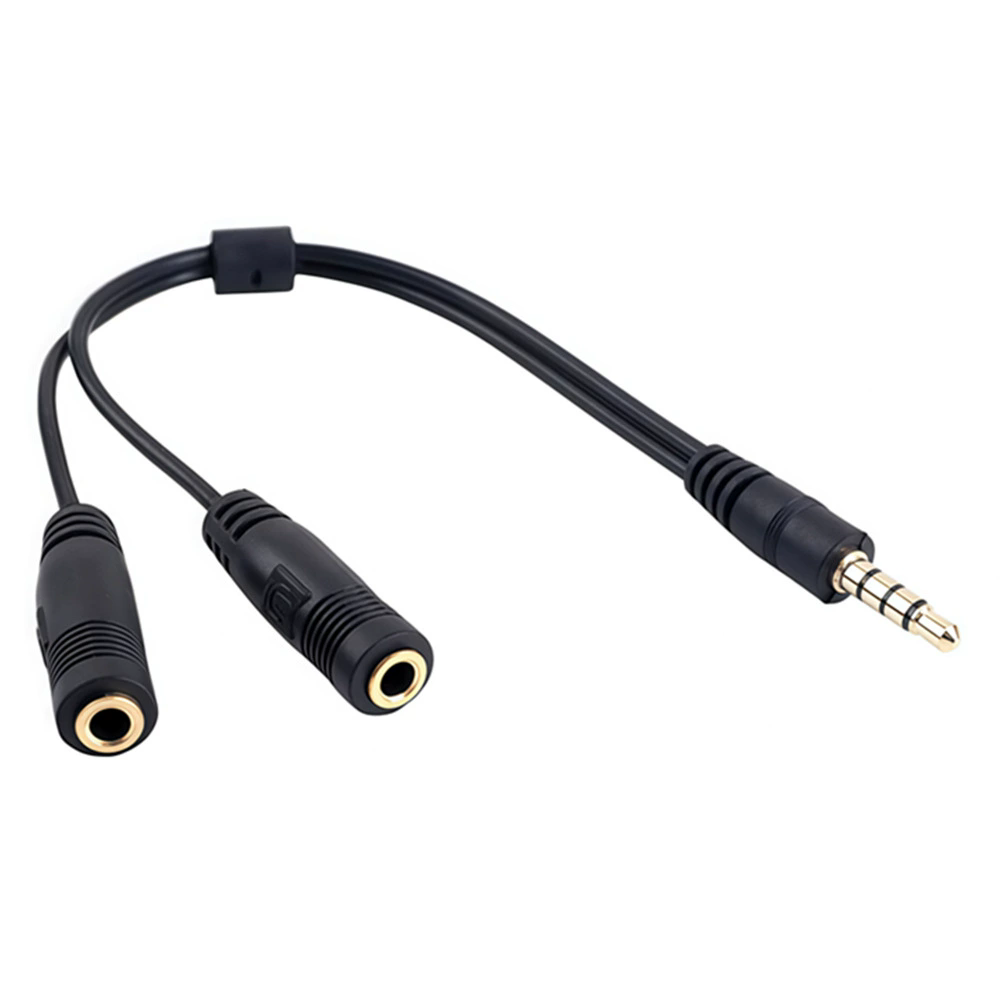
3.5mm 4-Pole Headset Microphone Splitter Adapter Cable
For laptop, PC, online lessons, and content creation. A practical accessory for Charlotte teachers running hybrid lessons and recording practice feedback.
View wholesale SKU →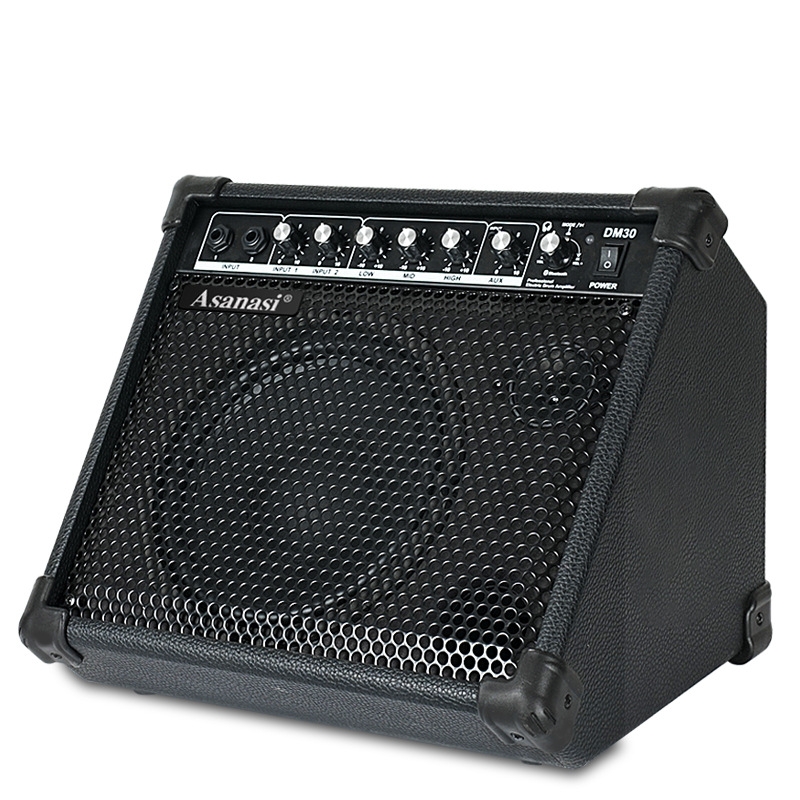
Rechargeable Portable Wireless Electronic Drum Amplifier
Portable stereo amplifier for electronic drums, outdoor camps, and mobile teaching. Adds value to Charlotte rehearsal and community-music orders.
View wholesale SKU →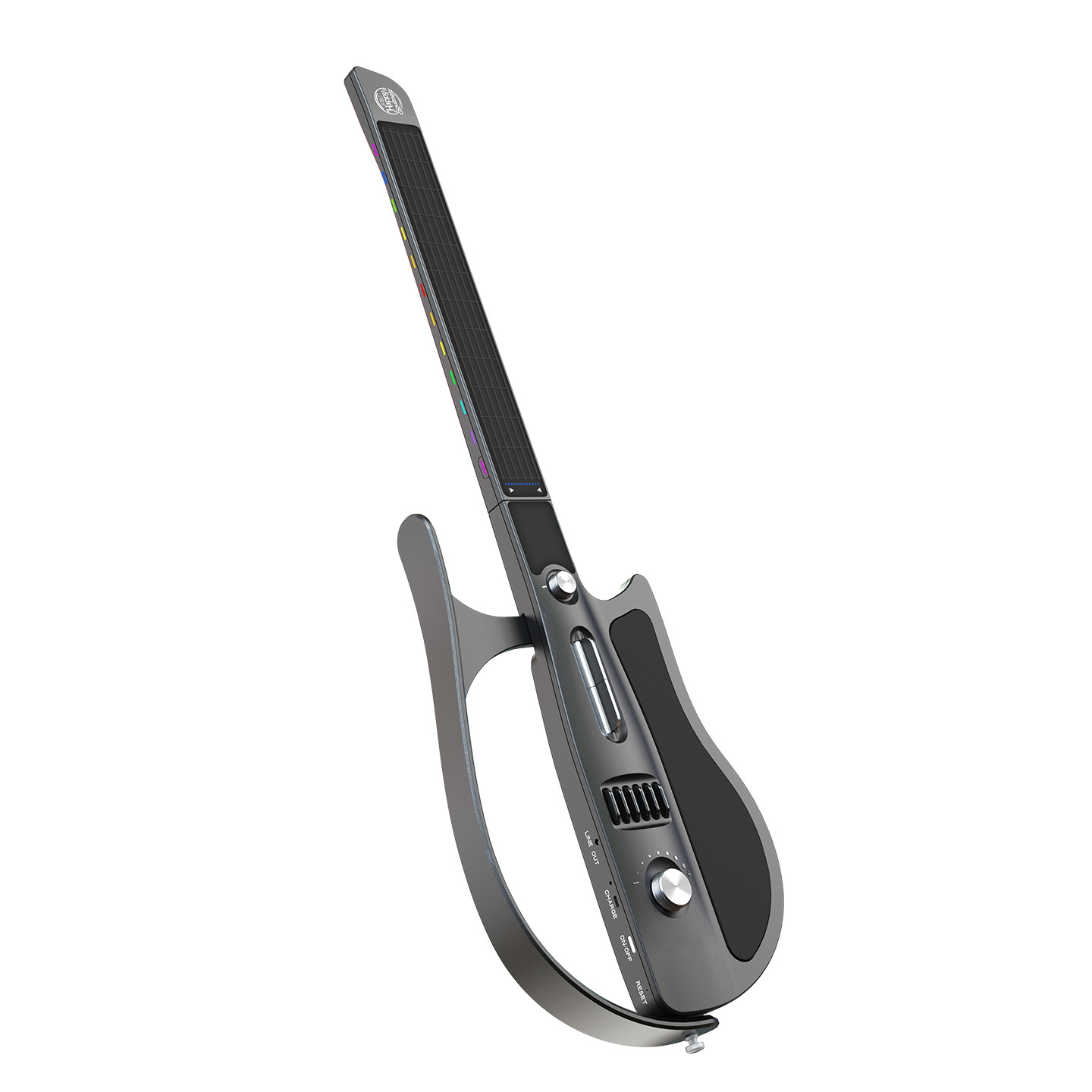
N1 Smart Accompaniment Stringless Travel Guitar
Compact smart guitar for travel, beginner engagement, and in-store demonstration. Helps retailers create a modern trial zone around rhythm and practice products.
View wholesale SKU →Years in musical instrument export
Third-party assessed annual export
Orders shipped in the last 6 months
Inquiry response rate
What Charlotte Buyers Are Really Searching For
The search phrase “CE certified mechanical metronome manufacturers & wholesalers in the Charlotte market” does not usually come from a casual shopper. It comes from a buyer with a deadline and a specific operational problem. A retail buyer in South End may want a battery-free practice item that can sit on a counter for weeks without maintenance. A private piano teacher in Matthews may want a tempo instrument that survives daily lesson-room use and does not depend on app permissions or charging cables. A school purchasing coordinator near University City may need a documented supplier and consistent model numbers. A church music director near Uptown wants beat subdivision for choir rehearsal. An e-commerce seller in Huntersville wants private-label packaging. A distributor in Gastonia may want a mixed container that combines metronomes with instruments and accessories. The shared intent is reliable supply, accurate tempo, credible CE documentation, and simple delivery into the Charlotte metro.
Charlotte’s music economy is not concentrated in one postcode. Retailers, teachers, worship teams, school programs, after-school academies, and home-studio creators are spread across Mecklenburg County and surrounding communities such as Concord, Huntersville, Matthews, Pineville, Fort Mill, and Rock Hill. That geographic spread changes the wholesale brief. A supplier must support small mixed orders, provide retail-ready images and specifications, and understand that one buyer may sell to a parent in Ballantyne while another serves a band director in NoDa. A mechanical metronome is a small product, but it sits inside a much larger buyer journey: practice routines, lesson planning, rhythm training, ensemble preparation, and retail add-on sales.
A mechanical metronome remains relevant because it is simple, visible, and battery-free. Its pendulum gives a physical tempo reference that students can see as well as hear. It does not require a phone, an app store account, Bluetooth pairing, or firmware updates. For lesson rooms and institutional environments, that simplicity reduces friction. For retailers, it provides a compact display item with strong seasonal demand around back-to-school periods, piano exam preparation, and holiday beginner bundles. For private-label brands, it offers room for packaging design, colour direction, and bundled offers with music stands, method books, and practice accessories.
For wholesale planning in Charlotte, the strongest supplier conversation is not “who has the lowest unit price?” It is “who can repeat the same quality, protect the model number, provide the file pack, and consolidate a mixed order that fits my cash flow?” That is where an experienced musical-instrument export partner adds value. WPI International Trade Co., Ltd. (Huizhou) has served importers, distributors, retailers, and schools since 2010, with a catalogue that spans guitars, ukuleles, violins, cellos, saxophones, clarinets, drums, keyboards, and accessories. A metronome programme can therefore sit inside a broader musical-instrument sourcing plan rather than becoming a single-SKU dead end.
CE Is a Declaration, Not a Magic Quality Badge
CE marking is often presented in marketplace listings as a universal quality certificate. It is not. CE marking is a declaration that a product meets applicable European Union legislation where those rules apply. A purely mechanical metronome with no electrical components may not fall under the same directives as an electronic tuner, amplifier, or digital piano. A responsible wholesaler should be precise about what is covered. Ask for a Declaration of Conformity where the product is in scope, material and finish test reports where relevant, stable labelling and packaging files, and an explanation of the exact model, batch, and documentation relationship. If a supplier sends only a CE logo image without a file pack, treat that as a documentation risk.
For Charlotte buyers, CE documentation matters most when the same SKU is sold to schools with cross-border purchasing policies, exported onward to Europe, or marketed online to consumers who compare compliance claims. U.S. import rules are not the same as EU rules, so the smart approach is to separate “mandatory for this destination” from “useful for this sales channel.” High-quality suppliers can support both conversations. They can match the invoice model to the test report, maintain traceability across production runs, and provide artwork files for warning labels and packaging. This is the kind of information gain that separates a serious wholesale page from a keyword-stuffed catalogue page.
How Mechanical Metronomes Fit Charlotte’s Music Ecosystem
Local relevance is more than inserting “Charlotte” into a paragraph. Buyers need to see where the product actually works, who uses it, and why a mixed assortment creates repeat orders.
Retail and lesson-room bundles
In South End, Plaza Midwood, and Ballantyne, independent shops compete with online marketplaces by making practice easy to start. A metronome paired with a music stand, plectrum case, method book, and wall hanger becomes a practical starter kit. A battery-free metronome also gives staff a simple demonstration: wind, set, listen, and place it beside the student’s practice log.
Schools and after-school programs
Across Mecklenburg County, University City, and Matthews, school music programs value durable, documented products that are easy to store and replace. Mechanical metronomes do not need chargers or batteries, which simplifies inventory. Buyers should request model-level consistency, robust packaging, and a clear sample approval process before committing to a term or semester supply plan.
Private studios and hybrid teaching
In Huntersville, Pineville, Fort Mill, and home studios throughout the metro, teachers run in-person and online lessons from the same room. A metronome provides an off-screen tempo cue, while a headset splitter, IEM system, and teaching keyboard support recording and live feedback. This combination turns a single metronome enquiry into a practical studio-upgrade conversation.
Live, worship, and community music
From NoDa and Uptown to Camp North End and community venues, rehearsals need a shared time reference before the show. A mechanical metronome is useful backstage and in teaching rooms, while the electronic drum amplifier, wireless IEM set, and smart guitar create a broader performance-accessory display. Retailers can build a “rehearsal ready” merchandising theme rather than shelving metronomes alone.
Four Trends Shaping Local Wholesale Decisions
Search intent in the Charlotte market is influenced by how people learn, teach, perform, and buy online. These trends should shape your sample order and supplier questions.
Hybrid lessons are changing the practice bundle
Teachers who once bought only a metronome now need accessories for video lessons, recording, and home practice. Bundles that include a music stand, headset adapter, and portable keyboard feel more relevant to Charlotte’s busy teaching schedules and apartment-friendly studios.
Documentation-sensitive institutional buying
Schools, churches, and publicly funded programs often need consistent model numbers, invoices, and file packs. A wholesaler that can explain CE scope accurately, provide packaging artwork, and maintain traceability is easier to approve than one that treats compliance as a logo.
Low-MOQ private label tests
Charlotte entrepreneurs and regional retailers want to test a private-label metronome without committing to container-scale volume. Low-MOQ sampling, logo printing, retail box design, and mixed-product consolidation let a buyer prove demand before scaling. This is particularly useful for online-first brands.
Mixed sourcing reduces landed cost
Importers increasingly prefer one supplier who can consolidate metronomes with guitars, ukuleles, stands, keyboards, and percussion accessories. Mixed-category orders reduce supplier management time, improve container utilisation, and simplify pre-shipment inspection and documentation.
How to Compare Wholesale Metronome Suppliers
Use this matrix in your first supplier conversation. The best wholesaler is not always the cheapest; it is the one whose documentation, calibration, packaging, and consolidation process survive a repeat order.
| Buyer priority | What to ask for | Weak answer warning | Why it matters in Charlotte |
|---|---|---|---|
| CE file pack | Declaration of Conformity where applicable, model match, test reports, labelling and packaging artwork | Only a CE logo image; no model-specific file | Supports documentation-sensitive buyers, online listings, and onward export to Europe |
| Tempo stability | Calibration checks at 100, 120, and 160 BPM; beat-bell function; winding durability | Vague “high accuracy” claim with no sample test | Lesson rooms and exam preparation demand repeatable tempo reference |
| Materials and finish | Wood or ABS specification, finish safety, edge smoothness, odour control | No material breakdown or packaging photos | Retail display, school use, and parent-facing products need clean finishes |
| MOQ and mixing | Sample MOQ, per-model MOQ, mixed SKU policy, reorder flexibility | High minimums with no test-order path | Charlotte independents and online sellers often start with small quantities |
| Packaging | Drop protection, retail box, barcode, instruction sheet, private-label artwork | Generic carton with no barcode or retail image | E-commerce parcels and store shelves need different packaging logic |
| Lead time and shipping | Sample lead time, production schedule, consolidation plan, FOB/CIF/DDP options | No tracking or incomplete terms | Charlotte replenishment cycles and new-store openings need predictable arrival dates |

Why WPI Fits a Charlotte Metronome and Accessories Programme
WPI International Trade Co., Ltd. (Huizhou) began exporting musical instruments from Hong Kong in 2010 and established its Huizhou, Guangdong operation in 2014. A team of 28 people, including 22 in trading and export roles, supports importers, distributors, retailers, schools, and private-label brands. The company specialises in ukuleles, acoustic and electric guitars, and extends into violins, cellos, saxophones, clarinets, drums, keyboards, and accessories.
The commercial case is simple: a broad musical-instrument catalogue, low-MOQ sampling, OEM/ODM support, pre-shipment inspection, and an assessed export record. Annual export is US$9 million according to third-party assessment, with main markets in North America, Western Europe, Southeast Asia, and South America. Recent trade activity includes 952 orders in six months and an inquiry response rate of 97.73%. For a Charlotte buyer building a metronome-led accessory programme, that combination reduces supplier-management friction while keeping room for private-label development.
Intertek onsite assessment
Premises, legal status, and capabilities have been assessed onsite. This supports buyers who need a verifiable supplier profile before requesting samples or placing a first production order.
12+ years of export experience
Since 2010, WPI has worked with overseas buyers across multiple instrument categories. That experience matters when a Charlotte buyer wants consistent model numbers, packaging, and reorder support.
One-stop mixed catalogue
Metronomes can be discussed alongside guitars, ukuleles, keyboards, stands, hangers, cases, and amplifiers. Mixed-category orders help buyers consolidate inspection and shipping instead of managing many small suppliers.
Low MOQ and OEM/ODM support
Many instruments and accessories can start from sample quantities, with per-model wholesale MOQs for production. Customisation options include logo, packaging, graphics, and design-based development.
Pre-shipment inspection
Finished-product inspection covers appearance, hardware, tuning or function, and packaging before delivery. For metronome orders, the checklist can be adapted to tempo check, winding action, beat bell, and retail carton condition.
Flexible trade terms
Accepted payment methods include T/T, L/C, D/P, D/A, credit card, PayPal, Western Union, cash, and escrow. Delivery terms include FOB, CFR, CIF, EXW, DDP, DDU, express delivery, and other options for U.S. buyers.
Local Wholesale Questions, Answered for Buyers
These are the questions most likely to appear in a first enquiry from a Charlotte retailer, studio, school buyer, or private-label brand.
Can you supply CE-certified mechanical metronomes to Charlotte, NC?+
Yes, we can discuss metronome sourcing and the appropriate documentation for your sales channel. For mechanical products, we clarify whether CE rules apply, provide a Declaration of Conformity where in scope, and match the documentation to the exact model, packaging, and invoice. Buyers selling into the U.S. and Europe should state both destinations at enquiry stage.
What MOQ applies to a first Charlotte retail test?+
Many WPI instruments and accessories can start from one piece for sampling, while production MOQs are set per model. Typical wholesale ranges are 2 to 10 pieces per instrument model and 20 to 600 sets for small accessories. A metronome and accessory test order can be quoted with mixed-SKU options.
How long does shipping to Charlotte usually take?+
Transit time depends on whether you choose express, air freight, or sea freight, and whether the order is consolidated with other musical instruments. After sample approval and production, we provide a shipping plan with tracking and delivery terms such as FOB, CIF, or DDP. Charlotte buyers should plan extra time around peak back-to-school and holiday seasons.
What documents should a Charlotte buyer request before ordering?+
Request a quotation with model numbers, specifications, MOQ, lead time, packaging details, and trade terms. For compliance, ask for a Declaration of Conformity if applicable, relevant material or finish reports, label artwork, and a clear statement of what the documentation covers. Also request pre-shipment inspection criteria.
Can we combine metronomes with the eight products shown on this page?+
Yes. The products shown are part of a practical add-on assortment: guitar hangers, IEM systems, plectrum cases, music stands, teaching keyboards, headset adapters, electronic drum amplifiers, and smart travel guitars. Mixed-category orders are welcome and can be consolidated for more efficient inspection and shipping.
Do you offer private-label packaging for Charlotte retailers?+
Yes. Depending on the product, we can support logo printing, retail box design, instruction leaflet changes, barcode placement, and packaging artwork. Third-party assessed capabilities include sample-based customisation, minor customisation such as logo and packaging, design-based customisation, and full customisation.
How do you check tempo accuracy and mechanical quality?+
For a metronome programme, the inspection brief should include low, middle, and high tempo checks, beat-bell function, winding mechanism durability, casing fit, paint or finish quality, and retail packaging condition. Samples should be approved before mass production. Final inspection helps confirm the shipment matches the approved sample.
What payment and delivery terms are accepted?+
Payment methods include T/T, L/C, D/P, D/A, MoneyGram, credit card, PayPal, Western Union, cash, and escrow. Delivery terms include FOB, CFR, CIF, EXW, FAS, CIP, FCA, CPT, DEQ, DDP, DDU, DAF, DES, and express delivery. The best option depends on order size, destination, and whether you need door-to-door delivery.
Do you support schools, churches, and institutional purchase enquiries?+
Yes. Institutional buyers often need consistent models, clear invoices, packaged quantities, and reliable delivery windows. Share your intended use, quantities, term dates, and documentation requirements. We can recommend suitable products and discuss mixed orders for music programs, choirs, and teaching rooms.
Can I order a sample before a wholesale order?+
Sampling is a normal first step. Many products can start from one piece for sample review. Before sampling, confirm the target market, packaging direction, logo requirement, and any compliance expectations. After you approve the sample, production can follow the agreed specification and inspection checklist.
Build a Charlotte-Ready Metronome and Accessories Programme
Send your target price, packaging direction, compliance needs, estimated quantities, and mixed-SKU wish list. We will reply with sourcing options, MOQ guidance, and a production timeline tailored to the Charlotte market.
Contact UsSourcing support: info@wpimusic.com · Huizhou, Guangdong, China · Intertek-assessed supplier