8 Wholesale Music Products to Bundle with Egg Shaker Orders
Egg shakers rarely move alone. Tijuana music shops, school suppliers and online sellers usually build a basket around classroom percussion, studio accessories and instrument care. These eight catalogue products are practical add-on lines for mixed orders, sample packs and retail replenishment. Every original product URL is preserved below.
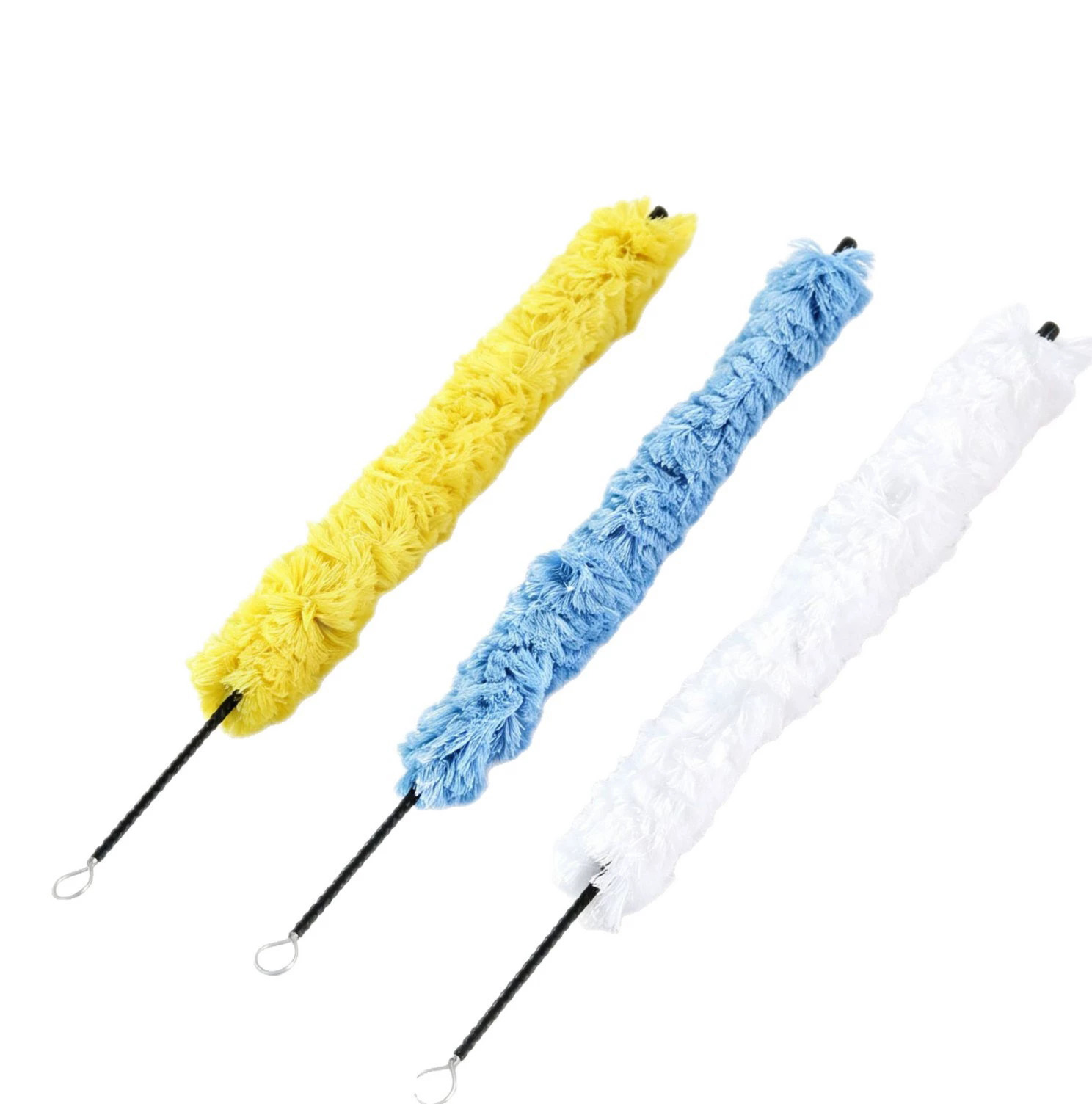
Flute Bore Cleaning Brush – Washable Cotton Swab
Instrument care add-on for school and repair accounts.
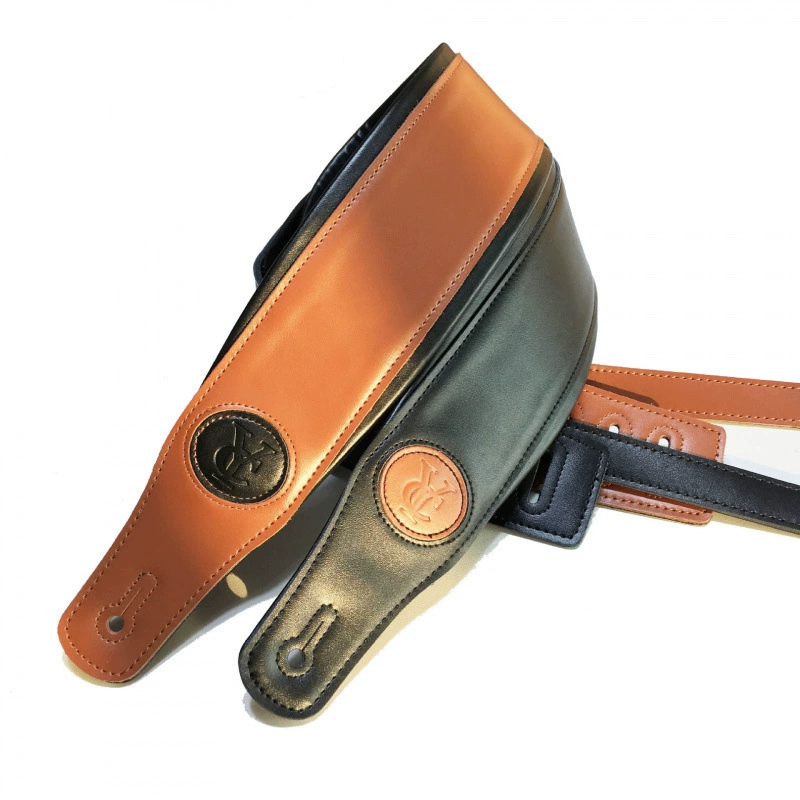
Wide Padded Cowhide PU Leather Guitar Strap
Comfort-led accessory for acoustic, electric and bass players.
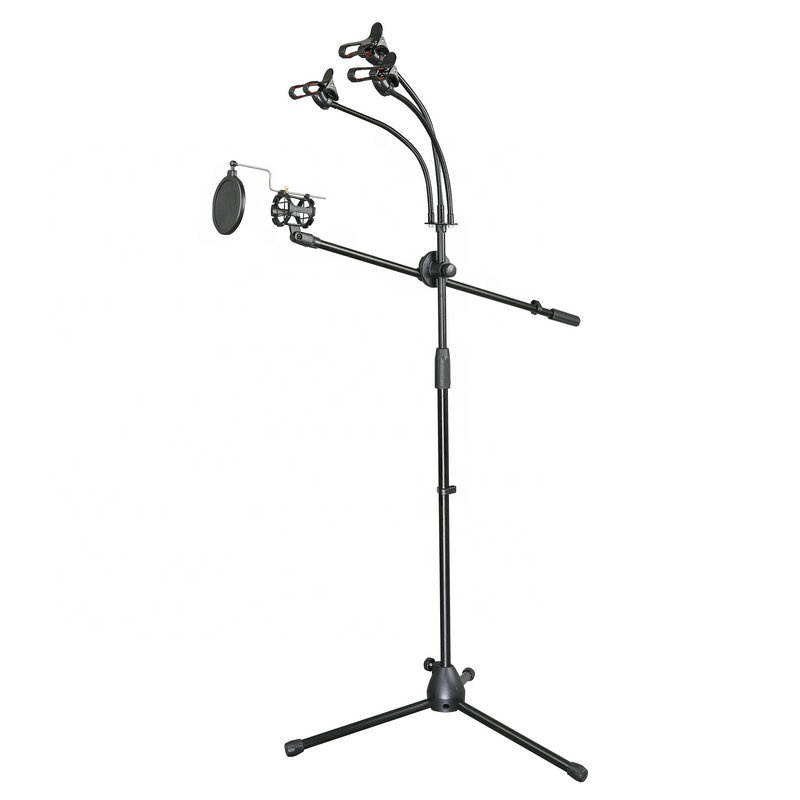
3-Phone Live Streaming Tripod & Microphone Stand
Content-creator hardware for music retailers and studios.
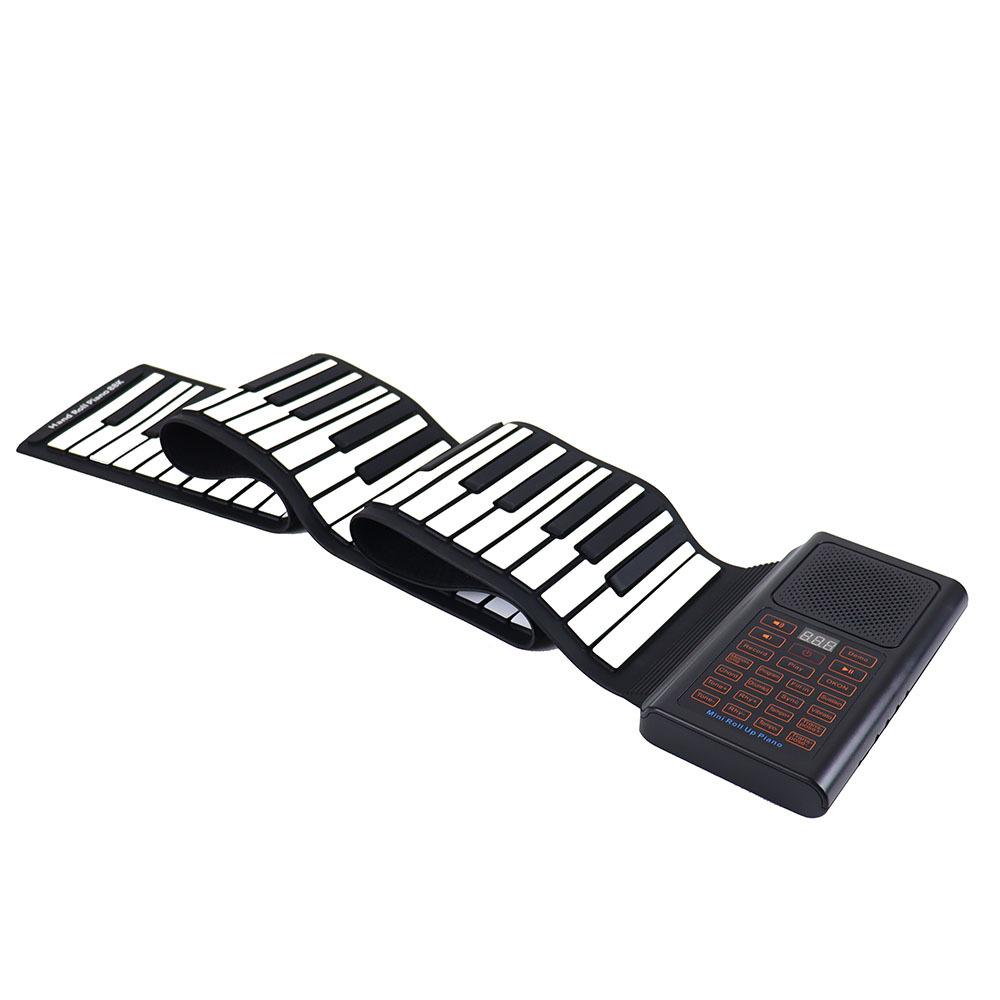
Portable Foldable 88-Key Hand-Rolled Digital Piano
Space-saving piano for classrooms, travel and home practice.
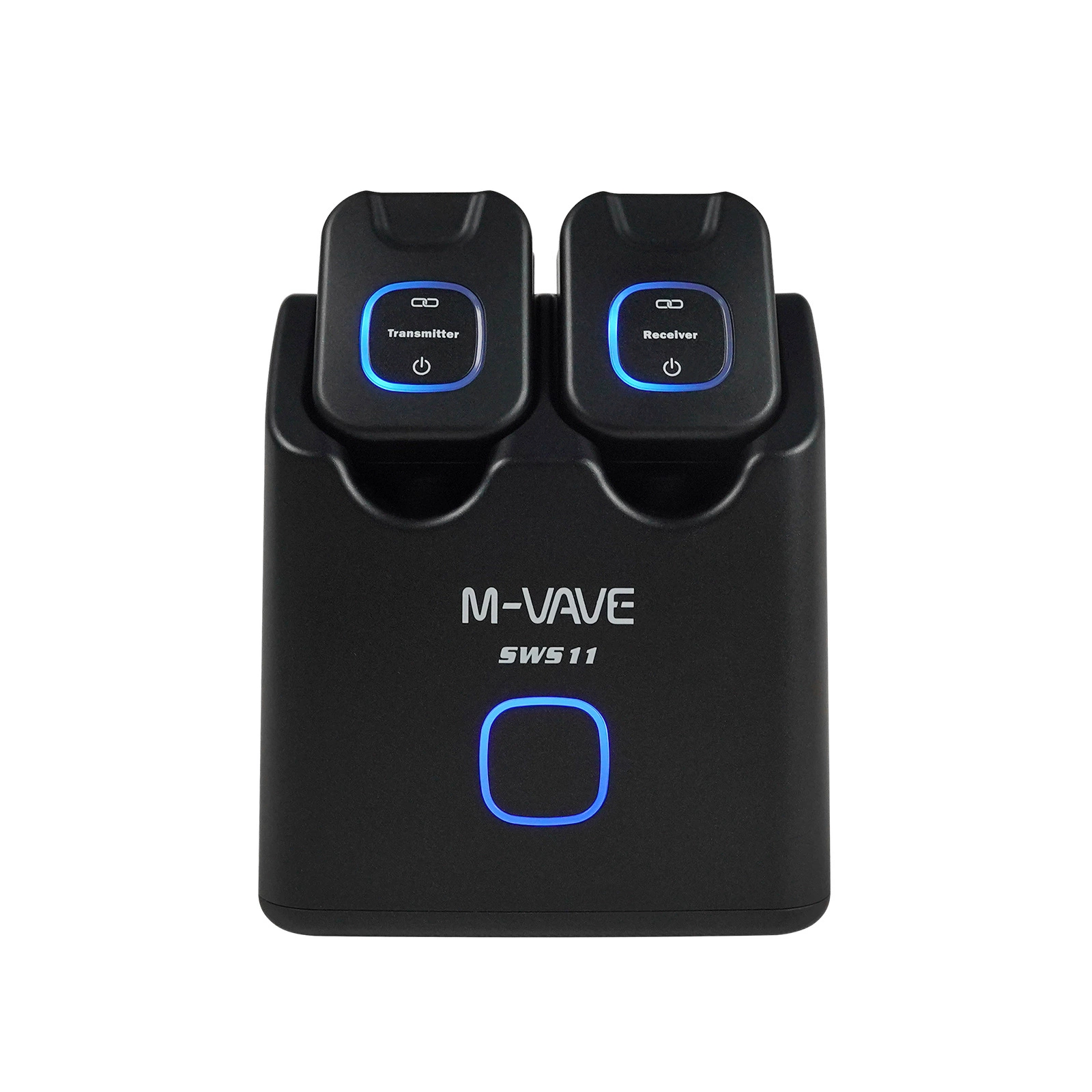
M-VAVE SWS11 2.4GHz Wireless Guitar System
Rechargeable transmitter and receiver set with charging base.
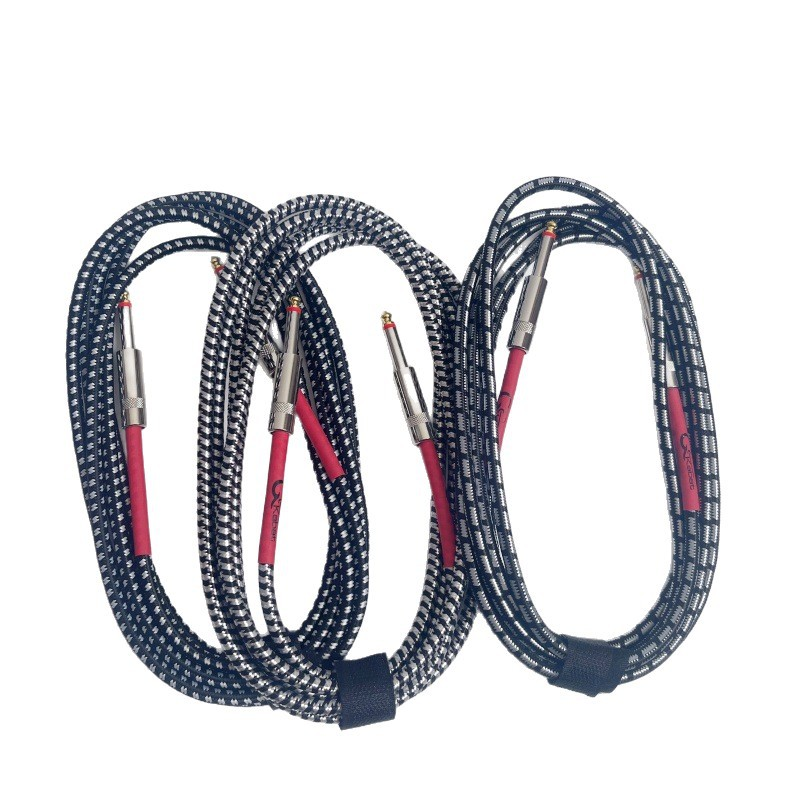
Braided 6.35mm Noise-Reduction Guitar Cable
Male-to-male instrument cable for stage, studio and retail kits.
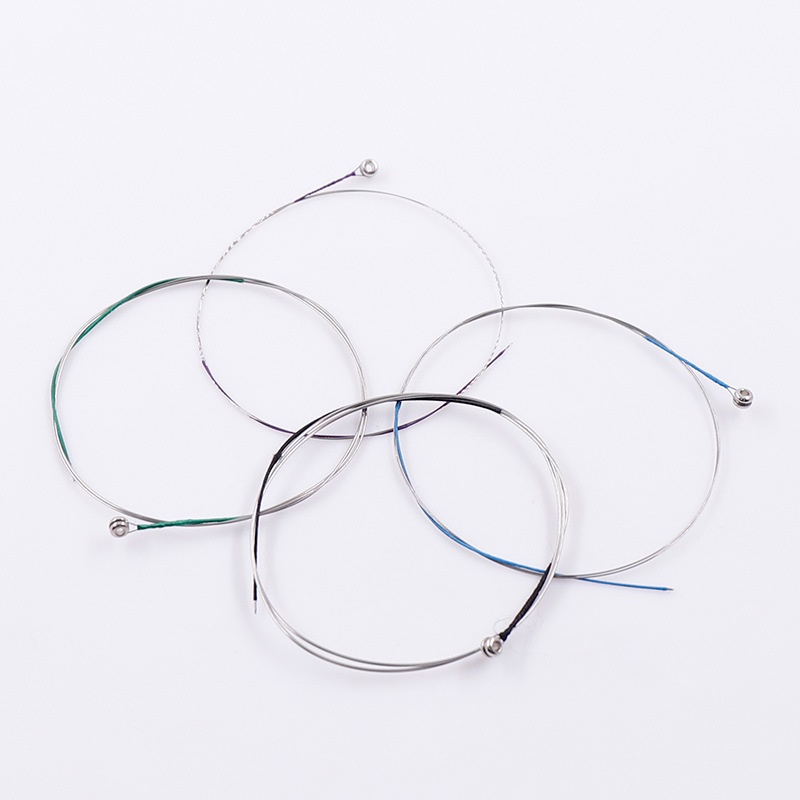
Silver Steel Violin & Classical Guitar Strings Loose Set
Replacement strings for school programs and accessory walls.
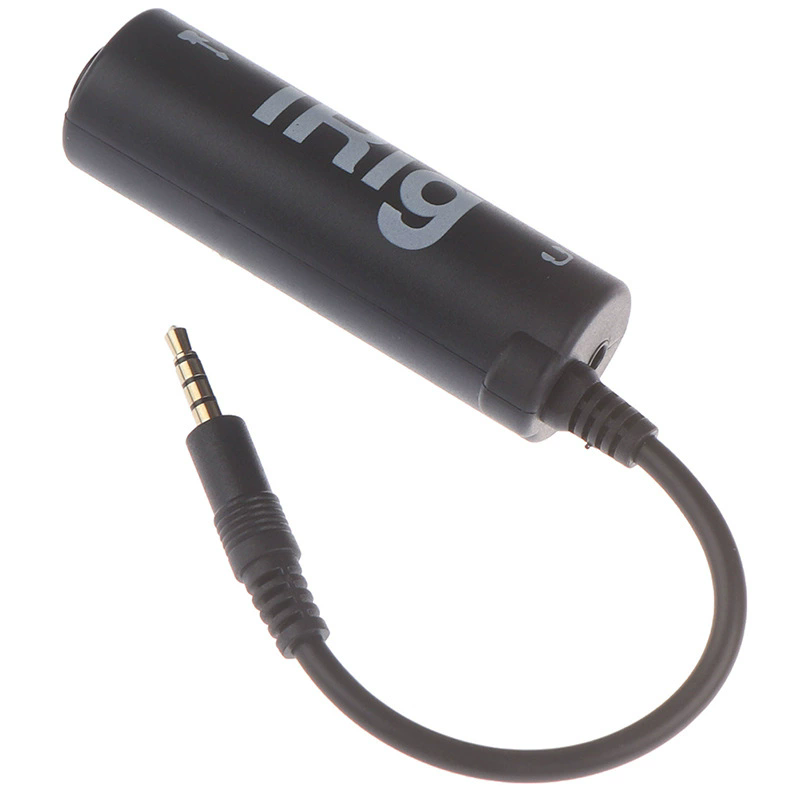
3.5mm Guitar / Bass Recording Interface Adapter
Phone and tablet recording adapter for lesson and content use.
Need a mixed container with egg shakers, classroom percussion and studio accessories? Ask for a consolidated quotation and retail-ready carton plan.
Get CatalogSupplier Capacity You Can Check Before You Commit
For Tijuana buyers, a small percussion item still depends on a serious export system: documented materials, controlled sampling, mixed-order consolidation and pre-shipment inspection. These verified figures from WPI's export profile help you judge operational depth before requesting a CE-ready egg shaker quotation.
Why Egg Shaker Sourcing in Tijuana Requires a Different Playbook
Tijuana is not only a local retail market. It is a cross-border commercial gateway serving Baja California, San Diego County, event suppliers, churches, schools and online sellers who may resell into Mexico or re-export north. That changes what “best price” means. A low unit price is irrelevant if documentation is incomplete, fill weight varies from batch to batch, seams split in transit, or a mixed carton cannot be consolidated with other classroom instruments.
Buyers searching for CE certified egg shaker suppliers are usually not comparing one product in isolation. They are evaluating a supply partner against three layers of risk: product safety, inventory mismatch and logistics friction. The strongest search intent is not simply “cheap egg shakers”; it is “a wholesaler that can document materials, control fill weight, offer low MOQ, and ship to Tijuana without slowing down a mixed order.”
Cheap egg shakers fail in predictable ways. Fill material leaks through a seam. The surface paint chips after a few weeks of classroom use. The sound is too bright in one batch and too dull in the next. A retail display box arrives crushed because the inner carton was not engineered for cross-border trucking. For schools and churches, one broken shaker can put a whole rhythm set out of service, which is why procurement teams increasingly ask for batch traceability and inspection records rather than a logo on a web page.
- Compliance risk: CE marking, EN 71 test reports, REACH restrictions and Mexican NOM requirements are often confused. A credible supplier separates them clearly.
- Inventory risk: shakers are small, colorful and easy to over-order. Low-MOQ trial packs and mixed cartons matter more than a container-only quote.
- Logistics risk: Tijuana orders may enter through Ensenada, cross at Otay Mesa or move by express. The Incoterm must match your customs broker and importer status.
What serious Tijuana buyers compare
Price is only one column in the comparison sheet. A compliance-focused wholesaler should be able to answer these questions before you approve a purchase order.
- Which exact standards apply to this egg shaker SKU?
- Can you provide a Declaration of Conformity and referenced test reports?
- What is the fill-weight tolerance and seam inspection method?
- Can samples ship before I commit to a wholesale carton quantity?
- Can you consolidate shakers with other classroom or studio accessories?
Price-led searches
Small shops and market sellers often start with “cheap egg shakers wholesale.” The useful response is not just a price list, but a landed-cost range by carton size, packaging option and Incoterm.
Compliance-led searches
Schools, NGOs and export brands search for “CE certified egg shaker supplier.” They need documentation and age grading, not a generic certificate image.
Private-label searches
Retailers and online sellers search for “custom egg shakers with logo.” They need packaging dimensions, barcode support, color matching and realistic MOQ guidance.
Local availability searches
“Egg shaker wholesaler near me in Tijuana” may mean fast local stock or direct import. Clarify whether the buyer needs a local warehouse, cross-border delivery or factory-direct production.
What CE Certification Really Means for Egg Shaker Buyers in Tijuana
“CE certified” is common search language, but it deserves a precise explanation before you place a wholesale order. CE marking is not a single global certificate issued by one authority. For many products, it is a manufacturer's declaration that applicable European Union requirements have been met. The practical value for a Tijuana buyer is the documentation behind that claim.
If an egg shaker is designed or marketed for children, or sold as a toy, relevant evidence may include EN 71-1 for mechanical and physical properties, EN 71-2 for flammability and EN 71-3 for migration of certain elements. REACH restrictions may also apply to dyes, plastics, coatings and other materials. For adult musical instruments, the applicable route depends on product classification, intended use and destination market. A responsible supplier should explain the scope instead of sending a generic CE logo.
Mexico has its own standards framework. CE marking is not automatically a substitute for Mexican NOM compliance. If you plan to sell child-focused egg shakers through Mexican retail channels, confirm with your customs broker or legal advisor whether NOM-015-SCFI-2007 for toys, labeling rules or other requirements apply. A good export partner can help compile technical documents and communicate with your importer, but should never imply that CE automatically replaces local market compliance.
| Document or term | What it tells you | What to verify before ordering |
|---|---|---|
| CE Declaration of Conformity | The supplier's formal claim that relevant EU legislation is met. | Directive or regulation cited, product description, signatory, test report references and issue date. |
| EN 71-1 / 2 / 3 reports | Safety data for toys and child-oriented products. | Age grading, laboratory name, sample photos, test date and whether the report matches the exact SKU. |
| REACH and material safety | Chemical restriction information for plastics, coatings, dyes and fill materials. | PAHs, phthalates, heavy metals, azo dyes and material declarations from sub-suppliers. |
| NOM documentation for Mexico | Local market compliance evidence where applicable. | Product scope, importer responsibilities, Spanish labeling, customs broker confirmation and certificate validity. |
| QC and batch records | Process discipline and consistency from lot to lot. | Fill-weight tolerance, seam pull test, drop test, appearance check and pre-shipment inspection report. |
Information gain: ask for batch traceability, not only a certificate
A CE file without batch traceability is a marketing claim. For egg shakers, request the fill material specification, target fill weight, acceptable tolerance, seam construction, drop-test record and packaging compression standard. If the supplier cannot connect the document to the production batch, your quality risk is still unresolved.
Egg Shaker Product Recommendations for Tijuana Retailers
Build the assortment around the buyer, not around a single color. A kindergarten needs easy-clean, child-safe shakers with documentation. A studio wants controlled attack and consistent pairs. A gift shop wants visual display and low pack quantities. Use the six directions below to brief your supplier.
Classroom Plastic Egg Shakers
Bright PP or ABS shakers for kindergartens, bilingual preschools and early music programs. Specify rounded seams, easy-clean surfaces and age grading.
- CE / EN 71 documents for child-oriented SKUs
- 6–12 color assortments
- Low-MOQ trial packs
Wooden Egg Shakers for Acoustic Sets
Warm, natural tone for acoustic groups, folk ensembles and worship teams. Ask about hardwood species, lacquer options and grain consistency.
- Birch, beech or sustainable hardwood options
- Lacquer-free or water-based finish
- Matched pairs and retail display boxes
Metal Shakers for Studio & Stage
Controlled, articulate shakers for recording, percussion sections and live bands. The key specification is fill weight consistency and seam integrity.
- Stainless steel or aluminum body
- Welded or reinforced seam
- Pair matching for studio work
Mini Shakers for Kids & Gift Bags
Palm-size shakers for party favors, tourist shops, checkout counters and seasonal gift packs. Packaging often matters more than unit cost.
- Blister card, poly bag or gift box
- Spanish/English insert options
- Low carton quantities for test launches
Large Percussion Shakers for Bands
Larger-volume shakers for community groups, marching rehearsals and stage percussion. Specify grip texture and safe closure for repeated use.
- Textured grip and reinforced end cap
- Bulk pack for schools and churches
- Color coding by section or event
Private-Label Retail Kits
Four- or six-piece color sets with display card, barcode and bilingual packaging for Mercado Libre, Amazon or physical retail.
- Logo printing and custom color cards
- Barcode and carton mark support
- Retail-ready inner boxes
Where Egg Shakers Move Fast in Tijuana
Tijuana's buyer base is diverse: bilingual schools, church teams, event suppliers, music shops, therapy programs and creators. Match the shaker specification to the actual use case instead of treating every SKU as a generic toy.
Early Childhood Music Programs
Preschools and bilingual kindergartens in Zona Río, Otay and Playas de Tijuana need lightweight, easy-clean shakers with rounded edges, strong seams and age-appropriate documentation. Color-coded sets help teachers manage group activities.
School Bands & Rhythm Training
Primary and secondary music programs use shakers for pulse, subdivision and ensemble listening exercises. Durable classroom packs reduce replacement frequency, while consistent fill weight keeps group sound balanced.
Churches & Worship Teams
Worship teams pair shakers with cajón, acoustic guitar and choir arrangements. Choose warmer wooden shakers for softer dynamics and metal or plastic pairs for brighter praise sets.
Mariachi & Regional Rehearsal
Contemporary fusion groups and rehearsal studios use small shakers for subtle texture. Keep traditional mariachi instrumentation in mind and position shakers as rehearsal or fusion accessories, not a replacement for traditional percussion.
Music Therapy & Senior Care
Grip-friendly shakers support rhythm activities in therapy sessions and senior centers. Soft-volume shakers are often preferred, and smooth surfaces make cleaning easier between sessions.
Retail & Content Creators
Gift shops, music stores and live-streaming creators use shakers as low-ticket add-ons. Display-ready packaging, barcodes and short product videos help sell small percussion online and at the counter.
Tijuana & Baja California Trends Reshaping Egg Shaker Demand
Local demand is being shaped by nearshoring, bilingual education, experience-led retail and tighter documentation expectations. The wholesaler that understands these shifts can help a Tijuana buyer plan inventory with fewer surprises.
Nearshoring & Cross-Border Fulfillment
More brands keep inventory closer to North American customers. That increases demand for smaller replenishment runs, barcoded cartons and bilingual packing lists that work on both sides of the border.
Compliance-Led Education Procurement
Schools and nurseries increasingly ask for age grading, material declarations and test reports. Sellers who can present clean documentation move faster through procurement review.
Experience Economy & Content Creation
Events, workshops, live streams and short-form music content create steady demand for small percussion. Buyers want photogenic colors, matched pairs and pack sizes suitable for giveaways or creator kits.
Sustainability & Retail-Ready Packaging
Buyers ask about FSC wood options, recycled packaging and reduced plastic. Avoid greenwashing: request evidence, clarify finish materials and specify packaging dimensions before printing.
Illustrative sourcing-priority index based on common export inquiry patterns, not official market statistics.
From Factory to Tijuana: A Practical Wholesale Route
A clean egg shaker order is built in three stages: specification, production control and delivery. Skipping any stage usually shifts cost into returns, replacements or customs delays.
1. Specification & Sample Approval
Confirm material, size, fill material, target weight, seam construction, color fastness, packaging and documentation. Approve a physical sample against a written checklist before production begins.
- Material and finish
- Fill-weight tolerance
- Logo, barcode, Spanish copy
2. Production & QC
Run batch traceability, fill-weight checks, seam pull tests, drop tests and appearance inspection. For child-focused SKUs, match the test report to the exact model and material.
- In-process checks
- Finished-product inspection
- Packing and carton drop review
3. Consolidation & Shipping
Consolidate egg shakers with other instruments, accessories or retail fixtures. Choose FOB, CIF, DDP or express based on your Mexican import entity and customs broker.
- Commercial invoice and packing list
- HS code and origin documents
- NOM guidance where applicable
Incoterm caution for first-time Tijuana importers
DDP can look simple, but it may hide compliance responsibility and tax treatment. CIF is not the same as delivered duty paid. Ask for a landed-cost breakdown that separates product cost, freight, insurance, customs clearance, duties and local delivery. If you already have a Mexican import entity, FOB or CIF with your own broker may give you more control.
Why WPI Is a Practical Partner for a Tijuana Egg Shaker Program
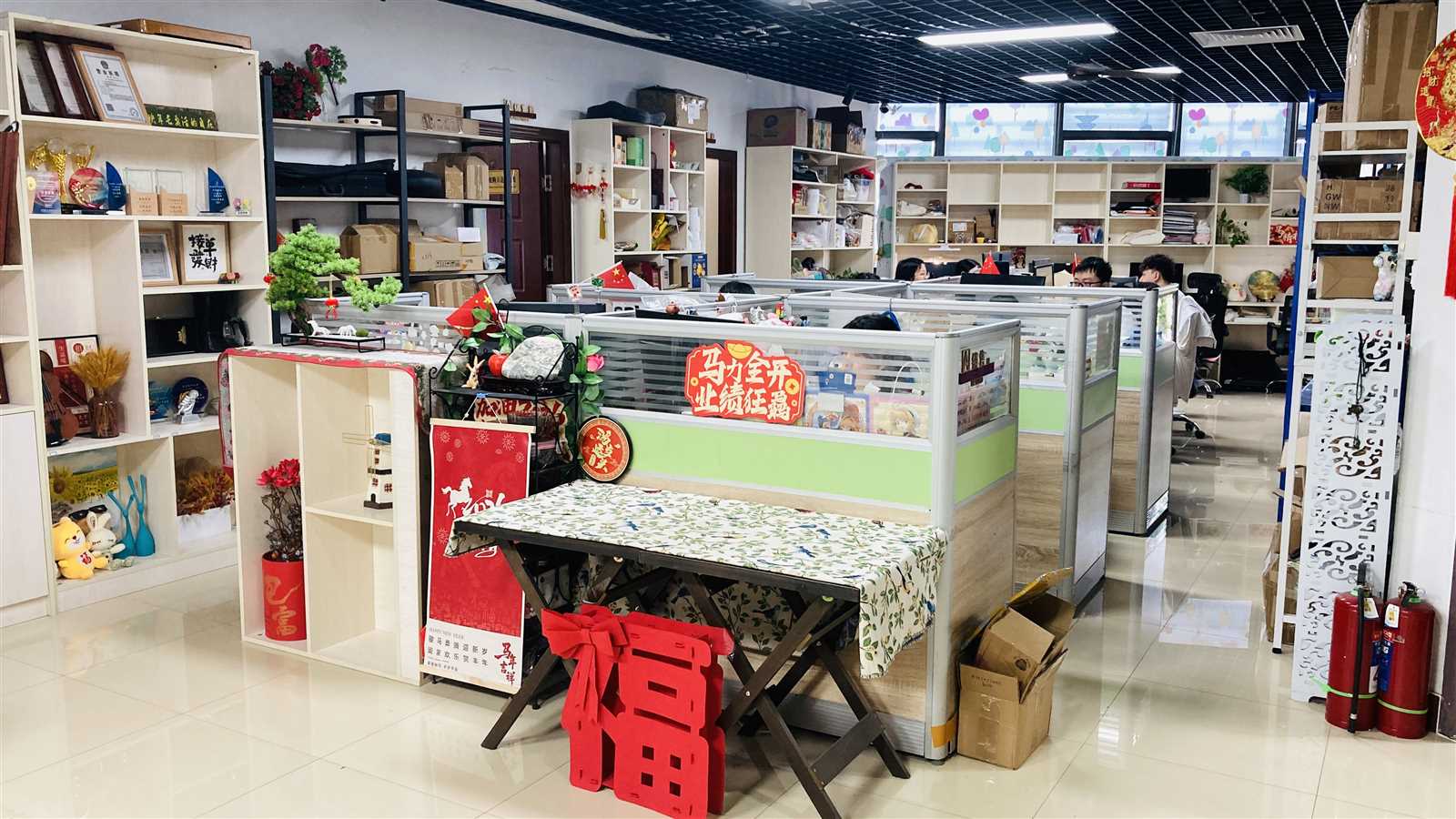
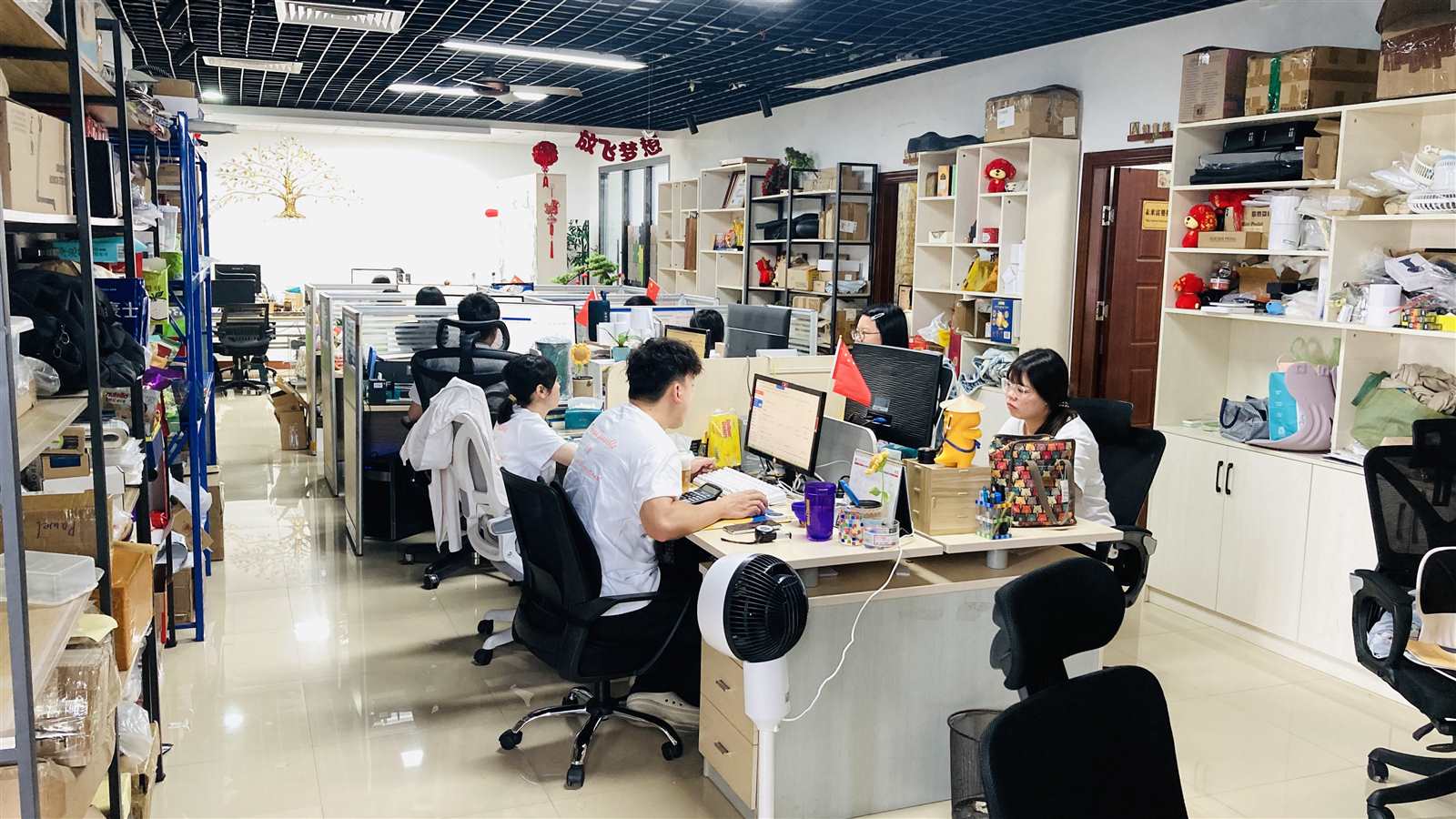
WPI International Trade Co., Ltd. (Huizhou) has been exporting musical instruments since 2010 and established its Huizhou, Guangdong operation in 2014. The company is a trading and multispecialty supplier with 28 team members, 22 of them in trading and export roles. That matters when a buyer needs fast answers, sample coordination and a named account manager who follows the order from quotation to after-sales.
WPI's catalogue covers 1,000+ instruments and accessories, including guitars, ukuleles, violins, cellos, saxophones, clarinets, drums, keyboards, percussion accessories and add-on products. For egg shaker programs, this breadth is useful because Tijuana retailers can consolidate shakers with classroom instruments, studio accessories and retail add-ons instead of splitting a purchase across multiple suppliers.
The company has been assessed onsite by Intertek, with assessed annual sales of US$9 million, 952 orders shipped in the last six months and a 97.73% inquiry response rate. Buyer feedback averages 4.6/5. Main markets include North America, Western Europe, Southeast Asia and South America. WPI also exhibited at Shanghai and Guangzhou music shows from 2014 to 2019, giving buyers a verifiable trade-show history.
Evidence to request before you approve a PO
Use this list as a procurement checklist for any CE-ready egg shaker supplier, including WPI's sourcing team.
- Declaration of Conformity where applicable
- EN 71 reports for child-oriented SKUs
- REACH and material declarations
- Fill-weight tolerance and seam inspection record
- Pre-shipment inspection report and carton marks
- Commercial invoice, packing list, HS code and origin
Quality First
A dedicated QC process inspects finished products before delivery: appearance, hardware, playability, packing and carton condition. For egg shakers, specify fill weight and seam checks.
Wide Selection
1,000+ instruments and accessories allow a Tijuana buyer to test a percussion line while stocking classroom, studio and retail add-ons in one consolidated order.
OEM / ODM & Low MOQ
Sample-based customization, logo and packaging work, design-based customization and full customization are supported. Many models can start from low trial quantities.
One-Stop Export Support
Dedicated account managers support quotation, sampling, inspection and shipping. Payment and delivery terms are flexible; mixed-category orders are welcome.

Local Procurement Questions for CE Egg Shaker Wholesale
These are the questions Tijuana music shops, school suppliers and cross-border distributors ask most often when evaluating a wholesale egg shaker program.
Are CE-certified egg shakers required to sell in Tijuana?
Not automatically. Mexico uses its own NOM framework, and CE marking is a European Union conformity mark. Many Tijuana buyers request CE documentation as a quality signal or because they plan to export to Europe or the United States. For child-focused products sold locally, verify with your customs broker or legal advisor whether NOM-015-SCFI-2007 for toys, Spanish labeling or other requirements apply. Ask for a CE Declaration of Conformity and referenced test reports where applicable; do not accept a CE logo without supporting documents.
What is the MOQ for wholesale egg shakers?
MOQ depends on the model, material, packaging and customization. Sampling can often start from a small quantity, while typical instrument MOQs are 2–10 pieces per model and small accessories can run 20–600 sets depending on the item. For egg shakers, the most practical approach is a low-MOQ trial pack across several colors, followed by a larger order after you test sell-through. Mixed-category orders with other classroom or studio accessories are usually more efficient than a single-SKU carton.
Which documents should I request before ordering?
Request a CE Declaration of Conformity where applicable, EN 71-1/2/3 reports for child-oriented SKUs, REACH and material declarations, fill-material specification, fill-weight tolerance, seam inspection method, batch traceability, pre-shipment inspection report, commercial invoice, packing list, HS code and certificate of origin. If importing into Mexico, ask your broker which NOM documents and Spanish labeling rules apply. Keep the documents tied to the exact model, material and production batch.
Can I get samples before placing a Tijuana wholesale order?
Yes. Sampling is the most reliable way to compare seam quality, fill weight, sound, color and packaging. Prepare a sample approval sheet that lists dimensions, material, target weight, sound notes, logo placement, barcode position and carton dimensions. Sample lead time typically depends on whether the item is in stock or requires customization. Approve the sample in writing before mass production, and keep a sealed reference sample for the pre-shipment inspection.
How long does shipping take from China to Tijuana?
Transit time depends on the shipping mode and customs clearance. Express can take roughly 5–12 days, air freight about 7–15 days, and sea freight to Ensenada or Los Angeles plus cross-border trucking often takes 20–40+ days. Port congestion, broker response, documentation review and holiday schedules can extend the timeline. For first orders, build a buffer and ask for a production schedule that separates sample approval, mass production, inspection and dispatch.
Can you private label egg shakers for my store or marketplace?
Yes. Private-label programs can cover logo printing, custom colors, display cards, poly bags, gift boxes, barcodes and Spanish/English inserts. Provide artwork, target pack size, carton mark requirements and marketplace labeling rules. MOQ varies by packaging method and color. For Mercado Libre or Amazon sellers, confirm barcode format, poly-bag warning labels and carton weight limits before printing. Request a digital proof and, where practical, a pre-production packaging sample.
How do you control egg shaker quality before shipment?
Use a written inspection plan: appearance, dimensions, fill weight, seam integrity, drop test, sound consistency, color matching, logo position, barcode scan and carton compression. For child-oriented shakers, verify that the test report matches the exact material and age grading. A pre-shipment inspection should sample across production lots, not only from one finished carton. Ask for photos, measured weights and a signed inspection report before the balance payment and shipping instruction.
What payment and delivery terms are available?
WPI's trade profile lists payment methods including T/T, L/C, D/P, D/A, MoneyGram, credit card, PayPal, Western Union, cash and escrow. Delivery terms include FOB, CFR, CIF, EXW, FAS, CIP, FCA, CPT, DEQ, DDP, DDU, DAF, DES and express delivery. The right choice depends on your importer status, customs broker and risk tolerance. Request a written quotation that states the Incoterm, port, currency, validity, lead time and what is excluded.
Ready to Source CE-Ready Egg Shakers for Tijuana?
Share your target market, age group, packaging needs, documentation requirements and estimated quantity. We will recommend a practical egg shaker assortment, sample plan and landed-cost options for Tijuana or cross-border delivery.