Beginner Guitar Factory & Exporter serving San Francisco
Factory-direct beginner guitar programs, classroom instruments, and stage-ready accessories — consolidated for retailers, schools, lesson studios, and online brands in San Francisco and the Bay Area.
FOB, CIF, DDP and express options · Documentation and route planning confirmed at quotation
Years in the musical instrument industry
Annual export value, third-party assessed
Orders shipped in the last 6 months
Inquiry response rate
Average buyer rating from verified feedback
Why San Francisco Buyers Work With a Beginner Guitar Factory & Exporter
The San Francisco beginner market is not a single channel. It includes independent music shops serving dense neighborhoods, lesson studios in the Mission, SoMa, Richmond and Sunset districts, school and community music programs, online brands selling into the Bay Area, and creators who need reliable practice and performance accessories. These buyers share one requirement: products must arrive consistent, playable, and easy to support after the sale.
A factory-exporter model helps reduce the distance between specification and delivery. WPI International Trade Co., Ltd. (Huizhou) combines factory-direct sourcing through long-term partner workshops in Guangdong with export documentation, mixed-category consolidation, OEM/ODM support, and pre-shipment inspection. For San Francisco buyers, that means beginner guitars and accessories can be planned as one assortment rather than five disconnected purchases.
Important transparency: on this page, “factory-exporter” describes our factory-direct sourcing and export model. WPI operates as a trading company with partner workshops; the advantage is coordinated sourcing, customization, quality checks, and export execution, not unverified claims about operating every production line ourselves.
This page is written for purchase managers, music-school directors, retail owners, and e-commerce operators who need more than a product grid. It explains product fit, local application scenarios, San Francisco procurement questions, quality controls, shipping considerations, and the company credentials behind the offer.
What This Page Answers
- Which beginner-friendly products fit San Francisco retail, schools, and creator channels?
- How should a buyer plan sizes, materials, and accessories for Bay Area conditions?
- What quality evidence and trade terms are available before a bulk order?
- How do mixed orders, OEM/ODM, and shipping to the Bay Area work?
- What should a San Francisco buyer ask before requesting samples?
Information Gain: Local Fit, Not Generic Catalog Copy
This guide adds climate-aware specification notes, channel-specific assortment planning, and procurement questions relevant to San Francisco and the Bay Area.
8 Beginner-Friendly Products Recommended for San Francisco Wholesale Buyers
These eight SKUs support beginner guitar programs, teaching rooms, retail add-on sales, creator setups, and gift-oriented music retail. Each product URL is preserved from the original catalog so buyers can verify specifications and request a quotation.
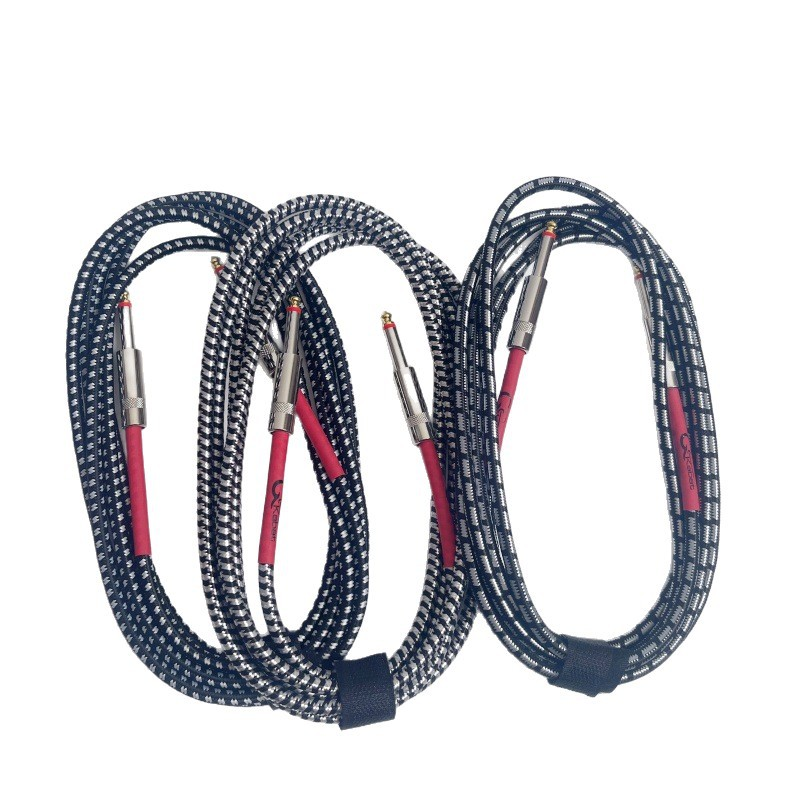
Braided Guitar Cable, 6.35mm Male to Male Noise Reduction Audio Cord for Bass, Instrument Connection Wire Wholesale
A practical accessory for lesson rooms, practice spaces, and starter bundles. The braided male-to-male design targets clean instrument connection for bass and guitar players.
View wholesale details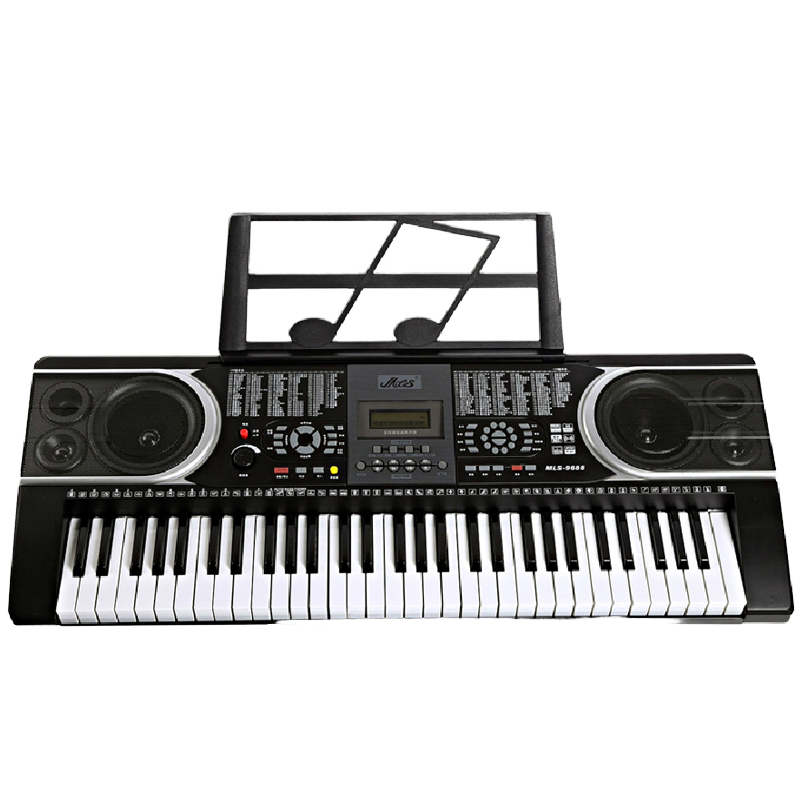
Professional Teaching Electronic Keyboard 61 Standard Keys
A 61-key teaching keyboard for group lessons, community music programs, and school classrooms. Standard keys help teachers keep beginner instruction consistent across rooms.
View wholesale details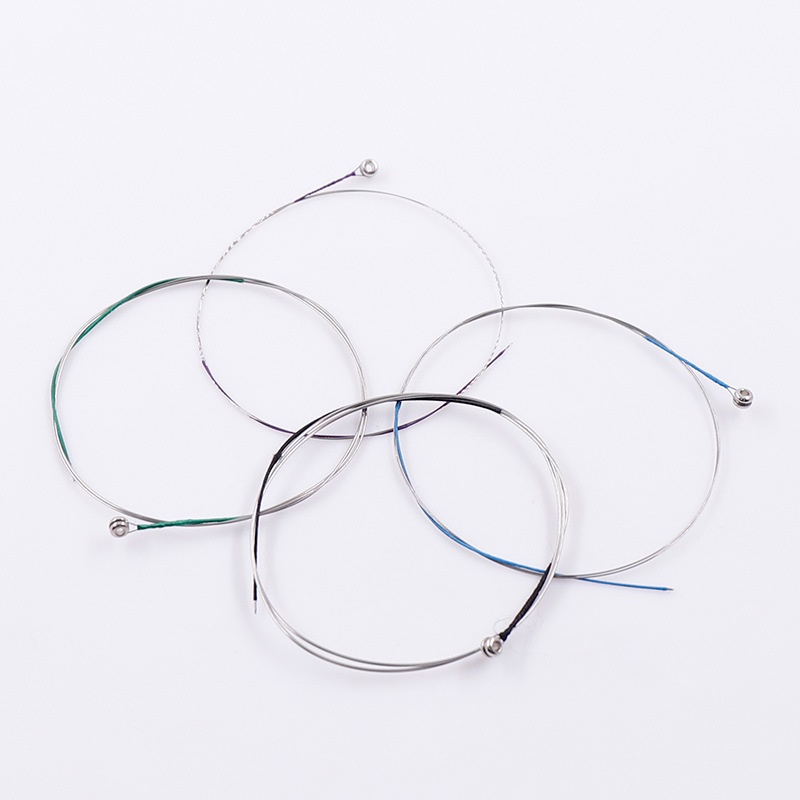
Silver Steel Violin Strings Loose Set for Classical Guitar Wholesale Guitar Parts Accessories
A loose string set for setup benches, accessory walls, and replacement stock. Positioned in the original catalog for classical guitar parts, it supports repairs and add-on sales.
View wholesale details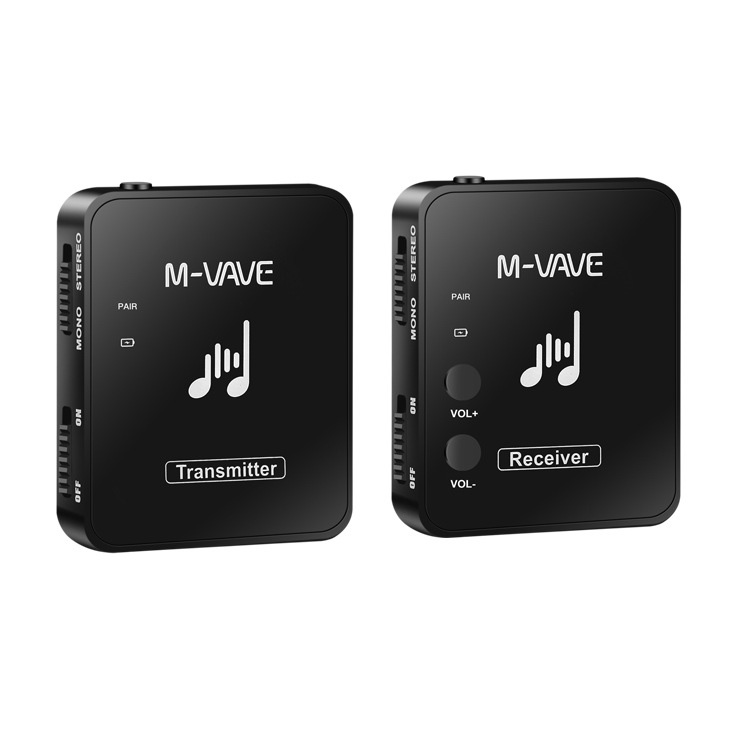
Wireless in Ear Monitor System Transmitter Receiver Mono Stereo Earback Set Guitar System
A wireless in-ear monitor set for instructors, small ensembles, content creators, and performers who need cleaner cue monitoring without long cable runs.
View wholesale details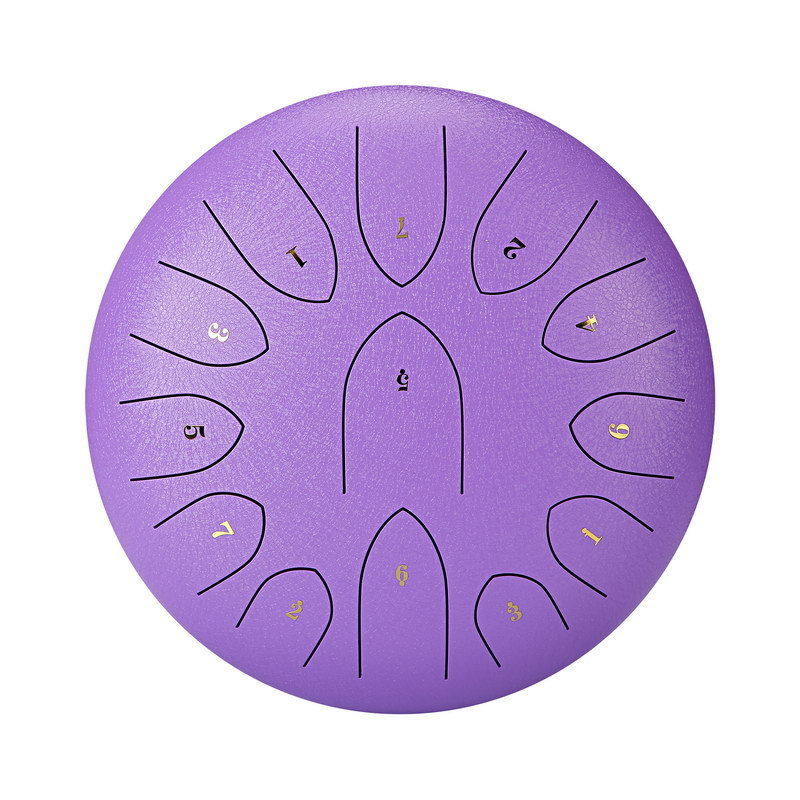
14 Inch Steel Tongue Drum, Handpan Drum, Mini Tank Drum Percussion Instrument, Complete Gift Set Wholesale
A 14-inch tongue drum gift set for wellness retail, family music, therapy-adjacent programming, and experience gifts. It broadens a beginner assortment beyond guitars.
View wholesale details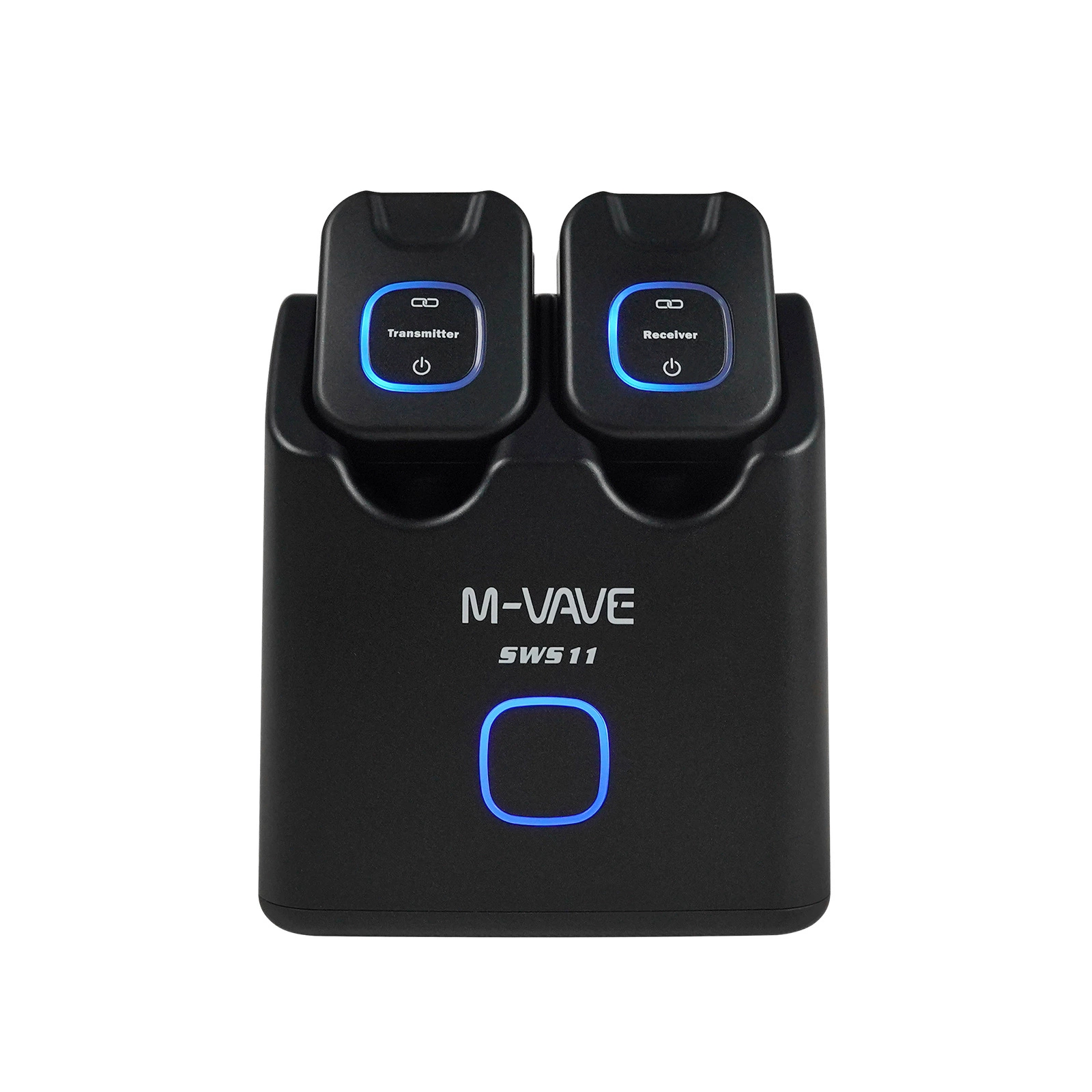
M-VAVE SWS11 2.4Ghz Wireless Guitar Audio System Rechargeable Transmitter Receiver with Charging Base
A 2.4GHz wireless guitar system with rechargeable transmitter, receiver, and charging base. Useful for stage, rehearsal, and content shoots where fast setup matters.
View wholesale details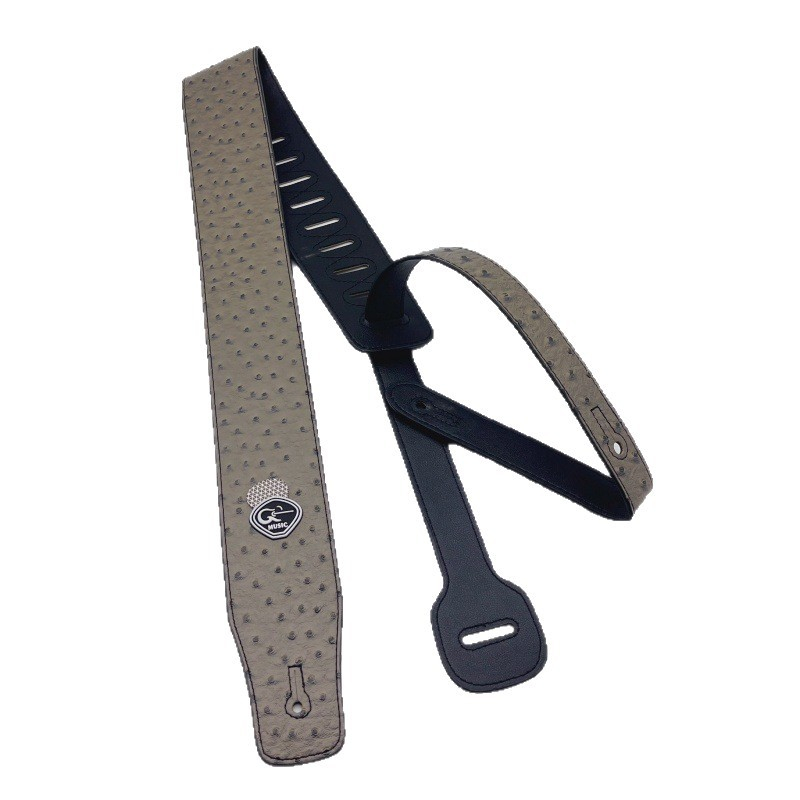
Genuine Leather Guitar Strap, Wide Wear-resistant Shoulder Strap, Dual-use Strap for Acoustic & Electric Guitar Wholesale
A genuine leather guitar strap with wide, wear-resistant support for acoustic and electric players. Strong attachment item for beginner bundles and retail displays.
View wholesale details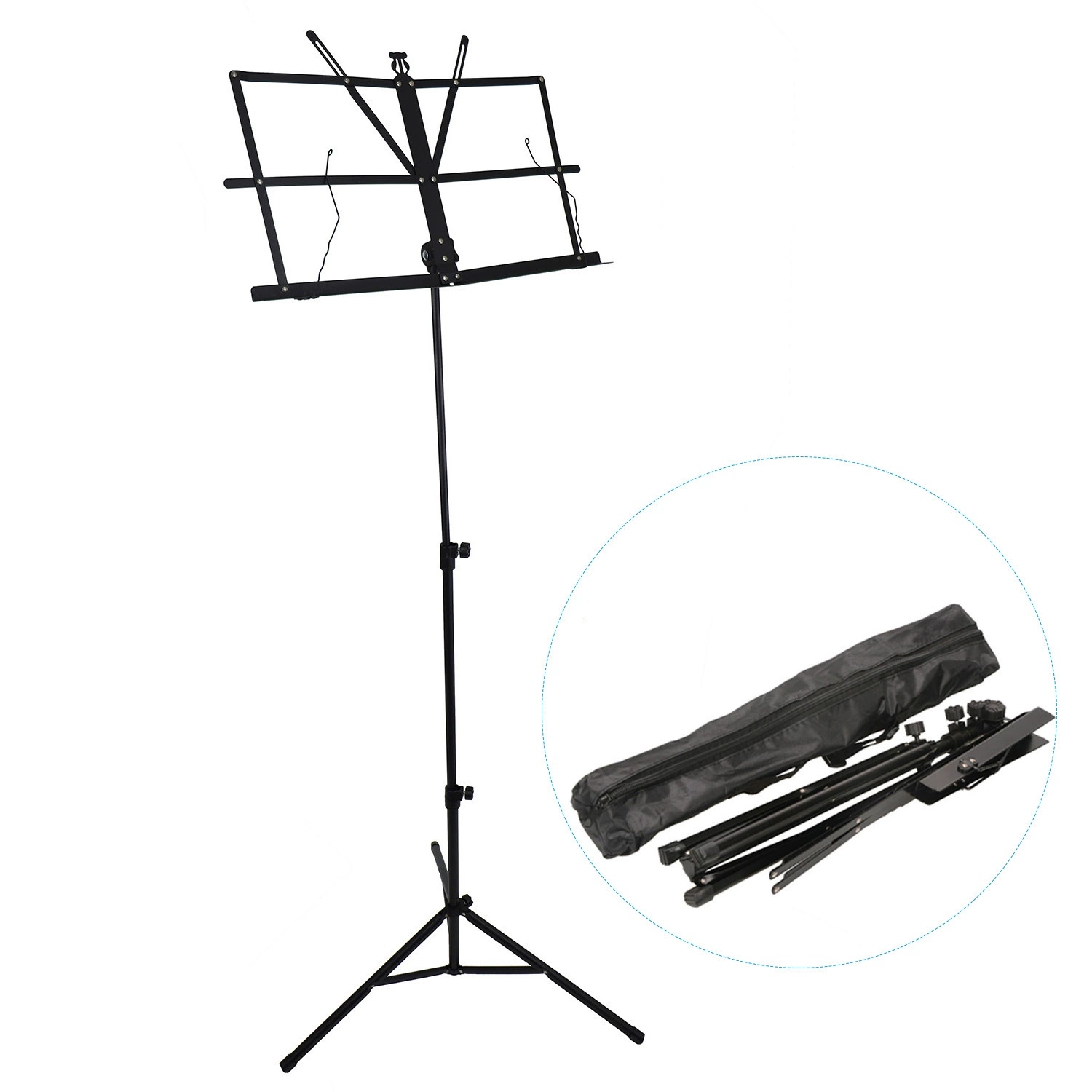
Factory Wholesale Small Size Portable Adjustable Music Stand With Bag
A small, portable, adjustable music stand with bag for schools, teachers, home practice, and pop-up lessons. Easy add-on that supports community music programs.
View wholesale detailsHow Beginner Guitar Products Fit San Francisco Retail, Schools, and Creator Workflows
San Francisco buyers often need compact inventory, fast replenishment of accessories, and products that work in small teaching rooms as well as online content setups. These scenarios translate catalog items into practical local use cases.
School and Lesson-Room Starter Kits
Music teachers and community programs need repeatable beginner setups. A 61-key teaching keyboard, portable music stand, guitar cable, and spare strings help standardize classroom kits so instructors spend less time sourcing mismatched accessories and more time teaching.
Independent Retail and DTC Bundles
Small-footprint shops and online brands can combine beginner guitars with leather straps, cables, stands, and string sets. Mixed-category orders keep the bundle value higher while limiting the number of suppliers a San Francisco buyer has to manage.
Creators, Instructors, and Small Stages
Bay Area creators, guitar teachers, and small ensembles benefit from wireless guitar systems, in-ear monitor sets, and reliable instrument cables. These items improve fast setup and quieter practice workflows without requiring a large technical inventory.
Wellness, Gifting, and Community Music
Steel tongue drums and easy beginner instruments support community music, stress-relief workshops, family gifting, and experience-led retail. For San Francisco gift shops and wellness stores, these products lower the entry barrier for customers who are not ready for a guitar.
San Francisco Beginner Instrument Trends Buyers Should Plan For
The strongest demand signals are not simply “more beginner guitars.” Buyers are shifting toward playable-first assortments, compact bundles, quiet practice, and giftable beginner products that work across retail and online channels.
Playable-First Purchasing
Retailers and teachers increasingly judge supplier quality by setup consistency, not only wholesale price. A beginner guitar that needs immediate repair damages trust, so pre-shipment checks and clear specifications matter.
Micro-Bundles for Small Spaces
San Francisco retail and teaching spaces are often compact. Buyers favor bundles that combine an instrument with a cable, strap, stand, or string set instead of oversized floor displays that consume valuable space.
Quiet and Wireless Practice
Apartment-friendly practice, content creation, and small-stage performance support demand for wireless systems, in-ear monitoring, and accessories that reduce cable clutter and setup time.
Wellness and Experience Gifting
Tongue drums, portable instruments, and gift-ready beginner kits appeal to customers looking for screen-light experiences. They also give music stores a product bridge to wellness and lifestyle buyers.
Example Assortment Planning Mix for a Beginner-Focused San Francisco Order
This is a planning model, not a market forecast. It helps buyers visualise how a mixed order can balance core beginner instruments with add-ons and higher-margin accessories.
Beginner Guitar Sourcing Whitepaper for San Francisco Buyers
This section provides practical planning depth for buyers building a beginner-focused assortment. It covers climate-aware specification, size selection, quality controls, shipping terms, and OEM/ODM readiness.
Climate-Aware Specification: Fog, Indoor Heating, and Setup Stability
San Francisco’s microclimates can move from cool coastal fog to drier indoor heating within a short distance. For beginner instruments, the goal is not to over-engineer for extreme conditions; it is to choose specifications that remain stable, arrive playable, and are easy for local staff to adjust. Laminated beginner guitars and ukuleles are often practical for school and entry-level programs because they are less sensitive to short-term humidity swings. Solid-top instruments can still be excellent for step-up players, but they benefit from clear care instructions, proper case selection, and a setup check before display.
Buyers should separate “retail specification” from “warehouse specification.” A guitar that looks acceptable in a factory photo may need different packaging, action adjustment, or hardware checks before it can support a San Francisco lesson studio. The supplier should know whether the order is for rental fleets, school classrooms, online shipping, or in-store demonstration. That context shapes packing, accessories, and pre-shipment inspection.
| Environment or Buyer Signal | Practical Specification Decision | Why It Matters |
|---|---|---|
| Coastal fog and seasonal humidity | Prioritize stable laminated beginner options; add care inserts and recommend controlled storage. | Reduces avoidable setup complaints during retail display and school storage. |
| Heated classrooms and lesson rooms | Check fret ends, action, and tuning stability before packing; include truss-rod guidance for staff. | Supports playability after instruments move between storage and teaching rooms. |
| Small retail footprints | Choose compact bundles: cable, strap, stand, spare strings, and travel-friendly accessories. | Increases average order value without requiring large display fixtures. |
| School and rental programs | Standardize models and accessory packs; keep spare parts and replacement strings in the same order. | Simplifies maintenance, inventory counts, and future replenishment. |
| Online and DTC shipping | Confirm carton strength, drop-test expectations, and accessory packing inside the box. | Protects buyer ratings when instruments are shipped directly to customers. |
Beginner Size and Catalog Planning
San Francisco buyers often serve a wide age range in one store or program. A sensible beginner assortment covers young starters, adults, classroom use, and compact living spaces. Before adding niche models, build a base inventory that can be explained by a salesperson in under two minutes and supported with common accessories.
36"–38" Guitars
Useful for younger beginners, travel, and compact lesson spaces. Confirm the exact scale length and setup before ordering for school programs.
39" Classical Guitars
A practical nylon-string option for beginners and small-handed players. Popular in lesson studios where comfort matters.
40"–41" Folk and Dreadnought
Core adult beginner sizes for retail. Plan a mix of acoustic and acoustic-electric models only after checking local demand.
23" Concert Ukulele
A strong starter size for gift, school, and family music channels. Pair with straps, bags, and spare strings.
Pre-Shipment Quality and Documentation
For a San Francisco buyer, quality is not a hidden factory promise; it should be a documented process. WPI has been assessed onsite by Intertek, and the assessed capabilities include finished-product inspection before delivery. Our pre-shipment review can cover appearance, hardware, tuning stability, and packaging. For buyer-specific programs, the quotation should define the inspection checklist, packaging standard, accessory contents, and labeling requirements.
- Appearance and finish review
- Hardware and tuning stability checks
- Accessory contents confirmation
- Packaging and carton protection
- Logo, label, and private-label checks
- Sample approval before mass production
Shipping and Trade Terms to San Francisco
Shipments to San Francisco and the broader Bay Area are commonly planned through West Coast gateways such as the Port of Oakland or Southern California ports, depending on the buyer’s freight forwarder, cargo type, and delivery terms. WPI supports export coordination with accepted delivery terms including FOB, CFR, CIF, EXW, FAS, CIP, FCA, CPT, DEQ, DDP, DDU, DAF, DES, and express delivery. Payment methods include T/T, L/C, D/P, D/A, MoneyGram, credit card, PayPal, Western Union, cash, and escrow. Final terms, lead times, and documentation should always be confirmed in the quotation and sales contract.
For mixed-category orders, consolidate instruments and accessories before shipment to reduce handling and protect margin. Buyers should also confirm whether the order is intended for a warehouse, retail store, school delivery, or direct-to-consumer fulfillment. That decision affects carton labeling, pallet planning, and the level of individual product protection required.
Company Advantages San Francisco Buyers Can Verify
WPI International Trade Co., Ltd. (Huizhou) has been exporting musical instruments since 2010, with a Huizhou, Guangdong operation established in 2014. Our factory-direct sourcing model supports buyers who need consistent beginner programs, private-label development, and mixed-category export orders.
Intertek Onsite Assessment
Our premises, legal status, and capabilities were assessed onsite. The assessment supports transparency around finished-product inspection and customization capabilities.
12+ Years of Export Experience
Our team began exporting musical instruments from Hong Kong in June 2010 and established the Huizhou operation in 2014, serving North America, Western Europe, Southeast Asia, and South America.
Wide, Mixed-Category Selection
Guitars, ukuleles, violins, cellos, saxophones, clarinets, drums, keyboards, steel tongue drums, and accessories can be consolidated in one sourcing program.
Low-MOQ and Sampling Support
Many instruments can be sampled from 1 piece, with typical wholesale MOQs of 2–10 pieces per model and 20–600 sets for strings and small accessories. Mixed-category orders are welcome.
OEM / ODM Customization
Assessed capabilities include sample-based customization, minor customization for logo, packaging and graphics, design-based customization, and full customization for buyer-specific programs.
One-Stop Export Support
Consolidate instruments and accessories, confirm trade terms, and coordinate documentation. A named account manager follows the order from quotation to after-sales communication.
E-E-A-T Signals Behind This Beginner Guitar Export Program
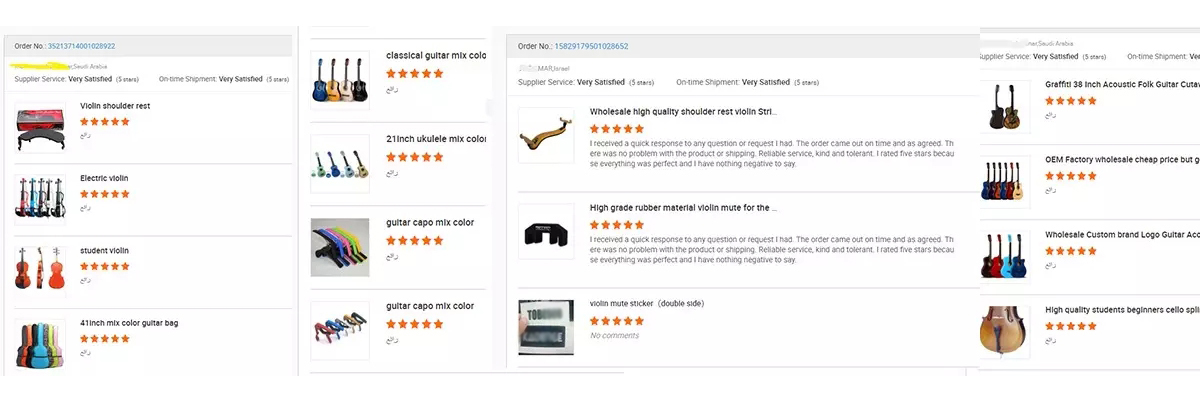
Experience: exporting musical instruments since 2010, with a Huizhou operation since 2014 and a 28-person team, including 22 people in trading and export roles. Expertise: product knowledge across guitars, ukuleles, orchestral instruments, keyboards, percussion, and accessories, plus OEM/ODM development for different markets. Authoritativeness: Intertek onsite assessment, verified trade capacity, and participation in Shanghai and Guangzhou music shows from 2014 to 2019. Trust: a 97.73% inquiry response rate, 4.6/5 average buyer rating, 952 orders shipped in six months, and recent trade exceeding US$370,000. These figures are presented as company information and should be verified against current reports and quotations.

Beginner Guitar Wholesale FAQ for San Francisco and Bay Area Buyers
These are the questions most often asked by retailers, school buyers, studio owners, and online brands when planning a factory-direct beginner instrument order.
What is the minimum order quantity for beginner guitars and accessories?
Many guitars, ukuleles, violins, and saxophones can be ordered from 1 piece for sampling. Typical wholesale MOQs are 2–10 pieces per model for instruments and 20–600 sets for strings and small accessories. Mixed-category orders are welcome, and final MOQ is confirmed by model and customization level.
Can San Francisco retailers mix guitars, strings, keyboards, and percussion in one order?
Yes. The product list on this page includes cables, a teaching keyboard, strings, wireless monitoring, a steel tongue drum, a wireless guitar system, a leather strap, and a music stand. Buyers can combine these with other catalog instruments to build a beginner-focused mixed order and consolidate shipment.
Do you offer OEM and ODM customization for Bay Area private-label brands?
Yes. Third-party assessed capabilities include sample-based customization, minor customization for logo, packaging and graphics, design-based customization, and full customization. Provide your target price, market, artwork, packaging requirements, and sample reference so the team can recommend a practical specification.
How do you reduce humidity-related setup risk for San Francisco buyers?
Use stable specifications for entry-level programs, confirm packaging and storage guidance, and include setup checks in the order discussion. Finished-product inspection can cover appearance, hardware, tuning stability, and packaging. For solid-wood programs, buyers should provide care instructions and plan a local setup check before retail display.
How are orders shipped to San Francisco, and which trade terms are available?
Shipments are planned with the buyer’s freight forwarder and may route through West Coast gateways such as Oakland or Southern California ports, depending on cargo and terms. Accepted delivery terms include FOB, CFR, CIF, EXW, FAS, CIP, FCA, CPT, DEQ, DDP, DDU, DAF, DES, and express delivery. Final routing and terms are confirmed at quotation.
What quality evidence can we review before placing a bulk order?
Review the Intertek onsite assessment, company profile, trade capacity, transaction level, and buyer feedback references available on the WPI website. For the product itself, request a pre-production sample, confirm the inspection checklist, and approve packaging and labeling before mass production.
Which beginner sizes should a San Francisco store stock first?
For beginner guitar programs, start with 39-inch classical and 40–41-inch folk or dreadnought models, then add smaller sizes for younger students. For ukulele, 21-inch soprano and 23-inch concert cover many beginner buyers. For classrooms, a 61-key teaching keyboard and portable music stands are practical alongside guitar accessories.
How do we start a sample or quotation request from San Francisco?
Use the Contact Us button on this page to open the inquiry channel. Share your sales channel, target quantities, preferred models, destination, packaging needs, and whether you require OEM/ODM. The team will respond with recommended models, MOQ guidance, sample options, and trade terms. The standard inquiry response rate is listed as 97.73%.
Build a San Francisco-Ready Beginner Instrument Assortment
Tell us whether you are supplying a retail store, school program, lesson studio, online brand, or creator channel. We will recommend suitable beginner guitars, teaching instruments, and accessories, then confirm sampling, MOQ, OEM/ODM options, and shipping terms.