Detroit Market Focus · OEM/ODM Alto Recorders
Alto Recorder Factory & Exporter Serving the Detroit Market
Low-MOQ alto recorders, classroom-ready kits, wood-finish models, and adjacent music products for Michigan retailers, schools, worship teams, and online sellers — supported by an Intertek-assessed export operation.
Recommended Cross-Sell Assortment
Eight Products Detroit Music Buyers Can Bundle with an Alto Recorder Program
A recorder order rarely travels alone. Michigan schools, independent retailers, online sellers, and worship teams often buy recorders alongside practice, performance, gift, and classroom-support products. The eight items below are live WPI product links, preserved exactly for buyer convenience and quick catalog review.
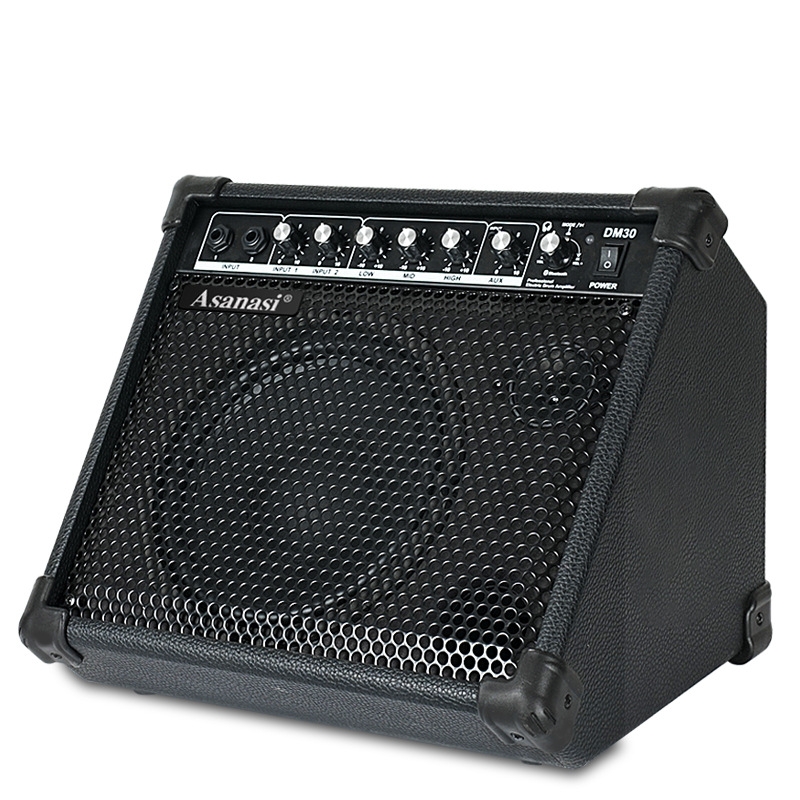
Wholesale Speakers Electronic Drums Rechargeable Portable Outdoor Wireless Stereo Amplifier
A natural add-on for schools and community groups assembling recorder, percussion, and small ensemble performance packs.
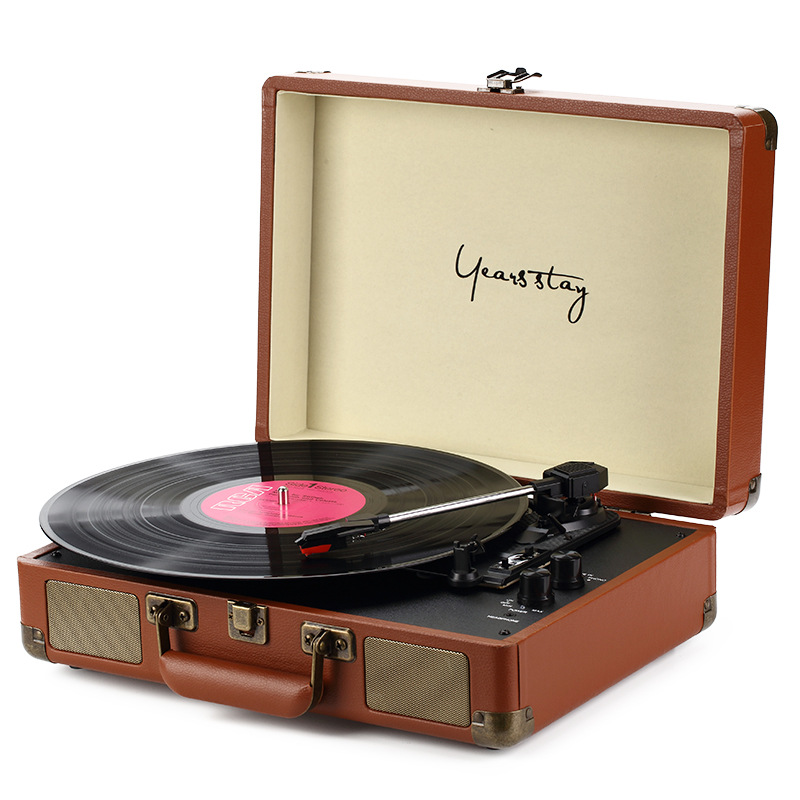
Portable Mini Phonograph Desktop Vinyl Record Player Handheld Wireless for Speaker Turntable
Useful for Detroit shops pairing traditional music products with analog-listening gifts and home décor.
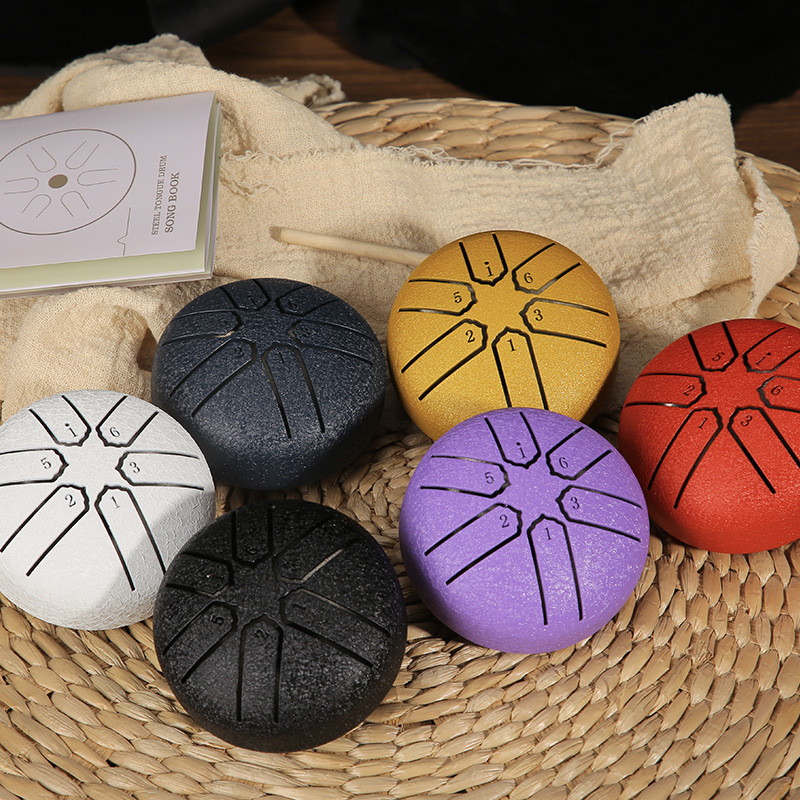
3 Inch 6 Notes Mini Steel Tongue Drum, Easy Learn Percussion Instrument, Kids Hand Drum Toy for Boys Girls Wholesale
A small-box instrument that can sit near recorder displays for gift, beginner, and music-discovery purchases.
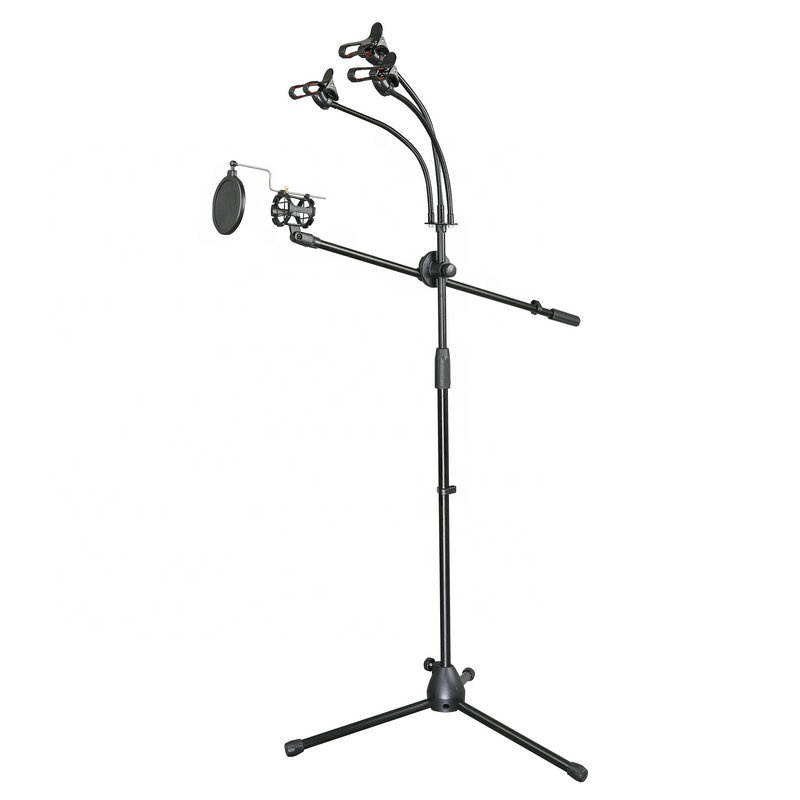
Three Mobile Phones with Horizontal Bars for Live Streaming, Floor Standing Three Legged Microphone Stand
Fits the growing number of Detroit-area music teachers and studios producing online lessons and performance videos.
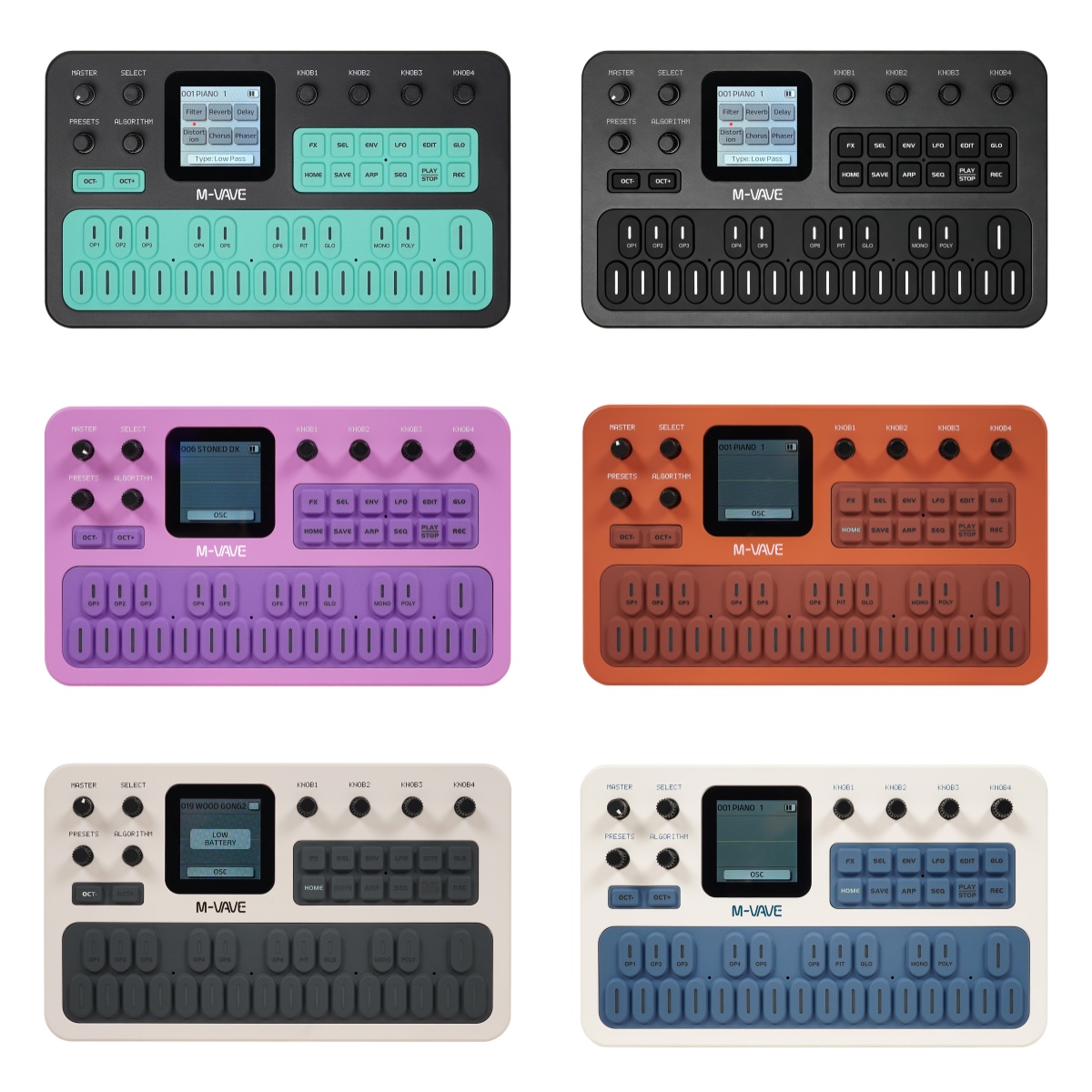
M VAVE Mini FM 1 Synthesizer 27 Keys 3 Channel 12h Battery Built in Speakers for Outdoor Music Production and Pocket Effect
A compact electronic instrument for after-school clubs, creator bundles, and retail displays targeting younger players.
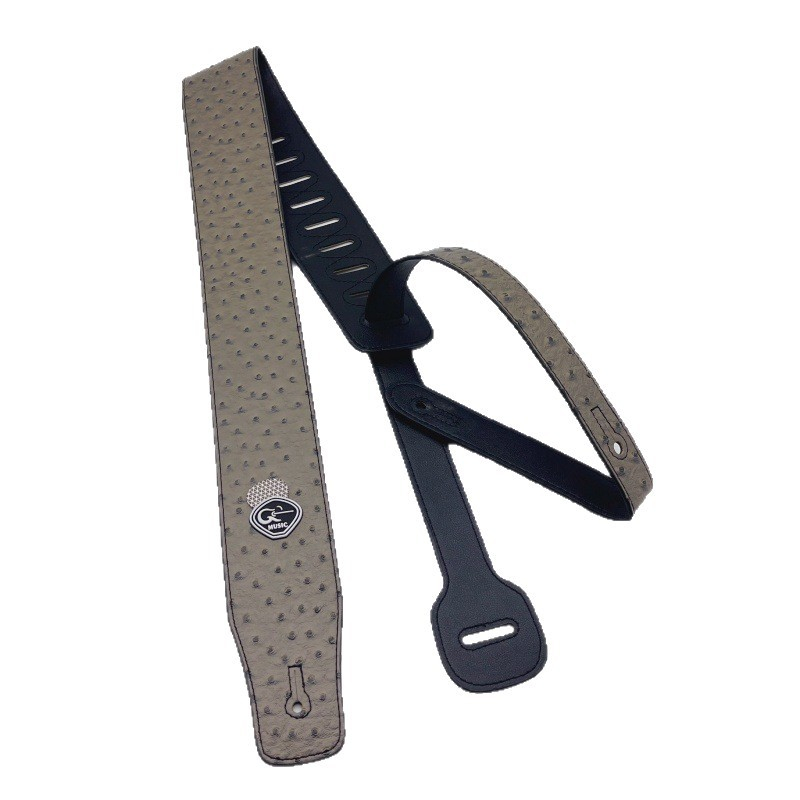
Genuine Leather Guitar Strap, Wide Wear-resistant Shoulder Strap, Dual-use Strap for Acoustic & Electric Guitar Wholesale
An easy attachment for guitar teachers, repair counters, and retailers building a broader string-instrument accessory wall.
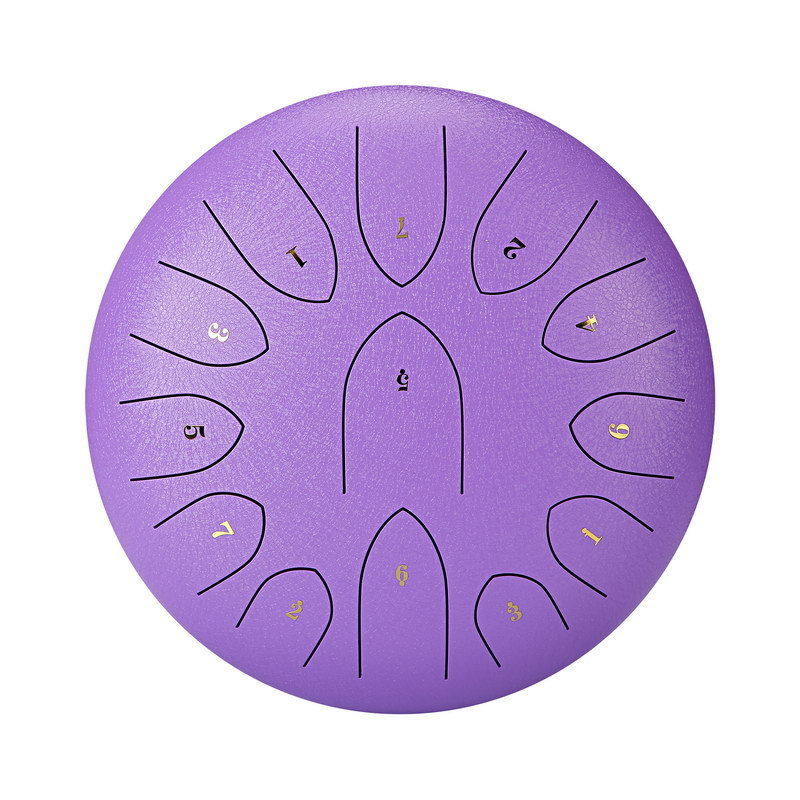
14 Inch Steel Tongue Drum, Handpan Drum, Mini Tank Drum Percussion Instrument, Complete Gift Set Wholesale
A gift-ready percussion item suited to holiday retail, music therapy programs, and community wellness events.
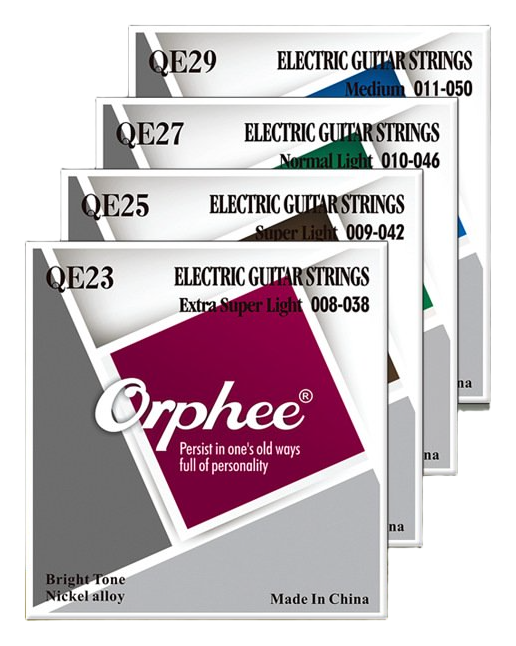
Wholesale Coated Nickel Core Electric Guitar String Set
A high-frequency accessory category for music stores that need repeat-purchase items alongside recorders and classroom stock.
Semantic Search & Buyer Intent Guide
What Detroit Buyers Actually Need from an Alto Recorder Supplier
The keyword “alto recorder supplier” is only the surface. Behind it sit different purchasing journeys: a school coordinator building a classroom set, a retailer testing a back-to-school display, a worship leader buying a warmer wood-finish instrument, or an online seller searching for a repeatable product bundle with dependable packaging.
Detroit is not a generic music-instrument market. The region combines a deep network of K-12 and community music education, active faith and worship music, neighborhood after-school programs, adult beginner groups, senior wellness activities, and a growing base of independent teachers and online sellers. For an alto recorder buyer, those use cases change the purchase question. The issue is not simply “Which recorder is cheapest?” It is “Which alto recorder will survive a classroom term, stay in tune across a group lesson, arrive before the school-year rush, and create a sensible landed cost for a Detroit buyer?”
That is why an effective sourcing page must answer more than price. It must explain material choices, fingering preferences, packing requirements, sample workflow, inspection standards, customs documentation, and how a recorder order can be consolidated with adjacent products. This whitepaper-style guide is built around those decision points, using WPI’s verified export capabilities as the supplier context.
School Procurement Teams
Queries often include “classroom recorder set,” “alto recorder wholesale for schools,” “Baroque fingering recorder,” “school purchase order instruments,” and “DDP delivery to Detroit.” These buyers need invoice-ready documentation, predictable packing, and a sample that teachers can approve before a larger order.
Retail & E-commerce Sellers
Retail buyers search for “recorder gift set,” “beginner music instrument wholesale,” “low MOQ recorder,” “private label recorder bag,” and “music store cross-sell products.” They care about packaging, product photography, margin, repeatable SKUs, and whether one supplier can consolidate multiple music categories.
Community, Worship & Adult Learners
This audience searches with intent around tone, comfort, and presentation: “warm alto recorder,” “wood-finish recorder for church ensemble,” “adult beginner alto recorder,” and “three-piece alto recorder with bag.” They are less price-sensitive than classroom buyers, but they still need clear care instructions and realistic lead times.
Product Recommendation Matrix
Choosing Alto Recorder Specs for Detroit-Area Programs
Use this matrix to align a recorder specification with the buying environment. It is intentionally practical: classroom durability, fingering preference, maintenance, and accessory completeness usually matter more than decorative claims.
Classroom-Ready Durability
ABS resin is a sensible starting point for many K-12 recorder units because it handles repeated cleaning, humidity swings, and transport more predictably than wood. A three-piece design also makes cleaning and alignment easier. For Detroit winters, pair ABS models with clear care cards that explain condensation control and storage.
Warmer Tone for Presentation
Wood-finish and wooden recorders suit worship teams, adult learners, community ensembles, and gift-oriented retail where tone and visual warmth matter. Buyers should be advised on break-in time, moisture management, and period-based playing. For school proposals, specify whether wood is for teacher demonstration, advanced students, or performance use.
The Standard Many Teachers Expect
Baroque fingering is a familiar specification in many classical and school settings. For retailers, it is the safer default when teacher preference is unknown, but it should be stated clearly on the box, product listing, and purchase order. This reduces returns caused by a mismatch between teacher method and instrument fingering.
Simplified Entry Point
German fingering can be attractive for younger beginners and simplified classroom methods, but it is not interchangeable with Baroque in every program. The best practice is to confirm the music coordinator’s preferred system before quoting a large order. Mixed school systems may prefer one dominant fingering plus a smaller trial batch.
Maintenance & Packing
Three-piece alto recorders are easier to clean and can be adjusted for storage and play comfort. For classroom carts or school lockers, a compact bag and labelled storage position reduce loss. For retail, a three-piece model with a cloth bag, cleaning rod, and fingering chart creates a more complete gift or starter pack.
What Completes the Order
A buyer-ready recorder pack can include a cleaning rod, cotton or padded bag, fingering chart, method book, and name label. These small components raise perceived value and reduce follow-up support. They are also practical for Detroit retailers selling to parents who need a simple “ready for class” package rather than a loose instrument.
Localized Applications
Where Alto Recorders Fit in Detroit and Southeast Michigan
Local relevance is not a slogan. It is a specification brief. The same recorder model that works for a school cart may be wrong for a worship ensemble, and the same retail bundle that sells online may need different packaging for a neighborhood music store.
K-12 & After-School Programs
Classroom sets benefit from durable ABS construction, labelled parts, clear fingering guidance, and a low-friction replacement option. For administrators, the supplier should be able to quote both sample and bulk quantities and provide consistent documentation.
Faith & Community Ensembles
Worship teams and community groups often prefer warmer tone and presentation-friendly finishes. A three-piece wood-finish model with a padded bag can suit adult players, while a matching care guide supports the purchaser after delivery.
Retail & Rental Counters
Independent music stores can build back-to-school displays around recorder starter packs, method books, cleaning accessories, and small percussion add-ons. Clear SKU naming and product-image consistency help the same item sell in-store and online.
Adult Beginners & Wellness
Recorder playing supports breath awareness, focus, and group participation. Senior centers and adult beginner groups often value lighter weight, comfortable hole spacing, and simple care routines over school-style bulk packaging.
Localized Development Trends
Signals Shaping Detroit Recorder Purchasing
These are directional buyer priorities, not market-size claims. They are useful for assortment planning because they focus on the friction points that determine whether a first order becomes a repeat order.
First, school-year timing still dominates. Budget approvals, purchase orders, and classroom planning tend to compress into a narrow window before fall instruction. A Detroit buyer needs a supplier who can confirm sample approval quickly, reserve production capacity, and quote realistic transit and customs timelines. “It is on the water” is not a delivery plan; a dated production and shipping schedule is.
Second, landed-cost clarity matters more than ever. Retailers and schools increasingly compare FOB, CIF, and DDP outcomes. A conventional FOB quote may look lower but leave freight, duty, clearance, and final-mile surprises. For repeat programs, a DDP door-to-door option can make budgeting easier, provided the classification and duty treatment are transparent and confirmed with a licensed customs broker.
Third, music products are being bundled. A recorder program can sit beside classroom percussion, small steel tongue drums, method books, storage bags, and even creator tools for teachers who record lessons. One consolidatable order lowers freight friction and simplifies supplier management for a small Detroit retail business or a regional distributor.
Fourth, proof and documentation are part of the product. Schools and purchasing departments need clear invoices, packing lists, and inspection records. Independent retailers need product photos, consistent SKUs, and packaging that can survive parcel networks. Suppliers that treat documentation as an afterthought create hidden labor for the buyer.
Finally, humidity and winter storage require practical care guidance. Southeast Michigan’s indoor heating can create dry conditions, while performance spaces can be temporarily humid. ABS instruments are easier for beginners, while wooden instruments require break-in discipline and sensible moisture control. The right supplier should advise on care rather than simply sell the unit.
Buyer Priority Signals
Planning view for a Detroit recorder assortment.
Classroom Starter Kit
For Detroit-area elementary and middle school programs.
Retail Upgrade Bundle
For independent music shops and online sellers.
Worship & Adult Ensemble
For churches, community groups, and adult learners.
Company Advantages
Why WPI Fits a Detroit Alto Recorder Program
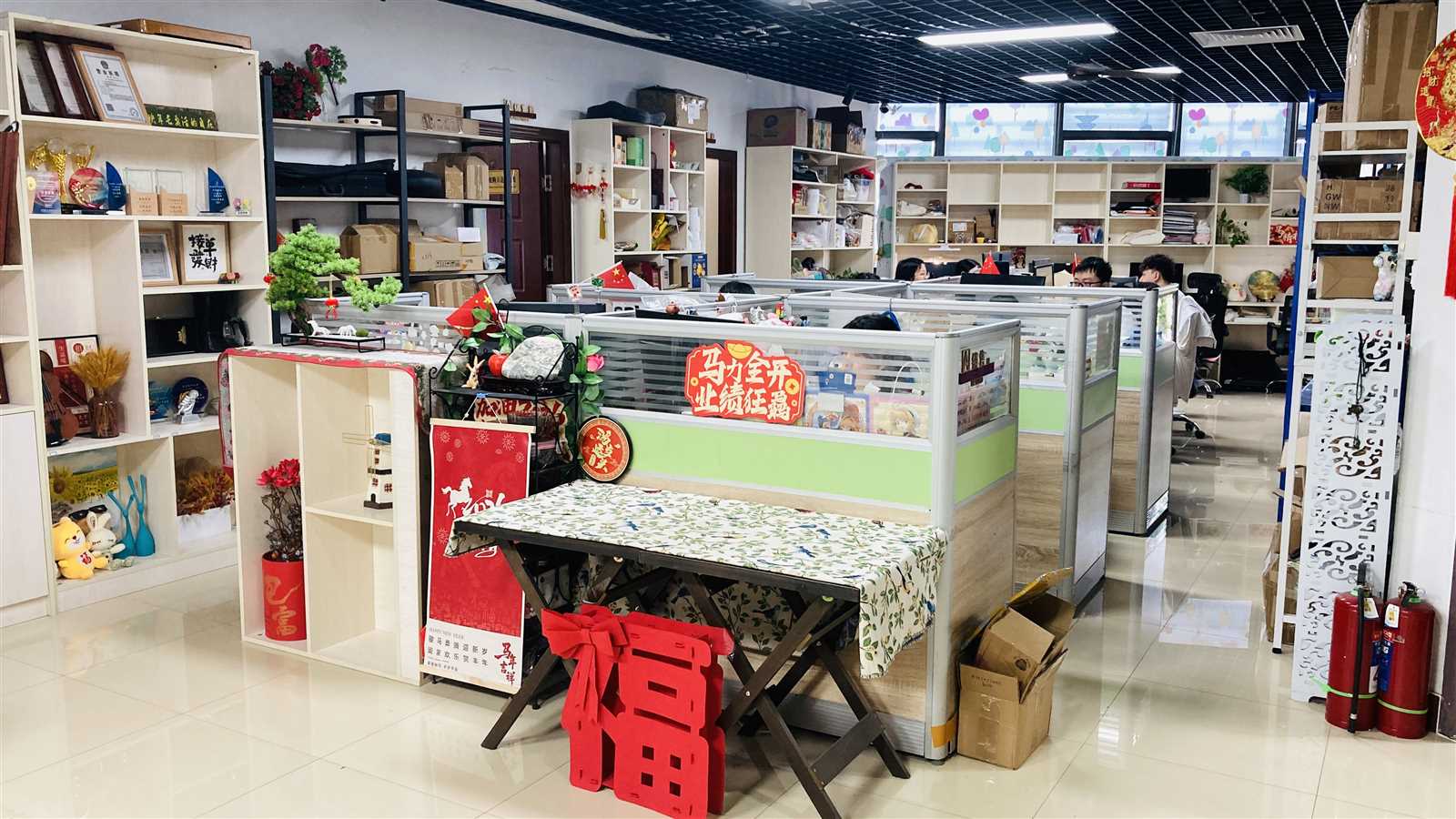
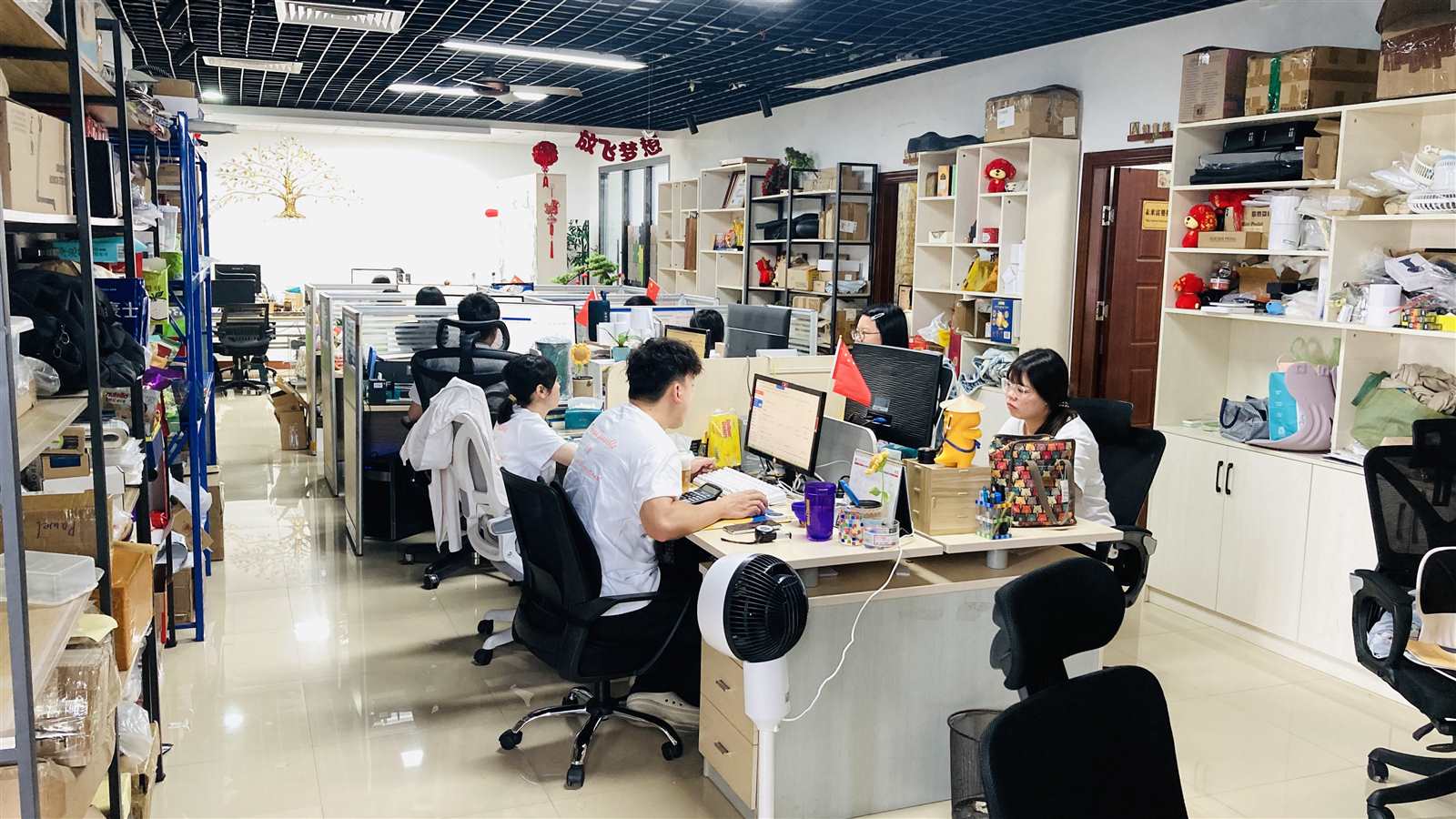
WPI International Trade Co., Ltd. (Huizhou) is a multi-category musical-instrument exporter. That breadth is useful for recorder buyers because one sourcing partner can support recorders, classroom percussion, string accessories, and gift-oriented instruments in a consolidated order.
WPI began exporting musical instruments from Hong Kong in June 2010 and established its Huizhou, Guangdong operation in 2014. The company reports a team of 28 people, including 22 in trading and export roles. Publicly presented trade data includes US$9 million in annual sales, 952 orders in a six-month window, a 97.73% inquiry response rate, and a 4.6/5 average buyer rating. These facts are not decorative badges; they indicate whether a supplier can handle the administrative and communication load that comes with school, retail, and distributor orders.
The more important E-E-A-T signal is independent assessment. WPI has been onsite assessed by Intertek, with verified capabilities covering finished-product inspection, sample-based customization, minor customization such as logo and packaging, design-based customization, and full customization. For a Detroit buyer, that means the conversation can move beyond “Can you make it?” to “What will be inspected, how will it be packed, and what document trail supports the shipment?”
Intertek Onsite Assessment
Premises, legal status, and capabilities have been verified onsite, including assessed videos and factory inspection context. This supports buyer due diligence before a first production order.
Low-MOQ Sampling
Many guitars, ukuleles, violins, and saxophones can be ordered from one piece for sampling; typical wholesale MOQs are 2–10 pieces per instrument model, with mixed-category orders accepted. Recorder programs can be validated before scale-up.
OEM / ODM Customization
Verified customization includes sample-based work, logo and packaging changes, design-based customization, and full customization. For retailers, this can support private-label recorder bags, method-book inserts, and branded cartons.
Finished-Product Inspection
Orders go through finished-product inspection before delivery, covering appearance, hardware, tuning stability, and packaging. For recorders, relevant checks include joints, hole finish, key alignment where applicable, and carton condition.
One-Stop Consolidation
Guitars, violins, drums, keyboards, percussion, and accessories can be consolidated with recorder orders. This reduces supplier count and freight fragmentation, especially for independent retailers testing several categories.
Export Documentation & Terms
Accepted payment methods include T/T, L/C, D/P, D/A, MoneyGram, credit card, PayPal, Western Union, cash, and escrow. Delivery terms include FOB, CFR, CIF, EXW, FAS, CIP, FCA, CPT, DEQ, DDP, DDU, DAF, DES, and express delivery.


Shipping & Landed Cost
Getting Alto Recorders to Detroit with Fewer Surprises
For Detroit, the right logistics plan depends on order size, delivery date, and whether the buyer needs a simple FOB quotation or a door-to-door landed cost. Buyers tied to school-term deadlines should work backward from the required in-hand date, not forward from the production start date.
Quotation Options
Ask for two scenarios before committing: a conventional FOB or CIF plan and a DDP door-to-door option. Compare total landed cost, not just unit price.
- FOB: clear port-to-port responsibilities and buyer-managed freight
- CIF: freight and insurance included to the named port
- DDP: seller-arranged delivery and customs clearance, subject to destination rules
- Express: useful for samples and small accessory add-ons
Import Checklist for Detroit Buyers
Confirm product classification, duty treatment, and customs broker requirements before the shipment leaves. For school or institutional orders, keep purchase-order references consistent across invoice, packing list, and carton labels.
- Commercial invoice, packing list, and inspection record
- Product labels, model codes, and carton markings
- HTS classification guidance from a licensed broker
- Winter-friendly packaging and moisture-control advice
Local Buyer FAQ
Alto Recorder Purchasing Questions from Detroit Buyers
These answers address the questions most likely to arise during sampling, school procurement, retail planning, and delivery scheduling for the Detroit market.
1What is the minimum order for alto recorders shipped to Detroit?
Many instrument categories can start from one piece for sampling, while typical wholesale MOQs run 2–10 pieces per model for instruments and 20–600 sets for strings and small accessories. For a first recorder program, ask for a sample plus a small trial batch so teachers or retail staff can validate fingering, packaging, and care instructions before scaling.
2Can you supply school-ready alto recorders with Baroque fingering?
Yes, Baroque fingering can be specified for classroom and classical use. Confirm the preferred system in writing before quoting a large order, because some local methods may use German fingering. Clear product labels and carton markings help prevent confusion when multiple schools or teachers are involved.
3Do you offer DDP or door-to-door delivery to Detroit?
WPI’s accepted delivery terms include DDP, DDU, CIF, FOB, and express delivery, among others. For Detroit, request a landed-cost comparison when timing and budget are tight. Buyers should confirm classification and duty treatment with a licensed customs broker, especially when goods are imported for resale or institutional use.
4How should recorders be packed for winter shipping?
For ABS classroom models, the main risks are carton compression and missing accessories. For wooden models, care guidance should cover temperature adjustment after delivery, moisture control, and gradual break-in. Packaging should protect joints and bags while keeping sets labelled by model and quantity for easy receiving at a Detroit warehouse or school.
5Are samples available before a school purchase order is approved?
Yes, sample-first approval is a practical way to reduce risk. Request the exact model, fingering, bag type, cleaning accessory, and packaging you expect in mass production. A sample that matches the future production specification is more useful than a display-only unit with different packaging or accessories.
6Can we add our logo and method book to a recorder kit?
OEM/ODM options include logo, packaging, and graphics customization, sample-based customization, design-based customization, and full customization. For a recorder kit, decide early whether the logo appears on the instrument, bag, box, or method-book insert. Keep artwork, label text, and model codes consistent across the purchase order and production checklist.
7What documentation can support a Detroit school or retail purchase?
Typical export documentation includes a commercial invoice, packing list, and product specification details. Inspected orders can include finished-product inspection records. Schools and retailers should prepare their own purchase order, vendor forms, and resale or tax documentation as required by their internal process.
8Can recorders be combined with other music products in one order?
Yes, WPI supports multi-category musical-instrument sourcing. A Detroit buyer might combine recorders with classroom percussion, steel tongue drums, guitar straps, strings, stands, or small electronics. Consolidated orders can reduce supplier management and freight fragmentation, but mixed-category cartons should be labelled clearly for receiving.
Build a Recorder Program for Detroit
Share your target quantity, preferred fingering, material direction, packaging requirements, delivery window, and whether you need FOB, CIF, or DDP. We will map the request to a practical alto recorder specification and a consolidatable product assortment for the Detroit market.
Get Catalog