Acoustic Guitar Capo Manufacturer & Factory Serving the Calgary Market
Low-MOQ OEM spring capos, trigger capos, yoke capos and partial capos for Calgary music retailers, lesson studios, worship teams and private-label brands — backed by an Intertek-assessed musical instrument supply chain, export documentation and multi-category consolidation.
Product recommendations for a Calgary capo and accessory assortment
A profitable capo programme is rarely a single SKU. Calgary buyers usually pair capos with straps, strings, music stands, performance electronics, cleaning tools and school-friendly percussion so that a first order supports lessons, live performance, worship and retail replenishment at the same time. The eight products below are existing wholesale lines from our catalogue; each product URL is preserved for direct enquiry.
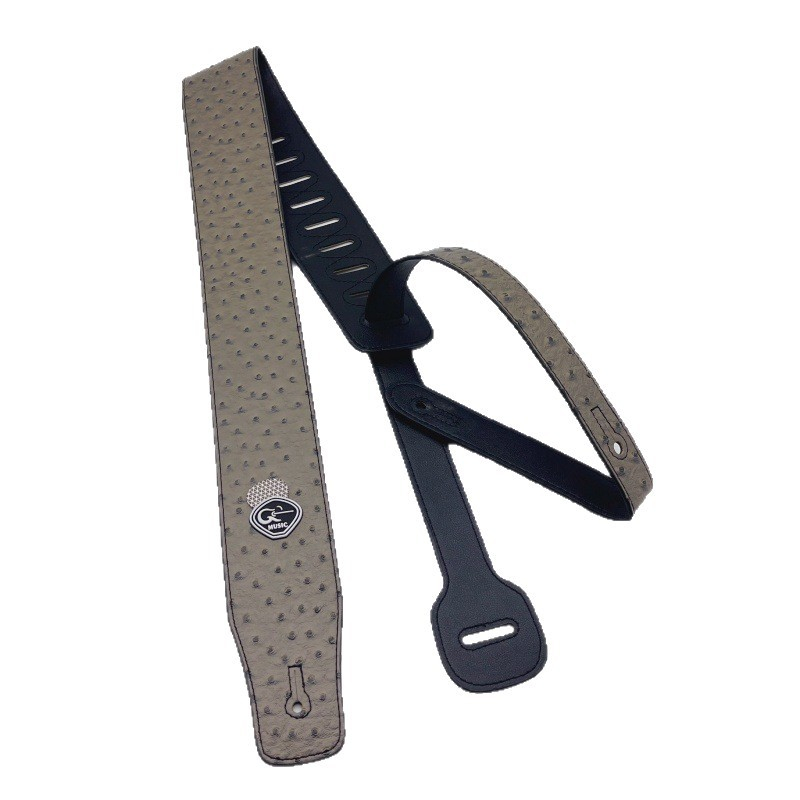
Genuine Leather Guitar Strap, Wide Wear-resistant Shoulder Strap, Dual-use Strap for Acoustic & Electric Guitar Wholesale
Wide leather support for long worship sets, lessons and stage use; a natural add-on beside capo and acoustic guitar bundles.
View wholesale details Creator bundle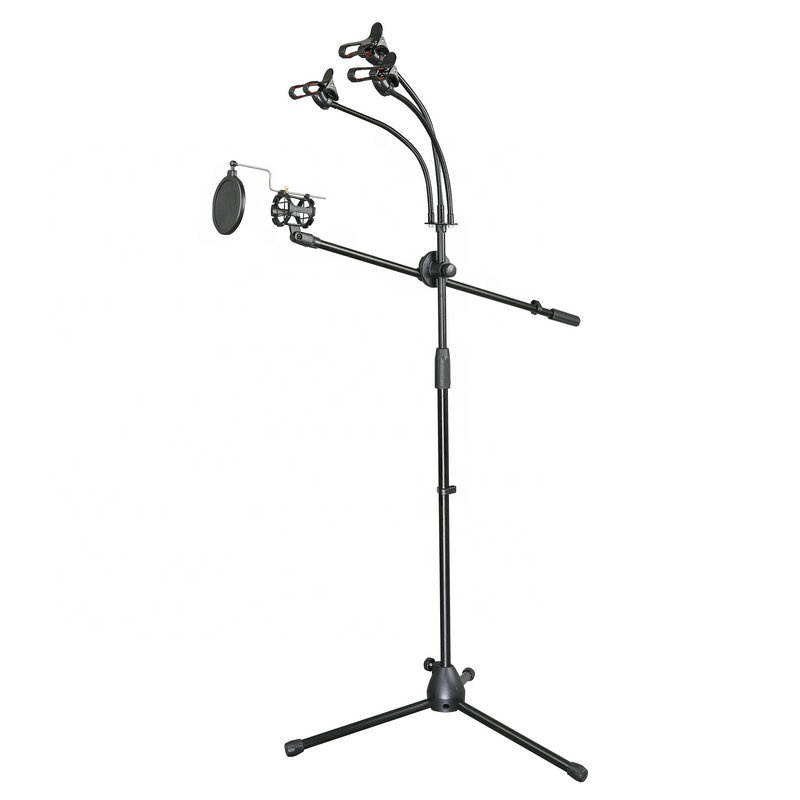
Three Mobile Phones with Horizontal Bars for Live Streaming, Floor Standing Three Legged Microphone Stand
Useful for Calgary music teachers, buskers and retailers building content-creation bundles around acoustic guitar accessories.
View wholesale details Outdoor audio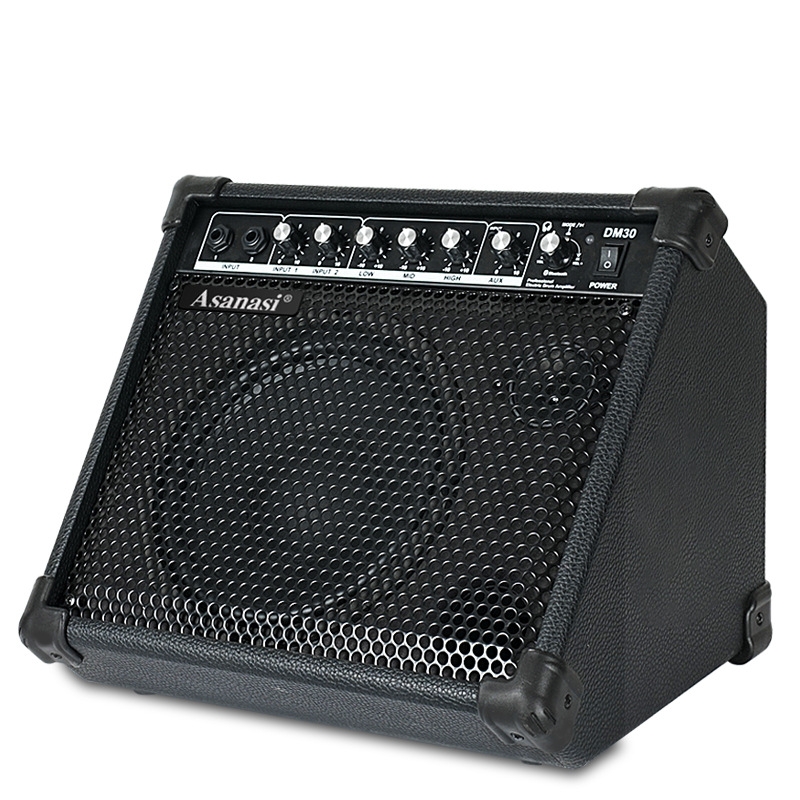
Wholesale Speakers Electronic Drums Rechargeable Portable Outdoor Wireless Stereo Amplifier
Portable amplification for small performances, rehearsal rooms and community events; supports broader instrument accessory baskets.
View wholesale details Lesson studio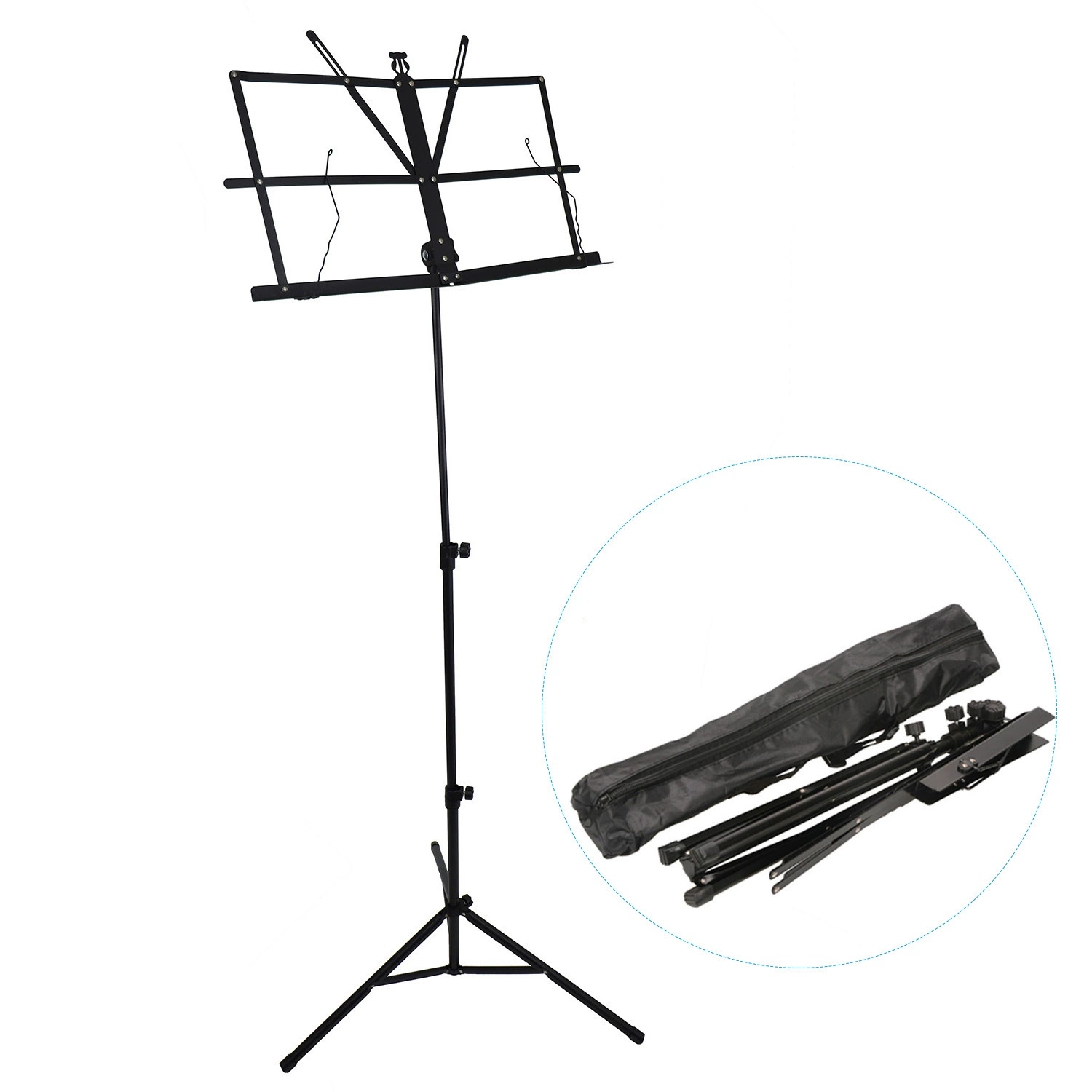
Factory Wholesale Small Size Portable Adjustable Music Stand With Bag
A practical bundle item for Calgary schools, teachers and rental kits; portable format improves sell-through in lesson-season promotions.
View wholesale details Repeat purchase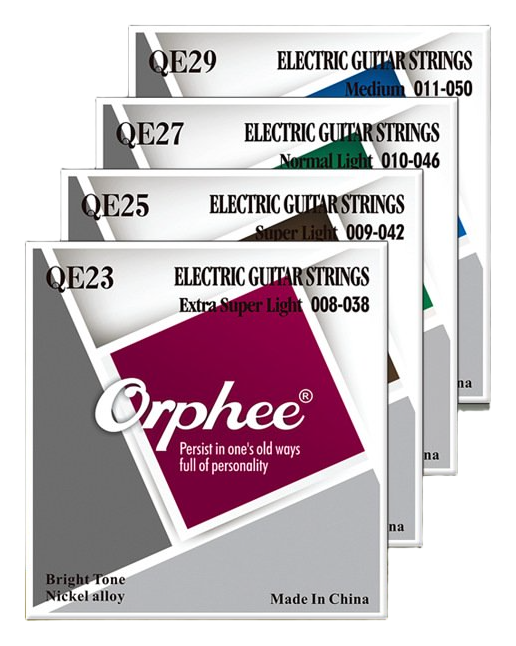
Wholesale Coated Nickel Core Electric Guitar String Set
Strings create repeat traffic and basket value; useful for accessory walls where capos are merchandised beside guitar maintenance products.
View wholesale details Performance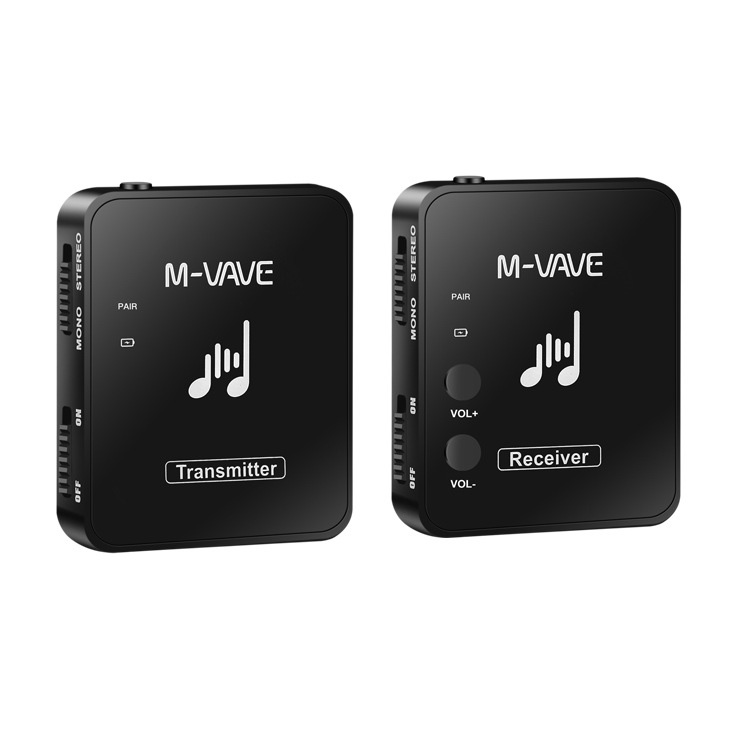
Wireless in Ear Monitor System Transmitter Receiver Mono Stereo Earback Set Guitar System
Stage-monitoring cross-sell for acoustic duos, worship teams and venues that already stock capos, cables and performance accessories.
View wholesale details Maintenance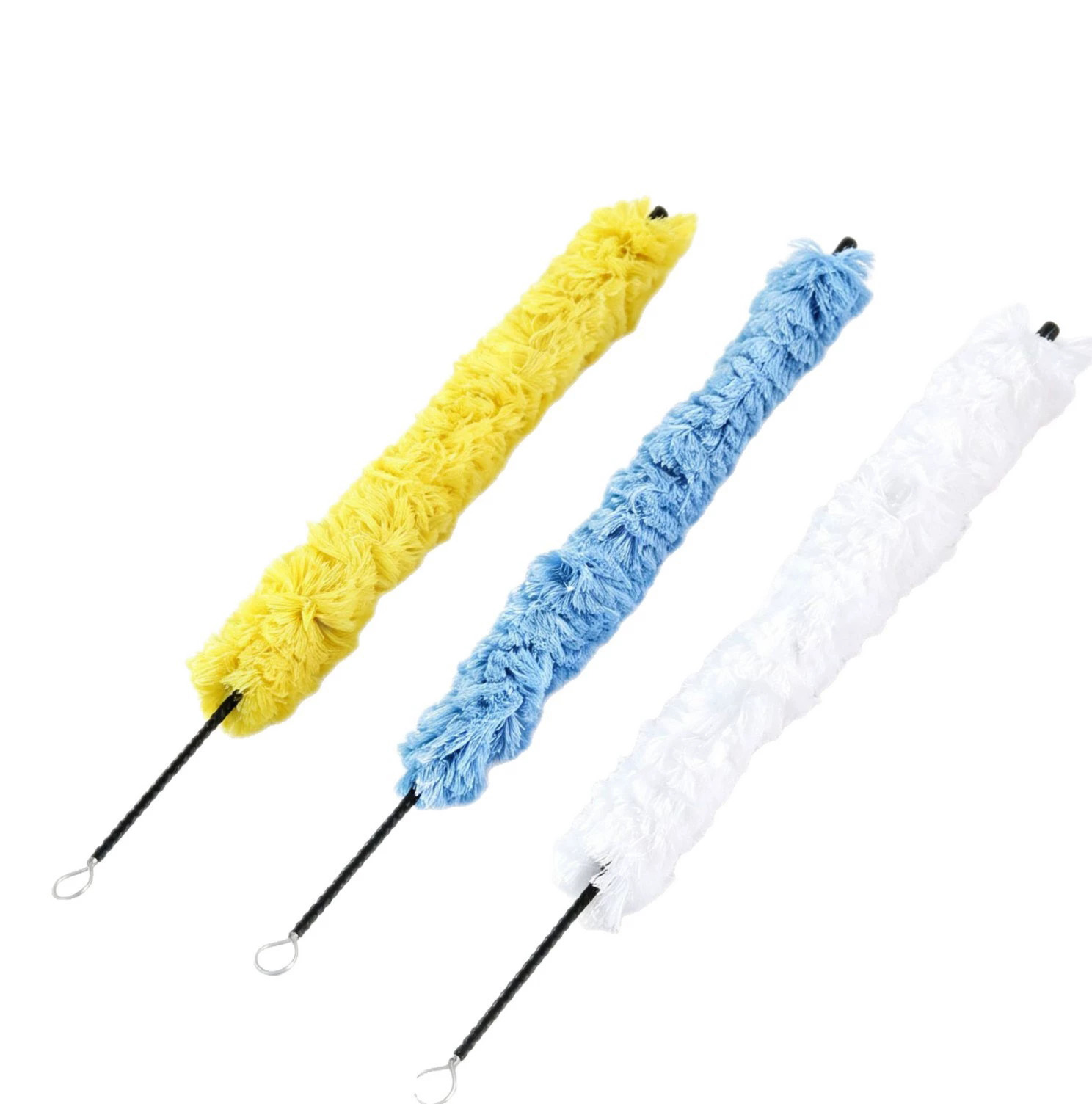
Flute bore cleaning brush flute brush cotton cleaning swab washable cotton thread cleaning stick white / yellow / blue
School-band maintenance accessory that supports music education accounts and small accessory replenishment orders.
View wholesale details School & retail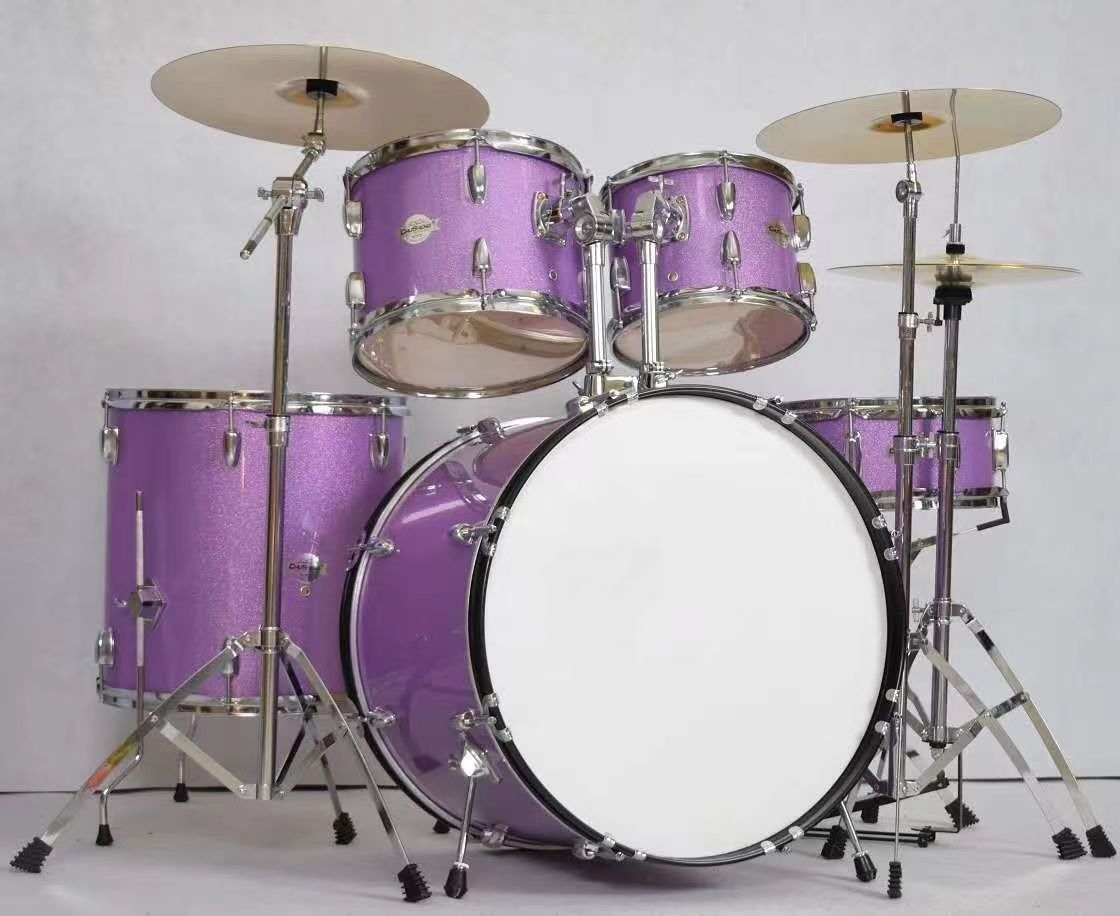
Hot Selling Ordinary 5 Drums 3 Cymbals Adult Drum Set Jazz Drum
A higher-ticket percussion item for family retail and music schools; can be consolidated with capos and guitar accessories in one shipment.
View wholesale detailsWhy Calgary is a strong test market for capo quality — not just capo price
Calgary acoustic players move between dry indoor air, cold vehicles, chinook-driven humidity swings, warm stage lighting and mechanically heated lesson rooms. Those cycles can change neck relief and fretboard feel enough that a capo which performs acceptably in a coastal warehouse may feel dull, buzzy or overly tight in Calgary. For a retailer, the real risk is not only a returned capo; it can be a returned capo plus a marked fretboard, a frustrated lesson student, a lost worship-team sale or a negative review at the exact moment a beginner decides whether to continue playing.
That is why a credible acoustic guitar capo manufacturer and factory serving the Calgary market should quote clamping pressure, fretboard radius, pad material, spring memory, finish safety and packaging — not just colour and unit price. The commercial question is equally important: can the supplier support a low-MOQ test buy, add a store logo, consolidate capos with straps and strings, and provide export documentation that a Canadian buyer can review without chasing five different vendors?
Our perspective comes from export work rather than a local storefront. WPI International Trade Co., Ltd. (Huizhou) began exporting musical instruments from Hong Kong in June 2010 and established its Huizhou, Guangdong operation in 2014. The company has been assessed onsite by Intertek, reports a 28-person team with 22 people in trading and export roles, and serves buyers in North America, Western Europe, Southeast Asia and South America. For Calgary buyers, that means a factory-direct, export-tested route into the market — not a claim of a Calgary factory, but a practical sourcing model built around samples, inspection, mixed-category orders and repeatable specifications.
Calibrated clamping pressure
Too much pressure can mark frets and pull notes sharp; too little creates buzz. Specify a target clamp range and test it on several neck profiles before approving a capo line for Calgary retail.
Radius-matched contact
Acoustic fretboards commonly sit around 9.5 to 16 inches of radius. A pad that matches the arc distributes pressure evenly and reduces the “low E dead, high E sharp” complaint that generic capos create.
Cold-stable spring memory
For Calgary winter use, specify stainless or music-wire springs with cycle testing and a clear spring-force tolerance. The capo should still open smoothly after storage in a cold vehicle or a dry gear bag.
Finish-safe quality control
Burr-free edges, non-marking silicone or EVA pads and consistent polishing matter more in dry climates where finish and fret ends are already under stress. Finished-product inspection should cover appearance, hardware and packaging.
Engineering the capo for real Calgary use
A capo is a precision accessory disguised as a small metal or plastic part. The most useful buyer specification is not simply “trigger capo” or “metal capo”; it is a short engineering brief that tells the factory how the product will be used and what failure looks like in the local market.
For Calgary, we recommend that a private-label brief include the target guitar types, typical neck thickness, radius range, string gauge, finish type, expected packaging, logo method and the price band the retailer wants to defend. The same capo can be built to a value spec for first-time students and a premium spec for recording players — but the tension target and pad quality should not be left to chance.
- Define 6-string, 12-string, classical, ukulele or partial-capo use before sampling.
- Test clamping force across at least three neck profiles and two string gauges.
- Require non-marking pads, smooth-release springs and deburred contact edges.
- Approve colour, logo, retail packaging and barcode data before mass production.
- Plan a mixed carton with strings, straps and stands to improve container efficiency.
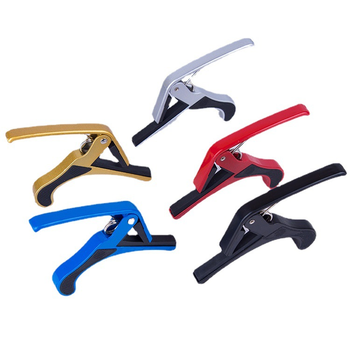
Hand-grip metal capo format: a practical reference point for retail capo programmes that serve acoustic guitar and ukulele players.
Where Calgary capo quality is judged every week
Local demand is not one market. A capo sold to a school, a worship team, a singer-songwriter and a rental company may share a box size but not the same technical priority. These scenarios help Calgary buyers plan an assortment that covers real use instead of duplicating similar SKUs.
Retail shelves and lesson-season promotions
Music stores need a clear value-to-premium ladder: an impulse trigger capo for beginners, a screw or yoke capo for tone-conscious players, and a specialist model for 12-string or partial-capo users. Store-brand packaging and barcodes matter as much as the capo itself.
Schools, lesson studios and rental kits
In education channels, capos are often lost, shared or returned with damaged pads. Buyers benefit from low-MOQ replacement packs, simple bilingual instruction cards and packaging that survives repeated handling by students and parents.
Worship teams and community venues
Worship players change keys quickly and often play in dry, heated rooms. Quiet, one-hand trigger capos and stable yoke capos reduce stage pauses. Buyers should request finish-safe pads and consistent spring release for repeat purchases.
Singer-songwriters and home recording
Recording players notice mechanical noise, intonation drift and pad marks. A screw or yoke capo with precise tension control is easier to position repeatedly. This segment also supports higher-value accessory bundles with strings, tuners and monitoring gear.
Venue backline and rental inventory
Rental companies need capos that tolerate frequent clamping and inconsistent handling. Buyer specifications should include cycle durability, replacement-pad availability and clear model marking so staff can audit inventory quickly.
Online retail and gift-oriented bundles
Calgary e-commerce sellers often need photogenic packaging, consistent product weights and small private-label runs. A capo can be bundled with a strap, strings or a music stand to raise average order value without adding a new supplier relationship.
Six trends shaping Calgary capo sourcing plans
Dry-winter setup is becoming a selling point
Retailers that explain humidification, fretboard care and capo pressure together build more trust than those that simply display a row of low-price capos. Education-led merchandising creates room for a better pad and spring specification.
Acoustic-led content drives accessory discovery
Short-form video, home recording and worship-streaming content make small accessories visible. A capo that looks clean on camera, opens quietly and leaves no marks has a stronger story than an unbranded commodity item.
Mixed-category orders reduce inventory risk
Calgary buyers increasingly test a capo programme alongside straps, stands, strings and maintenance tools. Mixed-category consolidation reduces freight friction and helps small retailers reach a workable order value.
Private-label packaging for local brands
Independent Calgary retailers and online sellers want their own logo, instructions and packaging without ordering thousands of units. Sample-based customisation and minor customisation keep the entry barrier low while protecting brand presentation.
Specification literacy is replacing price-only buying
More buyers now ask about radius, tension, spring type, pad material and finish compatibility. This is healthy for the market: it rewards suppliers who can explain trade-offs and document inspection instead of quoting a vague “high quality” claim.
Maintenance and repeat purchase are back in focus
After the initial instrument sale, buyers need strings, cleaning tools, stands and replacement capos. Retailers that build a repeat-purchase wall around acoustic players can use capos as an entry point rather than a one-off item.
Calgary capo SKU planning priority
The bars below are a qualitative planning tool based on the sourcing criteria discussed on this page; they are not a measured market-share statistic.
Match capo type to Calgary use before requesting a quotation
| Capo type | Best Calgary use | Key specification | Buyer note |
|---|---|---|---|
| Spring trigger capo | Beginner lessons, impulse retail, quick key changes | Controlled spring force, silicone pad, smooth release | Best opening SKU, but test for excessive clamp pressure. |
| Screw or yoke capo | Worship, recording, singer-songwriters | Adjustable tension, radius fit, brass or die-cast body | Higher perceived value; requires clear use instructions. |
| Partial capo | Altered tunings and creative acoustic work | 3-string or cut design, accurate radius, stable pad | Specialist item; pair with online content and demo videos. |
| 12-string / wide-neck capo | Specialist acoustic players and rental inventory | Wider jaw, strong but controlled spring, deep pad | Verify fit on 48 mm+ nut widths before listing. |
| Ukulele capo | Gift bundles, school programmes, uke retail | Lightweight body, small radius, gentle clamp | Useful add-on to 21-inch and 23-inch ukulele ranges. |
| Private-label capo kit | Calgary store brand, online bundle, seasonal gift set | Logo, packaging, barcode, instruction card | Low-MOQ sampling reduces risk before a full launch. |
How capo quality is controlled before shipment to Calgary
Quality is not a slogan at the end of a product page. It is a sequence of approvals, tests and inspections that prevents a low-price sample from becoming an expensive return. Our assessed capabilities include finished-product inspection and multiple levels of customisation.
Specification and sample approval
Confirm guitar type, radius, pressure target, pad material, finish, logo and packaging before sampling. The approved sample becomes the reference for production.
Component and finish verification
Check spring type, jaw alignment, screw action, pad adhesion and surface finishing. Burrs, sharp edges and inconsistent pad placement are rejected before assembly proceeds.
Tension and cycle review
Test on representative necks and string gauges. A capo that clamps well but releases abruptly, or loses spring memory after repeated use, is not suitable for retail placement.
Pre-shipment inspection and packing
Inspect finished products for appearance, hardware, function and packaging. Where required, consolidate capos with other instrument lines and prepare export documents for the agreed delivery term.

Intertek onsite assessed supplier. The company profile references supplier assessment, finished-product inspection, sample-based customisation, minor customisation, design-based customisation and full customisation. The business is also reported as a 12-year industry participant with a 4.6/5 average buyer rating and 97.73% inquiry response rate.
Why Calgary buyers use WPI as a capo and instrument supply partner
The strongest supplier is not always the one with the largest catalogue; it is the one that can keep specifications stable, communicate quickly and consolidate a commercially sensible order. These advantages are drawn from the existing company profile and trade information.
Quality-first export mindset
A dedicated quality-control approach inspects finished products before delivery, covering appearance, hardware, tuning stability, function and packaging. For capos, that means checking pressure, pads, spring action and logo placement.
Wide instrument selection
1,000+ instruments and accessories across guitars, ukuleles, violins, cellos, saxophones, clarinets, drums, keyboards and accessories allow Calgary buyers to build a broader assortment with fewer supplier relationships.
Factory-direct sourcing
Long-term partner workshops in Guangdong support factory pricing plus OEM and ODM development. Buyers can request sample-based, minor, design-based or full customisation depending on the project scope.
One-stop consolidation
Consolidate capos, straps, stands, strings, drums and accessories in one container with end-to-end logistics support. Mixed-category orders are welcome, which helps Calgary retailers test new lines without overstocking.
Low MOQ and sampling
Many guitars, ukuleles, violins and saxophones can be ordered from one piece for sampling, with typical wholesale MOQs of 2–10 pieces per instrument model and 20–600 sets for strings and small accessories. Capo sampling can be planned within the same logic.
Transparent trade terms
Payment methods include T/T, L/C, D/P, D/A, MoneyGram, credit card, PayPal, Western Union, cash and escrow. Delivery terms include FOB, CFR, CIF, EXW, DDP, DDU and express delivery, with currencies including USD and CAD.
About WPI International Trade Co., Ltd. (Huizhou)
WPI began exporting musical instruments from Hong Kong in June 2010 and established its Huizhou, Guangdong operation in 2014. Today the company reports a 28-person team, with 22 people in trading and export roles, supporting importers, distributors, retailers and schools worldwide.
The company specialises in ukuleles, acoustic and electric guitars, and extends into violins, cellos, saxophones, clarinets, drums, keyboards and accessories. Its stated goal is long-term cooperation: protecting the buyer’s market, keeping quality consistent and maintaining reasonable pricing so both sides can build repeat business.
For Calgary, that model is most useful when the buyer treats capos as part of a wider accessory programme. A first order can combine capo samples with straps, strings, stands, maintenance tools or school instruments, then scale the proven SKUs after sell-through feedback. The company’s trade-show experience includes Shanghai and Guangzhou music shows from 2014 to 2019, and its main markets include North America, Western Europe, Southeast Asia and South America.

Common questions from Calgary capo buyers
These are the practical questions that usually appear when a Canadian retailer, school buyer or private-label brand evaluates a China-based capo manufacturer for the Calgary market.
Can you supply acoustic guitar capos under our Calgary store brand?
Yes. The assessed customisation options include sample-based customisation, minor customisation such as logo, packaging and graphics, design-based customisation and full customisation. For a Calgary store brand, start with a capo model, logo method, packaging style, barcode requirement and target retail price, then approve a sample before production.
What is the minimum order for a capo sample or first production run?
Many instrument lines can be ordered from one piece for sampling, while typical wholesale MOQs are 2–10 pieces per model for instruments and 20–600 sets for strings and small accessories. Capo MOQs depend on the model and customisation level, so the most reliable approach is to send the target specification and ask for a written quotation with sample and bulk pricing.
How do we make sure a capo fits acoustic guitars sold in Calgary?
Provide the nut width, neck thickness, fretboard radius, string gauge and whether the capo must fit 12-string, classical or ukulele necks. Ask for testing on representative necks before approval. A capo that fits one dreadnought may not fit a wide-neck 12-string or a nylon-string classical guitar, so the fit brief should be explicit.
Can you reduce the risk of capos marking the fretboard or frets?
Specify non-marking silicone or EVA pads, deburred edges, controlled spring force and a clean release action. Finish safety should be part of finished-product inspection. For Calgary’s dry indoor environment, buyers should also advise the store team to avoid over-clamping and to check pads regularly on display models.
What is the usual process from enquiry to shipment?
A typical project moves through a written brief, model recommendation, sampling, sample approval, production, finished-product inspection and shipping. The company’s assessed capabilities include finished-product inspection, and the process can be adapted for private-label packaging, mixed-category consolidation and the delivery term agreed with the buyer.
Can we combine capos with other musical instruments or accessories in one order?
Yes. Mixed-category orders are welcome, and one-stop consolidation is one of the practical advantages for buyers who need capos plus straps, strings, stands, drums or school instruments. Consolidation can reduce the friction of managing several small suppliers and helps a Calgary retailer test multiple categories with one shipment plan.
Which payment and delivery terms are accepted?
Payment methods include T/T, L/C, D/P, D/A, MoneyGram, credit card, PayPal, Western Union, cash and escrow. Delivery terms include FOB, CFR, CIF, EXW, FAS, CIP, FCA, CPT, DEQ, DDP, DDU, DAF, DES and express delivery. Payment currencies include USD, EUR, JPY, CAD, AUD, HKD, GBP, CNY and CHF.
How should we plan for Calgary’s dry winter and chinook humidity swings?
Buy capos with stable spring action, radius-matched pads and finish-safe contact surfaces. At retail level, educate staff to check clamping force and pad condition, and avoid leaving display guitars in overly dry or overheated spaces. A capo is an accessory, but a poor capo can still create a service issue for the instrument retailer.
Do you offer packaging suitable for Canadian retail and online sales?
Minor customisation can cover logo, packaging and graphics, while design-based and full customisation are available for larger private-label programmes. For Calgary buyers, include barcode requirements, language needs, warning text, product naming and photography requirements in the brief so the package is ready for retail or e-commerce listing.
How do we request a Calgary-specific capo quotation?
Send the capo type, target quantity, logo or packaging requirement, intended guitar types, target price band and preferred delivery term. If you are still comparing suppliers, request a sample plan and a specification sheet before placing a bulk order. To start the conversation, use the inquiry button below: Contact Us.
Build a Calgary-ready capo and accessory range
Tell us what your Calgary customers play: beginner acoustic, 12-string, classical, ukulele, worship, school or stage. We will help translate that use case into a capo specification, sample plan, packaging brief and mixed-category quotation. The goal is not to send the cheapest capo; it is to build a repeatable line with controlled tension, finish-safe contact and commercial terms that work for your market.
Email: info@wpimusic.com · Huizhou, Guangdong, China · Serving buyers in North America and other major export regions