Top Trusted Guitar Capo Factory & Exporters
An evidence-led sourcing guide for importers, distributors, music retailers, and private-label brands comparing capo manufacturers, factory-direct exporters, and mixed musical-instrument accessory programs for 2026.
8 Export-Ready Products Behind a Capo Program
The eight products below are live wholesale links that demonstrate the breadth of instrument and accessory sourcing available alongside capo orders. For a dedicated capo RFQ, contact our team with target price, spring type, radius, finish, logo method, packaging, and destination market.
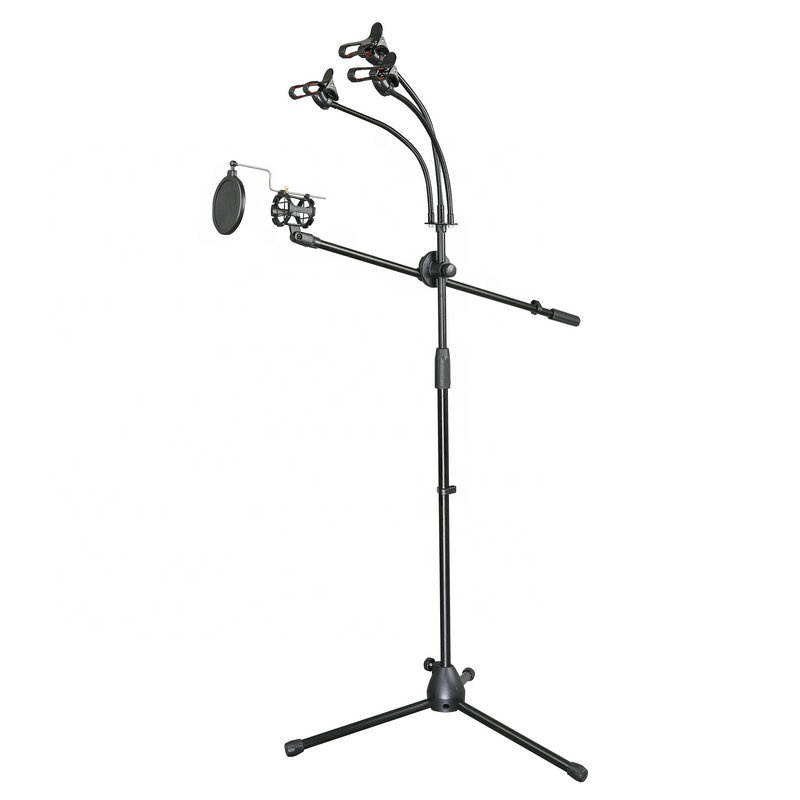
Three Mobile Phones with Horizontal Bars for Live Streaming, Floor Standing Three Legged Microphone Stand
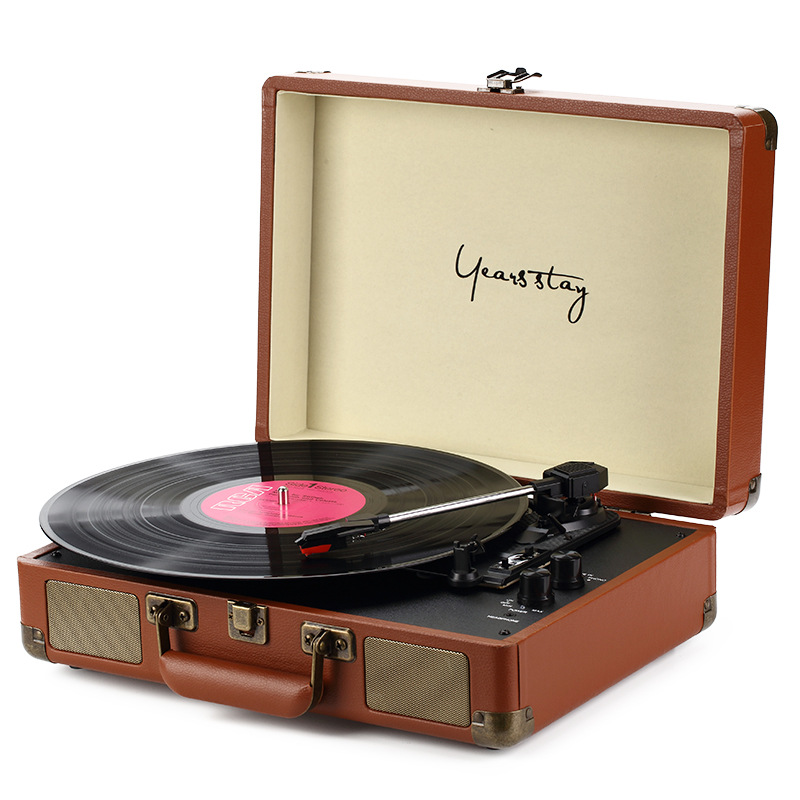
Portable Mini Phonograph Desktop Vinyl Record Player Handheld Wireless for Speaker Turntable
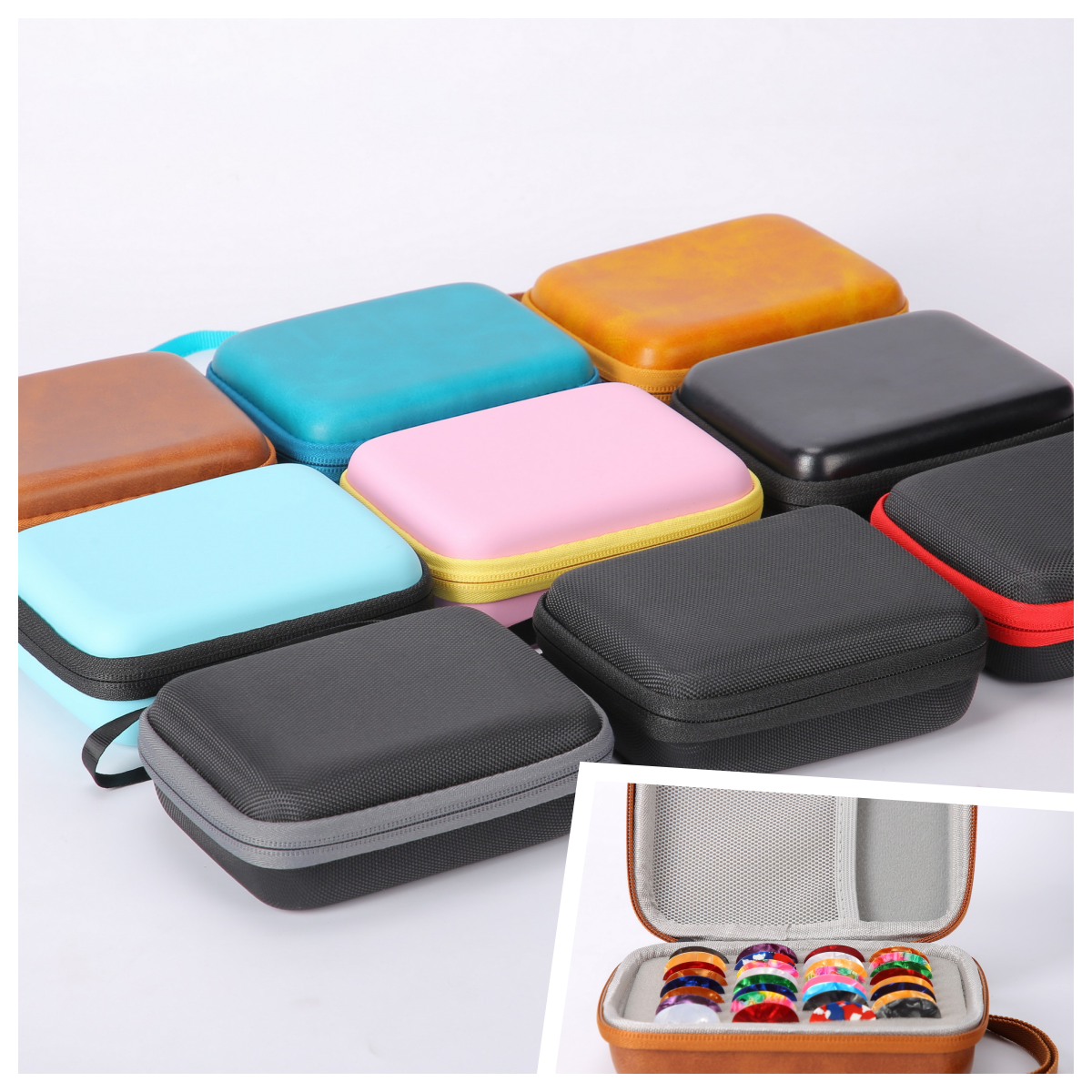
Guitar Folk Plectrum Storage Leather Case Leather PC Plectrum Bag Ukulele Plectrum Pick Case Package
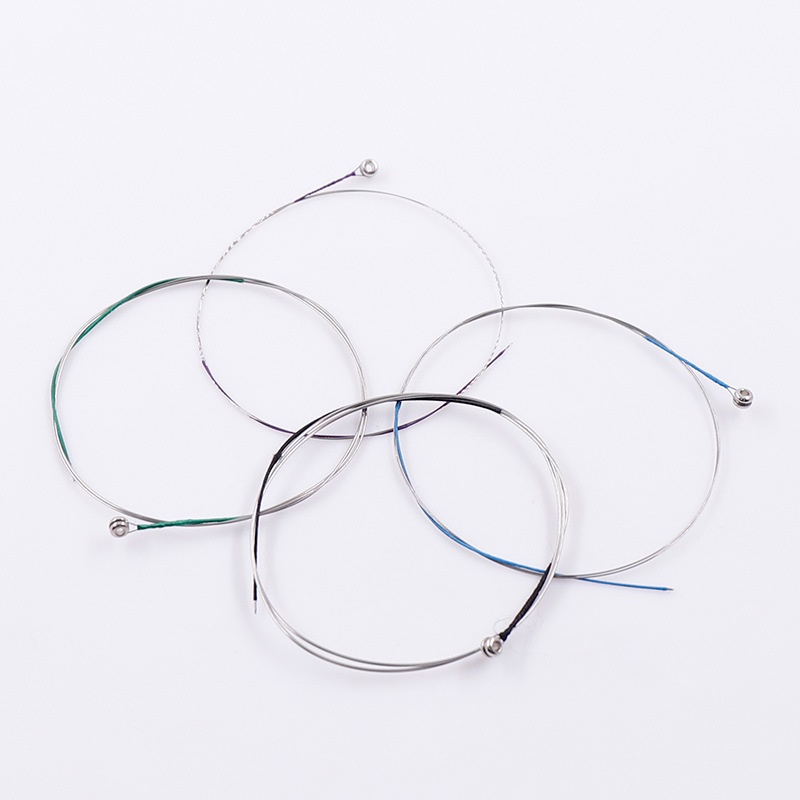
Silver Steel Violin Strings Loose Set for Classical Guitar Wholesale Guitar Parts Accessories
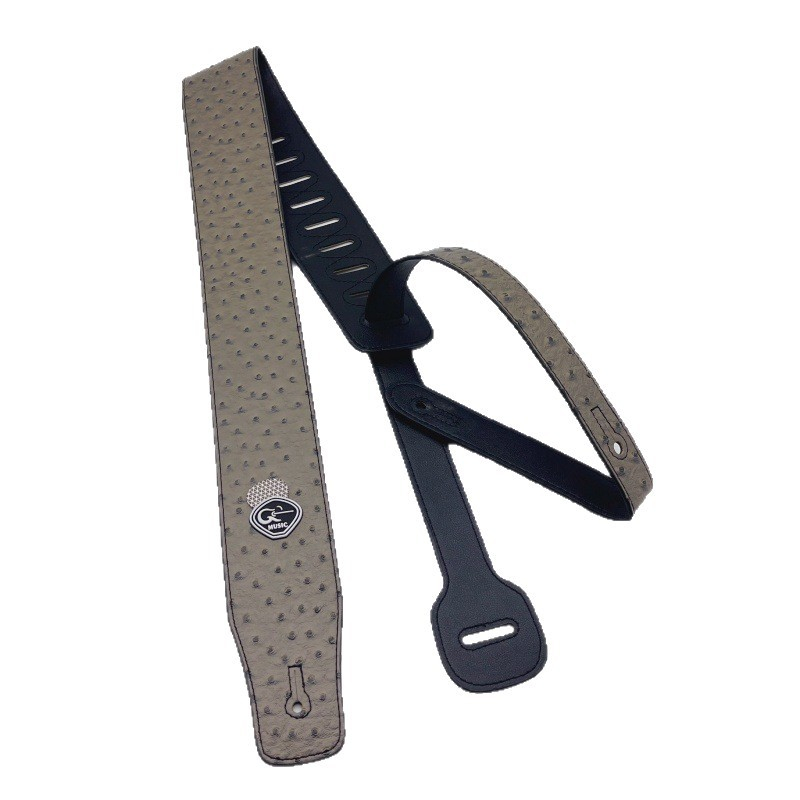
Genuine Leather Guitar Strap, Wide Wear-resistant Shoulder Strap, Dual-use Strap for Acoustic & Electric Guitar Wholesale
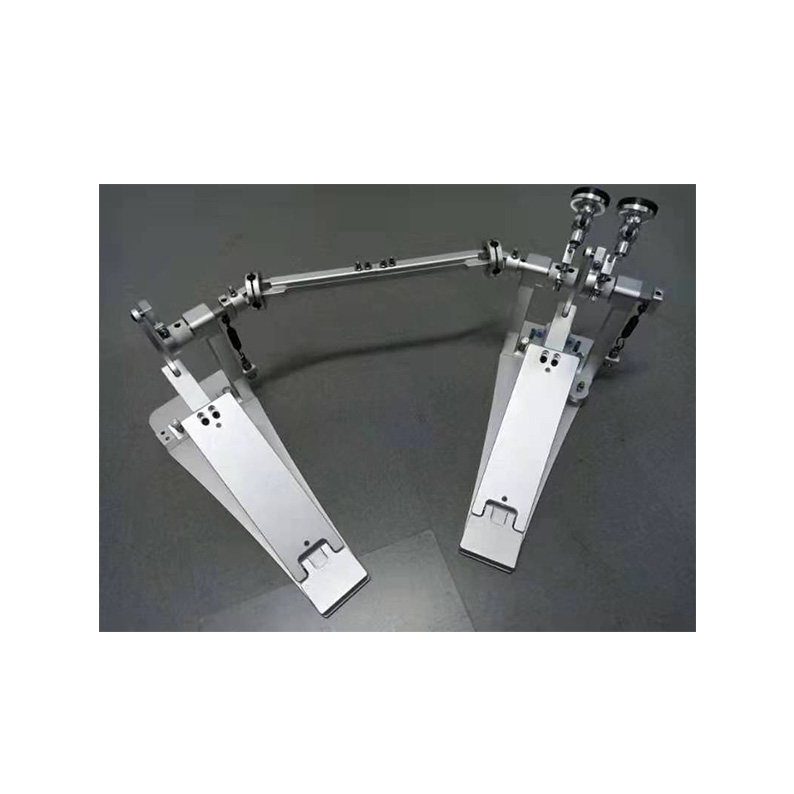
Brushed Silver Double Bass Drum Pedal Direct Drive Drum Kit Accessory
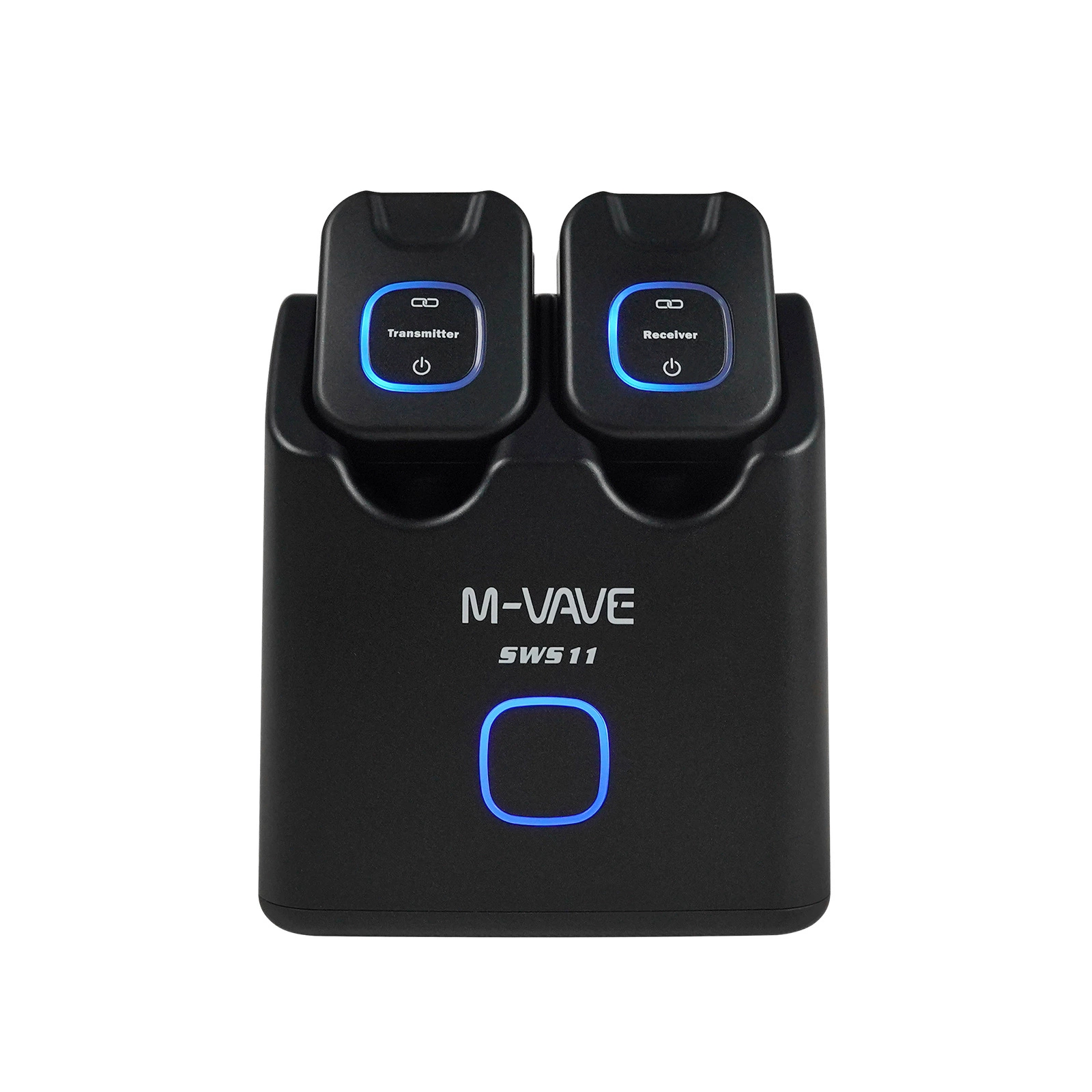
M-VAVE SWS11 2.4Ghz Wireless Guitar Audio System Rechargeable Transmitter Receiver with Charging Base
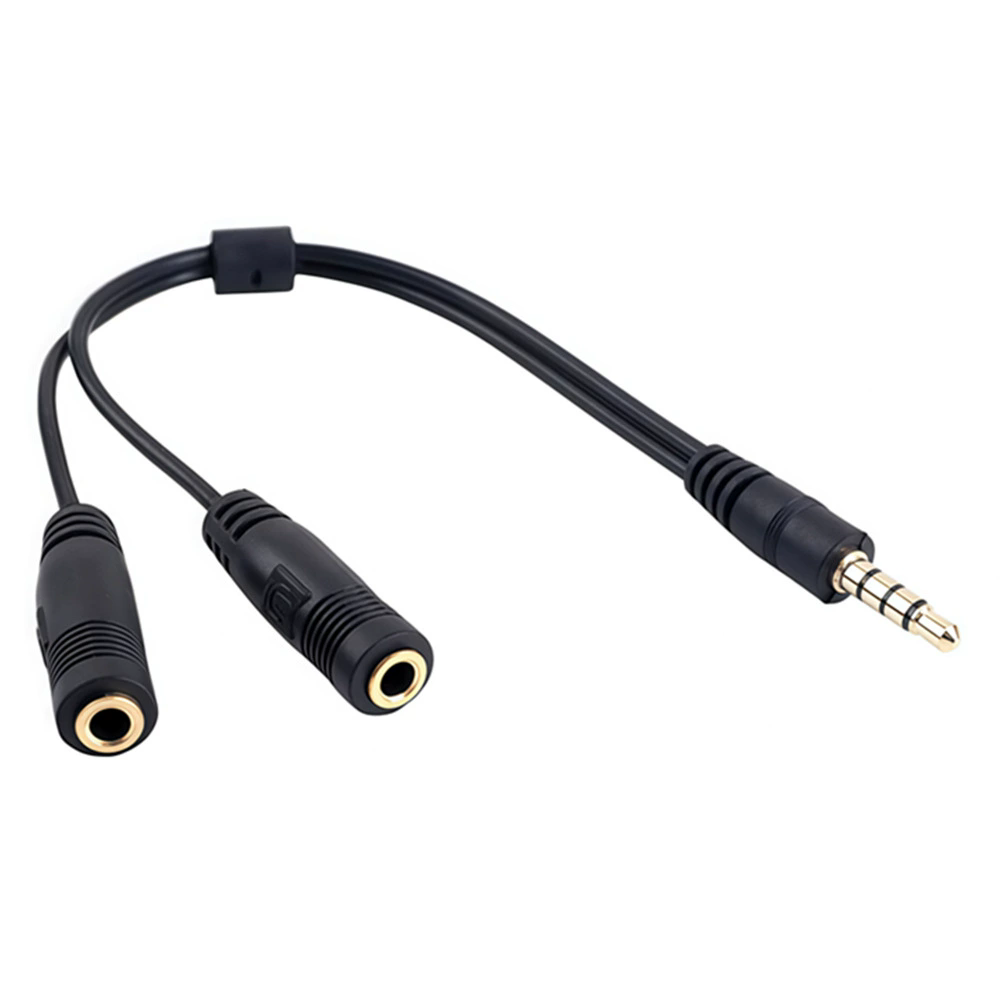
Wholesale 3.5mm 4-Pole Headset Microphone Splitter Adapter Cable for Laptop PC
Why “Trusted” Is an Evidence Question, Not a Slogan
The guitar capo looks simple: a clamp, a spring, a silicone pad. In export volume, it is a quality-control problem in miniature. A capo that clamps slightly too hard can pull a guitar sharp. A pad that hardens in a hot container can mark a lacquer finish. A spring that loses tension after a few thousand cycles can turn a profitable accessory line into a returns line. For buyers, the real question is not “Who has the lowest FOB price?” but “Which factory can repeat the same clamp force, radius, finish, and packaging across 10,000 pieces?”
WPI International Trade Co., Ltd. (Huizhou) has exported musical instruments and accessories since 2010. Our role in a capo program is to translate a buyer’s market position into a manufacturable specification, validate samples, inspect production, and consolidate capos with guitars, straps, strings, picks, and other accessories. The evidence below — assessed annual sales, order volume, response rate, buyer rating, and Intertek assessment — is presented so procurement teams can judge fit before requesting a quote.
How to Evaluate a Capo Factory Before It Becomes Your Supplier
A factory that can show a catalog is not automatically a factory that can hold tolerance. Request evidence in four areas: engineering, quality control, compliance, and export preparation. A trustworthy capo supplier will answer with measurements, not adjectives.
Engineering data
Ask for spring wire specification, free length, installed torque, jaw deflection, and cycle-life test results. For adjustable capos, request tension settings and a repeatability range. A useful RFQ asks for acceptance limits, not only “strong spring.”
Radius and fit
Capos are not truly universal. A 9.5-inch radius, 12-inch radius, 16-inch radius, and compound radius need different contact geometry. Ask which fretboards each SKU fits and request a fit chart for acoustic, classical, electric, 12-string, ukulele, and mandolin.
QC and packaging
Define inspection points: incoming spring, die-cast or CNC body, silicone hardness, hinge assembly, clamp force, logo adhesion, salt-spray, and carton drop. Retail-ready packaging needs barcodes, warnings, language, and a QR or instruction sheet.
Compliance and traceability
Confirm material declarations relevant to the destination market, including RoHS, REACH, phthalates, heavy metals, and packaging rules where applicable. Keep batch records so repeat orders can be traced to material lots.
A capo is a precision clamp, not a commodity stamping. Buyers who write measurable acceptance criteria receive better samples, fewer surprises, and cleaner retail reviews.
A Capo Assortment That Covers Real Demand
Most accessory buyers do not need twenty capo SKUs. They need a clean ladder from entry price to premium, plus one or two problem-solving models. The following assortment balances sell-through, margin, and operational simplicity.
Value trigger capo — retail entry
For schools, bookstores, mass retail, and first-time players. Specify a die-cast zinc body, stainless spring, silicone pad, and tested cycle life. Keep colors basic and packaging simple; margin comes from repeatability and a low damage rate.
CNC aluminum yoke capo — premium counter
For music stores and online brands selling on feel, finish, and gifting. Ask for anodized aluminum, smooth hinge action, laser logo, and a controlled-contact pad. Check weight, edge finishing, and color consistency under daylight.
Classical / flat-radius capo
Nylon-string guitars need even, moderate pressure. A flat-radius capo with a wide pad can reduce buzzing and tuning drift. Bundle it with classical strings or a strap for a natural cross-sell.
12-string and wide-neck capo
Longer jaws and extra clearance are not enough; the spring must match the wider neck without over-clamping. Request fit tests on the actual 12-string models you plan to sell, not a generic neck sample.
Partial capo — niche but search-friendly
Partial capos create alternate tunings and attract content-led sales. Provide a tuning chart, demo video brief, and clear packaging so retail staff can explain the benefit without overselling complexity.
Capo + tuner + pick kit — e-commerce bundle
A retail-ready kit raises average order value and reduces shipping cost per unit. Use a branded box, QR instruction, barcode, and a consistent color story across the range. Confirm whether the tuner is included or sold separately.
A sound first order is three to five SKUs, not a full wall of variants. Test sell-through, return reasons, review sentiment, and repeat purchase. Once a capo model earns a stable weekly rate, scale it with color and packaging extensions before adding more mechanical complexity. This is how a wholesale buyer protects cash while still building a credible capo category.
What Is Changing in Guitar Capo Procurement?
Procurement behavior is changing faster than many accessory catalogs. Buyers are balancing freight uncertainty with the need for faster replenishment. The result is not simply “cheaper sourcing”; it is smaller, more frequent, better-documented orders that reduce inventory risk.
Low-MOQ, test-first buying
Retailers want to validate a capo shape, color, or bundle before committing to a container. Suppliers that support one-piece sampling and mixed-category trial orders win the first order; consistent repeat quality wins the second.
Private label as standard
Logos, barcodes, boxes, inserts, and market-specific instructions are now expected even at modest volumes. Buyers should confirm artwork approval, pre-production samples, and packaging lead times before placing a bulk order.
Multi-category consolidation
Capos travel naturally with strings, straps, picks, tuners, stands, and small accessories. Consolidating with one export partner reduces supplier management, inspection points, and freight complexity.
Compliance and data discipline
More buyers ask for material declarations, carton labels, product photos, and packing lists that match the purchase order exactly. Missing documents can delay retail onboarding more than a small price difference.
E-commerce bundle economics
Marketplaces reward conversion, not catalog size. A well-photographed capo + tuner + pick set can outperform a single capo page. Suppliers should support product photography briefs, dimensions, weight, and barcode data.
Lead-time buffers
Buyers are splitting orders between a core stock model and a test model. Ask for realistic production windows, inspection slots, and transit options rather than relying on a single optimistic lead time.
For 2026, the winning procurement plan is a two-tier program: a stable core capo sourced with tight repeatability, and a small test tier for new finishes, bundles, and radius-specific models. This protects cash while keeping the assortment fresh. It also gives the buyer time to collect return data, review comments, and sell-through evidence before scaling.
Where Capo Design Is Moving Next
Capo design is moving in two directions at once: premium mechanical refinement and accessible visual differentiation. Buyers should pursue both only when the underlying clamp performance is stable.
Tension control without tuning drift
Compensated tension, adjustable screws, and radius-matched pads are becoming more common. Validate on a tuner before and after clamping across the first five frets; the goal is minimal pitch change, not maximum force.
Radius-specific families
Instead of one “universal” capo, sell clear fits for acoustic, classical, electric, 12-string, ukulele, and mandolin. A simple fit chart reduces returns and improves search relevance for specific buyer queries.
Fret and finish protection
Softer, more chemically stable silicone pads and smooth jaw edges protect lacquer and frets. Ask for hardness, adhesion, and aging tests, especially for dark finishes and hot-climate markets.
Sustainable and durable finishes
Recycled aluminum, lower-impact anodizing, plastic-free packaging, and repairable hinges are moving from niche to buyer question. Avoid green claims without material documentation and factory evidence.
Integrated utility
Built-in tuners, pick holders, bottle openers, and quick-release mechanisms can create gifting and content angles. Each added feature must survive drop, cycle, and battery tests where applicable.
Personalization and giftability
Laser engraving, color anodizing, custom boxes, and artist-friendly packaging turn a low-ticket accessory into a branded gift. Keep personalization simple enough for repeatable production and predictable lead times.
The most defensible capo development is not a novelty feature. It is a measurable improvement in tuning stability, fit, or return rate. Document those improvements in your product content; Google-quality content and retail conversion both reward specific, verifiable benefits. Claims such as “fits every guitar” should be replaced by a clear radius and neck-width chart.
Where Capo Quality Is Won or Lost
Use a scorecard to compare samples, not just quotations. The weights below are a practical starting point for a broad wholesale assortment; adjust them for your market. Premium music stores may weight finish and fit higher, while school suppliers may weight cycle life and packaging durability.
Sample Evaluation Weights
Set acceptance criteria before the sample arrives, then score every supplier on the same scale.
| Material route | Typical use | Buyer advantage | What to verify |
|---|---|---|---|
| Die-cast zinc + stainless spring | Value retail, schools, mass-market accessories | Low cost, consistent shape, wide color options | Zinc alloy grade, spring torque, silicone hardness, plating adhesion |
| CNC aluminum + anodizing | Premium music stores, gifting, online brands | Crisp finish, lighter feel, strong shelf appeal | Aluminum grade, wall thickness, anodizing consistency, edge finishing |
| Stainless steel yoke / brass pivot | Heavy-duty and professional-positioned models | Durable mechanism and premium perceived value | Plating thickness, pivot wear, weight balance, hinge smoothness |
| Reinforced polymer / composite | Kids, promotions, lightweight travel accessories | Color flexibility and lower shipping weight | UV stability, hinge fatigue, clamp creep, recycled-content documentation |
Factory, Exporter, or Trading Company? How WPI Fits
WPI International Trade Co., Ltd. (Huizhou) is an export sourcing integrator, not a single-product capo workshop. That distinction matters: the exporter should be clear about what it controls and what the production factory controls.
 Intertek onsite assessed supplier profile — verify current documents before purchase.
WPI began exporting musical instruments from Hong Kong in June 2010 and established its Huizhou, Guangdong operation in 2014. The company has 28 team members, including 22 in trading and export roles. Third-party assessed annual export sales are US$9 million; the business recorded 952 orders and more than US$370,000 in trade over a six-month period. The current inquiry response rate is 97.73%, and the average buyer rating is 4.6/5. Main markets include North America, Western Europe, Southeast Asia, and South America. We exhibited at the Shanghai and Guangzhou music shows from 2014 to 2019.
For capo projects, we shortlist vetted accessory factories, define the specification, manage pre-production samples, arrange finished-product inspection, and consolidate shipments with other instrument categories. Buyers who require a dedicated factory audit can request production-site details and commission a third-party inspection. This transparency allows procurement teams to evaluate the exporter and the factory separately, which is the correct way to reduce sourcing risk.
Intertek onsite assessed
Premises, legal status, and capabilities were independently checked. Finished-product inspection is part of the export workflow.
12+ years of export memory
Since 2010, we have learned which packaging, spring, and finish details survive real container conditions and retail handling.
Low-MOQ sampling
Many catalog items can start from one piece for sampling. Mixed-category trial orders are welcome, which lowers the risk of testing a new capo shape or color.
OEM / ODM customization
Assessed capabilities include sample-based customization, logo and packaging changes, graphics, design-based customization, and full customization.
Pre-shipment QC
Appearance, hardware, specified clamp function, tuning checks where requested, and packaging are inspected before delivery.
One-stop consolidation
Guitars, ukuleles, straps, strings, picks, capos, and accessories can ship together, reducing supplier and freight complexity.
Trade terms and logistics
Payment options include T/T, L/C, D/P, D/A, credit card, PayPal, Western Union, cash, and escrow. Delivery terms include FOB, CFR, CIF, EXW, DDP, DDU, express, and more.
Dedicated account team
Named export account managers follow quotation, sampling, production, and after-sales. Current inquiry response rate: 97.73%.



Guitar Capo Procurement FAQ for Importers & Retailers
These are the questions buyers ask most often when comparing capo factories, exporters, and private-label accessory programs. Answers should be confirmed against the current quotation and destination market.
What is the minimum order quantity for custom guitar capos?
Sampling can start from one piece for many catalog items, and mixed-category trial orders are welcome. Custom capo programs depend on the logo method, packaging, finish, and whether new tooling is required. Laser engraving usually has a lower threshold than custom molded parts or fully bespoke packaging. WPI can quote a trial order first, then a repeat order with a more efficient packaging plan. For accurate planning, share your target SKU count, colors, logo artwork, barcodes, and destination market.
How do I verify a capo factory before placing a bulk order?
Ask for the business license, production address, spring supplier, material declarations, cycle-test data, and a short video of assembly and QC. If the order value justifies it, commission a third-party inspection at the production site. WPI provides an Intertek-assessed supplier profile for its own operation, but buyers should still verify the actual capo production site when volume, branding, or compliance risk is high. Separate the exporter’s role from the factory’s role in your approval process.
Which material is best for a wholesale guitar capo?
There is no single best material; there is a fit between price, positioning, and repeatability. Die-cast zinc with a stainless spring is common for value and school programs. CNC aluminum with anodizing suits premium and gift-oriented lines. The pad is equally important: silicone hardness, surface finish, and aging behavior affect fret protection and tuning stability. Avoid vague claims such as “aircraft aluminum” unless the alloy, finish, and test standards are documented.
Can you produce private-label capos with my logo and packaging?
Yes. Typical methods include laser engraving, screen printing, anodized logos, embossed silicone pads, custom boxes, inserts, barcodes, and instruction sheets. Provide vector artwork and any required warning text. A pre-production sample should be approved before mass production. Confirm whether the logo will be on the capo body, the pad, the packaging, or all three, because each method has different durability and MOQ implications.
How should clamping force and tuning stability be tested?
Use a repeatable method: mark the capo position, tune the guitar with a reliable tuner, clamp the capo, and measure pitch deviation across the first five frets. Repeat the test on the radius and neck profile you plan to sell. For cycle life, request a documented open-and-close test and spring free-length measurement after cycling. Write acceptance criteria into the purchase order rather than relying on “feels good” during sampling.
What certificates and compliance documents are relevant?
Requirements vary by market and buyer. Common requests include RoHS, REACH, phthalate and heavy-metal declarations, packaging material information, and labeling compliance. Ask for current documents that match the exact materials and finishes in your order. Keep a record of the version and date of each declaration. If your retail channel requires additional testing, confirm it before the sample is approved.
What payment and delivery terms are available?
WPI accepts T/T, L/C, D/P, D/A, MoneyGram, credit card, PayPal, Western Union, cash, and escrow. Delivery terms include FOB, CFR, CIF, EXW, FAS, CIP, FCA, CPT, DEQ, DDP, DDU, DAF, DES, and express delivery. Payment currencies include USD, EUR, JPY, CAD, AUD, HKD, GBP, CNY, and CHF. Confirm the final term, inspection point, and document set in the quotation before placing the order.
How can capos be consolidated with other instrument accessories?
Send your target assortment, quantities, packaging needs, and destination. WPI can combine capos with guitars, ukuleles, straps, strings, picks, tuners, stands, and other accessory lines. Consolidation lowers supplier management and can improve container utilization, but it requires disciplined SKU labeling, carton marking, and inspection planning. Provide a clear purchase order matrix so each SKU, barcode, and packaging version is checked before shipment.
Build a Capo Program Buyers Can Trust
Send your target market, capo type, radius, finish, logo method, packaging, target quantity, and compliance requirements. WPI will return a practical specification, sampling plan, and export sourcing proposal.