Top Trusted Folk Guitar Suppliers & Wholesaler
A procurement-focused guide for distributors, retailers, music schools and private-label brands comparing low-MOQ folk guitars, acoustic-electric models, adjacent instruments and high-velocity accessories from an Intertek-assessed supplier in Huizhou, Guangdong.
8 Products That Strengthen a Folk Guitar Wholesale Assortment
A trusted folk guitar supplier should do more than quote one model. The strongest wholesale assortment combines core acoustic guitars with lesson support, stage electronics, display accessories and lifestyle products that raise average order value. The eight products below are presented with their original WPI Music Supply product URLs so buyers can review specifications before requesting samples or a quote.
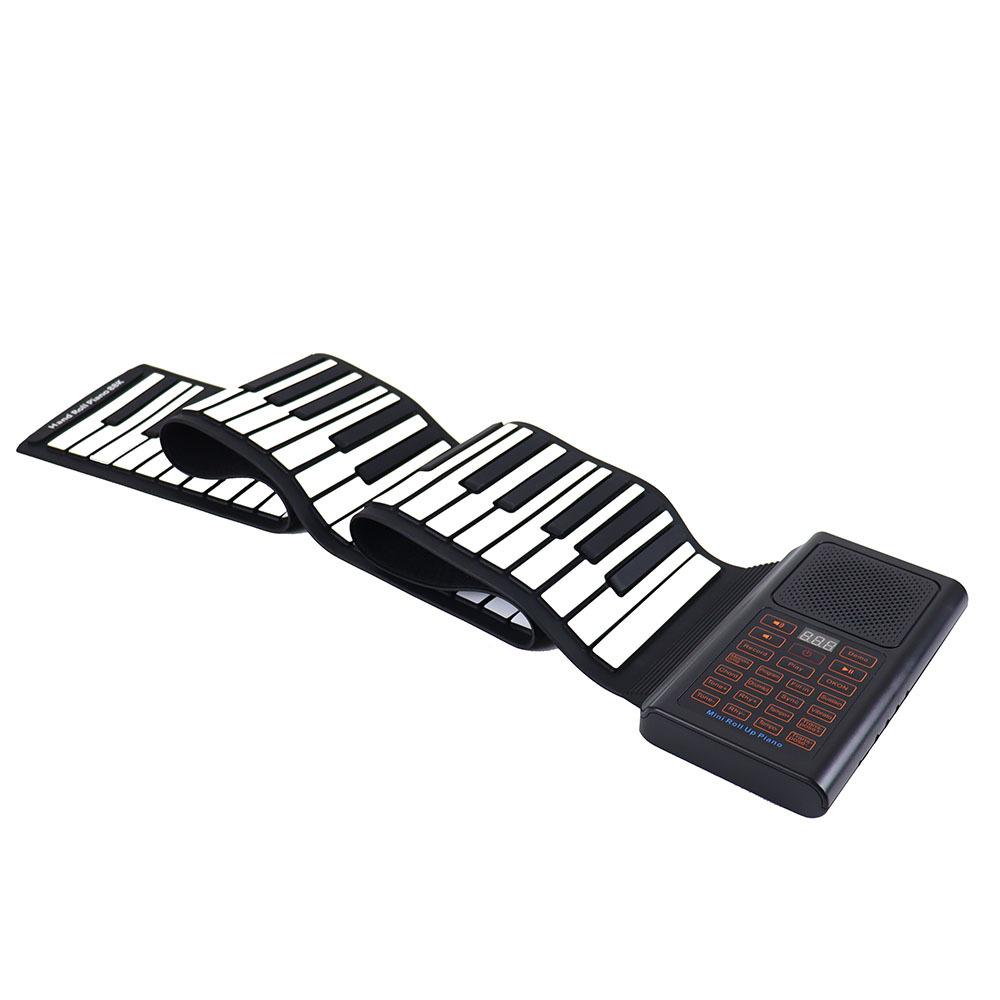
Wholesale 88-Keypad Keyboard Portable Digital Piano Foldable Entry-Level Soft Hand-Rolled Piano
Useful for music schools and family retail bundles, this foldable digital piano supports cross-category selling alongside beginner guitars and practice accessories.
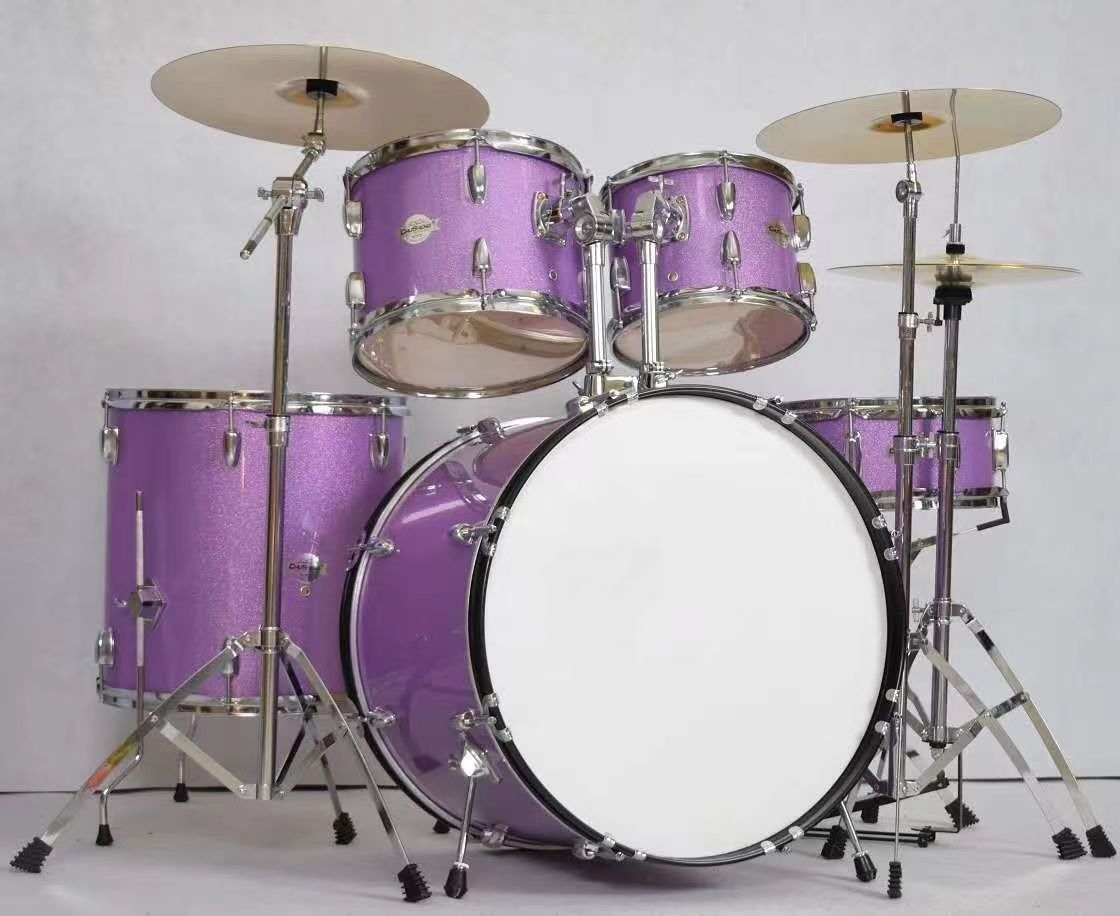
Hot Selling Ordinary 5 Drums 3 Cymbals Adult Drum Set Jazz Drum
A complete jazz drum kit with strong showroom appeal for retailers and education buyers building a broader band-instrument program.
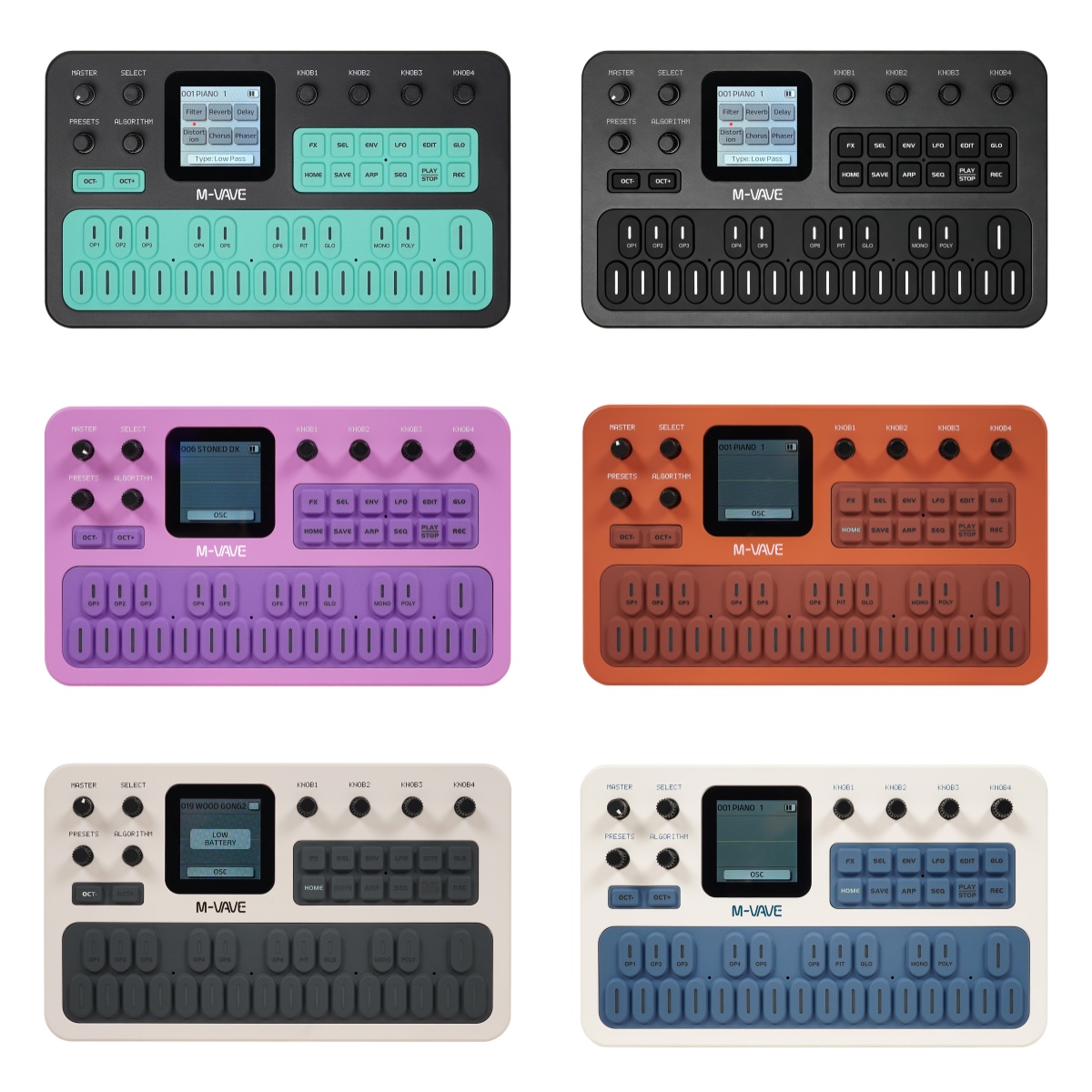
M VAVE Mini FM 1 Synthesizer 27 Keys 3 Channel 12h Battery Built in Speakers for Outdoor Music Production and Pocket Effect
A portable FM synthesizer with battery power and built-in speakers, ideal for social-commerce sellers, buskers and content creators.
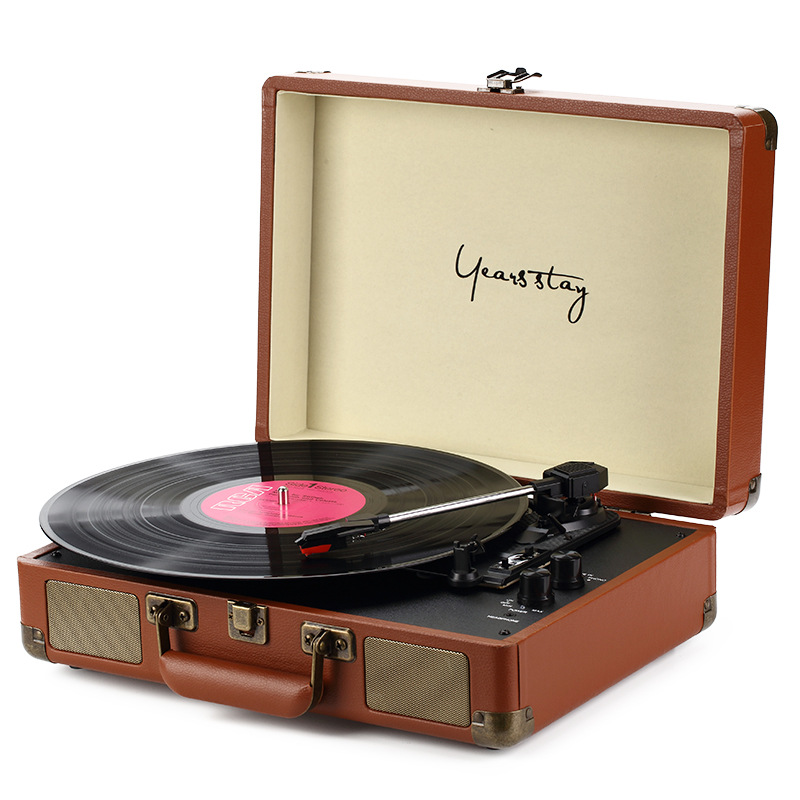
Portable Mini Phonograph Desktop Vinyl Record Player Handheld Wireless for Speaker Turntable
A lifestyle-oriented turntable that fits gift shops, home decor retail and music-themed bundles without competing with core guitar inventory.
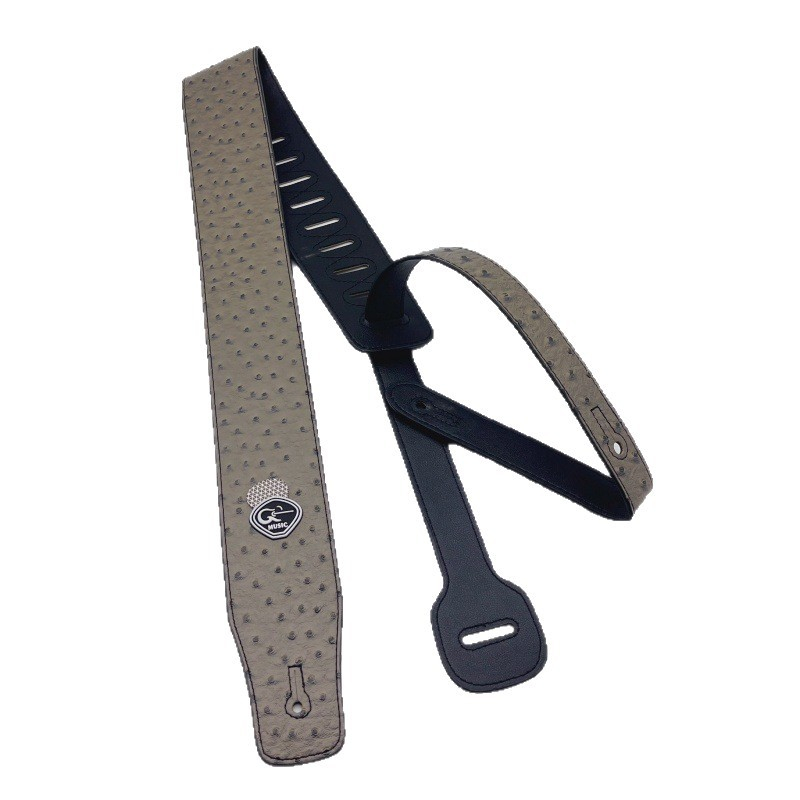
Genuine Leather Guitar Strap, Wide Wear-resistant Shoulder Strap, Dual-use Strap for Acoustic & Electric Guitar Wholesale
A wide, wear-resistant leather strap that suits acoustic and electric guitars, creating an easy accessory upsell for every folk guitar order.
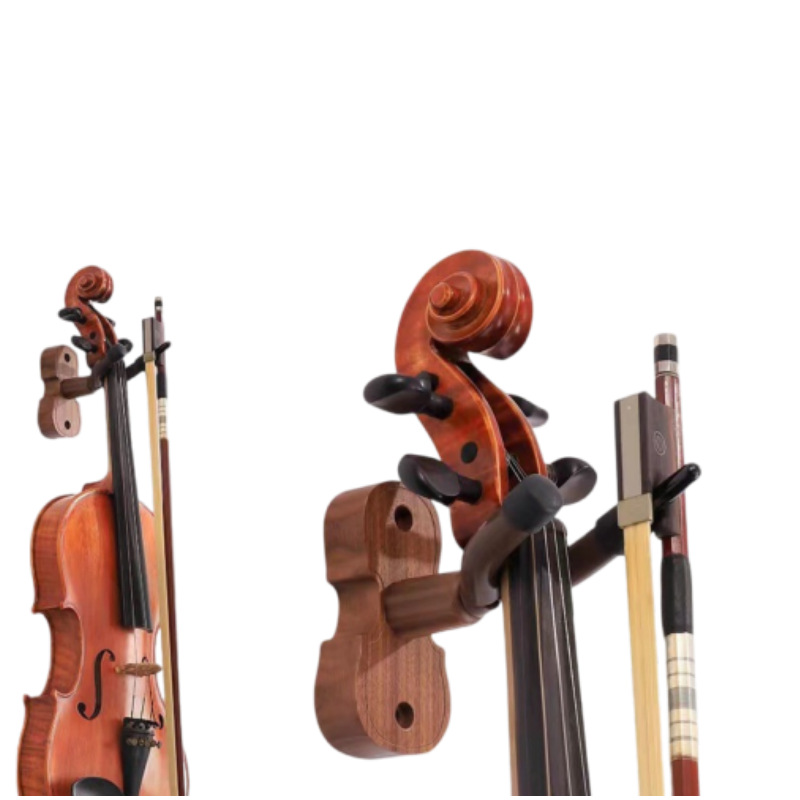
Wood Base Violin Hanger, Wall Mount Violin & Erhu Display Bracket, Universal Musical Instrument Wall Hanging Rack Wholesale
A practical display accessory for music shops, studios and schools. Strong visual merchandising support for string-instrument departments.
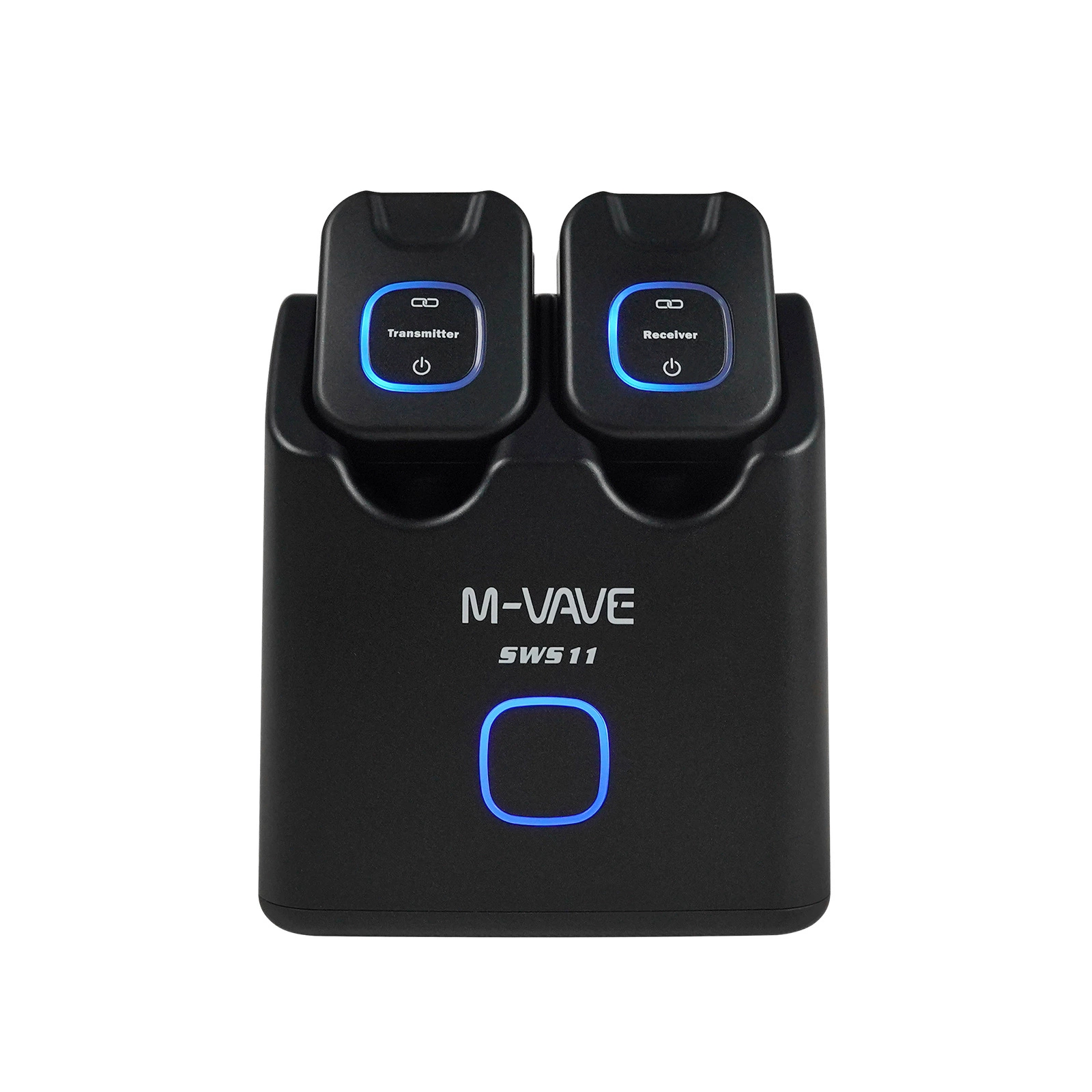
M-VAVE SWS11 2.4Ghz Wireless Guitar Audio System Rechargeable Transmitter Receiver with Charging Base
A rechargeable wireless system for acoustic-electric folk guitars, worship teams, buskers and retailers selling stage-ready bundles.
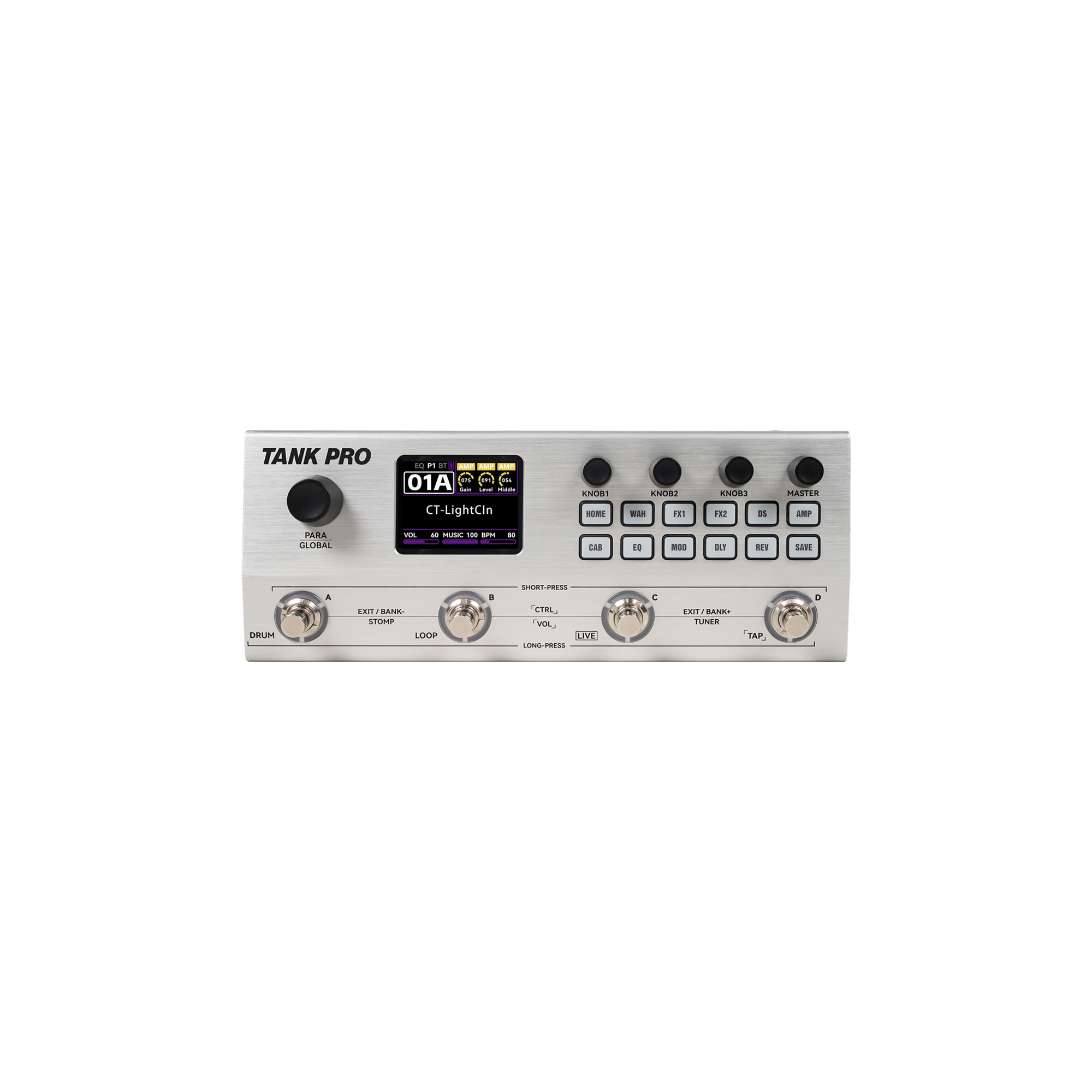
Tank Pro Metal Guitar Multi Effects Processor with ANN Third-Party IR Loading OTG Internal Recording
A feature-rich multi-effects processor with third-party IR loading and OTG recording, aimed at guitar retailers and content-led music brands.
Top Trusted Folk Guitar Suppliers & Wholesaler: What Commercial Buyers Evaluate
Most searches for a trusted folk guitar supplier begin as a commercial investigation rather than a casual product browse. The buyer usually needs a repeatable assortment, predictable quality and a supplier who can document capabilities before a purchase order is issued.
A distributor may need a stable 40-inch or 41-inch beginner acoustic folk guitar for school programs. A private-label brand may want a solid-top or acoustic-electric model with its logo on the headstock and retail-ready packaging. A music retailer may be testing whether a Chinese wholesaler can combine guitars, straps, wireless systems and display fixtures in one shipment. The common thread is not the lowest unit price alone; it is supply reliability, specification clarity and evidence of export experience.
WPI Music Supply treats folk guitar wholesale as an assortment problem rather than a one-SKU transaction. Buyers can evaluate acoustic folk guitars, classical guitars, accessories and adjacent instruments in one sourcing plan, which reduces supplier management cost and improves container utilisation. That is especially valuable for importers who want to protect cash flow while still presenting a credible instrument category to their own customers.
| Buyer Intent | Evidence to Request | Procurement Judgment |
|---|---|---|
| Low-MOQ trial order | MOQ by model, sample lead time, courier cost, mixed-order policy and reorder lead time. | A supplier that explains trade-offs clearly is usually safer than one that promises every model at one piece without process detail. |
| Private-label OEM guitar program | Logo method, headstock marking, sound-hole label, packaging artwork, minimum per colour and sample approval. | Ask for photos of previous logo work and packaging, not only a price list. |
| Repeatable quality | Pre-shipment inspection checklist, tuning stability checks, fret finish, action, neck relief and humidity packing. | Quality is a process claim. It should be tied to inspection records or a documented QC routine. |
| Export delivery confidence | FOB, CIF, DDP or express options, accepted payment terms, inspection documents, spare parts and carton data. | A wholesaler should match your landed-cost model, not force one shipping term on every buyer. |
Years in the musical instrument industry
Annual export sales, third-party assessed
Orders shipped in the last 6 months
Verified inquiry response rate
Average buyer rating from verified transactions
A Practical Starter Allocation for a Folk Guitar Container
New wholesale buyers often over-index on one low-price guitar model. A better first container balances core inventory, higher-value upgrades and accessory attachment so that the catalogue can sell through across multiple customer profiles.
40% Core Beginner Folk Guitars
Focus on 40-inch and 41-inch basswood or linden beginner models. These remain the volume backbone for schools, starter retailers and online bundles.
25% Acoustic-Electric Upgrades
Cutaway folk guitars with EQ and pickup systems appeal to stage, worship and content-creation buyers who can accept a higher retail price.
20% Accessories & Add-Ons
Straps, wireless systems, capos, stands and multi-effects processors lift order value and protect margin when instrument prices are under pressure.
15% Adjacent Instruments
Keyboards, percussion, synthesizers and display fixtures help retailers serve lesson studios and gift channels without adding another supplier.
Future Procurement Trends in Folk Guitar Wholesale
Buyers are moving toward smaller test orders, faster reorder cycles and suppliers who can support both private label and mixed-category consolidation. The following procurement shifts are especially relevant for distributors and retail brands planning the next 12 to 24 months.
Consolidated Sourcing
Importers are reducing supplier count and asking one partner to coordinate guitars, accessories and adjacent instruments. Consolidated sourcing reduces inspection and communication overhead.
Low-MOQ Testing
Retailers want to validate finishes, body sizes and price points before committing to larger production runs. Low-MOQ sampling and staged reorders are becoming standard.
Private Label as Default
Logos, sound-hole labels, gig bags and cartons are increasingly part of the base quote rather than a later add-on. Buyers expect packaging that can support local marketplaces.
Content-Ready Products
Online lessons, social commerce and worship channels reward products with clear use cases. Acoustic-electric guitars and recording-friendly accessories are easier to market.
Demand Signals Buyers Should Watch
Directional signals drawn from typical wholesale inquiry patterns. Use them as a planning prompt, not a substitute for your own sell-through data.
Product Development Trends Shaping the Next Folk Guitar Line
Folk guitar development is no longer only about copying a standard dreadnought shape. Buyers are asking for differentiated finishes, more comfortable playing geometry, practical electronics and retail-ready bundles that perform both in-store and online.
Comfort-First Body Shapes
Smaller bodies, thinner depth options and shorter-scale designs are gaining traction with younger players and players who practice in compact spaces.
Value-Tier Solid Tops
Solid spruce or alternative top constructions remain a clear upgrade story for stores that need a mid-price step above beginner laminate guitars.
Finish & Hardware Customisation
Headstock shape, binding, rosette, colour, tuning machines and pickup choices are becoming practical differentiators for private-label brands.
Practice & Stage Ecosystem
Wireless systems, multi-effects units and recording-capable processors help retailers sell a complete playing solution rather than a standalone guitar.
For a private-label buyer, the most commercially useful development brief is often specific: a 41-inch cutaway folk guitar with a solid spruce top, a particular headstock logo, an EQ option, a padded gig bag and a colour palette that matches the brand’s online catalogue. That level of detail allows the supplier to recommend materials, sampling steps and packaging without guessing. WPI’s assessed customisation scope includes sample-based customisation, minor customisation such as logo, packaging and graphics, design-based customisation and full customisation, which gives buyers a realistic path from a trial sample to a repeatable line.
How to Evaluate a Trusted Folk Guitar Supplier Before You Order
Trust is not a badge alone. It is a chain of evidence: legal identity, product knowledge, inspection routines, customisation proof and export responsiveness. Buyers should look for suppliers who can explain how each step is controlled.
Verified Business Identity
Check the company name, address, founding date and export history. An onsite assessment by a third party such as Intertek adds confidence beyond a self-written profile.
Documented Quality Control
Ask how finished-product inspection is performed. For folk guitars, appearance, fret ends, action, tuning stability, hardware and packaging all matter before shipment.
Customisation Evidence
Private-label capability should be demonstrated with real samples or photos: headstock marks, labels, gig bags, cartons, manuals and colour options.
Export Communication
A reliable wholesaler answers objections in writing, explains shipping terms and provides consistent product data. Fast but vague replies are a warning sign.
What the experience looks like in practice
WPI International Trade Co., Ltd. (Huizhou) began exporting musical instruments from Hong Kong in June 2010 and established its Huizhou, Guangdong operation in 2014. The company today has 28 team members, including 22 in trading and export roles, and is assessed as a multispecialty trading company with annual sales of US$9,000,000.
Its main markets are North America, Western Europe, Southeast Asia and South America. Recent trade activity includes 952 orders and more than US$370,000 in six months, while the average buyer rating is 4.6 out of 5. These are not vanity metrics; they help a procurement team estimate whether the supplier can handle repeat orders, communication and documentation at a commercial scale.
- Intertek onsite assessment covering premises, legal status and capabilities.
- Finished-product inspection before delivery.
- Sample-based, minor, design-based and full customisation options.
- Low MOQ and mixed-category orders for buyers testing new lines.

Company Advantages: Inside WPI Music Supply
WPI International Trade Co., Ltd. (Huizhou) combines a broad instrument catalogue with low-MOQ customisation, factory-direct sourcing and export support. The goal is long-term cooperation: consistent quality, reasonable pricing and market protection for buyers building a folk guitar or broader music-product range.
12+ Years of Export Experience
Instrument export activity began in June 2010, with the Huizhou operation established in 2014. That history supports realistic lead-time and documentation advice.
Intertek Onsite Assessed
Premises, legal status and capabilities have been verified onsite. Finished-product inspection before delivery covers appearance, hardware, tuning stability and packaging.
Low MOQ & Mixed Orders
Many instruments can start from one piece for sampling. Typical wholesale MOQs are 2–10 pieces per model, while small accessories may run from 20 to 600 sets.
OEM / ODM Customisation
Supported scopes include sample-based customisation, minor changes such as logo, packaging and graphics, design-based customisation and full customisation.
Wide Instrument Catalogue
Guitars, ukuleles, violins, cellos, saxophones, clarinets, drums, keyboards, tongue drums and accessories can be consolidated with one supplier.
Factory-Direct Guangdong Network
Long-term partner workshops in Guangdong support factory pricing, sampling and production follow-up for private-label instrument programs.
One-Stop Consolidation
Buyers can combine folk guitars, straps, wireless systems, percussion, keyboards and display accessories in one container with end-to-end logistics support.
Responsive Buyer Support
A 97.73% inquiry response rate and named account management help buyers move from quotation to sampling, inspection and repeat orders with less friction.
Wholesale Procurement FAQ
These answers address the questions most often raised by importers, distributors, retailers and private-label brands evaluating a folk guitar supply program.
What should a retailer verify before choosing a trusted folk guitar wholesaler?
Verify the legal entity, business address, export history, product range, MOQ policy, inspection routine and customisation capability. Ask for clear answers in writing, and request evidence such as an onsite assessment report, sample photos, packaging examples and previous order references where available. A trustworthy supplier should be comfortable explaining what it controls and what depends on the buyer’s specification.
What is the usual MOQ and sample process for folk guitars?
Many guitars, ukuleles, violins and saxophones can be ordered from one piece for sampling. Typical wholesale MOQs are 2–10 pieces per model for instruments, while strings and small accessories may require 20–600 sets. Buyers testing a new market should approve a pre-production sample, confirm colour and hardware, then scale to a mixed-category order rather than committing to a large single-SKU purchase immediately.
How can buyers reduce quality risk on a folk guitar order?
Start with a written specification covering body size, top material, back and sides, neck profile, fret finish, action, tuning machines, pickup or EQ option, finish colour, logo placement and packaging. Approve a sample before mass production and request finished-product inspection before delivery. For folk guitars, checks should include appearance, hardware, neck relief, fret ends, tuning stability and carton protection.
Which folk guitar sizes and materials are most commercially relevant?
For many retail and school channels, 40-inch and 41-inch folk guitars cover the largest share of beginner and adult demand. Smaller 38-inch or compact body options suit younger players and travel-focused ranges. Basswood and linden laminates are common entry-level choices, while solid spruce tops create a clear step-up story. Classical nylon-string models and acoustic-electric cutaways should be planned as separate SKUs rather than variations of the same listing.
Can a wholesaler support private-label OEM/ODM guitars and packaging?
Yes. WPI’s assessed capabilities include sample-based customisation, minor customisation such as logo, packaging and graphics, design-based customisation and full customisation. A practical private-label brief may include headstock wording, sound-hole label, finish colour, EQ choice, gig-bag branding, carton artwork and an English user manual. Buyers should confirm minimum quantities per colour and per packaging version before finalising the assortment.
What payment, shipping and delivery terms are typical?
Common payment methods include T/T, L/C, D/P, D/A, MoneyGram, credit card, PayPal, Western Union, cash and escrow. Delivery terms can include FOB, CFR, CIF, EXW, FAS, CIP, FCA, CPT, DEQ, DDP, DDU, DAF, DES and express delivery. The right choice depends on your landed-cost model, customs experience and whether you prefer to control freight forwarders directly. WPI is located at 2313, Saige Building, Huizhou, Guangdong, China, and exports mainly to North America, Western Europe, Southeast Asia and South America.
Request a Folk Guitar Wholesale Quote
Share your target market, preferred sizes, estimated quantities, logo and packaging requirements, pickup or EQ preferences and delivery terms. The WPI team can recommend models, sampling steps and a mixed-category order structure that fits your first container or reorder plan.
Low MOQ · OEM / ODM · Intertek onsite assessed · Export support for North America, Western Europe, Southeast Asia and South America