8 High-Velocity Products for Bass-Led Retail & School Programs
Bass guitar buyers rarely order one category in isolation. Distributors, music schools, online retailers and private-label brands bundle electric bass guitars with percussion, recording accessories, portable amplifiers, keyboards, wellness percussion and practice-room essentials to build a more efficient container. The eight products below reflect that real-world buying behavior and show how WPI International Trade Co., Ltd. (Huizhou) supports multi-category sourcing for buyers who also need electric bass guitar factory coordination.
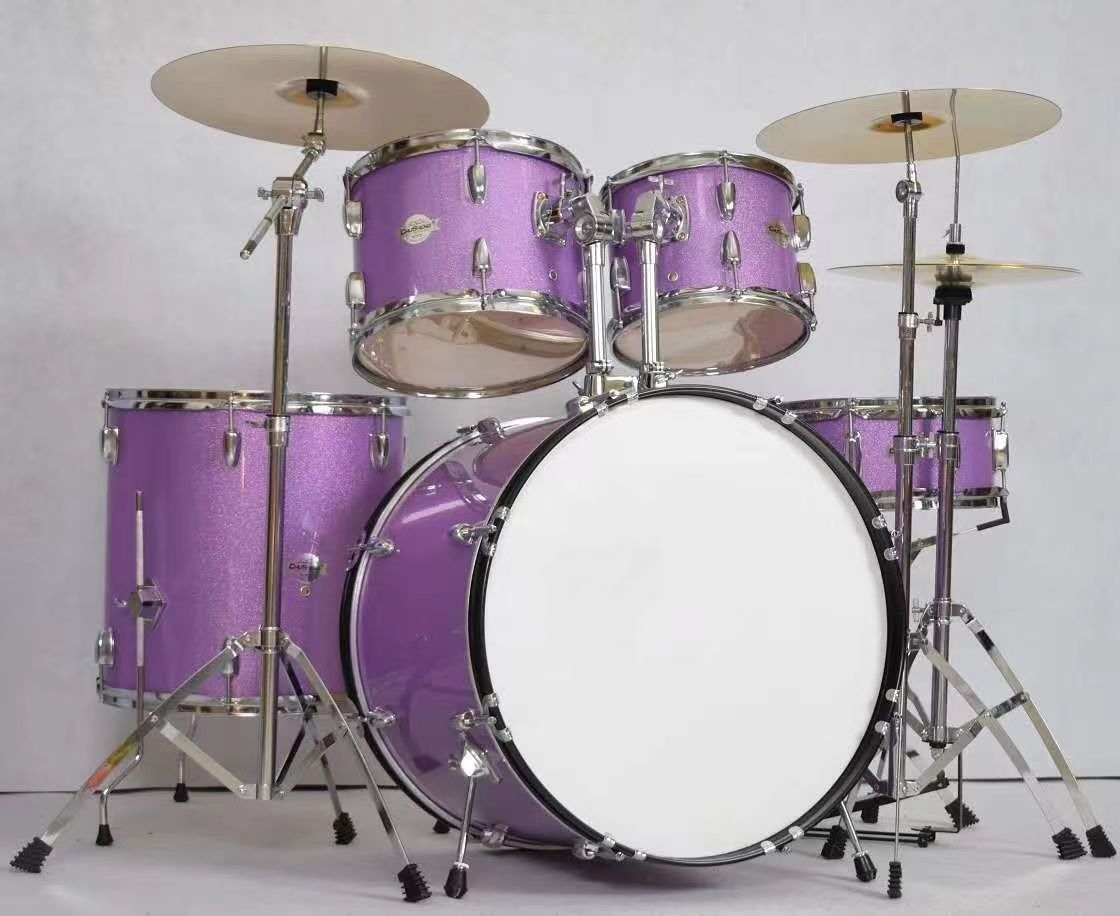
Hot Selling Ordinary 5 Drums 3 Cymbals Adult Drum Set Jazz Drum
A complete jazz drum configuration for school bands, local music shops and education suppliers that want to consolidate percussion with bass guitar orders.
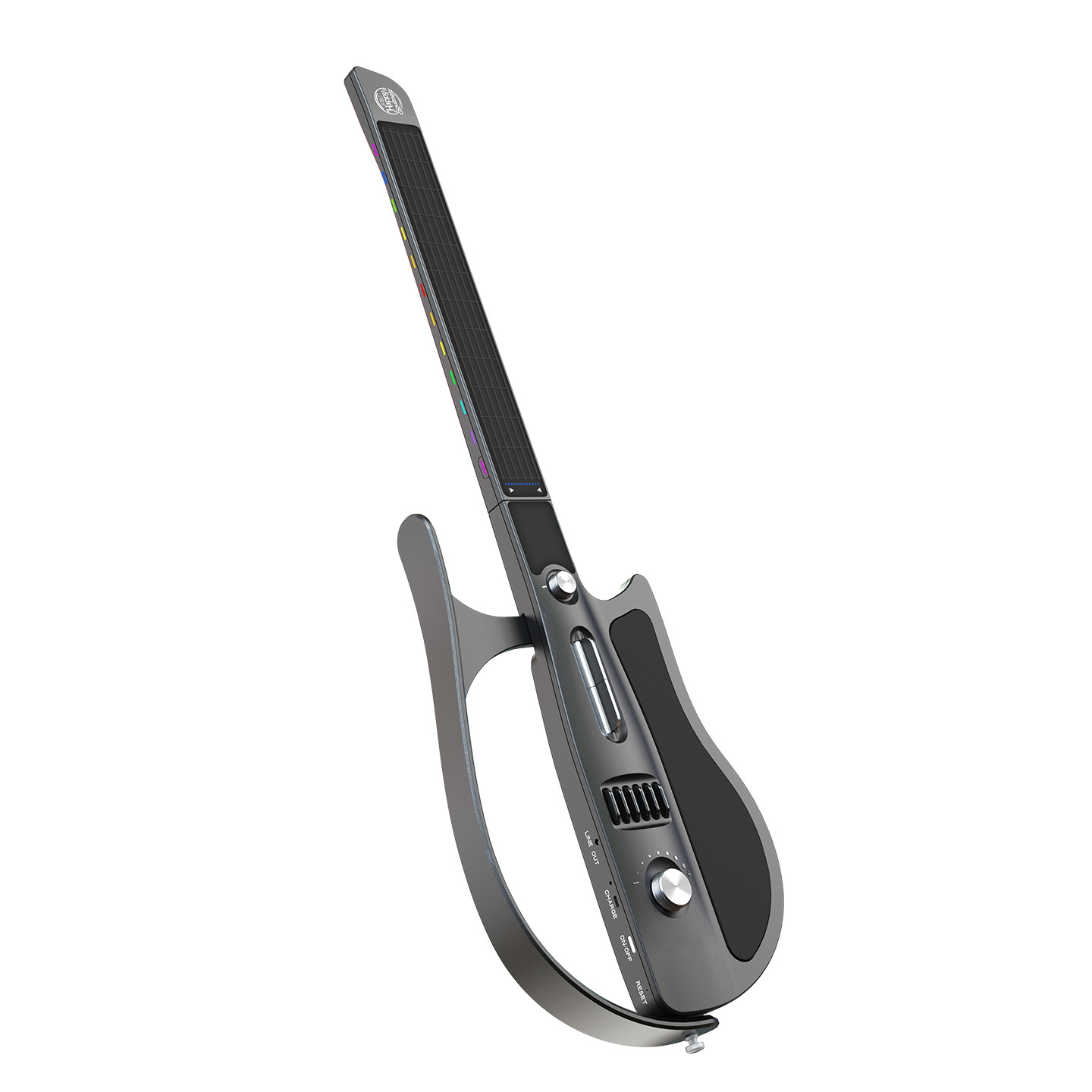
Hot Selling N1 Smart Accompaniment Stringless Guitar Smart Guitar Travel Guitar
A travel-friendly, app-ready instrument for creators and gift-focused channels; useful for testing demand for smart accompaniment products beside your bass assortment.

8 Inch African Djembe Drum, Lightweight PVC Fabric Hand Drum for Kids & Adults, Beginner Percussion Hand Beat Drum Wholesale
A lightweight beginner djembe for community music, schools and family retail; a strong add-on for buyers serving first-time musicians.
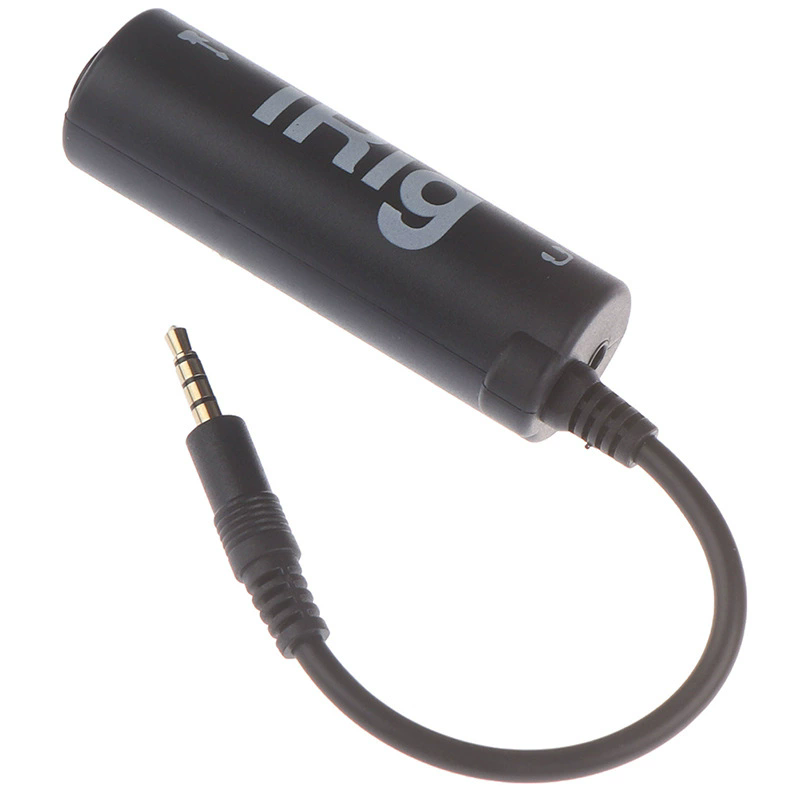
Wholesale 3.5mm Converter Guitar Bass Interface Converter Adapter for Phone Tablet Recording
A compact guitar and bass recording adapter for mobile content creation; a low-cost accessory that lifts average order value in bass and guitar bundles.
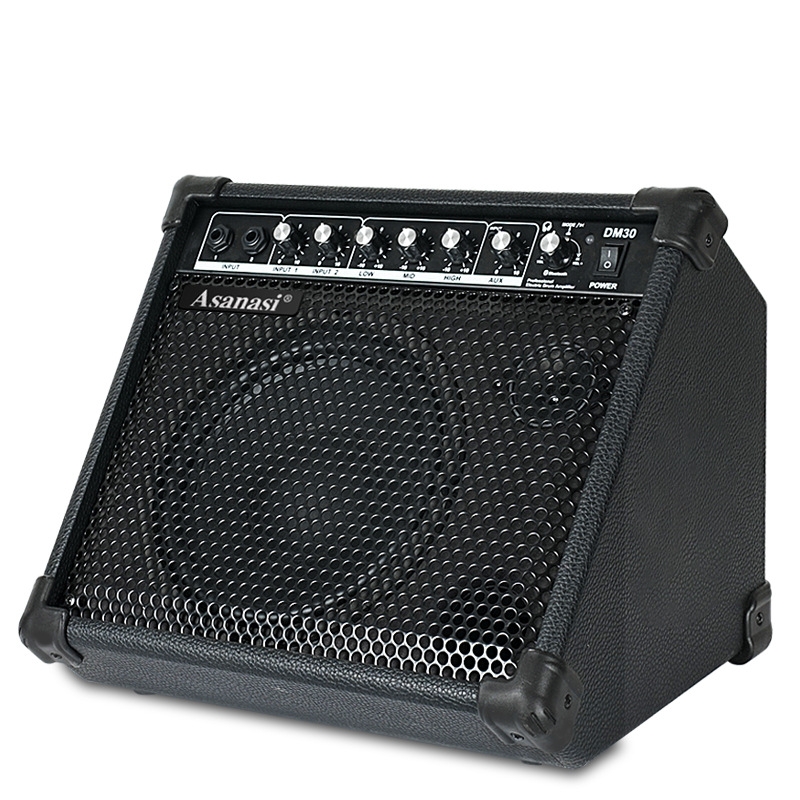
Wholesale Speakers Electronic Drums Rechargeable Portable Outdoor Wireless Stereo Amplifier
A rechargeable stereo amplifier for rehearsals, classrooms and outdoor practice; practical for buyers creating bundled starter packs.
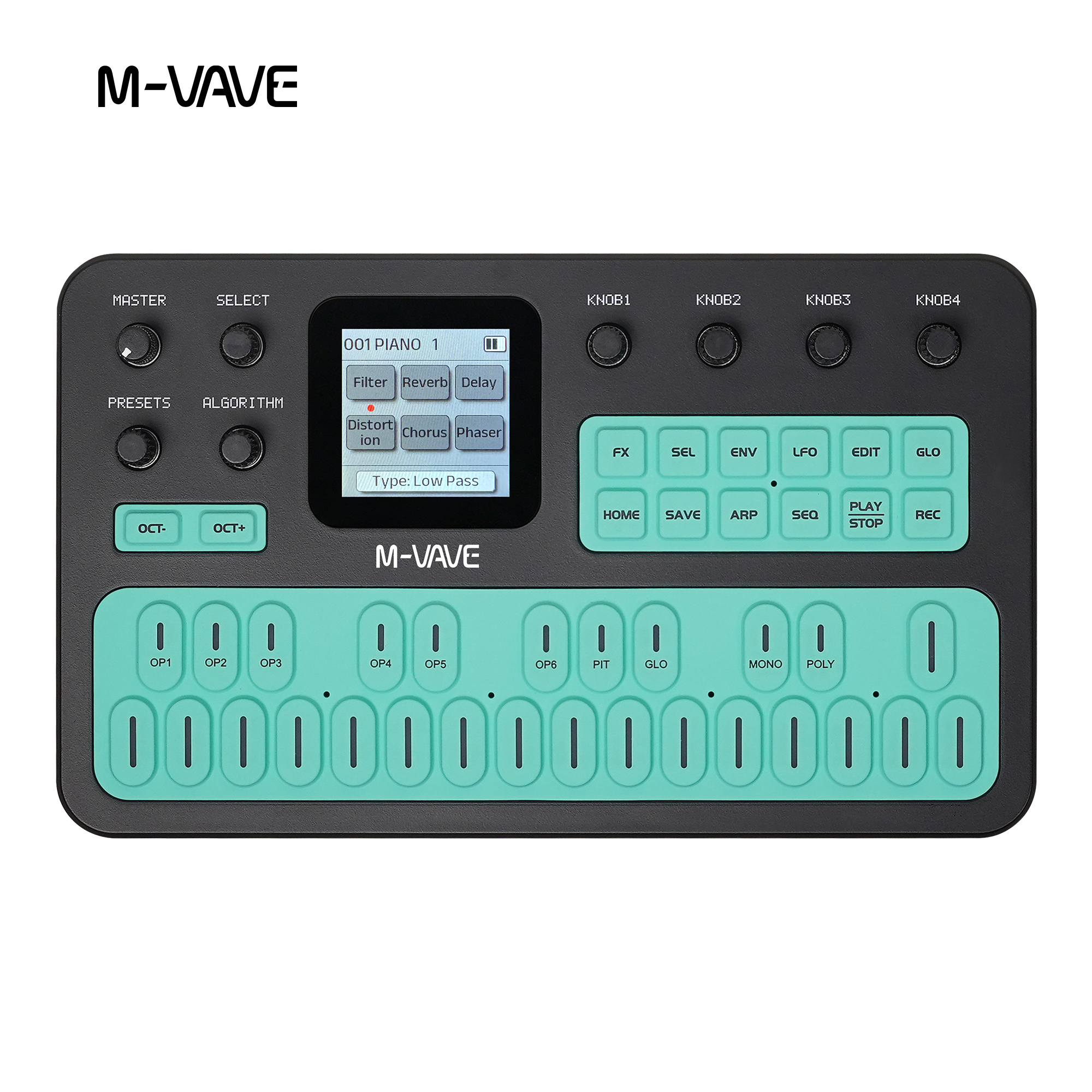
Factory Bestseller Portable M-VAVE FM-1 Synthesizer MIDI Digital FM Keyboard Screen Sequencer Arpeggiator Built-in Presets
A portable FM synthesizer for electronic music retail, content creators and home studios; supports modern instrument assortments beyond strings.
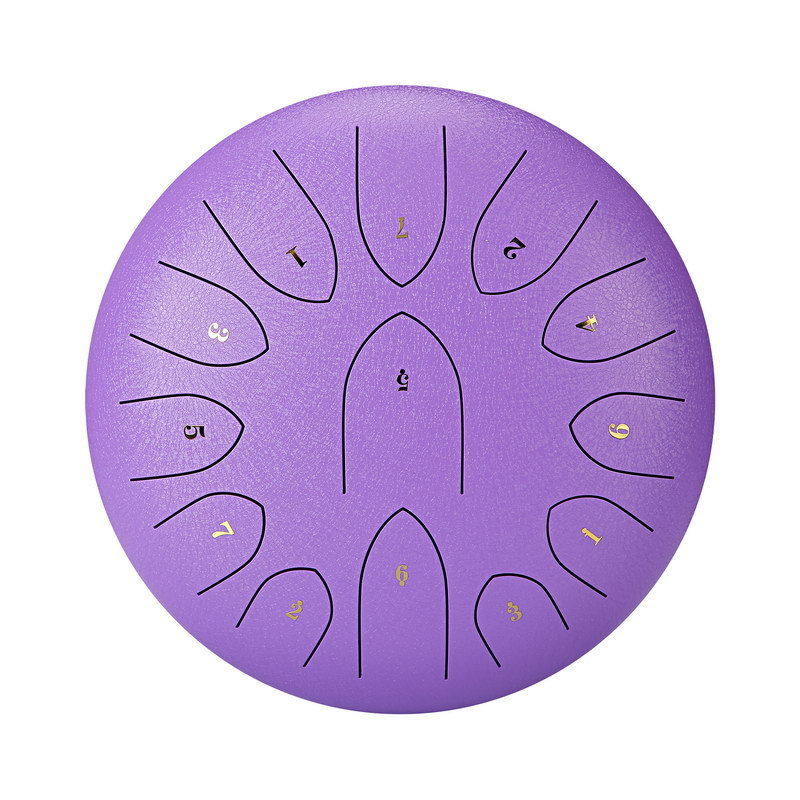
14 Inch Steel Tongue Drum, Handpan Drum, Mini Tank Drum Percussion Instrument, Complete Gift Set Wholesale
A high-margin gift and wellness instrument for music therapy, yoga studios and lifestyle retail; complements school and beginner instrument programs.
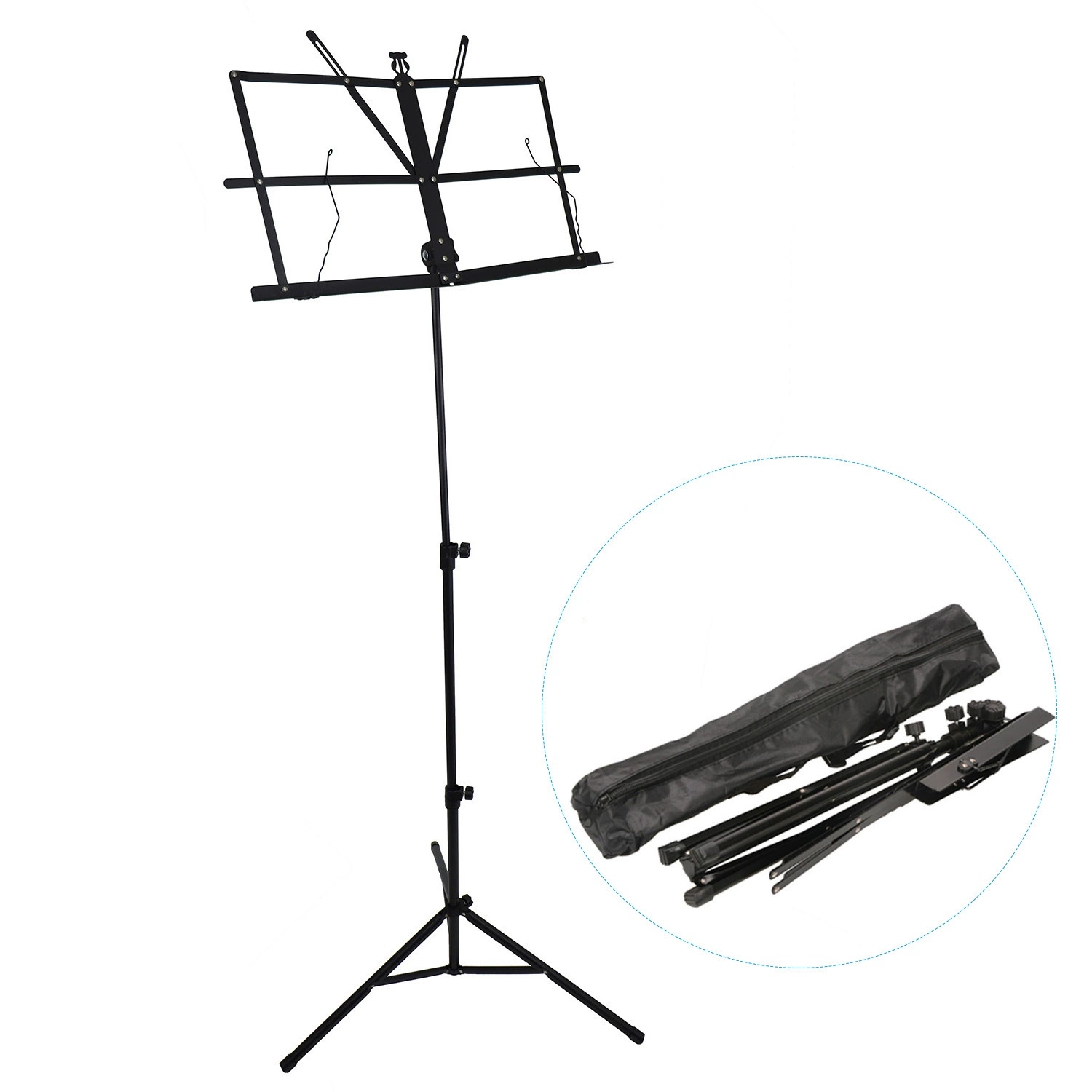
Factory Wholesale Small Size Portable Adjustable Music Stand With Bag
A portable adjustable music stand with bag for schools, orchestras and practice rooms; an easy accessory to add to bass guitar and lesson-based orders.
Need electric bass guitar models, OEM pickups, custom finishes or a mixed-category quotation?
Inquire NowA Factory-Connected Electric Bass Guitar Supplier with Measurable Export Discipline
WPI International Trade Co., Ltd. (Huizhou) is a musical instrument export and OEM/ODM supply company with a long-standing factory network in Guangdong. For electric bass guitar buyers, the advantage is not simply access to product photos; it is the ability to match specifications to capable production partners, compare bass guitar construction details, control quality before shipment and consolidate multiple instrument categories into one commercial program.
Our team began exporting musical instruments from Hong Kong in June 2010 and established the Huizhou, Guangdong operation in 2014. Today, a team of 28 people — including 22 in trading and export roles — supports importers, distributors, retailers and schools worldwide. Main markets include North America, Western Europe, Southeast Asia and South America.
For an electric bass guitar program, this means you can discuss body wood, neck construction, pickup configuration, preamp selection, hardware, finish, setup targets, logo application and packaging as one sourcing brief rather than as disconnected purchases. WPI’s broader catalog includes acoustic and electric guitars, ukuleles, violins and cellos, saxophones and clarinets, drum sets, steel tongue drums, keyboards and accessories — a useful range for distributors that need a balanced instrument assortment.
- Supplier assessed onsite by Intertek
- Finished-product inspection before delivery
- Sample-based, minor, design-based and full customization
- Low MOQ from 1 piece for sampling on many models
- Mixed-category container consolidation
- Trade terms covering FOB, CIF, DDP, EXW and express delivery
 Intertek onsite assessment · finished product inspection · verified export history

Electric Bass Guitar Recommendations by Buyer Segment
A trusted electric bass guitar factory should help you build a range, not just quote a single model. The right assortment balances scale length, pickup type, electronics, weight, finish and price architecture against the needs of schools, beginners, working players, content creators and private-label brands.
4-String PJ Bass
- 34-inch scale, alder or basswood body, maple neck
- PJ pickup set with passive electronics for familiar tone
- Comfortable action, stable truss rod and clean fretwork
- Best for first-time players, music schools and price-led retail
5-String Active Bass
- 34 or 35-inch scale with soapbar humbuckers
- 2-band or 3-band onboard EQ, active/passive switch option
- Black or chrome hardware and modern finish drops
- Best for rock, metal, gospel and session-oriented buyers
Short-Scale or Headless Bass
- 30-inch scale or compact headless design
- Lightweight chambered body and balance-focused layout
- Passive or active electronics with headphone-friendly accessory bundles
- Best for younger players, apartment practice and content creators
OEM/ODM Bass Program
- Custom headstock shape, logo, finish, pickguard and hardware color
- Pickup routes, preamp selection and control layout customization
- Serial labels, packaging, user manual and spare-parts planning
- Best for distributors, DTC brands and regional market specialists
What Separates a Trusted Electric Bass Factory from a Low-Cost Assembler
Electric bass guitars are deceptively simple in appearance and demanding in execution. A factory that can produce a convincing sample may still struggle with neck stability, fretwork consistency, electronics noise, finish cure, hardware alignment or setup discipline at volume. Buyers should evaluate the following areas before placing a repeat order.
Neck & Fretwork
Check fret level, crown and polish, nut slot height, truss-rod travel, neck pocket fit and string alignment. These details decide whether a bass feels trustworthy in a player’s hands.
Wood Selection & Stability
Ask about moisture content, grain orientation, laminations and drying discipline. A well-controlled basswood body can be commercially sound, while a poorly dried premium wood can still fail.
Pickups & Preamps
Request pickup BOM transparency, cavity shielding, pot taper, jack quality and preamp consistency. Noise-free electronics matter more than inflated output claims.
Hardware & Grounding
Bridge mass, tuner ratio, strap buttons, control plates and grounding paths should be checked as a system. Small hardware failures create disproportionate return rates.
Finish Consistency
Sanding, sealer, color matching and cure time affect both appearance and durability. For private-label programs, approve color chips and gloss level before mass production.
Setup & Final Play Test
Measure neck relief, action and intonation; set pickup height; test electronics; inspect binding, fret ends and hardware torque. A play test is a quality gate, not a final polish.
2026–2030 Electric Bass Procurement Trends Buyers Should Prepare For
Wholesale buyers are moving away from pure price comparisons toward risk-adjusted sourcing. The winning supplier relationship will combine credible factory access, small-batch flexibility, transparent specifications and reliable export execution.
Low-MOQ Testing and Mixed Containers
Retailers want to test bass models, colors and price points without committing to excessive stock. Suppliers that support sampling, low MOQs and mixed-category consolidation will win repeat orders from distributors and online sellers.
Private Label and DTC Content Commerce
Brands need custom logos, packaging, photography-ready finishes and stable repeat production. Social commerce and direct-to-consumer channels reward suppliers who can execute small color drops and consistent quality across reorders.
5-String and Modern Active Tone
Demand for extended-range bass guitars continues in rock, metal, gospel and session markets. Active electronics, soapbar pickups, black hardware and modern finishes are becoming mainstream retail expectations.
Short-Scale, Headless and Ergonomic Design
Younger players, travel users and creators are driving interest in compact, lightweight instruments. Short-scale and headless basses reduce physical barriers and create new bundle opportunities with recording adapters and portable amplifiers.
Compliance and Material Traceability
Bass buyers increasingly ask about rosewood alternatives, CITES exposure, FSC claims, finish chemicals and packaging documentation. A credible supplier should provide clear material declarations rather than vague assurances.
Landed Cost and Logistics Engineering
FOB price alone is no longer enough. Packaging dimensions, carton strength, container cube, spare parts, DDP options and after-sales response now shape the real procurement decision for electric bass guitar programs.
Where Electric Bass Guitar Design Is Moving Next
Factory capability is increasingly visible in product architecture. Buyers who understand design direction can brief suppliers more precisely and avoid a catalog that looks current today but outdated next season.
Modular Electronics
Quick-connect preamps, passive bypass, onboard headphone practice tools and flexible control layouts are becoming selling points for creators and modern players.
Material Alternatives
Roasted maple, composite necks, alternative fingerboard woods and stabilized materials help suppliers balance stability, compliance and visual differentiation.
Ergonomic Construction
Chambered bodies, multi-scale options, headless bridges and improved balance are moving from niche builds into broader wholesale programs.
Finish and Small-Batch Color
Satin finishes, color drops, relic-inspired looks and graphic tops help brands create content-ready product stories without abandoning proven bass platforms.
A Practical QC Workflow for Bass Guitar and Mixed-Instrument Orders
Quality control should be designed into the order, not discovered at the inspection table. WPI’s assessed capabilities include finished-product inspection, customization from sample through full development, and export documentation discipline.
Lock the Specification
Confirm body wood, scale length, pickup configuration, preamp, finish, logo, packaging and target price before sampling.
Match the Factory Route
Select the production partner by construction type, hardware sourcing, finishing capability and volume profile — not by price alone.
Approve the Sample
Evaluate neck feel, fretwork, electronics noise, balance, finish, hardware alignment, packaging and playability against written criteria.
Control In-Process Quality
Check wood preparation, neck fit, fretwork, cavity shielding, electronics assembly and finish cure before final assembly.
Inspect Finished Products
Review appearance, hardware, tuning stability, setup, intonation, packaging and accessories before delivery — covering both bass guitars and mixed-category items.
Validate Packaging & Shipping
Confirm carton strength, inner protection, barcode labels, master carton data and shipping terms for a predictable landed delivery.
12-Point Supplier Due Diligence Checklist for Electric Bass Buyers
Use this checklist when comparing electric bass guitar factories, trading companies and mixed-category suppliers. The goal is to expose execution risk before it becomes a container problem.
Why WPI Is a Practical Electric Bass Guitar Supplier for Wholesale Buyers
WPI combines export experience, multi-category depth and customization flexibility. For buyers sourcing electric bass guitars from China, that translates into a more efficient path from market requirement to shipped order.
Verifiable Export Credentials
Intertek onsite assessment, finished-product inspection, US$9M assessed annual export scale and 952 orders shipped in the last six months.
Factory-Connected Sourcing
Long-term partner workshops in Guangdong support guitar, percussion, keyboard, string and accessory categories with OEM and ODM development.
Low-MOQ Customization
Many instruments can be sampled from 1 piece, with typical production MOQs of 2–10 pieces per model and 20–600 sets for strings and small accessories.
One-Stop Order Consolidation
Combine electric bass guitar programs with percussion, stands, amplifiers, keyboards, tongue drums and accessories to reduce sourcing complexity.
Transparent Trade Terms
WPI supports practical payment and delivery options for wholesale buyers, subject to order and market requirements.
- Payment Methods
- T/T, L/C, D/P, D/A, MoneyGram, credit card, PayPal, Western Union, cash and escrow.
- Delivery Terms
- FOB, CFR, CIF, EXW, FAS, CIP, FCA, CPT, DEQ, DDP, DDU, DAF, DES and express delivery.
- Main Markets
- North America, Western Europe, Southeast Asia and South America.
- Customization Scope
- Sample-based customization, minor customization, design-based customization and full customization.
- Buyer Support
- Named account managers follow quotations, sampling, inspection and after-sales communication.
Electric Bass Guitar Wholesale & Supplier Questions
Clear answers for buyers comparing electric bass guitar factories, OEM suppliers and mixed-category musical instrument exporters.
What is the minimum order quantity for electric bass guitars and mixed instruments?
Many guitars, ukuleles, violins and saxophones can be ordered from 1 piece for sampling. Typical wholesale MOQs are 2–10 pieces per model for instruments and 20–600 sets for strings and small accessories. Mixed-category orders are welcome, and final MOQ depends on model, customization and production schedule.
Do you offer OEM and ODM electric bass guitar customization?
Yes. Assessed customization capabilities include sample-based customization, minor customization such as logo, packaging and graphics, design-based customization and full customization. For bass guitars, discuss headstock branding, finish, pickguard, hardware color, pickup configuration, preamp selection, control layout and packaging.
How do you control quality before shipment?
Every order should be checked before delivery for appearance, hardware, tuning stability, setup, electronics and packaging. WPI’s assessed capabilities include finished-product inspection, and the company has been assessed onsite by Intertek.
Which payment and delivery terms do you accept?
Payment methods include T/T, L/C, D/P, D/A, MoneyGram, credit card, PayPal, Western Union, cash and escrow. Delivery terms include FOB, CFR, CIF, EXW, FAS, CIP, FCA, CPT, DEQ, DDP, DDU, DAF, DES and express delivery.
Which markets do you export to?
Main markets are North America, Western Europe, Southeast Asia and South America. Product documentation, packaging language, voltage-related accessories and delivery terms can be discussed for each market.
Which electric bass model should a retailer stock first?
For most beginner and school channels, a 4-string PJ bass with passive electronics and a comfortable 34-inch scale is the safest first model. For modern retail, add a 5-string active bass. For creators and younger players, test a short-scale or headless model with lightweight construction and accessory bundles.
Can I order samples before committing to bulk production?
Yes. Sampling is a practical way to verify neck feel, fretwork, electronics noise, finish, hardware alignment, balance and packaging. Sample and production lead times are confirmed after specification, quantity and factory schedule are fixed.
Which adjacent products should I stock with bass guitars?
Common additions include recording adapters, portable amplifiers, music stands, drum sets, hand percussion, electronic keyboards and wellness percussion such as steel tongue drums. For school and beginner channels, 21-inch soprano and 23-inch concert ukuleles often cover a large share of beginner demand, while 26-inch tenor models suit adult players who want a fuller tone.
Ready to Compare Electric Bass Guitar Factories Without Guesswork?
Send your target market, body wood, pickup configuration, scale length, finish, logo, packaging, quantity and delivery term. WPI will help translate your requirement into a practical electric bass guitar and mixed-instrument sourcing plan.