Top Trusted Bass Guitar Factories & Wholesalers
A 2025 sourcing and product strategy guide for distributors, retailers, music schools and private-label brands — built on verified manufacturing evidence, low-MOQ flexibility, export-ready quality control and transparent commercial terms.
8 Product Lines That Support Bass Guitar Retail & Wholesale
A trusted bass guitar programme is not built on instruments alone. Retailers and distributors also need high-turn accessories, recording tools, practice products and stage electronics that increase basket size and improve after-sales satisfaction. The products below are drawn from WPI’s verified musical instrument supply catalogue.
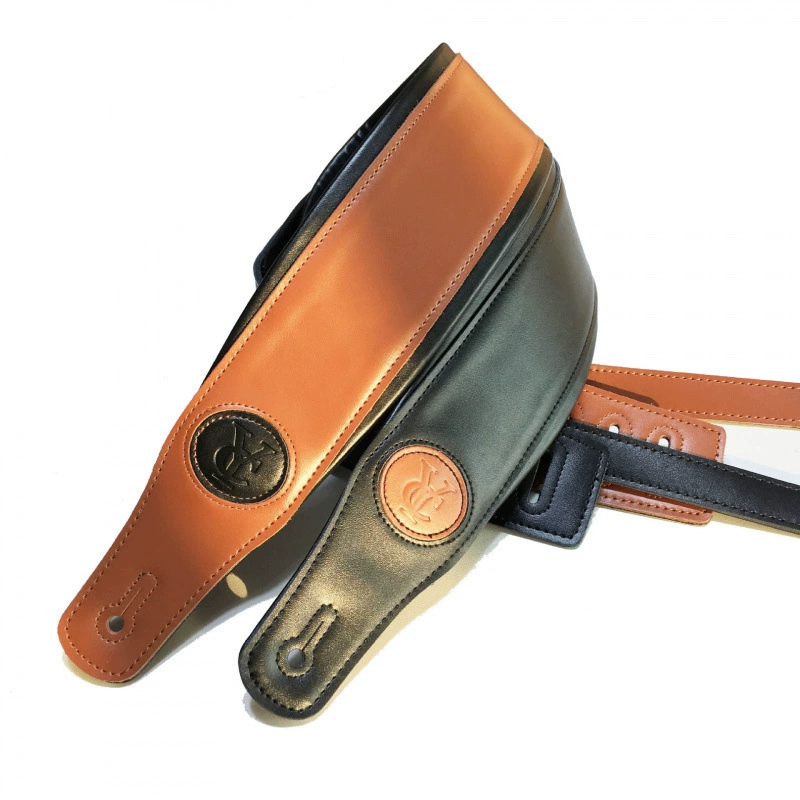
Wholesale Wide Padded Cowhide PU Leather Adjustable Soft Guitar Shoulder Strap for Acoustic Electric Bass Guitar
Wide padded support for long bass rehearsals, stage work and high-turn accessory bundles.
View Product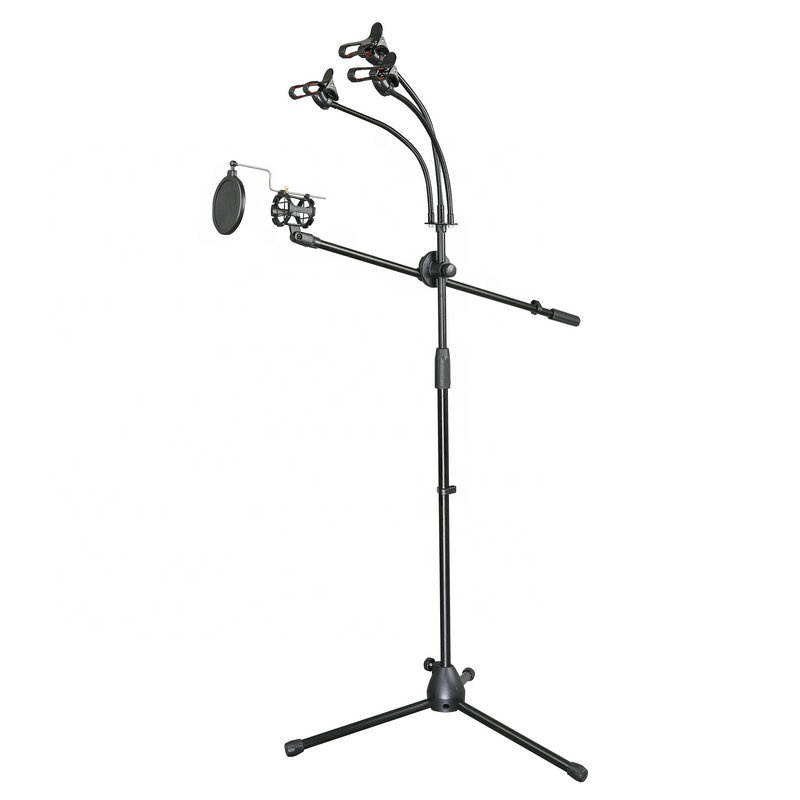
Three Mobile Phones with Horizontal Bars for Live Streaming, Floor Standing Three Legged Microphone Stand
Stable floor stand for bass demos, lessons, live selling and multi-platform content capture.
View Product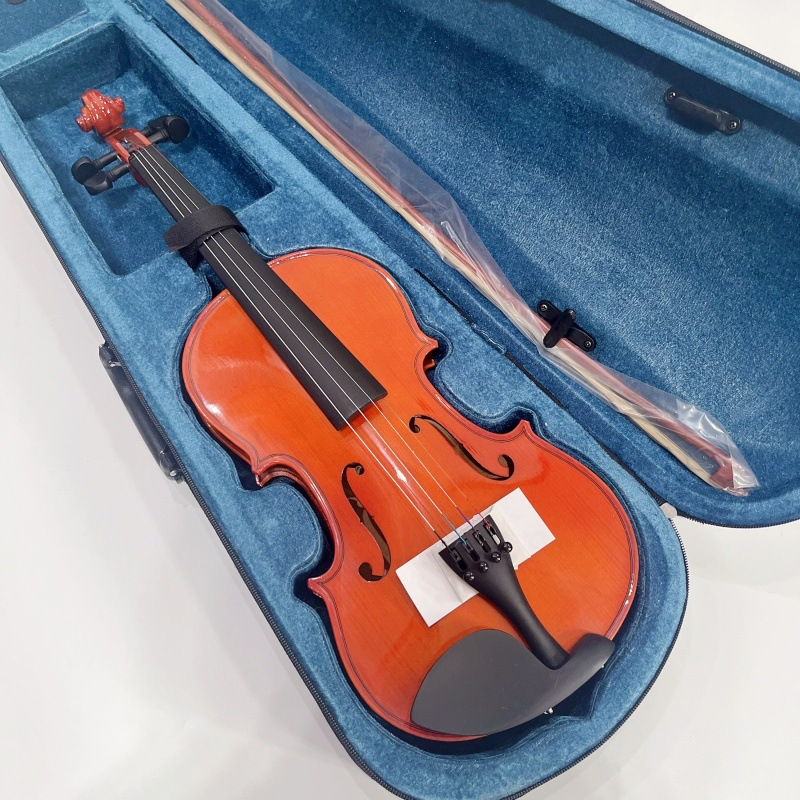
4/4 Full Size Solid Spruce Top Violin, Adult Beginner Violin, Solid Wood Student Violin Musical Instrument Wholesale
Student string instrument that supports school music programmes and orchestral supply projects.
View Product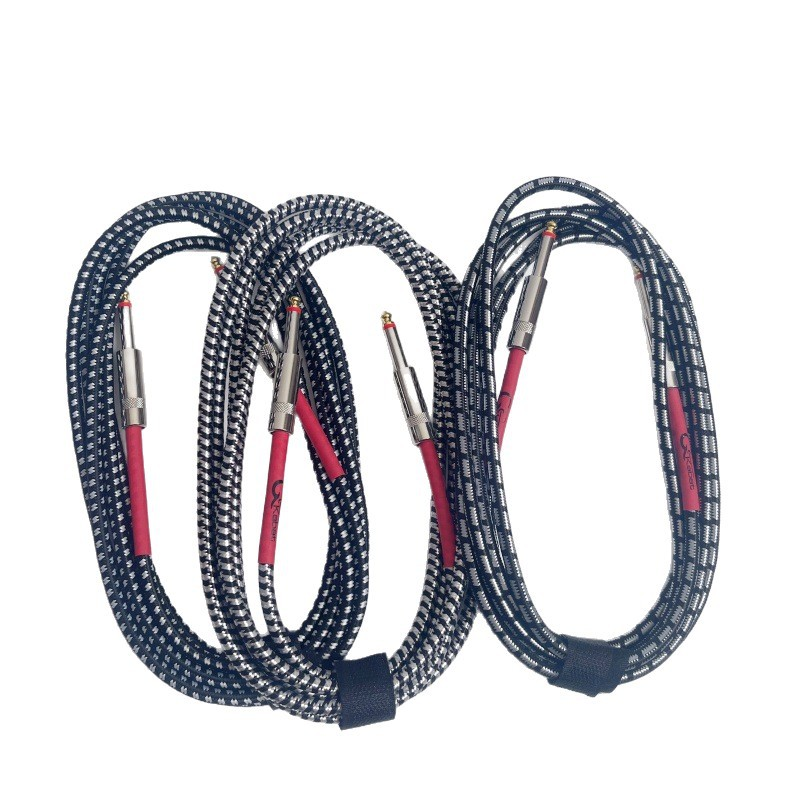
Braided Guitar Cable, 6.35mm Male to Male Noise Reduction Audio Cord for Bass, Instrument Connection Wire Wholesale
Shielded braided cable for bass, guitar and stage connections where signal stability matters.
View Product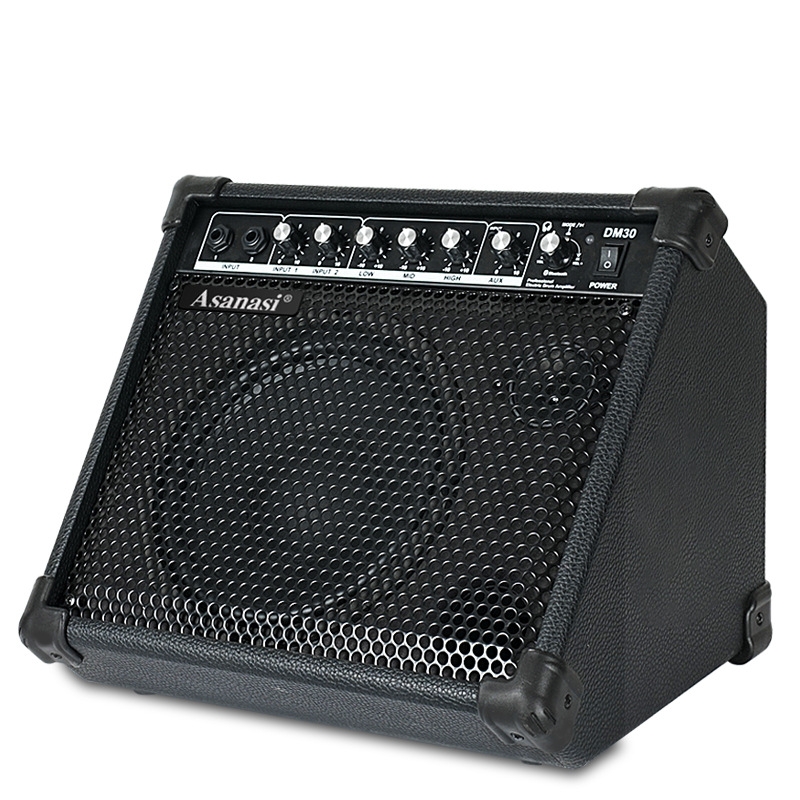
Wholesale Speakers Electronic Drums Rechargeable Portable Outdoor Wireless Stereo Amplifier
Portable amplification for electronic drums, busking, rehearsal rooms and small performance spaces.
View Product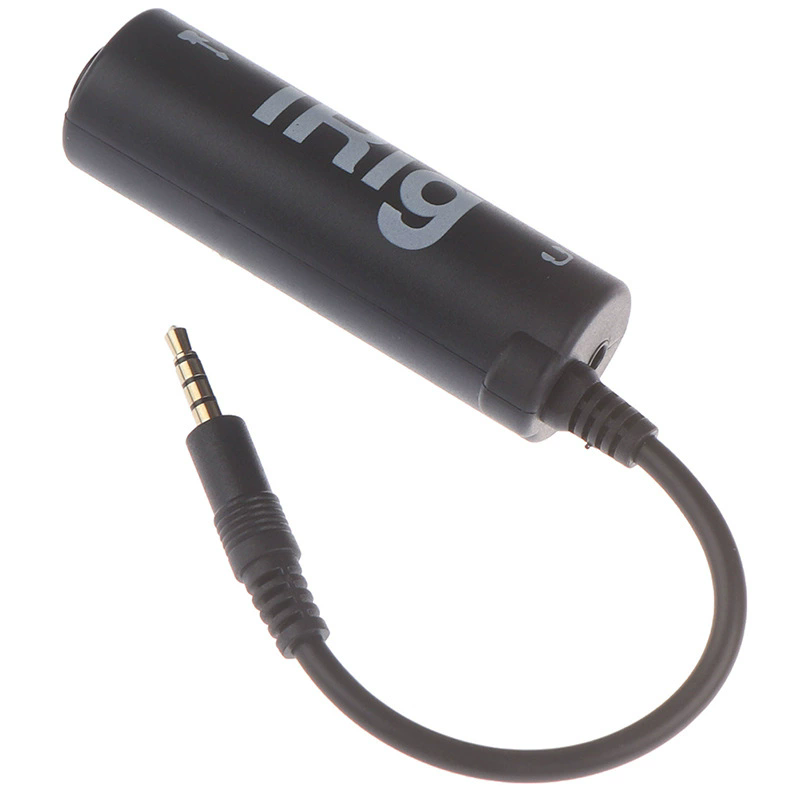
Wholesale 3.5mm Converter Guitar Bass Interface Converter Adapter for Phone Tablet Recording
Phone and tablet recording adapter for bass practice capture, lesson content and quick demos.
View Product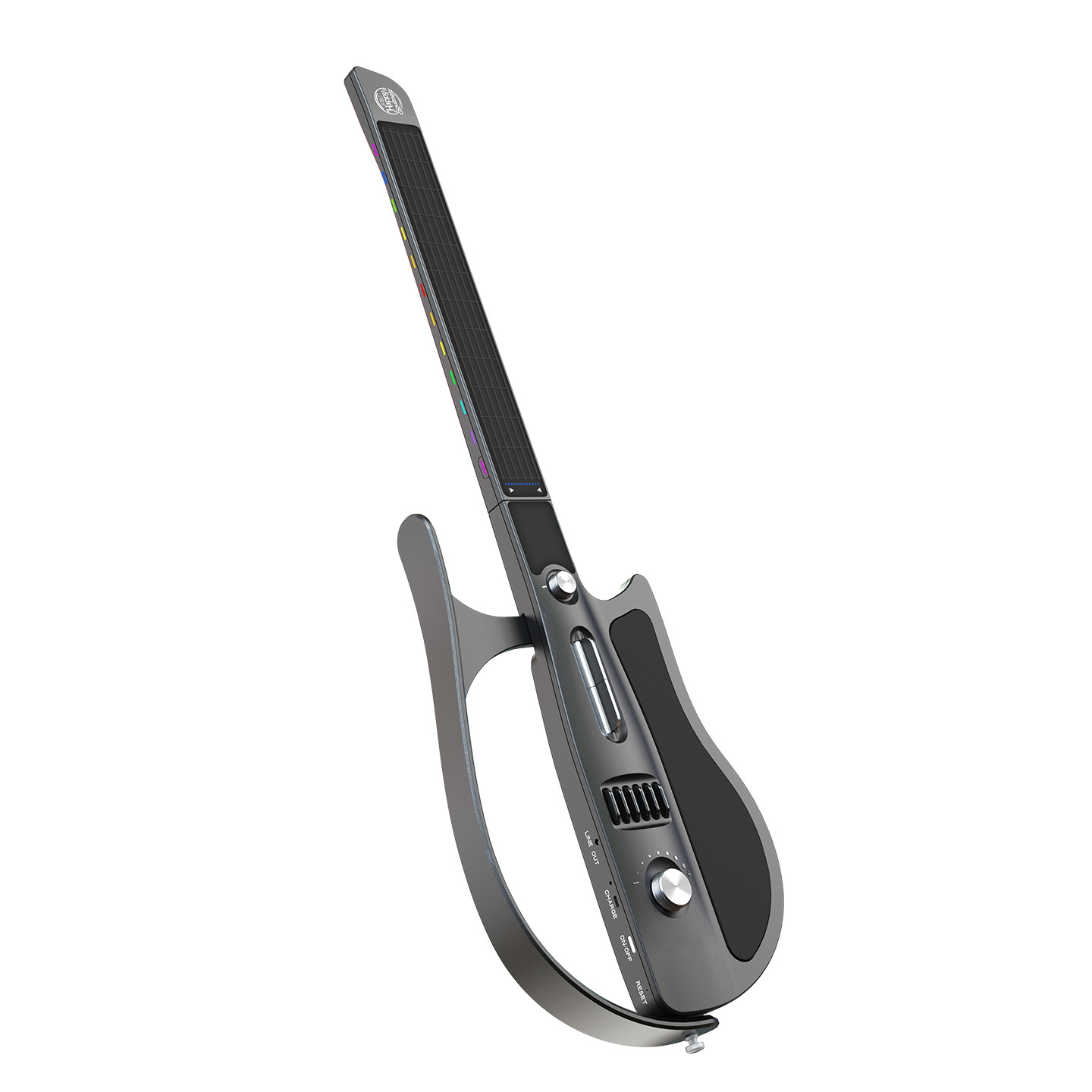
Hot Selling N1 Smart Accompaniment Stringless Guitar Smart Guitar Travel Guitar
Travel-friendly smart instrument for modern beginner channels, lifestyle retail and content creation.
View Product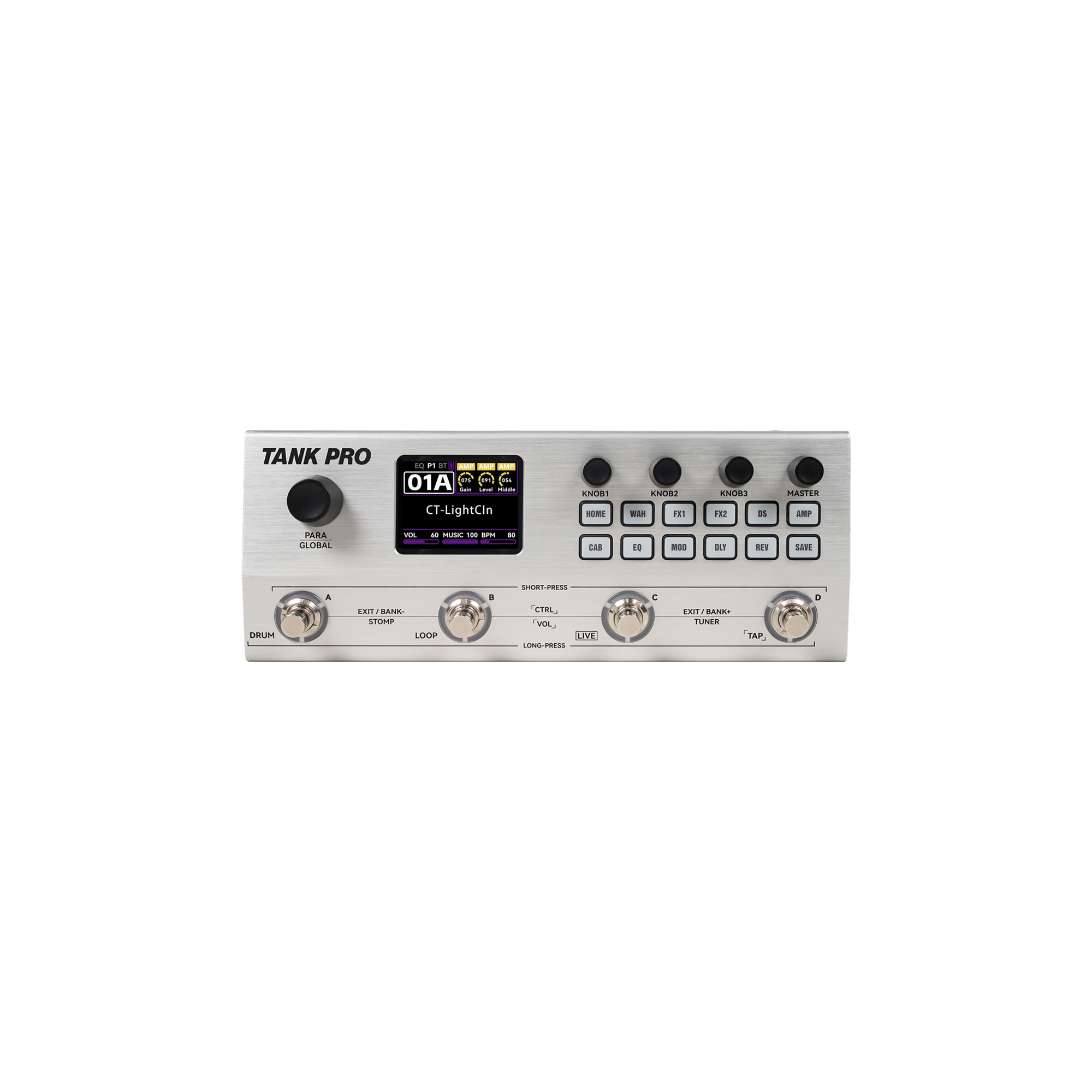
Tank Pro Metal Guitar Multi Effects Processor with ANN Third-Party IR Loading OTG Internal Recording
IR-loading multi-effects processor for bass and guitar tone shaping, recording and modern practice rigs.
View ProductTop Trusted Bass Guitar Factories & Wholesalers: What the 2025 Buyer Should Know
Trust is not a logo on a website. It is a chain of evidence that connects product specifications, manufacturing controls, commercial terms and repeat-order performance.
A bass guitar is not a commodity purchase. Compared with entry-level guitars, bass instruments usually carry higher string tension, longer scale lengths, stricter neck-stability requirements and greater expectations around pickup output, shielding, bridge adjustment and fretwork. Buyers searching for top trusted bass guitar factories and wholesalers are therefore not simply comparing price lists. They are trying to reduce risk across sampling, bulk production, packaging, shipping and after-sales support.
For distributors, retailers and private-label brands, the most reliable sourcing decision follows a four-layer due-diligence model: legal and onsite identity, manufacturing and quality-control capability, component and specification traceability, and commercial terms with repeatable after-sales discipline. A supplier that can document all four layers is usually a better long-term partner than one that offers a low quotation without verifiable production evidence.
Information gain matters here. A serious buyer should normalise specifications before comparing FOB prices. Confirm scale length, body wood, neck construction, fret count, pickup configuration, preamp type, bridge and tuner specification, setup standard, packaging method and spare-parts policy. Two bass guitar quotes can look similar while representing very different landed costs once packaging, inspection, replacement parts and rework risk are included.
This is also where E-E-A-T becomes practical. Experience is demonstrated by years of export orders and trade-show participation. Expertise is demonstrated by the ability to discuss bass specifications with precision. Authority is supported by third-party onsite assessment and transparent company information. Trust is supported by response rates, buyer ratings, inspection procedures, payment terms and the willingness to document every commitment before deposit.
Onsite Verification & Business Transparency
A trusted bass guitar factory or wholesaler should be identifiable as a real operating business. Look for an onsite assessment, verifiable address, legal company name, product-line history and clear contact routes. Intertek onsite assessment is a meaningful signal because it reduces the gap between a polished catalogue and an actual supply organisation.
Wood Selection, Neck Stability & Climate Control
Bass necks must remain stable under higher tension. Buyers should ask how wood is dried, how neck blanks are stored and how fretboards are matched to neck profiles. Consistency in moisture content and machining tolerance matters more than a long list of tonewood names, especially for repeat orders shipped across different climates.
Fretwork, Setup & Playability Standards
A bass can pass a visual inspection and still fail at retail if fret ends are sharp, action is inconsistent or the nut is poorly cut. Trusted suppliers define a setup standard for action height, relief, intonation and pickup height, then inspect against that standard before packing. These details reduce returns and dealer rework costs.
Pickups, Preamps & Hardware Reliability
Active bass models require disciplined electronics assembly: clean shielding, stable cavity routing, secure battery access, consistent jack tension and correctly matched preamp wiring. Hardware such as bridges, tuners and string retainers should be checked for fit, finish and adjustment range. Small failures here create disproportionate after-sales friction.
Pre-Shipment Inspection & Packaging Validation
Finished-product inspection should cover appearance, hardware, tuning stability, electronics function, accessory completeness and packaging. For bass guitars, drop-protection and carton strength are especially important because a single neck-impact issue can turn a profitable order into a replacement claim. Ask for inspection evidence before balance payment.
OEM/ODM Documentation & Repeat-Order Discipline
Private-label bass programmes require more than a logo on a headstock. Buyers need approved samples, specification sheets, colour standards, packaging artwork, barcode rules, spare-part percentages and change-control procedures. A supplier with documented OEM/ODM processes protects consistency when a model is reordered months later.
Bass Guitar Wholesale Procurement Trends for 2025–2030
The next sourcing cycle will reward buyers who combine market speed with verification. Cost remains important, but supplier reliability and inventory agility are becoming equally decisive.
Low MOQ & Mixed Orders
Retailers increasingly test multiple body colours, pickup configurations and price points without overcommitting to one SKU. Low-MOQ sampling, mixed-category consolidation and flexible reorder quantities reduce inventory risk while keeping shelf presentation fresh.
Verified Data & Audit Trails
Buyers now expect more than photos. Onsite assessment, inspection records, export history, transaction ratings and documented communication are becoming part of normal supplier comparison. Digital evidence shortens due diligence and supports internal procurement approval.
Private Label as Standard
Private-label programmes are moving from premium experiments to mainstream wholesale strategy. Logos, headstock marks, packaging, manuals, barcodes and model naming can all be localised for different retail channels and online marketplaces.
Inventory Velocity & Regional Replenishment
Wholesalers that can support fast replenishment, spare parts and consistent specifications will win repeat orders. Buyers are reducing slow-moving depth and increasing the number of models that can be reordered quickly across North America, Europe, Southeast Asia and South America.
How Bass Guitar Products Are Evolving
Bass guitar development is being shaped by lighter materials, recording-ready electronics, modern ergonomics and the integration of practice tools with physical instruments.
Lighter Bodies & Alternative Tonewoods
Long rehearsals and stage mobility are pushing demand for lighter body woods, chambered constructions and stable alternative materials. The goal is not simply lower weight, but predictable balance, sustain and neck stability across different shipping climates.
Recording-Ready Electronics
Active preamps, silent outputs, headphone practice and phone/tablet recording are becoming mainstream expectations. Accessories such as the 3.5mm converter and braided audio cable show how buyers can create a complete “practice-to-recording” bundle around a bass guitar.
Modern Ergonomics & Travel Formats
Multi-scale, headless, chambered and travel-oriented instruments continue to attract younger players and urban musicians. Smart products such as the N1 stringless guitar also show how physical instruments can overlap with guided practice, accompaniment and lifestyle retail.
Effects Integration & IR Workflows
Multi-effects processors with third-party IR loading, OTG recording and internal capture are changing how players shape tone at home and on stage. Products such as the Tank Pro processor allow wholesalers to package instruments with tone tools and recording accessories.
Common Questions From Serious Buyers
These answers reflect the commercial and quality-control questions that distributors, retailers, schools and private-label brands usually raise before placing a bass guitar or accessory order.
What is the typical MOQ for wholesale bass guitars and related products?
Many instruments can be ordered from 1 piece for sampling. Typical wholesale MOQs are 2–10 pieces per model for instruments and 20–600 sets for strings, small accessories and selected components. Mixed-category orders are welcome, which is useful when a buyer wants to test bass guitars, cables, straps, converters and practice products in one shipment.
Can I order a sample before placing a bulk order?
Yes. Sampling is the recommended first step for bass guitar programmes, especially when neck profile, pickup output, preamp controls, colour or packaging are being customised. Approve the sample specification in writing and keep the approved sample as the reference standard for bulk production and final inspection.
Do you support OEM and ODM customization?
Yes. Assessed capabilities include sample-based customisation, minor customisation such as logo, packaging and graphics, design-based customisation and full customisation. For bass guitars, discuss headstock treatment, body colour, hardware finish, pickup routes, preamp selection, fretboard markers, serial numbering, manual language and carton artwork before sampling.
How do you control bass guitar quality before shipment?
Every order should go through finished-product inspection before delivery. Checks typically cover appearance, hardware, tuning stability, electronics function, setup consistency, accessory completeness and packaging. A reputable supplier should also be willing to share inspection records or arrange third-party inspection when the buyer requires it.
Which payment and delivery terms are accepted?
Payment methods can include T/T, L/C, D/P, D/A, MoneyGram, credit card, PayPal, Western Union, cash and escrow. Delivery terms can include FOB, CFR, CIF, EXW, FAS, CIP, FCA, CPT, DEQ, DDP, DDU, DAF, DES and express delivery. Confirm the exact Incoterm, port, insurance responsibility and document set in the quotation.
What lead time should buyers plan for?
Lead time depends on model, customisation, order volume and production scheduling. Buyers should request a written production schedule before deposit and build buffer time for sampling approval, packaging artwork, inspection and peak-season logistics. For repeat orders, reserve capacity early and confirm whether components are held in stock.
Which specifications should a buyer confirm before ordering?
For bass guitars, confirm scale length, number of strings, body wood, neck wood, fretboard material, fret count, neck profile, nut width, pickup configuration, active or passive electronics, preamp model, bridge type, tuner ratio, hardware finish, colour, setup standard, case or bag inclusion and packaging method. For accessories, confirm cable length, connector type, polarity, power rating and labelling requirements.
Which markets do you export to?
The main markets are North America, Western Europe, Southeast Asia and South America. Export documentation, carton marks, barcodes, manuals and packaging language can be adapted to the requirements of the destination market. Buyers should always confirm import compliance, labelling rules and restricted-material requirements for their own country.
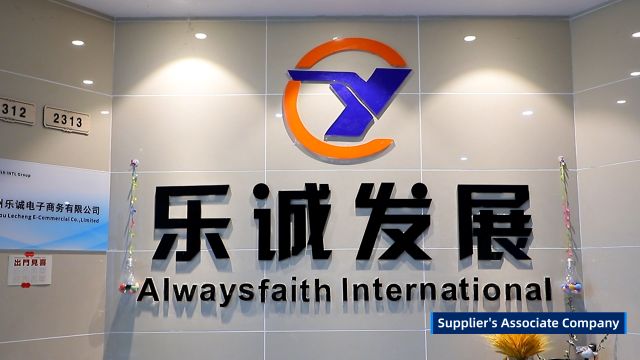
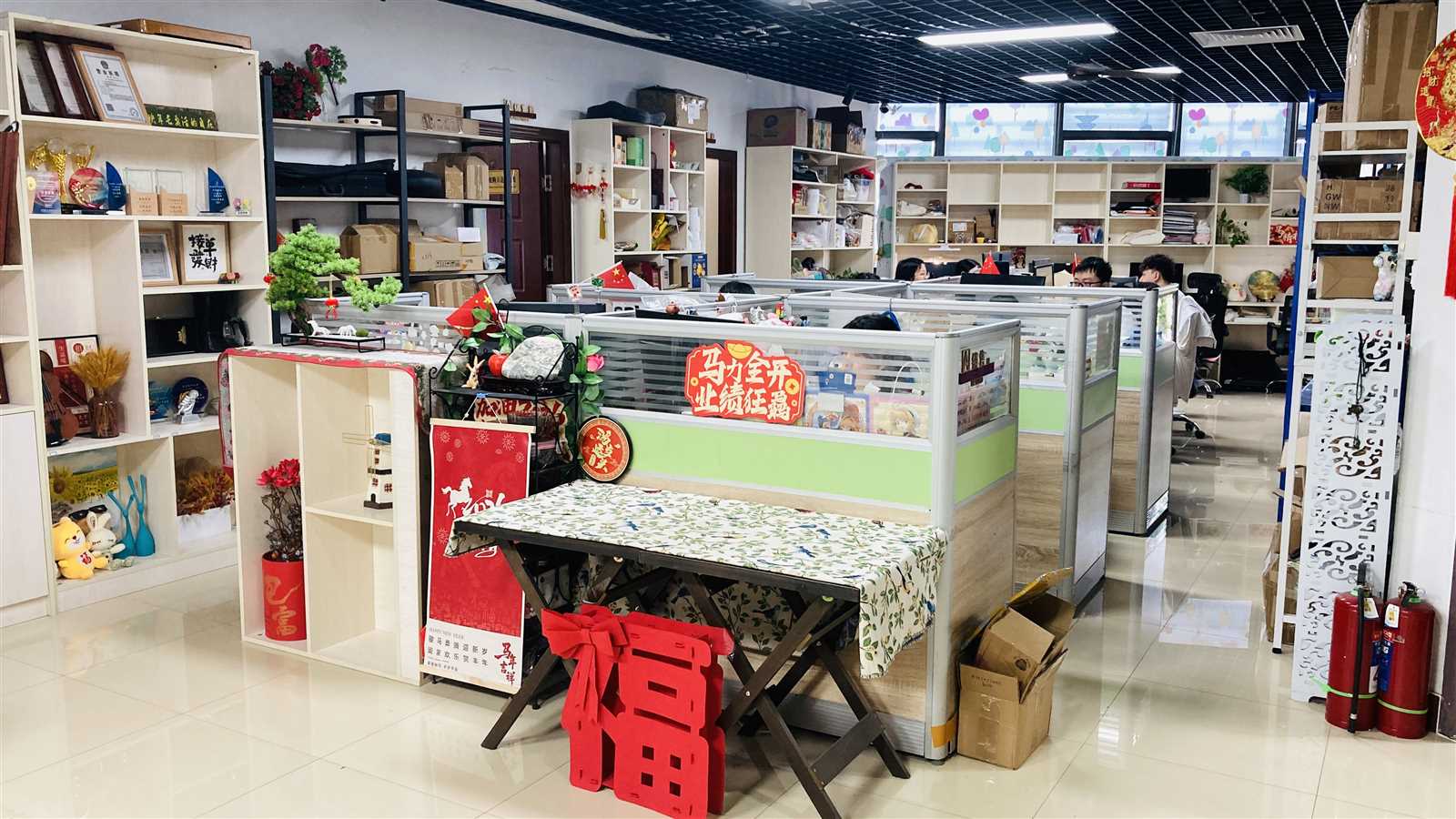
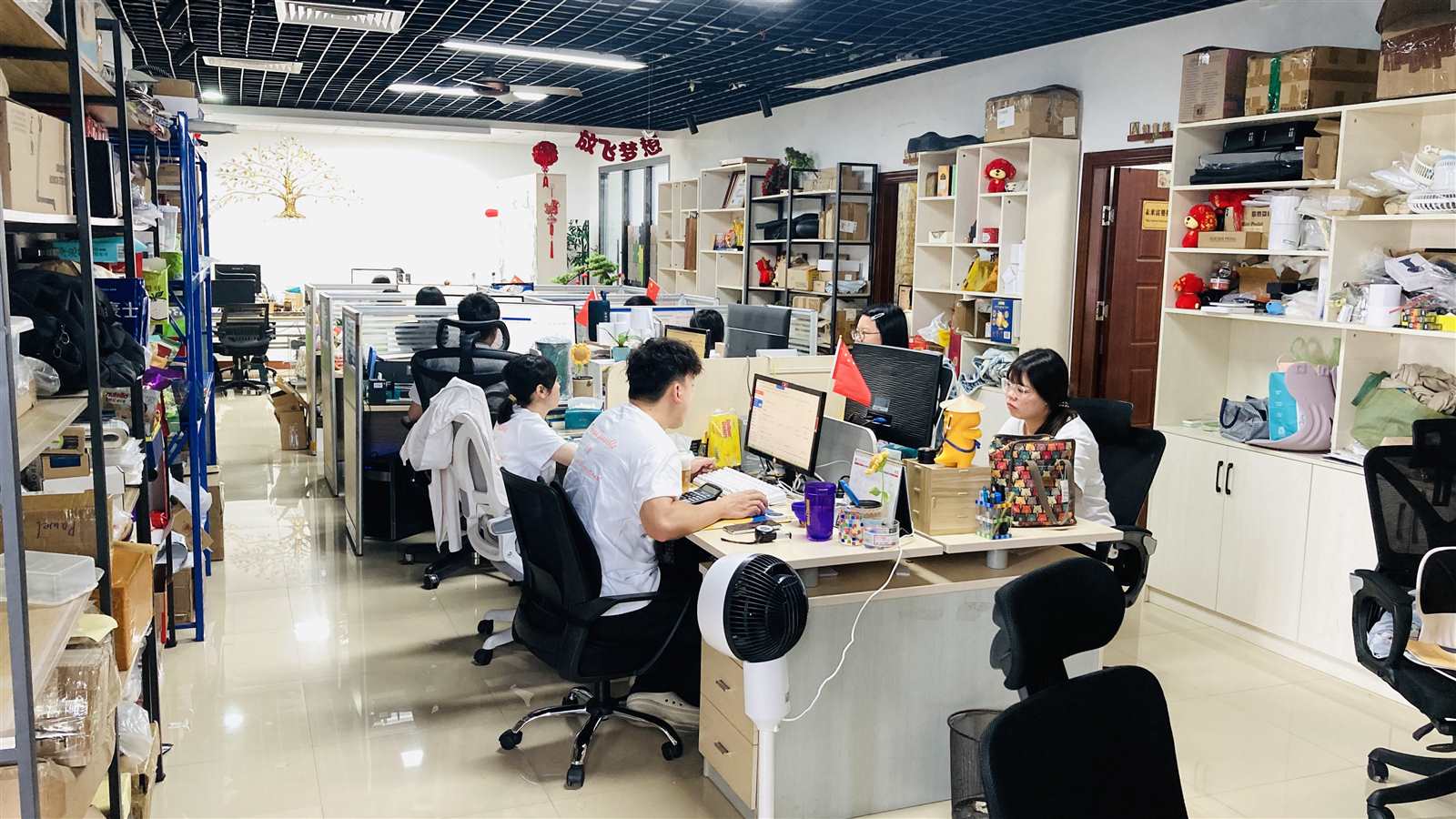
WPI International Trade Co., Ltd. (Huizhou)
A verified musical instrument export partner for distributors, retailers, schools and private-label programmes — combining multi-category sourcing, low-MOQ flexibility and documented quality control.
WPI International Trade Co., Ltd. (Huizhou) began exporting musical instruments from Hong Kong in June 2010 and established its Huizhou, Guangdong operation in 2014. The company operates as a trading company and multispecialty supplier with a 28-person team, including 22 people in trading and export roles. Publicly displayed assessment data shows annual sales of US$9,000,000, 952 orders shipped in six months, a 97.73% inquiry response rate and a 4.6/5 average buyer rating.
The product range covers acoustic and electric guitars, ukuleles, violins, cellos, saxophones, clarinets, drum sets, steel tongue drums, keyboards and accessories. For bass guitar buyers, this breadth is useful because instruments can be consolidated with straps, cables, converters, portable amplifiers, effects processors and practice products in one sourcing plan. The company’s stated goal is long-term cooperation: protecting the buyer’s market, maintaining quality consistency and keeping pricing reasonable so both sides can grow.
Intertek Onsite Assessment
The company has been assessed onsite by Intertek, including verification of premises, legal status and assessed capabilities. This gives buyers an independent reference point before requesting samples, price lists or customisation proposals.
Low MOQ & Mixed Orders
Many instruments can be sampled from 1 piece, while typical wholesale MOQs are 2–10 pieces per model for instruments and 20–600 sets for small accessories. Mixed-category orders help buyers test new bass-adjacent products without overstocking.
Finished-Product Inspection
Every order can pass through finished-product inspection before delivery, covering appearance, hardware, tuning stability, electronics function, accessory completeness and packaging. This is especially important for bass guitars shipped by sea or consolidated with other goods.
One-Stop Instrument Range
Guitars, ukuleles, violins, saxophones, drums, keyboards and accessories can be consolidated in one container. For distributors, this reduces supplier-management workload and can improve freight efficiency when multiple product categories are ordered together.
OEM / ODM Capability
Assessed capabilities include sample-based customisation, logo and packaging customisation, design-based customisation and full customisation. Bass guitar projects can be developed with approved samples, specification sheets and packaging requirements before mass production.
Dedicated Export Account Team
A named account manager supports the order from quotation to after-sales. The team’s 97.73% inquiry response rate and 4.6/5 buyer rating provide useful context for buyers comparing communication quality and commercial reliability.

Ready to Build a Verified Bass Guitar Supply Programme?
Share your target market, bass specifications, accessory bundle, estimated quantities and packaging requirements. The sourcing team can recommend suitable instrument and accessory combinations, confirm MOQ and prepare a quotation for your review.