Eight Product Lines Buyers Bundle With Acoustic Pickup Orders
Every pickup program we quote ships alongside the electronics, straps, hardware and stage gear that make an acoustic-electric instrument sellable. Each link below opens the live WPI product page.
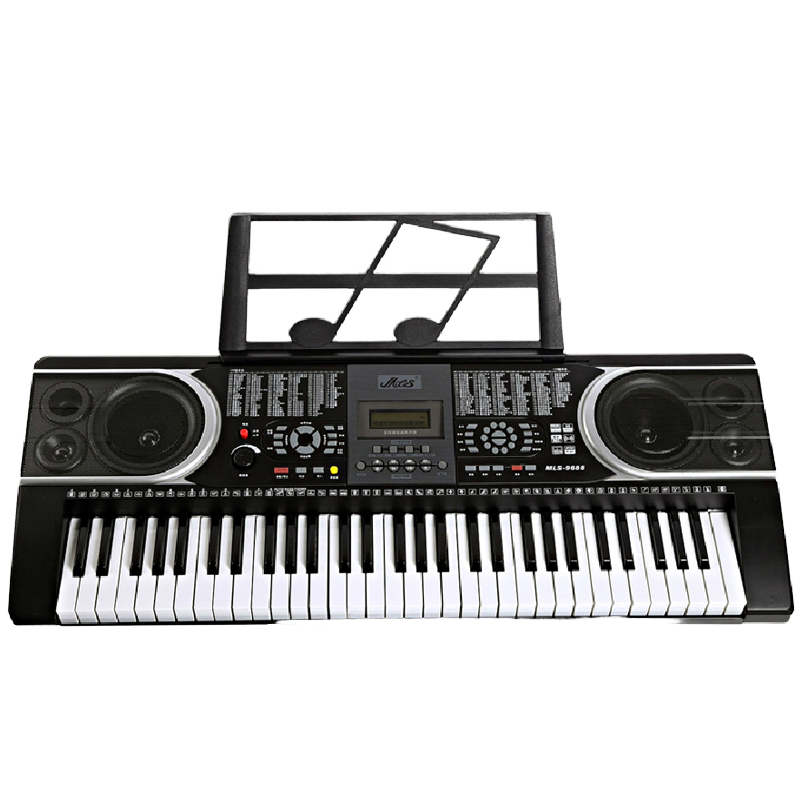
Professional Teaching Electronic Keyboard 61 Standard Keys
Built on the same preamp PCB discipline and 100% functional testing routine we apply to acoustic pickup systems.
View product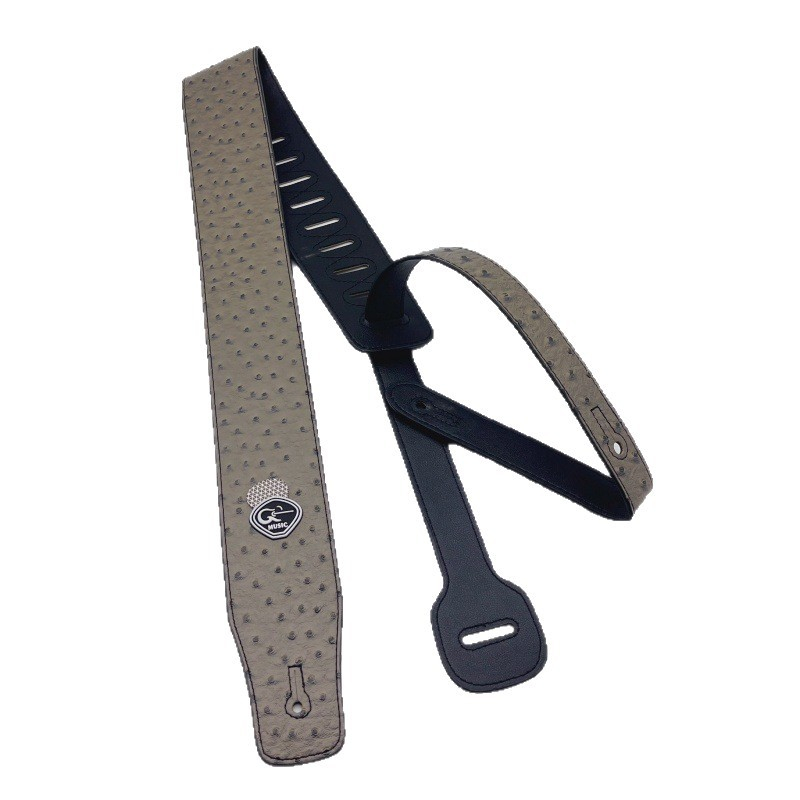
Genuine Leather Guitar Strap, Wide Wear-resistant Shoulder Strap, Dual-use Strap for Acoustic & Electric Guitar Wholesale
A natural attach-rate item for acoustic-electrics fitted with active preamps and wireless transmitter packs.
View product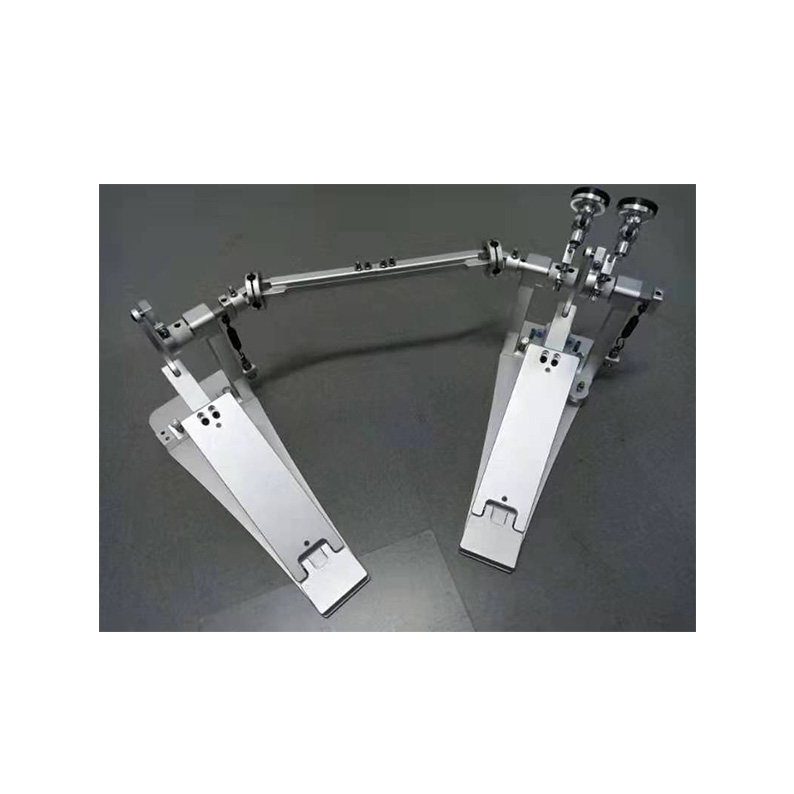
Brushed Silver Double Bass Drum Pedal Direct Drive Drum Kit Accessory
Precision metal stamping, plating and assembly capability that also supports endpin jacks and battery housings.
View product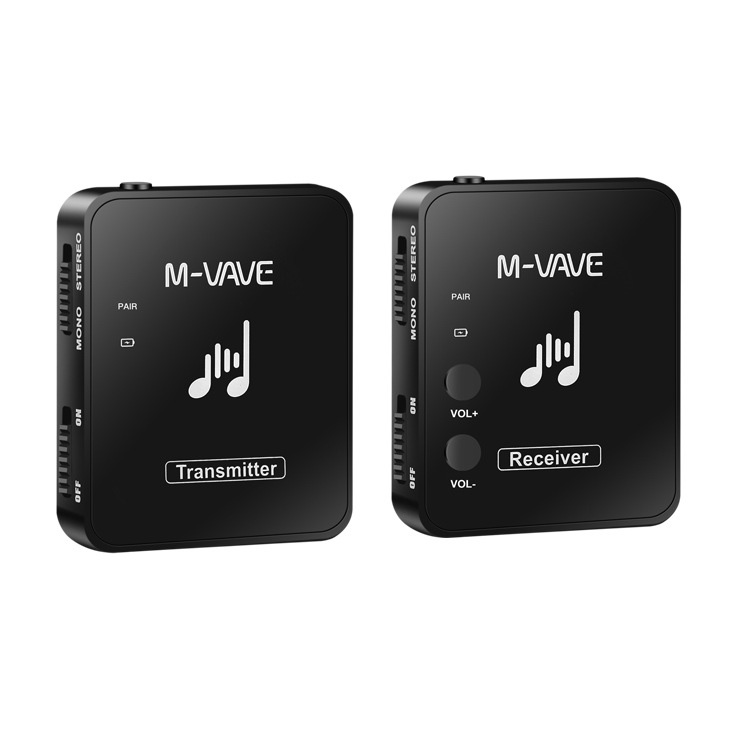
Wireless in Ear Monitor System Transmitter Receiver Mono Stereo Earback Set Guitar System
Wireless audio engineering shared with our instrument transmitter platforms — a high-margin live-performance bundle.
View product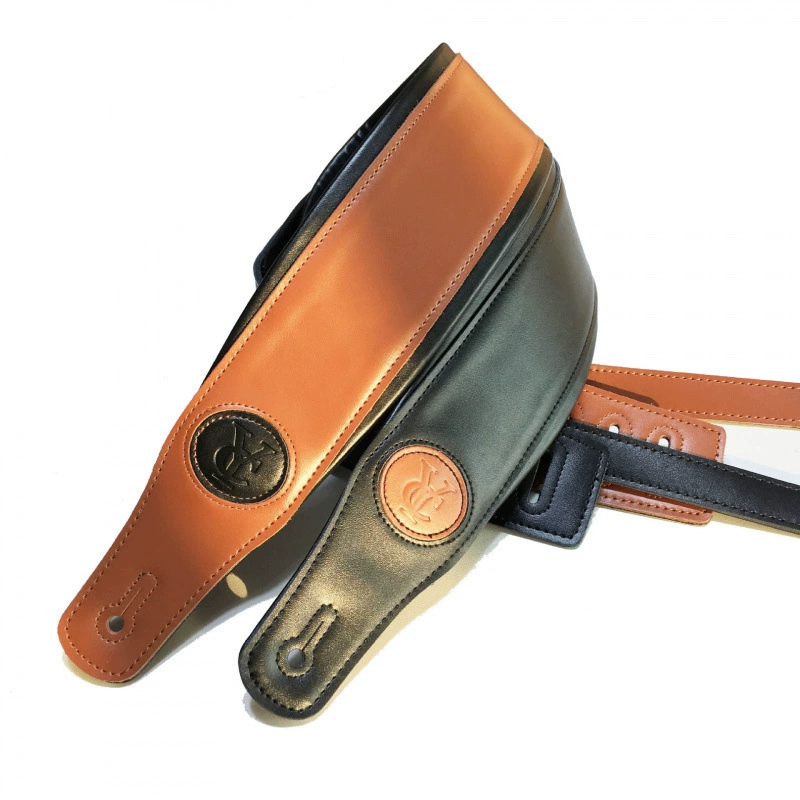
Wholesale Wide Padded Cowhide PU Leather Adjustable Soft Guitar Shoulder Strap for Acoustic Electric Bass Guitar
Wide padding balances full-size acoustic-electrics — the most requested add-on when buyers scale pickup orders.
View product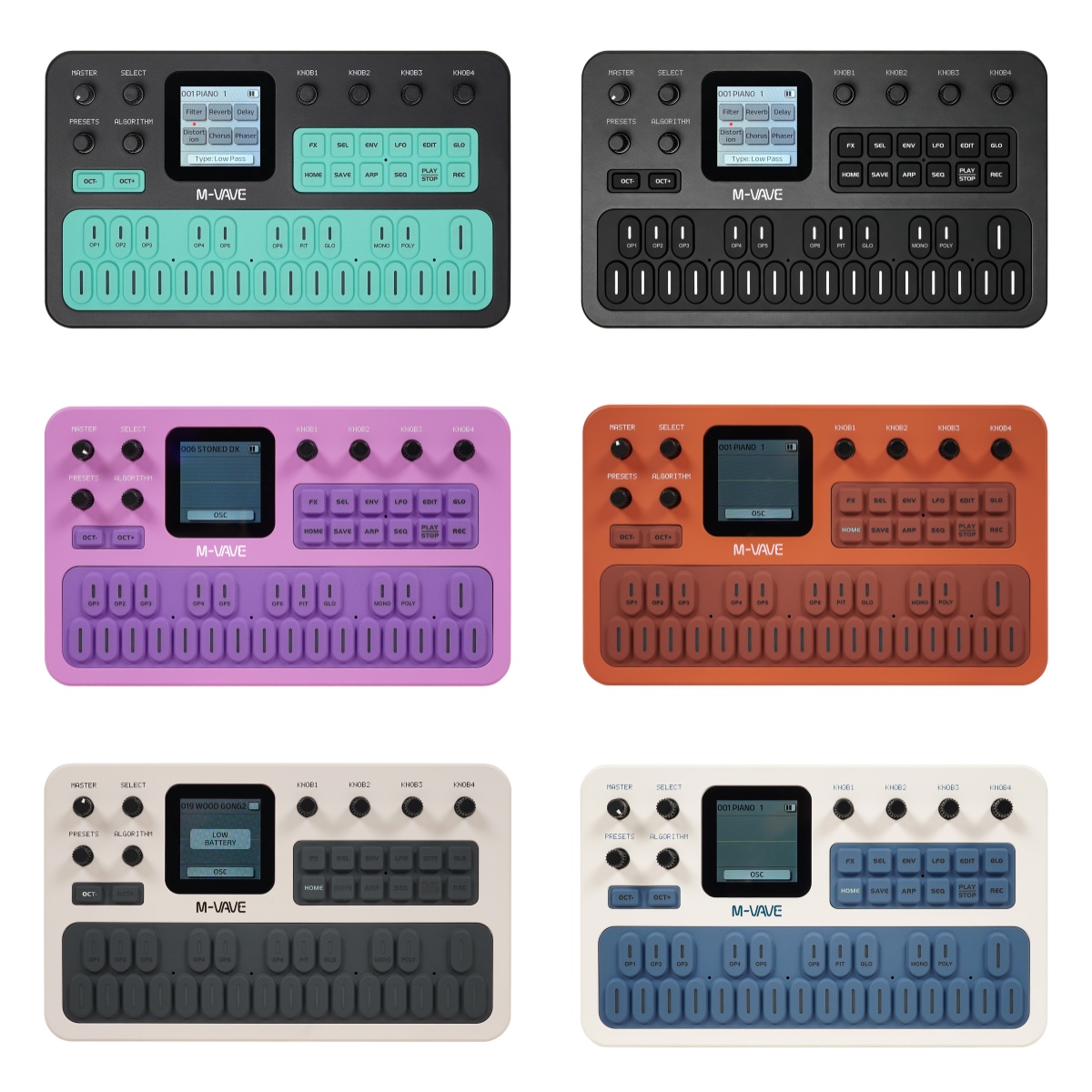
M VAVE Mini FM 1 Synthesizer 27 Keys 3 Channel 12h Battery Built in Speakers for Outdoor Music Production and Pocket Effect
A battery-powered FM instrument that demonstrates our portable-audio chain: rechargeable cells, compact amplification and stable firmware.
View product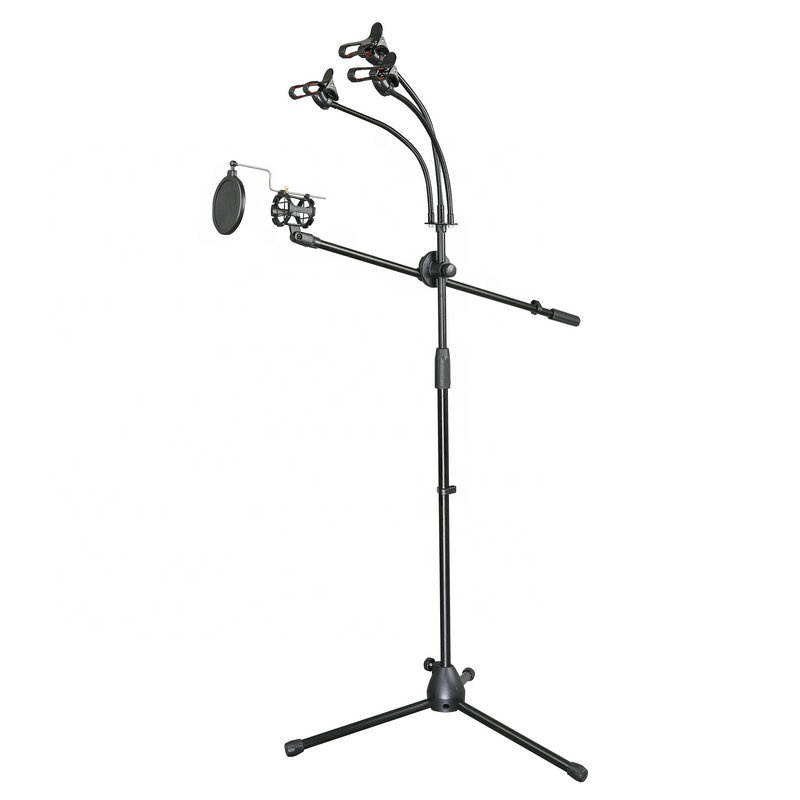
Three Mobile Phones with Horizontal Bars for Live Streaming, Floor Standing Three Legged Microphone Stand
Live-commerce rigs are now a primary end use for acoustic pickups with phone-ready audio output.
View product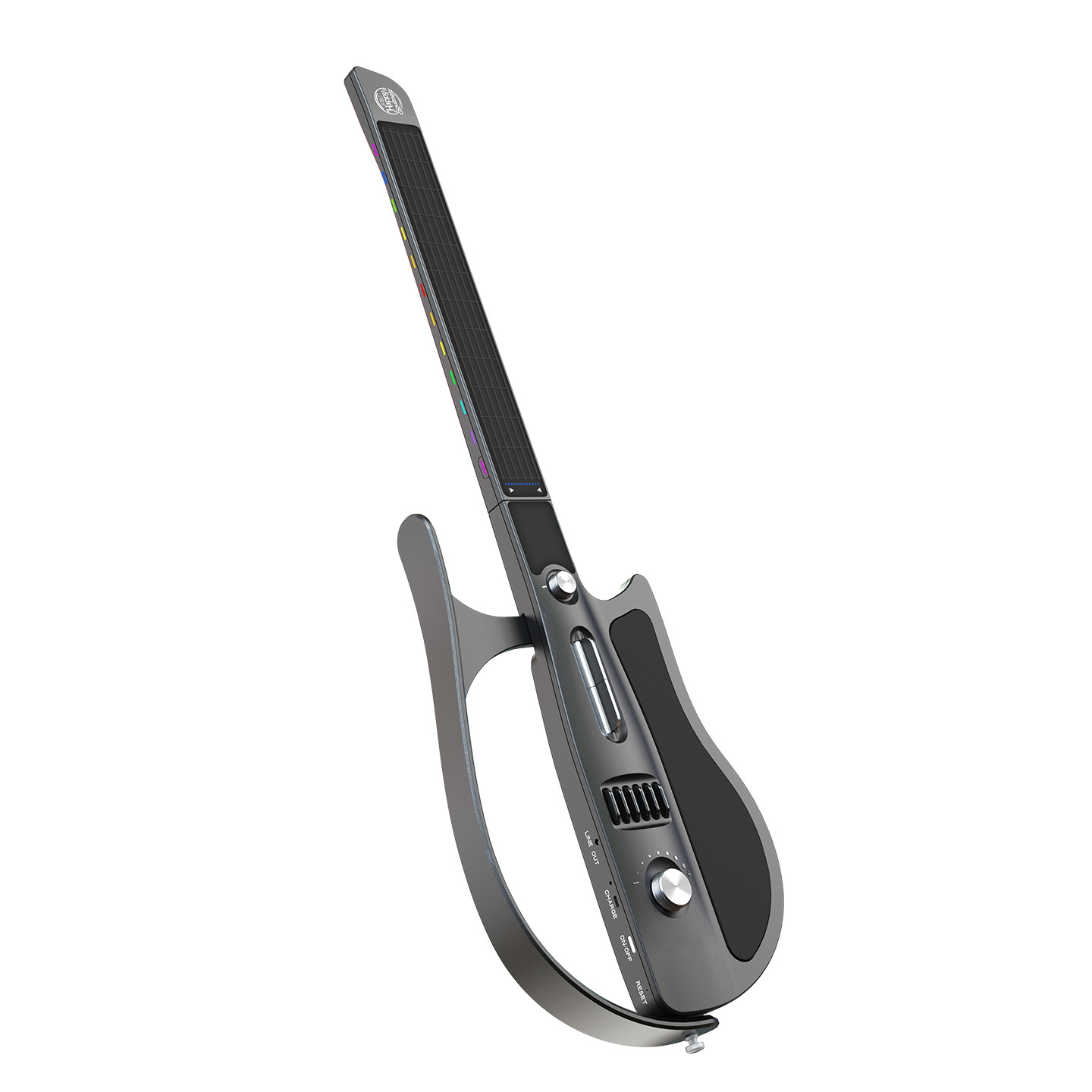
Hot Selling N1 Smart Accompaniment Stringless Guitar Smart Guitar Travel Guitar
DSP, app control and pickup-style signal capture combined — a preview of where acoustic amplification is heading.
View productYears in the musical instrument industry
Assessed annual export volume
Inquiry response rate
Average verified buyer rating
The Acoustic Guitar Pickup Has Become the Buyer's Decision Point
For two decades the acoustic guitar pickup was treated as a bolt-on accessory — a piezo strip under the saddle, a three-band preamp hidden inside the body, a battery bag velcroed to the neck block. That assumption is now obsolete. In the 2025–2026 order books we review every week, the pickup system is the specification buyers negotiate hardest: which piezo element, which preamp chipset, which EQ curve, whether the output is balanced XLR, 1/4-inch TS or USB-C, and how the whole assembly survives a container crossing the equator.
The shift matters for sourcing strategy. A distributor that buys acoustic-electric guitars on body wood alone will lose margin to a competitor who buys on signal-chain quality. A school tender that specifies "with pickup" without naming a preamp architecture will receive five quotations with five different noise floors. And a private-label brand that cannot document RoHS, REACH, CE and FCC conformity for its pickup electronics will struggle to list on European marketplaces.
This whitepaper answers the question buyers actually ask: how do you identify a trusted acoustic guitar pickup factory and exporter rather than a trading shell that forwards emails? We combine 12+ years of WPI export records, an Intertek onsite assessment and 952 orders shipped in the last six months into a practical sourcing framework — covering system types, 2026 assortment planning, procurement trends, product development direction and the factory questions that separate a serious supplier from a broker.
Every product line referenced in this guide is live on the WPI catalog. If you need samples before the next buying season, the fastest path is a short specification message — our average inquiry response rate is 97.73%, and sampling can start from a single piece.
Key Sourcing Signals
- Intertek onsite-assessed supplier — premises, legal status and capabilities verified on site.
- MOQ from 1 piece for sampling; typically 2–10 pcs per instrument model.
- OEM / ODM covering logo, packaging, graphics and design-based customization.
- Finished-product inspection before every shipment: appearance, hardware, tuning stability, packaging.
- 4.6 / 5 average buyer rating from verified transactions.
- Export markets: North America, Western Europe, Southeast Asia and South America.
What Separates a Trusted Pickup Factory From a Trading Shell
Five controls decide whether a quoted pickup system sounds the same in month twelve as it did in the sample box. Ask for evidence of each before you place a production order.
- 01
Material traceability
Piezo ceramic or PVDF film grade, brass saddle-slot tolerance, FR-4 PCB laminate and connector plating documented lot by lot — not "equivalent material" on a spec sheet.
- 02
Acoustic validation
Six-string balance, 1 kHz–10 kHz frequency response, feedback threshold at stage SPL and an A-weighted noise floor measured on the finished instrument, not only on the pickup module.
- 03
Preamp electronics QC
100% functional test of every preamp board, battery-drain measurement, EQ potentiometer noise check and endpin-jack retention force testing.
- 04
Compliance files
RoHS and REACH declarations, CE marking evidence, FCC documentation for wireless versions and UN38.3 reports for lithium cells — ready before a buyer's marketplace listing, not after.
- 05
Production flexibility
Sampling from one piece, 2–10 pcs per SKU for trial orders, and the willingness to mix pickup models with straps, hardware and accessories in a single consolidated carton.
WPI's Intertek onsite assessment confirms the operational side of that list — verified premises, legal status and assessed capabilities including finished-product inspection, sample-based customization, minor customization (logo, packaging, graphics), design-based customization and full customization. For a buyer comparing three quotations, that assessment is usually the fastest way to eliminate the two suppliers who cannot support a private-label program.
Acoustic Guitar Pickup Systems Compared
Four core architectures cover almost every acoustic-electric program. Knowing the trade-offs lets you brief a factory in minutes instead of exchanging twenty emails.
Undersaddle Piezo
The industry default: a ceramic or film element beneath the saddle reads string pressure directly. Feedback-resistant, balanced and battery-light, but intonation and string-to-string balance depend on saddle-slot tolerance.
Magnetic Soundhole
A magnetic coil mounted in the soundhole delivers a warm, electric-like voice. Passive versions need no battery, which simplifies shipping compliance and lowers the return rate on budget lines.
Internal Microphone
The most natural reproduction of body air and top resonance. Requires careful gain staging and a blend control — best reserved for fingerstyle and studio-oriented models rather than loud stage work.
Dual-Source Systems
Piezo plus microphone or piezo plus magnetic, with an onboard blend. The premium OEM choice: highest BOM cost and QC complexity, but the strongest differentiation story in retail.
Four Pickup Configurations That Sell Through in 2026
Retail data from our buyers consistently points to four configurations covering beginner, gigging, premium and creator segments.
Entry-Level Acoustic-Electric
Piezo undersaddle, 4-band EQ, built-in tuner and a standard endpin jack. Price-led retail, school programs and first-time buyers who need a reliable plug-in instrument at a low landed cost.
Stage Dreadnought
Dual-source with notch filter and phase switch. Targets gigging singer-songwriters who need feedback control at stage volume and a DI output the front-of-house engineer will accept.
Fingerstyle Series
Internal mic blend with a low-noise preamp and a wide dynamic range. Positions a brand in the premium acoustic tier where players compare tone before price.
Travel & Creator
A lightweight active system with USB-C or class-compliant audio output. Built for content creators and live-commerce sellers who record straight into a phone or laptop.
2025–2026 Procurement Trends Reshaping Pickup Orders
Six shifts visible across the orders WPI ships every month — each one changes how a pickup program should be structured.
Wireless-First Buying
Buyers increasingly pair acoustic pickups with wireless in-ear monitor and instrument transmitter systems. Bundling raises average order value and reduces the number of suppliers a retailer has to manage.
Live-Commerce Readiness
A pickup is now judged on how it reaches a phone. USB-C audio, phone adapters and streaming tripods are moving from optional accessories to required line items in creator-focused programs.
Low-MOQ Trial Orders
Importers test 1–10 pcs per SKU before committing to a season. Mixed-category orders let distributors validate tone, packaging and sell-through without overstocking a single model.
Consolidated Containers
Pickups, straps, drum pedals and small accessories ship together. One consolidated container lowers freight per unit and simplifies customs paperwork compared with five separate suppliers.
Compliance Pressure
EU marketplace rules, battery shipping regulations and FCC requirements for wireless versions are now pre-order questions. Suppliers without documentation slow the listing, not just the shipment.
Private-Label Preamp Programs
Brands want their own EQ curve, logo printing and retail packaging rather than a generic module. Custom preamp programs are becoming the standard request for mid-volume orders.
Product Development Trends: What Buyers Will Ask for Next
These six directions already appear in sample requests. Planning for them now shortens the next development cycle.
DSP & Impulse Response
Digital voicing gradually replaces fixed analog EQ. Impulse-response body modeling lets one pickup platform imitate several guitar bodies without new hardware.
USB-C Direct Recording
Class-compliant audio output removes the interface from the creator's signal chain — a decisive feature for live-commerce and home-studio buyers.
Bluetooth App Control
Preset sharing, firmware updates and remote EQ adjustment through a phone app. Buyers see it as a premium differentiator and a reason to re-purchase.
Rechargeable Power
USB-C charging cells are replacing 9V batteries, cutting consumable cost for players and simplifying lithium shipping documentation for importers.
Adaptive Feedback Suppression
Automatic notch filtering that tracks the resonant peak in real time. A feature once reserved for premium systems is moving into mid-tier retail price points.
Sustainable Materials
Recycled packaging, FSC-certified woods and low-VOC finishes. Compliance teams increasingly ask for these before the purchasing team asks for the price.
Why Global Buyers Shortlist WPI International Trade Co., Ltd.
WPI is a musical instrument exporter based in Huizhou, Guangdong — not a broker. Six verifiable advantages sit behind every quotation.
Intertek Onsite Assessment
Premises, legal status and capabilities verified on site, including assessed videos and factory inspection reporting.
Export Experience Since 2010
Operations began in Hong Kong in June 2010, with the Huizhou, Guangdong base running since 2014.
Low MOQ From One Piece
Sampling from a single unit and trial orders of 2–10 pcs per instrument model keep inventory risk low.
OEM & ODM Customization
Sample-based, minor (logo, packaging, graphics), design-based and full customization — assessed and documented.
One-Stop Consolidation
1,000+ instruments and accessories across strings, woodwinds, percussion, keyboards and guitar accessories in one container.
Pre-Shipment Inspection
Finished-product inspection before every delivery, covering appearance, hardware, tuning stability and packaging.
 Onsite Check Passed
Third-Party Verified, Not Self-Declared
WPI International Trade Co., Ltd. (Huizhou) is an Intertek-assessed supplier. The assessment covers our physical premises and trading capabilities, and it is the credential most buyers check first when comparing an acoustic guitar pickup factory against a pure trading intermediary.
Our team began exporting musical instruments from Hong Kong in June 2010 and established the Huizhou operation in 2014. Today 28 people support importers, distributors, retailers and schools worldwide — 22 of them in trading and export roles. Assessed annual export volume is US$9,000,000, with 952 orders shipped in the last six months.
Address: 2313, Saige Building, Huizhou, Guangdong, China · Email: info@wpimusic.com
- Assessed capabilityFinished product inspection before delivery
- Assessed capabilitySample-based customization
- Assessed capabilityMinor customization: logo, packaging, graphics
- Assessed capabilityDesign-based customization and full customization
- Main marketsNorth America · Western Europe · Southeast Asia · South America
- Trade record952 orders and US$370,000+ in the last six months
- Payment termsT/T, L/C, D/P, D/A, MoneyGram, credit card, PayPal, Western Union, cash, escrow
- Delivery termsFOB, CFR, CIF, EXW, FAS, CIP, FCA, CPT, DEQ, DDP, DDU, DAF, DES and express delivery
How an OEM Acoustic Pickup Order Runs at WPI
A typical private-label project, from first specification message to container departure.
Brief
Share the target guitar model, pickup architecture, preamp features, logo placement and destination market.
Proposal
We match the specification to a suitable supply partner and recommend materials, packaging and compliance documentation.
Sampling
A pre-production sample is built for approval, including functional test results and tone notes.
Production
Mass production begins after sample sign-off, with in-process checks at the electronics and assembly stages.
Inspection
Finished-product inspection covers appearance, hardware, tuning stability, battery drain and packaging.
Shipping
FOB, CIF, DDP or express delivery — consolidated with straps, hardware and accessories if required.
Frequently Asked Questions About Acoustic Guitar Pickup Sourcing
What is the minimum order quantity for a custom acoustic guitar pickup program?
Many guitars, ukuleles, violins and saxophones can be ordered from 1 piece for sampling. Typical wholesale MOQs are 2–10 pieces per model for instruments and 20–600 sets for strings and small accessories. Mixed-category orders are welcome, which makes it practical to test a pickup configuration alongside a small accessory line before committing to a seasonal volume.
Can you print our logo on preamps, saddles and packaging?
Yes. Our Intertek-assessed customization capabilities include sample-based customization, minor customization (logo, packaging and graphics), design-based customization and full customization. For pickup programs this typically means brand printing on the preamp faceplate, custom retail packaging and user manuals in the destination language.
How do you control pickup quality before shipment?
Every order goes through finished-product inspection before delivery, covering appearance, hardware, tuning stability and packaging. For pickup systems specifically, the check includes a 100% functional test of the preamp, battery-drain measurement, EQ potentiometer noise, endpin-jack retention and string-to-string balance on the finished instrument. WPI has also been assessed onsite by Intertek.
Which payment and delivery terms do you accept?
Payment: T/T, L/C, D/P, D/A, MoneyGram, credit card, PayPal, Western Union, cash and escrow. Delivery terms: FOB, CFR, CIF, EXW, FAS, CIP, FCA, CPT, DEQ, DDP, DDU, DAF, DES and express delivery. Payment currencies include USD, EUR, JPY, CAD, AUD, HKD, GBP, CNY and CHF.
Which export markets do you serve?
Our main markets are North America, Western Europe, Southeast Asia and South America. Documentation for European marketplace listing, including RoHS and REACH declarations, is prepared as part of the order file rather than requested after the buyer's compliance team raises the question.
Can pickups be consolidated with guitars, straps and accessories in one shipment?
Yes. One-stop consolidation is one of the reasons buyers shortlist WPI. Pickups, straps, drum pedals, keyboards and small accessories can ship in the same container, reducing freight cost per unit and simplifying customs paperwork compared with sourcing each category from a separate supplier.
Build Your 2026 Acoustic Pickup Program With WPI
Send us the guitar model, pickup architecture, target retail price and destination market. Our export team will reply with a specification proposal, sampling plan and landed-cost estimate — usually within one business day.
info@wpimusic.com · 97.73% inquiry response rate