Top Trusted Acoustic Guitar Capo Manufacturers & Wholesaler
Source acoustic guitar capos with calibrated tension, stable pads, clean finishes, custom logo options and retail-ready packaging from an Intertek-assessed musical instrument export partner. Low MOQ, OEM/ODM support and pre-shipment inspection for distributors, retailers, schools and private labels.
8 Product Programs Buyers Often Combine With Acoustic Guitar Capo Orders
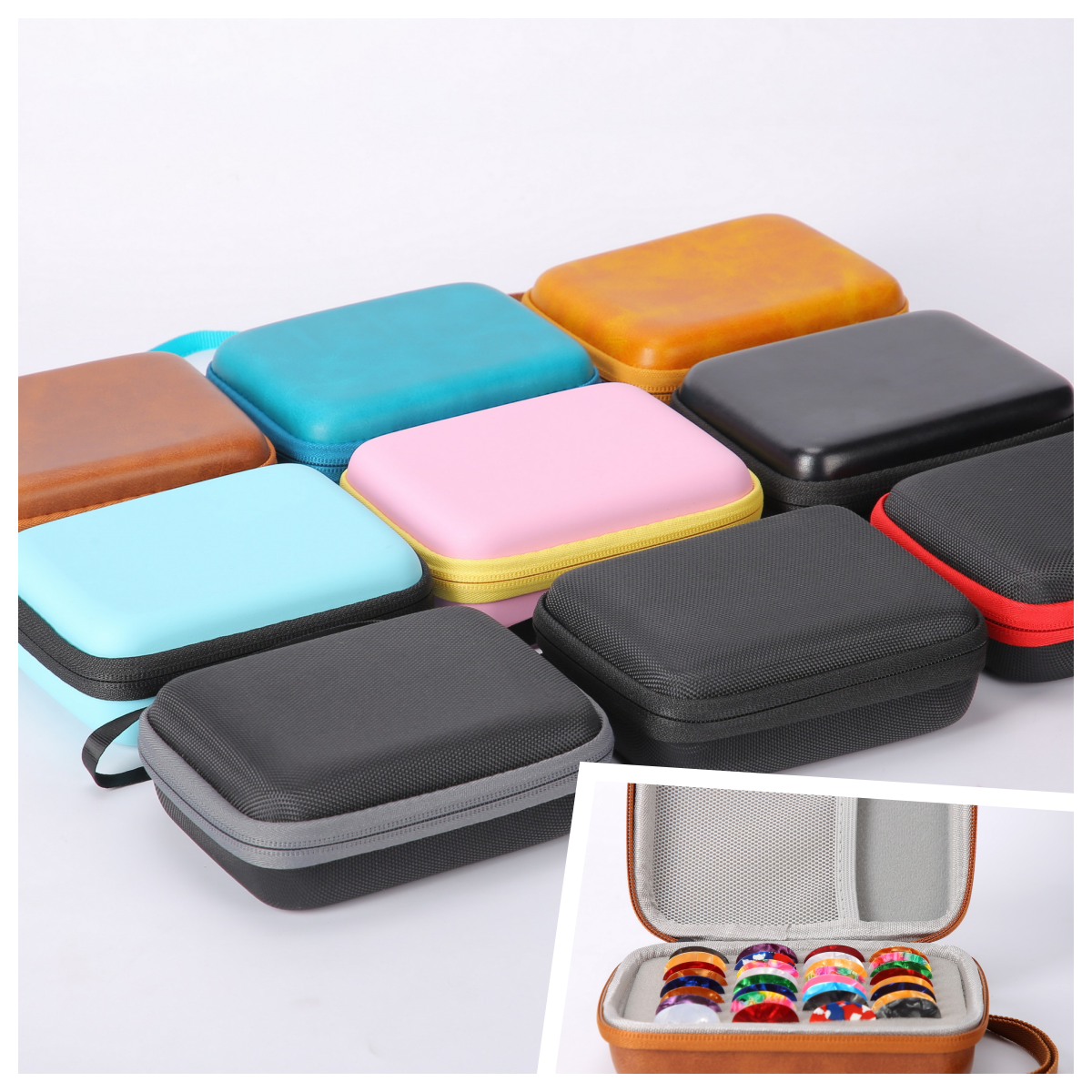
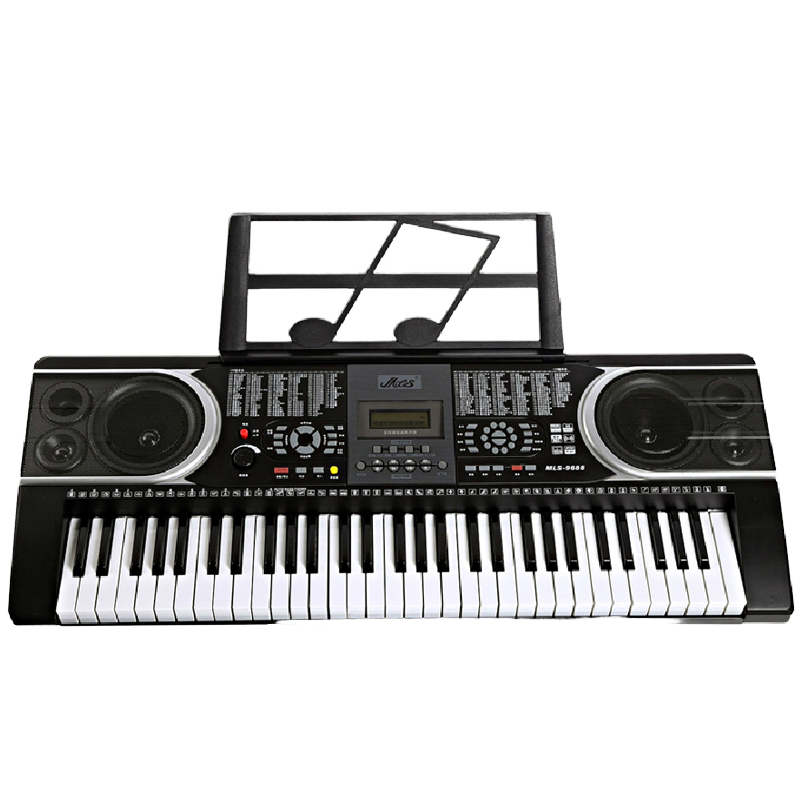
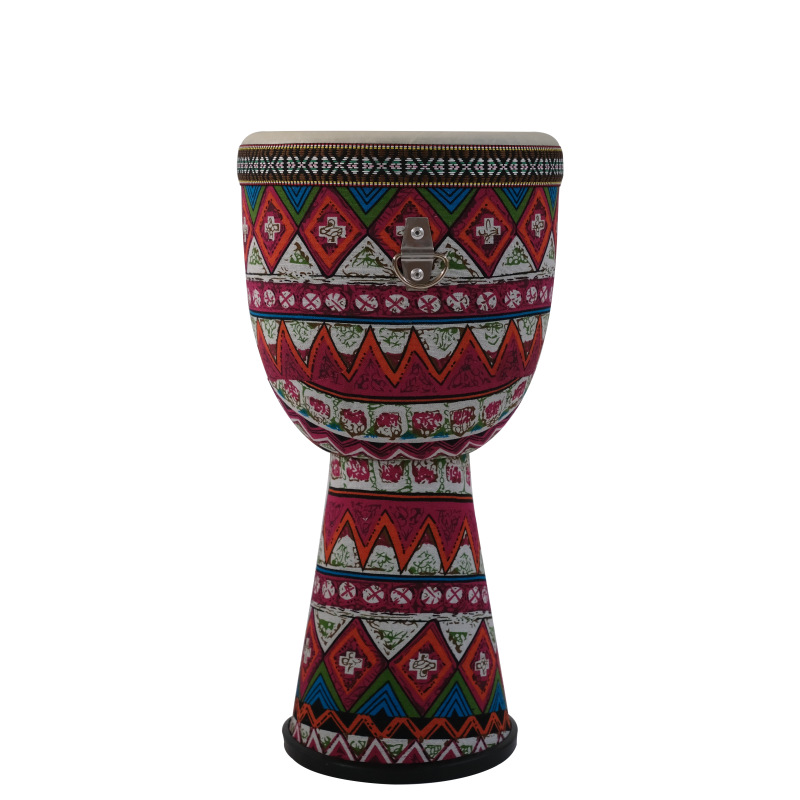
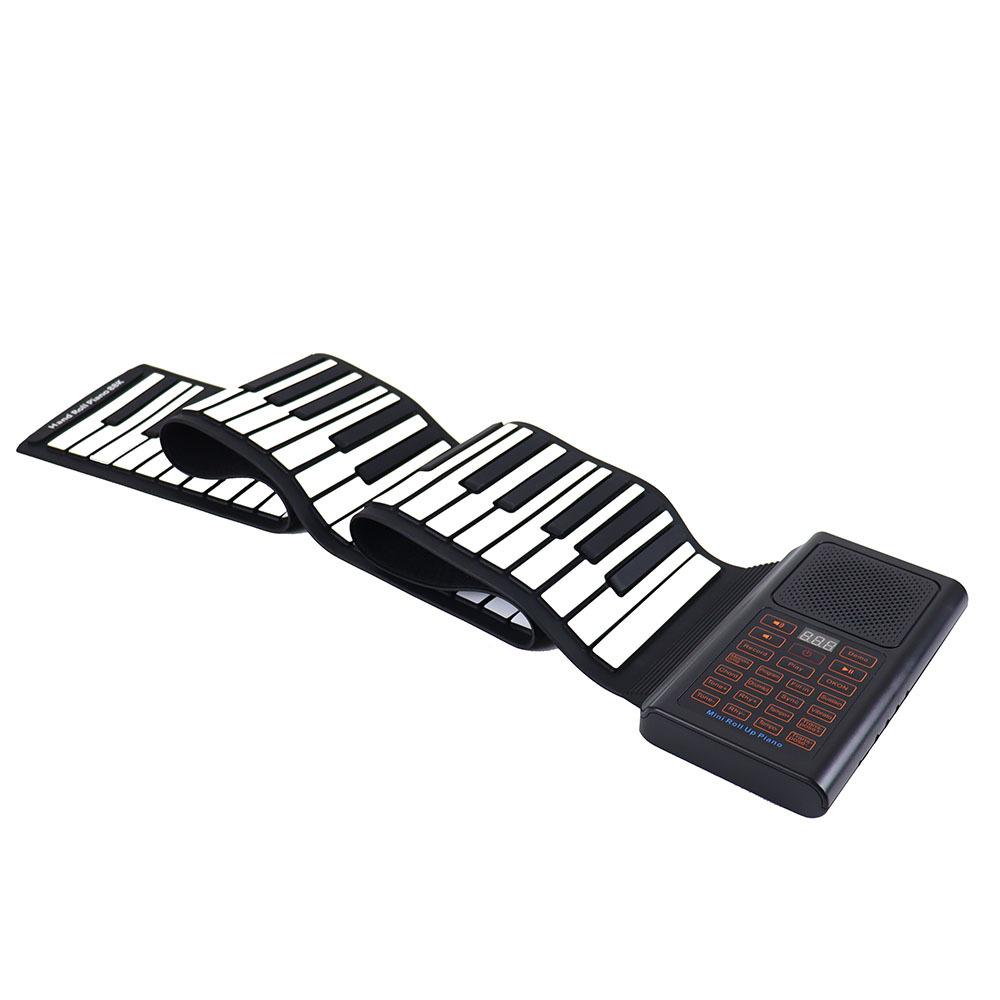
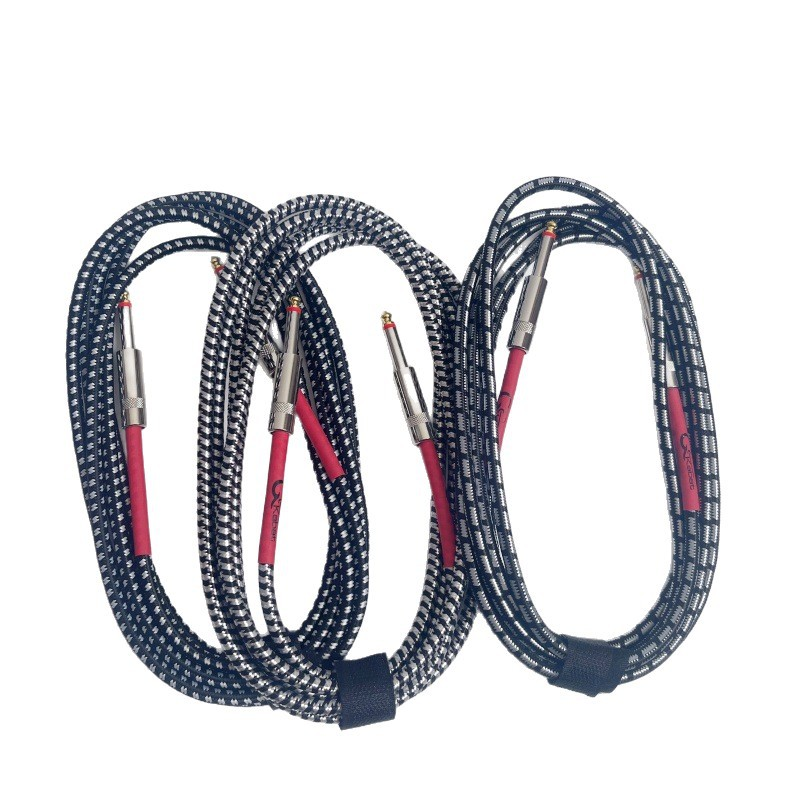
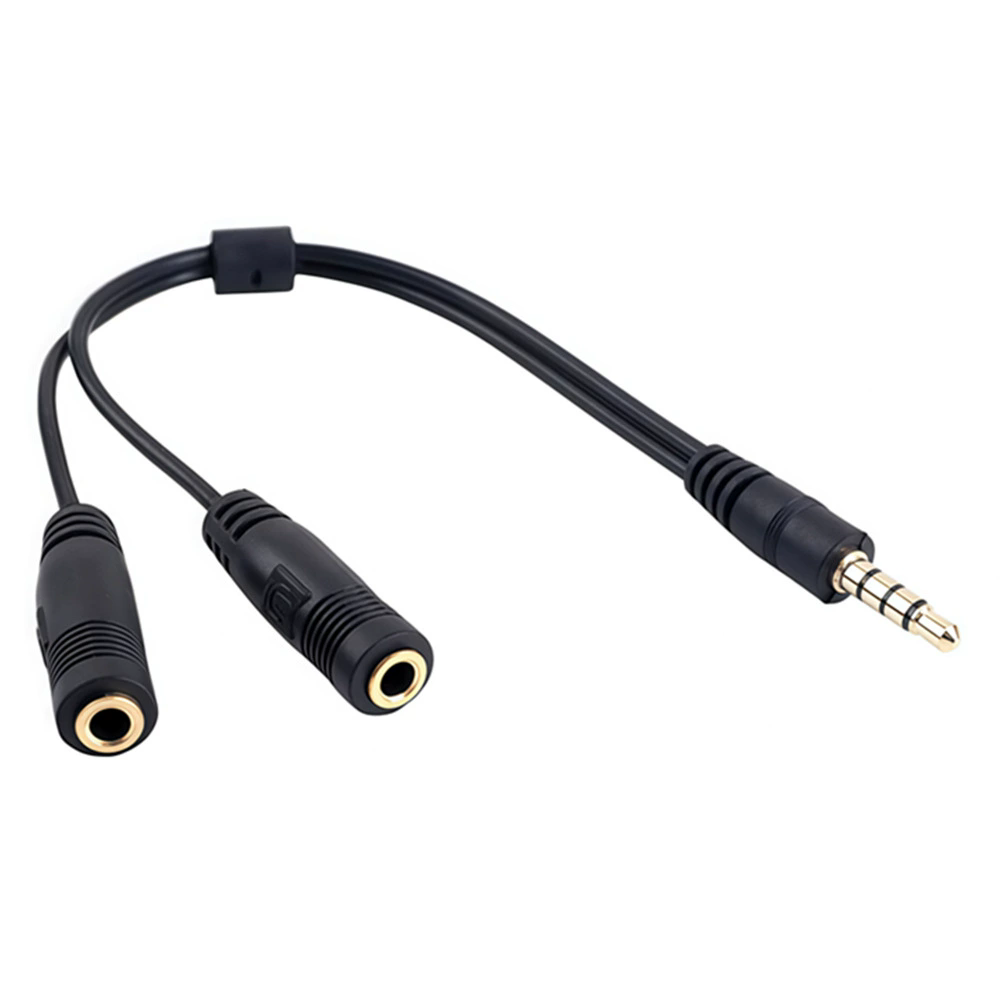
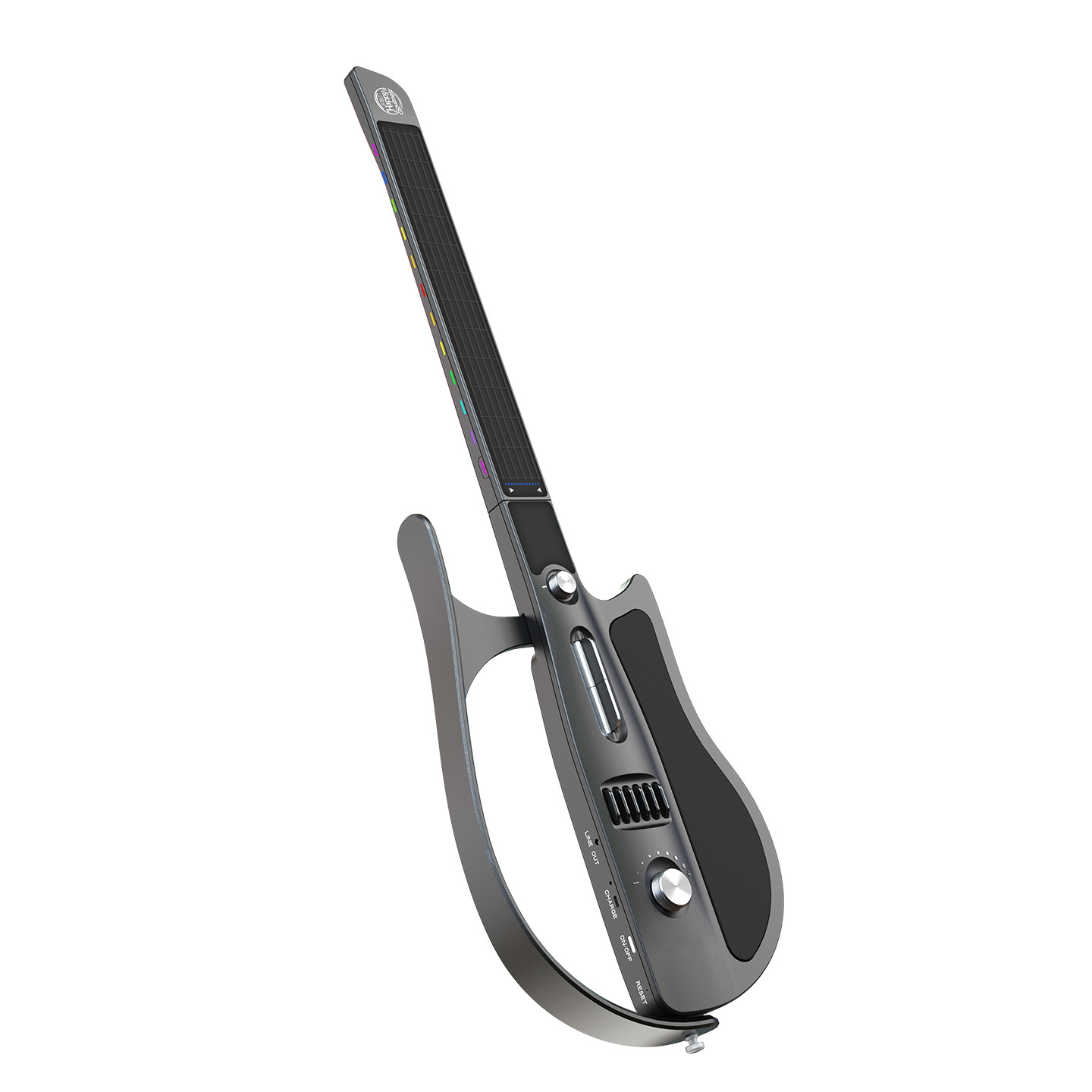
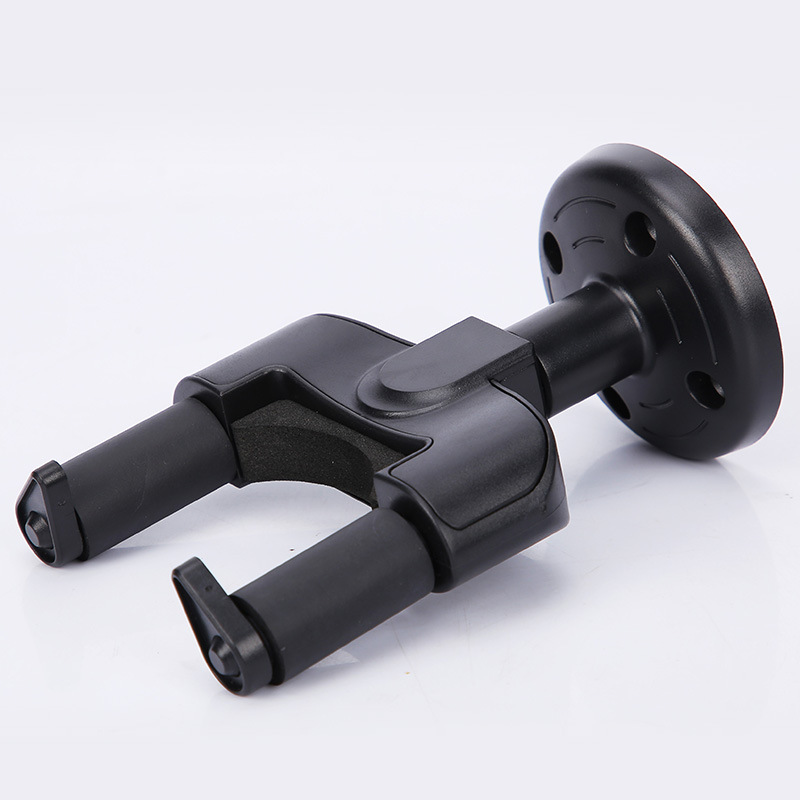
Capos are strong add-on accessories, but profitable wholesale programs rarely stop at one item. The eight products below are commonly sourced alongside capos to build a more efficient mixed container for music stores, schools, online sellers and gift channels. Each card preserves the original product URL; when a buyer needs a custom capo specification that is not shown, use the inquiry button to request a quote.
Why Acoustic Guitar Capos Deserve a Dedicated Wholesale Program
A capo is a small-ticket accessory with an outsized influence on repeat purchase. When it clamps evenly, returns to pitch and protects the fretboard, it supports the retailer’s reputation for instruments that are ready to play.
For wholesale buyers, the capo category sits at the intersection of accessibility, margin and brand experience. Entry-level players buy capos soon after their first guitar because they want to play familiar songs in easier keys. Teachers specify them for classroom use. Gigging musicians replace them when spring fatigue, pad wear or finish damage appears. Retailers and online sellers use capos as low-cost basket builders, subscription-box add-ons and branded gifts.
The technical risks are equally clear. A capo that pulls strings sharp, creates fret buzz, marks a lacquered neck or slips during chord changes will generate returns and poor reviews. Buyers should therefore evaluate capos as playability products, not as generic metal accessories. The purchase decision should include neck width, fretboard radius, spring or screw tension, pad material, finish durability, logo placement and packaging.
WPI International Trade Co., Ltd. (Huizhou) supports capo sourcing within a broader musical instrument OEM and wholesale program. We coordinate long-term partner workshops in Guangdong, align specifications, review samples, arrange finished-product inspection and consolidate capos with guitars, ukuleles, cables, stands and other accessories. We do not claim to own every workshop; we take responsibility for specification alignment, quality control, export documentation and communication. That distinction matters for buyers who want verifiable trade experience rather than vague factory claims.
Buyer Priorities for Capo Sourcing
Illustrative planning weights based on common buyer questions for capo and accessory programs. They are not market statistics.
Recommended Acoustic Guitar Capo Configurations for 2025–2026 Assortments
A balanced capo range should cover beginner retail, studio precision, acoustic-electric performance and wider necks. The recommendations below help buyers structure a compact SKU plan without overloading inventory.
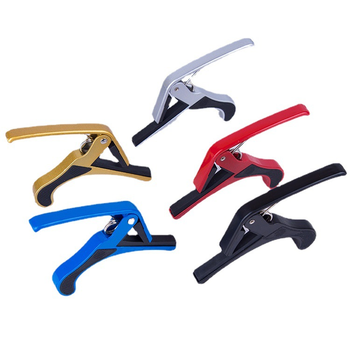
One-Hand Trigger Capo
Best for beginner retail, schools and gift channels where fast key changes matter more than micro-adjustment.
- Check spring fatigue after repeated cycles
- Specify silicone or EVA pads
- Confirm left-hand and color options
Micrometer Tension Screw Capo
For studio players, music schools and premium retail where precise clamp pressure protects intonation and tone.
- Review thread quality and knob feel
- Test on low-action acoustic necks
- Offer brass, aluminum or zinc body
Compensated / Radius-Matched Capo
For acoustic-electric guitars and players who notice pitch drift. The contact surface must follow the fretboard radius.
- Define target radius range
- Check even pressure across six strings
- Add intonation test to QC
Wide-Neck & 12-String Capo
For 12-string guitars, wider acoustic necks and players who need extra clearance around the headstock and nut.
- Confirm neck width and yoke opening
- Reinforce spring or screw tension
- Offer hang tags for niche positioning
Acoustic Guitar Capo Procurement Trends Buyers Should Plan For
Buyers are not simply asking for the lowest price per piece. They are looking for fewer surprises, faster customization and better sell-through support from capo manufacturers and wholesalers.
Private-Label Velocity
Retailers want logo, color and packaging changes without committing to large inventories. Buyers should ask for clear sampling steps, artwork approval and packaging breakdowns before confirming a custom capo order.
Mixed-Container Sourcing
Capos travel well with guitars, ukuleles, hangers, cables, picks and student instruments. Consolidating categories reduces freight friction and improves cash efficiency for distributors and online sellers.
Documentation & Compliance
Destination-market requirements vary by material, coating, packaging and labeling. Serious buyers request material information, inspection records and packaging details early, rather than waiting until shipment.
Retail-Ready Packaging
Hang tags, barcode labels, gift boxes, replacement pads and clear use instructions can make a capo easier to sell online and in store. Packaging quality is now part of the product, not an afterthought.
Capo Manufacturing Trends: What Wholesale Buyers Should Watch
Product development in capos is moving toward better tension control, lighter mechanisms, replaceable contact parts and stronger visual branding. For buyers, the opportunity is to build a range that looks premium without creating unnecessary SKU complexity.
Low-Profile Geometry
Lower-profile capos reduce obstruction for fretting-hand movement. Buyers should test clearance against common acoustic neck profiles and target playing styles.
Tension Calibration
Spring or screw force should be consistent enough to avoid buzzing without pulling notes sharp. A written tension target and sample test on the destination neck type can reduce returns.
Replaceable Pads
Pads wearing out is a normal service issue. Offering replacement pads or service kits can extend product life and strengthen a brand’s reputation for practical support.
Mixed-Material Construction
Aluminum bodies, brass screws, stainless springs and molded silicone pads can balance weight, durability and cost. Each material should be matched to the target price band.
Finish & Branding
Anodized colors, matte coatings, laser logos and custom packaging help capos stand out in online listings and retail displays. Buyers should confirm color tolerance and logo placement.
Niche Fit Programs
12-string, partial capo, ukulele, mandolin and left-handed users represent smaller but loyal segments. Niche fit can support premium pricing when the specification is genuinely reliable.
Fit, Material and Tension: A Procurement Matrix for Acoustic Guitar Capos
Use this table to brief a capo manufacturer, compare samples and avoid specifications that look good on paper but fail on the instrument.
| Capo Type | Best Use | Critical Specification | Buyer Caution |
|---|---|---|---|
| Trigger / spring capo | Beginner retail, schools, gifts, fast key changes | Spring force consistency, pad adhesion, smooth hinge | Weak springs slip; overly strong springs pull pitch sharp |
| Screw / knob capo | Studio use, premium acoustic players, teaching | Thread quality, knob ergonomics, adjustable pressure | Cheap threads feel gritty and lose tension over time |
| Compensated capo | Acoustic-electric guitars, intonation-sensitive players | Radius match, even six-string contact, low clamping force | Radius mismatch causes buzz or sharp notes |
| Partial capo | Alternate tunings, singer-songwriters, niche retail | Contact-point geometry, padding, clear instructions | Poor instructions lead to returns from inexperienced players |
| 12-string / wide-neck capo | 12-string guitars, wider acoustic necks, stage use | Yoke opening, reinforced tension, headstock clearance | Standard capos may not span the neck safely |
| Ukulele / small instrument capo | Ukulele, mandolin, small-body instruments | Compact width, gentle pad, light tension | Guitar-sized capos can overpower light instruments |
WPI Company Advantages for Wholesale Capo & Musical Instrument Buyers
WPI International Trade Co., Ltd. (Huizhou) combines musical instrument category knowledge with export documentation, OEM coordination and pre-shipment inspection. For capo buyers, that means a practical sourcing partner rather than a one-product listing.
Our team began exporting musical instruments from Hong Kong in June 2010 and established the Huizhou, Guangdong operation in 2014. Today, a team of 28 people — 22 in trading and export roles — supports importers, distributors, retailers and schools worldwide. Main markets include North America, Western Europe, Southeast Asia and South America. Recent trade records show 952 orders and more than US$370,000 in a six-month period, while the company has been assessed onsite by Intertek.
For capo programs, we help buyers define the product brief, source against the target price band, review samples, coordinate logo and packaging customization, and inspect finished goods before delivery. Because we also supply guitars, ukuleles, violins, saxophones, drums, keyboards and accessories, buyers can consolidate capos with other musical instrument categories in one shipment. That reduces sourcing friction for private labels, music retailers and education suppliers.
Every buyer works with a named account manager who follows the order from quotation to after-sales. Our goal is long-term cooperation: protecting your market, keeping quality consistent and pricing reasonable, so both sides win.
Verified Trade Profile
- Intertek onsite assessed supplier
- OEM / ODM customization support
- Finished-product inspection before shipment
- Low MOQ and mixed-category orders
- Buyer rating 4.6 / 5 from verified transactions
- Address: 2313, Saige Building, Huizhou, Guangdong, China
Email: info@wpimusic.com · Main markets: North America, Western Europe, Southeast Asia and South America.
How an OEM Capo and Musical Instrument Order Works
A disciplined sampling and inspection process protects both the buyer’s brand and the factory relationship. The workflow below can be adapted for stock capos, custom logo programs and private-label packaging.
Brief
Share capo type, neck width, finish, logo, packaging, quantity and target market.
Proposal
We match partner workshops, recommend specifications and clarify MOQ and lead time.
Sampling
Pre-production samples are tested for tension, pad contact, finish and logo alignment.
Production
Mass production begins after sample approval and artwork confirmation.
Inspection
Finished-product inspection covers appearance, hardware, function and packaging.
Shipping
FOB, CIF, DDP or express delivery — terms are confirmed before order release.
Buyer Vetting Checklist for Acoustic Guitar Capo Suppliers
Price should never be the only comparison point. Use this checklist to evaluate samples, terms and communication before placing a wholesale capo order.
Trade Terms at a Glance
- Accepted Payment Methods
- T/T, L/C, D/P, D/A, MoneyGram, credit card, PayPal, Western Union, cash and escrow.
- Accepted Delivery Terms
- FOB, CFR, CIF, EXW, FAS, CIP, FCA, CPT, DEQ, DDP, DDU, DAF, DES and express delivery.
- Payment Currencies
- USD, EUR, JPY, CAD, AUD, HKD, GBP, CNY and CHF.
- Typical MOQ
- Many instruments can start from 1 piece for sampling. Typical wholesale MOQs are 2–10 pieces per model for instruments and 20–600 sets for strings and small accessories. Capo MOQs vary by stock, logo and packaging requirements.
- Location
- 2313, Saige Building, Huizhou, Guangdong, China.
Supplier Vetting Checklist
- Test the sample on the actual target guitar neck and string gauge, not only on a generic demo neck.
- Check spring fatigue, screw thread feel, pad adhesion and surface finish after repeated use.
- Confirm logo method, color tolerance, barcode placement and retail packaging before production.
- Ask for the inspection plan: appearance, function, packing quantity, carton marks and sample retention.
- Review payment terms, delivery terms, lead time and communication response before paying a deposit.
- Request material and packaging information needed for your destination market; requirements vary by country.
Acoustic Guitar Capo Wholesale FAQ
Common questions from distributors, retailers, private-label brands, schools and online sellers sourcing capos from China.
What should buyers check in an acoustic guitar capo sample?
Test on the target neck width and fretboard radius. Check whether notes stay in tune across the fretboard, whether the pad marks the finish, whether the clamp opens smoothly and whether the spring or screw holds consistent tension. Also review logo alignment, surface finish and retail packaging.
What is the MOQ for custom logo capos and mixed orders?
MOQ depends on whether the capo is stock or custom, the logo method, packaging and color requirements. WPI supports low-MOQ sampling and mixed-category orders. Send your target model, quantity, logo artwork and packaging brief for a specific quotation.
Can you produce capos for 12-string or wide-neck guitars?
Yes, wide-neck and 12-string capo programs can be developed with partner workshops. The key is to confirm yoke opening, neck width, headstock clearance and tension. A sample should be tested on the intended guitar type before bulk production.
How do you reduce finish marks and tuning instability?
Specify a suitable pad material, avoid excessive clamping force, match the contact geometry to the fretboard radius and test the capo at realistic playing positions. For custom orders, the inspection plan should include pad adhesion and repeat-use checks.
What are typical delivery terms and lead times?
WPI accepts FOB, CFR, CIF, EXW, FAS, CIP, FCA, CPT, DEQ, DDP, DDU, DAF, DES and express delivery. Lead time depends on stock availability, customization, packaging and quantity. Sampling and artwork approval usually come before production scheduling.
Which markets does WPI serve, and what documentation is available?
Main markets include North America, Western Europe, Southeast Asia and South America. WPI has been assessed onsite by Intertek and supports finished-product inspection before delivery. Product-specific material and packaging documentation should be confirmed against your destination market requirements.
Build a Better Acoustic Guitar Capo Program With WPI
Send target capo type, neck width, finish, logo, packaging, quantity and destination market. Our export team will recommend specifications, confirm MOQ and prepare a quote for your private-label or wholesale program.