Top China Professional Guitar Manufacturers & Manufacturer Sourcing Guide
An evidence-led 2025–2026 guide for importers, distributors, music schools and private-label brands. Compare China professional guitar manufacturers with confidence, verify manufacturer-backed suppliers, control sample quality, and build a saleable guitar and instrument program with low MOQ, customization and pre-shipment inspection.
8 Wholesale Products Buyers Pair With Guitar Programs
The product grid below uses live catalog items that support guitar retail, school music programs, accessory add-ons and higher-value mixed containers. Use them as sampling anchors, cross-sell items and replenishment lines rather than as a wall of unrelated SKUs.
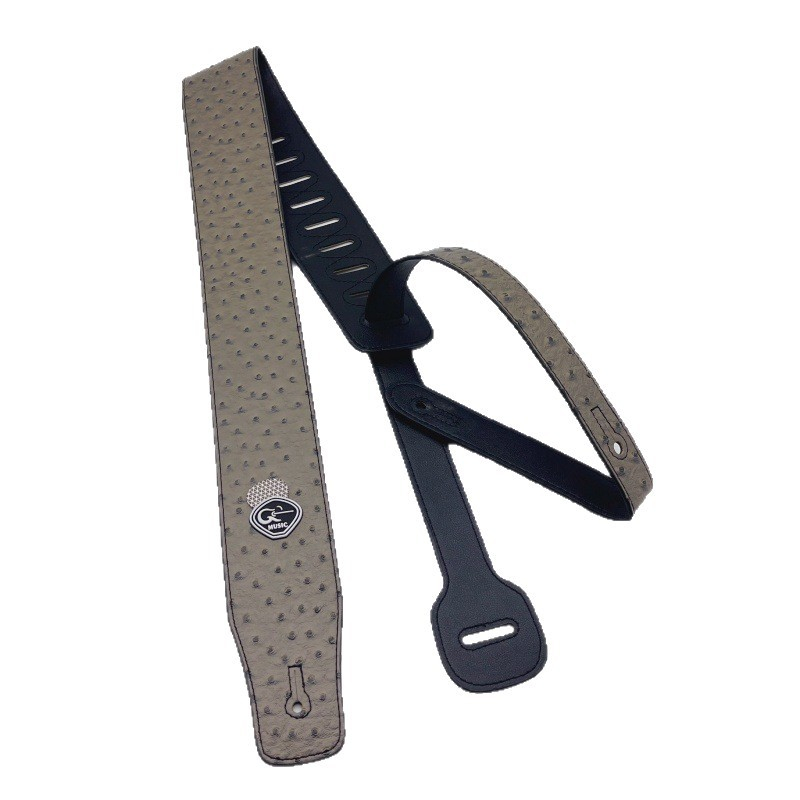
Genuine Leather Guitar Strap, Wide Wear-resistant, Dual-use
A premium-feel accessory for acoustic and electric guitar bundles. Strong margin and easy private-label attachment.
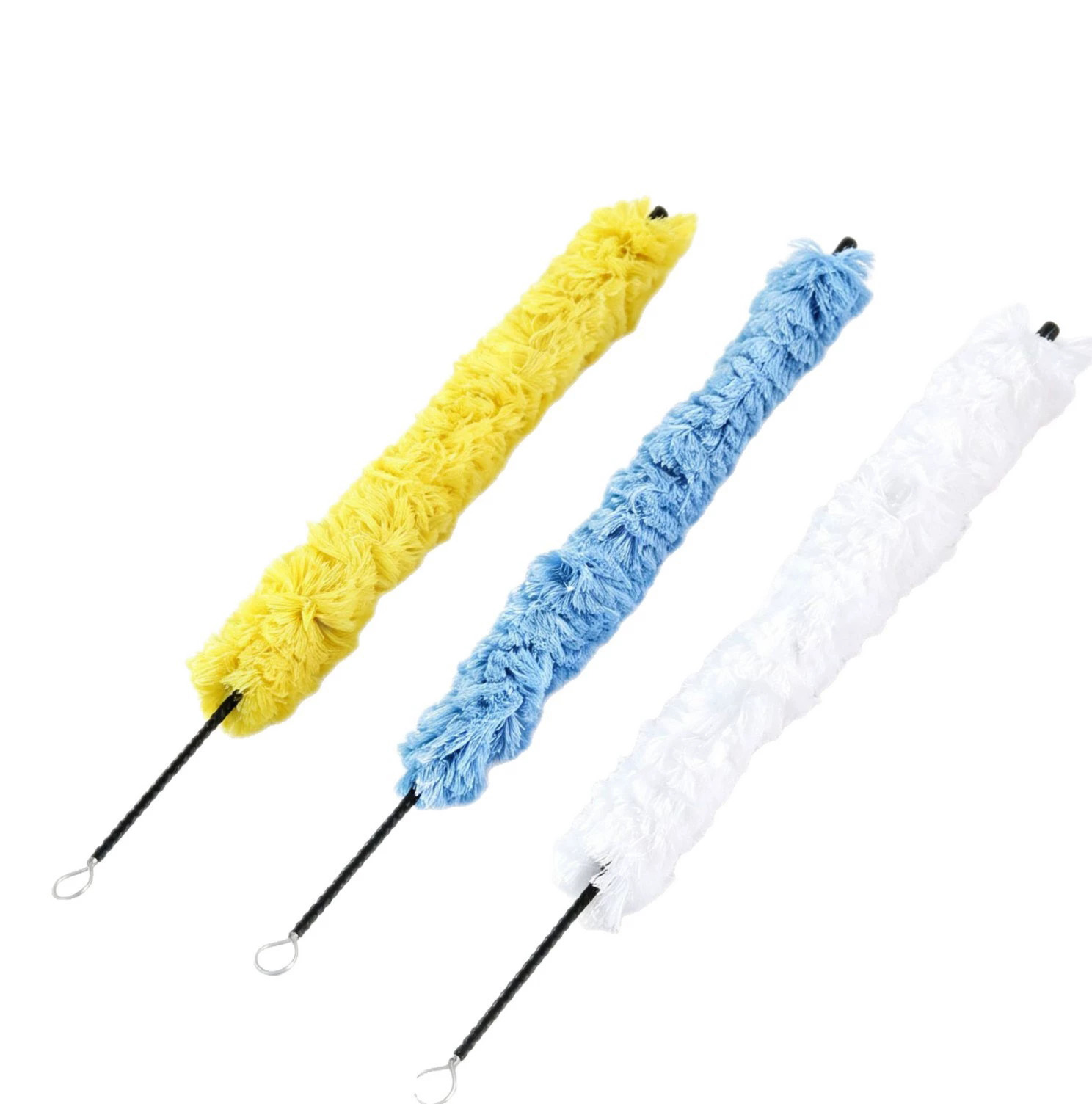
Washable Cotton Flute Bore Cleaning Brush
White, yellow and blue cleaning swabs for school bands, instrument repair counters and woodwind accessory sets.
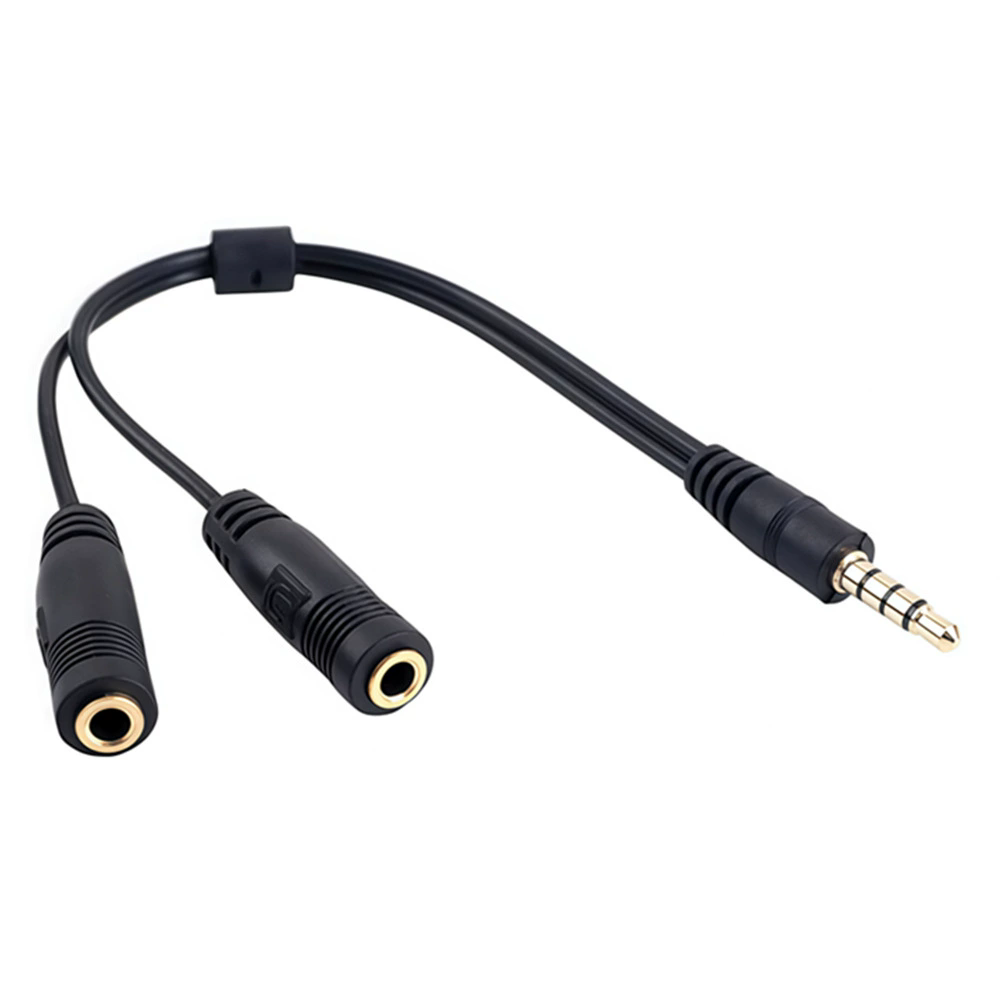
3.5mm 4-Pole Headset Microphone Splitter Adapter Cable
Useful for online lessons, home recording and creator bundles. A compact tech accessory for e-commerce listings.
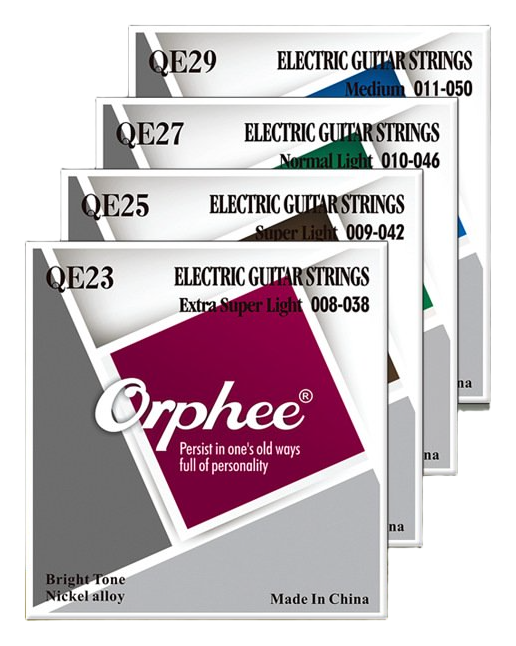
Coated Nickel Core Electric Guitar String Set
Consumable strings with repeat-purchase potential. Ideal for online sellers, repair shops and starter packs.
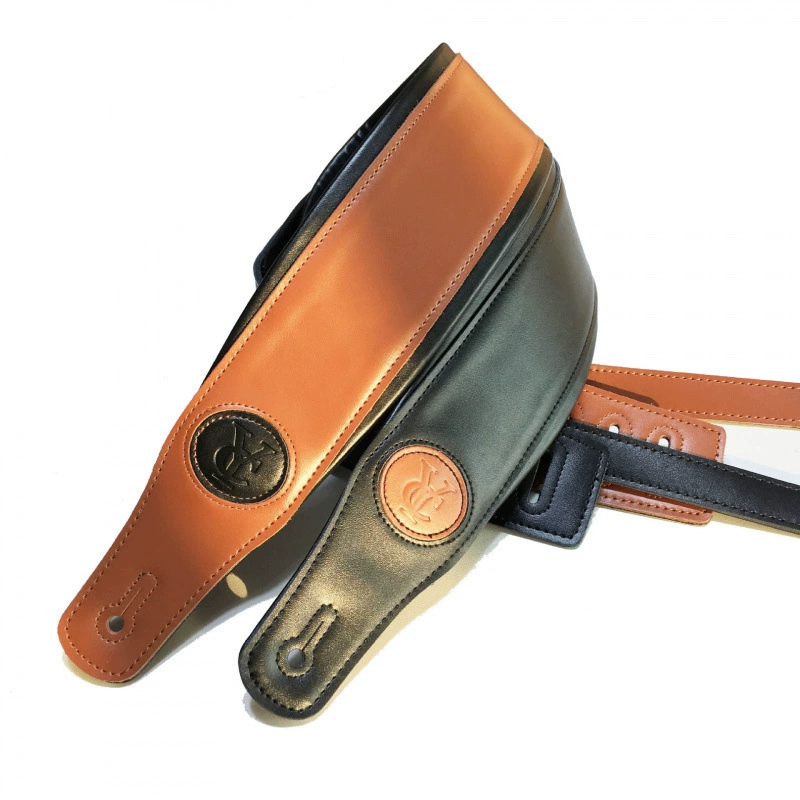
Wide Padded Cowhide PU Leather Adjustable Guitar Strap
Soft shoulder support for acoustic, electric and bass guitars. A strong visual accessory for retail displays.
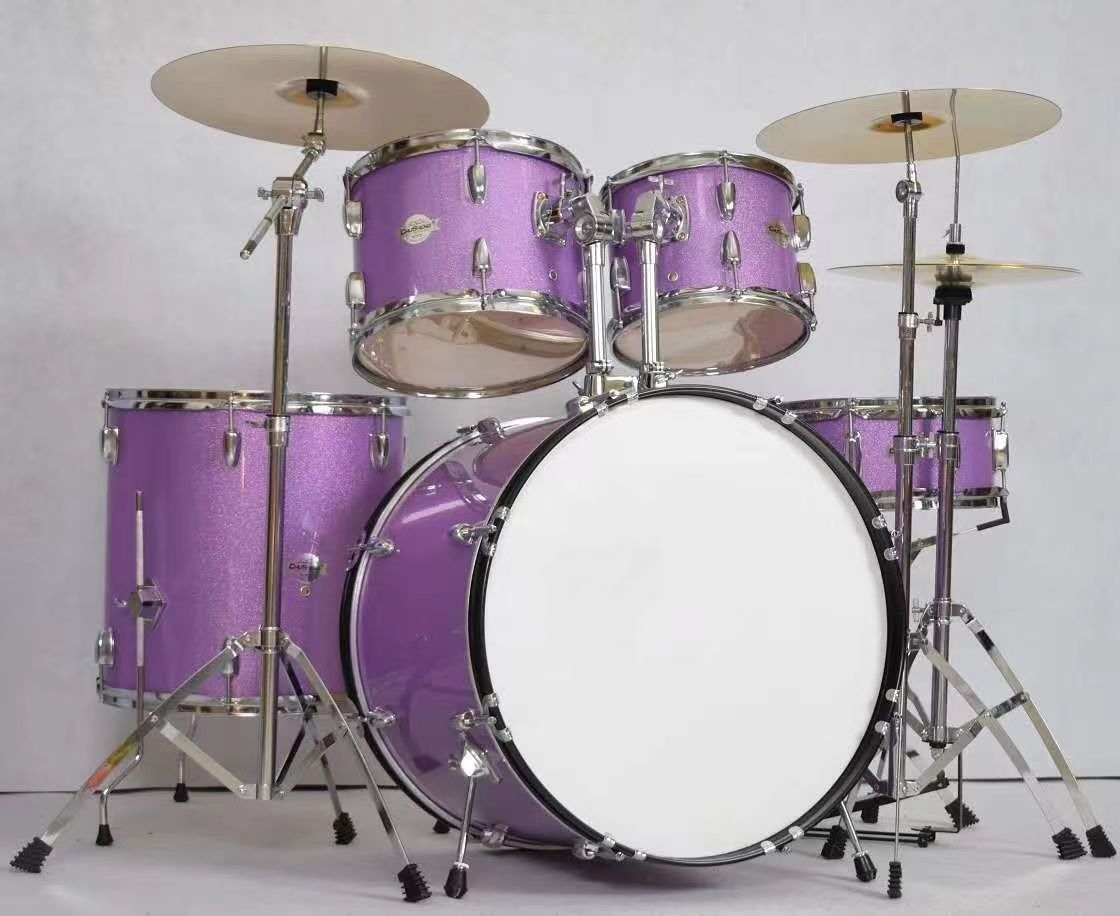
5-Drum 3-Cymbal Adult Jazz Drum Set
A higher-ticket percussion product for music schools and dealers. Useful for buyers consolidating multiple categories.
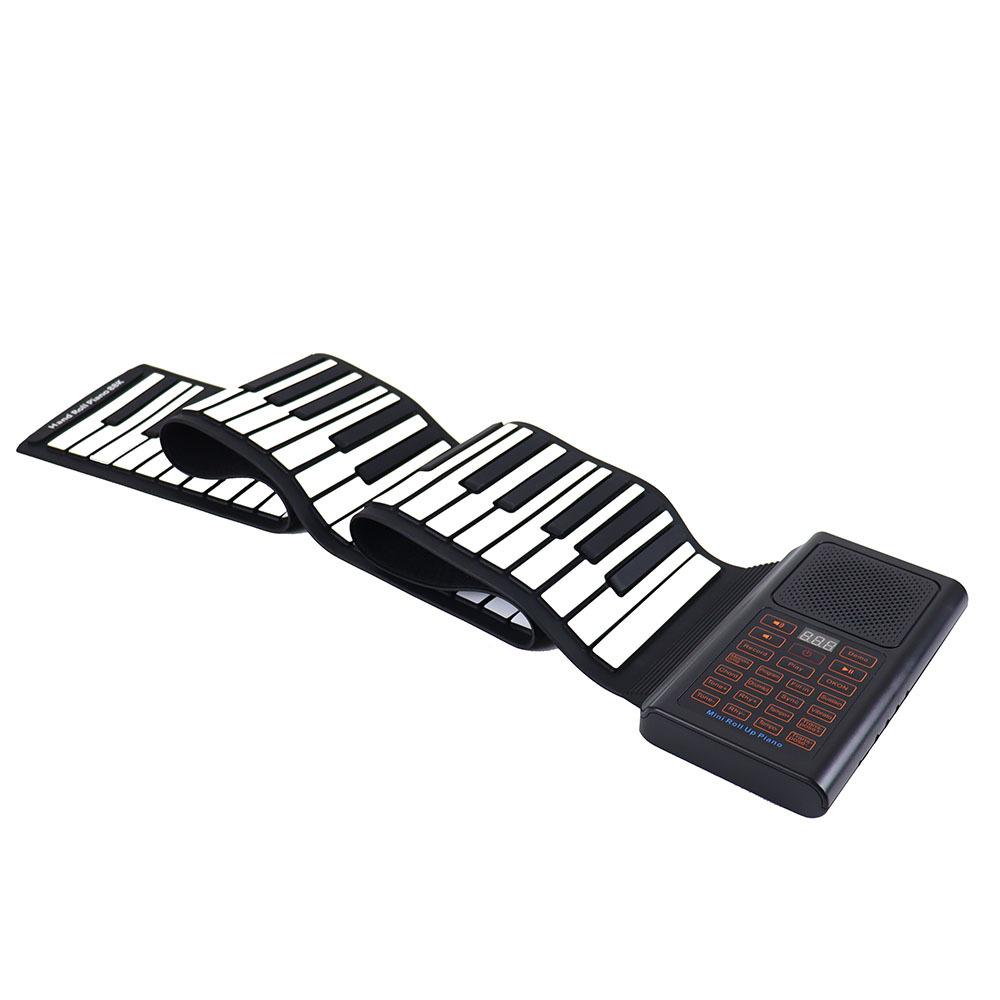
88-Key Portable Foldable Hand-Rolled Digital Piano
Space-saving keyboard for online learning, travel and beginner bundles. A modern add-on for digital-first retailers.
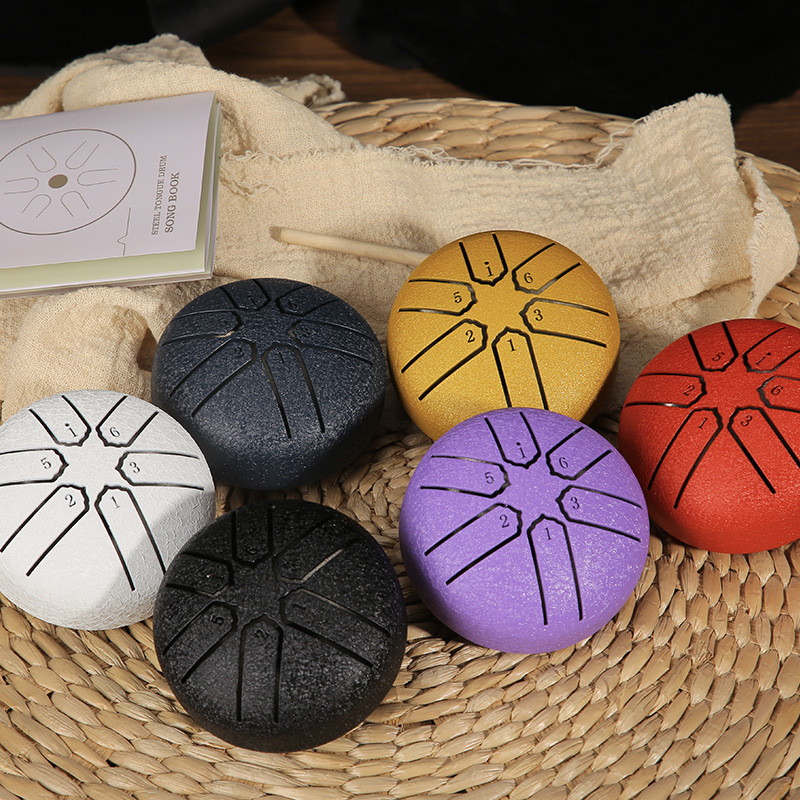
3-Inch 6-Note Mini Steel Tongue Drum
Easy-learn percussion for gifts, kids, yoga and music therapy. A high-margin impulse item with strong visual appeal.
What Buyers Really Need from China Professional Guitar Manufacturers
The query “Top China Professional Guitar Manufacturers & Manufacturer” is not only a product search. It is a supplier-vetting search with commercial risk attached.
Most wholesale buyers are trying to answer four practical questions at the same time: Can this supplier actually make or source the model I need? Can they prove quality before shipment? Can they support low-MOQ testing, logo and packaging customization? And can they consolidate guitars, accessories and adjacent instruments without turning one order into five separate projects?
That is why pages listing “factories” without evidence are rarely enough. A professional China guitar manufacturer or manufacturer-backed supplier should provide sample-based customization, clear inspection steps, realistic MOQs, trade terms and a verifiable company profile. For guitar programs, the technical risks are specific: neck angle, fretwork, action height, tuning stability, bridge glue lines, electronics noise, finish consistency and packaging protection. A low unit price is meaningless if return rates rise after the first container.
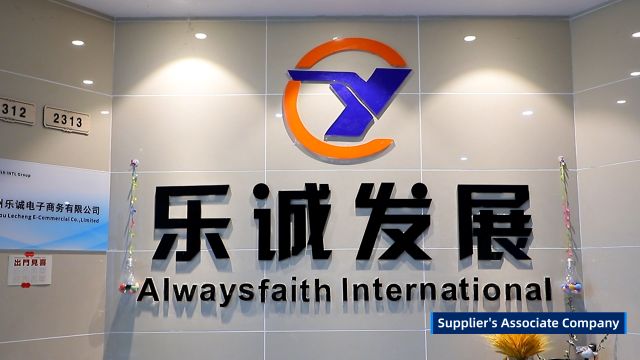
WPI International Trade Co., Ltd. (Huizhou) approaches this from the exporter side: it connects buyers with long-term partner workshops in Guangdong, supports OEM/ODM projects, and checks finished products before delivery. The company has been assessed onsite by Intertek, operates with a 28-person team, and reports a 97.73% inquiry response rate and a 4.6/5 buyer rating. For buyers comparing manufacturers, that combination of catalog breadth, assessment and communication discipline is a useful benchmark.
How to Compare a China Guitar Factory or Manufacturer-Backed Supplier
Use these four checks before you approve a sample or place a bulk order. They help separate a true sourcing partner from a catalog-only trading desk.
Manufacturing Transparency
Ask who makes the body, who sets the neck and who performs final setup. A manufacturer-backed supplier should explain the workshop network, not hide it behind vague claims.
Inspection Evidence
Finished-product inspection should cover appearance, hardware, tuning stability, electronics and packaging. Intertek onsite assessment adds another layer of verification.
Sample Economics
Low MOQ and mixed orders reduce inventory risk. For instruments, a 1-piece sample and 2–10 piece model MOQ are common; small accessories may run 20–600 sets.
Customization Depth
Check whether the supplier supports logo, packaging, graphics, design-based customization and full OEM/ODM development across more than one product category.
Why WPI Fits the Profile of a Manufacturer-Backed China Guitar Supplier
WPI’s strength is not a single product photo. It is the ability to support a buyer from model selection to customized production, inspection and consolidated export.
WPI International Trade Co., Ltd. (Huizhou) began exporting musical instruments from Hong Kong in June 2010 and established its Huizhou, Guangdong operation in 2014. Today the team has 28 people, with 22 in trading and export roles, supporting importers, distributors, retailers and schools worldwide. Third-party assessed information lists annual export sales of US$9,000,000, 952 orders in the last six months, and main markets in North America, Western Europe, Southeast Asia and South America.
That experience matters for guitar sourcing because buyers need more than a low quotation. They need a repeatable process: select a model, agree on tonewood, size, finish, pickup and logo, approve a sample, schedule production, inspect finished products, consolidate categories and ship under clear terms. WPI supports sample-based customization, minor customization such as logo and packaging, design-based customization and full customization. Payment terms include T/T, L/C, D/P, D/A, credit card, PayPal, Western Union, cash and escrow; delivery terms include FOB, CFR, CIF, EXW, DDP and express delivery. The company has exhibited at Shanghai and Guangzhou music fairs from 2014 to 2019, giving buyers additional context for trade-show follow-up and long-term cooperation.
For a deeper view, review the WPI company profile, the Intertek supplier assessment and the trade capacity page before requesting quotations.

Quality First
A dedicated QC approach inspects finished products before delivery, covering appearance, hardware, playability and packaging.
Wide Selection
Guitars, ukuleles, violins, cellos, saxophones, clarinets, drums, keyboards, tongue drums and accessories can be combined.
Factory-Direct Sourcing
Long-term partner workshops in Guangdong support factory pricing, sample development and private-label production.
One-Stop Consolidation
Consolidate multiple categories in one order, reducing supplier management time and improving container utilization.
Export Documentation
Support for common payment and delivery terms helps buyers align purchasing, finance and logistics teams.
Responsive Account Team
Named account managers follow quotations, samples, production and after-sales communication with a 97.73% inquiry response rate.
Buyer Confidence Dashboard
Export Focus Areas
These are the site-reported main markets. Buyers should still confirm target-market compliance, labeling, packaging language and shipping terms for each product category before ordering.
Where Guitar and Musical Instrument Development Is Moving
Product development is responding to three buyer realities: tighter inventory budgets, more online product discovery, and a wider range of beginner players learning at home.
Solid-Top Value Models
Buyers want the tonal story of a solid spruce top without jumping into premium pricing. Solid-top acoustics and violins remain strong step-up products for music stores and schools.
Electro-Acoustic Versatility
Cutaway bodies, pickup-ready models and EQ-equipped guitars serve stage, worship and recording customers. Offering an EQ option on one body shape expands market coverage.
Travel and Smart Instruments
Foldable keyboards, mini tongue drums, stringless smart guitars and compact practice tools appeal to content creators, travelers and digital-first learners.
Beginner Ecosystem Bundles
Ukuleles, straps, strings, tuners, picks, gig bags and lesson-ready accessories create a higher-value bundle than a single low-price instrument.
How Professional Buyers Will Purchase in 2025–2026
Procurement is shifting from “find the lowest quote” to “build a resilient, testable assortment.” The following trends matter for importers, private labels and multi-channel retailers.
Sample-Led Test Buys
Buyers increasingly order one sample, validate setup and packaging, then scale only the winners. Low-MOQ support becomes a competitive advantage for suppliers.
Mixed-Category Containers
Instead of placing separate orders for guitars, straps, strings and percussion, buyers consolidate categories with one manufacturer-backed supplier to improve freight economics.
Private-Label Readiness
Logo, packaging, barcode, product photography and marketplace-ready copy are now part of sourcing. Suppliers that support minor customization reduce launch friction.
Verifiable Quality Gates
Pre-shipment inspection, third-party assessment and clear corrective-action communication matter more than broad claims. Buyers want evidence they can review before release.
Practical sourcing takeaway for guitar buyers
Start with one core model and two accessories, not a full catalog. Confirm action height, intonation, tuning stability, pickup noise, packaging drop protection and spare-part availability. Then expand into adjacent instruments once the first shipment has sell-through data. WPI’s low-MOQ sampling, OEM/ODM support and one-stop consolidation are designed for this test-and-scale approach. Request the latest wholesale instrument catalog and compare model-level MOQs before committing.
Product Development and Assortment Planning Notes
Use this quick planning matrix to align materials and sizes with the customer segment you serve. It is not a substitute for sample approval, but it helps narrow the first quotation.
Guitar Materials & Sizes
- Basswood / lindenEntry-level, schools, price-led retail
- Solid spruce topStep-up acoustic and violin programs
- 38"–39"Compact, classical and student options
- 40"–41"Full-size folk, dreadnought and electro-acoustic
Ukulele & Accessory Planning
- 21" sopranoKids, gifts, beginner bundles
- 23" concertRetail best seller and school channel
- 26" tenorAdult players wanting fuller tone
- Straps / stringsRepeat purchase and bundle lift
Violin, Drum & Percussion
- 4/4 violinAdults and teens; strong school demand
- 3/4–1/8Young starters and graded exams
- 5-drum kitHigher-ticket music school and dealer item
- Mini tongue drumGift, therapy and impulse-buy channels
How a Manufacturer-Backed OEM Instrument Order Works
A clear process reduces sampling delays and protects both sides before mass production begins.
Brief & Match
Share model, size, tonewood, logo, packaging and target market. The supplier recommends suitable workshops and specs.
Sample Approval
Pre-production samples validate playability, finish, hardware, pickup noise and packaging before bulk order confirmation.
Production & QC
Mass production proceeds with in-process checks and finished-product inspection before packing and release.
Consolidation & Shipping
Combine categories, confirm documents and ship via FOB, CIF, DDP or express based on the buyer’s logistics plan.
Common Questions from Wholesale Guitar and Instrument Buyers
These answers reflect the trade terms and sourcing model published by WPI. Confirm final details on the quotation for your specific model and destination.
What is the minimum order quantity for wholesale musical instruments?+
Many guitars, ukuleles, violins and saxophones can be ordered from 1 piece for sampling. Typical wholesale MOQs are 2–10 pieces per model for instruments and 20–600 sets for strings and small accessories. Mixed-category orders are welcome, which helps buyers test multiple products without overstocking one SKU.
Is WPI a guitar manufacturer or a trading company?+
WPI International Trade Co., Ltd. (Huizhou) operates as a musical instrument export and sourcing company with long-term partner workshops in Guangdong. That means buyers should evaluate it as a manufacturer-backed supplier: it supports OEM/ODM development, sample customization and finished-product inspection, while production is coordinated with the relevant workshop for each product line. This transparency matters when comparing “China guitar manufacturer” claims.
Do you offer OEM and ODM customization?+
Yes. Assessed capabilities include sample-based customization, minor customization such as logo, packaging and graphics, design-based customization and full customization. Buyers can start with a logo or packaging change, then move toward more involved private-label development when sell-through data supports it.
How is product quality controlled before shipment?+
Every order goes through finished-product inspection before delivery, covering appearance, hardware, tuning stability, playability and packaging. WPI has also been assessed onsite by Intertek. For guitar programs, ask for model-specific checks such as fret ends, action height, intonation, electronics noise and bridge integrity.
Which payment and delivery terms are accepted?+
Payment methods include T/T, L/C, D/P, D/A, MoneyGram, credit card, PayPal, Western Union, cash and escrow. Delivery terms include FOB, CFR, CIF, EXW, FAS, CIP, FCA, CPT, DEQ, DDP, DDU, DAF, DES and express delivery. Final terms depend on order value, destination and product mix.
Which products should a new buyer stock first?+
For many retail and school channels, start with one or two proven entry-level guitars, 21-inch soprano and 23-inch concert ukuleles, a small accessory set and one high-margin impulse item such as a mini steel tongue drum. Buyers serving schools may also test violins and percussion; online sellers often begin with accessories and foldable keyboards. Use low-MOQ samples to confirm packaging and product quality before scaling.
Build a Better Guitar Assortment with Verified Wholesale Support
Use the catalog to shortlist models, compare MOQs and request samples. WPI supports low-MOQ sourcing, OEM/ODM customization, finished-product inspection and consolidated export from Huizhou, Guangdong, China.