8 Product Lines That Fit a Mixed Instrument Order
These eight live WPI products show the breadth of a mixed musical-instrument container. For tuning peg buyers, they are practical add-on lines that improve carton utilization, raise average order value and let distributors test adjacent categories without changing suppliers. Every product link below is preserved from the original catalog.
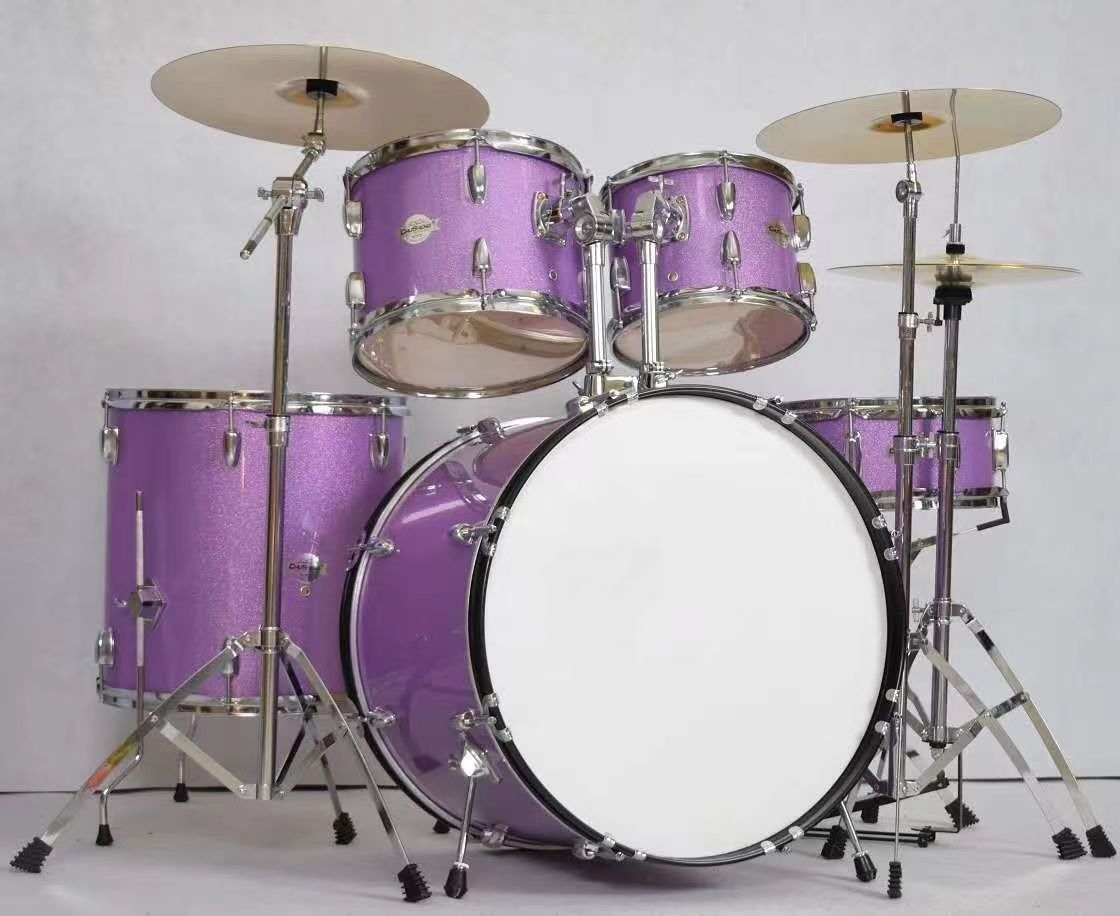
Hot Selling Ordinary 5 Drums 3 Cymbals Adult Drum Set Jazz Drum
Turnkey acoustic kit for schools, retail chains and bundle promotions.
View product →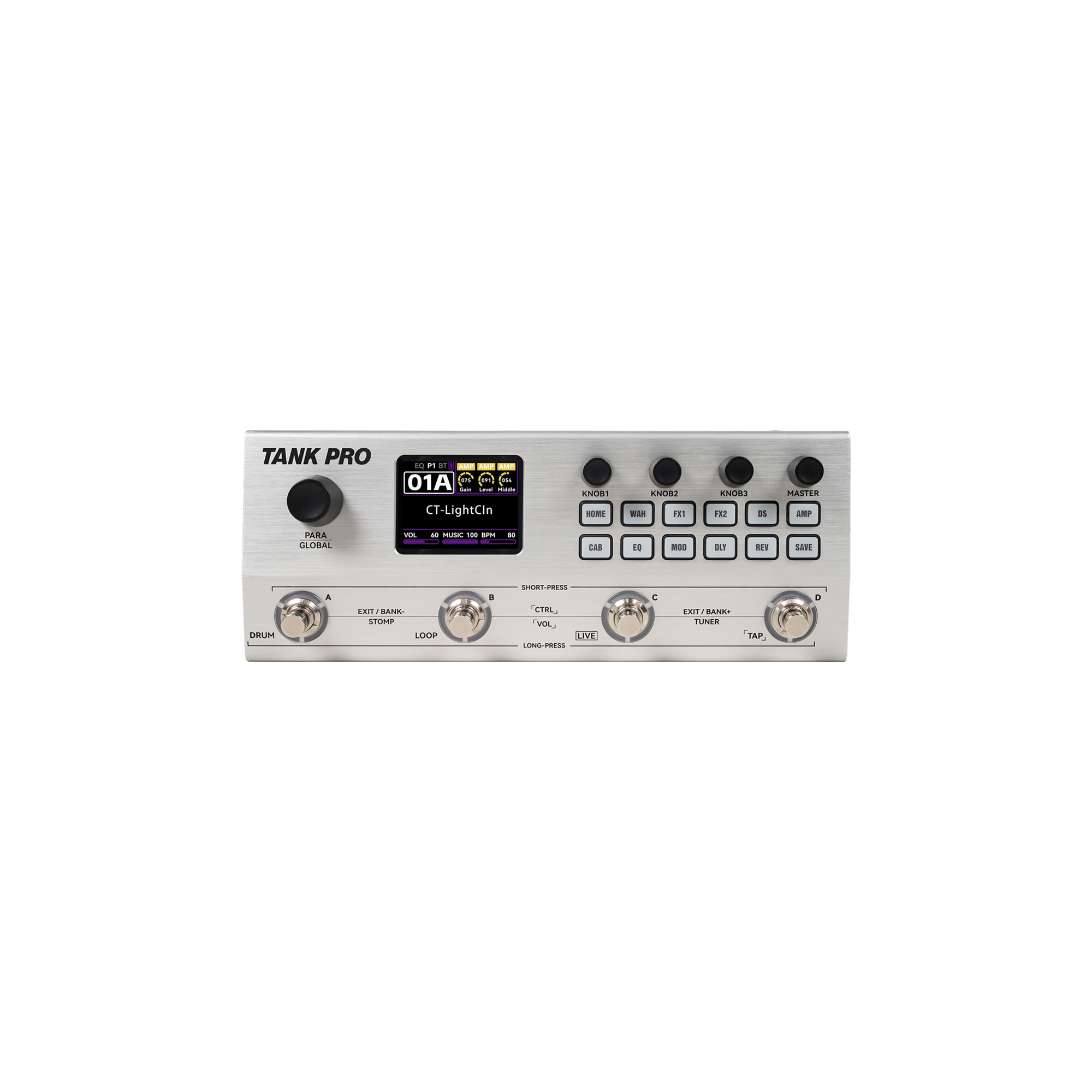
Tank Pro Metal Guitar Multi Effects Processor with ANN Third-Party IR Loading OTG Internal Recording
Modern multi-effects processor for guitar and bass with IR loading and OTG recording.
View product →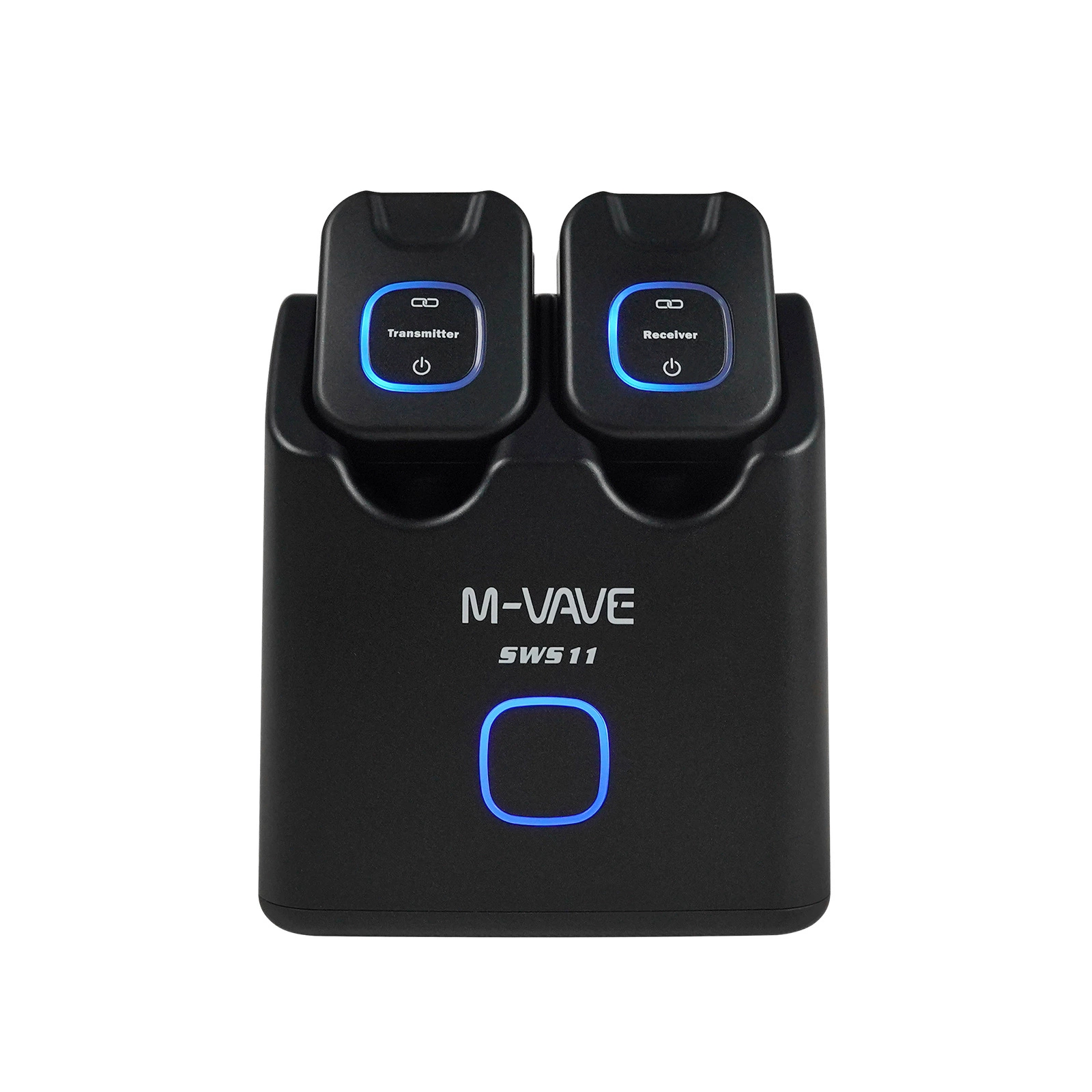
M-VAVE SWS11 2.4Ghz Wireless Guitar Audio System Rechargeable Transmitter Receiver with Charging Base
Rechargeable 2.4 GHz wireless system for stage, rehearsal and content creation.
View product →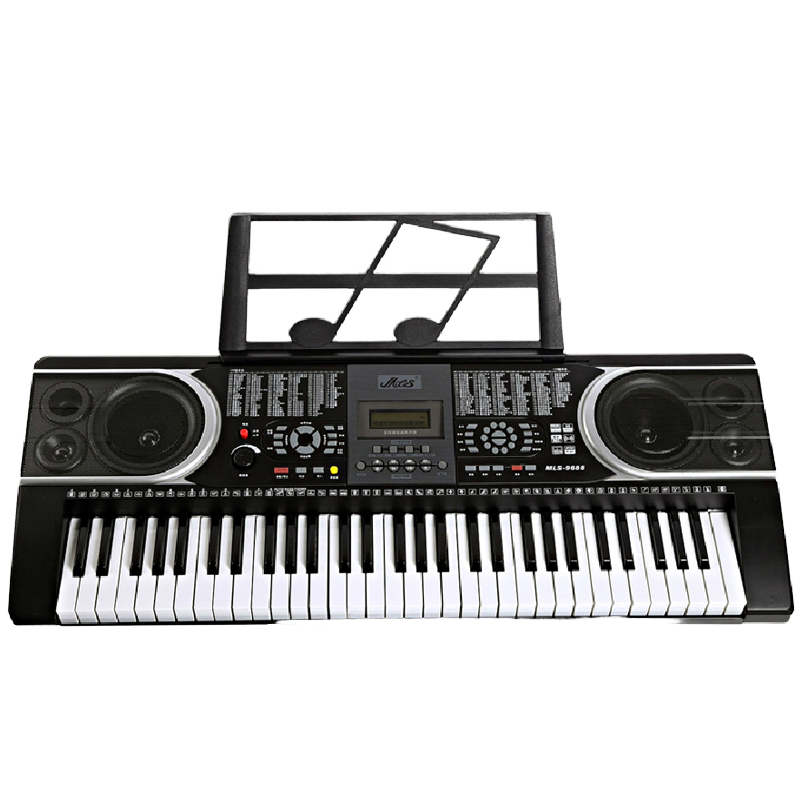
Professional Teaching Electronic Keyboard 61 Standard Keys
61-key teaching keyboard for classrooms, beginner bundles and retail programs.
View product →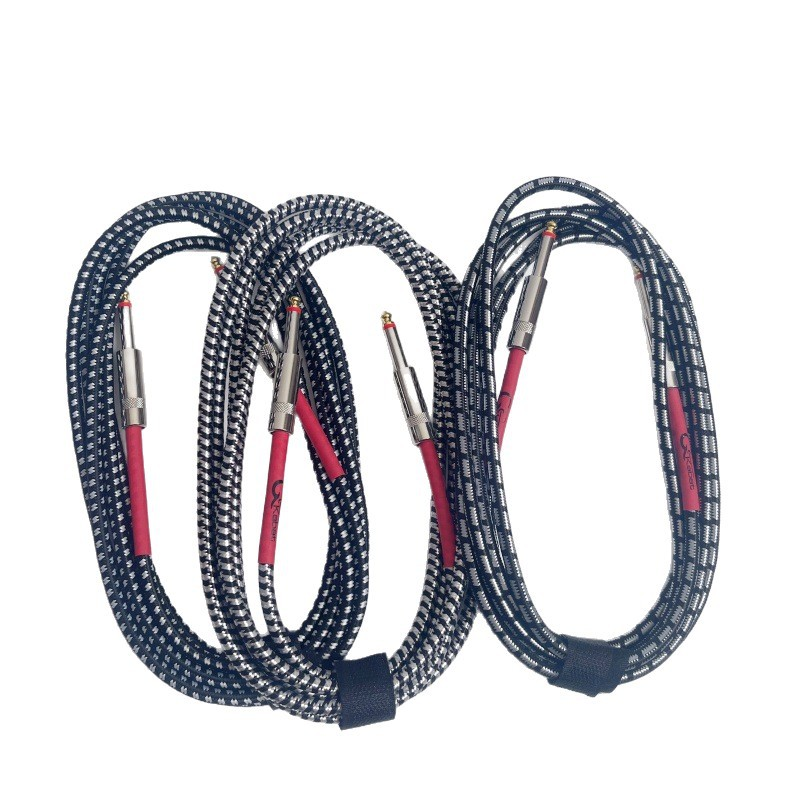
Braided Guitar Cable, 6.35mm Male to Male Noise Reduction Audio Cord for Bass, Instrument Connection Wire Wholesale
Braided 6.35 mm noise-reduction cable for guitar, bass and instrument connection.
View product →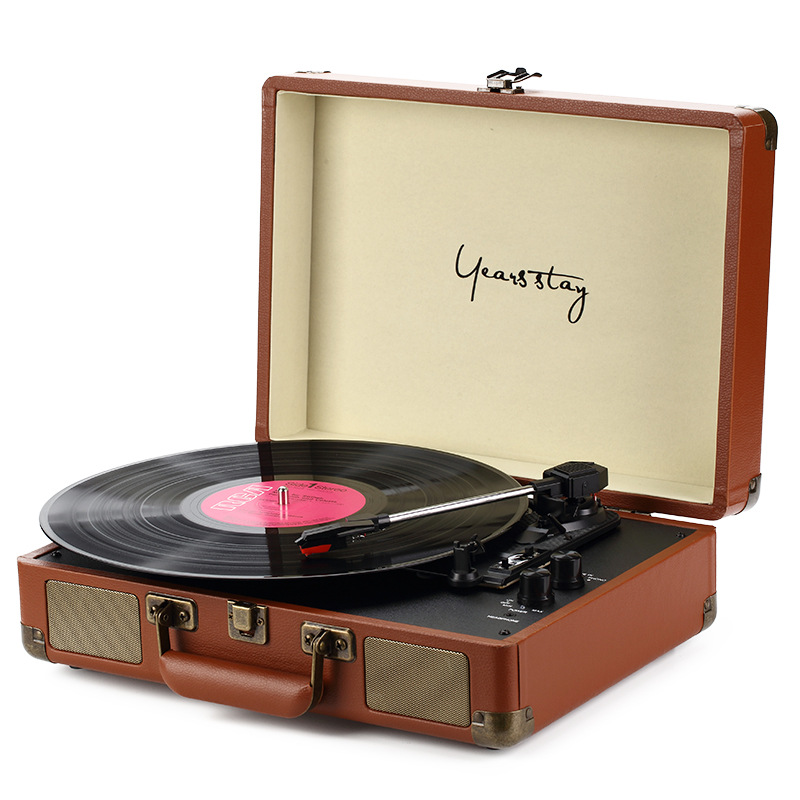
Portable Mini Phonograph Desktop Vinyl Record Player Handheld Wireless for Speaker Turntable
Compact wireless vinyl record player for gift, lifestyle and consumer electronics channels.
View product →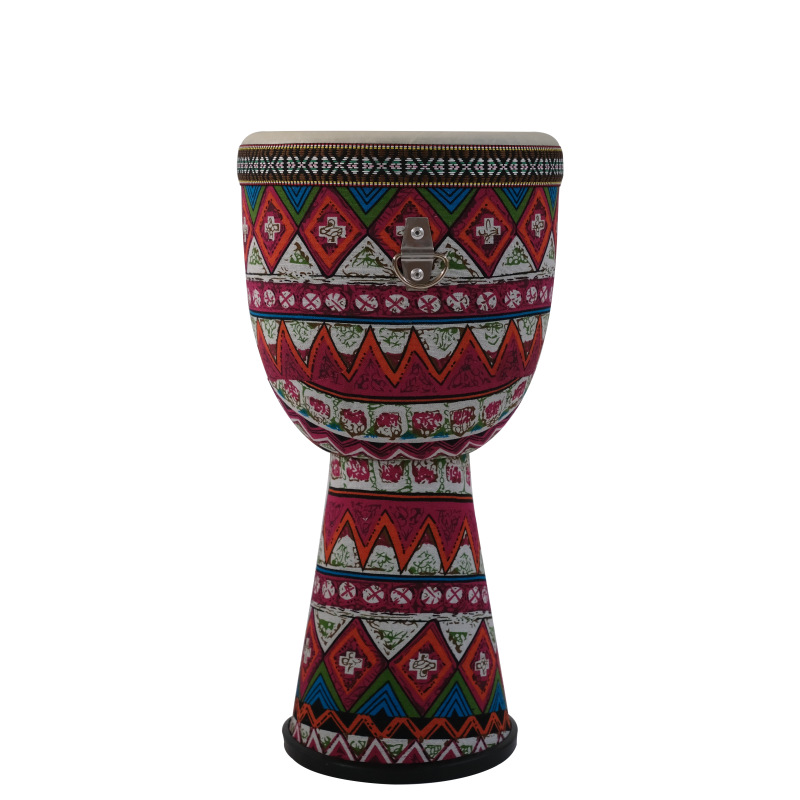
8 Inch African Djembe Drum, Lightweight PVC Fabric Hand Drum for Kids & Adults, Beginner Percussion Hand Beat Drum Wholesale
Lightweight 8-inch djembe for kids, adults, schools and beginner percussion programs.
View product →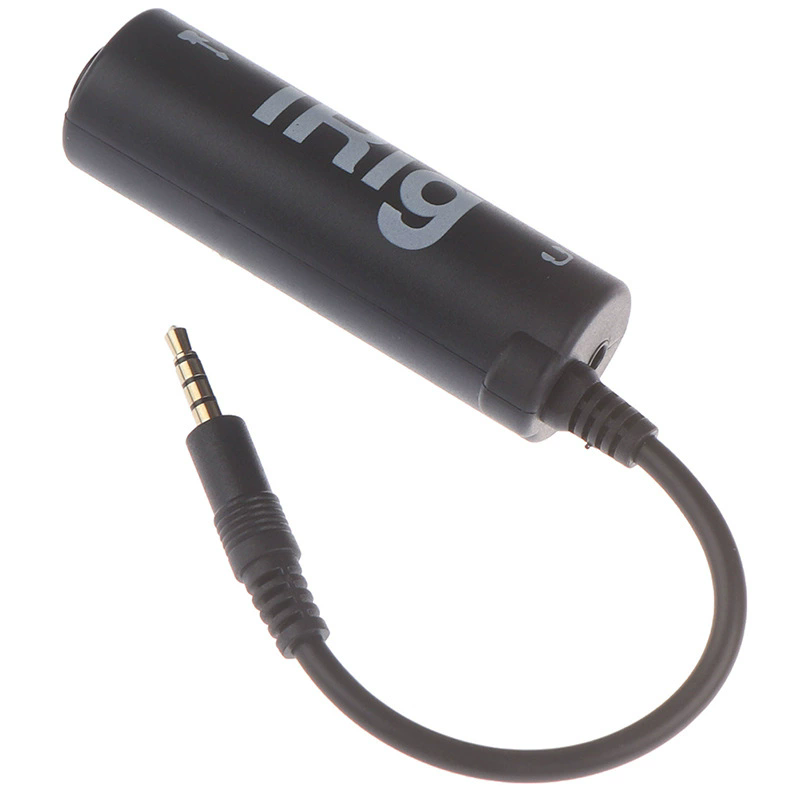
Wholesale 3.5mm Converter Guitar Bass Interface Converter Adapter for Phone Tablet Recording
3.5 mm guitar and bass recording adapter for phone and tablet content creation.
View product →Years in the musical instrument industry
Annual export value, third-party assessed
Inquiry response rate
Average verified buyer rating
What Buyers Are Really Sourcing When They Buy Tuning Pegs
Guitar tuning pegs are often treated as a low-value accessory. In practice, the machine head is a precision interface between string tension, wood movement and player feel. A tuning machine that slips under load, shows plating defects or does not match the headstock footprint can create returns across an entire instrument line.
For distributors, the right question is not simply “What is the lowest price per set?” It is “Which specification gives the lowest total cost of ownership across my market?” The answer depends on gear ratio, gear material, bushing type, post length, mounting screw pattern, button finish and packaging. That is where real information gain matters: a supplier who can explain the trade-offs before quoting is more useful than a price list that ignores fitment risk.
Gear Ratio & Backlash
Common machine-head ratios range from 14:1 to 21:1. A higher ratio allows finer tuning, but the practical difference comes from gear machining and backlash control. Ask for a tuned-string test, not only a no-load spin test.
Materials & Plating
Die-cast zinc alloy housings, brass or steel gears, stainless screws and stable plating are baseline expectations. Soft zinc, thin chrome and inconsistent thread quality often appear after several weeks of use, not on the sample table.
Fitment Geometry
Configuration, post spacing, bushing diameter, shaft length, headstock thickness and screw-hole layout determine compatibility. A visually identical 6-inline set can fail on a 10 mm peg hole or protrude on a thinner headstock.
Brand-Ready Finish
Chrome, nickel, gold, black, antique bronze and custom colors all affect perceived value. Button shape, engraving, packaging and included accessories often determine whether a tuning set sells as a repair part or a premium upgrade.
Tuning Peg Types and Wholesale Use Cases
China produces a wide range of guitar tuning machines, machine heads, tuning keys and pegs. The most profitable wholesale assortment is usually a compact matrix of configurations, ratios and finishes rather than dozens of near-identical SKUs.
| Type | Typical Configuration | Best Fit | Buyer Note |
|---|---|---|---|
| Sealed die-cast tuners | 6-inline or 3+3 | Acoustic, electric and student guitars | Best all-round starter line; confirm bushing and post length. |
| Vintage open-gear tuners | 3R2L, 6-inline | Retro electrics and repair shops | Check backlash, lubrication and engraving quality before bulk orders. |
| Locking tuners | 6-inline, 3+3 | Upgrade market and tremolo users | Strong margin potential; test thumb-wheel operation and string clamping. |
| Bass tuning machines | 2+2, 4-inline | Bass builders and replacement parts | Higher string tension requires stronger posts and stable gear engagement. |
| Classical lyre-style pegs | 3+3 slotted-headstock sets | Nylon-string classical guitars | Decorative appearance matters; verify roller fit and plate finish. |
| Ukulele tuners | 2+2, 4-inline | Beginner bundles and gift retailers | Small accessories can lift average order value when packed with instruments. |
Wholesale tip: request a fitment sample with caliper measurements for peg-hole diameter, post height, bushing depth and screw spacing. Packaging should state the configuration clearly so retail buyers do not order the wrong set.
Product Development Trends for Guitar Tuning Pegs
China’s tuning peg supply chain has shifted from commodity die-cast sets toward segmented programs. Suppliers now quote multiple gear ratios in the same housing, offer locking posts and support small-batch private label.
For 2025 and beyond, the fastest-growing requests from importers are not simply “cheap tuning pegs.” They are application-specific tuning machines: 18:1 sealed tuners for electro-acoustic guitars, 15:1 vintage open-gear sets for retro electrics, lightweight alloy tuners for bass, and color-matched ukulele pegs for beginner bundles. The winning supplier will be the one that can translate a target market into a small, testable specification range.
Higher Precision Ratios
18:1 and 21:1 tuners are gaining traction in upgrade and mid-premium segments. Buyers should test tuning stability under string tension and confirm that the higher ratio does not create a loose or vague feel.
Lightweight Hardware
Lightweight alloy and reduced-mass buttons appeal to bass players and touring guitarists. Weight reduction must be balanced against durability, thread strength and long-term plating performance.
Locking Mechanisms
Locking tuners reduce string-changing time and improve tuning stability for tremolo users. Wholesale buyers should compare clamping force, thumb-wheel ergonomics and replacement-part availability.
Vintage Aesthetics
Open-gear tuners, etched plates, butterbean buttons and aged finishes remain strong in repair and custom-build channels. Small visual details can justify a higher retail price than a plain sealed set.
Interchangeable SKUs
Brands prefer one housing platform with multiple finishes and ratios. This reduces tooling cost, simplifies inventory and allows e-commerce sellers to build bundles without maintaining dozens of unrelated parts.
Retail-Ready Kits
Sets packed with bushings, screws, washers and an installation card sell better online. Packaging should protect the finish, communicate configuration and include a QR code or guide for fitment checks.
Future Procurement Trends for Tuning Peg Wholesale
Based on the purchasing behavior of importers, distributors, repair chains and private-label brands, six sourcing patterns are shaping 2025–2030 orders. The direction is clear: smaller initial buys, stronger verification and more retail-ready customization.
Tuning Peg Sourcing Priorities
Illustrative buyer-decision weights from wholesale sourcing conversations. Use this as a checklist, not a statistical benchmark.
What This Means for Importers
- Start with a fitment sample before committing to a full retail assortment.
- Combine tuning pegs with strings, cables, stands and other accessories in one shipment.
- Ask for measurements, plating reports and packaging photos before production.
- Keep a narrow SKU matrix: one sealed 18:1 line, one vintage open-gear line and one locking option.
- Confirm whether customization is sample-based, logo-only, design-based or full OEM/ODM.
Lower MOQ, Mixed Models
Buyers increasingly test four to eight SKUs in a single order rather than one large container of a single model. Suppliers that support mixed-category orders reduce inventory risk for distributors and online sellers.
Private Label Before Full OEM
Many first orders begin with a logo on the button, a printed poly bag or a branded installation card. Full OEM tooling comes after sell-through data proves demand. This staged approach is especially common in Amazon and regional distributor channels.
Verification and Traceability
Third-party assessment reports, business licenses, product inspection photos and transaction history are now part of routine supplier screening. Buyers want to know who inspected the goods, when and against which checklist.
Total Landed Cost
Freight, duties, packaging damage and return rates matter more than a few cents of unit price. Consolidating instruments and accessories in one container is a practical way to improve total landed cost without overstocking.
Retail-Ready Packaging
E-commerce sellers request barcode labels, sealed poly bags, configuration stickers and small installation guides. These details reduce marketplace complaints caused by wrong-fit returns and unclear product descriptions.
Restricted Substances and Durability
European and North American buyers increasingly ask about nickel release, plating adhesion, corrosion resistance and packaging material compliance. A documented QC routine is more persuasive than a generic “high quality” claim.
How to Vet a China Tuning Peg Factory or Wholesaler
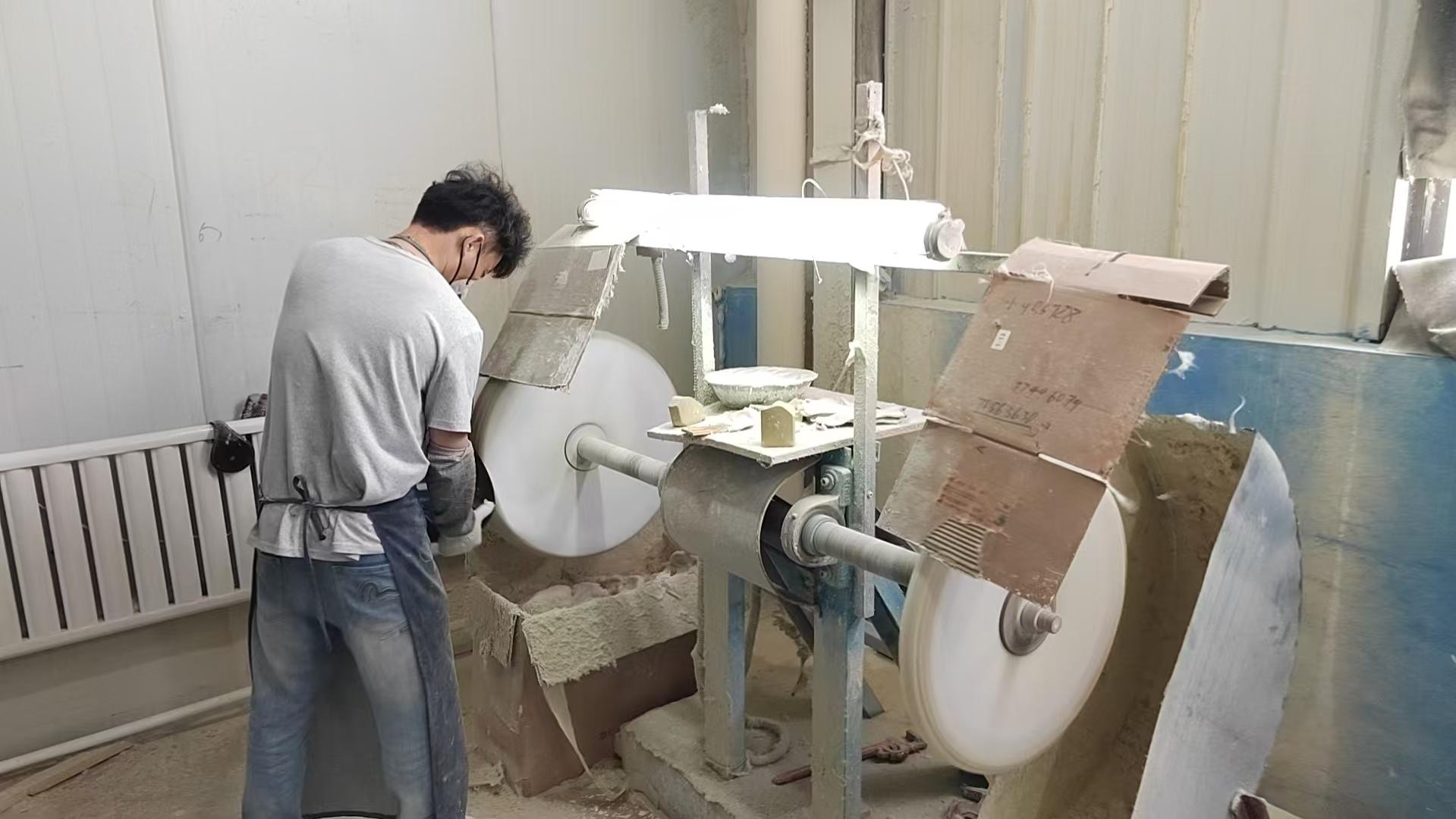
A credible supplier should separate the roles of production, trading and quality control. Some China tuning peg suppliers are factories; others are export trading companies that coordinate long-term partner workshops. Both models can work, but the buyer must understand which one is being used.
1. Verify Identity
Check the legal entity, address, business scope, export experience and third-party assessment. For WPI, the company profile and Intertek assessment can be reviewed before an order.
2. Test Fitment
Send a headstock drawing or a physical sample. Ask the supplier to measure bushing diameter, post length, screw spacing and post spacing. Confirm whether the sample is from the same production line you will order from.
3. Define QC
Write a simple inspection protocol: appearance, plating, backlash, tuning smoothness, screw threading, bushing fit, packaging and barcode accuracy. Finished-product inspection before shipment is more valuable than a promise of “strict QC.”
4. Protect the Order
Confirm payment terms, delivery terms, packaging approval, replacement policy and spare-part ratio. For custom logos or colors, approve a pre-production sample and keep it as the reference standard.
WPI International Trade Co., Ltd. (Huizhou) is a trading company and multispecialty supplier. Its assessed capabilities include finished-product inspection, sample-based customization, minor customization such as logo and packaging, design-based customization and full customization. Buyers should still confirm whether a specific tuning peg program is produced in-house or through a partner workshop before placing a large order.
Why WPI Is a Practical China Musical Instrument Wholesaler
WPI International Trade Co., Ltd. (Huizhou) began exporting musical instruments from Hong Kong in June 2010 and established its Huizhou, Guangdong operation in 2014. The company is positioned for buyers who need a broad catalog, flexible MOQs and one consolidated shipment.
The company supplies ukuleles, acoustic and electric guitars, violins, cellos, saxophones, clarinets, drums, keyboards, steel tongue drums and accessories. Its catalog includes 1,000+ instruments and accessories, which makes it possible to consolidate tuning pegs with guitars, cables, stands, percussion and keyboard lines. Annual export value is assessed at US$9,000,000, the inquiry response rate is 97.73%, and the average buyer rating is 4.6/5.
Intertek Onsite Assessment
WPI’s premises and capabilities have been assessed onsite by Intertek. Buyers can review the assessment report, credit overview, transaction level and trade capacity before requesting a quotation.
Low-MOQ Flexibility
Many instruments can be ordered from one piece for sampling. Typical wholesale MOQs are 2–10 pieces per instrument model and 20–600 sets for strings and small accessories. Mixed-category orders are welcome, giving buyers a lower-risk way to test new lines.
OEM / ODM Capability
Assessed customization capabilities include sample-based customization, minor customization such as logo and packaging, design-based customization and full customization. This suits private-label programs that begin small and scale after sell-through.
Quality Inspection
Finished-product inspection before delivery can cover appearance, hardware, tuning stability and packaging. For tuning pegs, define the checklist in advance so inspection is based on measurable criteria, not subjective impressions.
One-Stop Consolidation
Combine tuning machines with guitars, ukuleles, violins, drums, keyboards and accessories in one container. Consolidated sourcing reduces supplier-management time and improves carton utilization for distributors.
Export Terms and Communication
Accepted payment methods include T/T, L/C, D/P, D/A, MoneyGram, credit card, PayPal, Western Union, cash and escrow. Delivery terms include FOB, CFR, CIF, EXW, FAS, CIP, FCA, CPT, DEQ, DDP, DDU, DAF, DES and express delivery.

A Real Export Team, Not an Anonymous Listing
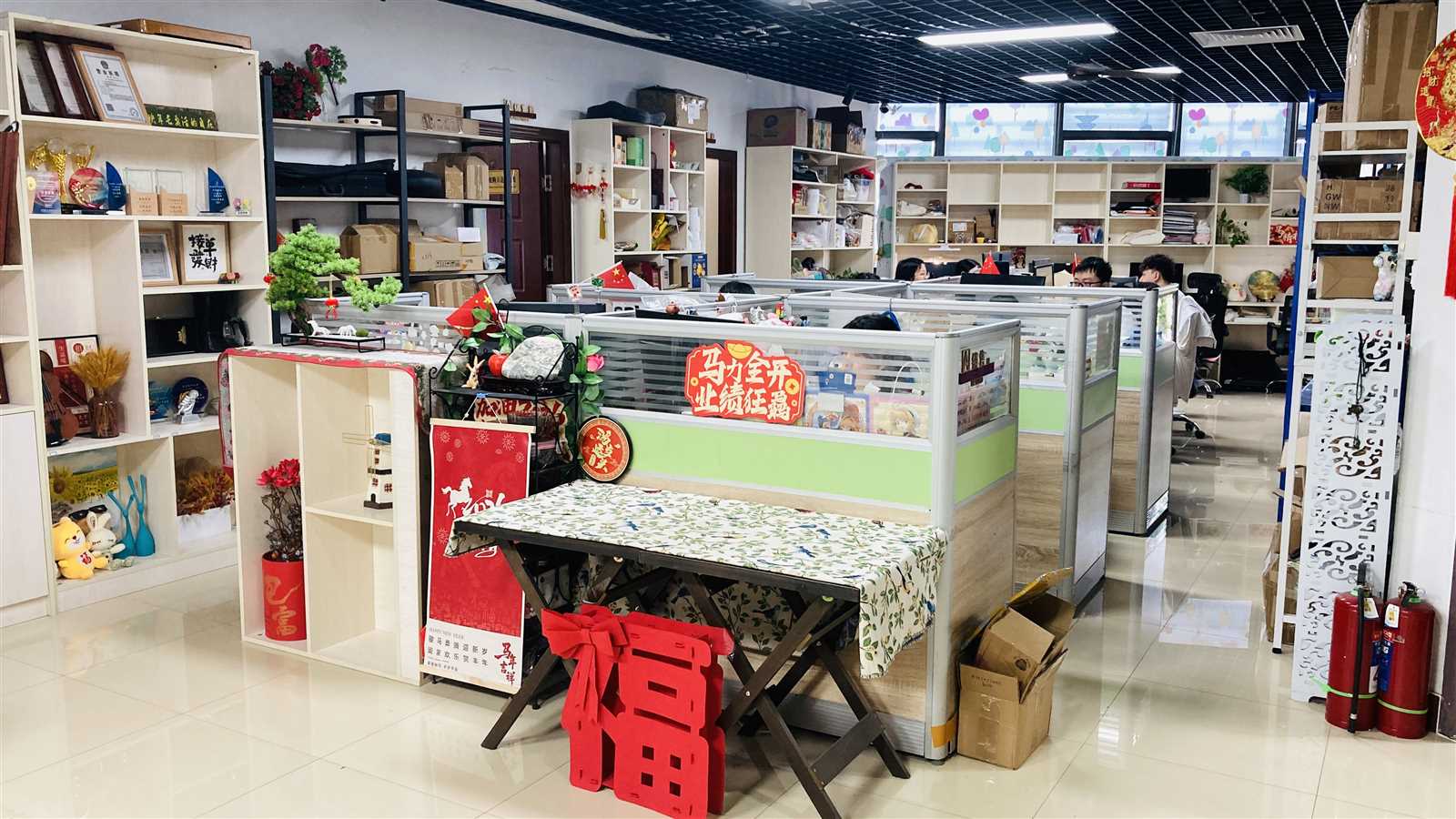
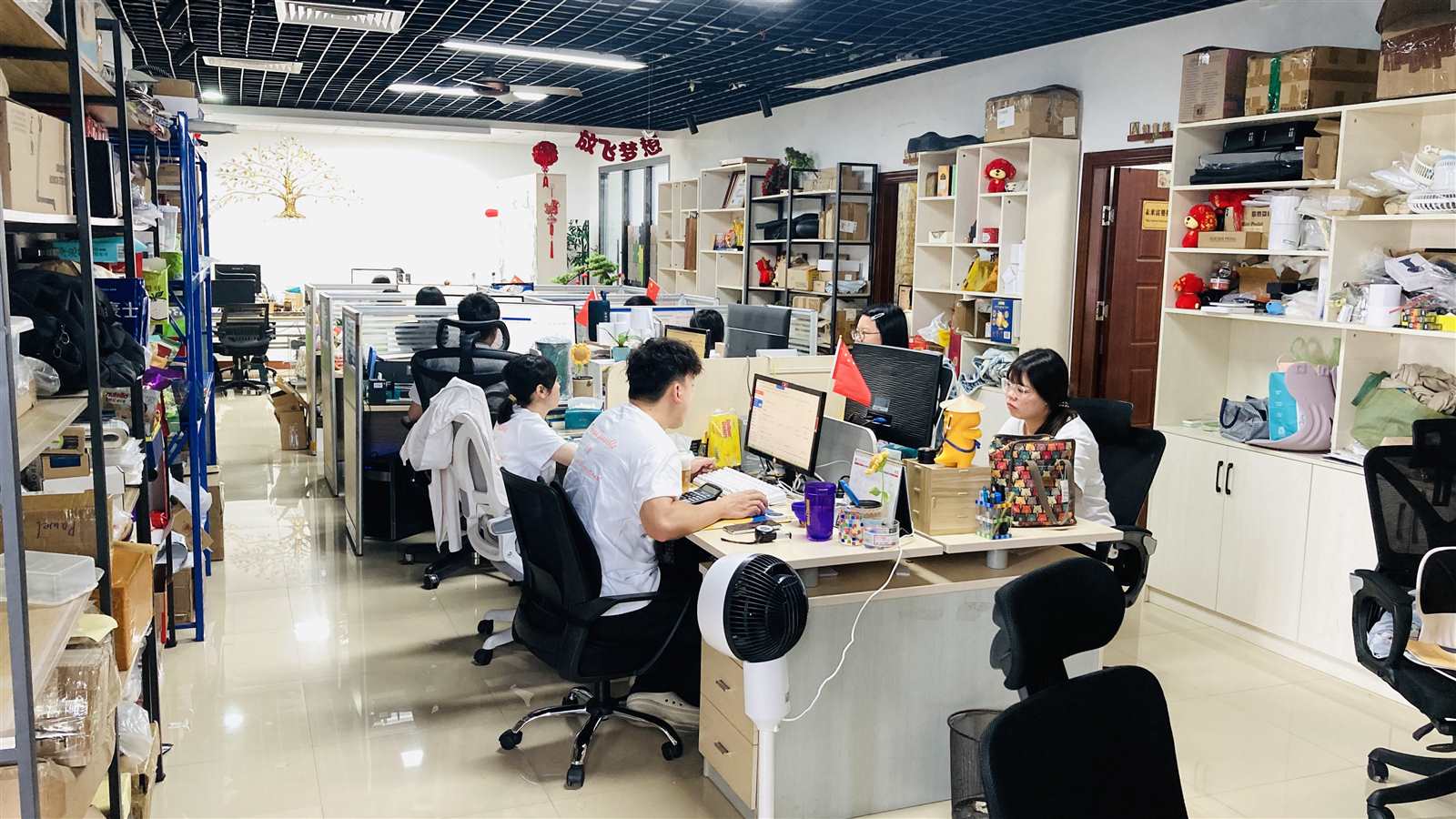
Each buyer works with a named account manager who follows the order from quotation to after-sales. The team supports importers, distributors, retailers and schools, with experience across North America, Western Europe, Southeast Asia and South America. The company also exhibited at Shanghai and Guangzhou music shows from 2014 to 2019, giving buyers a documented trade-show history to review.
- Contact: info@wpimusic.com
- Location: 2313, Saige Building, Huizhou, Guangdong, China
- Supplier type: Trading Company / Multispecialty Supplier
- Main product focus: guitars, ukuleles, strings, woodwinds, percussion, keyboards and accessories

A Practical Tuning Peg Assortment for New Wholesale Buyers
For a first container or test order, avoid spreading the budget across too many finishes. Build a compact matrix around the instruments you already sell, then expand after confirming fitment and sell-through.
| Program | Sample Quantity | Why It Works | Verification Focus |
|---|---|---|---|
| 18:1 sealed 6-inline tuners | 30–60 sets | Core upgrade and replacement line for acoustic and electric guitars. | Post length, bushing diameter, backlash and chrome adhesion. |
| Vintage open-gear 3+3 tuners | 20–50 sets | Attractive for retro electrics, repair shops and custom builders. | Gear engagement, lubrication, plate engraving and button fit. |
| Locking tuners | 10–30 sets | Higher-margin upgrade item for players who change strings often. | Clamping force, thumb-wheel feel and post height. |
| Ukulele 2+2 tuners | 50–100 sets | Low-cost add-on for beginner ukulele bundles and gift stores. | Peg-hole fit, color consistency and poly-bag packaging. |
Use one finish as the base SKU and one premium finish as the test SKU. Add black, gold or antique bronze only after you have confirmed demand. For private label, start with a logo on the button or packaging before investing in new tooling.
Guitar Tuning Pegs Wholesale FAQ
Direct answers for importers comparing China tuning peg factories, wholesalers and OEM suppliers.
What is the difference between tuning pegs, machine heads and tuning machines?
In everyday language, “tuning pegs” often refers to guitar tuning keys or machine heads. Technically, a machine head is the complete tuning assembly: housing, gear, worm gear, post, button and mounting hardware. When requesting a quotation, specify “sealed die-cast machine heads,” “vintage open-gear tuners,” “locking tuners” or “classical lyre-style pegs” so the supplier quotes the correct product type.
Which gear ratio is best for wholesale guitar tuning pegs?
There is no single best ratio. 14:1 and 15:1 are common for economy and vintage-style tuners. 18:1 offers finer adjustment and is popular for upgrades and mid-premium acoustic guitars. 21:1 can appeal to premium buyers, but it must be paired with good machining quality. Always test backlash and tuning feel under string tension, not only by turning the button by hand.
What information should I send for an accurate tuning peg quotation?
Provide the configuration such as 6-inline or 3+3, gear ratio, finish, button style, post length, bushing diameter, headstock thickness, screw spacing, target quantity, packaging requirements and whether you need logo printing or custom packaging. A photo of the headstock and a measurement sketch are often more useful than model names alone.
Can I order low MOQ samples before a bulk tuning peg order?
Yes, many musical instrument and accessory programs can start with samples. WPI states that many guitars, ukuleles, violins and saxophones can be ordered from one piece for sampling, while typical wholesale MOQs are 2–10 pieces per instrument model and 20–600 sets for strings and small accessories. For tuning pegs, confirm sample availability, finish and exact configuration before mass production.
How do I check whether tuning pegs will fit my guitar headstock?
Measure the existing peg-hole diameter, the distance between post centers, the headstock thickness, the post height above the face, the bushing depth and the mounting screw pattern. Then request a physical sample and test installation on the target instrument. Do not rely only on product photos, because similar-looking tuners can use different bushing and post dimensions.
What quality checks should be done before shipment?
A practical inspection should cover appearance, plating color consistency, scratches, gear backlash, tuning smoothness under tension, screw thread condition, bushing fit, post alignment, button attachment, packaging and barcode accuracy. For custom orders, keep the approved pre-production sample as the reference standard so the finished goods can be compared against it.
Can WPI customize logo, color and packaging for tuning pegs?
WPI’s assessed capabilities include sample-based customization, minor customization such as logo, packaging and graphics, design-based customization and full customization. For tuning pegs, small-batch customization usually begins with a logo on the button, a printed poly bag, a branded installation card or a custom color request. Confirm tooling costs and minimums before ordering.
What payment and delivery terms does WPI accept?
WPI lists T/T, L/C, D/P, D/A, MoneyGram, credit card, PayPal, Western Union, cash and escrow as payment methods. Delivery terms include FOB, CFR, CIF, EXW, FAS, CIP, FCA, CPT, DEQ, DDP, DDU, DAF, DES and express delivery. Payment currencies include USD, EUR, JPY, CAD, AUD, HKD, GBP, CNY and CHF.
Which markets does WPI export to?
WPI’s main markets are North America, Western Europe, Southeast Asia and South America. Buyers from other regions can still request a quotation, but should confirm shipping terms, documentation requirements and estimated lead time for their destination.
Ready to Compare Guitar Tuning Peg Programs?
Send your headstock layout, bushing diameter, post length, gear ratio, finish, logo artwork, target quantity and target market. WPI can recommend a mixed order that fits your first production run and helps you avoid overstocking the wrong specification.