8 High-Demand Products for Repair-Shop Retail & Mixed Containers
Guitar repair businesses rarely buy one category in isolation. The most efficient wholesale orders combine bench consumables, electronics testing add-ons, school-service products and retail-friendly accessories. These eight SKUs are practical for sample validation, mixed orders and add-on displays—each product URL below preserves the original destination.
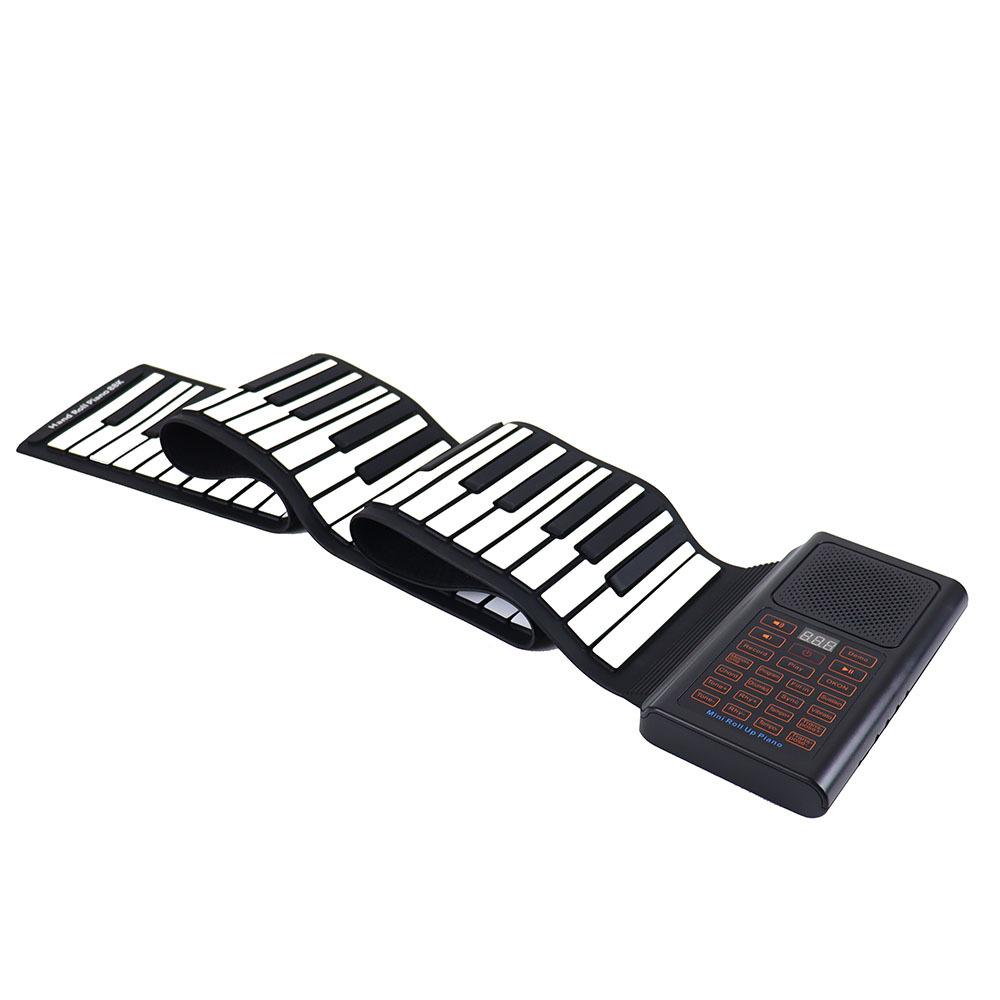
Wholesale 88-Keypad Keyboard Portable Digital Piano Foldable Entry-Level Soft Hand-Rolled Piano
A compact, lesson-studio-friendly keyboard that helps repair counters and music retailers test student demand without heavy inventory. Suitable for school bundles and online promotions.
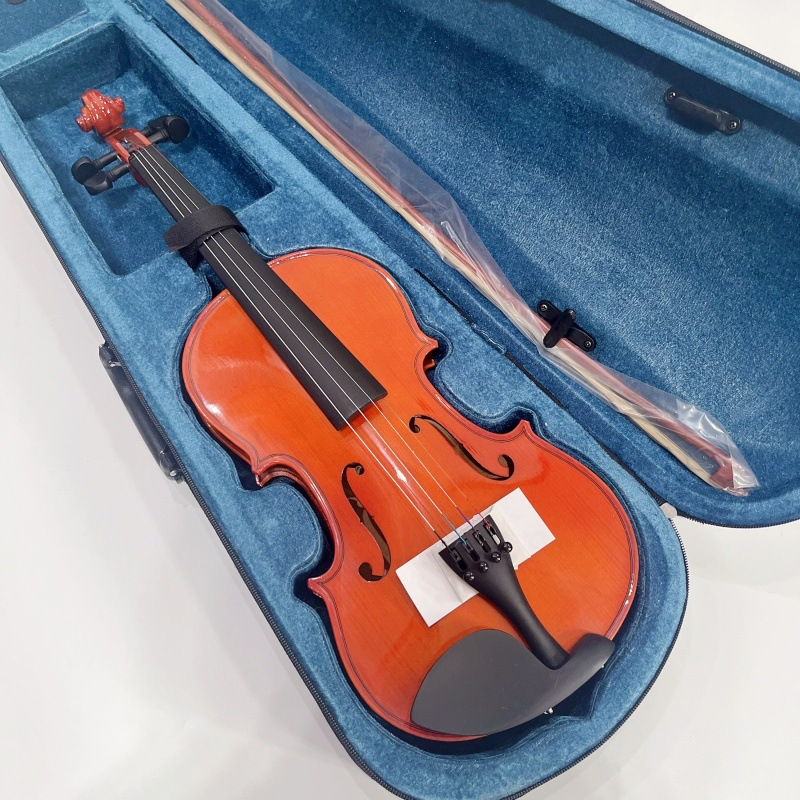
4/4 Full Size Solid Spruce Top Violin, Adult Beginner Violin, Solid Wood Student Violin Musical Instrument Wholesale
A solid spruce top student violin for adult beginners, school orchestras and retail starter programs. Strong fit for buyers who also stock setup tools, cases and bows.
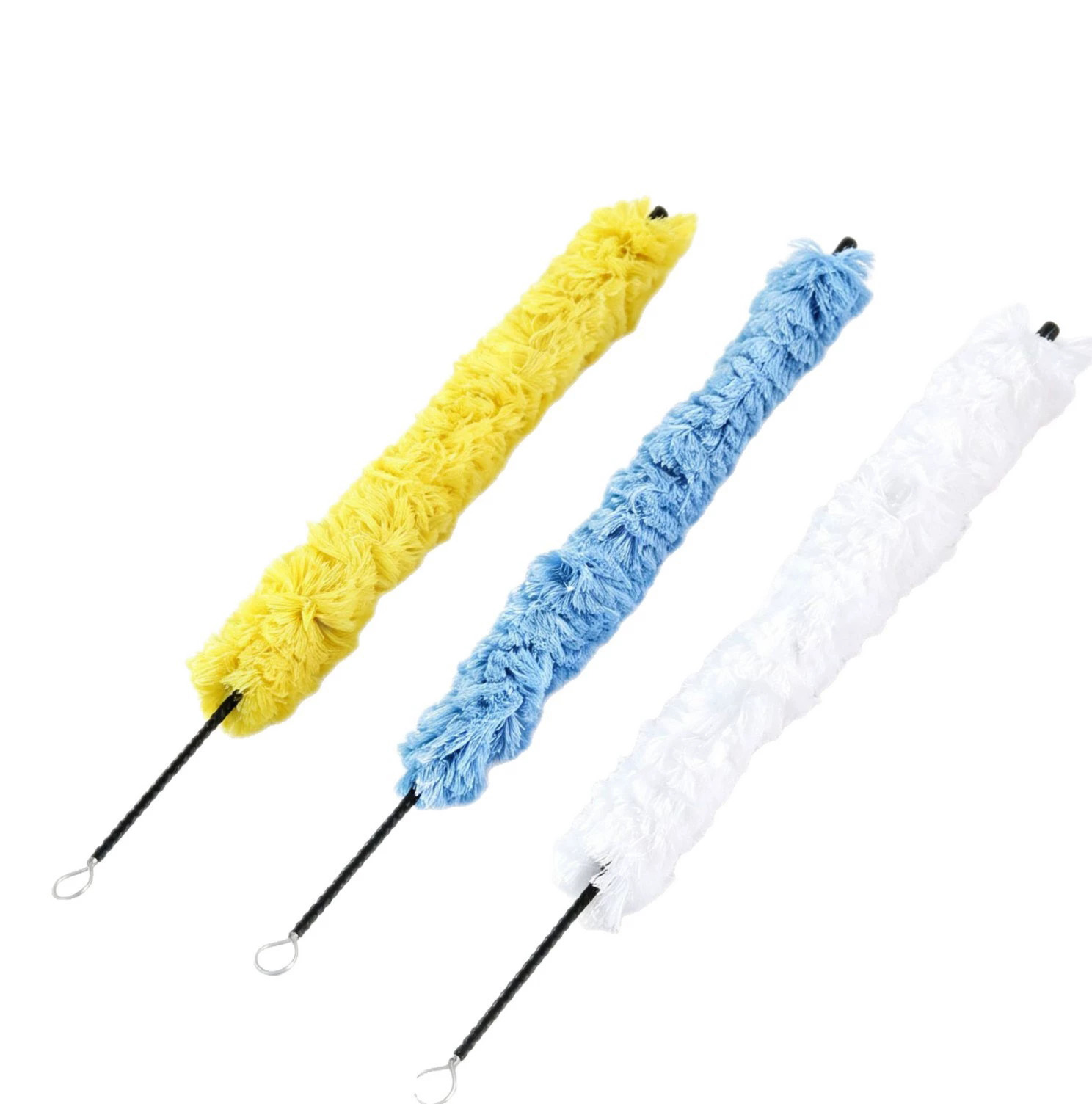
Flute bore cleaning brush flute brush cotton cleaning swab washable cotton thread cleaning stick white /yellow/ blue
A repeat-order cleaning accessory for band instrument service teams. Lightweight, color-varied and easy to combine with maintenance kits for schools and repair counters.
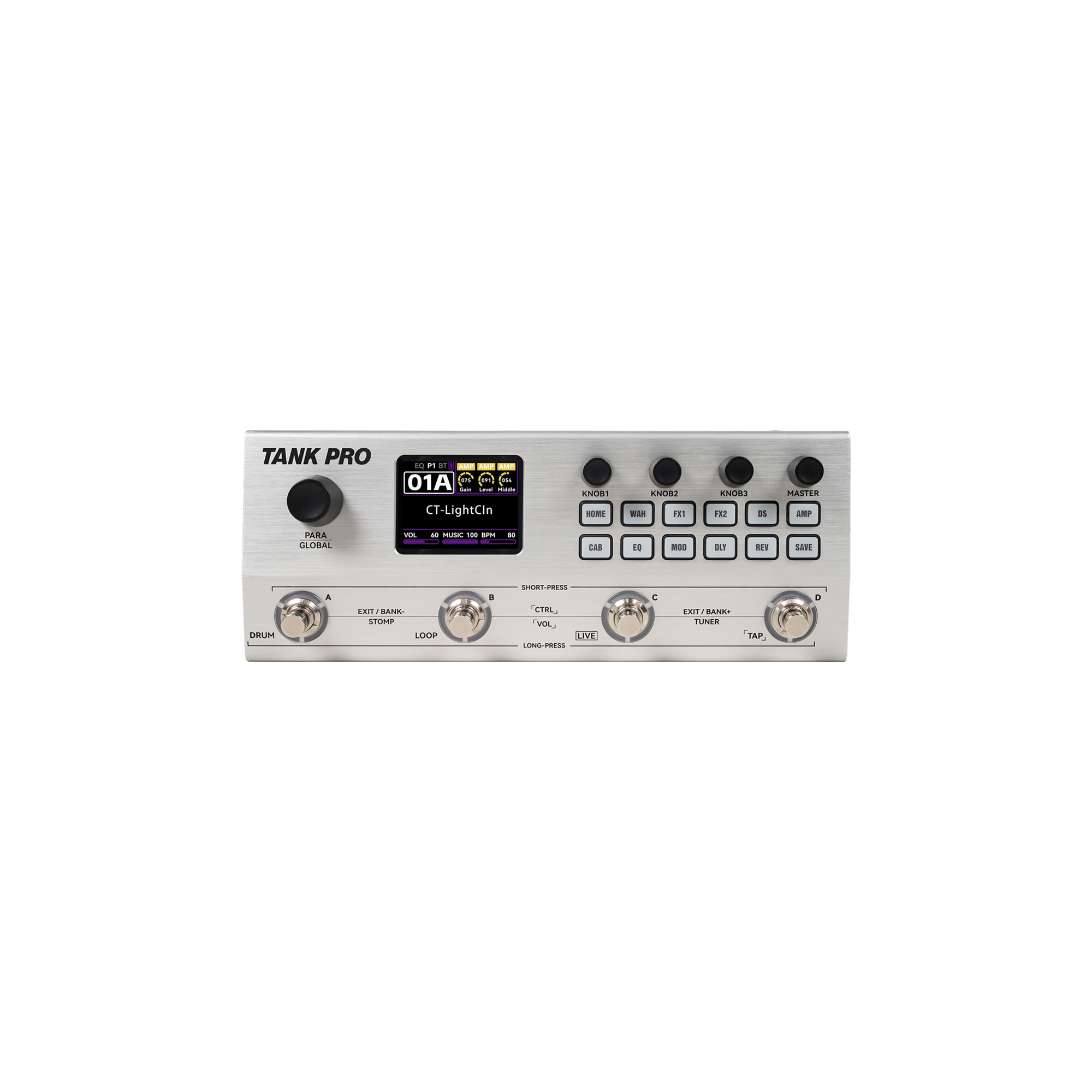
Tank Pro Metal Guitar Multi Effects Processor with ANN Third-Party IR Loading OTG Internal Recording
Useful for electronics repair benches that need quick signal testing, and for retailers serving guitarists who want recording-ready effects without a full pedalboard.
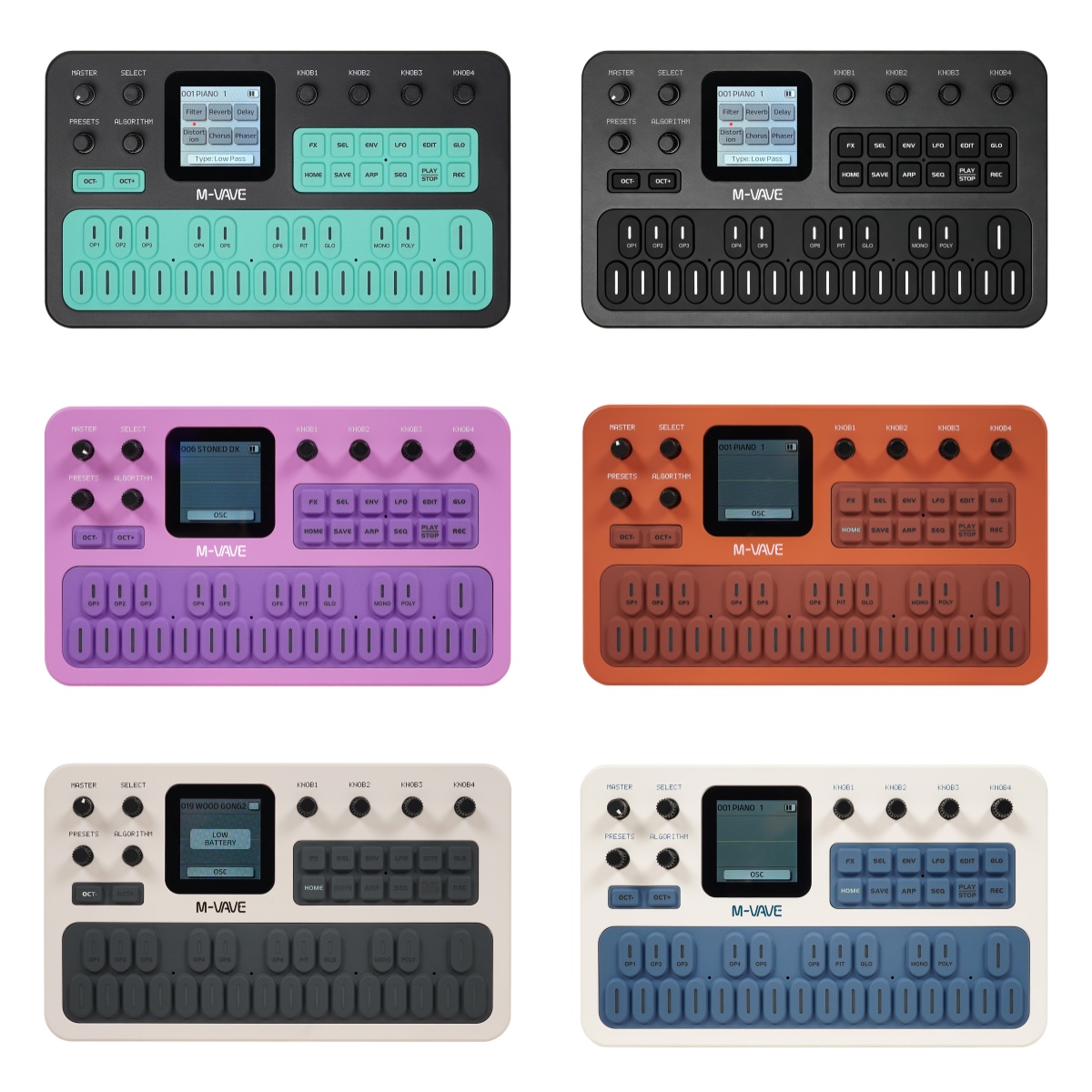
M VAVE Mini FM 1 Synthesizer 27 Keys 3 Channel 12h Battery Built in Speakers for Outdoor Music Production and Pocket Effect
A compact synthesizer with built-in speakers and long battery life for content creators, outdoor players and modern retail displays. Good test SKU for portable music electronics.
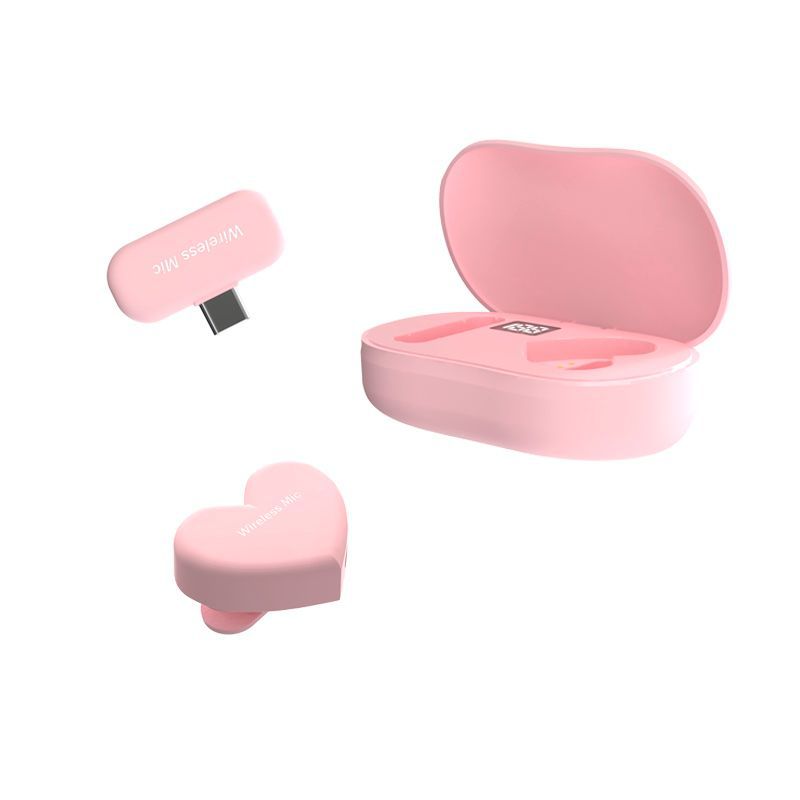
Stylish Pink Heart Wireless Mic with Clip Magnet Excellent for Vlog Recording on Mobile Compact Charging Case Portable Mic
A visually distinctive wireless microphone for vlog, mobile and gift channels. The compact charging case and clip magnet support social-commerce packaging and accessory bundles.
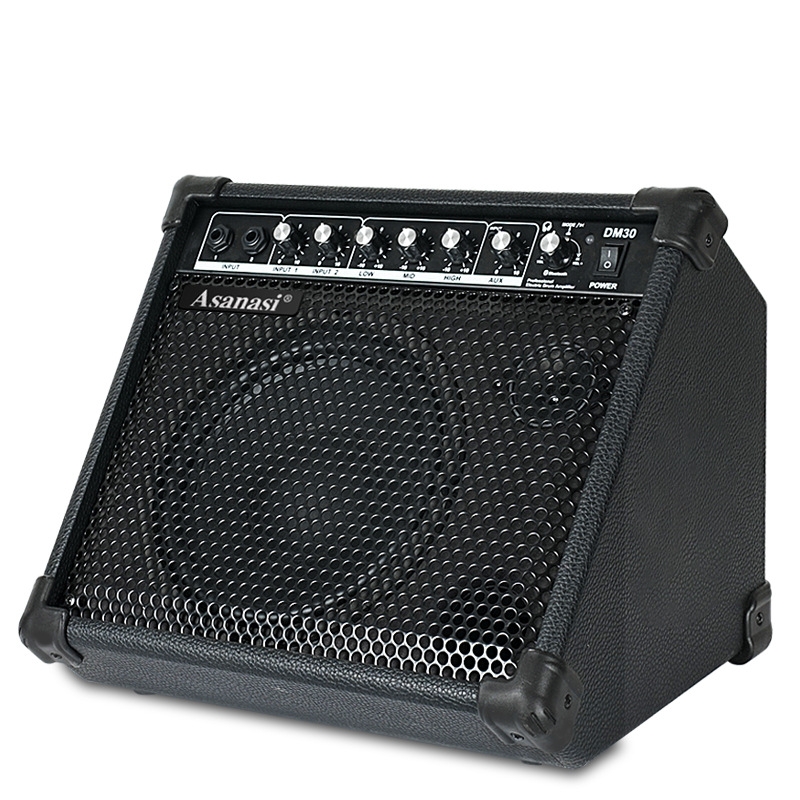
Wholesale Speakers Electronic Drums Rechargeable Portable Outdoor Wireless Stereo Amplifier
A rechargeable amplifier for electronic drum practice, outdoor sessions and school ensemble packages. Often bundled with percussion accessories rather than ordered as a standalone item.
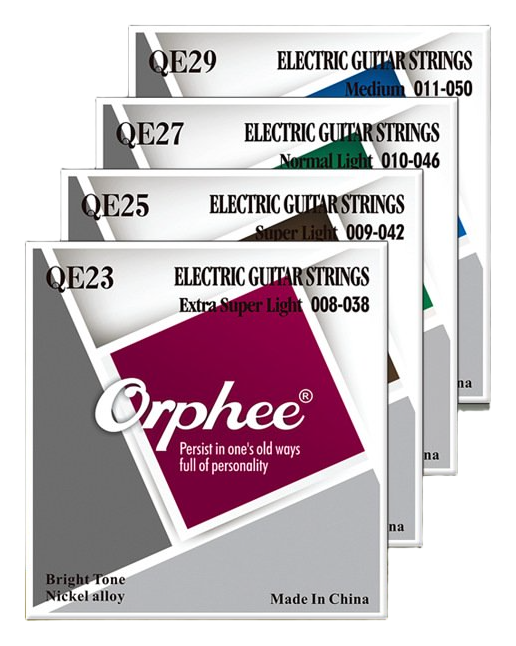
Wholesale Coated Nickel Core Electric Guitar String Set
A bench essential and repeat-purchase retail item for guitar repair counters. The coated nickel core appeals to players seeking consistent feel and longer service life.
What B2B Buyers Really Mean by “Top China Guitar Repair Tools Factory & Exporter”
This query is not a consumer shopping search. It usually comes from a distributor, repair-shop owner, private-label seller, school service provider or e-commerce operator who needs to verify capability before requesting a quotation.
Verification intent
The buyer wants evidence: is the supplier a real factory, an exporter, or a multispecialty trading company? Can it provide an Intertek assessment, inspection process, trade history and clear payment terms?
Assortment intent
Repair tools are only one layer. Buyers also need strings, cleaning products, bench consumables, testing electronics and retail add-ons. A supplier that consolidates categories reduces freight, supplier risk and admin time.
Commercial intent
The buyer compares MOQ, sample cost, OEM logo support, packaging, delivery terms, payment methods and landing cost. A supplier page that answers these points directly earns the inquiry before a chat begins.
Field note: price is not the only signal
From an export sourcing perspective, the real cost of repair tools is rarely the unit price alone. It includes replacement-part availability, packaging drop-test performance, barcode accuracy, mixed-SKU consolidation, tool-steel consistency, calibration documentation and after-sales response. A tool that saves US$0.20 per piece but creates fitting complaints can cost far more in returns and labor.
That is why serious buyers ask for inspection evidence, sample approval steps and replenishment logic before scaling. WPI International Trade Co., Ltd. (Huizhou) addresses those concerns through finished-product inspection, sample-based customization, minor customization, design-based customization and full customization options verified in its supplier assessment.
Information gain for smarter RFQs
Use this seven-point checklist when comparing China guitar repair tool suppliers:
- MaterialTool steel grade, hardness, anti-rust treatment and handle durability.
- Kit designIndividual tools versus modular kits with foam trays, manuals and QR tutorials.
- ComplianceCE/RoHS where applicable, MSDS for liquids, packaging and labeling requirements.
- MOQ ladderSample quantities, stock colors, OEM thresholds and mixed-model rules.
- InspectionFinished-product inspection covering appearance, hardware, function and packing.
- LogisticsFOB, CIF, EXW, DDP or express; consolidation with other music categories.
- After-salesReplacement policy, spare-part support and named account manager response.
2026 Procurement Trends for Guitar Repair Tools & Luthier Supplies
Buyers are shifting from “large seasonal containers” to “smaller validated assortments with faster replenishment.” For repair-tool exporters, this changes everything from MOQ planning to packaging and content support.
Low-MOQ validation first
Repair shops and online sellers increasingly test 1–5 units before committing to volume. Suppliers that support sampling from 1 piece for many models, and 2–10 pieces per instrument model, shorten the path from inquiry to repeat order.
Kit-level purchasing
Instead of buying loose files and gauges, buyers prefer branded setup kits: fret service kit, nut-slotting kit, action-gauge kit, electronics test kit and retail refill kit. Kits lift average order value and simplify staff training.
Documentation as a selling point
Material declarations, care instructions, replacement-part lists and barcode-ready packaging matter more than ever. A private-label tool kit without training content creates support burden for retailers.
Private label & content-ready retail
OEM no longer means only a logo on a tool. It includes hangtags, insert cards, QR-code tutorials, Amazon-ready photos and packaging that survives e-commerce fulfillment. Minor customization and design-based customization are becoming standard requests.
Mixed-category consolidation
A repair-tool buyer may also need strings, cleaning brushes, amplifiers, microphones and student instruments for the same market. Consolidating categories in one container lowers freight complexity and supplier-management cost.
Regional compliance planning
North American, European, Southeast Asian and South American buyers do not face identical labeling, voltage, packaging or documentation requirements. Exporters that ask market-specific questions reduce rejection risk before shipment.
How Guitar Repair Tool Product Development Is Changing
Guitar repair tools are becoming more precise, modular and service-oriented. The strongest factories and exporters will compete on repeatability, not only catalogue size.
CNC consistency
Fret files, notched straight edges, bridge-saddle tools and nut-slotting guides benefit from tighter machining tolerances. Buyers should request sample verification instead of accepting catalogue photos alone.
Modular kits
Foam trays, magnetic holders, replaceable inserts and compact case design make tool kits easier to sell online and easier for repair shops to organise. Modularity also supports spare-part replenishment.
Digital setup support
Bluetooth gauges, smartphone-based measurement, QR tutorial videos and digital setup logs are emerging as differentiators. For exporters, these assets can be packaged as white-label support for distributors.
Ergonomics & finish
Technicians use tools repeatedly, so handle shape, weight, corrosion resistance and replacement-blade systems influence repeat purchase. Private-label buyers increasingly ask for premium grip and clear torque guidance.
Match the Repair Tool Kit to the Buyer and the Service Task
A sourcing plan should begin with the repair workflow, not with a list of products. The matrix below helps importers and repair-shop buyers build an assortment that is technically coherent and commercially defensible.
| Repair task | Typical kit content | Specification watch-outs | Best buyer profile |
|---|---|---|---|
| Fretwork & nut service | Fret crowning files, fret-end dressing file, nut-slotting files, radius gauges, fret pullers | Steel hardness, cut geometry, replacement-blade availability, protective coating | Luthiers, professional repair shops, training schools |
| Action & setup | Truss rod wrench, action gauge, feeler gauges, notched straight edge, bridge-pin puller | Measurement marking accuracy, stainless material, compatibility with common models | Retail setup counters, school service teams, online tool sellers |
| Electronics testing | Soldering station, multimeter, audio probe, capacitor tester, wire stripper, flux and braid | Voltage/plug type, CE/RoHS documentation, temperature control, replacement tips | Amp technicians, guitar electronics specialists, e-commerce distributors |
| Cleaning & finishing | Bore brushes, polishing compounds, microfiber cloths, fretboard oil, detailing brushes | Liquid shipping rules, MSDS, leakage protection, labeling language | Accessory wholesalers, band instrument service teams, retail chains |
| Private-label kits | Custom case, logo, manual, QR tutorial, spare parts, retail-ready barcode | Drop-test packaging, colour consistency, tool mix profitability, MOQ ladder | Private-label brands, distributors, marketplace sellers |
Bench starter kit
For small shops adding a repair counter: string action gauge, truss rod wrench, fretboard protectors, polishing cloths, string cutters and a compact screwdriver set. Keep the first order narrow and replenish fast-moving consumables.
Fret service kit
For higher-value labor: crowning file, fret-end file, notched straight edge, radius gauge, fret puller and masking supplies. Buyers should approve a sample tool on scrap fretwire before volume production.
Electronics bench kit
For pickup swaps and amplifier work: temperature-controlled soldering station, multimeter, solder sucker, helping hands, audio probe and insulated tweezers. Confirm plug type and voltage for the destination market.
Retail refill kit
For music stores: strings, capos, picks, cleaning cloths, fretboard oil, tuners and display-friendly packaging. This kit supports impulse purchases and repeat visits, balancing the slower turnover of specialized bench tools.
Why Buyers Choose WPI International Trade Co., Ltd. (Huizhou)
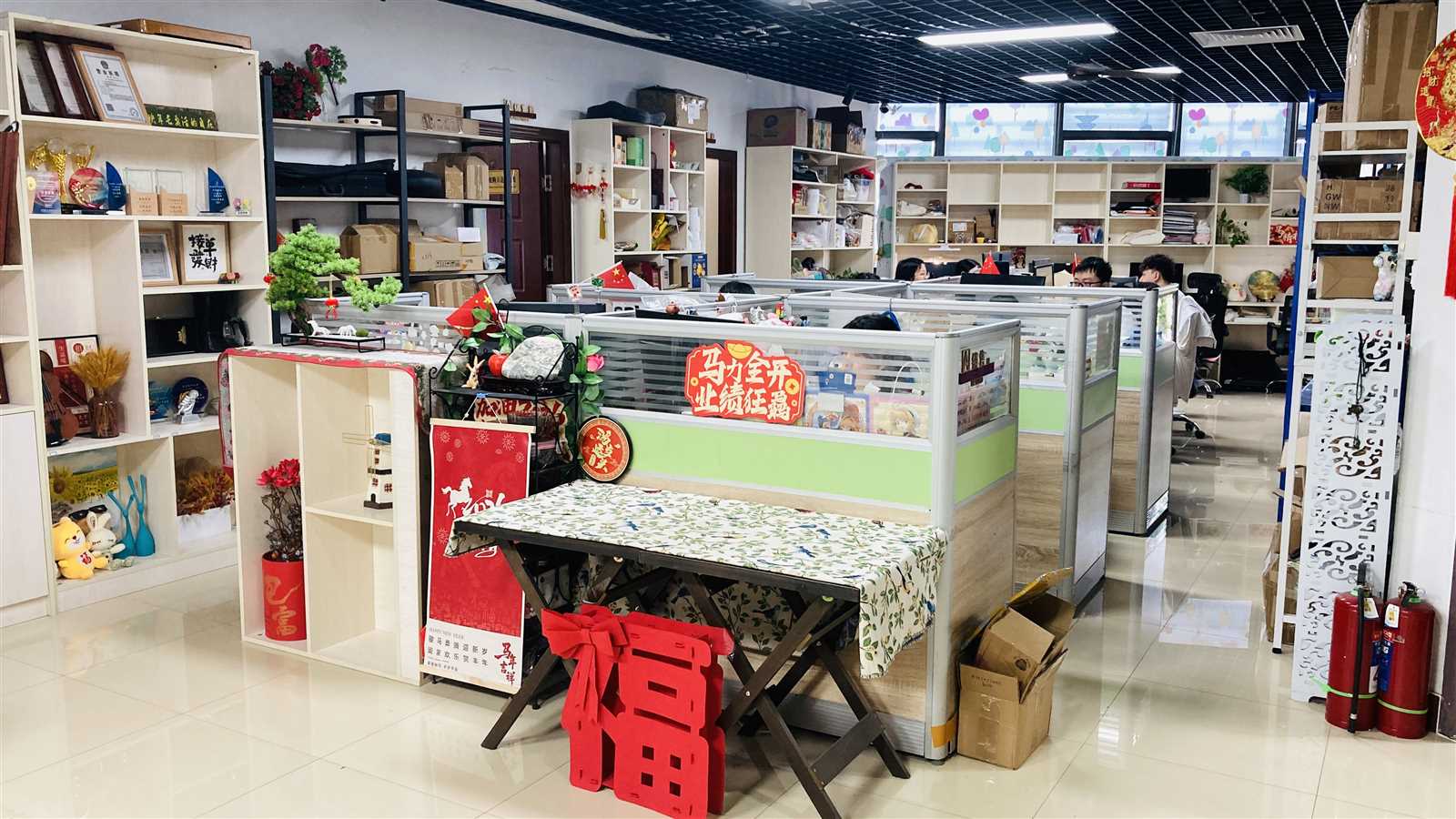
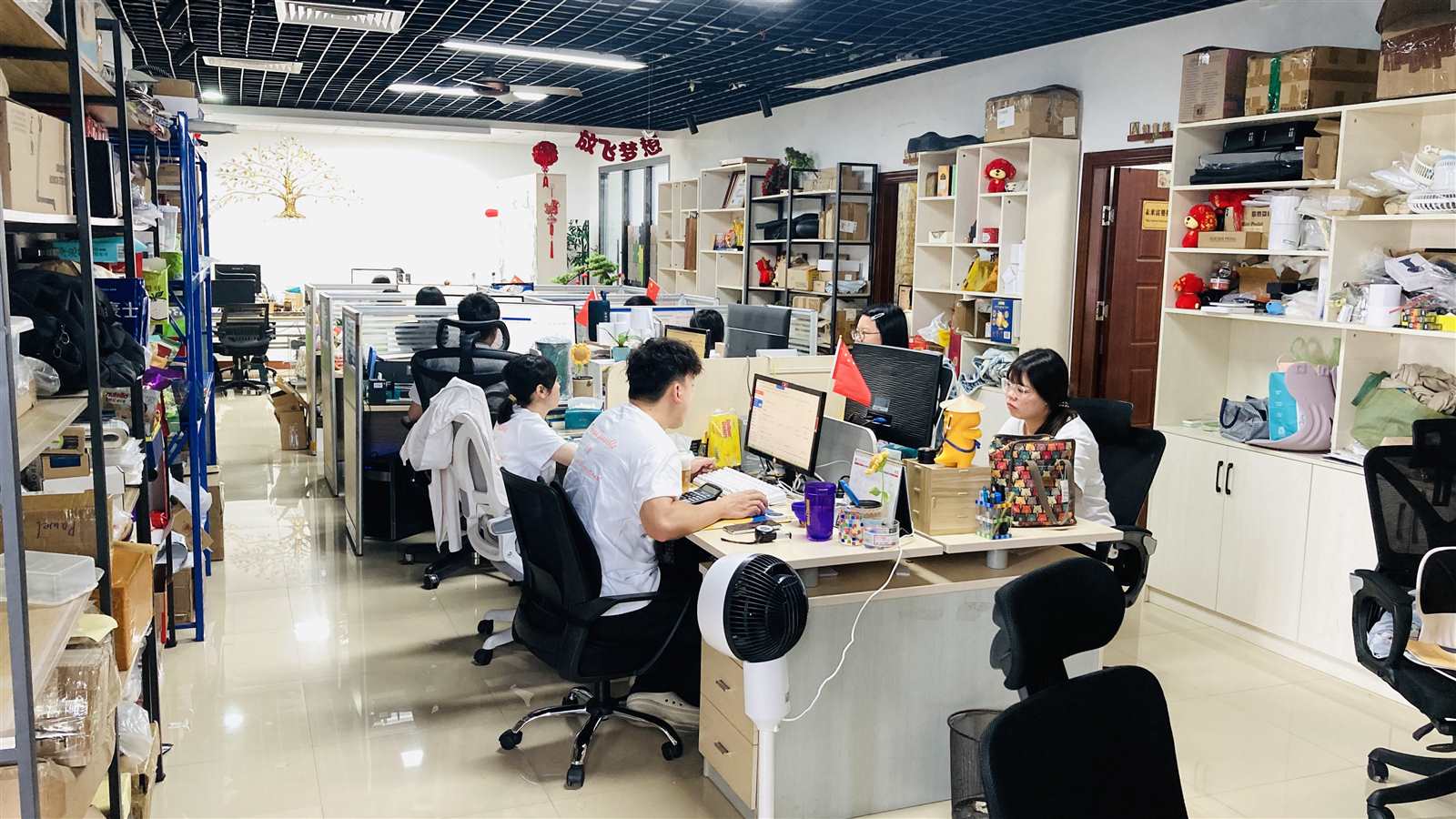
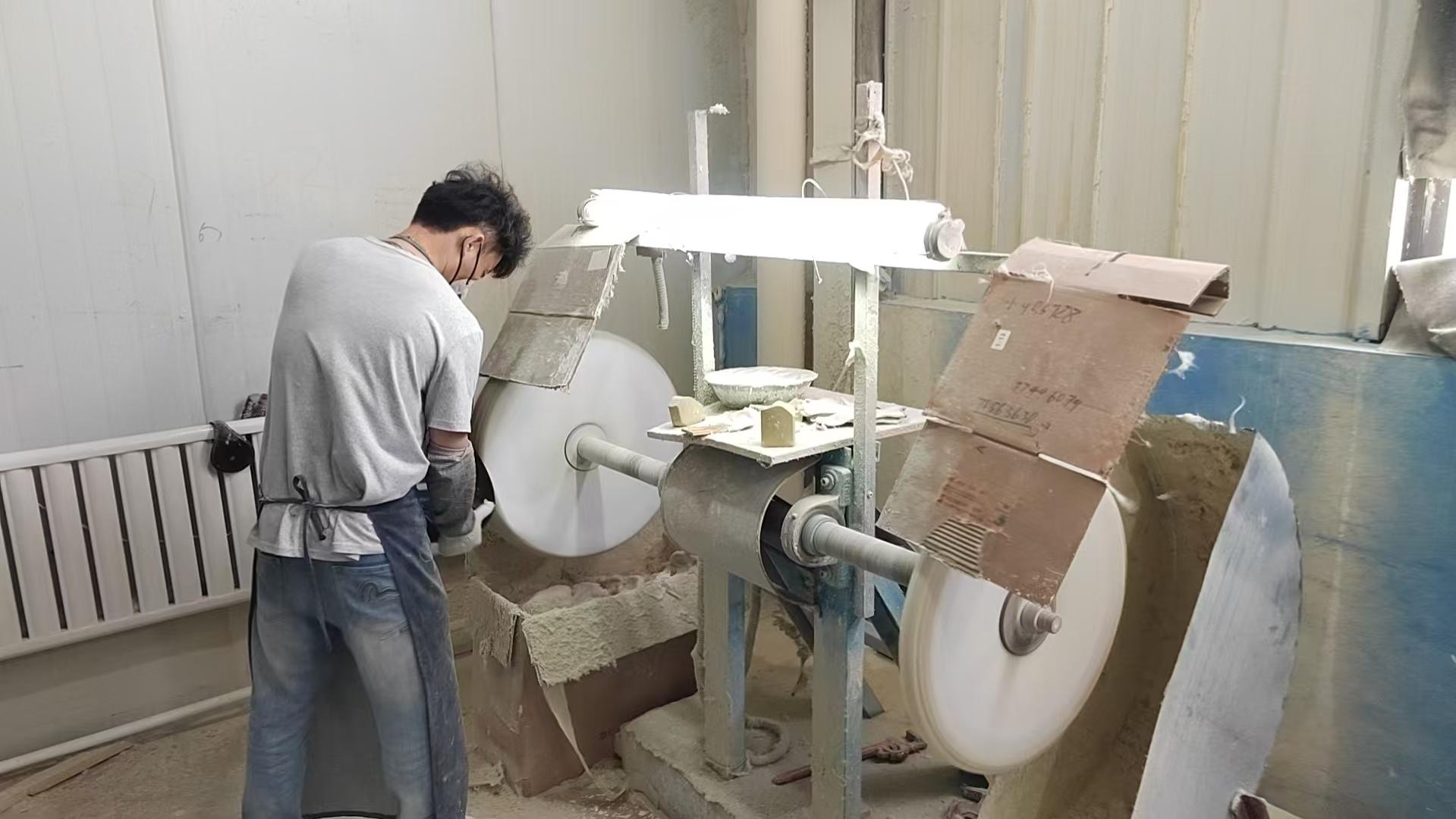
WPI began exporting musical instruments from Hong Kong in June 2010 and established its Huizhou, Guangdong operation in 2014. The company is a trading company and multispecialty supplier with 28 team members, 22 of them in trading and export roles. Its advantage is not a single building of machines; it is the coordination of long-term partner workshops, documented quality checks and broad category access.
Intertek onsite assessed
The company has been assessed onsite by Intertek. The assessment covers legal status, premises and verified capabilities, and supports buyer due diligence before a first order.
OEM / ODM flexibility
Assessed capabilities include sample-based customization, minor customization such as logo, packaging and graphics, design-based customization and full customization. This supports repair-tool kits as well as instrument programs.
Low MOQ & mixed orders
Many guitars, ukuleles, violins and saxophones can be ordered from 1 piece for sampling. Typical wholesale MOQs are 2–10 pieces per model, while strings and small accessories often range from 20–600 sets. Mixed-category orders are welcome.
One-stop consolidation
Buyers can combine instruments, repair-related accessories, cleaning products, strings, electronics and retail add-ons in one consolidated shipment, reducing supplier management and freight complexity.
Verified trade facts
- Business type: trading company / multispecialty supplier
- Annual sales: US$9,000,000 assessed
- Recent trade: 952 orders and US$370,000+ in six months
- Inquiry response rate: 97.73%
- Average buyer rating: 4.6 / 5
- Main markets: North America, Western Europe, Southeast Asia, South America
These facts are more useful than generic “best price” claims. They give procurement teams concrete anchors for comparing WPI against other China guitar repair tools exporters and musical instrument suppliers.
Trade terms at a glance
Clear terms reduce negotiation friction and help first-time buyers prepare a realistic landed-cost model.
- PaymentT/T, L/C, D/P, D/A, MoneyGram, credit card, PayPal, Western Union, cash and escrow.
- DeliveryFOB, CFR, CIF, EXW, FAS, CIP, FCA, CPT, DEQ, DDP, DDU, DAF, DES and express delivery.
- CurrenciesUSD, EUR, JPY, CAD, AUD, HKD, GBP, CNY and CHF.
- QualityFinished-product inspection before delivery, covering appearance, hardware, playability and packaging.
- Location2313, Saige Building, Huizhou, Guangdong, China.

Trade Show Experience, Account Support and Inspection Culture
Authority in B2B sourcing comes from repeatable processes. WPI has exhibited at the Shanghai and Guangzhou music shows every year from 2014 to 2019, including booth E6A57, Hall 8 A38, W5A19, Hall 1.1 F52, W3A53, Hall 1.1 F18, W5A79, W4F84 and Hall 9 9B030405. These appearances created face-to-face review opportunities for buyers comparing instruments, accessories and repair-related supplies.
Named account management
Each buyer works with a named account manager who follows the order from quotation to after-sales. This is especially useful for repair-tool projects that require packaging feedback, sample revisions and delivery coordination.
Inspection before shipment
Every order goes through finished-product inspection before delivery, covering appearance, hardware, tuning stability and packaging. For repair tools, a practical inspection list should also check jaw alignment, blade seating and handle fit.
Four-region market focus
Main markets are North America, Western Europe, Southeast Asia and South America. Each region has different packaging, voltage, language and compliance expectations—so market clarity at the RFQ stage saves time later.
Guitar Repair Tools Wholesale: Common Procurement Questions
These answers are written for importers, distributors, repair-shop chains and private-label sellers who need practical next steps rather than generic sales copy.
Are you a guitar repair tool factory or a trading company?
WPI International Trade Co., Ltd. (Huizhou) is a trading company and multispecialty supplier. It coordinates long-term partner workshops in Guangdong and supports buyers across instruments, accessories and repair-related categories. It has been assessed onsite by Intertek, and its profile is transparent about business type, trade capacity and main markets. For buyers, the practical advantage is access to multiple categories and factory-direct sourcing coordination without having to manage many small suppliers independently.
What is the MOQ for custom guitar repair tools and mixed orders?
MOQ depends on the item and customization level. Many instruments can be sampled from 1 piece; typical wholesale instrument MOQs are 2–10 pieces per model; strings and small accessories may range from 20–600 sets. For private-label repair kits, the MOQ is usually influenced by case size, foam tray tooling, printing and packaging. Mixed-category orders are welcome, which allows a buyer to combine repair tools, strings, cleaning accessories and selected instruments in one shipment.
Can you produce private-label repair tool kits with our logo and packaging?
Yes. Assessed customization capabilities include sample-based customization, minor customization such as logo, packaging and graphics, design-based customization and full customization. A practical private-label kit brief should include tool list, target retail price, case type, foam layout, manual language, barcode requirement, QR tutorial link and packaging drop-test expectations. Sending a sample or reference image helps shorten sampling time and reduces mismatch risk.
How do you control quality before shipment?
Every order goes through finished-product inspection before delivery, covering appearance, hardware, playability or function, and packaging. For repair tools specifically, buyers should agree on a checklist: material hardness where relevant, blade or jaw alignment, handle fit and finish, rust protection, spare-part availability, barcode accuracy and carton drop protection. The company has also been assessed onsite by Intertek, which supports buyer verification before placing a first order.
Which payment and delivery terms are available?
Payment methods include T/T, L/C, D/P, D/A, MoneyGram, credit card, PayPal, Western Union, cash and escrow. Delivery terms include FOB, CFR, CIF, EXW, FAS, CIP, FCA, CPT, DEQ, DDP, DDU, DAF, DES and express delivery. Payment currencies include USD, EUR, JPY, CAD, AUD, HKD, GBP, CNY and CHF. For first orders, buyers often compare a sample order under express delivery with a consolidated bulk shipment under FOB or CIF.
Which markets do you export to, and what should buyers specify?
The main markets are North America, Western Europe, Southeast Asia and South America. Buyers should specify destination country, plug/voltage requirements for electronic items, language for manuals and labels, packaging style, barcode format, compliance documents needed and preferred Incoterm. These details are especially important when mixing repair tools with electronic accessories, liquids or products requiring MSDS documentation.
How should a distributor start a first mixed order?
A low-risk path is to request a sample of one core repair kit, one repeat-purchase accessory and one retail add-on. Test packaging, instructions and end-user feedback before scaling. Then build a mixed order that includes fast-moving consumables, a mid-range hero product and a small number of higher-value tools. Use the inquiry button to share target market, price band, estimated quantity and logo requirements; a practical quotation can then be matched to the right workshop and packaging format.
Build a Better Guitar Repair Tools Assortment
Tell us your market, target price, kit contents, logo needs and estimated quantities. We will recommend a practical product mix and packaging direction based on WPI’s verified export experience and mixed-category sourcing capability.