8 Products Distributors Commonly Bundle with Guitar Neck Orders
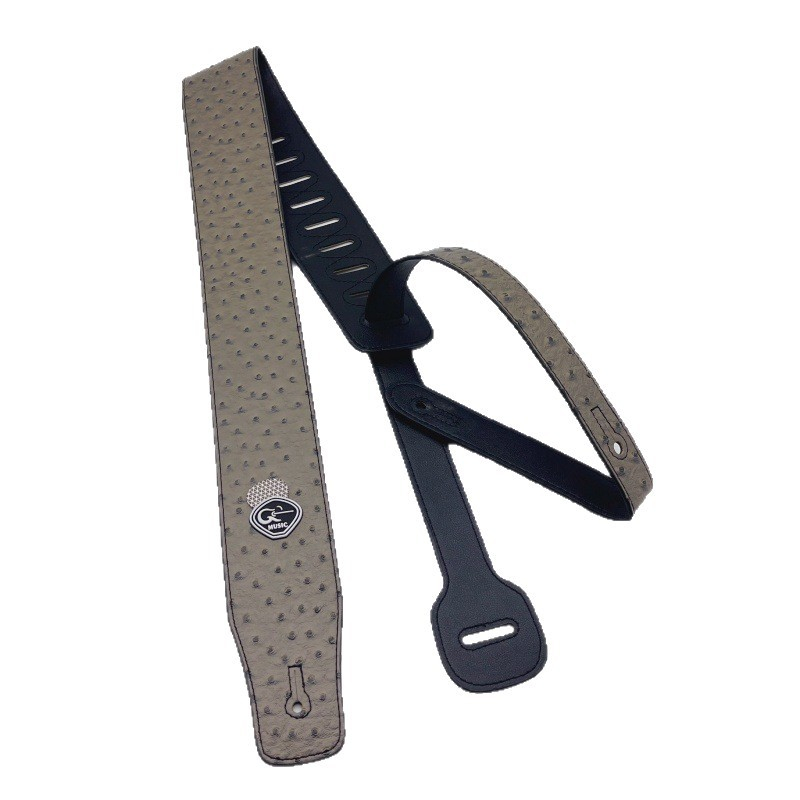
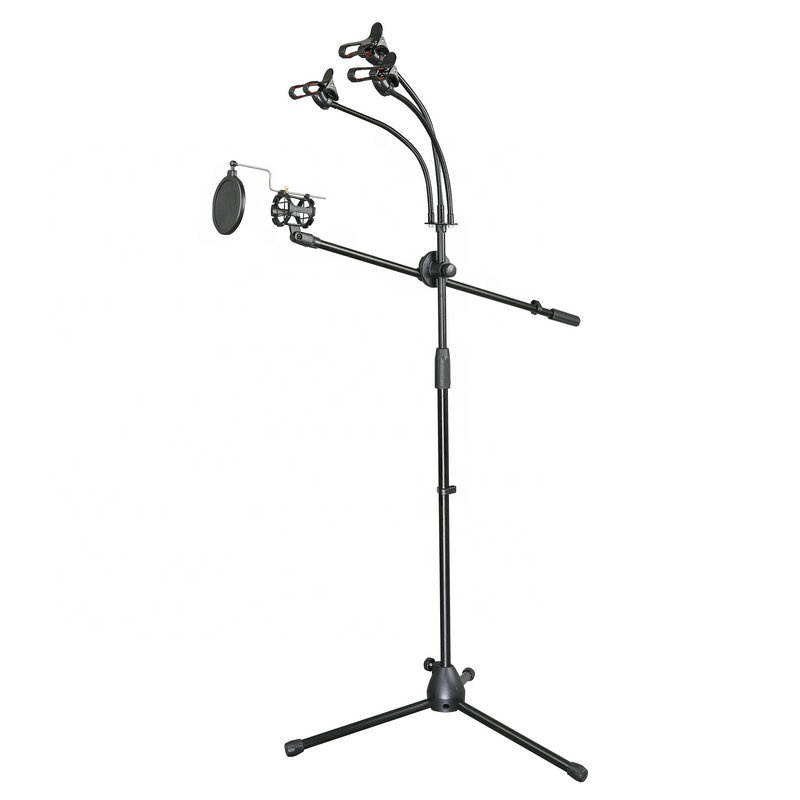
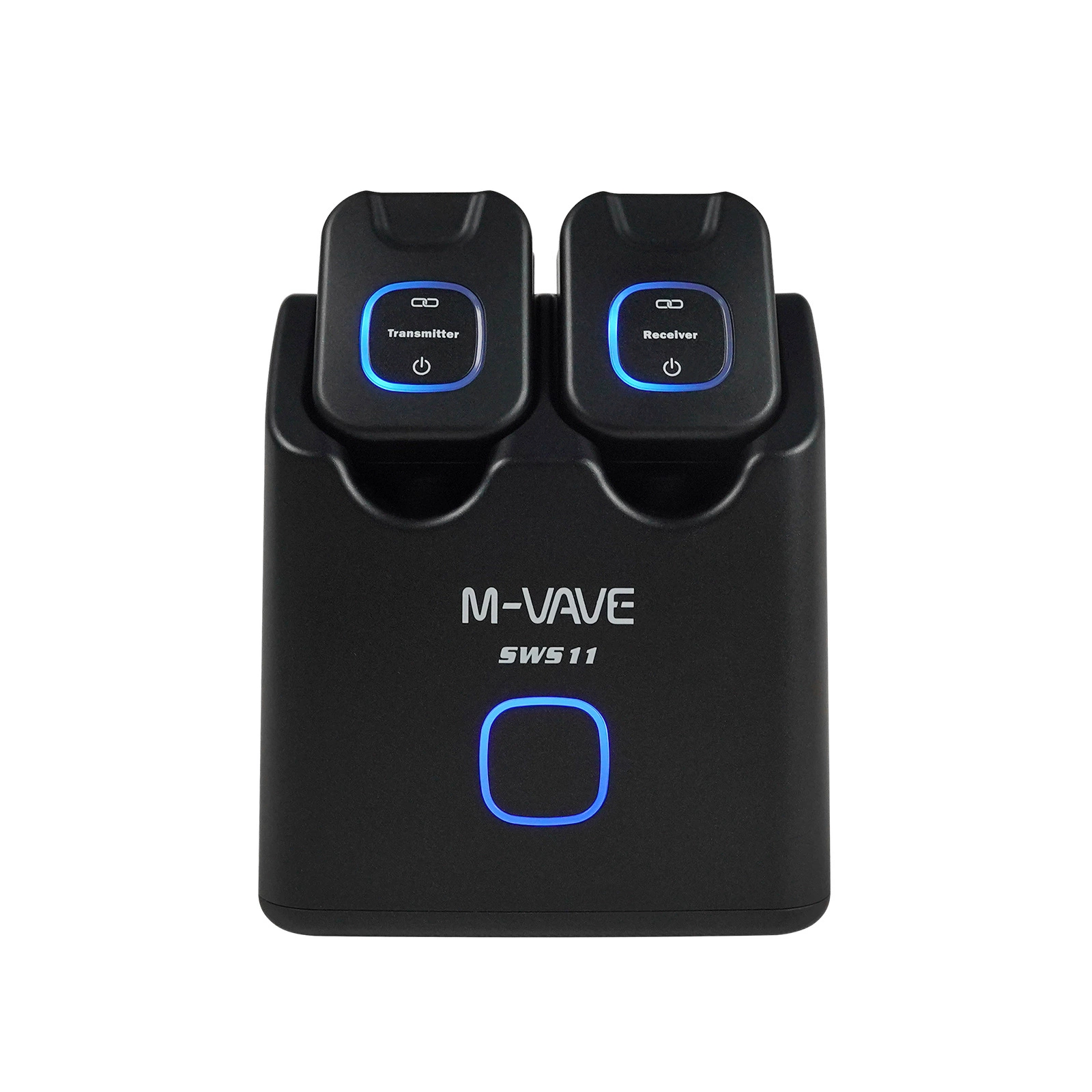
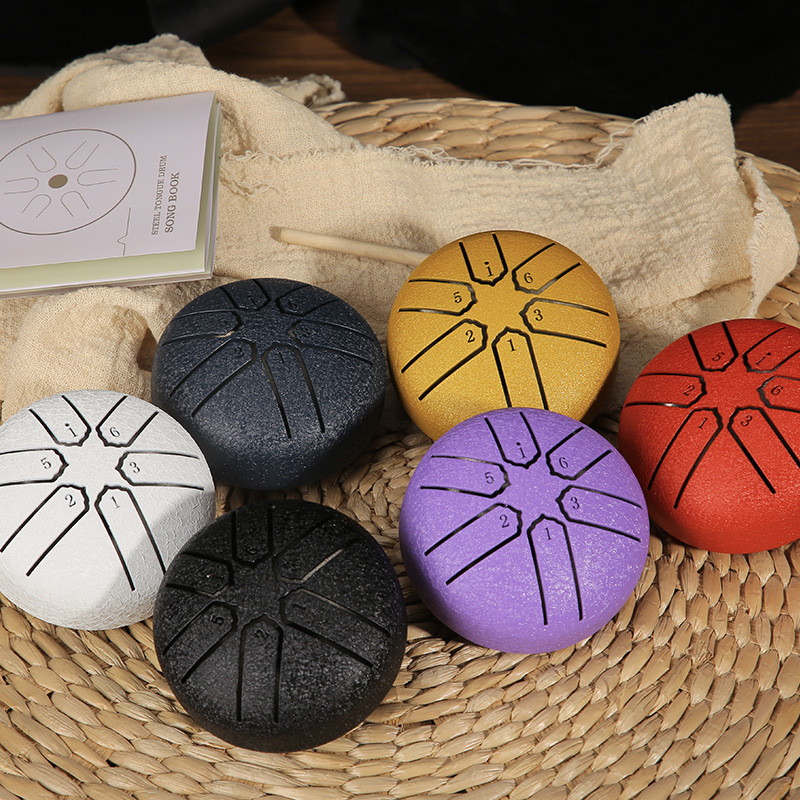
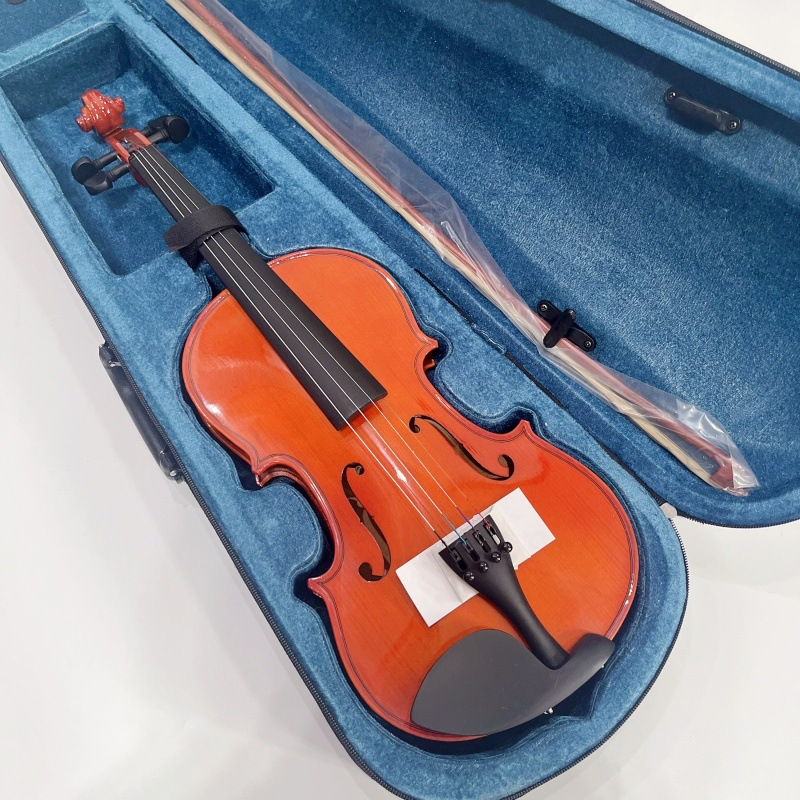
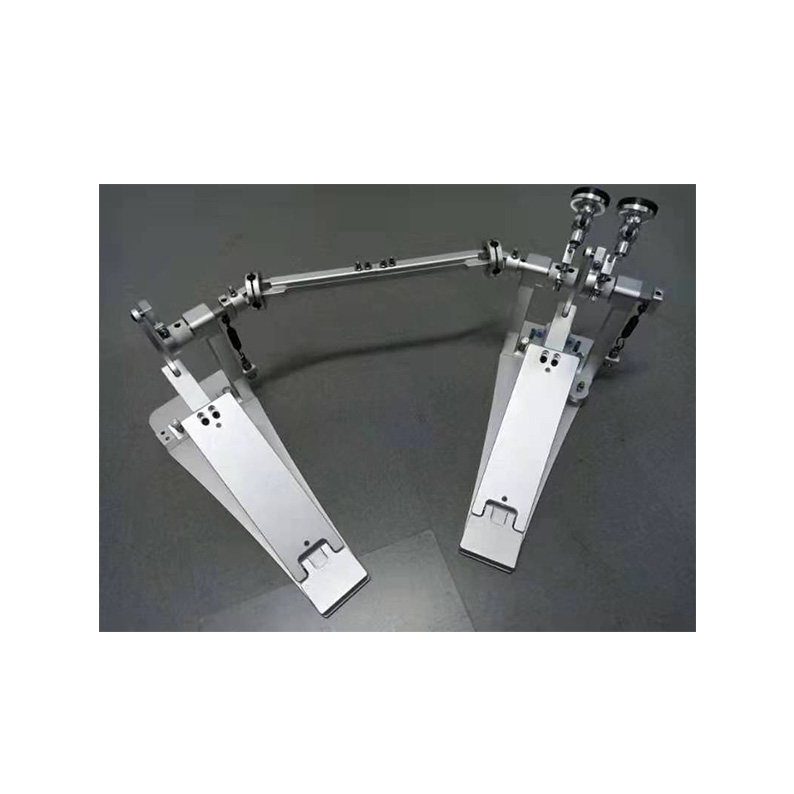
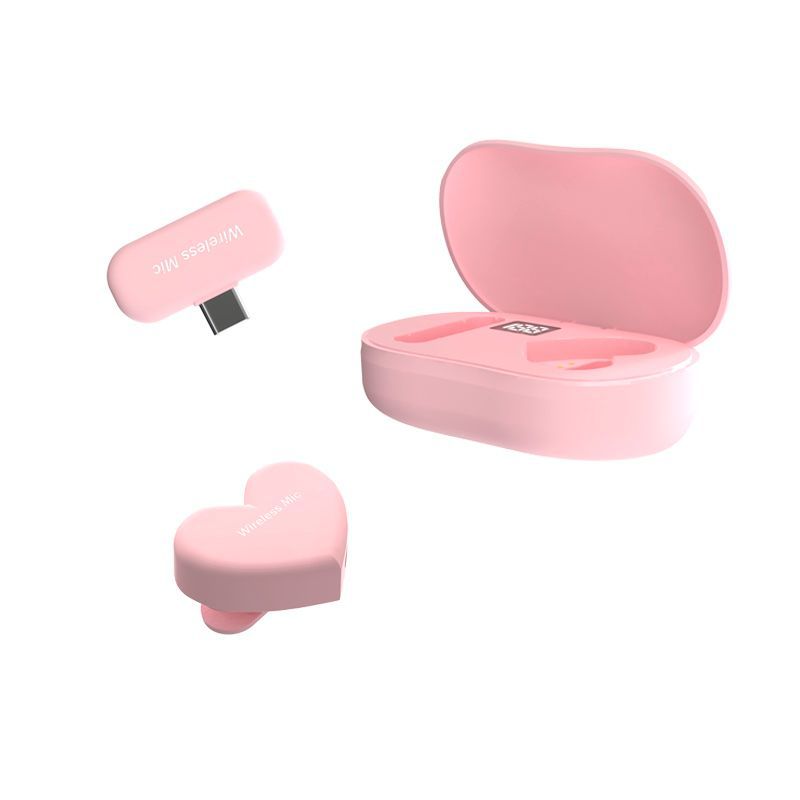
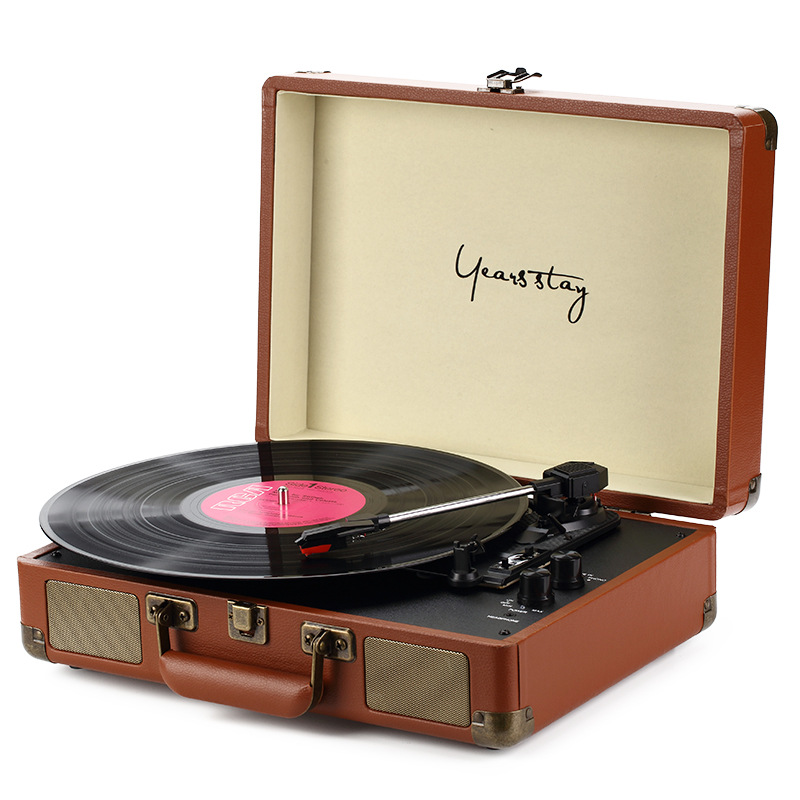
When comparing China guitar neck manufacturers and exporters, container economics matter as much as the neck itself. These eight catalogue lines help distributors, music retailers, schools, content creators and online sellers build a broader order while keeping inventory risk under control. Product links are retained from the original catalogue, and every image is displayed in its original proportion.
Why China Guitar Neck Manufacturers and Exporters Still Set the Benchmark
The strongest sourcing decisions begin with a clear view of what each supplier type actually controls.
China’s guitar-neck supply chain is not a single factory model. It is a layered ecosystem of specialist neck workshops, guitar-body assembly plants, fretboard and truss-rod suppliers, finishing subcontractors, hardware manufacturers and export trading companies. Buyers who compare China guitar neck manufacturers and exporters only by unit price often miss the variables that determine sell-through: neck pocket fit, fretwork consistency, moisture control, finish cure, hardware compatibility and documentation.
The first distinction is between a neck-only factory and a full instrument factory. A neck-only supplier may offer deeper profile choices and faster sampling on custom scale lengths, while an instrument factory may be stronger at matching a neck to an existing body, installing electronics and shipping a finished guitar. A third model is the export partner that coordinates vetted workshops. That model can be useful when a buyer needs necks alongside guitars, ukuleles, violins, drums, keyboards and accessories in one consolidated shipment.
WPI International Trade Co., Ltd. (Huizhou) fits the third model. It is an export-oriented musical instrument supplier with an Intertek-assessed trading operation, not a claim that every neck is made under one roof. Its practical value is a documented sourcing workflow: specification matching, sample-based customization, finished-product inspection and export consolidation across multiple instrument categories. For a buyer building a neck programme, that workflow can reduce the number of suppliers, inspections and shipment hand-offs to manage.
Years in the musical instrument industry, third-party assessed
Annual export sales, assessed by a third party
Inquiry response rate, an important signal for project timelines
Instruments and accessories available across categories
Guitar Neck Specifications by Application and Price Band
A neck specification should follow the playing environment, target retail price and serviceability requirements, not the catalogue photo. These starting points help importers brief a China guitar neck manufacturer or exporter with fewer sampling cycles.
Education and Entry-Level Retail
Specify a stable 24.75-inch or 25.5-inch scale, bolt-on maple neck, laurel or compliant alternative fretboard, C profile and 9.5-inch to 12-inch radius. A dual-action truss rod, satin finish and clearly marked fretboard dots improve serviceability for schools and first-time players.
Modern Rock and Private-Label Brands
Roasted maple, a 12-inch to 16-inch compound radius, 42 mm nut width, stainless frets and carbon reinforcement rods are common upgrades for mid-tier electric guitar lines. Ask for a measured neck profile and a clear finish specification so the sample matches production.
Bass and Extended-Range Instruments
For 4-, 5- and 6-string bass necks, confirm scale length, string spacing, nut width and heel dimensions before discussing tonewood. Multi-piece laminated construction with graphite reinforcement is usually the safer choice for thin profiles, active electronics and long transit routes.
Headless and Multiscale Designs
Headless and multiscale platforms require earlier coordination between neck maker, hardware supplier and body maker. Locking hardware compatibility, tuner placement, fret slot angles, scale spread and neck pocket geometry should be agreed in drawings before sampling, not after the first production run.
2025–2026 Procurement Trends in Guitar Neck Sourcing
The buying criteria for China guitar neck manufacturers and exporters are shifting from “lowest quotation” to “lowest total risk”.
Compliance-First Documentation
Importers increasingly request FSC or responsible-wood evidence where applicable, CITES documentation for restricted species, REACH and California Proposition 65 statements, finish material data and packaging declarations. A supplier that can organise these documents early reduces customs and retail-compliance friction.
Low-MOQ Sampling and Mixed Containers
Many buyers now start with one sample, then scale to a small model run before committing to a full container. WPI’s assessed model supports sampling from one piece for many instruments, typical MOQs of two to ten pieces per instrument model and twenty to six hundred sets for strings and small accessories, with mixed-category orders welcome.
Digital Pre-Production and Measurable QC
CAD files, CMM checks, profile gauges, moisture readings and photo or video inspection reports turn subjective “good feel” requirements into measurable acceptance criteria. Buyers should ask for pre-production sign-off, in-process checks and finished-product inspection before packing.
Total Landed Cost Over Unit Price
Neck buyers are comparing FOB, CIF, DDP and express terms against inspection cost, rework risk and cash-flow impact. Payment flexibility matters too. WPI accepts T/T, L/C, D/P, D/A, MoneyGram, credit card, PayPal, Western Union, cash and escrow, with multiple delivery terms available.
Guitar Neck Trends Buyers Should Specify Now
These developments are already influencing sampling briefs, retail price bands and after-sales expectations.
Roasted Maple and Thermally Treated Wood
Heat-treated maple is popular for its dimensional stability, darker colour and mature feel. Buyers should confirm treatment parameters, moisture content and finish adhesion data, because not every “roasted” neck receives the same process control.
Multi-Piece Laminates with Carbon Reinforcement
Multi-piece construction with carbon-fibre rods is increasingly requested for thin necks, long-scale instruments and export markets with unstable humidity. The specification should define rod position, laminate symmetry and glue-line quality.
Compound Radius and Asymmetric Profiles
Players expect faster upper-register access without sacrificing chord comfort. Compound radius, asymmetric profiles and rolled fingerboard edges are becoming mainstream options for mid-tier and premium private-label guitars.
Multiscale, Headless and Extended-Range Platforms
Multiscale and headless designs continue to move from niche builders into broader distribution. Neck makers need fret-slot angle control, hardware compatibility data and a clear drawing revision process to avoid assembly errors.
CITES-Safe and Alternative Fretboards
Laurel, thermally treated maple, richlite-type materials and other documented alternatives are helping brands reduce regulatory exposure. For any restricted species, the supplier should clarify documentation responsibility before the purchase order is issued.
Pre-Finished Neck Assemblies
More buyers now request fretted, levelled and pre-finished necks with nut installation, tuner pilot holes and matched heel dimensions. This shifts labour from the buyer’s assembly line to the supplier and can shorten time-to-market for private-label launches.
How WPI Reduces Guitar Neck and Instrument Sourcing Risk
The original company profile provides concrete facts that matter when a buyer is evaluating export partners.
WPI International Trade Co., Ltd. (Huizhou) began exporting musical instruments from Hong Kong in June 2010 and established its Huizhou, Guangdong operation in 2014. The team has 28 people, including 22 in trading and export roles. Annual sales are assessed at US$9 million. Recent trade performance includes 952 orders and more than US$370,000 in a six-month period, with main markets in North America, Western Europe, Southeast Asia and South America.
The company is Intertek onsite assessed, with a 12-year industry record and a 97.73% inquiry response rate. Its average buyer rating is 4.6 out of 5. Those signals are useful for buyers who need a partner capable of handling specifications, samples, inspection and export paperwork without losing visibility.
- Low-MOQ sampling from one piece for many instruments
- OEM and ODM: sample-based, logo, packaging, design-based and full customization
- Finished-product inspection before shipment
- One-stop consolidation across instruments and accessories
- Payment and delivery terms for different trading requirements
- Named account managers for quotation through after-sales
- Trade-show experience in Shanghai and Guangzhou from 2014 to 2019
- Assessed export capacity in major global buying regions


Assessed Export Operation
Onsite assessment by Intertek, documented business status and a long export record support buyer due diligence before sampling begins.
Sample-Led Customization
Sample-based customization, minor changes such as logo and packaging, design-based customization and full customization are assessed capabilities.
Inspection-Led Quality Control
Finished-product inspection covers appearance, hardware, tuning stability and packaging, with pre-shipment checks before delivery.
Trade Terms and Consolidation
WPI accepts T/T, L/C, D/P, D/A, MoneyGram, credit card, PayPal, Western Union, cash and escrow, with FOB, CFR, CIF, EXW, DDP, DDU and express options.
A Practical QC and Documentation Checklist for Guitar Neck Orders
Use this checklist to turn general quality expectations into measurable requirements before production.
1. Materials and Moisture Control
- Species, grade and laminate construction confirmed in writing
- Moisture content and acclimation records requested
- Fretboard material and CITES or responsible-wood status documented
- Truss-rod and carbon-rod specifications approved
2. Machining, Frets and Fit
- Scale length, nut width, heel shape and mounting holes measured
- Fret slots checked for depth and consistency
- Fret level, crown, polish and fret-end treatment inspected
- Truss-rod travel tested before finishing
3. Finish, Hardware and Packing
- Sealer, colour and gloss or satin level approved on a sample
- Cure time and handling protection verified
- Tuner, nut and hardware test-fit completed
- Photo or video inspection report supplied before packing
Frequently Asked Questions About China Guitar Neck Manufacturers and Exporters
What is the MOQ for custom guitar necks and related products?
Many musical instruments can be sampled from one piece. Typical production MOQs are two to ten pieces per model for instruments and twenty to six hundred sets for strings and small accessories. For neck programmes, the exact MOQ depends on wood, hardware, finish and whether the neck is supplied as a raw, fretted or finished assembly. Mixed-category orders are welcome.
Can a neck be matched to an existing guitar body?
Yes, but the brief should include neck pocket dimensions, heel contour, scale length, fret count, fretboard radius, nut width, mounting-hole positions and finish requirement. A physical sample body or accurate CAD drawing reduces sampling risk. For bolt-on designs, confirm thread type, plate shape and screw length before production.
Which documents should I request for wood and finish compliance?
Request species identification, moisture records, CITES documentation where restricted species are involved, responsible-wood evidence where applicable, REACH or California Proposition 65 statements, finish safety data and packaging declarations. The supplier should state clearly which documents it can provide and which rely on sub-suppliers.
How should fretwork and truss-rod quality be checked?
Inspect fret-slot depth, fret seating, level and crown, fret-end treatment, nut-slot height and truss-rod travel. Ask for measurements and close-up photos or video before shipment. For larger orders, include a sample from the production batch in the inspection plan, not only a golden sample made before mass production.
What payment and delivery terms are available?
WPI accepts T/T, L/C, D/P, D/A, MoneyGram, credit card, PayPal, Western Union, cash and escrow. Delivery terms include FOB, CFR, CIF, EXW, FAS, CIP, FCA, CPT, DEQ, DDP, DDU, DAF, DES and express delivery. Payment currencies include USD, EUR, JPY, CAD, AUD, HKD, GBP, CNY and CHF.
How do I start a low-risk sampling and production project?
Send the target market, retail price band, neck specification, wood preference, finish, logo and estimated quantity. Request a sample with measurements and inspected photos. After approval, confirm the production drawing, inspection criteria, packaging and delivery term. Consolidate adjacent instruments or accessories only after the core neck specification is signed off.
Build a Lower-Risk Guitar Neck Programme with a Verified Export Partner
Share your scale length, profile, fretboard radius, wood preference, finish, logo and target quantity. WPI can help map the specification, propose sample steps and consolidate adjacent products into a practical shipment plan.
Email: info@wpimusic.com · Huizhou, Guangdong, China · Main markets: North America, Western Europe, Southeast Asia and South America.