Top China Electric Guitar Factory & Wholesalers
An evidence-led sourcing guide for importers, distributors, retail chains and private-label brands evaluating Chinese electric guitar manufacturing, wholesale consolidation, product innovation and landed-cost risk.
Contact Us8 Wholesale Products Buyers Use to Build a Complete Instrument Program
The list below is intentionally not limited to electric guitars. In real wholesale programs, electric guitar sales are supported by strings, effects, hangers, microphones and adjacent instruments that raise order value and reduce freight cost per unit. Each product link is preserved from the original set, and every product image is displayed in full without stretching.
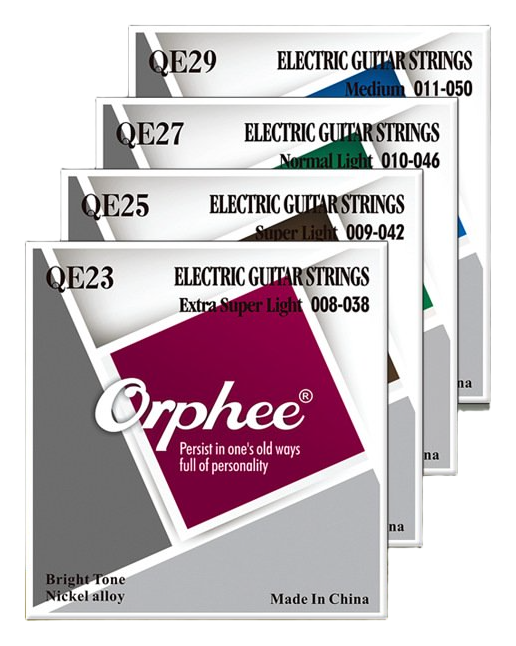
Wholesale Coated Nickel Core Electric Guitar String Set
A fast-turn accessory for retail refresh cycles, starter packs and electric guitar service counters.
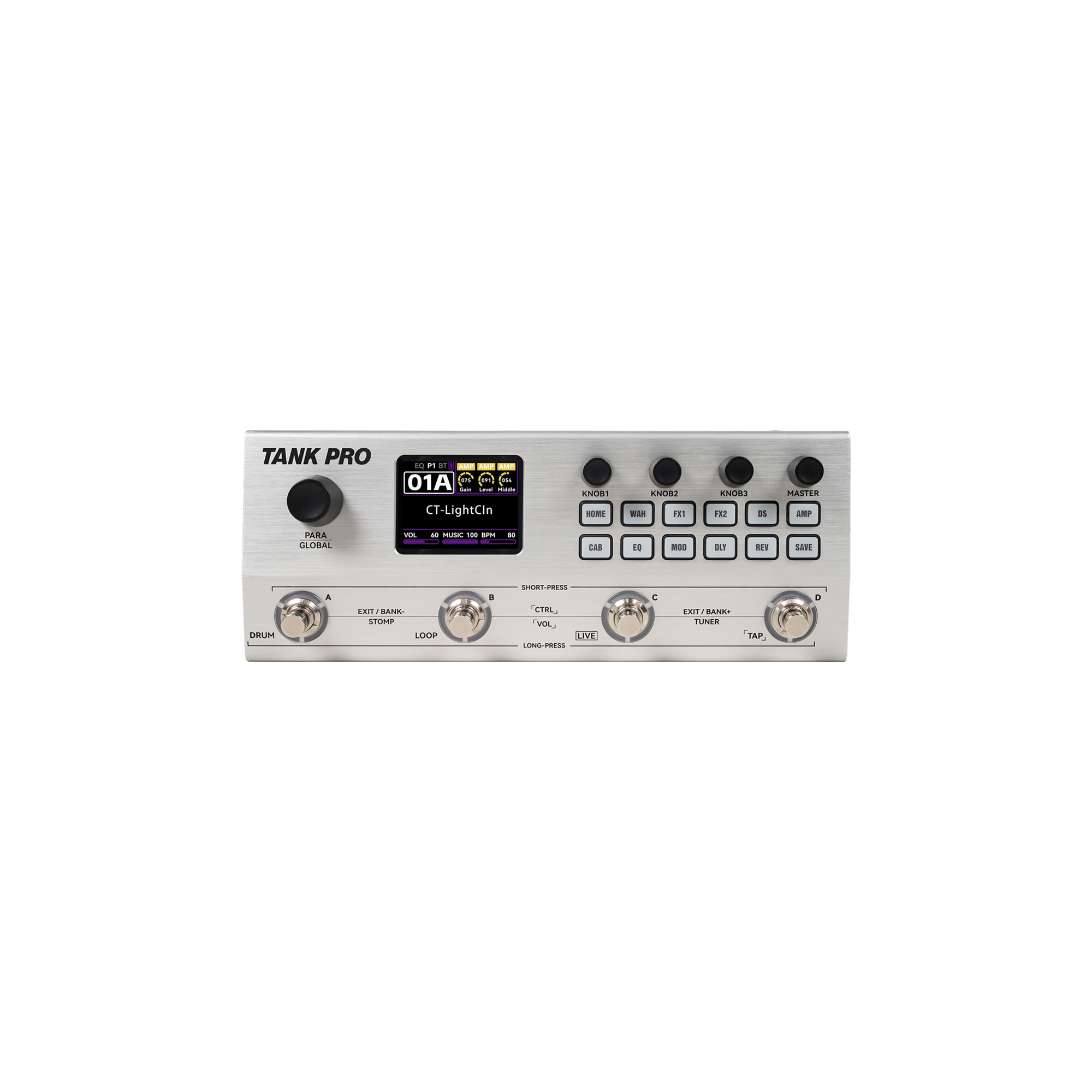
Tank Pro Metal Guitar Multi Effects Processor with ANN Third-Party IR Loading OTG Internal Recording
A content-creator-friendly effects unit with IR loading and OTG recording for modern electric guitar bundles.
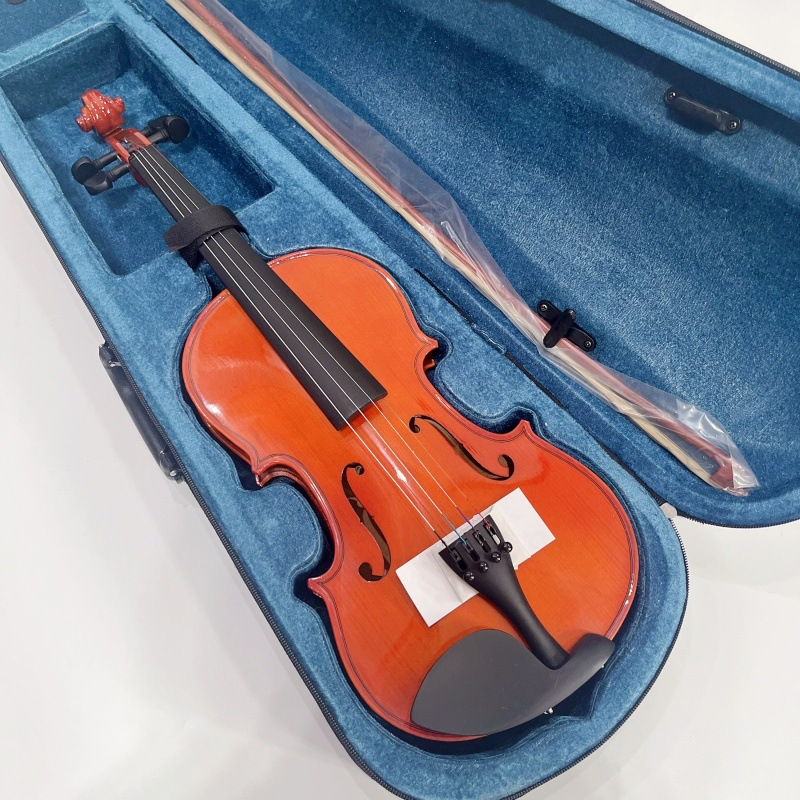
4/4 Full Size Solid Spruce Top Violin, Adult Beginner Violin, Solid Wood Student Violin Musical Instrument Wholesale
A school and beginner orchestral item that helps distributors broaden beyond guitar-led assortments.
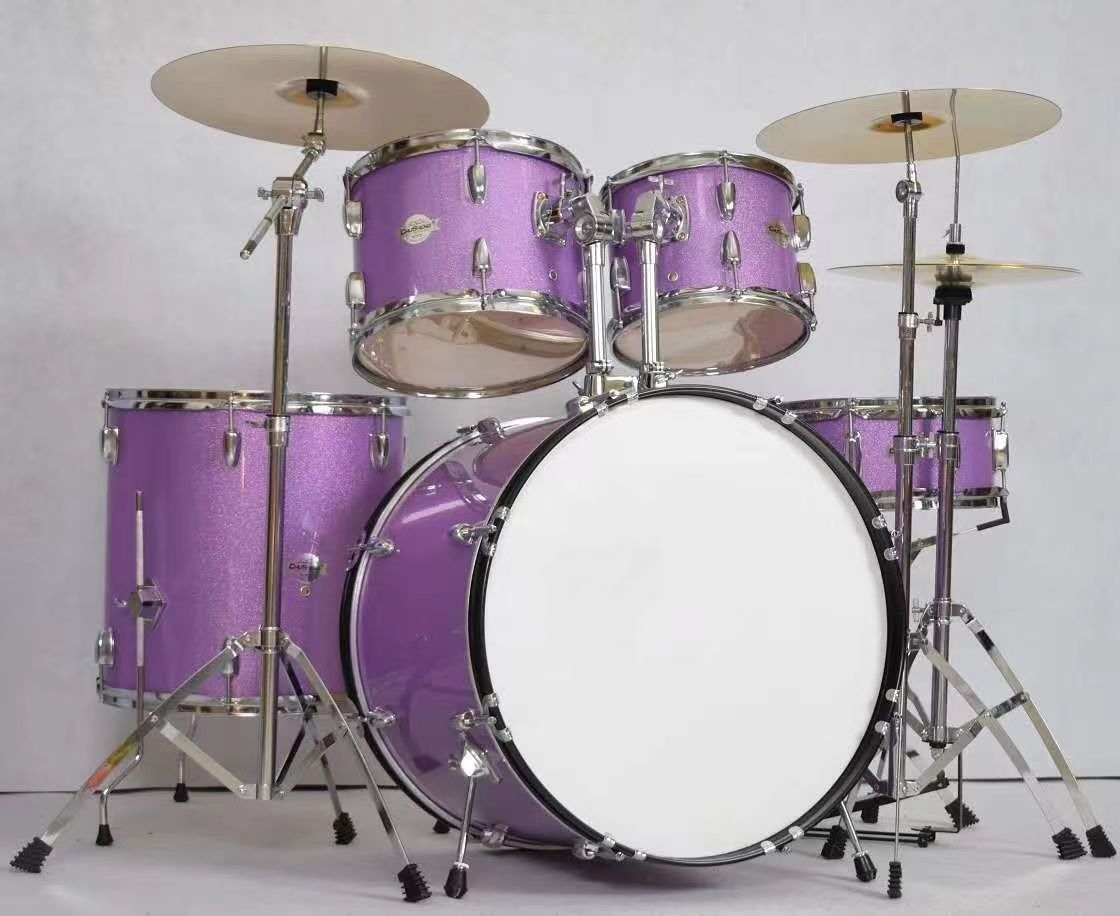
Hot Selling Ordinary 5 Drums 3 Cymbals Adult Drum Set Jazz Drum
Percussion expansion for music stores, teaching studios and mixed-category wholesale containers.
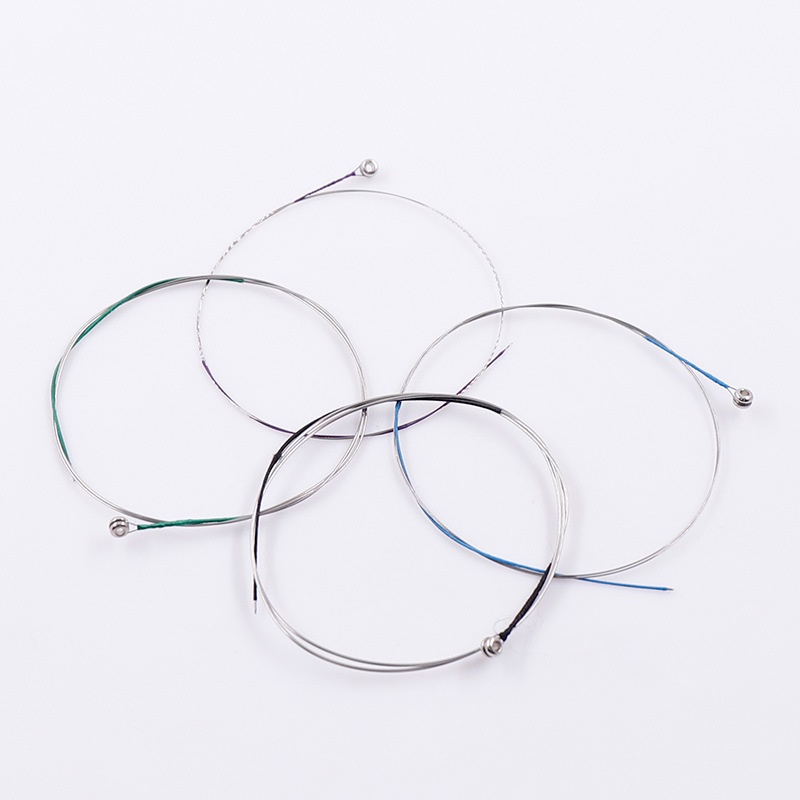
Silver Steel Violin Strings Loose Set for Classical Guitar Wholesale Guitar Parts Accessories
A replenishment SKU for dealers, repair shops and bundle builders that need reliable small-parts supply.
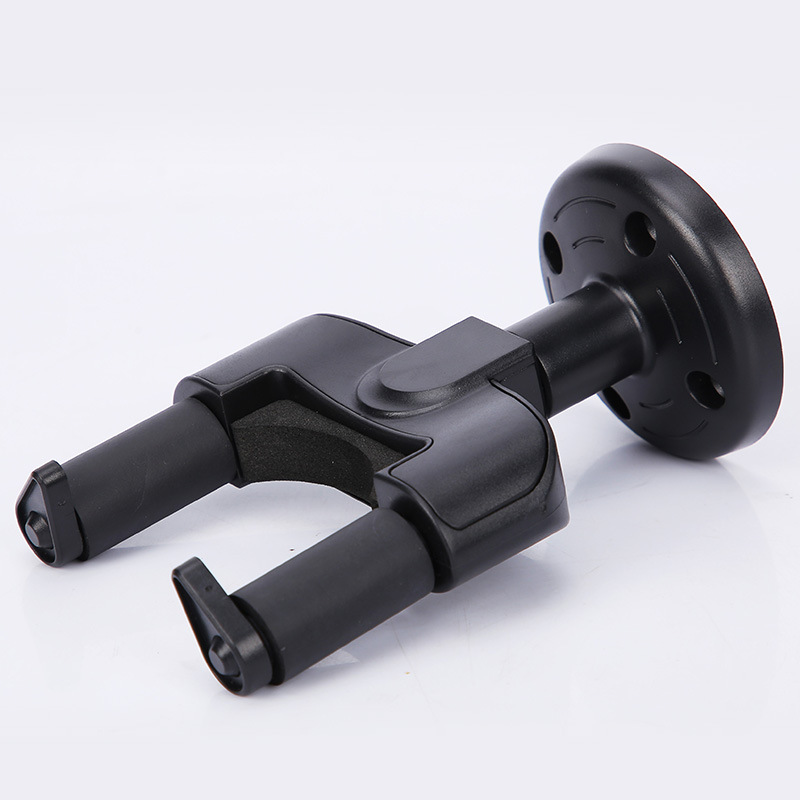
Gravity Auto Lock Guitar Hanger, Wall Mount Guitar Hook, Self-locking Holder for Electric & Acoustic Guitar Wholesale
A high-margin display accessory for showroom merchandising, home studios and retail add-on sales.
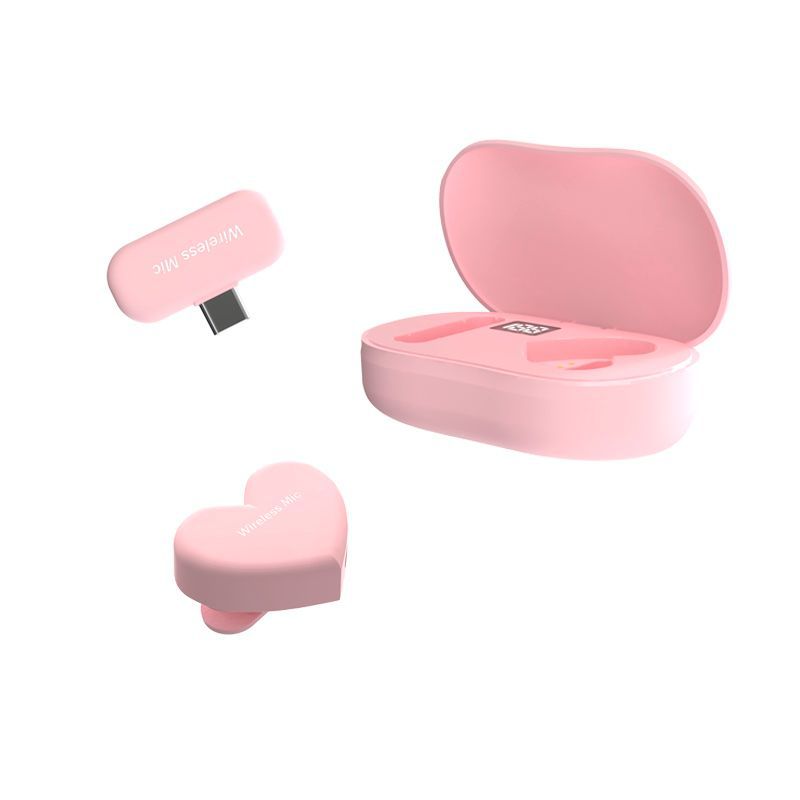
Stylish Pink Heart Wireless Mic with Clip Magnet Excellent for Vlog Recording on Mobile Compact Charging Case Portable Mic
A creator-driven accessory that pairs naturally with electric guitar demo content and social commerce.
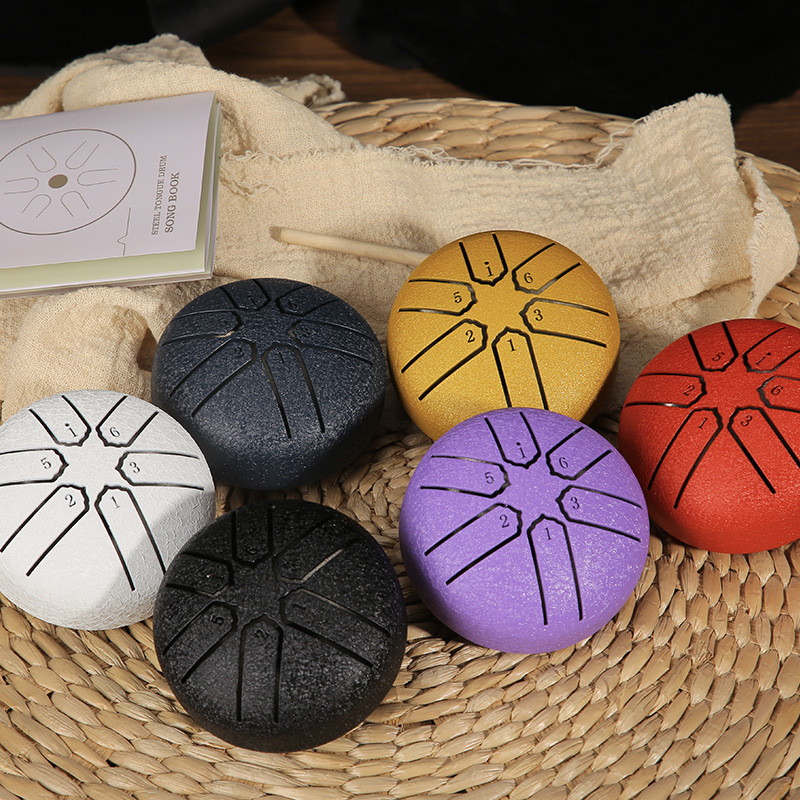
3 Inch 6 Notes Mini Steel Tongue Drum, Easy Learn Percussion Instrument, Kids Hand Drum Toy for Boys Girls Wholesale
An easy-entry percussion gift item for kids, classrooms and lifestyle retail shelves.
Years in the instrument industry
Annual export volume, assessed
Orders shipped in the last 6 months
Inquiry response rate
Average buyer rating
The Factory Question Is Really a Risk-Allocation Question
For global buyers, the phrase “top China electric guitar factory” should not be treated as a ranking label. It is a due-diligence question about who controls tooling, who manages quality, who owns export documentation and who can support repeatable wholesale programs.
China remains the world’s most complete supply base for electric guitars because it combines component depth, woodworking capacity, hardware finishing, electronics assembly, packaging and export logistics in one geographic system. Yet the most expensive sourcing mistake is assuming that every supplier offering “factory-direct” electric guitars is operating the same model. A serious buyer must separate four roles: the owned factory, the OEM/ODM workshop, the export trading company and the marketplace reseller.
WPI International Trade Co., Ltd. (Huizhou) operates as a trading company and multispecialty supplier with long-term partner workshops in Guangdong. That distinction matters. For a distributor that needs electric guitars, strings, effects, hangers, school instruments and accessories consolidated into one shipment, an experienced export coordinator can reduce coordination risk. The trade-off is that buyers should ask sharper questions about factory verification, pre-shipment inspection and product-specific compliance.
The products above illustrate the commercial logic. Electric guitar strings, multi-effects processors, wall hangers and creator microphones are not side items; they are repeat-purchase and basket-building products that help importers protect margin when guitar unit prices are under pressure. This is the practical meaning of information gain in sourcing: better decisions come from knowing how products, suppliers and landed costs interact.
How to Read China’s Electric Guitar Factory & Wholesale Landscape
The same electric guitar specification can be produced through very different commercial structures. Understanding the structure helps you judge MOQ, quality control, customization depth and after-sales exposure.
Owned Factory
Direct process control and strong communication on tooling, but product range may be narrow and multi-category consolidation is limited. Verify real production lines, not just a showroom.
OEM / ODM Workshop
Flexible for private label, finishes, hardware specifications and sample-based development. Ask for line-level inspection records and clear change-control procedures.
Export Trading Company
Strong at consolidation, export documents, low-MOQ mixed orders and supplier coordination. Confirm which workshops are used and who signs the final inspection report.
Marketplace Reseller
Fast discovery and easy price comparison, but program control is weaker. Suitable for testing, less suitable for exclusive finishes, packaging systems or repeatable QC.
Six Procurement Trends Reshaping Electric Guitar Wholesale
The next buying cycle will reward importers who plan around sell-through, compliance evidence and mixed-container efficiency rather than unit price alone.
Low-MOQ Trial Before Container Commitment
Buyers increasingly validate a model with 1–10 pieces, test sell-through, then scale. This reduces dead stock risk and gives distributors room to negotiate better production slots after proven demand.
Mixed-Category Consolidation
Electric guitars alone rarely fill an efficient order. Strings, hangers, effects, microphones, school instruments and percussion are being planned together to improve freight economics and order value.
Compliance-First Sourcing
Electronic effects, wireless microphones and children’s instruments require market-specific documentation. Buyers now ask earlier about RoHS, REACH, packaging, labeling and wood traceability before confirming POs.
Content-Ready Product Discovery
Specification sheets, product photos and short demo videos influence wholesale selection. Products that generate social content—such as IR-loading processors and compact creator microphones—move faster online.
Landed-Cost Planning
Freight volatility makes FOB pricing incomplete. Buyers compare CIF, DDP and express options, then model storage, duty, inspection and reorder time alongside factory unit cost.
Private Label with Visible Differentiation
Logo printing is no longer enough. Exclusive colors, hardware combinations, packaging systems and bundled accessories help distributors defend shelf space and avoid direct price comparison.
Where Electric Guitar Products Are Moving Next
Product innovation in China’s guitar supply chain is no longer only about copying classic body shapes. The most useful developments for wholesale buyers are those that reduce risk, broaden use cases or create a clear retail story.
Weight-Relieved & Chambered Bodies
Players increasingly value comfort and stage stamina. Chambering and lighter body materials can create a differentiated retail story, but buyers should confirm tonal consistency and structural stability.
Headless, Travel & Multi-Scale Designs
Compact instruments and fan-fret construction appeal to modern players and online educators. These designs require tighter CNC tolerances and clearer after-sales support for setup.
Modeling, IR Loading & OTG Recording
Digital effects and recording features are becoming expected in accessible guitar bundles. The Tank Pro multi-effects is an example of how a processor can support content creation, not just stage performance.
Traceable & Alternative Tonewoods
Wood documentation, stable laminates and alternative materials are moving from niche concern to mainstream purchasing requirement, especially for markets with strict import controls.
Finish Systems as Brand Language
Satin, metallic, relic, burst and color-block finishes help a distributor own a visual identity. The practical requirement is color consistency across repeat orders and packaging protection.
Accessory-Led Bundles
Strings, hangers, tuners, stands, microphones and gig bags are increasingly planned as part of a launch kit. Bundles lift average order value and make the retail offer easier to communicate.
Planning Bands Buyers Can Use Before RFQ
These bands are indicative planning aids, not fixed quotations. They help a buyer structure a professional request for quotation without overcommitting inventory or asking suppliers for unrealistic trial quantities.
For electric guitars and related accessories, the strongest approach is usually staged: sample first, confirm packaging and compliance, then scale the best sellers into a consolidated container. If you need to compare suppliers, ask each one to quote the same specification, delivery term and inspection standard.
What WPI International Trade Co., Ltd. (Huizhou) Brings to the Table
A wholesale partnership is only as strong as the verification behind it. WPI’s assessed company profile provides concrete signals that buyers can review before moving from inquiry to sample to container order.
WPI began exporting musical instruments from Hong Kong in June 2010 and established its Huizhou, Guangdong operation in 2014. The company operates with a team of 28 people, including 22 in trading and export roles. Its assessed annual sales are US$9 million, and its recent trade record shows 952 orders and more than US$370,000 in a six-month period. Main markets include North America, Western Europe, Southeast Asia and South America.
For buyers, the practical advantage is not simply a broad catalog. It is the ability to combine electric guitar programs with strings, effects, hangers, school instruments, percussion and accessories through one export coordinator. WPI’s assessed capabilities include finished-product inspection, sample-based customization, minor customization such as logo and packaging, design-based customization and full customization.
The company describes a long-term cooperation model: protect the buyer’s market, keep quality consistent and maintain reasonable pricing so both sides can reinvest in sell-through. That is a more credible foundation for repeat wholesale than a one-time lowest quote.

Verified Credibility Signals
Intertek onsite assessment, finished-product inspection before delivery, 12 years in the industry, 97.73% inquiry response rate and a 4.6/5 average buyer rating. Accepted payment terms include T/T, L/C, D/P, D/A, credit card, PayPal, Western Union and escrow; delivery terms include FOB, CFR, CIF, EXW, DDP and express delivery.
Third-Party Verification
An Intertek onsite assessment helps buyers confirm legal status, premises and stated capabilities before committing to a private-label project.
Wide, Practical Selection
Electric guitars sit alongside violins, drums, keyboards, effects, strings, hangers and percussion—useful for distributors building a complete seasonal catalog.
Factory-Direct Coordination
Long-term partner workshops in Guangdong support OEM and ODM development, while the export team manages quotations, samples, inspection and shipping terms.
One-Stop Export Support
Mixed-category orders, multiple payment methods and flexible delivery terms reduce the friction of sourcing from several unrelated suppliers.
How an Electric Guitar or Mixed Wholesale Order Moves from Brief to Delivery
Brief & Specification
Share body shape, tonewood, finish, pickups, hardware, logo, packaging and target market.
Proposal & Matching
The team matches the specification to suitable workshops and recommends realistic MOQs and terms.
Sampling
A pre-production sample is made for approval before mass production begins.
Production
Mass production proceeds with in-process checks for finish, hardware, assembly and packaging.
Inspection
Finished-product inspection covers appearance, function, tuning stability, accessories and carton quality.
Shipping
FOB, CIF, DDP, express or another agreed delivery term is arranged with the required documents.
Wholesale Buyer Questions About China Electric Guitar Factories
What defines a top China electric guitar factory for wholesale?
There is no single ranking. Look for verifiable production capacity, consistent quality control, clear customization capability, export documentation and a product range that fits your market. For mixed orders, an experienced export trading company can be more practical than a narrow single-product factory.
What is the minimum order quantity for electric guitars and accessories?
Many instruments can be sampled from 1 piece, while typical wholesale MOQs are 2–10 pieces per model. Strings and small accessories often start at 20–600 sets or pieces depending on the item. Always request a written MOQ for the exact specification, finish and packaging.
Can I combine electric guitars, strings, effects and other instruments in one order?
Yes, mixed-category consolidation is one of the main reasons buyers use a multispecialty supplier. Combining guitars with strings, hangers, microphones, percussion and school instruments can improve freight efficiency and raise average order value.
How should I verify quality before shipment?
Agree on a written inspection checklist covering appearance, hardware, electronics, tuning stability, fret condition, accessory completeness and packaging. For repeat orders, keep approved samples and golden reference photos. Ask who conducts the final inspection and what happens if defects are found.
Which compliance issues matter for electric guitars and accessories?
Market requirements vary. Buyers should discuss wood documentation, packaging labeling, chemical restrictions, electrical safety, wireless device rules and children’s product requirements before placing an order. Electronic effects and wireless microphones require particular attention by destination market.
What payment and delivery terms are common?
Common payment methods include T/T, L/C, D/P, D/A, credit card, PayPal, Western Union and escrow. Delivery terms such as FOB, CIF, EXW, DDP and express delivery can be quoted depending on destination, order volume and buyer preference.
Ready to Build a Better Electric Guitar & Wholesale Program?
Tell us your target market, product specification, trial quantity and delivery term. A focused brief helps the sourcing team recommend the right models, packaging direction and inspection plan without wasting a sampling cycle.
Contact Us