Top 10 Musical Equipment Manufacturer & Supplier
A procurement and innovation white paper for importers, distributors, schools, and private-label music brands comparing product direction, sourcing risk, and the supplier capabilities that matter from 2025 to 2030.
8 High-Opportunity Musical Equipment Products
Selected from WPI’s multi-category catalog for margin potential, classroom demand, creator-economy relevance, and private-label flexibility. Each item can support mixed-category orders and OEM discussions.
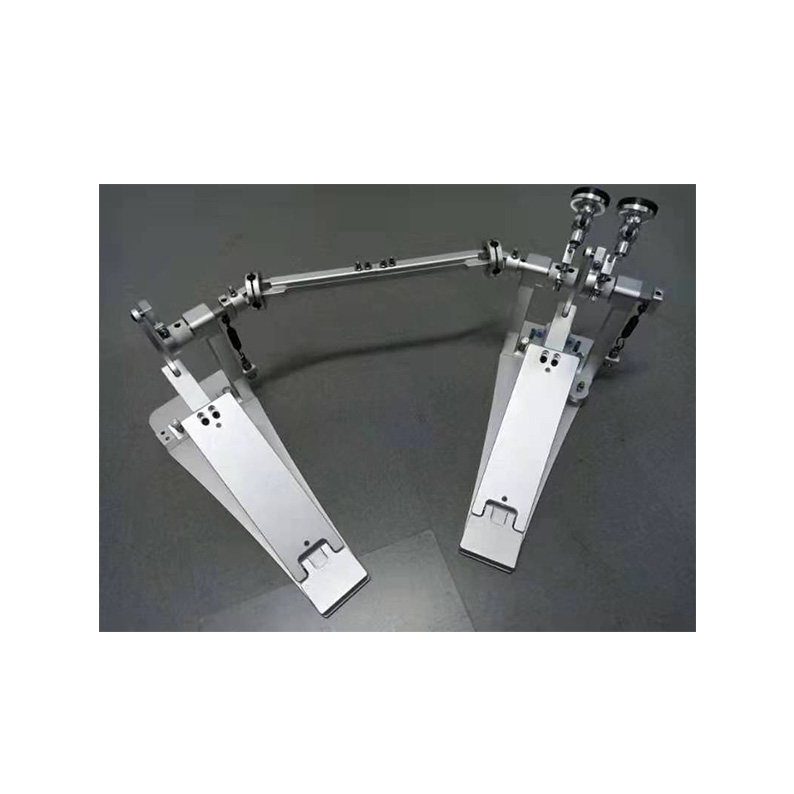
Brushed Silver Double Bass Drum Pedal Direct Drive Drum Kit Accessory
An upgrade accessory with strong average order value for drum retailers, repair shops, and stage-hardware bundles. Direct-drive action appeals to players seeking speed and control.
View product details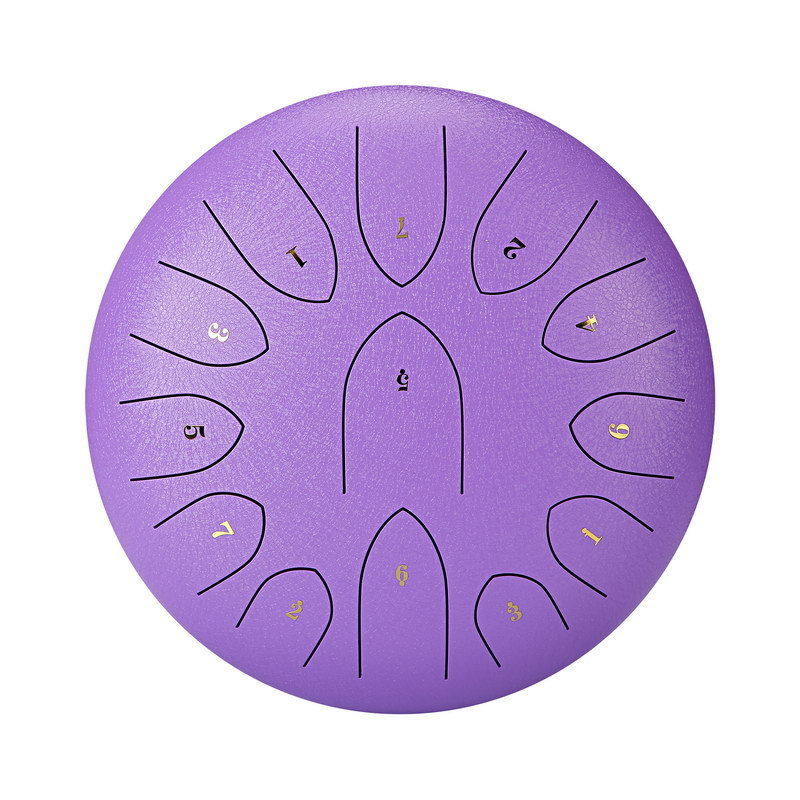
14 Inch Steel Tongue Drum, Handpan Drum, Mini Tank Drum Percussion Instrument, Complete Gift Set Wholesale
A gift-ready set for yoga studios, wellness retailers, music therapy channels, and online seasonal promotions. Complete packaging reduces after-sales friction for non-specialist sellers.
View product details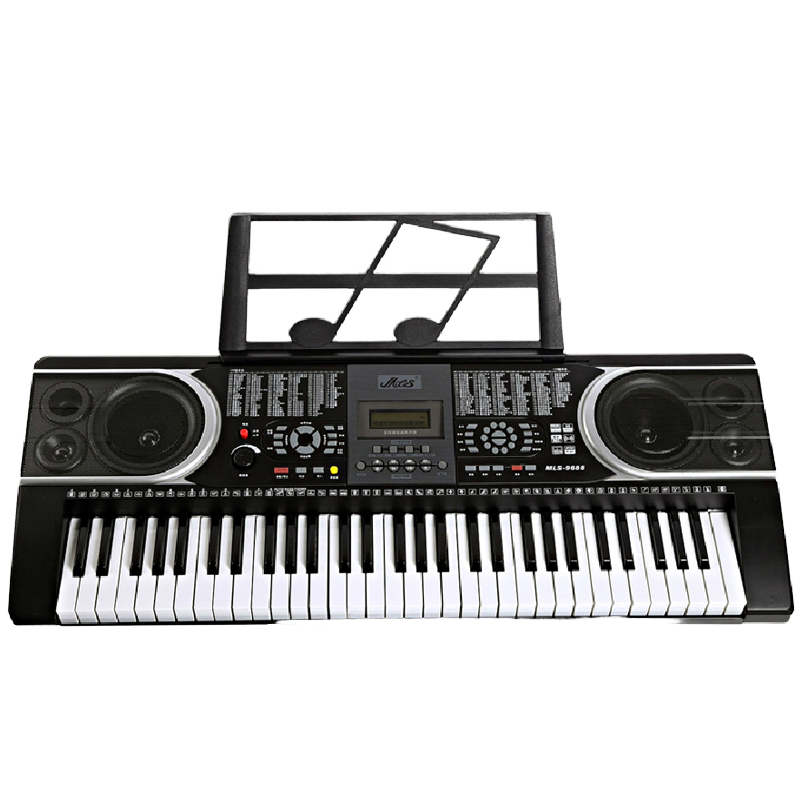
Professional Teaching Electronic Keyboard 61 Standard Keys
Stable classroom and beginner-retail demand. A practical 61-key format supports school programs, starter bundles, and entry-level home practice assortments.
View product details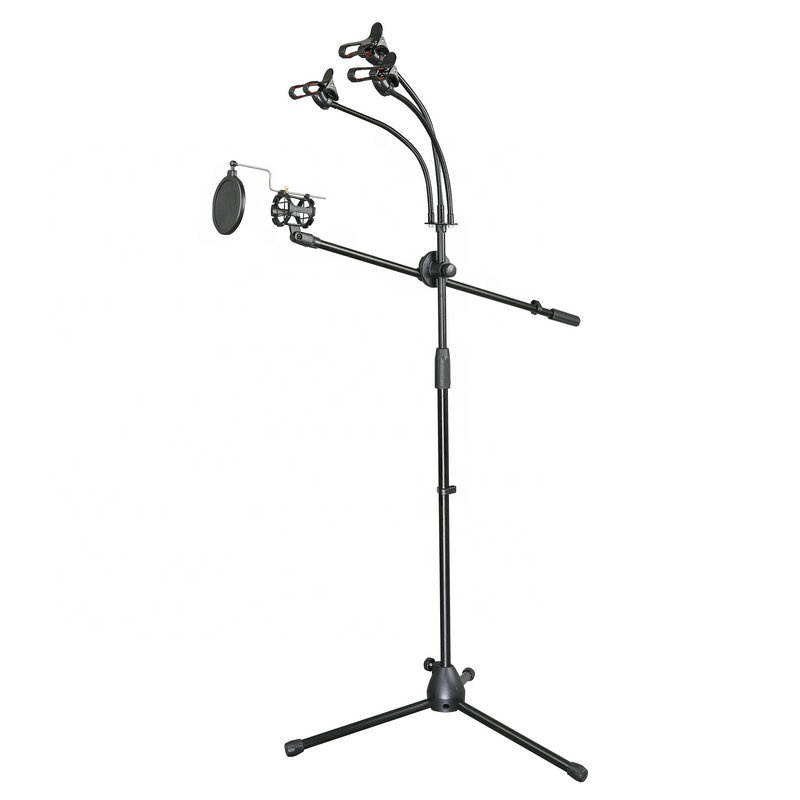
Three Mobile Phones with Horizontal Bars for Live Streaming, Floor Standing Three Legged Microphone Stand
Built for live commerce, music creators, and multi-angle content production. A useful non-instrument add-on that increases basket size for online sellers and studio retailers.
View product details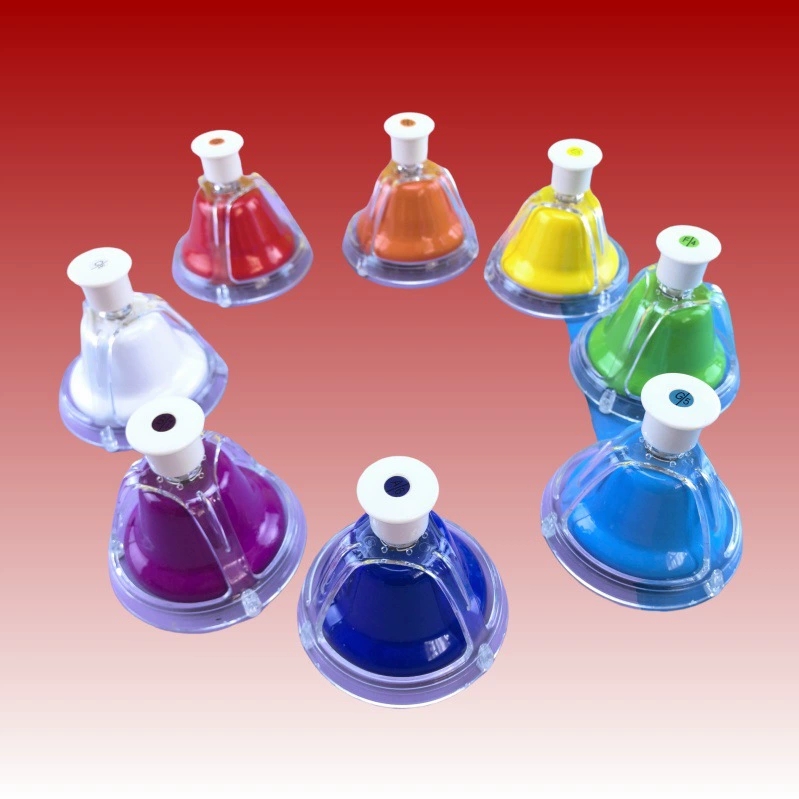
Orff Percussion Melody Bell 8-Note White Push Bell Colorful Push Chime Kindergarten Early Music Teaching Aid 8 tones bell
Classroom-friendly Orff percussion with clear pitch and color appeal. Suitable for kindergarten music programs, teacher supply catalogs, and education distributors.
View product details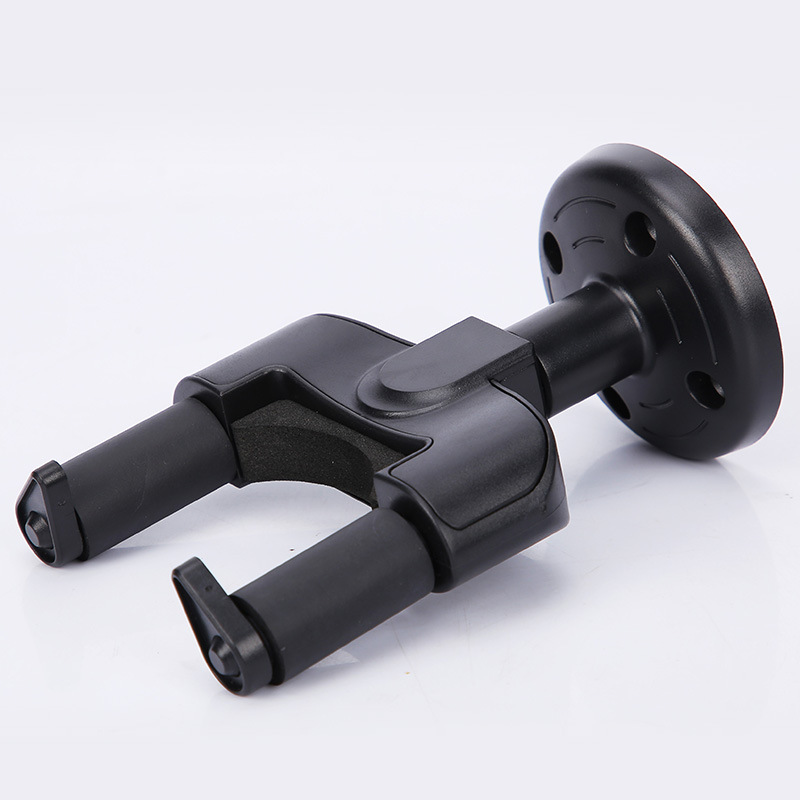
Gravity Auto Lock Guitar Hanger, Wall Mount Guitar Hook, Self-locking Holder for Electric & Acoustic Guitar Wholesale
A practical retail-display and home-studio accessory. Auto-lock design builds perceived value, while compact packing suits e-commerce and accessory assortments.
View product details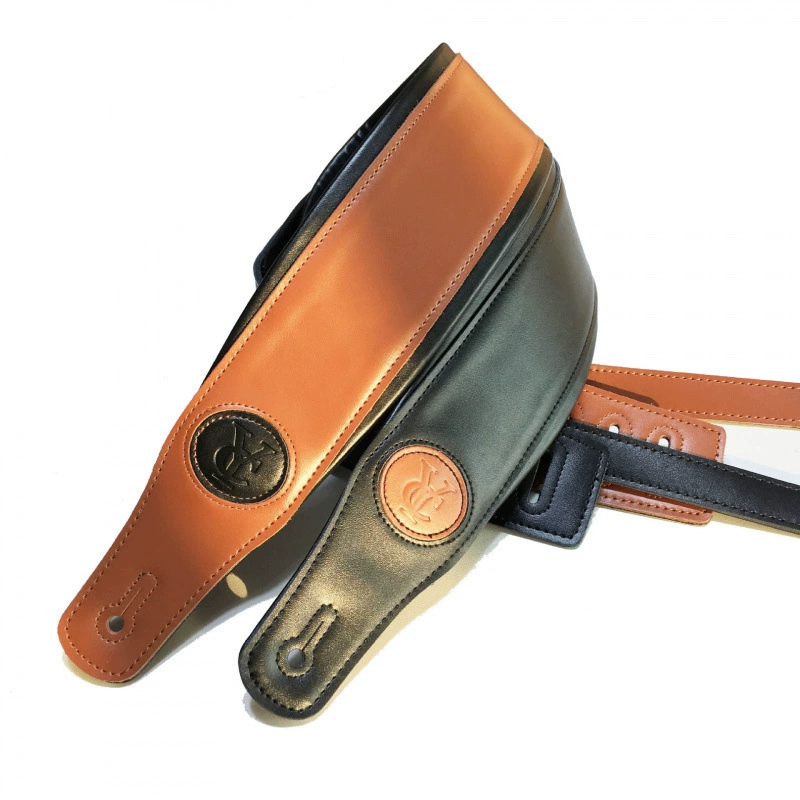
Wholesale Wide Padded Cowhide PU Leather Adjustable Soft Guitar Shoulder Strap for Acoustic Electric Bass Guitar
Comfort-led accessory for acoustic, electric, and bass players. Well suited to logo embossing, private-label packaging, and bundled promotions with guitars.
View product details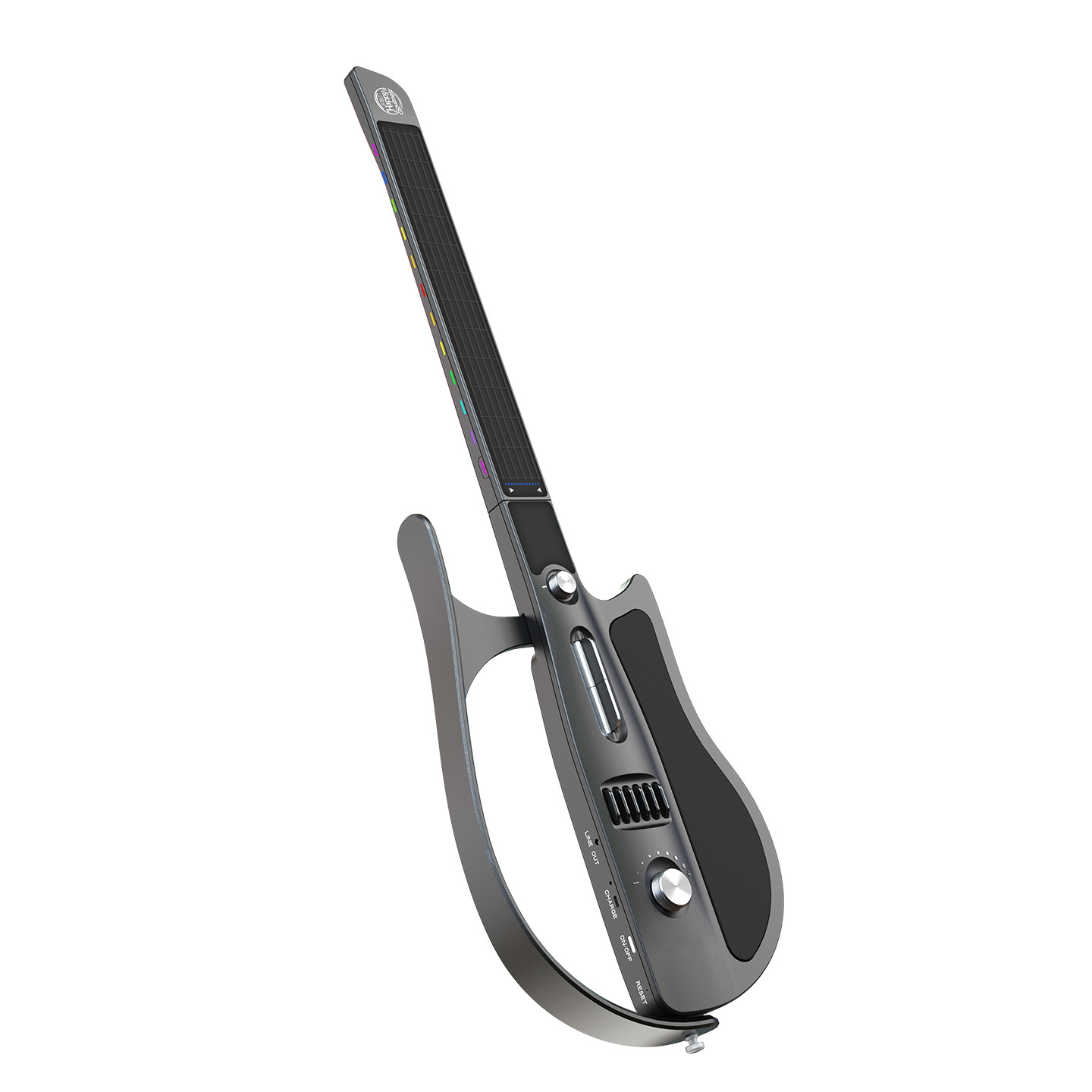
Hot Selling N1 Smart Accompaniment Stringless Guitar Smart Guitar Travel Guitar
A trend-forward product for travel retail, social-commerce launches, and beginner gift markets. Stringless accompaniment lowers the learning barrier and creates strong content angles.
View product detailsYears in the musical instrument industry
Annual export volume, third-party assessed
Orders shipped in the last 6 months
Inquiry response rate
Average buyer rating
Evidence source: WPI International Trade Co., Ltd. (Huizhou) supplier assessment and transaction profile.
What “Top 10” Really Means to a Wholesale Buyer
In semantic search, a buyer looking for a Top 10 Musical Equipment Manufacturer & Supplier is rarely looking for ten names alone. The deeper intent is usually a shortlist of suppliers that can reduce sourcing risk, support low-MOQ testing, protect quality, and help launch private-label products without overcommitting inventory. That intent has become more specific as importers compare not only price, but also OEM flexibility, inspection records, category breadth, and response speed.
This white paper evaluates WPI International Trade Co., Ltd. (Huizhou) against the criteria serious buyers use when screening musical equipment suppliers: product depth across guitars, ukuleles, violins, saxophones, drums, keyboards, percussion, and accessories; documented quality controls; low-MOQ sampling; OEM and ODM capability; export experience; and evidence from third-party assessment. The goal is to provide information gain beyond a generic supplier list, so procurement teams can make a defensible decision rather than a price-only comparison.
WPI began exporting musical instruments from Hong Kong in June 2010 and established its Huizhou, Guangdong operation in 2014. Its team of 28 people, including 22 in trading and export roles, supports importers, distributors, retailers, and schools across North America, Western Europe, Southeast Asia, and South America. For buyers, this means access to a multispecialty supply model: factory-direct sourcing through long-term partner workshops, plus the consolidation, communication, and quality-control layer that a single-category factory may not provide.
Six Tests for a Top-Tier Musical Equipment Supplier
These are the criteria that matter when retail chains, school distributors, and private-label brands compare suppliers for long-term cooperation.
Manufacturing Depth & OEM Capability
The supplier should support sample-based customization, minor customization such as logo and packaging, design-based customization, and full OEM/ODM development. WPI’s assessed capabilities cover these four levels, which is essential for brands that do not want to buy only stock products.
Category Breadth & Mixed Orders
Buyers increasingly want one container or one consolidated shipment across guitars, ukuleles, violins, saxophones, drums, keyboards, percussion, and accessories. A broad catalog reduces supplier count, improves logistics efficiency, and supports more flexible assortment planning.
Quality System & Inspection Evidence
Quality claims should be supported by process evidence. WPI has been onsite assessed by Intertek and inspects finished products before delivery, covering appearance, hardware, tuning stability, playability, and packaging. This is especially relevant for school instruments and retail displays.
Low MOQ & Sampling Speed
Many instruments can be sampled from 1 piece, with typical wholesale MOQs of 2–10 pieces per model for instruments and 20–600 sets for strings and small accessories. Low-MOQ flexibility helps importers test new categories before committing to larger production runs.
Export Compliance & Logistics
Experienced suppliers should handle FOB, CFR, CIF, EXW, DAP, DDP, express delivery, and other terms, along with T/T, L/C, credit card, PayPal, Western Union, and other payment methods. Clear trade terms reduce friction for first-time and repeat buyers.
Account Team & After-Sales Reliability
Named account managers, high inquiry response, and trade-show experience improve communication across sampling, production, inspection, and shipping. WPI’s buyer rating and response metrics are useful indicators of how the team performs after the quotation stage.
How Musical Equipment Procurement Is Changing
Procurement teams are moving from “buy deep and hold stock” to “test, learn, and scale.” Suppliers that support that shift will win the next cycle.
Low-MOQ, Test-and-Learn Buying
Importers increasingly test several models in small quantities before scaling winners. A supplier that offers sampling from 1 piece and mixed-category orders helps buyers validate demand without locking up capital in slow-moving inventory.
One-Stop Consolidated Sourcing
Buyers want fewer suppliers and more control. Consolidating acoustic guitars, ukuleles, violins, drums, keyboards, and accessories with one export partner reduces communication load and improves container utilization.
Compliance & Traceability
Retailers, schools, and marketplaces need confidence in product quality, packaging, and supplier legitimacy. Third-party assessment, pre-shipment inspection, and transparent trade terms are becoming part of the buying decision, not an afterthought.
Content Creator & Smart Instrument Demand
Live streaming, short video, home recording, and travel performance are creating demand for creator-friendly equipment such as phone tripods, smart stringless guitars, MIDI controllers, and silent-practice instruments.
Education & Wellness Channels
Schools, kindergarten programs, music therapy, and wellness retailers are expanding demand for Orff percussion, steel tongue drums, classroom keyboards, and beginner string instruments. These categories reward suppliers with kit-building and packaging flexibility.
Private Label & Launch Speed
Brand owners want logo placement, packaging design, and product photography support without huge MOQs. A supplier that can move from sample approval to production with clear checkpoints becomes a launch partner, not just a vendor.
Where Musical Equipment Design Is Heading
Product roadmaps are being shaped by portability, lower learning barriers, sustainable materials, and hybrid performance needs.
Smart, Stringless & App-Assisted Instruments
The N1 smart accompaniment stringless guitar shows how product design is moving toward lower entry barriers. Travel-friendly formats and built-in learning support suit gift buyers, social commerce, and casual players who may never buy a traditional guitar.
Sustainable & Stabilized Materials
Laminated tonewoods, alternative materials, and stable finishes remain important for entry-level instruments. Buyers should compare material options against humidity, price, and target market rather than assuming solid wood is always the right specification.
Hybrid Acoustic-Electric & Silent Practice
Electro-acoustic guitars, electric violins, and silent-practice designs align with home recording and apartment practice. Retailers can build bundles around headphones, stands, straps, and cables to increase basket value.
Modular Accessory Ecosystems
Auto-lock hangers, padded straps, direct-drive pedals, and replacement hardware turn instruments into accessory ecosystems. These add-on products often carry better margin and lower shipping risk than large instruments.
Comfort, Ergonomics & Travel Design
Lightweight bodies, wide padded straps, compact keyboards, and foldable stands address comfort and portability. These features are especially relevant for adult beginners, mobile teachers, and travelling creators.
Classroom-Ready & Gift-Ready Bundles
Orff bells, tongue drum gift sets, ukulele kits, and beginner violin outfits perform better when packaging is complete. Suppliers that can bundle case, bow, rosin, mallets, or bag reduce after-sales questions and improve retail readiness.
Why WPI International Trade Co., Ltd. (Huizhou) Fits the Shortlist
WPI is a multispecialty musical instrument trading and export company, not a single-line workshop. That structure is useful for buyers who need a broad assortment, factory-direct sourcing through long-term partner workshops, and one point of accountability for sampling, inspection, and shipment.
The company has been onsite assessed by Intertek, with verified premises, legal status, capabilities, and main product lines. Its assessed profile reports 12 years in the industry, annual export sales of US$9 million, 952 orders shipped in the last six months, a 97.73% inquiry response rate, and an average buyer rating of 4.6/5. These figures do not replace due diligence, but they give procurement teams concrete reference points.
Its product range covers acoustic and electric guitars, ukuleles, violins and cellos, saxophones and clarinets, drum sets and percussion, steel tongue drums, electronic keyboards, and a deep accessory line. This breadth is especially valuable for distributors that need to build seasonal assortments without adding suppliers.
Trade-show participation at the Shanghai and Guangzhou music shows from 2014 to 2019 further demonstrates a history of face-to-face buyer engagement. Combined with a named account team, this helps reduce the communication gap that often appears when buyers source from unknown trading companies.
Quality First, Verified
Finished-product inspection before delivery, covering appearance, hardware, tuning stability, playability, and packaging. The Intertek onsite assessment adds third-party evidence behind supplier claims.
Low MOQ & Mixed Categories
Sampling from 1 piece and typical instrument MOQs of 2–10 pieces make it practical to test guitars, ukuleles, violins, saxophones, drums, and accessories together.
Factory-Direct OEM / ODM
Long-term partner workshops in Guangdong support logo, packaging, graphic, design-based, and full customization, backed by an export team that follows the project from brief to shipment.
One-Stop Export Support
Consolidate instruments and accessories in one order, choose FOB, CIF, DDP, express, or other delivery terms, and work with a named account manager through inspection and after-sales.
Quality Assurance, OEM Workflow & Trade Terms
A clear workflow protects both the buyer and the supplier. WPI’s typical OEM instrument order follows six checkpoints from brief to delivery.
Brief
Share model, size, tonewood, logo, packaging, target market, and estimated quantities.
Proposal
The team matches partner workshops and recommends specifications, MOQ, sampling plan, and trade terms.
Sampling
A pre-production sample is prepared for approval before mass production begins.
Production
Mass production proceeds with in-process checks and communication on any specification changes.
Inspection
Finished-product inspection covers appearance, hardware, tuning stability, playability, and packaging.
Shipping
Choose FOB, CFR, CIF, EXW, DDP, express delivery, or another agreed term based on destination and urgency.
Common Questions About Musical Equipment Sourcing
These answers address the procurement questions buyers ask before requesting a quotation or sample.
What is the minimum order quantity for wholesale musical instruments?
Many guitars, ukuleles, violins, and saxophones can be ordered from 1 piece for sampling. Typical wholesale MOQs are 2–10 pieces per model for instruments and 20–600 sets for strings and small accessories. Mixed-category orders are welcome, which helps retailers and distributors test multiple product lines without overstocking.
Do you offer OEM and ODM customization?
Yes. Third-party assessed capabilities include sample-based customization, minor customization such as logo, packaging, and graphics, design-based customization, and full customization. Buyers should define artwork files, packaging requirements, target price, and testing standards before sampling.
How is product quality controlled before shipment?
Every order goes through finished-product inspection before delivery, covering appearance, hardware, tuning stability, playability, and packaging. WPI has also been assessed onsite by Intertek, which provides independent evidence of premises, legal status, and supply capabilities.
Which payment and delivery terms are accepted?
Payment methods include T/T, L/C, D/P, D/A, MoneyGram, credit card, PayPal, Western Union, cash, and escrow. Delivery terms include FOB, CFR, CIF, EXW, FAS, CIP, FCA, CPT, DEQ, DDP, DDU, DAF, DES, and express delivery. The right term depends on destination, order size, and buyer experience.
Which markets does WPI export to?
The main markets are North America, Western Europe, Southeast Asia, and South America. Products and packaging can be adapted for different retail channels, school programs, online marketplaces, and private-label brands.
Which product should a retailer test first?
For music retailers, low-MOQ accessories such as guitar hangers, padded straps, and direct-drive pedals are efficient add-on tests. For education channels, Orff melody bells and 61-key teaching keyboards are practical entry points. For social-commerce sellers, the N1 smart stringless guitar and creator tripod stand offer stronger content angles.
How should a buyer choose between steel tongue drums and Orff percussion?
Steel tongue drums suit wellness, gift, yoga, and music-therapy channels, especially when sold as complete gift sets. Orff percussion suits kindergartens, schools, and teacher supply catalogs, where pack size, pitch accuracy, and classroom durability matter more than lifestyle packaging.
Can mixed categories be consolidated in one order?
Yes. One-stop consolidation is one of the main advantages of a multispecialty supplier. Guitars, ukuleles, violins, saxophones, drums, keyboards, percussion, and accessories can be combined to improve container utilization and simplify logistics for distributors and retail chains.
Build Your Next Instrument Program with a Verified Supplier
Send your target market, product categories, quantities, logo requirements, packaging needs, and delivery destination. The WPI account team will respond with model recommendations, MOQ guidance, sampling steps, quality checkpoints, and trade terms.