Top 10 Mini Guitar Factory & Exporters
A 2025–2030 wholesale sourcing whitepaper for compact guitars, student instruments, travel formats and the accessory bundle that makes them profitable.
8 Product Recommendations for a Mini Guitar & Compact Instrument Program
These eight products are not random catalog picks. They represent the buying logic of a mini guitar factory & exporter evaluation: high-margin accessories, lesson-friendly student instruments, content-creation hardware, and products that can be consolidated in mixed containers with low MOQ. Product URLs are preserved exactly from the source catalog.
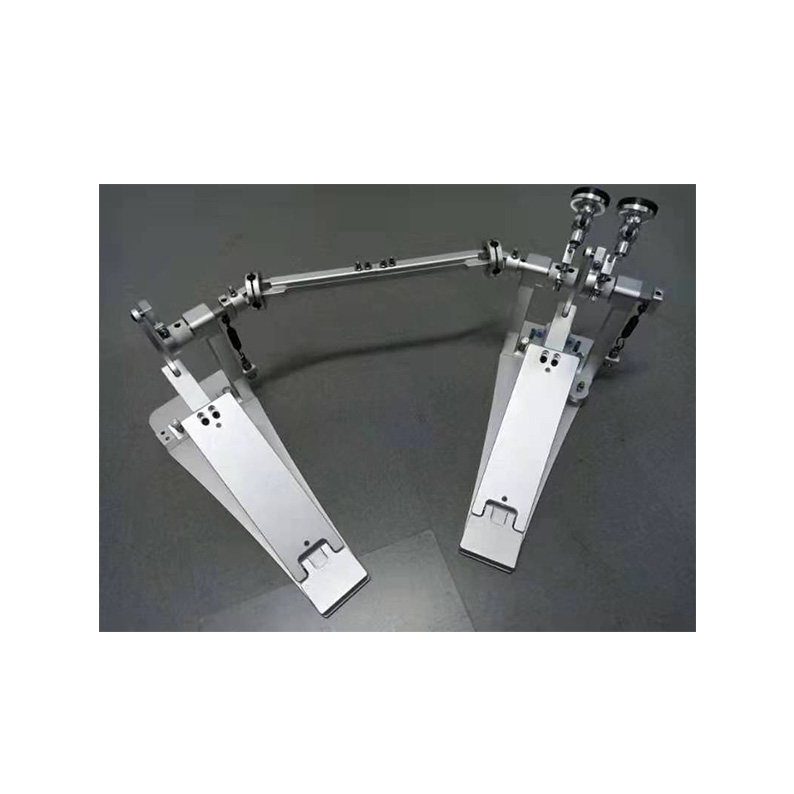
Brushed Silver Double Bass Drum Pedal Direct Drive Drum Kit Accessory
A direct-drive pedal for compact drum kits, rehearsal rooms and bundle promotions. Strong add-on for percussion-led buyers.
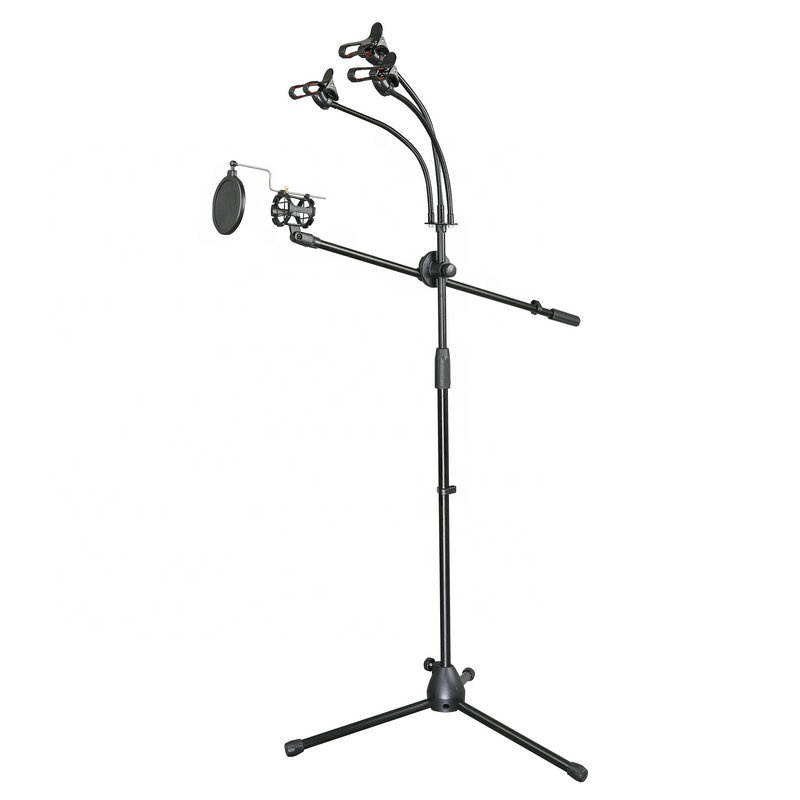
Three Mobile Phones with Horizontal Bars for Live Streaming, Floor Standing Three Legged Microphone Stand
A content-creation stand for live commerce, music lessons and studio demos. Useful for retailers building creator bundles.
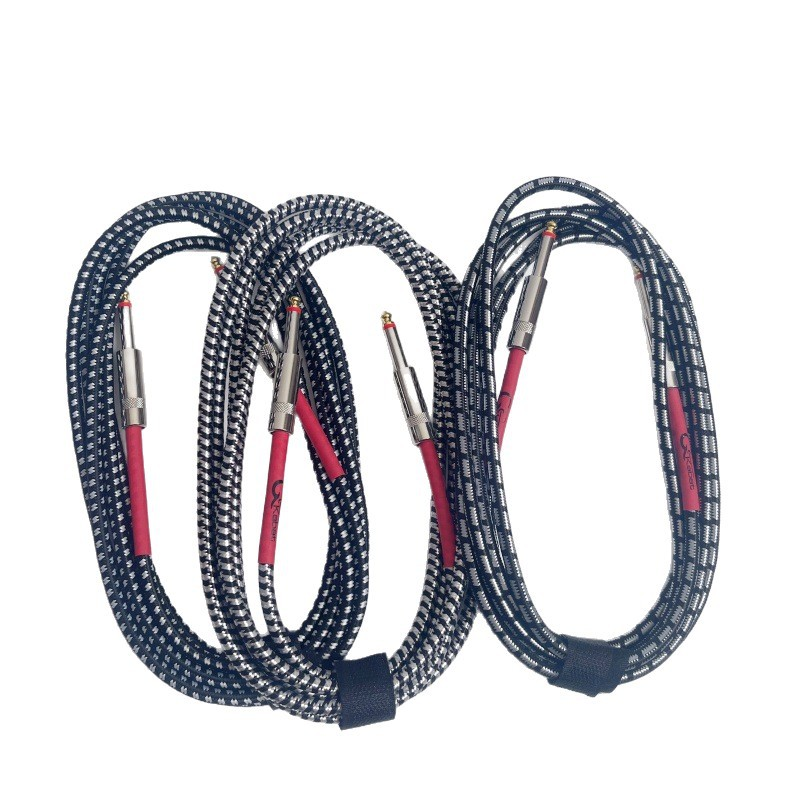
Braided Guitar Cable, 6.35mm Male to Male Noise Reduction Audio Cord for Bass, Instrument Connection Wire Wholesale
A low-noise braided cable that can be attached to every guitar or bass order to raise average order value.
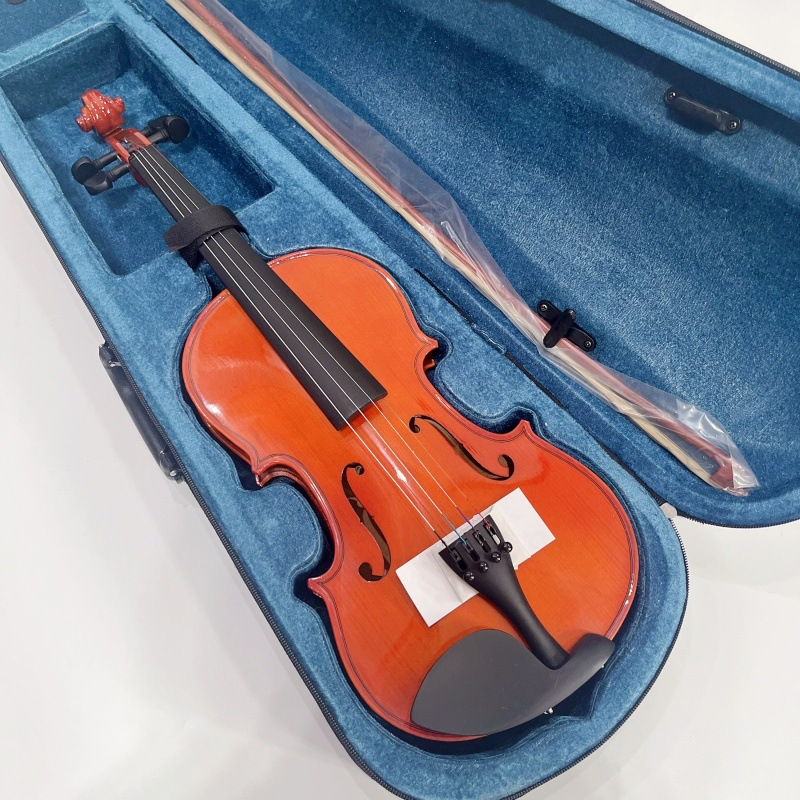
4/4 Full Size Solid Spruce Top Violin, Adult Beginner Violin, Solid Wood Student Violin Musical Instrument Wholesale
Student outfit potential for school programs and lesson bundles. A natural cross-sell for compact guitar buyers.
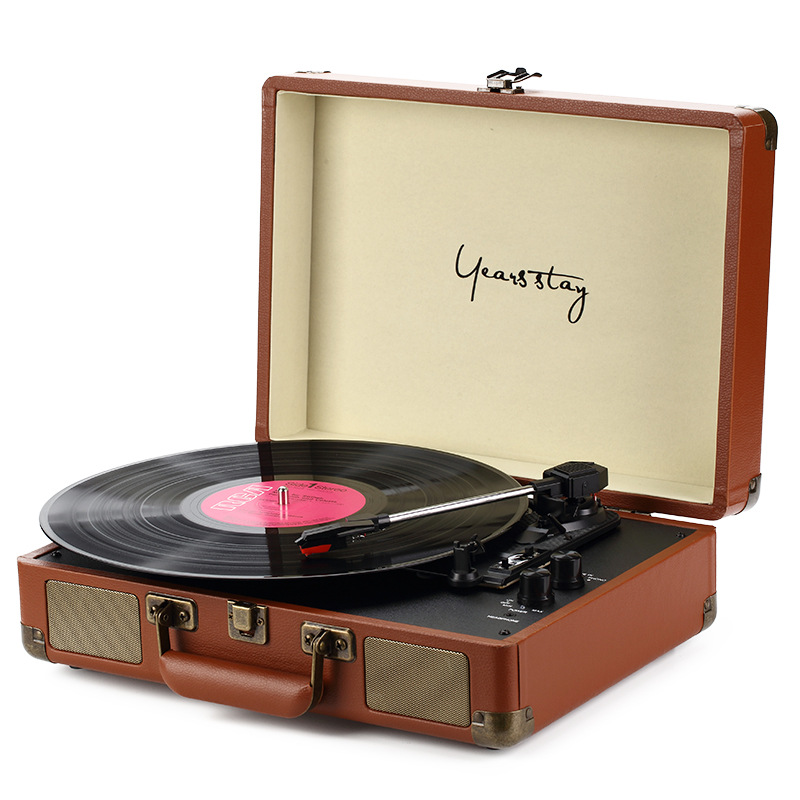
Portable Mini Phonograph Desktop Vinyl Record Player Handheld Wireless for Speaker Turntable
A lifestyle audio item for gift, home and concept retail. It adds a non-instrument SKU to a music-themed assortment.
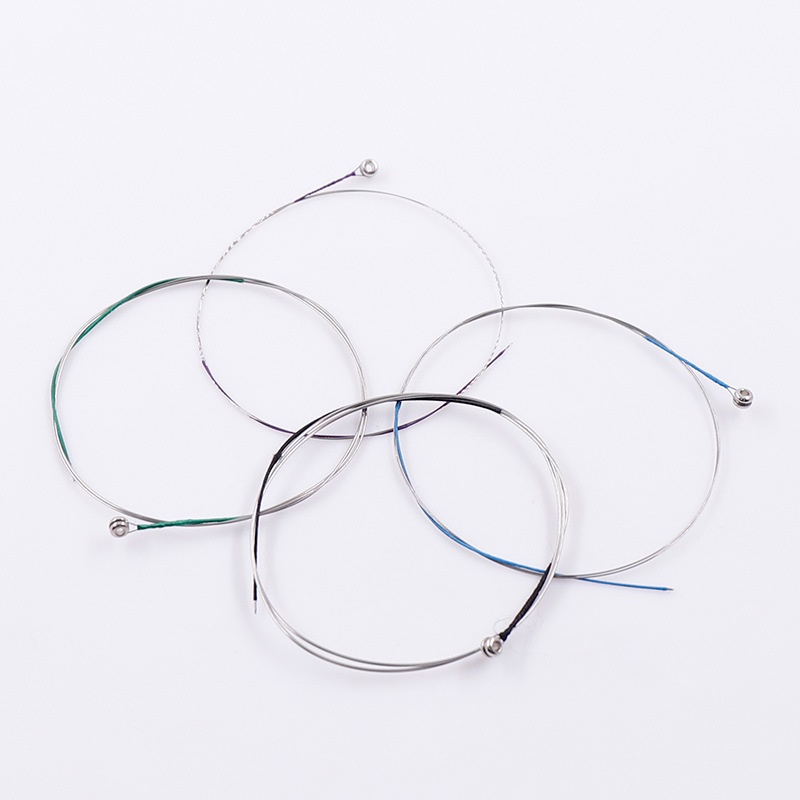
Silver Steel Violin Strings Loose Set for Classical Guitar Wholesale Guitar Parts Accessories
A consumable accessory with repeat-purchase behavior and low shipping weight. Ideal for private-label accessory programs.
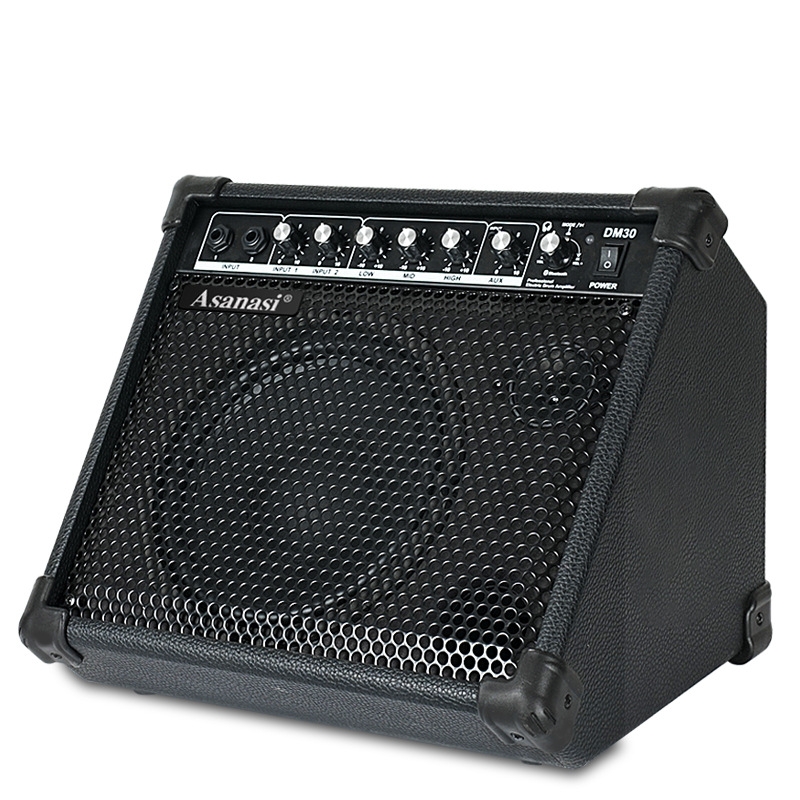
Wholesale Speakers Electronic Drums Rechargeable Portable Outdoor Wireless Stereo Amplifier
A portable amp for e-drums and street performance. A natural bundle with compact instruments and creator products.
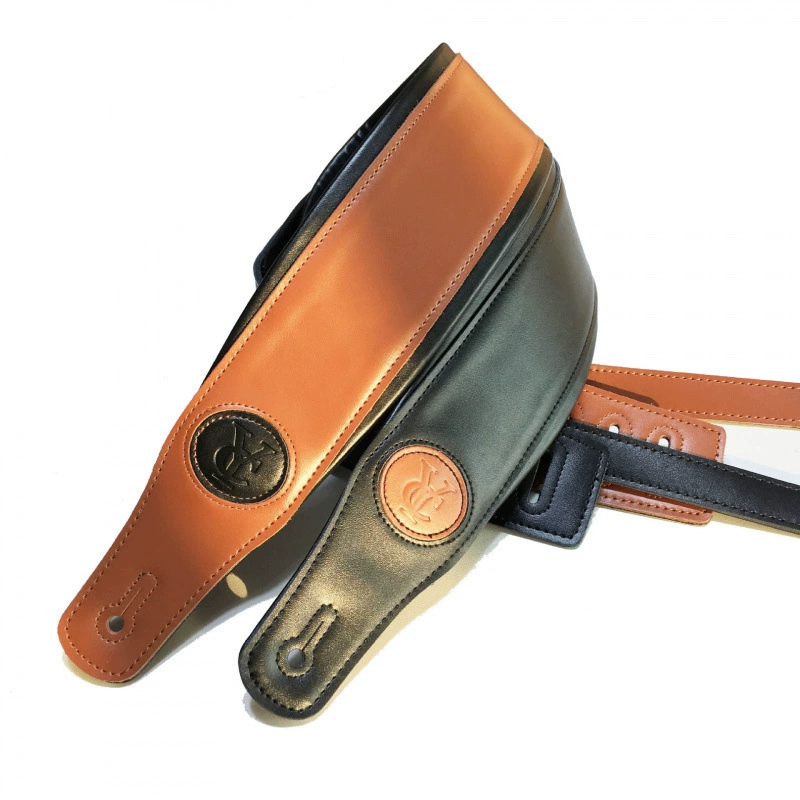
Wholesale Wide Padded Cowhide PU Leather Adjustable Soft Guitar Shoulder Strap for Acoustic Electric Bass Guitar
A comfort-led accessory with logo embossing potential. Strong as a gift-with-purchase or a margin-building add-on.
What the Top 10 Mini Guitar Factory & Exporters Must Prove in 2025–2030
Search demand around mini guitars has split into commercial, transactional and informational clusters. Buyers search for “mini guitar factory,” “compact acoustic guitar wholesale,” “OEM travel guitar,” “low MOQ student guitar exporter,” and “guitar accessories bundle supplier.” A credible top 10 mini guitar factory & exporters list cannot be based on catalog size alone. It must show evidence of compact-instrument tooling, accessory bundling, export documentation and post-sale support.
Travel & 3/4 Formats
The strongest search intent is not simply “mini guitar.” It is “travel guitar wholesale,” “3/4 guitar for kids,” and “short-scale acoustic guitar supplier.” Factories need short-scale neck jigs, compact body moulds and stable setup records for these models.
School & Student Programs
Schools and lesson studios buy repeatable quality, not cosmetic variety. A top exporter should document action height, tuning stability, included accessories and replacement parts for student instruments.
Accessory Ecosystem
Mini guitar programs become profitable when cables, strings, straps, stands, pedals and portable amps are planned with the instrument. The best exporters help buyers build a basket, not a single SKU.
Google’s Search Quality Rater Guidelines reward pages that show first-hand experience and verifiable trust signals. For B2B sourcing content, that means naming the factory’s location, assessment source, export markets, QC process, MOQ, payment terms and real product links. A generic “we are professional” page has low information gain. A white paper that explains how to evaluate a mini guitar factory, compares materials and shows where to verify claims has much higher information gain.
The 10 Signals That Separate Top Mini Guitar Factory & Exporters from Catalog Resellers
Use this 10-point scorecard before you shortlist any supplier. The weights are suggested benchmarks for wholesale buyers; they are not a substitute for your own sample testing, factory audit or legal compliance review.
1. Compact Guitar Tooling
Can the factory produce 30–38 inch bodies, short-scale necks and travel joints without repurposing full-size jigs? Ask for dimensions, bracing patterns and setup records.
2. Wood & Humidity Control
Mini guitars are sensitive to neck relief, bridge lift and fret sprout. Stable moisture control reduces warranty claims in North America, Europe and dry-climate markets.
3. Low-MOQ Sampling
A real top-10 exporter can provide one to ten pieces per model for market tests, then scale to mixed containers. Sampling policy reveals whether the supplier understands new product risk.
4. OEM/ODM Depth
Logo, headstock shape, rosette, gig bag, packaging and manual localisation should be documented in a specification sheet. Verbal customization promises are not enough.
5. Pre-Shipment QC
Check fret level, action, intonation, tuner function, electronics, bridge alignment and cosmetic defects before packing. A finished-product inspection report should travel with the order.
6. Export Compliance
FSC claims, CITES materials, REACH/RoHS for electronics, battery documentation, country-of-origin labels and dangerous-goods rules must be ready before the first shipment.
7. Mixed-Category Consolidation
The ability to combine compact guitars, violins, ukuleles, pedals, cables and straps in one container reduces freight cost and simplifies supplier management.
8. Retail-Ready Packaging
Drop tests, barcode labels, inner boxes and e-commerce-friendly dimensions protect margin and reduce returns. Packaging is part of product quality in online retail.
9. Response Speed & Data Quality
A 24–48 hour quotation with drawings, MOQ, lead time, packaging details and payment terms signals reliable operations. Slow, vague answers are a hidden sourcing cost.
10. After-Sales Policy
Clear spare-parts lists, replacement ratios for small accessories and claim windows lower buyer risk. After-sales clarity is a ranking signal in real procurement decisions.
How Wholesale Buyers Will Source Mini Guitars & Compact Instruments Next
Procurement is moving from “who has the lowest unit price” to “who can de-risk a smaller, faster, more fragmented order.” The following six shifts should shape your supplier shortlist and your RFQ template.
Micro-MOQ Test-and-Scale
Buyers will test compact guitars, straps and cables with 1–20 pieces, then scale winners. Suppliers that protect sampling speed while documenting mass-production specs will win long-term accounts.
Digital-First OEM Briefs
Brands now send 3D references, competitor links and packaging mockups in the first message. Exporters need fast, visual quotations with clear material substitutions and realistic lead times.
Mixed-Container Sourcing
Freight efficiency favours suppliers who can consolidate guitars, violins, percussion accessories and lifestyle audio in one shipment. Mixed-category capability is becoming a top-10 differentiator.
Compliance as a Buying Gate
Retail marketplaces and large distributors increasingly request REACH, RoHS, battery and packaging documentation. Suppliers without ready compliance files will be filtered out before price is discussed.
DDP & Marketplace-Ready Logistics
Smaller importers prefer DDP or delivered pricing so they can calculate landed cost. The supplier’s ability to quote FOB, CIF and DDP accurately will influence conversion and repeat orders.
Total Landed Cost, Not Unit Price
Returns, damage, missing accessories and slow replacement can erase a low FOB price. Buyers will rank suppliers by total landed cost, sell-through and after-sales reliability.
What Should the Next Mini Guitar & Compact Instrument Program Include?
A successful range is not a catalog dump. It is a curated assortment that solves a customer use case: travel, learning, recording, gifting or live performance. The following product directions align with current search intent and the eight recommended SKUs above.
Short-Scale Acoustic & Travel Guitars
Compact guitars are becoming a first purchase for adult beginners and a second purchase for travelling players. Retailers should request 30–36 inch options with consistent action height and optional gig bags.
Solid-Top Compact Instruments
Solid spruce tops and better bracing create a step-up story for music stores. They also support higher price points without entering high-end luthier territory.
Electro-Acoustic & Silent Practice
Pickup-ready compact guitars, electric violins and headphone-friendly practice gear suit apartment players and content creators. Include battery and electronics documentation in your QC checklist.
Student Violin & Lesson Bundles
Student violins pair naturally with music-school buyers. A ready outfit with case, bow and rosin is easier to sell than a standalone instrument, especially for first-time buyers.
Accessory-Led Average Order Value
Cables, strings, padded straps, direct-drive pedals and portable amps can lift average order value without adding freight complexity. Plan them as kits, not afterthoughts.
Lifestyle & Creator Audio
Mini record players, live-streaming stands and rechargeable amplifiers broaden the addressable market beyond traditional musicians. These products appeal to gift, home and creator channels.
A Verifiable Export Partner: WPI International Trade Co., Ltd. (Huizhou)
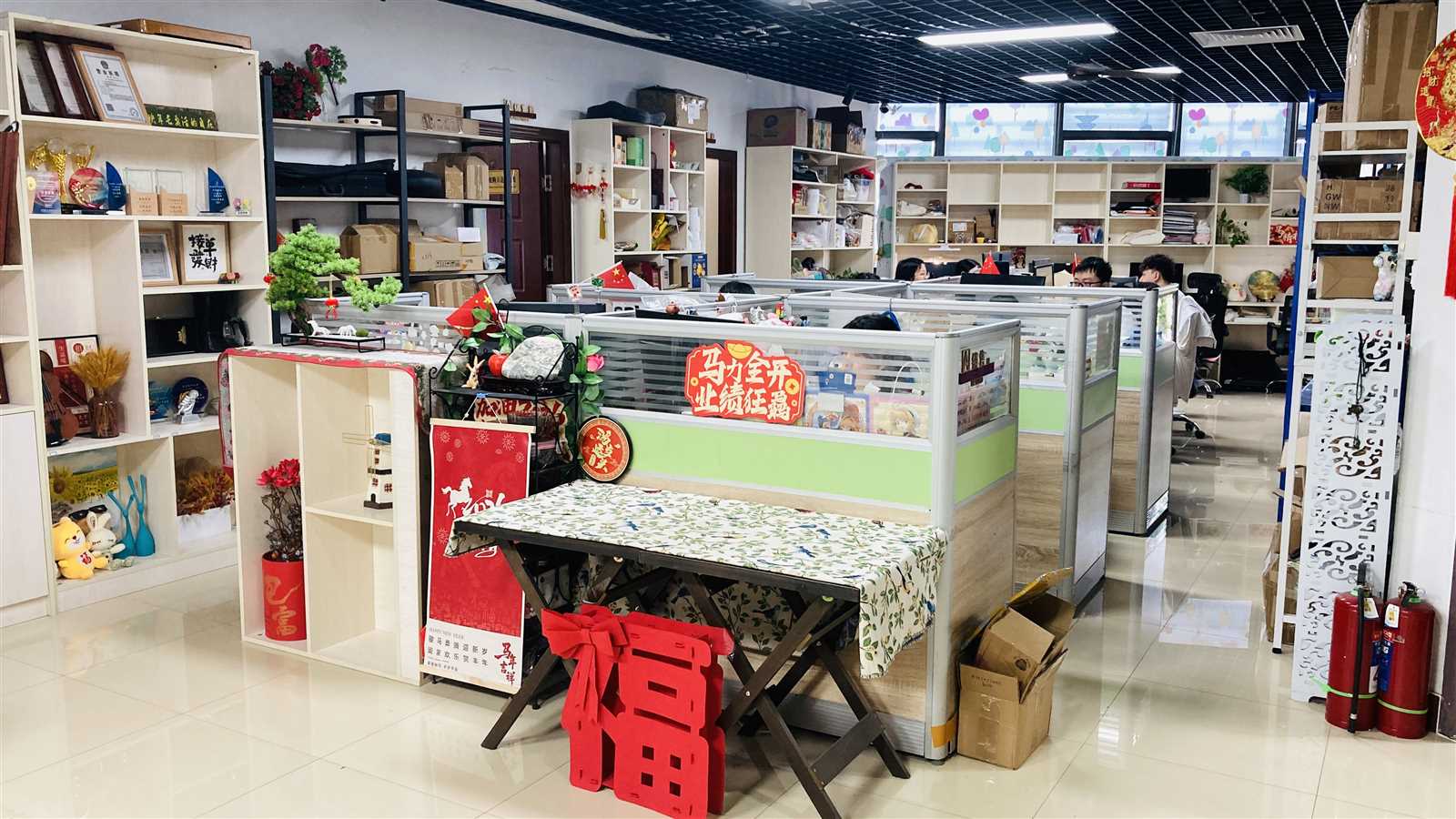
WPI International Trade Co., Ltd. (Huizhou) is used here as a case study because its public profile matches the evidence standard described in this whitepaper. The team began exporting musical instruments from Hong Kong in June 2010 and established its Huizhou, Guangdong operation in 2014. A 28-person team, including 22 people in trading and export roles, supports importers, distributors, retailers and schools worldwide.
The company’s main markets are North America, Western Europe, Southeast Asia and South America. Its catalog covers acoustic and electric guitars, ukuleles, violins, cellos, saxophones, clarinets, drums, keyboards and accessories. WPI has exhibited at Shanghai and Guangzhou music shows from 2014 to 2019 and has been assessed onsite by Intertek. Its public trade data includes a recent six-month record of 952 orders, a 97.73% inquiry response rate and a 4.6/5 average buyer rating.
Intertek onsite assessment, low-MOQ sampling, documented OEM/ODM capabilities and finished-product inspection are the exact trust signals that buyers should request from any mini guitar factory & exporter shortlist. Buyers should still verify each supplier independently, but the standard is clear: evidence first, adjectives second.
Assessed, Not Self-Declared
Intertek onsite assessment verifies premises, legal status and capabilities. The profile also reports 12 years of industry experience and US$9,000,000 in annual export value.
Low MOQ & Mixed Categories
Many instruments can be sampled from one piece. Typical wholesale MOQs are 2–10 pieces per instrument model and 20–600 sets for strings and small accessories. Mixed-category orders are welcome.
OEM/ODM That Is Documented
Assessed capabilities include sample-based customization, minor customization for logo and packaging, design-based customization and full customization. This supports private-label launches.
QC Before Shipment
Finished-product inspection covers appearance, hardware, tuning stability and packaging. For compact instruments, request action height, intonation and electronics checks in the inspection report.
Export Terms That Fit Buyers
Payment methods include T/T, L/C, D/P, D/A, PayPal, credit card and escrow. Delivery terms include FOB, CFR, CIF, EXW, DDP, DDU and express delivery, supporting different buyer sizes.
A Named Account Team
Dedicated export account managers follow the order from quotation to after-sales. The public profile reports an 97.73% inquiry response rate and a 4.6/5 average buyer rating.


Mini Guitar Wholesale FAQ: What Buyers Ask Before the First Order
These are the most common purchasing questions from importers, retailers, schools and online sellers evaluating a mini guitar factory & exporter. Clear answers reduce sampling cycles and avoid expensive assumptions.
What is the minimum order quantity for mini guitars and compact instruments?+
Many guitars, ukuleles, violins and saxophones can be ordered from one piece for sampling. Typical wholesale MOQs are 2–10 pieces per model for instruments, while strings and small accessories often start at 20–600 sets. Mixed-category orders are usually possible, which is important for testing a compact instrument program without overstocking.
Can a factory customize a compact guitar for my brand?+
Yes, but the scope must be defined. Common OEM requests include logo printing, headstock shape, rosette design, color, gig bag, inner box and manual language. Ask for a specification sheet that records measurements, materials, hardware and packaging before sampling. Full ODM development should include drawings, sample approval and a mass-production checklist.
How should I compare tonewoods for mini guitars?+
Basswood and linden laminates are stable and cost-effective for entry-level compact guitars. Solid spruce tops offer a brighter, more articulate voice for step-up models. Acacia and zebrawood laminates are popular for ukuleles because of their grain and focused mids. ABS is durable and humidity resistant for kids’ instruments and classrooms. Always evaluate the finished setup, not the wood name alone.
What quality checks should be done before shipment?+
At minimum, check appearance, neck relief, action height, fret ends, intonation, tuner function, bridge alignment, electronics, battery compartment and packaging. For student instruments, confirm that the case, bow, rosin or accessories are included. A finished-product inspection report with photos and measured values is more useful than a simple “QC passed” statement.
What are typical lead times for wholesale mini guitar orders?+
Sampling often takes 7–20 days depending on customization. Mass production for low-MOQ instrument orders commonly ranges from 25–45 days after sample approval, while peak season and complex packaging can extend the schedule. Always ask for a production calendar that separates sample approval, material preparation, assembly, inspection and shipping.
Which shipping and payment terms are best for a first order?+
For a first trial, express or air freight may be practical for samples, while sea freight suits mixed containers. Compare FOB, CIF and DDP quotations so you understand who controls freight and customs. Common payment methods include T/T, L/C, D/P, D/A, PayPal, credit card and escrow. Start with a written proforma invoice that lists terms, lead time and packaging.
Which markets are strongest for mini guitars and compact instruments?+
North America and Western Europe show steady demand for travel guitars, student violins and accessory bundles. Southeast Asia has strong school and beginner demand, while South America offers growth for entry-level acoustic instruments. Online marketplaces reward compact packaging and lifestyle positioning, especially when product content explains size, use case and included accessories.
How can I verify a supplier’s claims before placing a large order?+
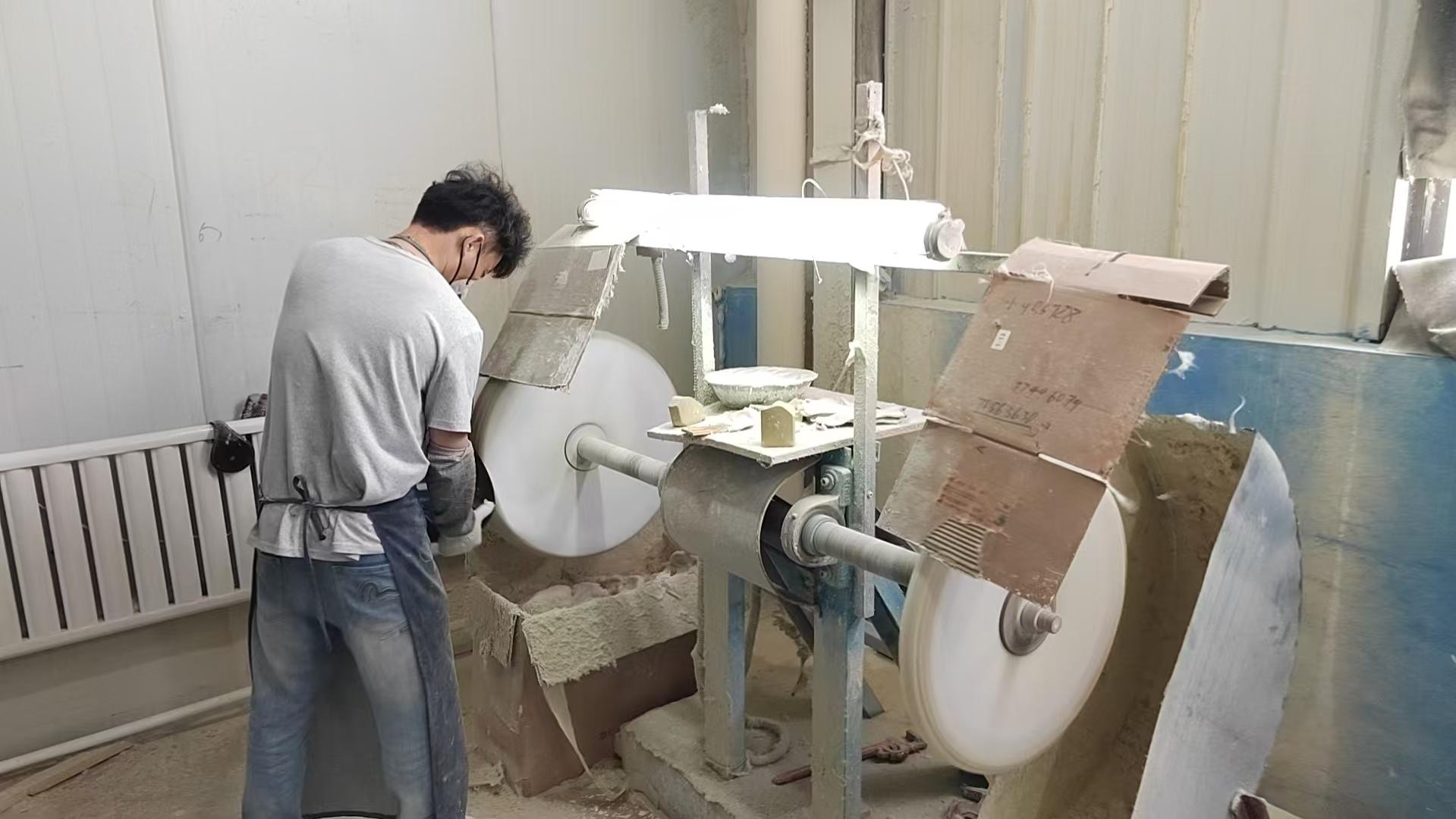
Ask for the business license, onsite assessment report, export markets, recent transaction record, QC process, sample photos and references. Request a live video call showing the showroom, sample room or production line. Cross-check the company name, address and product links. A supplier that welcomes verification is usually safer than one that offers only polished marketing copy.
Ready to Shortlist the Right Mini Guitar Factory?
Tell us your target market, price band, packaging requirements and estimated quantity. We will map the right compact instrument and accessory bundle, confirm MOQ and prepare a sourcing plan for your first test order.