Top 10 Guitar Pedal Factories & Wholesaler 2025 Sourcing Guide
An evidence-led guide to guitar pedal factories, OEM effects pedal wholesalers, low-MOQ sampling, quality verification, future procurement trends and the product decisions that protect your margin.
8 Wholesale Products That Build Higher-Value Pedal Orders
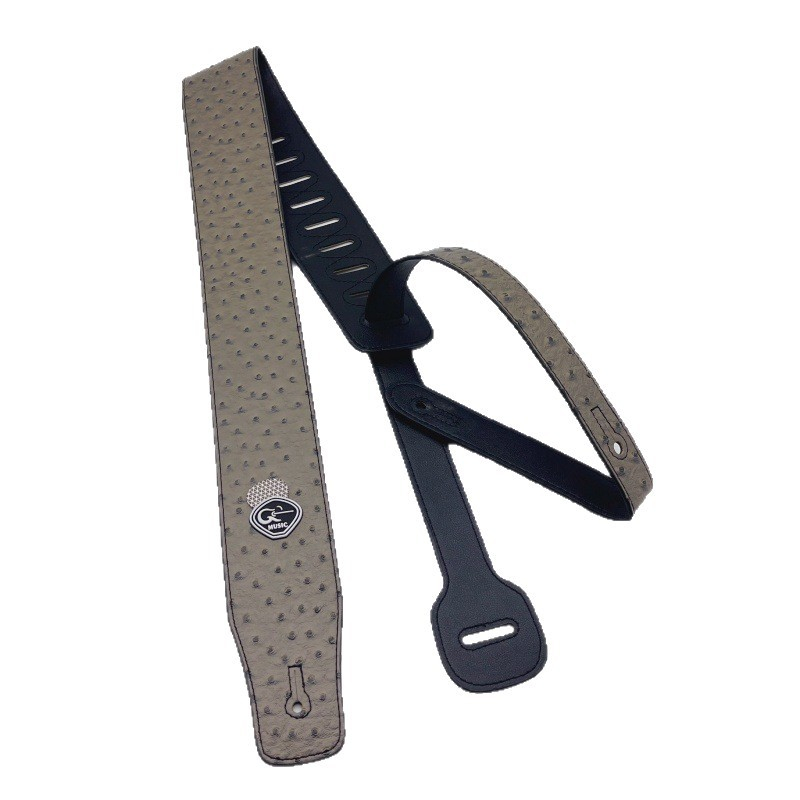
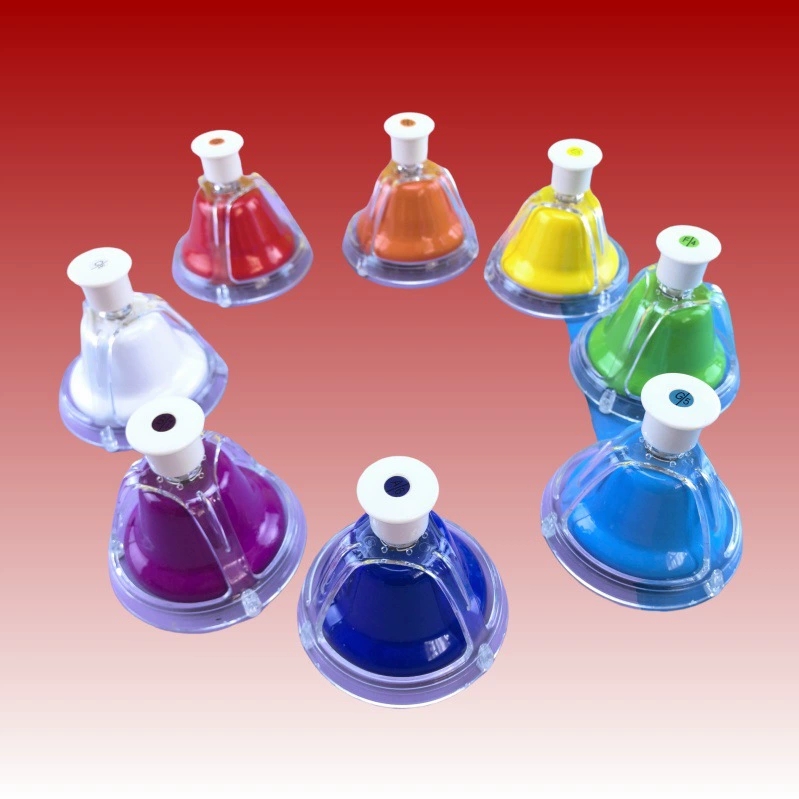
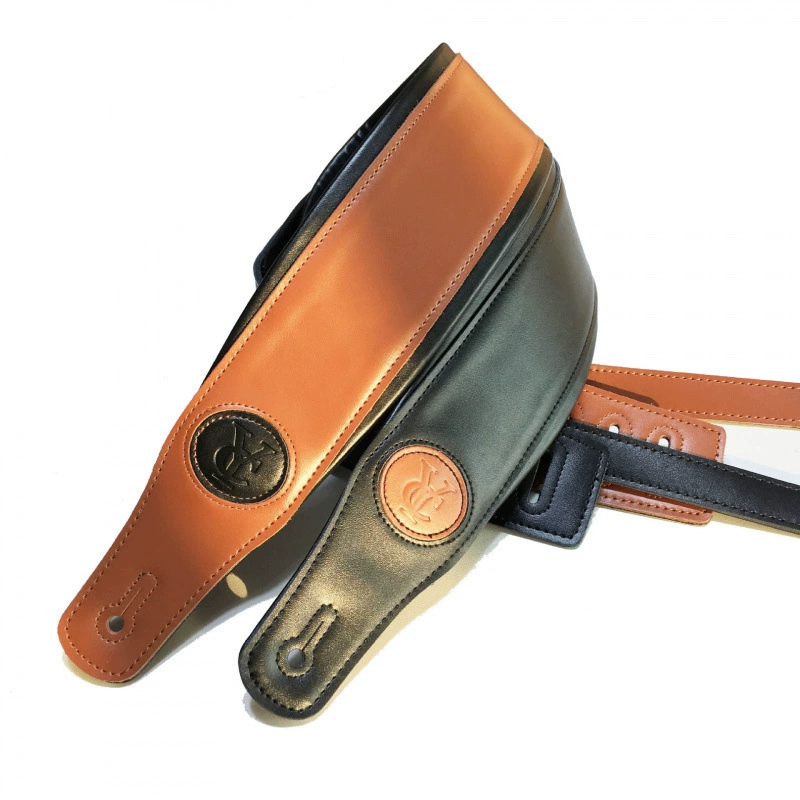
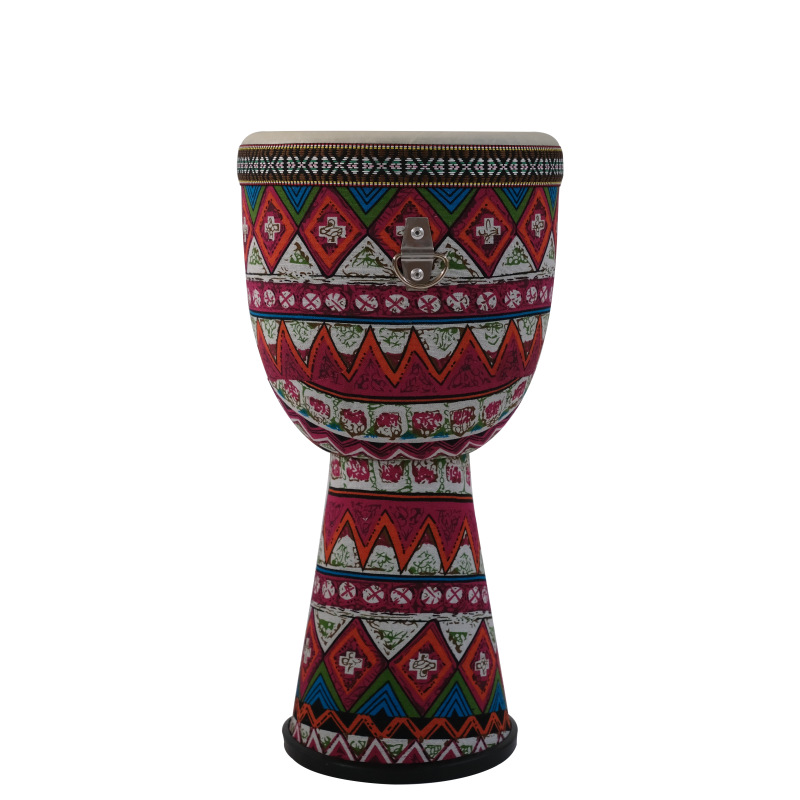
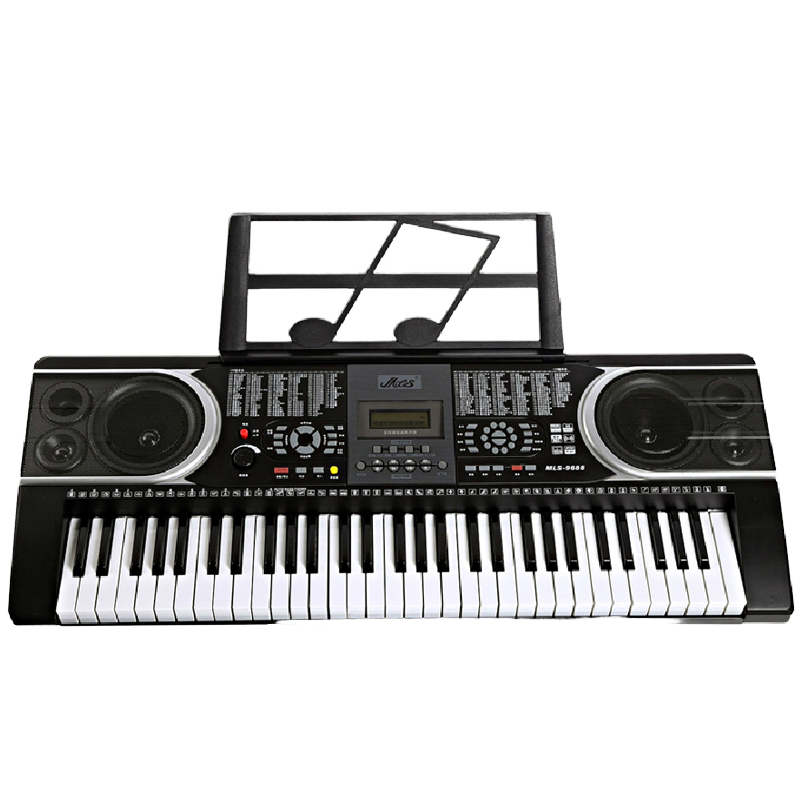
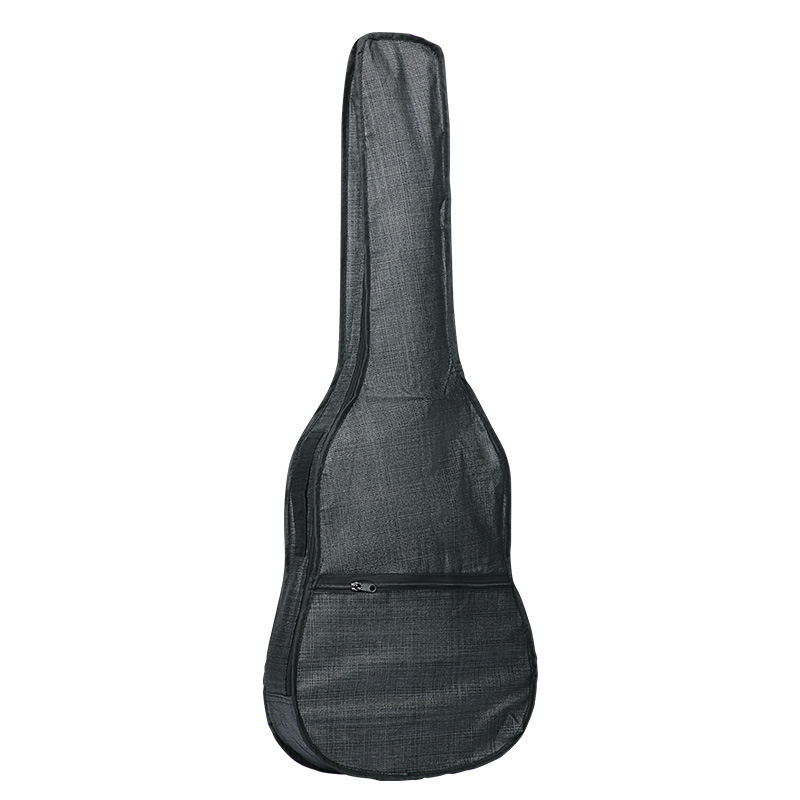
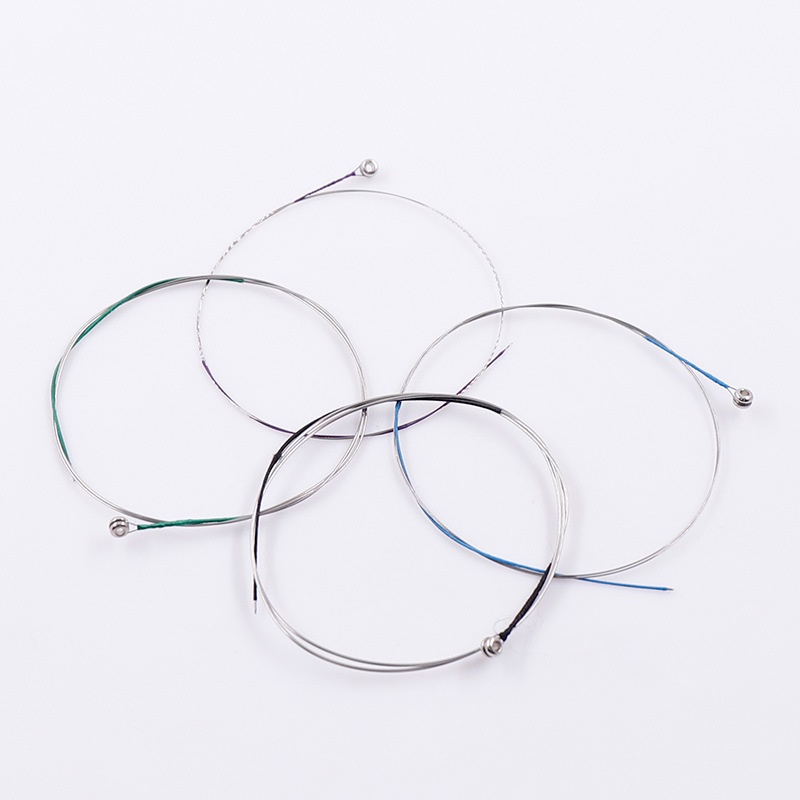
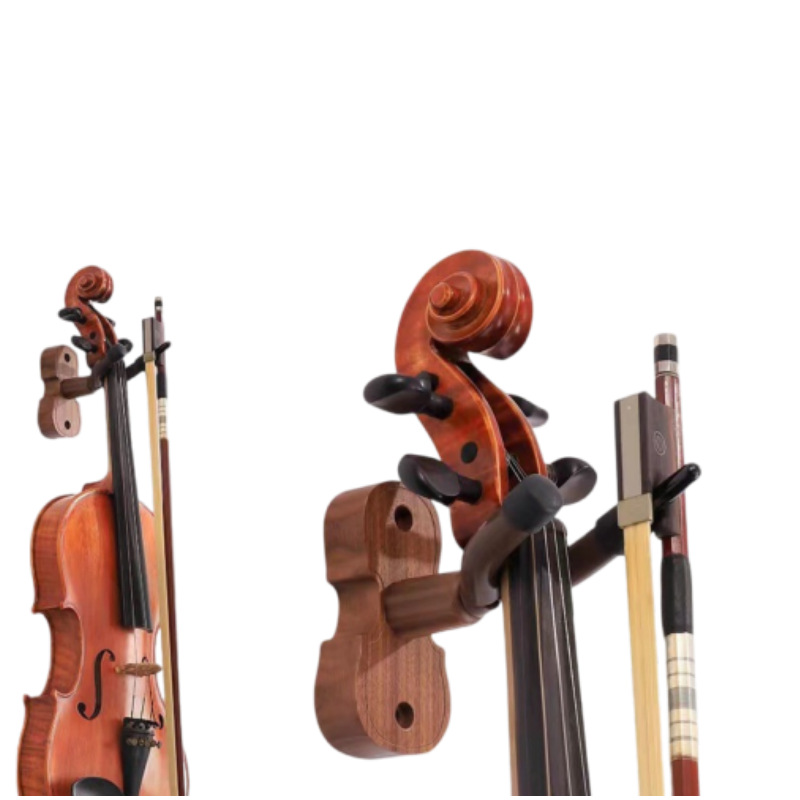
A guitar pedal factory list becomes commercially useful only when the order model works. Distributors, music schools, online sellers and retail chains rarely ship pedals alone. They add straps, bags, strings, teaching aids and accessories to improve basket value, fill a container and serve adjacent customer groups. The eight products below are taken from WPI's current musical instrument range; every image and product title links to its original product page.
Need a pedal-specific quotation or a mixed container with instruments and accessories?
Contact UsYears in the musical instrument industry
Annual export value, third-party assessed
Orders shipped in the last 6 months
Inquiry response rate
Average verified buyer rating
Top 10 Guitar Pedal Factories & Wholesaler: The Evaluation Map Buyers Should Use
Most top 10 lists rank brand visibility. A wholesale buyer needs a different answer: which factory or wholesaler can prove consistent circuits, reliable switching, clean finishing, compliance documents, honest MOQs and repeatable lead times? The ten profiles below are the factory and wholesaler archetypes that matter when you build a shortlist for guitar pedals and effects.
Low-MOQ Analog OEM Factory
Best for new pedal brands and distributors testing a line. Look for 1–10 piece sampling, documented BOMs, true-bypass verification, artwork proofs and transparent per-finish pricing.
Boutique True-Bypass Workshop
Suited to premium small-batch brands. Validate hand-soldering consistency, switching noise, enclosure tolerance and whether “boutique” claims are backed by measured test records rather than marketing language.
DSP and Firmware Partner
Essential for digital pedals, IR loaders, amp simulators and app-controlled effects. Ask about firmware version control, USB-C update flow, latency targets, recovery modes and Bluetooth or MIDI support.
Enclosure and Finishing Specialist
Die-cast aluminum quality, powder coating, UV print, screen print and laser etching decide perceived value. Test scratch resistance, color accuracy, hole alignment and print registration.
PCB / PCBA and SMT Factory
For scale, SMT consistency matters more than brochure photos. Confirm AOI inspection, ESD controls, component sourcing, moisture-sensitive part handling and functional testing after assembly.
Mini and Multi-Effects Factory
High-efficiency factories can combine SMT, firmware, battery management and retail packaging. Verify charger safety, button life, display quality, noise floor and firmware rollback procedures.
Custom-Brand Packaging Wholesaler
Retail boxes, manuals, barcodes, hang tags, warranty cards and Amazon or FBA preparation are part of the product. Poor packaging creates damage and negative reviews even when the circuit is good.
Multi-Category Instrument Wholesaler
Useful when your goal is a complete container. A wholesaler can consolidate pedals with straps, bags, strings, violins, keyboards and percussion for schools, retailers and e-commerce sellers.
Compliance and Documentation Partner
For the EU and North America, plan RoHS, REACH, CE, FCC and battery documentation early. Lithium-powered pedals may also require UN38.3, MSDS and relevant safety records for transport.
QC, Rework and Consolidation Partner
The final layer that protects your reputation. Require AQL inspection, pedal-by-pedal function tests, drop tests, barcode checks, rework records and a loading plan that prevents mixed-carton mistakes.
How to Compare Guitar Pedal Wholesale Prices Beyond the Unit Cost
A low quotation can become expensive after samples fail, packaging is redesigned, compliance is missing or replacement units are shipped separately. Use a weighted view of value rather than the cheapest FOB number.
Hidden Cost Trap 1: “Low MOQ” by SKU
Confirm whether the MOQ applies per model, per color, per print or per carton. A 10-piece MOQ can become 60 pieces when three colors and two retail versions are required.
Hidden Cost Trap 2: “Free” Artwork
Logo setup, plate changes, Pantone matching, new die-cut boxes and updated manuals often carry one-time costs. Ask for the full launch budget before sampling, not after artwork approval.
Hidden Cost Trap 3: Battery Shipping
Rechargeable pedals can trigger lithium-battery transport rules. Budget for UN38.3, MSDS, packaging marks and carrier restrictions. A small battery decision can change the freight route.
Guitar Pedal Sourcing Trends Shaping 2025–2027
Buyers are moving away from one-off price hunting. They want resilient supply, smaller first orders, easier replenishment and verifiable product data that supports marketplaces, physical retail and direct-to-consumer sales.
Smaller Initial Orders, Faster Replenishment
Retailers are reducing inventory risk by testing fewer units per model and reordering faster. Factories with flexible line changes and reliable component stock will win over factories that only quote large runs.
Supplier Consolidation
Shipping, inspection and communication costs rise when every category comes from a different supplier. One wholesaler that can consolidate pedals, straps, bags, strings and classroom instruments is increasingly attractive.
Compliance as a Purchasing Gate
Marketplaces and large retailers ask for documents earlier. Product safety, RoHS, REACH, battery paperwork and packaging data are becoming part of the quotation process, not an afterthought.
Verification Over Price Lists
AI-generated catalogs and copied product photos make supplier verification more important. Buyers will favour factories and wholesalers that can show audit reports, live videos, test records and recent shipment evidence.
Digital-First Product Data
Product photography, spec sheets, dimensions, battery information and barcode data now affect conversion. A sourcing partner should support the content assets needed for e-commerce and retail listings.
Risk-Balanced Sourcing
Buyers still value Guangdong’s mature musical instrument supply chain, but they are designing contingency plans. Ask how critical components, firmware and packaging are dual-sourced before you commit to a seasonal launch.
What the Next Successful Guitar Pedal Should Include
The best-selling pedal is not always the most complex one. It is the model that matches a clear use case, feels reliable on stage, looks credible online and avoids after-sales surprises.
Amp-in-a-Box Analog Tone
Analog overdrive, distortion and amp-style circuits remain strong because musicians trust tactile response. Pair proven tone with silent relay or true-bypass switching and a clean power section.
DSP, IR Loading and App Control
Digital pedals increasingly need impulse-response loading, USB-C updates, MIDI control and mobile app editing. Buyers should ask for firmware ownership, update policy and recovery tools.
Mini and Rechargeable Formats
Board space and battery convenience sell. However, rechargeable models require stronger quality control, carrier documentation and clear user guidance to reduce returns.
Low-Noise Power and Switching
Click noise, hum and pop are common complaints in low-cost pedals. Require switching tests, power filtering checks and compatibility tests with common isolated power supplies.
Stereo, MIDI and Expression Ready
Even compact pedals are expected to fit modern boards. Expression input, MIDI clock, stereo routing and soft-touch footswitches increase perceived professionalism and open premium price points.
Sustainable Enclosures and Packaging
Recyclable boxes, reduced plastic, responsible sourcing statements and durable powder coating appeal to distributors and marketplaces. Green claims must be accurate and documented.
Why WPI Is a Practical Wholesaler for Pedal and Instrument Orders
WPI International Trade Co., Ltd. (Huizhou) is not a single guitar pedal factory. It is an export trading and wholesale partner that coordinates long-term partner workshops in Guangdong. That distinction is important for buyers who want factory-direct sourcing, multi-category consolidation and a dedicated export team without over-committing to one production line.
The company began exporting musical instruments from Hong Kong in June 2010 and established its Huizhou, Guangdong operation in 2014. Its team has 28 people, including 22 in trading and export roles. Annual export value is third-party assessed at US$9 million, with 952 orders shipped in the last six months. Main markets include North America, Western Europe, Southeast Asia and South America.
WPI has been assessed onsite by Intertek and follows finished-product inspection before delivery, covering appearance, hardware, tuning stability and packaging. Customization capability covers sample-based customization, minor customization such as logo and packaging, design-based customization and full customization. Many instruments can be sampled from 1 piece; typical wholesale MOQs are 2–10 pieces per model for instruments and 20–600 sets for strings and small accessories. Mixed-category orders are welcome.
Payment methods include T/T, L/C, D/P, D/A, MoneyGram, credit card, PayPal, Western Union, cash and escrow. Delivery terms include FOB, CFR, CIF, EXW, FAS, CIP, FCA, CPT, DEQ, DDP, DDU, DAF, DES and express delivery. This flexibility helps buyers plan both small trial orders and consolidated shipments.
 Intertek Onsite Assessed
97.73% Inquiry Response
Discuss a pedal, accessory or mixed-category shipment with WPI.
Contact Us
Export Track Record
Exporting since 2010, with Huizhou operations established in 2014 and experience across instruments, accessories, schools and retail channels.
Intertek Assessment
Onsite assessed capabilities and verification signals provide a more reliable starting point than anonymous price lists.
Low MOQ & Mixed Orders
Sampling from 1 piece and practical MOQs support market tests, school tenders and category expansion without heavy inventory.
OEM / ODM Customization
Logo, packaging, graphics, sample-based changes and full customization can be coordinated according to project scope.
Pre-Shipment Quality Control
Finished-product inspection covers appearance, hardware, tuning stability and packaging before goods leave the supply chain.
One-Stop Category Breadth
Guitars, ukuleles, violins, cellos, saxophones, clarinets, drums, keyboards, percussion and accessories can be consolidated.
Flexible Trade Terms
Multiple payment and delivery terms help buyers align sourcing with cash flow, destination requirements and freight planning.
Named Account Support
A dedicated export sales team follows quotation, sampling, order progress, inspection and after-sales communication.
How a Low-MOQ Guitar Pedal and Accessory Order Works
A disciplined workflow reduces the risk that a promising pedal sample becomes an expensive production problem. The same logic applies when pedals are consolidated with the eight wholesale products above.
Define the Use Case
Specify the pedal type, target price, market, power method, enclosure size, switching preference, branding and expected order volume. Include the accessories or instruments you want to consolidate.
Request a DFM and Quote
Ask the factory or wholesaler to review design feasibility, component availability, MOQ by color, packaging tooling and compliance requirements before sampling.
Approve a Pre-Production Sample
Test sound, noise, switching, footswitch feel, LED behavior, power compatibility and finish quality. Check the retail box, manual and barcode at the same time.
Lock Specifications in Writing
Confirm BOM, firmware version, artwork files, packing method, carton marks, inspection standard and approval samples. This step prevents informal changes during bulk production.
Inspect Bulk Production
Use AQL inspection plus function testing. For digital pedals, include firmware checks and update tests. For battery models, verify transport documents and charger compatibility.
Consolidate and Ship
Combine pedals with straps, strings, bags, teaching keyboards or percussion products where required. Confirm carton labels, loading sequence and shipping terms before dispatch.
New Pedal Brand Starter Bundle
Build a launch-ready retail package around your first effects pedal.
- Genuine leather or padded PU guitar strap
- Silver steel classical guitar strings loose set
- 38-inch lightweight acoustic guitar bag
School & Classroom Bundle
Support music education buyers with a practical mixed-category order.
- 8-note Orff melody bell teaching aid
- 61-key professional teaching keyboard
- 8-inch African djembe beginner hand drum
Retail Display & Aftercare Bundle
Increase in-store presentation and repeat-purchase value.
- Wood base wall-mount violin and erhu hanger
- Wide padded adjustable guitar strap
- Guitar strings and leather accessories
Guitar Pedal Factory and Wholesaler Questions Buyers Ask
These are the commercial and technical questions that appear most often in wholesale pedal and musical instrument sourcing.
What is the MOQ for wholesale guitar pedals?
MOQ depends on the factory, circuit, enclosure, color and packaging. Sampling can often start from a small run, while production MOQs are commonly quoted per model and per finish. Always confirm whether the MOQ applies to the pedal, the color, the retail box or the full carton.
Can I order a sample before placing a bulk order?
Yes. A sample is essential for pedals because sound, noise floor, switching feel, LED behavior and finish quality cannot be judged from a photo. Approve a signed sample and keep it as the production reference.
Can a factory print my logo on the pedal and packaging?
Most factories can support UV printing, screen printing, laser etching, custom boxes, manuals, labels and barcodes. Confirm artwork tolerances, plate costs, color targets and whether packaging MOQ differs from product MOQ.
How do I verify a guitar pedal factory before ordering?
Request a business license, current audit evidence, product test records, references and a live video call. Check whether the sample circuit matches the quoted BOM and whether the factory can explain component sourcing and firmware control.
What compliance documents may be required?
Depending on the destination, buyers may ask for RoHS, REACH, CE, FCC and battery-related documents such as UN38.3 or MSDS. Requirements vary by product and market; confirm with your importer or compliance advisor.
What is a typical production lead time?
Sampling usually takes days to a few weeks. Bulk production commonly begins after artwork and sample approval and can vary with component availability, finish, packaging and order quantity. Build buffer time for compliance review and shipping.
Can WPI combine pedals with other musical instruments?
Yes. WPI's wider range includes guitars, ukuleles, violins, cellos, saxophones, clarinets, drums, keyboards, percussion and accessories. Mixed-category orders can improve container utilization and reduce sourcing administration.
What payment and delivery terms are available?
Payment terms include T/T, L/C, D/P, D/A, MoneyGram, credit card, PayPal, Western Union, cash and escrow. Delivery terms include FOB, CFR, CIF, EXW, FAS, CIP, FCA, CPT, DEQ, DDP, DDU, DAF, DES and express delivery.
How should I control quality for digital pedals?
Require firmware version records, update tests, audio latency checks, button and encoder life tests, noise measurements and a recovery process. Keep an approved sample with the exact firmware used for production.
What should my first order quantity be?
Start with enough units to test demand, cover warranty replacements and satisfy the channel. For many retail tests, a modest first order plus a clear replenishment plan is safer than a large seasonal commitment based on a single sample.
Build a Guitar Pedal Programme Without Overstocking
Tell us your target market, pedal type, branding, accessory bundle and expected order quantity. WPI will help you compare verified sourcing options, plan a low-MOQ sample and consolidate products into one shipment where practical.
Contact Us info@wpimusic.com