8 Product Recommendations for Faster, Higher-Value Purchase Orders
Guitar bridges are rarely bought alone. Retailers and distributors usually combine bridge hardware with straps, wireless systems, monitors, teaching aids, cleaning tools and portable amplification. The eight products below show the practical cross-sell logic of a one-stop supplier relationship. Every product link below is preserved exactly as supplied; buyers can request bridge samples and complementary products in the same inquiry.
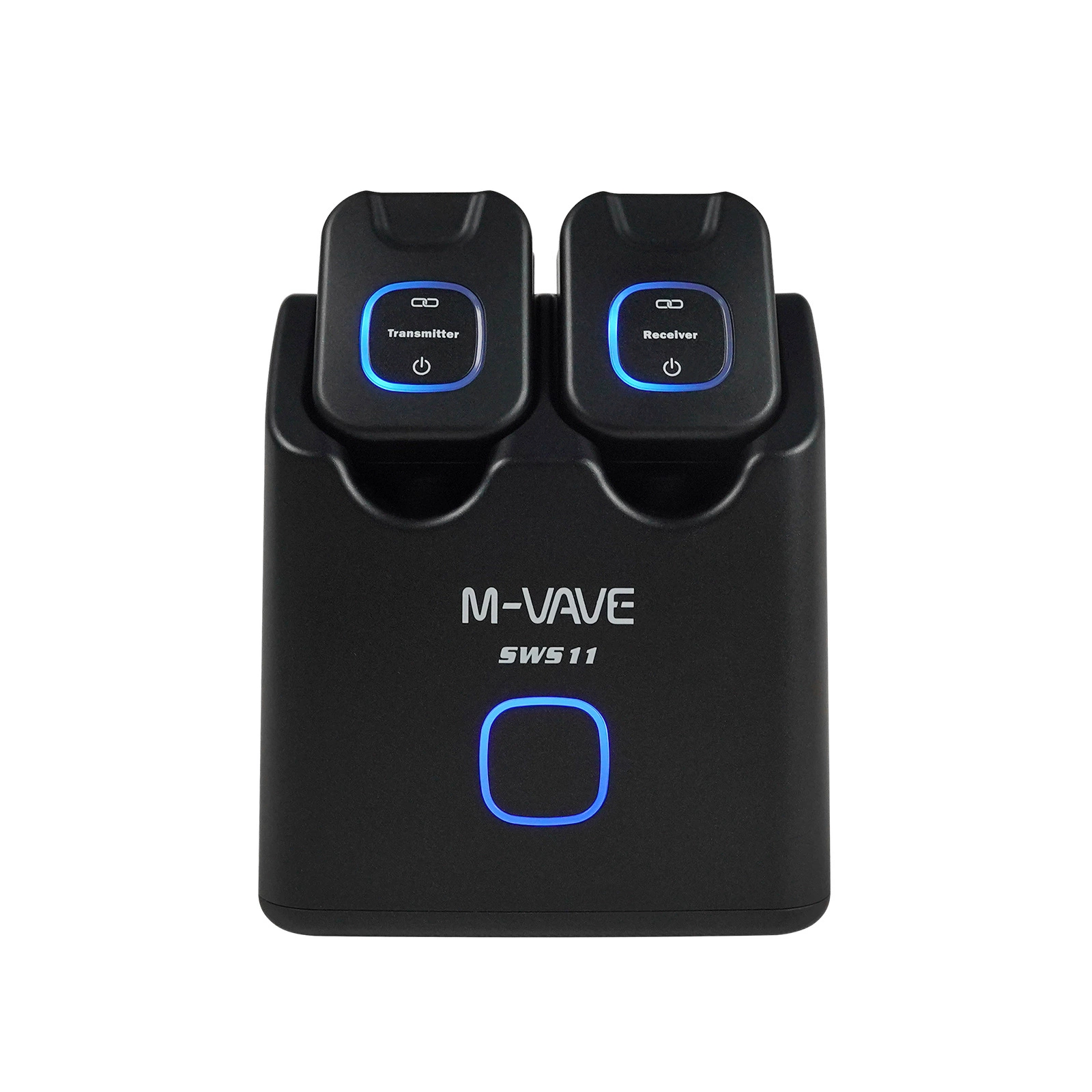
M-VAVE SWS11 2.4Ghz Wireless Guitar Audio System Rechargeable Transmitter Receiver with Charging Base
Wireless performance kit for stage, rehearsal and home practice.
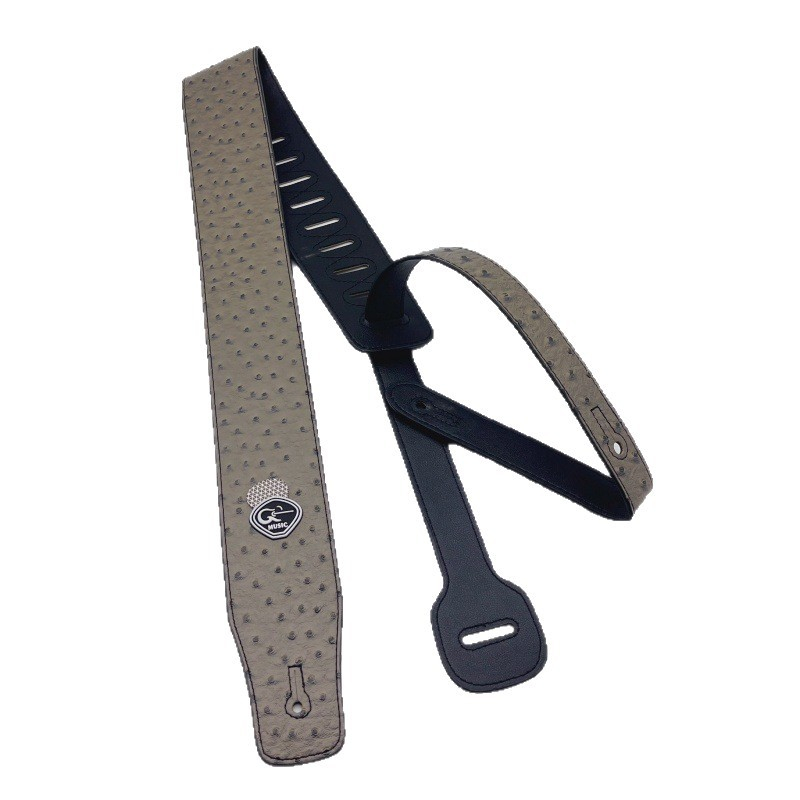
Genuine Leather Guitar Strap, Wide Wear-resistant Shoulder Strap, Dual-use Strap for Acoustic & Electric Guitar Wholesale
Comfort-focused leather strap suitable for retail and private label.
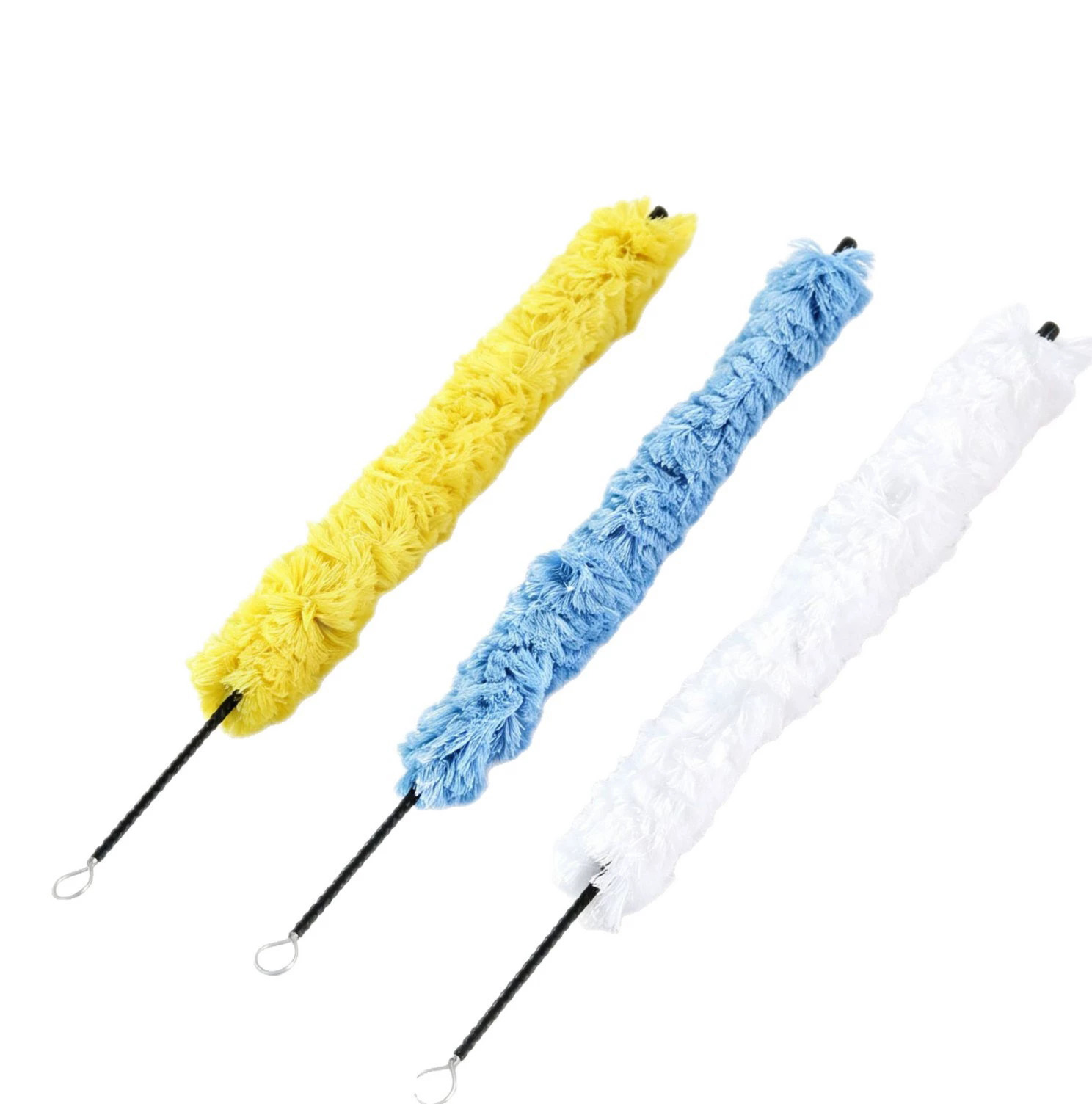
Flute bore cleaning brush flute brush cotton cleaning swab washable cotton thread cleaning stick white / yellow / blue
Low-cost consumable that adds value to school and accessory orders.

Orff Percussion Melody Bell 8-Note White Push Bell Colorful Push Chime Kindergarten Early Music Teaching Aid 8 tones bell
Early music teaching tool for schools, dealers and gift channels.
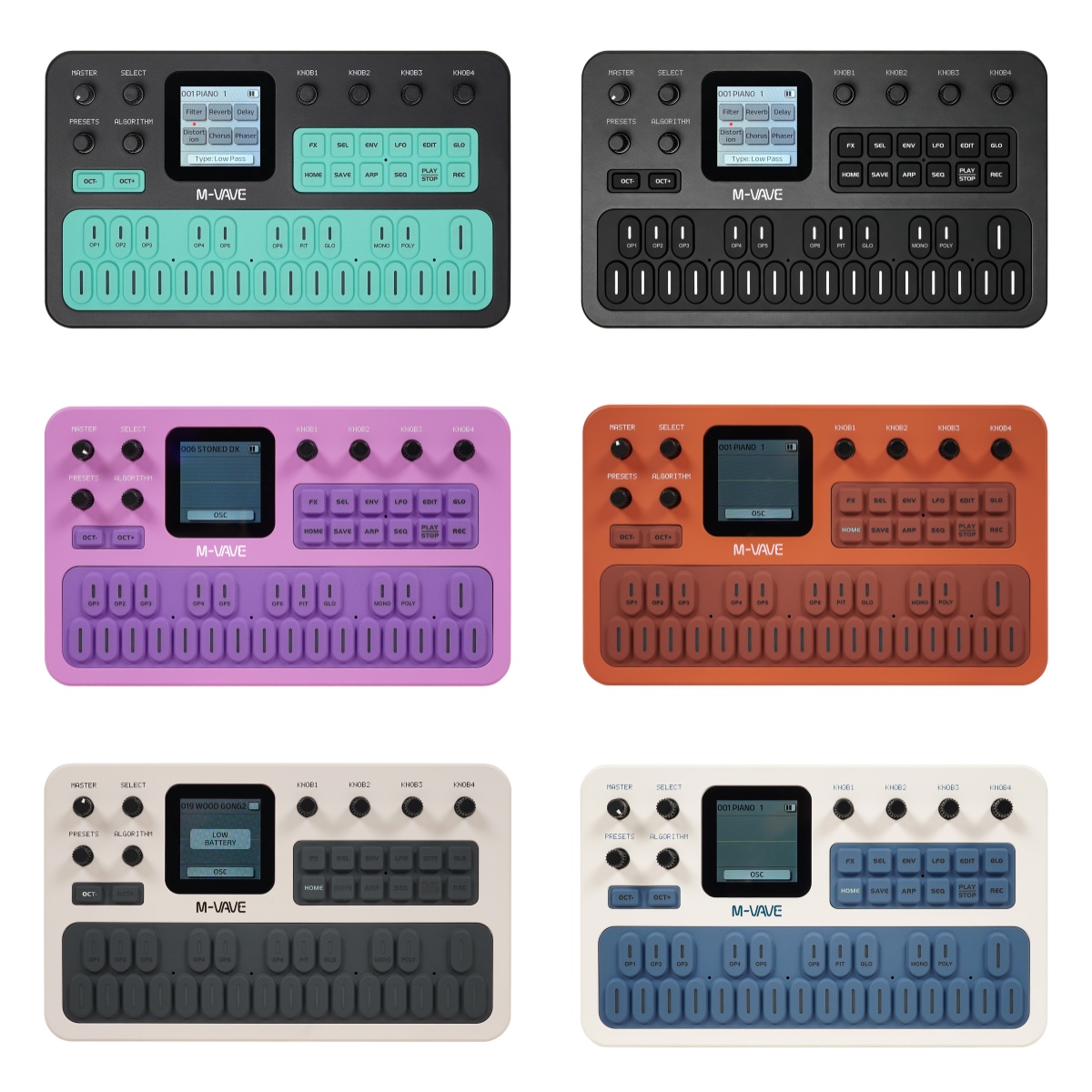
M VAVE Mini FM 1 Synthesizer 27 Keys 3 Channel 12h Battery Built in Speakers for Outdoor Music Production and Pocket Effect
Portable synth for creators, street performance and content production.
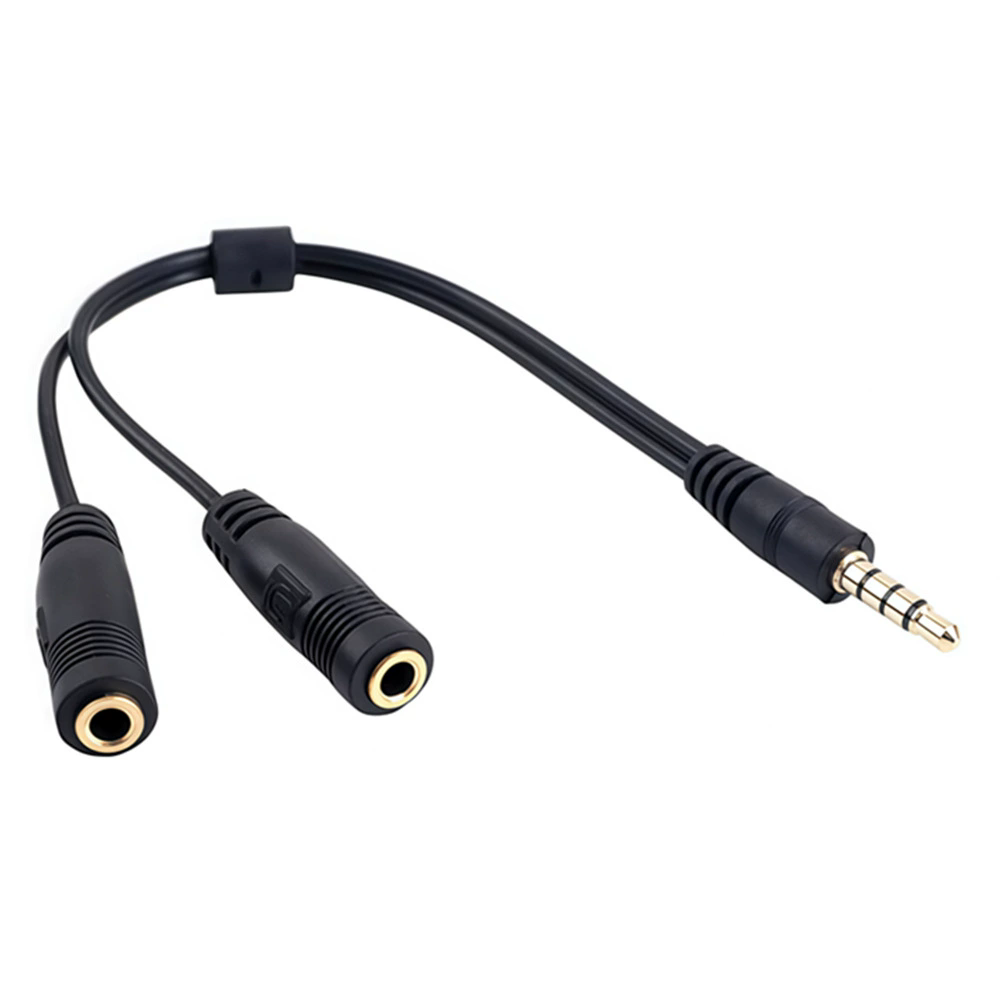
Wholesale 3.5mm 4-Pole Headset Microphone Splitter Adapter Cable for Laptop PC
Small-ticket add-on with strong cart-fill value for online sellers.
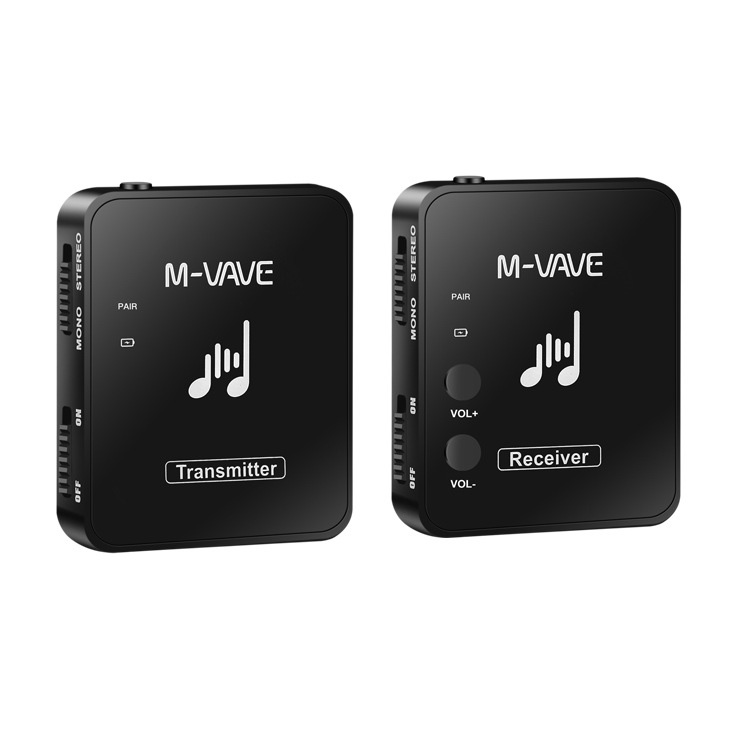
Wireless in Ear Monitor System Transmitter Receiver Mono Stereo Earback Set Guitar System
Practical monitoring bundle for bands, churches and live venues.
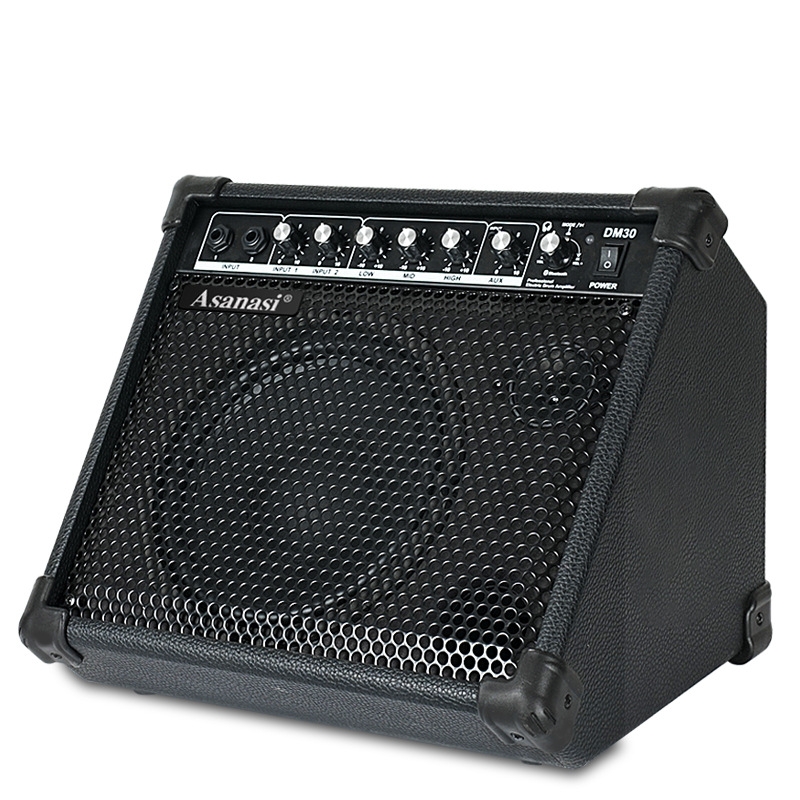
Wholesale Speakers Electronic Drums Rechargeable Portable Outdoor Wireless Stereo Amplifier
Portable amplification for e-drums, busking and outdoor events.
Top 10 Guitar Bridge Factory & Supplier Profiles to Benchmark
There is no single “best” guitar bridge factory. The right choice depends on whether you need die-cast volume, CNC precision, acoustic bridge woodworking, plating consistency, pickup integration or a mixed-container sourcing partner. Use the ten profiles below as a practical shortlist framework when comparing quotations, samples and factory evidence.
CNC-Machined Brass Bridge Specialist
Best for high-end electric guitars and bass models requiring tight tolerances, clean saddle travel and repeatable intonation. Ask for material certificates, machining drawings and salt-spray reports.
Die-Cast Zinc Bridge Factory
Efficient for large wholesale runs and entry-to-mid retail price points. Porosity control, plating adhesion and dimensional stability are the key audit points before volume production.
Steel Tremolo Block & Bridge Workshop
A focused source for synchronized tremolo systems, steel blocks, pivot screws and saddle assemblies. Confirm block dimensions, thread quality and spring tension under real playing loads.
Titanium & Aluminum Performance Bridge Maker
Suited to premium, lightweight or custom-shop ranges. Anodising consistency, thread strength and visual finish are more important than a low unit price in this category.
Acoustic Bridge & Saddle Woodworking Factory
Essential for pin bridges, saddle slots and acoustic guitar assembly. Audit wood moisture, slot radius, glue-line control, bridge-pin spacing and saddle fit tolerance.
Bass & Multi-String Hardware Supplier
Specialises in high-mass bass bridges, 5-string and 6-string spacing, saddle blocks and mounting patterns. Ask for string-spacing charts and retrofit compatibility data.
OEM Guitar Parts Consolidator
A verified trading and export partner can combine bridges, tuners, pickups, straps and instruments in one shipment. This reduces supplier administration and helps smaller buyers meet container targets.
Electroplating & Surface Finishing Specialist
Critical for chrome, nickel, gold, black nickel and PVD-style finishes. Review pre-treatment, thickness control, corrosion resistance and colour consistency across production lots.
Pickup-Integrated Bridge Integrator
For piezo bridges, active systems and hybrid performance models. The supplier should control wiring, shielding, battery access and acoustic-to-electric output balance, not just metal parts.
Compliance, Packaging & Logistics Partner
Strong documentation saves time: RoHS/REACH declarations, plating records, barcode labels, drop-test packaging, carton marks and Incoterms support for destination customs.
The 10-Point Supplier Audit That Protects Your Margin
Low quotation is not the same as low landed cost. A bridge that arrives with inconsistent plating, poor saddle travel or incompatible string spacing creates returns, rework and marketplace penalties. The scorecard below turns vague supplier claims into verification questions.
| Audit point | What to request | Commercial impact |
|---|---|---|
| 1. Material traceability | Mill certificates or material declarations for brass, steel, zinc alloy, aluminum and titanium. | Reduces hidden substitution risk and supports premium claims. |
| 2. Dimensional capability | 2D/3D drawings, tolerance ranges, saddle travel, mounting-hole pattern and string-spacing data. | Prevents retrofit and assembly failures at the dealer or factory level. |
| 3. Plating and finish control | Salt-spray or corrosion reports, colour chips, thickness checks and batch photos. | Protects brand perception and reduces complaints after transit. |
| 4. Load and durability testing | Spring tension, screw fatigue, saddle-lock cycles and vibration checks where relevant. | Improves product safety and repeat-purchase confidence. |
| 5. Intonation and alignment | Sample checks with calibrated saddles, radius gauges, string spacing rules and mounting jigs. | Turns a technical component into a sellable, low-return product. |
| 6. Cosmetic consistency | Golden sample, AQL inspection plan and light-box photos under agreed illumination. | Prevents disputes on polished, brushed or coloured finishes. |
| 7. Packaging and drop test | Inner protection, anti-rattle pack, barcode labels, carton marks and transit simulation. | Reduces marketplace damage penalties and reshipping costs. |
| 8. MOQ and sample speed | Stock sample availability, custom-sample lead time, revision rounds and mixed-order rules. | Shortens test-to-market cycles for new bridge designs. |
| 9. Engineering responsiveness | CAD exchange, DFM feedback, drawing revision history and clarity on patent or brand restrictions. | Lowers development cost and protects your exclusive design direction. |
| 10. Documented QC | Finished-product inspection report, pre-shipment photos, packing list and traceable inspection sign-off. | Gives buyers a verifiable release gate before balance payment or shipment. |
Guitar Bridge Specifications: Match the Part to the Instrument
Different bridge families solve different problems. A high-mass bass bridge is not interchangeable with a vintage six-screw tremolo, and an acoustic pin bridge should be specified around saddle radius, bridge-pin spacing and wood movement rather than metal finish alone.
| Bridge type | Best fit | Typical materials and finish | Purchase checks |
|---|---|---|---|
| Acoustic pin bridge | Dreadnought, folk, classical and student acoustic guitars. | Rosewood, ebony or engineered wood; bone or synthetic saddle; natural or dyed finish. | Slot radius, saddle fit, pin spacing, glue surface, moisture content and bridge-plate compatibility. |
| Fixed hardtail bridge | Entry to professional electric guitars where tuning stability is a priority. | Steel, zinc alloy or brass; chrome, nickel, black or gold finish. | Mounting pattern, saddle block quality, intonation range, thread strength and string-through alignment. |
| Synchronized tremolo bridge | Vintage-style electric guitars and performance models with vibrato use. | Steel block, plated baseplate, bent-steel saddles and tremolo arm assembly. | Pivot screw fit, block depth, spring tension, arm play, finish corrosion and screw hardness. |
| High-mass bass bridge | 4-, 5- and 6-string bass guitars requiring sustain and stable action. | Brass, aluminum or steel; polished, black or satin finish. | String spacing, saddle travel, mass distribution, mounting-hole location and string-through options. |
| Piezo or pickup-integrated bridge | Hybrid acoustic-electric, performance and recording instruments. | Under-saddle piezo elements, active preamp, metal or wood bridge housing. | Output balance, shielding, battery access, wiring harness quality and acoustic feedback control. |
How Guitar Bridges Are Evolving for 2025–2030
Bridge design is moving from a hidden hardware part to a visible product story. Buyers increasingly ask for measurable performance, consistent finishes and features that can be explained on product pages, retail packaging and marketplace listings.
CNC Precision and Mixed Materials
Brass saddles with aluminum plates, titanium fasteners and CNC-machined steel blocks are becoming easier to specify at mid-volume. The winning suppliers will document tolerances and material combinations clearly.
Piezo, Active and Smart Integration
Acoustic-electric and hybrid instruments need clean wiring, shielding and stable output. Bridges are increasingly designed as part of an electronics system rather than a standalone metal or wood component.
Corrosion Resistance and Compliance
Retailers want fewer finish complaints and more complete declarations. PVD-style finishes, controlled plating and documented RoHS/REACH status help suppliers serve Europe, North America and online marketplaces.
Modular Design for Faster Reorders
Private labels need base bridges that accept different saddles, finishes, logo plates and packaging. Modularity reduces tooling cost and supports small-batch launches, replenishment and marketplace testing.
Future Guitar Bridge Procurement Trends Buyers Should Plan For
Freight volatility, tariff changes and the growth of direct-to-consumer music brands have changed how hardware is purchased. The strongest sourcing plans combine competitive unit pricing with resilience, documentation and fast replenishment.
China Plus One, Not China Minus One
China remains the deepest ecosystem for musical instrument components, but buyers increasingly hold a second source for finishing or standard hardware. Dual-source plans should still standardise drawings and inspection criteria.
Smaller MOQs and Frequent Replenishment
Retailers are reducing inventory exposure and testing new finishes or bridge styles with smaller first orders. Suppliers with stock samples, mixed-category consolidation and repeatable QC will win these programmes.
Verification as a Buying Gate
Buyers increasingly check business verification, inspection capability and trade history before requesting samples. A supplier that can present third-party assessment and finished-product inspection evidence shortens the trust cycle.
Landed-Cost Thinking
Tariffs, freight, packaging volume, damage rates and payment terms matter as much as FOB price. A bridge with slightly higher unit cost but better carton density and lower returns may be the more profitable choice.
Why WPI Is a Practical Guitar Bridge Sourcing Partner
WPI International Trade Co., Ltd. (Huizhou) is a musical instrument export and OEM sourcing partner, not a single-category metal shop. That matters when a buyer needs guitar bridges together with tuners, pickups, straps, wireless systems, instruments and school accessories in one controlled shipment.
Low-MOQ OEM/ODM without losing quality control
WPI began exporting musical instruments from Hong Kong in June 2010 and established its Huizhou, Guangdong operation in 2014. The team now numbers 28 people, with 22 in trading and export roles. Recent trade data shows 952 orders and more than US$370,000 in trade volume within six months — a useful signal of active buyer support rather than a catalogue-only website.
Third-party assessed capabilities include sample-based customisation, minor customisation such as logo, packaging and graphics, design-based customisation and full customisation. Many guitars, ukuleles, violins and saxophones can be sampled from one piece; typical wholesale MOQs are 2–10 pieces per instrument model and 20–600 sets for strings and small accessories. Mixed-category orders are welcome. For guitar bridge buyers, this means you can test a hardware programme, add complementary accessories and protect cash flow at the same time.
Long-term cooperation, consistent quality and reasonable pricing are the commercial principles behind the WPI supply model.
 Team, showroom and warehouse support for wholesale buyers
Assessed capability and quality control
- Onsite assessment by Intertek
- Finished-product inspection before delivery
- Appearance, hardware and tuning checks
- Logo, packaging and graphic customisation
- Sample-based and full customisation
- Main markets: North America, Western Europe, Southeast Asia and South America
- Trade show experience in Shanghai and Guangzhou, 2014–2019
- Dedicated account managers for export orders
Trade terms at a glance
How an OEM Guitar Bridge or Accessory Order Moves Forward
A clear process reduces misunderstandings between a buyer’s product team and the factory. WPI’s export workflow is built around specification alignment, sampling, production checks and pre-shipment inspection.
Brief
Share bridge type, material, finish, string spacing, logo, target market and estimated quantity.
Proposal
Match the request with suitable workshops and recommend specifications, packaging and compliance documents.
Sampling
Pre-production samples are made for fit, finish and commercial approval before tooling or volume commitment.
Production
Mass production proceeds with in-process checks and agreed golden samples for visual reference.
Inspection
Finished-product inspection covers appearance, hardware, function, packing and carton marks before shipment.
Shipping
FOB, CIF, DDP or express delivery is arranged according to destination, urgency and buyer preference.
Guitar Bridge Factory & Wholesale Purchasing FAQ
These are the questions that appear most often during supplier comparison, sample review and first-order planning for guitar bridges and related musical instrument hardware.
What is the typical MOQ for wholesale guitar bridges?
MOQ depends on material, process and packaging. Stock-style bridges may start from a small sample quantity, while custom CNC, plating or logo programmes usually require a higher production batch. WPI can support sampling from one piece for many instrument categories and mixed-category orders, with typical instrument MOQs of 2–10 pieces per model and 20–600 sets for small accessories.
Which materials should I compare for guitar bridges?
Zinc alloy is common for cost-effective die-cast bridges; brass and steel are preferred for sustain, thread strength and premium electric models; aluminum and titanium serve lightweight or high-end positioning; wood, bone and synthetic saddles matter for acoustic bridges. Always compare material certificates and finish reports rather than a material name alone.
How do I verify string spacing, saddle radius and compatibility?
Ask for dimensioned drawings, string-spacing tables, mounting-hole patterns and saddle travel data. For acoustic bridges, confirm saddle-slot radius, bridge-pin spacing and glue-surface dimensions. For electric and bass bridges, verify retrofit compatibility with the target body route and neck width before approving a sample.
Can suppliers make OEM guitar bridges with our logo and packaging?
Yes, but scope matters. Logo engraving, colour finish, retail box, barcode, manual and warning labels are separate customisation steps. WPI’s assessed capabilities include sample-based customisation, minor customisation such as logo and packaging, design-based customisation and full customisation, subject to factory and material feasibility.
What quality checks should happen before shipment?
At minimum, check dimensional fit, saddle operation, thread quality, plating appearance, corrosion resistance where relevant, logo alignment and packaging protection. WPI arranges finished-product inspection before delivery covering appearance, hardware, tuning stability and packaging, and has been assessed onsite by Intertek.
How should I compare quotations from different bridge factories?
Compare landed cost, not only FOB price. Add freight, duty, packaging volume, payment fees, expected return rate and inspection cost. Then check whether the quote includes tooling, samples, logo work, plating standard, test reports and carton marks. A slightly higher quote with complete documentation can be cheaper overall.
Which certifications and documents are useful?
Useful documents include material declarations, RoHS/REACH statements where applicable, plating or salt-spray reports, inspection records, packing lists and commercial invoices. Requirements differ by market and sales channel, so confirm the destination and marketplace rules before production.
What payment and delivery terms are available?
WPI accepts payment methods including T/T, L/C, D/P, D/A, MoneyGram, credit card, PayPal, Western Union, cash and escrow. Delivery terms include FOB, CFR, CIF, EXW, FAS, CIP, FCA, CPT, DEQ, DDP, DDU, DAF, DES and express delivery. The best term depends on your freight forwarder, customs setup and risk preference.
Ready to Shortlist a Guitar Bridge Supplier?
Send your bridge drawing, target finish, string spacing, sample quantity and annual forecast. WPI will help you compare specifications, plan a mixed order and move from sample approval to inspected shipment with fewer sourcing blind spots.
info@wpimusic.com · Huizhou, Guangdong, China