8 Wholesale Product Lines to Review Before Ranking a Cutaway Guitar Supplier
The query “Top 10 Cutaway Guitar Supplier & Wholesalers” is commercial investigation. Buyers should not stop at a product title. Use the eight live wholesale lines below to test catalog depth, image quality, product-data discipline, packaging logic and mixed-order consolidation capability. For cutaway-guitar-specific models, use the quote CTA after this section.

Wood Base Violin Hanger, Wall Mount Violin & Erhu Display Bracket, Universal Musical Instrument Wall Hanging Rack Wholesale
Display and merchandising accessory for music shops and string-instrument departments. Useful for testing whether a supplier can support add-on SKUs beyond core instruments.
View wholesale product →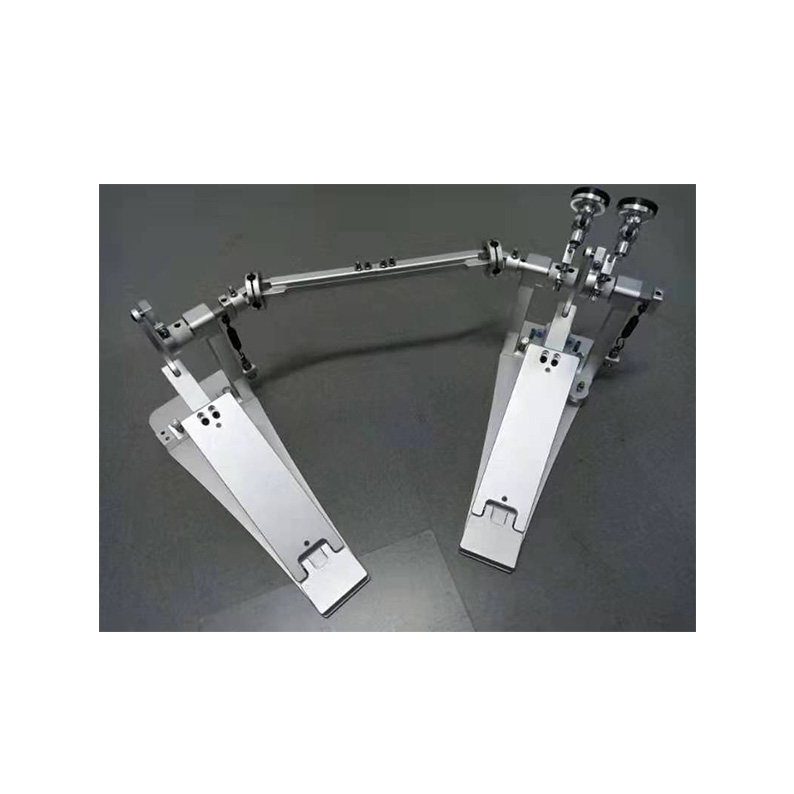
Brushed Silver Double Bass Drum Pedal Direct Drive Drum Kit Accessory
Hardware add-on for drum-kit buyers. It reveals whether a supplier can consolidate instruments, accessories and hardware in one container without losing component clarity.
View wholesale product →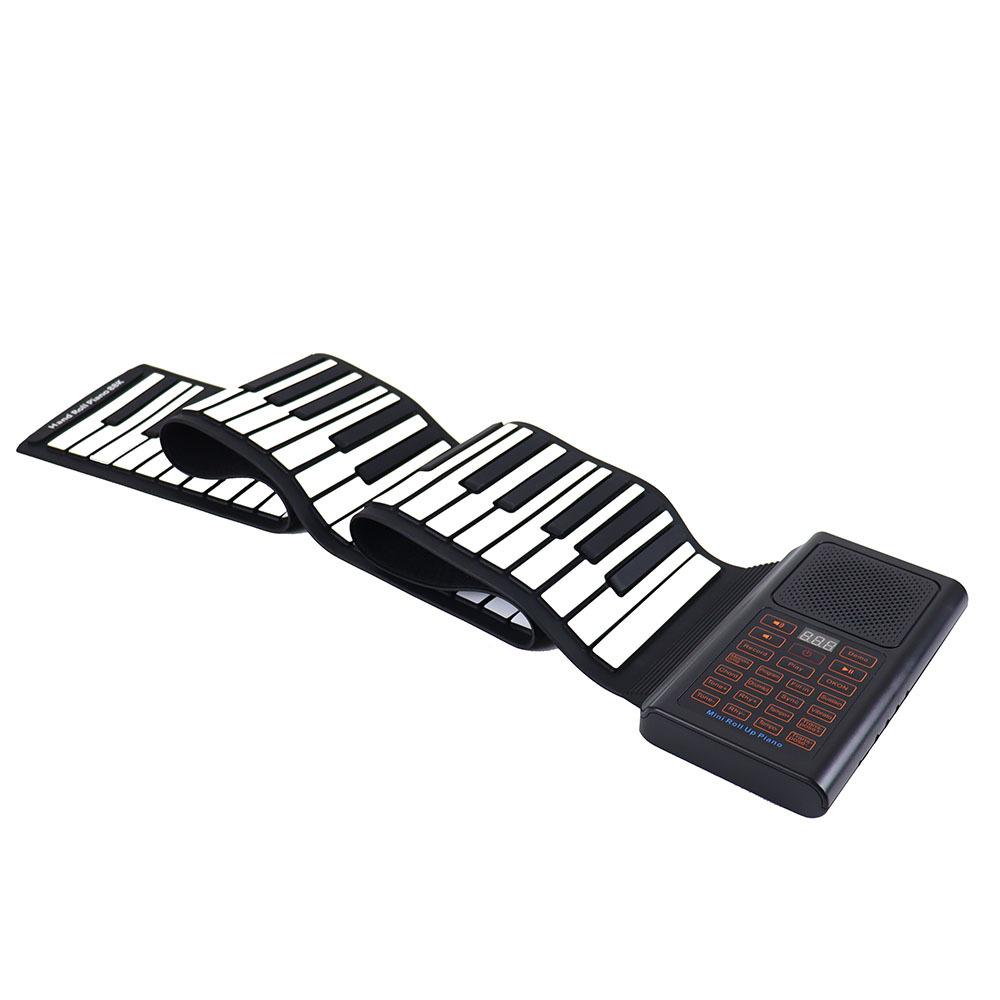
Wholesale 88-Keypad Keyboard Portable Digital Piano Foldable Entry-Level Soft Hand-Rolled Piano
Space-saving keyboard for schools, creators and online retailers. Tests how well a wholesaler documents folded dimensions, power requirements and carton protection.
View wholesale product →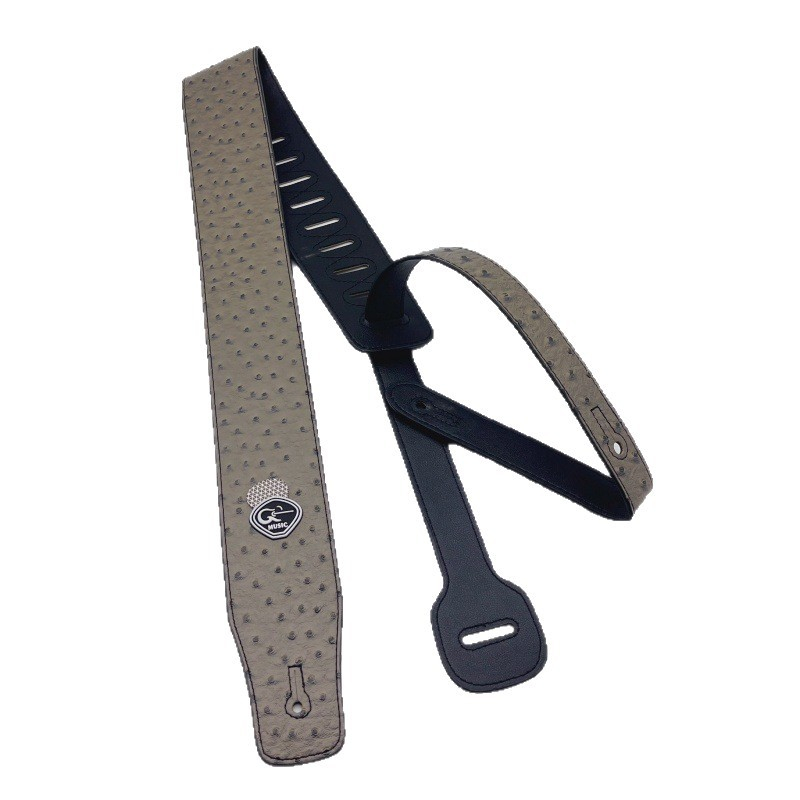
Genuine Leather Guitar Strap, Wide Wear-resistant Shoulder Strap, Dual-use Strap for Acoustic & Electric Guitar Wholesale
A direct attach-rate item for cutaway acoustic-electric buyers. Embossing, private-label packaging and strap-width options can lift average order value.
View wholesale product →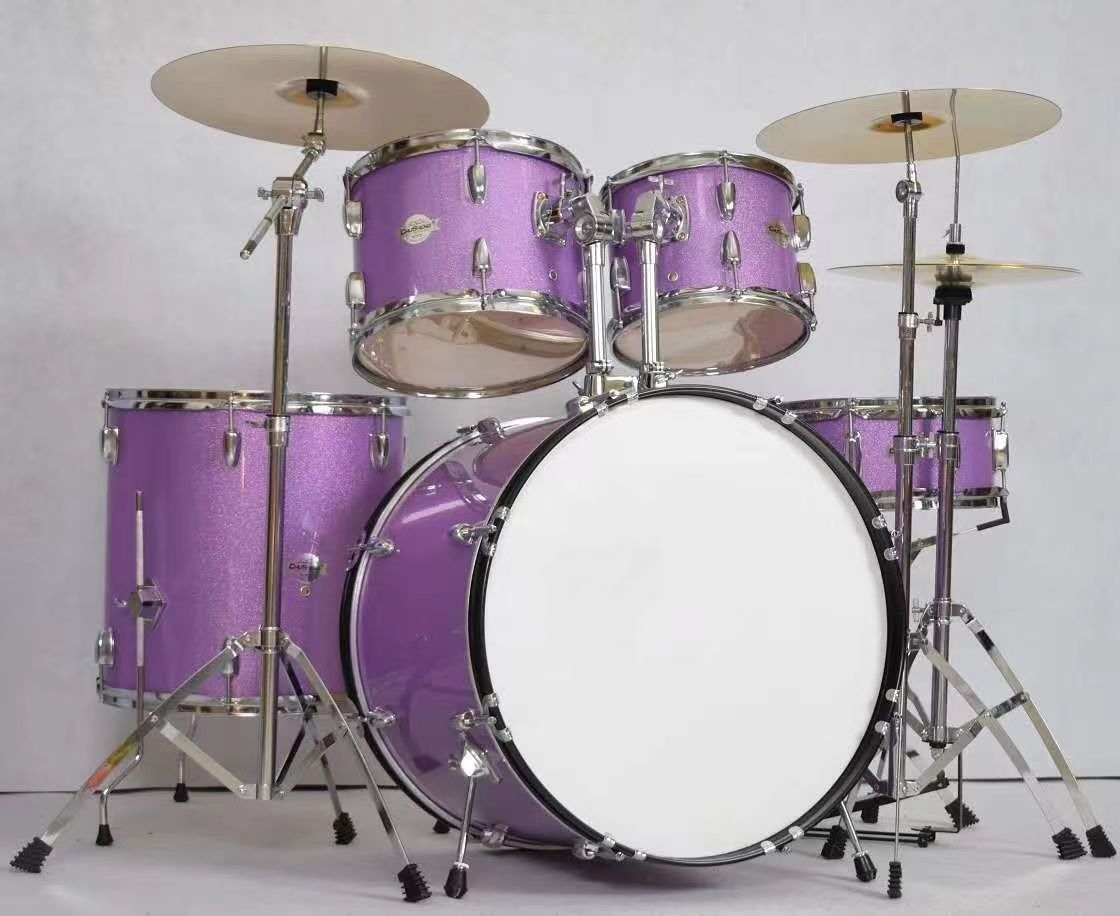
Hot Selling Ordinary 5 Drums 3 Cymbals Adult Drum Set Jazz Drum
Bulky percussion bundle for education and retail channels. Strong test case for carton engineering, mixed-container loading and photo-documented pre-shipment inspection.
View wholesale product →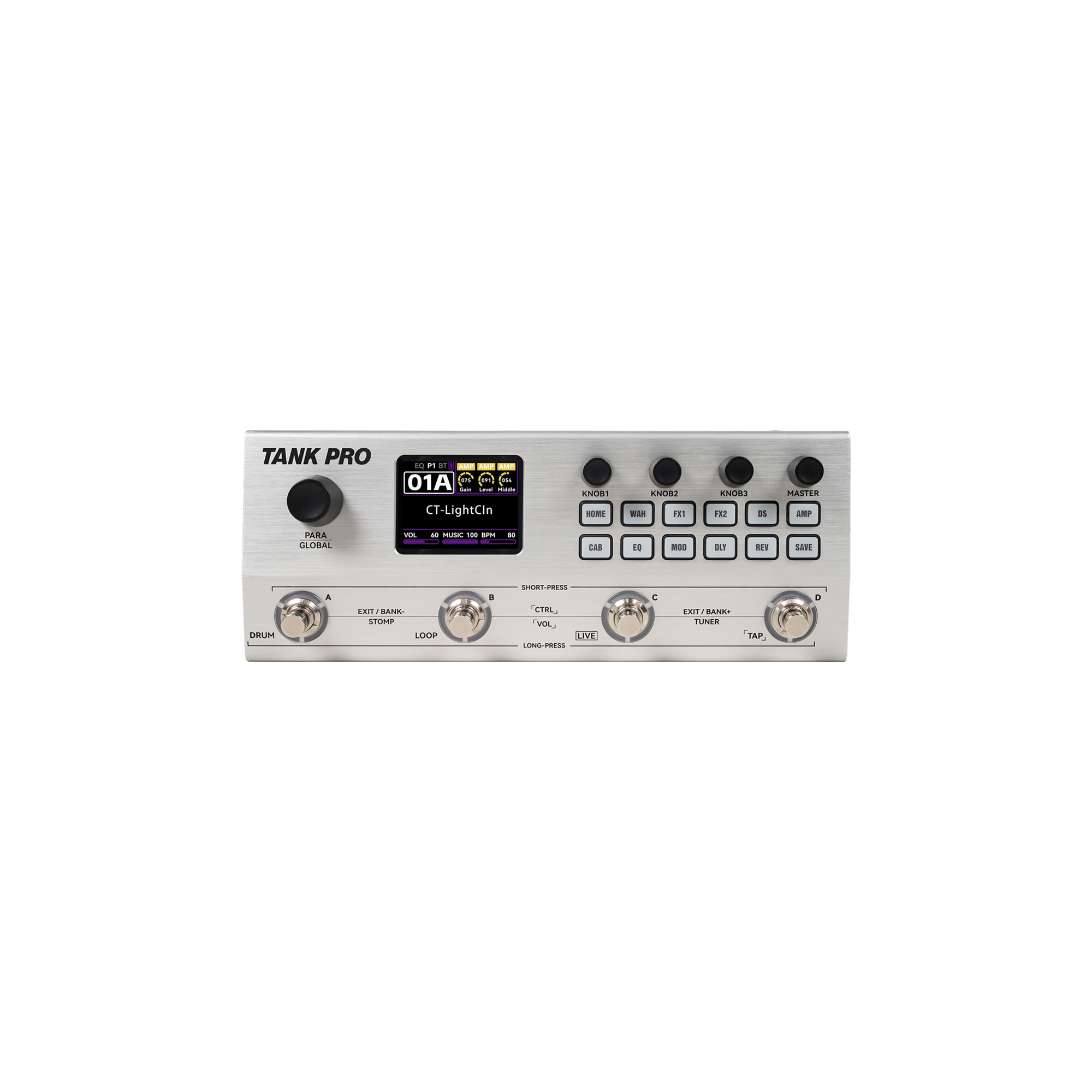
Tank Pro Metal Guitar Multi Effects Processor with ANN Third-Party IR Loading OTG Internal Recording
Signal-chain accessory for electric and electro-acoustic buyers. Supports a practical recommended basket: cutaway guitar, effects processor, strap and creator microphone.
View wholesale product →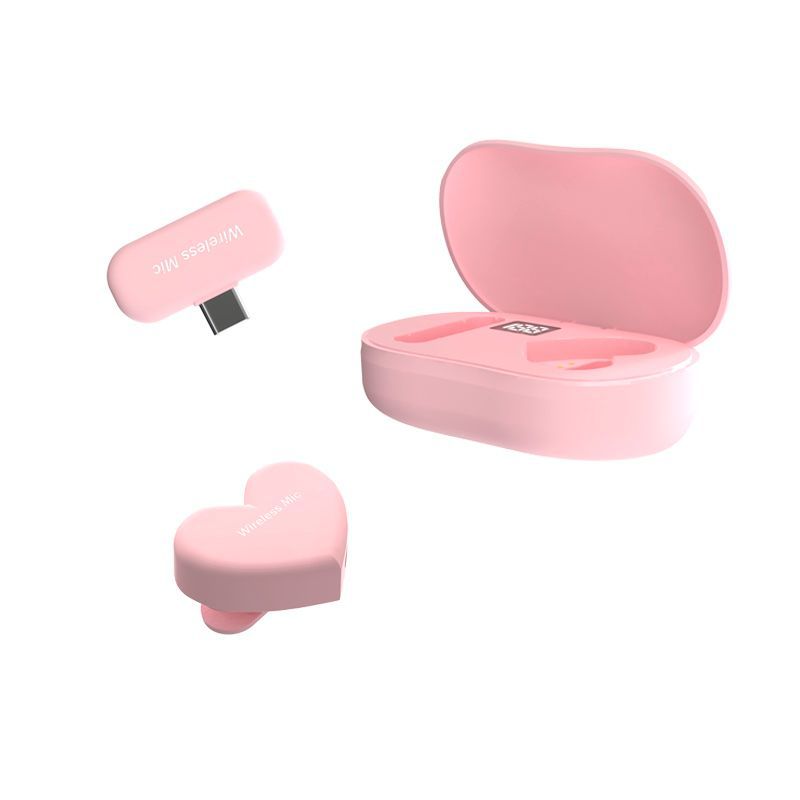
Stylish Pink Heart Wireless Mic with Clip Magnet Excellent for Vlog Recording on Mobile Compact Charging Case Portable Mic
Creator and social-commerce SKU. Shows whether a wholesaler can support trend-led colors, compact charging cases and retail-ready content packaging.
View wholesale product →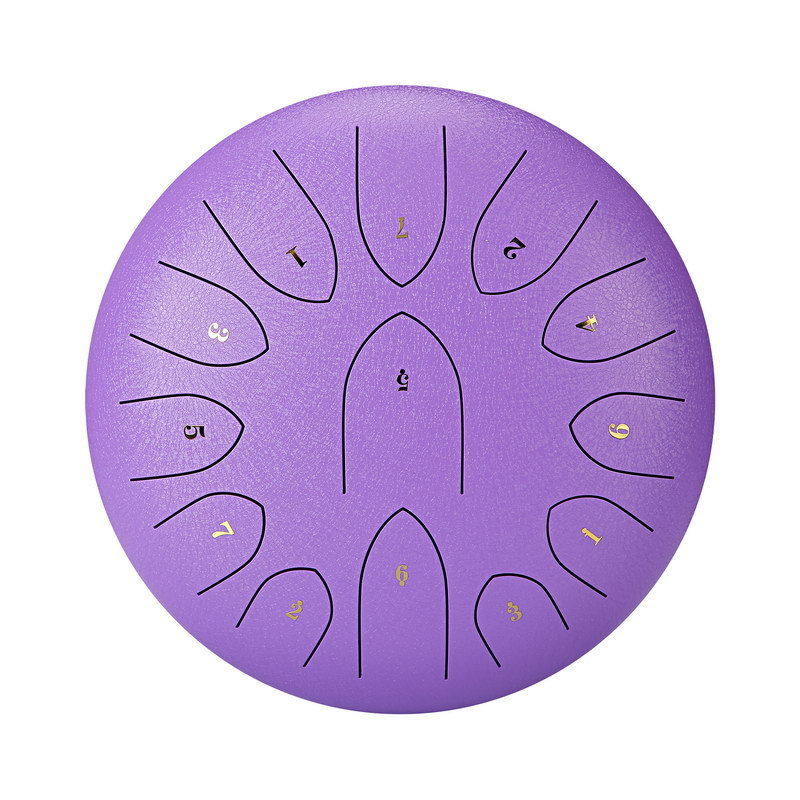
14 Inch Steel Tongue Drum, Handpan Drum, Mini Tank Drum Percussion Instrument, Complete Gift Set Wholesale
Gift, wellness and lifestyle percussion line. Useful for seasonal promotions and for checking whether product data explains tuning, bag, mallets and gift-set contents.
View wholesale product →Recommended first basket for a cutaway acoustic-electric launch: cutaway guitar model + leather guitar strap + Tank Pro multi-effects processor + wireless microphone for content creation. Add percussion, keyboard or gift lines only when your channel can support the extra SKU count.
WPI at a Glance: Data That Reduces Supplier Risk
Supplier claims are easy to publish. Third-party assessment, documented trade activity and response data help buyers separate a qualified cutaway guitar wholesaler from a listing-only seller.
Years in the musical instrument industry, assessed
Annual export value, third-party assessed
Orders shipped in the last 6 months
Inquiry response rate
Average buyer rating from verified transactions
What “Top 10 Cutaway Guitar Supplier & Wholesalers” Really Means
A semantic-search view of the query reveals three buyer entities: cutaway guitar, supplier and wholesaler. The searcher is usually comparing risk, not asking for a paid directory.
Most buyers searching for Top 10 Cutaway Guitar Supplier & Wholesalers are building a shortlist for a sample order, a private-label launch, a school tender or a mixed container. The useful question is not “Who claims to be number one?” It is “Which supplier can document cutaway geometry, pickup installation, neck angle, finish, packing and after-sales policy consistently across repeat orders?” A weak answer creates hidden costs at sampling, inspection, freight and chargeback stages.
A cutaway guitar is not simply a guitar with a missing upper bout. The cutaway changes upper-fret access, body stiffness, neck-joint planning and sometimes electronics layout. For acoustic-electric models, the preamp, undersaddle pickup, battery compartment and output jack must be treated as one system. Buyers should request side-profile images, plugged-in tone checks, battery-door fit checks and a clear spare-parts list before approving production. A supplier that cannot explain these details may still sell guitars, but it is not yet a reliable wholesale partner for a serious cutaway program.
This white paper is written from WPI International Trade Co., Ltd. (Huizhou)’s export experience since 2010 and its Intertek-assessed company data. It does not publish a pay-to-play ranking. Instead, it gives buyers a repeatable 100-point evaluation model, eight live catalog examples, procurement trends for 2025–2028, product development signals and an RFQ matrix. Information gain comes from the scoring logic and the specification questions—not from repeating generic claims such as “high quality” or “best price.”
Use the ten criteria below to rank your own shortlist. Then test the shortlisted suppliers with a cutaway-specific RFQ: target retail price, body size, cutaway type, top material, pickup system, logo method, packaging, destination market and expected annual volume. A good supplier will answer with questions, not just a price.
Top 10 Cutaway Guitar Supplier & Wholesaler Selection Criteria
Score each criterion from 1 to 10, then apply weights that match your channel. A distributor needs documentation and spare parts; a private-label brand needs OEM depth; a fast-turn retailer needs low-MOQ replenishment.
01 Cutaway Geometry & Upper-Fret Consistency
Confirm Venetian or Florentine cutaway, cutaway depth, neck joint and upper-fret access. Request side-profile photos, CNC or jig references and sample measurement reports. A listing image is not proof of repeatable geometry.
02 Acoustic-Electric Integration & Pickup QA
The preamp, pickup, battery compartment and output jack should be tested as a system. Require a plugged-in tone check, noise-floor test, battery-door fit check and spare-parts availability before approving the line.
03 Tonewood, Bracing & Finish Stability
Clarify solid or laminated top, bracing pattern, back-and-side species and finish type. Ask about humidity at packing and finish curing. Stable moisture content helps prevent fret sprout, top cracks and finish checks after ocean freight.
04 OEM / ODM Depth & Private-Label Documents
Check logo inlays, headstock shapes, labels, manuals, barcodes and retail packaging—not just a sticker. Request a mock-up, artwork proof and approval cadence. Tooling costs and artwork ownership should be written into the quotation.
05 Low-MOQ Sampling & Mixed Orders
A qualified cutaway guitar wholesaler should support sample quantities before bulk. Ask how mixed models, colors and accessories can be consolidated. Low-MOQ flexibility lowers inventory risk, but it must not lead to inconsistent components or vague lead times.
06 Pre-Shipment Inspection & Playability
Require finished-product inspection with documented checkpoints: neck relief, action, fret ends, tuning stability, electronics, hardware, finish, logo placement and packaging. A QC checklist with photo evidence is stronger than a general quality promise.
07 Compliance, Traceability & Export Documents
Map the documents your market needs: commercial invoice, packing list, bill of lading, certificate of origin and buyer-specific declarations. Confirm that labels, packaging warnings and material claims match the destination market before production starts.
08 Packaging Engineering & Landed Cost
Ask for inner-box dimensions, master-carton quantities, drop-test history and container-loading plans. Packaging affects freight, damage rates and retail presentation. A better carton can save more landed cost than a small FOB discount.
09 After-Sales, Spare Parts & Rework Policy
Define what happens for DOA units, finish defects, missing accessories and spare parts. A supplier that stocks common nuts, saddles, tuners, preamps and battery covers helps distributors protect their reputation and avoid long replacement cycles.
10 Digital Product Data & Semantic Readiness
Clean titles, consistent images, measurable specs, MOQ, materials and use cases help distributors publish faster and rank in search. Buyers should ask for data in a structured format; it reduces listing errors and improves conversion.
Illustrative 100-Point Weighting Model for Cutaway Guitar Importers
Use this as a starting point. For a private-label launch, increase OEM and packaging weight. For Amazon or retail replenishment, increase QC and product-data weight.
Future Procurement Trends for Cutaway Guitar Wholesalers, 2025–2028
Buying behavior is moving away from large blind container orders toward documented test-and-scale programs. The winning wholesaler is the one that makes small first orders easy and repeat orders predictable.
Test-and-Scale Replaces Container-Only Buying
Buyers increasingly validate a cutaway guitar with 1–10 pieces before committing to a container. Suppliers must offer low-MOQ sampling, consistent bills of materials and a clear path from sample approval to bulk production.
Acoustic-Electric Cutaways Become Default
Retail buyers increasingly expect built-in tuner, EQ, battery access and feedback control on mid-tier cutaway guitars. Plug-in readiness is moving from a premium feature to a standard selling point in many channels.
Private-Label Micro-Batches for Social Commerce
Creators, music schools and niche retailers want small branded runs with logos, packaging and content-ready photography. Suppliers that support artwork proofs, short runs and barcode labelling will win more tests.
Compliance Documentation Moves to RFQ Stage
Importers are asking for material declarations, product labels, barcode data and packaging warnings earlier. A cutaway guitar wholesaler that treats compliance as an afterthought creates delay at the port, not a competitive advantage.
Mixed Containers Beat Single-Category Pallets
Buyers combine cutaway guitars with straps, effects, percussion, keyboards and accessories to improve freight efficiency and basket value. One-stop suppliers reduce supplier-management cost, but only if SKU-level QC remains visible.
China Engineering Plus Regional Inventory
Rather than switching entirely away from China, many brands keep OEM development in Guangdong and hold fast-moving stock closer to the destination market. The supplier must therefore support repeatable specs, spare parts and reorder documentation.
Cutaway Guitar Product Development Trends Buyers Should Watch
The next wave of cutaway guitar demand will be shaped by ergonomics, electronics, finish stability and content-friendly product presentation—not just lower FOB prices.
Ergonomic Cutaways and Body Bevels
Deeper cutaways, armrest bevels and thinner body options are appearing in mid-tier models. Buyers should verify upper-fret access with photos and measurements, not just promotional language.
Solid-Top Value Tiers and Alternative Tonewoods
Solid spruce tops remain a clear step-up feature, while torrefied or alternative species support differentiated price tiers. Buyers need documented material claims and A/B audio samples before listing.
Smarter Onboard Electronics
Cutaway acoustic-electrics increasingly compete on tuner accuracy, EQ control, notch filtering, battery access and clean output. Buyers should request a plugged-in demo and a spare-parts list for the exact preamp model.
Sustainable Finishes and Humidity Control
Lower-VOC finishes and tighter humidity control are becoming purchasing criteria for distributors that warehouse in dry or humid climates. Ask for finish cure time, packing moisture data and touch-up guidance.
Modular Bundles and Creator Kits
Cutaway guitars are increasingly bundled with straps, picks, gig bags, effects processors or compact microphones. Suppliers that can source and pack these components together reduce pick-and-pack complexity for dealers.
Product Pages as Sales Infrastructure
Consistent images, measurable specs, structured titles, MOQ and use cases now influence distributor conversion. Buyers should request image sets, dimension data and barcode-ready product records in the first RFQ.
| Specification Area | What to Confirm | Why It Matters |
|---|---|---|
| Body Size & Scale | 39, 40 or 41 inch; lower-bout width; scale length; full-scale or compact. | Defines player fit, retail positioning, case and carton dimensions. |
| Cutaway Type | Venetian or Florentine shape; cutaway depth; neck joint; upper-fret access. | Affects playability, bracing, aesthetics and repeatable CNC or jig production. |
| Top & Bracing | Solid or laminated spruce; bracing pattern; top thickness; humidity at packing. | Drives tone, structural stability and price-tier separation. |
| Back & Sides | Basswood, linden, mahogany or alternative species; laminate construction; finish. | Impacts tone, weight, moisture response and product claims. |
| Electronics | Preamp model; EQ; tuner; pickup type; battery access; output jack; spare parts. | Prevents noise, battery-door fit issues and after-sales failures. |
| Neck & Frets | Nut width; fret level; fret ends; truss rod; action; strings; neck relief. | Reduces returns and dealer setup labor. |
| Finish & Logo | Gloss or matte; burst or solid; binding; headstock logo; label; serial number. | Protects brand presentation and retail perceived value. |
| Packaging | Inner box; foam; carton test; barcode; manual; master-carton quantity. | Directly affects freight, damage rate and marketplace compliance. |
| Compliance | Destination documents; labeling; material declarations; warnings. | Reduces customs delay and buyer-specific documentation gaps. |
| After-Sales | DOA policy; spare tuners; saddles; nuts; preamps; rework and credit terms. | Protects distributor reputation and lifetime customer value. |
Why WPI International Trade Co., Ltd. (Huizhou) Belongs on a Shortlist
WPI began exporting musical instruments from Hong Kong in June 2010 and established its Huizhou, Guangdong operation in 2014. The team has 28 people, including 22 in trading and export roles, serving distributors, retailers and schools worldwide.
Intertek Onsite Assessment
WPI has been assessed onsite by Intertek, with verified company information and capabilities including finished-product inspection, sample-based customization, minor customization, design-based customization and full customization.
12+ Years of Export Experience
Since 2010, WPI has supported importers across North America, Western Europe, Southeast Asia and South America. Annual export value is assessed at US$9 million, with 952 orders shipped in the last six months.
Low-MOQ Sampling and Mixed Categories
Many guitars, ukuleles, violins and saxophones can be ordered from one piece for sampling. Typical wholesale MOQs are 2–10 pieces per model for instruments and 20–600 sets for strings and small accessories. Mixed-category orders are welcome.
OEM / ODM and Private-Label Support
Customization can cover logo, packaging, graphics, sample-based development, design-based customization and full customization. For cutaway guitar programs, buyers can request specification matching, logo methods and packaging mock-ups.
One-Stop Musical Instrument Consolidation
Guitars, ukuleles, violins, cellos, saxophones, clarinets, drum sets, keyboards, steel tongue drums and accessories can be consolidated. This reduces supplier count, freight complexity and packaging inconsistency for distributors.
Named Account Team and Responsive Support
Each buyer works with a named account manager who follows the order from quotation to after-sales. The current average inquiry response rate is 97.73%, with a 4.6/5 average buyer rating from verified transactions.
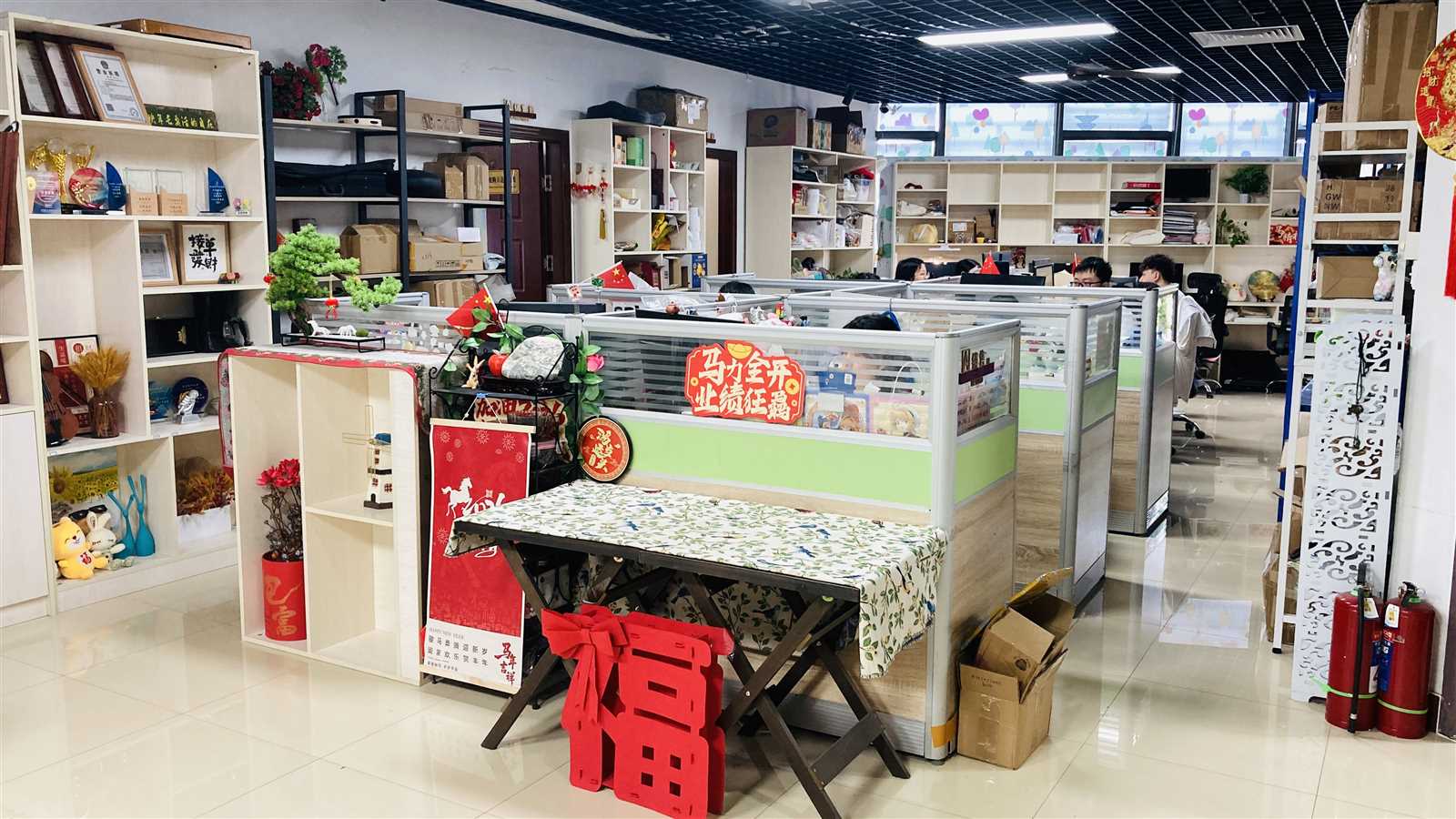
Catalog and product review

Export sales support

Sample and order coordination
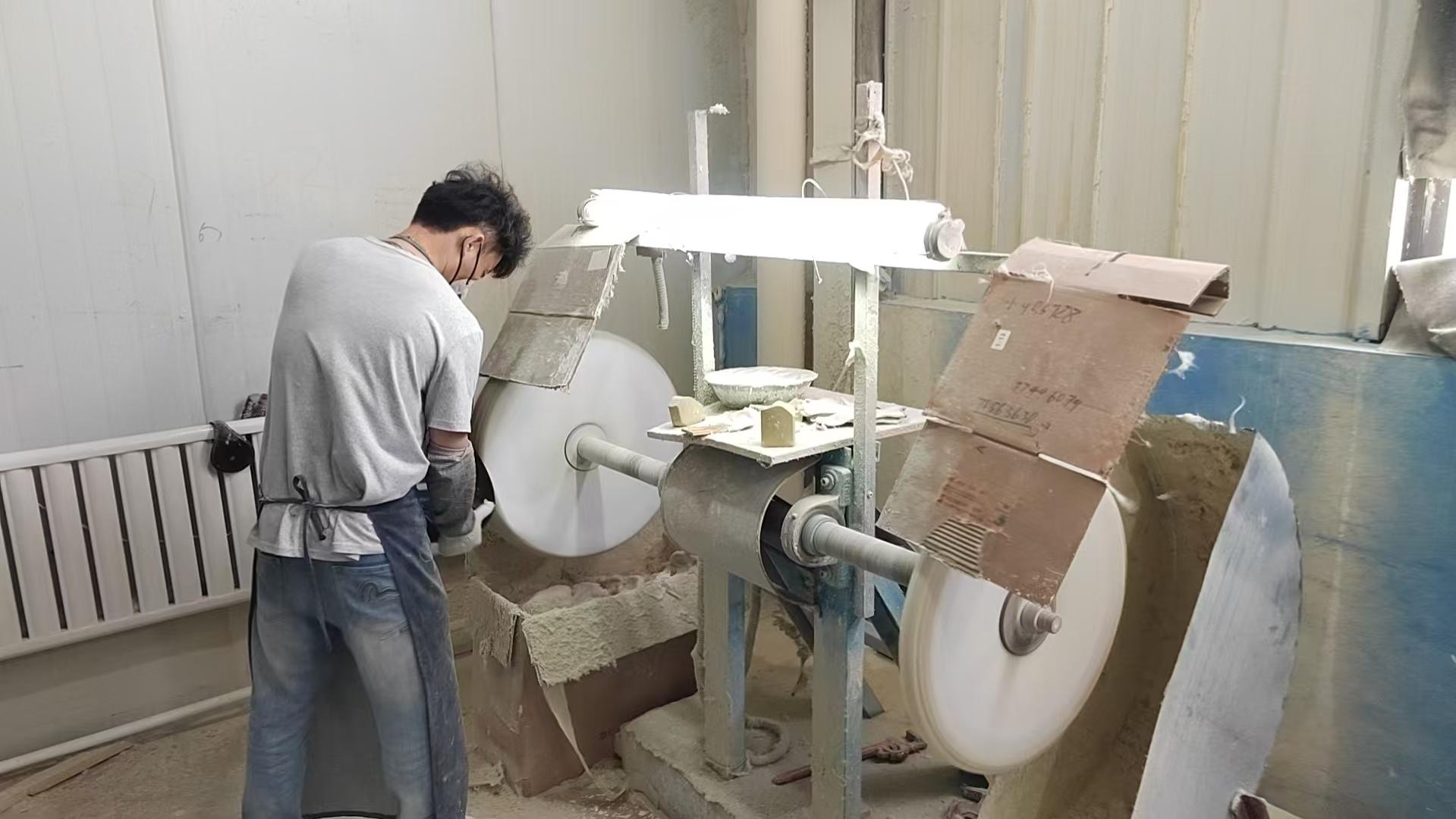
Pre-shipment workflow
For cutaway-guitar buyers, WPI’s practical advantage is not that every catalog item is a cutaway guitar. It is the discipline to source, inspect and consolidate a broader string-instrument program while documenting quality and communication at each step.
FAQ for Cutaway Guitar Wholesale Buyers
These answers reflect WPI’s assessed company profile and common import questions. For model-specific cutaway guitar specifications, use the live quote CTA so the export team can confirm current options.
What makes a cutaway guitar different for wholesale buyers?
The cutaway changes upper-fret access, body stiffness and sometimes electronics layout. Buyers should verify cutaway shape, depth, neck joint, pickup installation, battery access and side-profile consistency—not only the front-view photo.
Is WPI a cutaway guitar manufacturer or a wholesaler?
WPI International Trade Co., Ltd. (Huizhou) is a trading company and multispecialty supplier working with long-term partner workshops. It supports wholesale sourcing and OEM/ODM development. This transparency helps buyers verify capabilities before placing bulk orders.
What is the MOQ for sampling and bulk orders?
Many guitars, ukuleles, violins and saxophones can be ordered from 1 piece for sampling. Typical wholesale MOQs are 2–10 pieces per model for instruments and 20–600 sets for strings and small accessories. Mixed-category orders are welcome; confirm cutaway-specific MOQ by model.
Which checks can I review before ordering?
WPI has been assessed onsite by Intertek. Buyers can review supplier assessment information, credit overview, transaction level and trade capacity. Every order can go through finished-product inspection before delivery, covering appearance, hardware, tuning stability and packaging.
What should a cutaway guitar RFQ include?
Include body size, cutaway type, top material, back-and-side material, finish, pickup/preamp model, nut width, logo method, packaging, barcode requirements, destination market, target price and estimated annual volume. Also state whether the order is sample-first or bulk.
Can you customize logo, packaging and electronics?
Yes. Third-party assessed capabilities include sample-based customization, minor customization such as logo, packaging and graphics, design-based customization and full customization. Tooling, artwork approval, component selection and packaging proofing should be documented in the quotation.
Which payment and delivery terms are accepted?
Payment options include T/T, L/C, D/P, D/A, MoneyGram, credit card, PayPal, Western Union, cash and escrow. Delivery terms include FOB, CFR, CIF, EXW, FAS, CIP, FCA, CPT, DEQ, DDP, DDU, DAF, DES and express delivery.
How do you control damage and after-sales risk?
Define packaging tests, inner-box protection, master-carton limits, pre-shipment photos and spare-parts stock. For cutaway guitars, spare tuners, nuts, saddles, battery covers and preamps matter. WPI’s assessment includes finished-product inspection; buyers should also state their own checkpoints in the order.
Build a Cutaway Guitar Range with a Supplier That Documents the Details
Send your target market, cutaway style, body size, pickup requirements, logo method, packaging needs and expected volume. The WPI export team will help match specifications, sampling steps and mixed-category consolidation.