8 Wholesale Products That Support a Classical Guitar String Program
Classical guitar strings are rarely a stand-alone purchase. Distributors that win at retail pair replacement sets with straps, wireless systems, practice tools, effects and performance accessories. The eight products below come from WPI’s existing wholesale catalog and form a practical cross-sell basket for music stores, school suppliers, repair counters and online sellers.
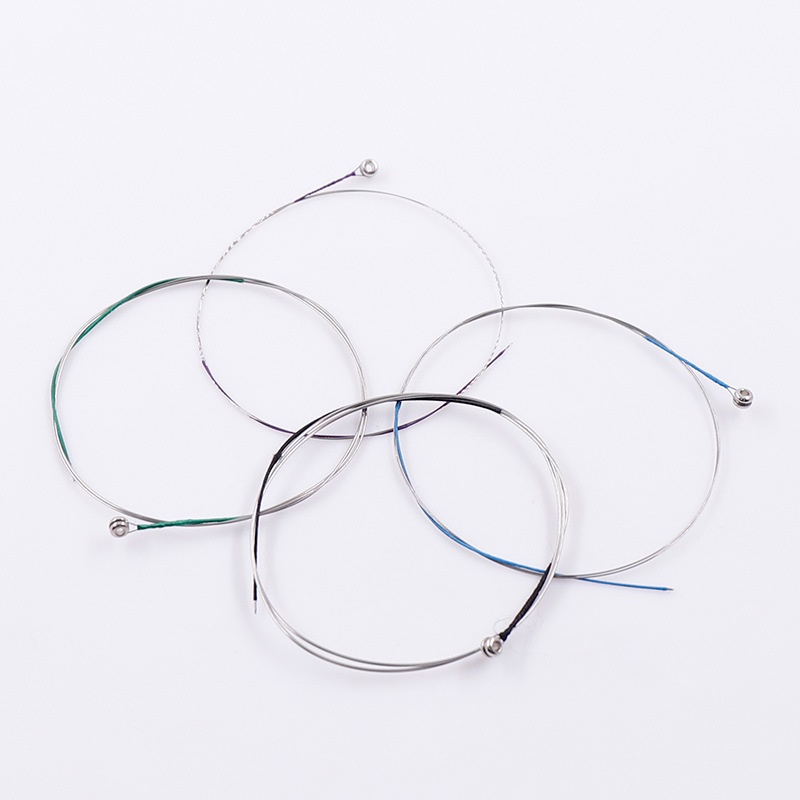
Silver Steel Violin Strings Loose Set for Classical Guitar Wholesale Guitar Parts Accessories
A core string-line SKU for repair benches, starter bundles and private-label sampling. Loose-set formats help buyers test market response before scaling a full labelled string range.
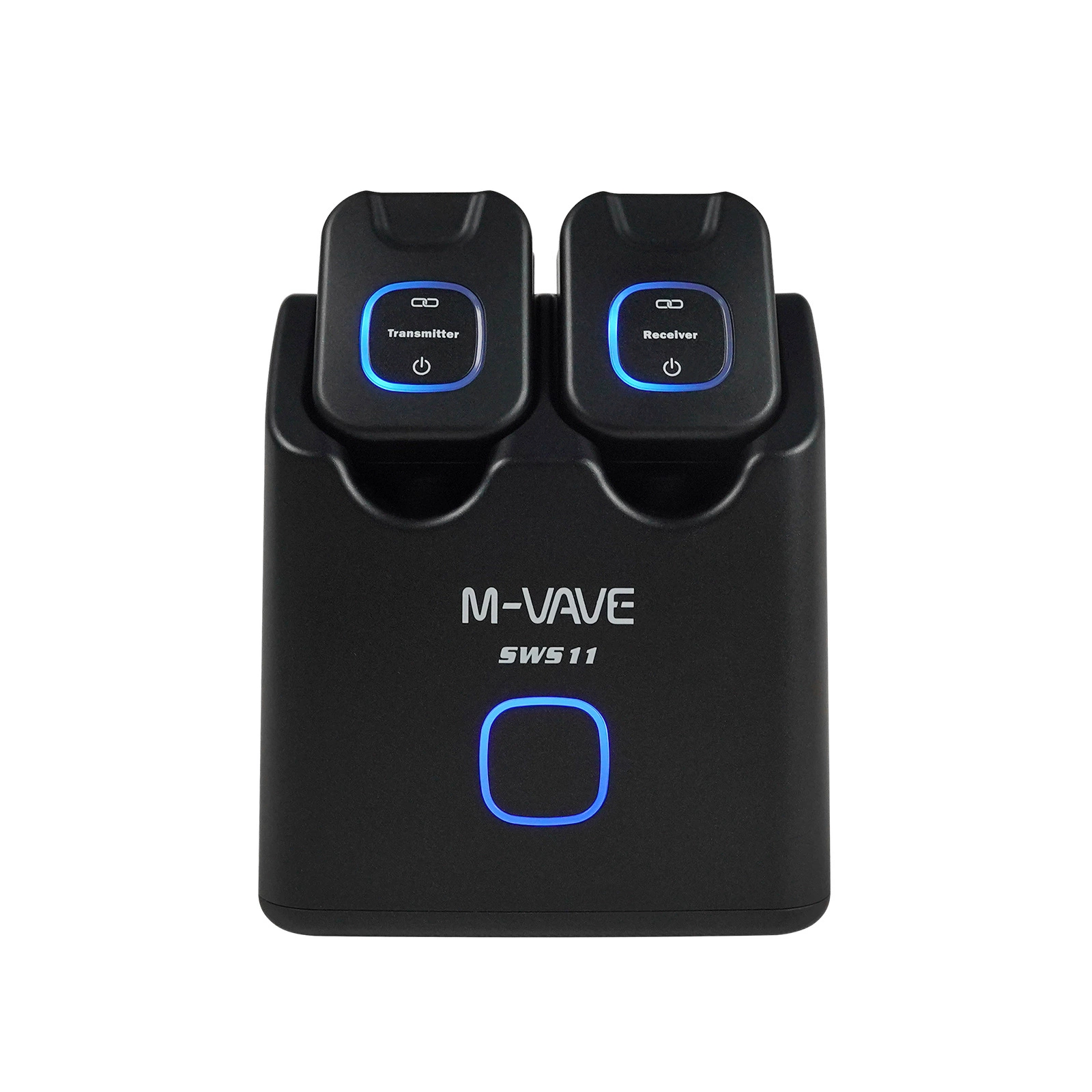
M-VAVE SWS11 2.4Ghz Wireless Guitar Audio System Rechargeable Transmitter Receiver with Charging Base
A high-intent add-on for amplified performances and teaching studios. Bundling wireless systems with string sets can lift basket value without adding another supplier.
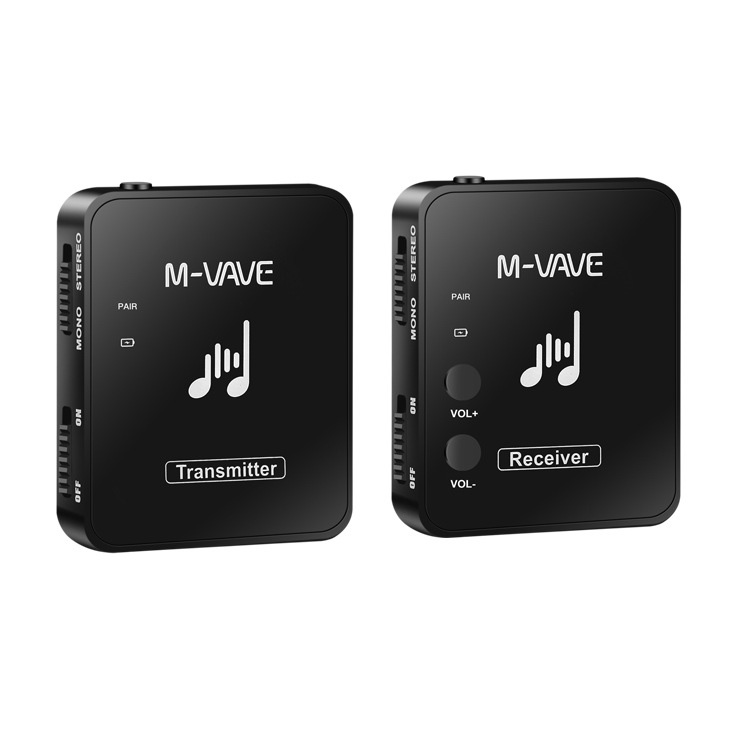
Wireless in Ear Monitor System Transmitter Receiver Mono Stereo Earback Set Guitar System
Useful for performers, teachers and content creators who need silent monitoring. A natural upsell for dealers already selling classical guitars and nylon-string accessories.
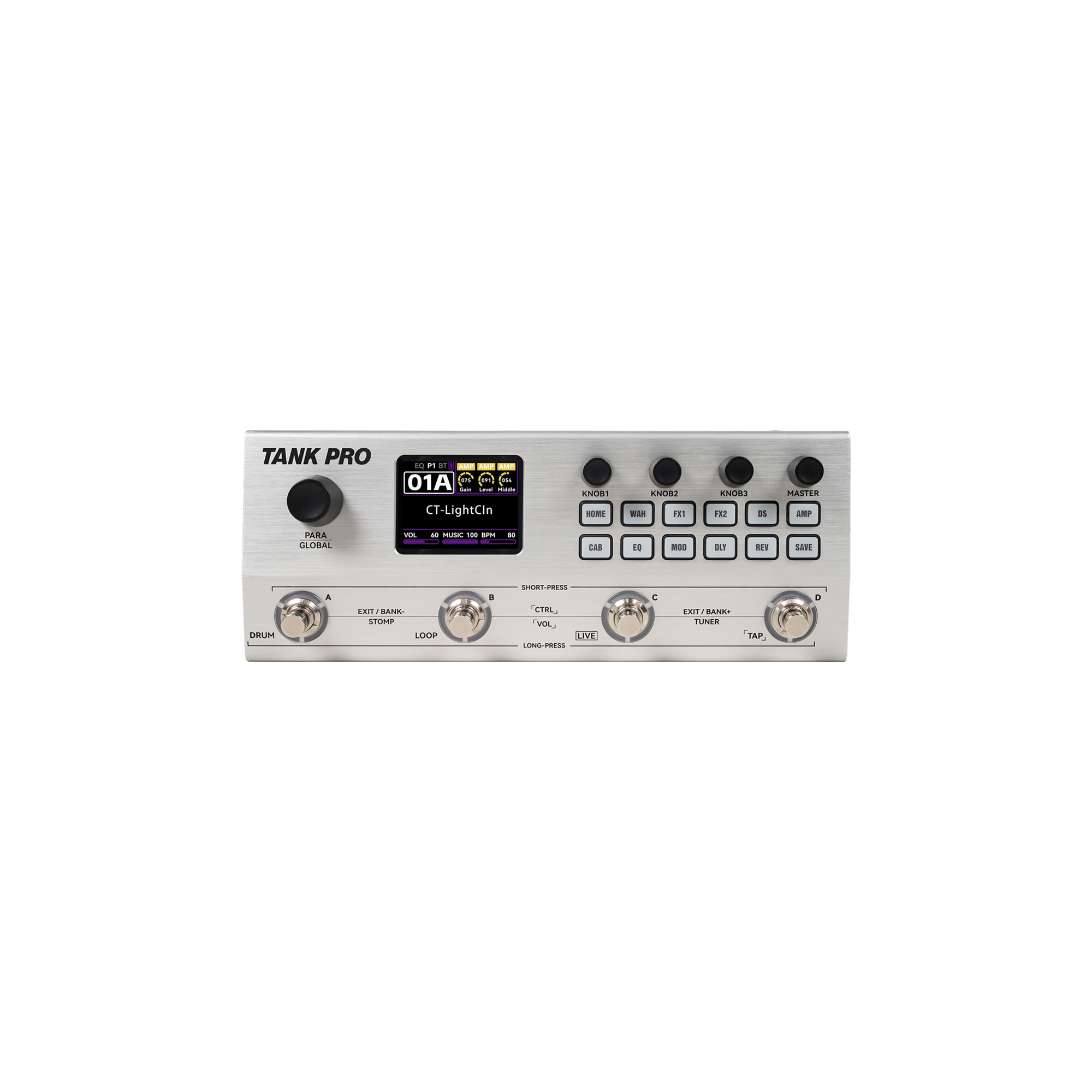
Tank Pro Metal Guitar Multi Effects Processor with ANN Third-Party IR Loading OTG Internal Recording
An advanced accessory for hybrid classical, acoustic-electric and modern performance customers who want recording and IR features in one compact unit.
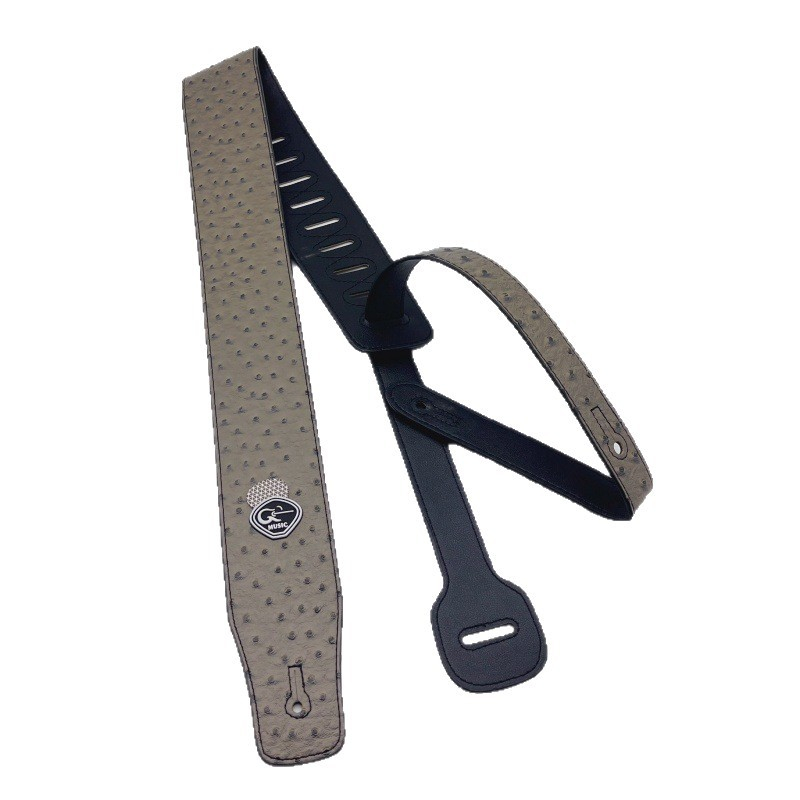
Genuine Leather Guitar Strap, Wide Wear-resistant Shoulder Strap, Dual-use Strap for Acoustic & Electric Guitar Wholesale
A durable accessory for players who practice longer and perform frequently. Strap bundles support product storytelling around comfort, stability and premium materials.
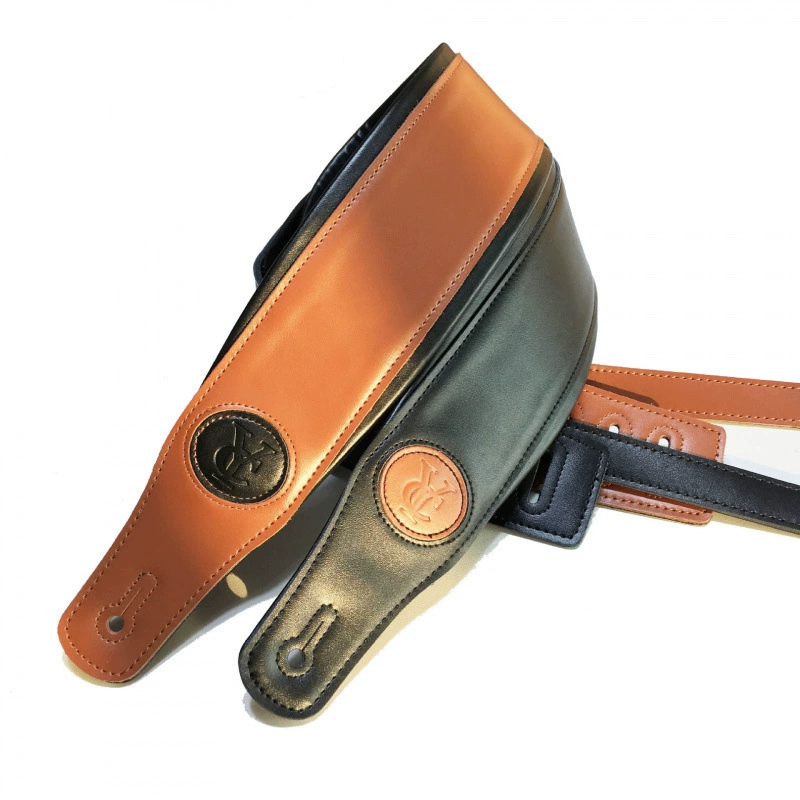
Wholesale Wide Padded Cowhide PU Leather Adjustable Soft Guitar Shoulder Strap for Acoustic Electric Bass Guitar
A practical add-on for school programs and entry-level players. The adjustable format fits multiple instrument types and simplifies inventory planning across SKUs.
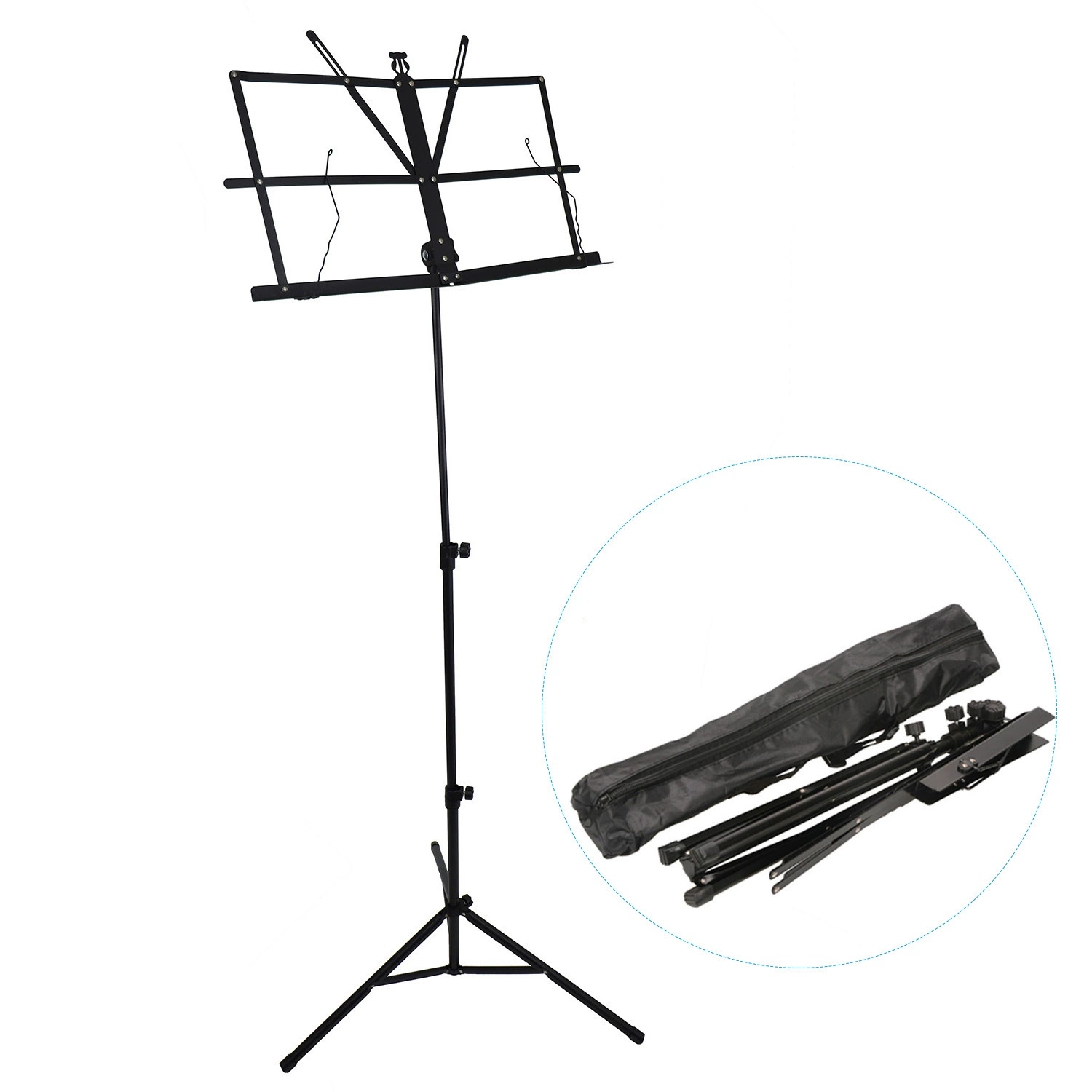
Factory Wholesale Small Size Portable Adjustable Music Stand With Bag
Ideal for lesson packs, school tenders and beginner bundles. A portable stand adds immediate perceived value to a classical guitar or string starter kit.

Orff Percussion Melody Bell 8-Note White Push Bell Colorful Push Chime Kindergarten Early Music Teaching Aid 8 tones bell
An education-channel item that helps distributors serve kindergartens, music schools and early-learning buyers alongside classical guitar accessories.
These products are recommended as cross-sell examples for classical guitar string buyers. All product URLs and images are preserved from the source catalog so procurement teams can verify specifications directly.
How We Shortlist the Top 10 Classical Guitar Strings Supplier & Wholesalers
The search intent behind “top 10 classical guitar strings supplier & wholesalers” usually has two layers: a short list of credible suppliers and a repeatable way to rank them. Because certifications, MOQs and product ranges change, the most decision-useful approach is to publish the framework first, then test each candidate against it. A top-tier supplier should be verified, consistent, flexible and commercially transparent.
Verified Identity
Check legal name, address, export history and onsite assessment. Intertek-assessed suppliers reduce onboarding risk for first orders.
Material & Tension Control
Review nylon or fluorocarbon specifications, silver-plated copper winding, gauge tolerance and tension consistency across batches.
Low-MOQ Private Label
Ask for sample packs, logo printing, packaging customization, barcodes and master-carton data before committing to volume.
Mixed-Order Consolidation
Strings, straps, stands and instruments should ship together where possible to reduce freight, handling and vendor-management costs.
Pre-Shipment QC
Require checks for diameter, surface defects, tuning stability, corrosion, packaging strength and label accuracy.
Export Documentation
Confirm Incoterms fluency, payment methods, customs paperwork and experience with your target market.
Reorder Reliability
Stable lead times and fast communication matter more than a one-time quotation when strings become a repeat-purchase category.
Regional Market Fit
School, beginner, worship and professional buyers need different tensions, packaging and price points. Assortment should fit the channel.
Digital Product Data
Request high-resolution images, specifications, carton dimensions, weights and barcode files for e-commerce and catalog listings.
After-Sales Accountability
Ask how claims are handled, what evidence is required and how root causes are corrected before the next production run.
Product Future Procurement Trends: What Buyers Will Demand Through 2030
String wholesalers are moving away from “cheapest set per carton” toward resilient, data-rich programs. The strongest suppliers will support lower inventory risk, faster replenishment and clearer product claims.
Total Landed Cost
Buyers will compare unit price, packaging cost, freight, duties, damage rate and reorder lead time — not just FOB price.
Elastic MOQ
Sample-led buying and smaller first orders will continue to grow, especially for private-label strings and new tension variants.
Private Label Standard
Logo, packaging, barcodes and localized instructions will become baseline requirements rather than premium add-ons.
Multi-Category Consolidation
Importers will prefer suppliers who can combine strings, accessories, instruments and education products in one shipment.
Digital Compliance
Product images, dimensions, material statements and carton data will be requested at RFQ stage for marketplace and retail onboarding.
Sustainability & Packaging
Reduced plastic, recyclable sleeves and clear origin information will influence buyer selection in schools and premium retail.
Product Development Trends for the Next Classical String Range
A classical guitar string range can be differentiated without overcomplicating inventory. The winning specification usually balances tone, feel, tuning stability and retail storytelling.
Hybrid Tension Systems
Normal, hard and mixed-tension sets let retailers serve beginners, ensemble players and advanced students without carrying excessive SKUs.
Coating & Corrosion Control
Longer shelf life and consistent feel are valuable in humid markets, school storage rooms and slow-moving retail displays.
Tie-End & Ball-End Options
Universal fit and easy installation improve customer confidence, especially for online buyers and entry-level players.
Climate-Ready Packaging
Moisture barriers, anti-corrosion sleeves and clear gauge labels matter in tropical, coastal and long-transit markets.
Traceability & QR Support
QR-linked tuning charts, installation guides and batch information add information gain and reduce after-sales friction.
Retail Education
Comparison charts, tension guides and counter displays help distributors sell the right string to the right player.
Where WPI Fits the Top 10 Shortlist
WPI International Trade Co., Ltd. (Huizhou) began exporting musical instruments from Hong Kong in June 2010 and established its Huizhou, Guangdong operation in 2014. The company is an Intertek-assessed musical instrument supplier with 28 team members, 22 in trading and export roles, and approximately US$9 million in annual export sales. Its main markets are North America, Western Europe, Southeast Asia and South America.
For classical guitar string buyers, this matters because strings are often part of a larger instrument order. A supplier that can consolidate strings, straps, stands, wireless systems and education products reduces freight, documentation and vendor-management costs. WPI’s catalog extends across guitars, ukuleles, violins, cellos, saxophones, clarinets, drums, keyboards and accessories, with low-MOQ sampling, OEM/ODM support and pre-shipment inspection built into the buying process.
- 12+ years in the musical instrument industry
- Intertek onsite assessment completed
- Annual export sales of about US$9 million
- 97.73% inquiry response rate
- 952 orders shipped in the last 6 months
- 4.6/5 average buyer rating

Independent Assessment
Intertek onsite verification supports supplier due diligence for first-time importers and private-label buyers.
Low MOQ & OEM/ODM
From 1-piece sampling to logo, packaging and full customization, buyers can test demand before scaling.
One-Stop Sourcing
Consolidate strings, instruments and accessories in one container with export documentation support.
Quality Control
Finished-product inspection covers appearance, hardware, tuning stability, packaging and label accuracy.
Procurement-Fit Dashboard
Illustrative buyer-fit indicators against the 10-point supplier framework. Use this as an RFQ discussion tool for your own scoring process, not as an independent certification.
A Lower-Risk OEM Workflow for String & Accessory Buyers
A transparent workflow protects both sides. The sequence below mirrors the conventional OEM instrument and accessory process used by experienced importers.
Brief
Share target market, string type, tension, logo, packaging, expected quantity and delivery window.
Proposal
Match specifications to suitable models, materials and packaging options, then confirm MOQ and pricing logic.
Sampling
Approve pre-production samples for feel, tone, packaging, labels and barcode accuracy before mass production.
Production
Run mass production with in-process checks and clear communication on any material or schedule changes.
Inspection
Complete finished-product inspection before packing, including appearance, function, tuning and carton condition.
Shipping
Select FOB, CIF, DDP or express terms, then coordinate consolidation, documentation and delivery.
Classical Guitar Strings Wholesale FAQ
These answers address the most common procurement questions from importers, retailers, schools and private-label brands.
What is the minimum order quantity for private-label classical guitar strings?
MOQ depends on the string specification, packaging and label requirements. Many sampling orders can start small, while custom printed packs and new tension variants may require higher quantities. Ask for a written MOQ breakdown by SKU, packaging type and customization level before comparing quotations.
How can a buyer verify string quality before shipment?
Use a pre-shipment checklist covering diameter tolerance, visual defects, winding integrity, tuning stability, corrosion resistance, label accuracy and carton strength. For private-label goods, keep approved golden samples on file and reference them in the inspection criteria.
Which tensions should a wholesaler stock first?
For most beginner and school channels, normal-tension sets cover the widest range of players. Add hard tension for advancing students and mixed-tension sets for players who want a specific feel. Retailers with a professional customer base can test smaller quantities of specialty sets before expanding.
Are coated classical guitar strings worth stocking?
Coated strings can perform well in humid climates, long-storage retail environments and premium accessory displays. They are not automatically better for every player, so position them as a longer-life option and keep uncoated sets available for tone-focused buyers.
Can WPI customize packaging, logo and barcodes?
Yes. Third-party assessed capabilities include sample-based customization, minor customization such as logo, packaging and graphics, design-based customization and full customization. Buyers should confirm artwork files, barcode formats and carton markings during sampling.
How do buyers combine strings with instruments and accessories?
Use one supplier or a consolidating trading partner to combine strings, straps, stands, wireless systems, effects and education products. Mixed-category orders reduce freight costs and simplify supplier management, but each SKU should still have its own inspection and packaging standard.
What payment and delivery terms are available?
WPI’s published terms include T/T, L/C, D/P, D/A, MoneyGram, credit card, PayPal, Western Union, cash and escrow. Delivery terms include FOB, CFR, CIF, EXW, FAS, CIP, FCA, CPT, DEQ, DDP, DDU, DAF, DES and express delivery. Confirm the correct term for your destination and customs profile.
Which markets does WPI export to?
The main markets are North America, Western Europe, Southeast Asia and South America. Buyers in other regions can still inquire, but compliance, packaging and shipping requirements should be confirmed during quotation.
How can a first-time buyer reduce risk?
Start with samples, request an Intertek assessment report, confirm inspection criteria, use a mixed small order where possible and document packaging approvals. Avoid comparing only unit price; review total landed cost, reorder reliability and after-sales response.
What should be included in a classical guitar string RFQ?
Include string material, tension, end type, gauge, expected quantity, packaging format, logo requirement, barcode needs, target market, delivery port, requested Incoterm and inspection requirements. A detailed RFQ produces a more accurate quotation and faster sampling.
Build a Higher-Margin Classical Guitar String Program
Tell us your target market, string specifications, packaging requirements and expected order volume. We will recommend a practical assortment, confirm low-MOQ options and support sampling before production.