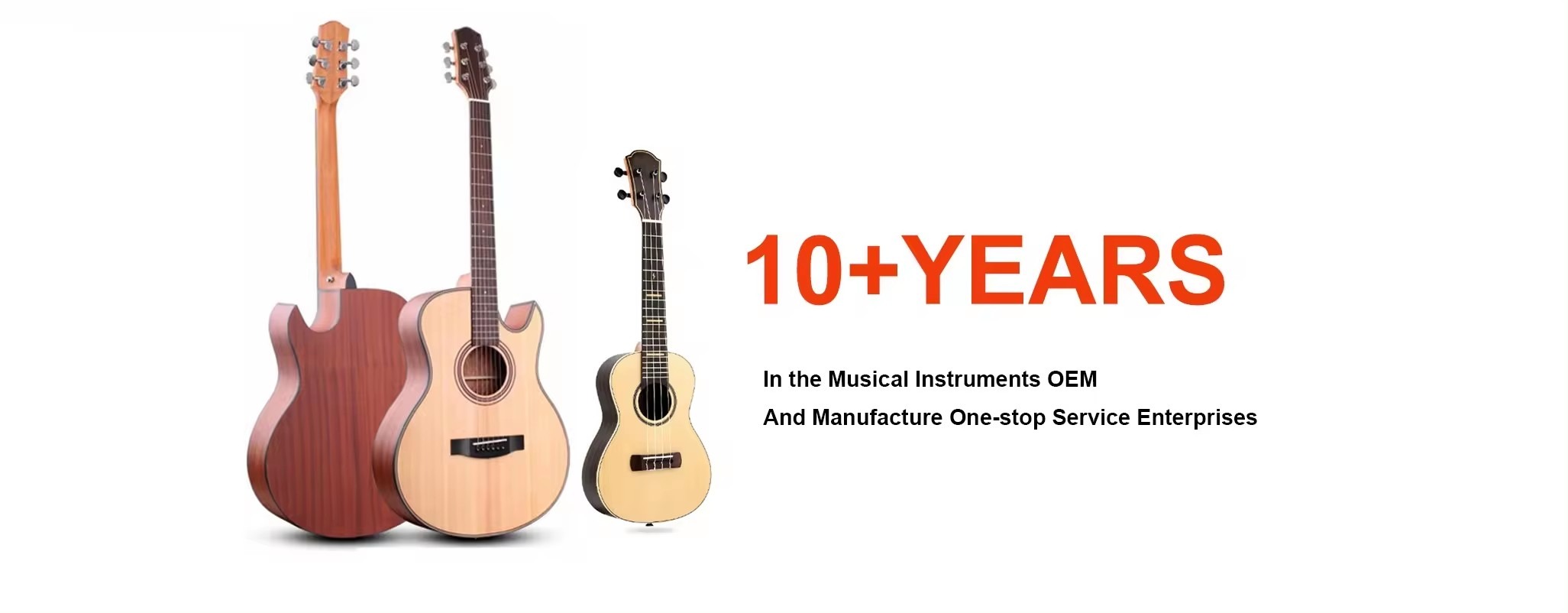
OEM/ODM Guitar Tuner Factories & Suppliers
A buyer-side engineering and procurement guide for clip-on tuners, pedal tuners and private-label instrument accessories — built on 12 years of export data, 952 shipped orders and an Intertek onsite assessment.
Get a Quote8 Fast-Moving Instruments & Accessories for OEM/ODM Programs
Each model below is held by long-term partner workshops in Guangdong and can be consolidated into one container — the same supply chain that produces your private-label tuners, strings and add-on accessories.
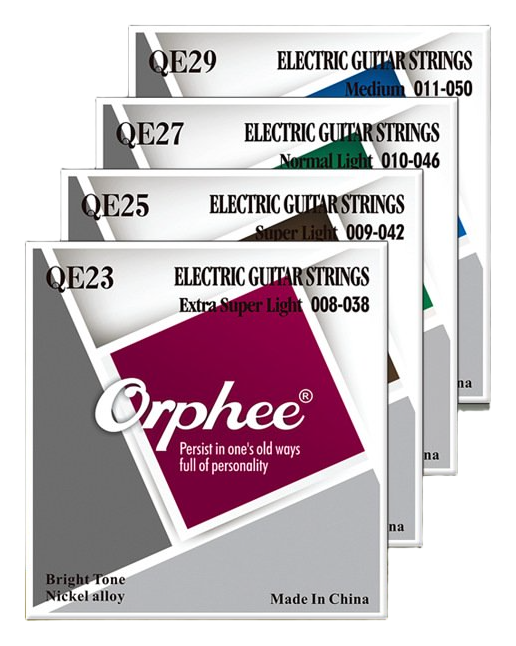
Coated Nickel Core Electric Guitar String Set
Anti-rust coated core · retail-ready sleeves · private-label printing available.
View OEM options →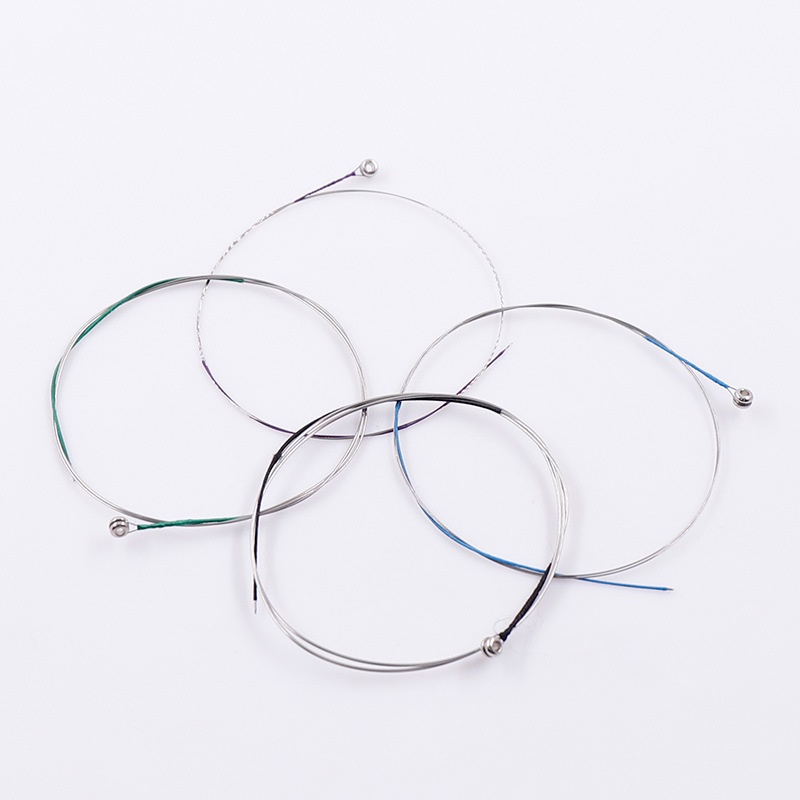
Silver Steel Classical Guitar Strings Loose Set
Silver-steel winding · loose or poly-bagged · ideal for repair counters and refill stock.
View OEM options →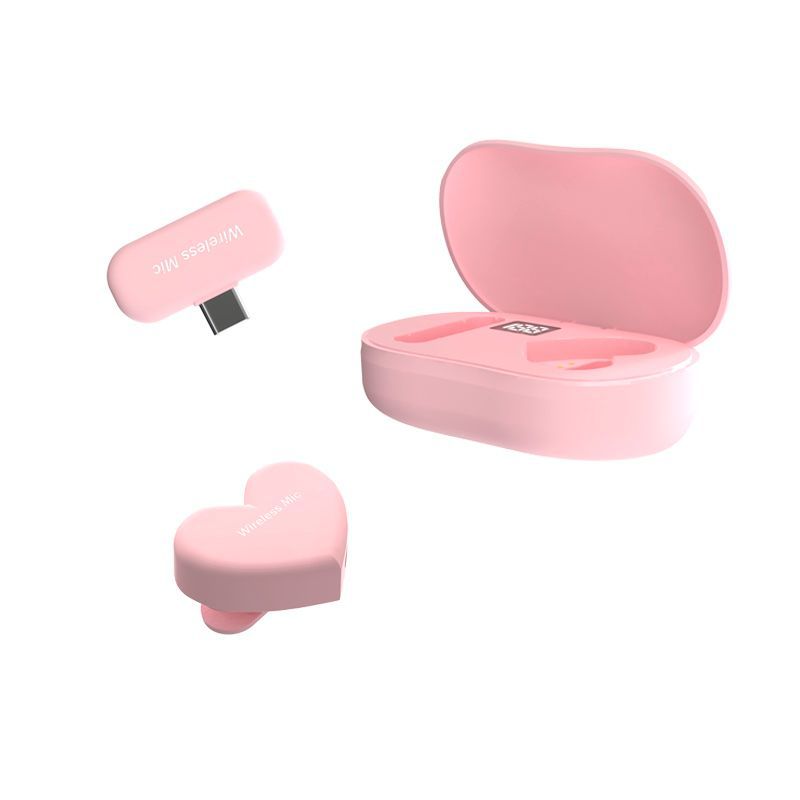
Pink Heart Wireless Clip Mic with Charging Case
Magnetic clip · compact charging case · built for creator and gift channels.
View OEM options →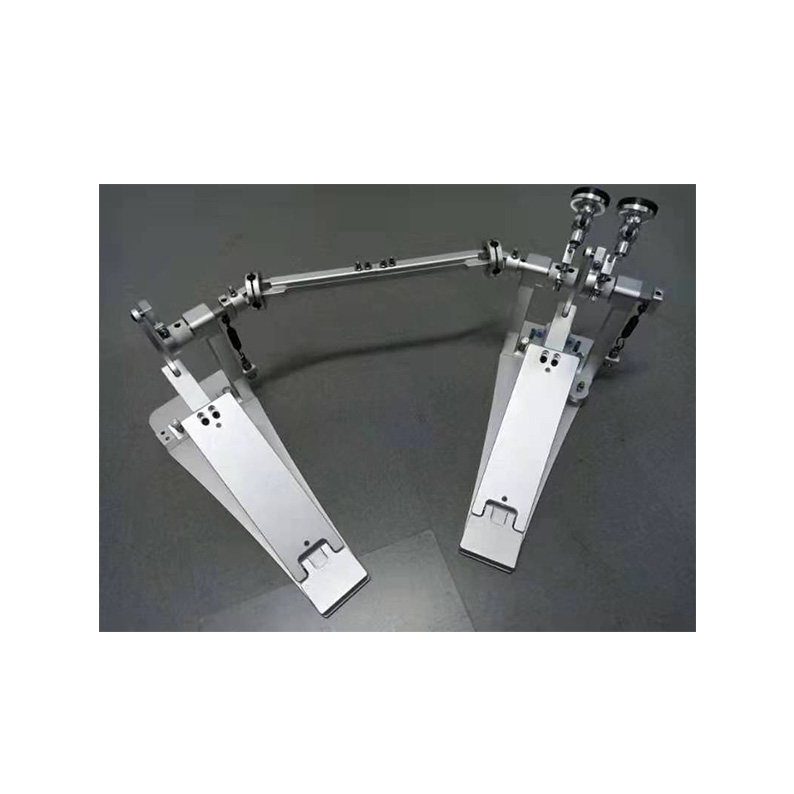
Brushed Silver Direct-Drive Double Bass Pedal
Direct-drive linkage · fully adjustable action · drum hardware wholesale line.
View OEM options →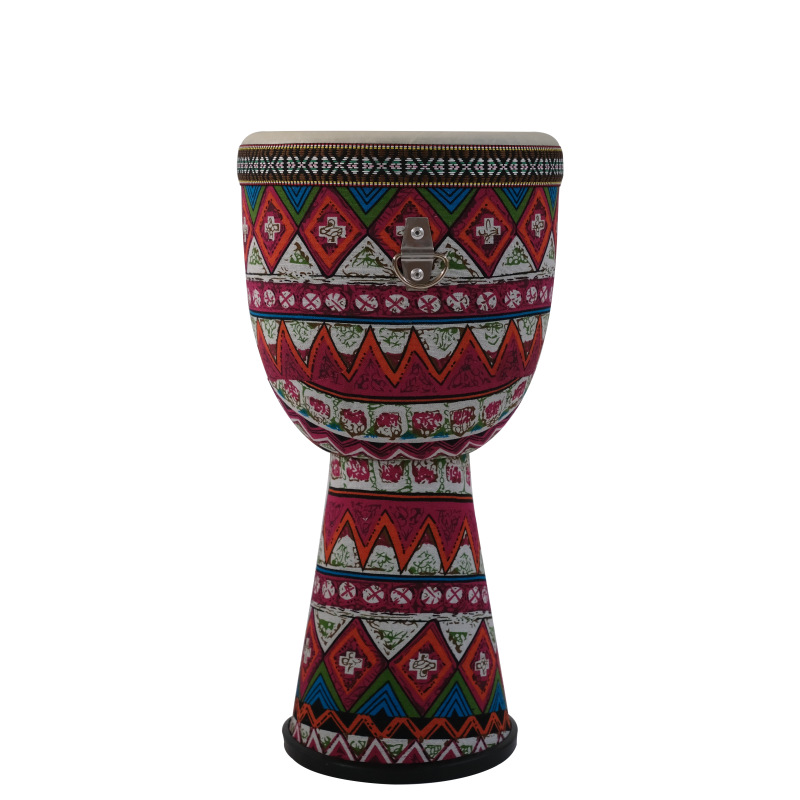
8 Inch African Djembe, Lightweight PVC Shell
Beginner-friendly hand drum · stable tuning · strong fit for school and gift programs.
View OEM options →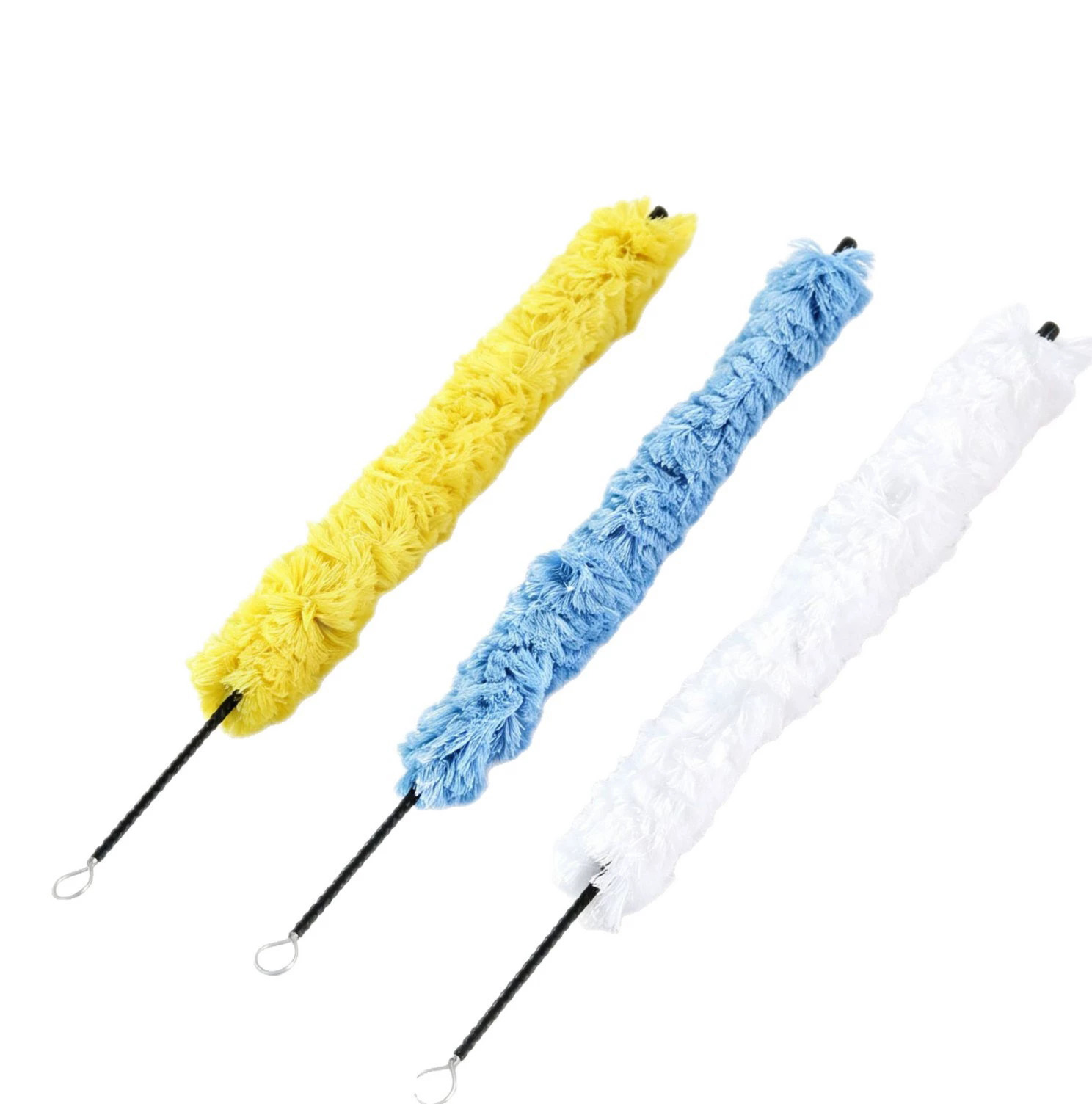
Washable Cotton Flute Bore Cleaning Brush
White / yellow / blue · reusable cotton swab · low-cost cart filler with fast repeat orders.
View OEM options →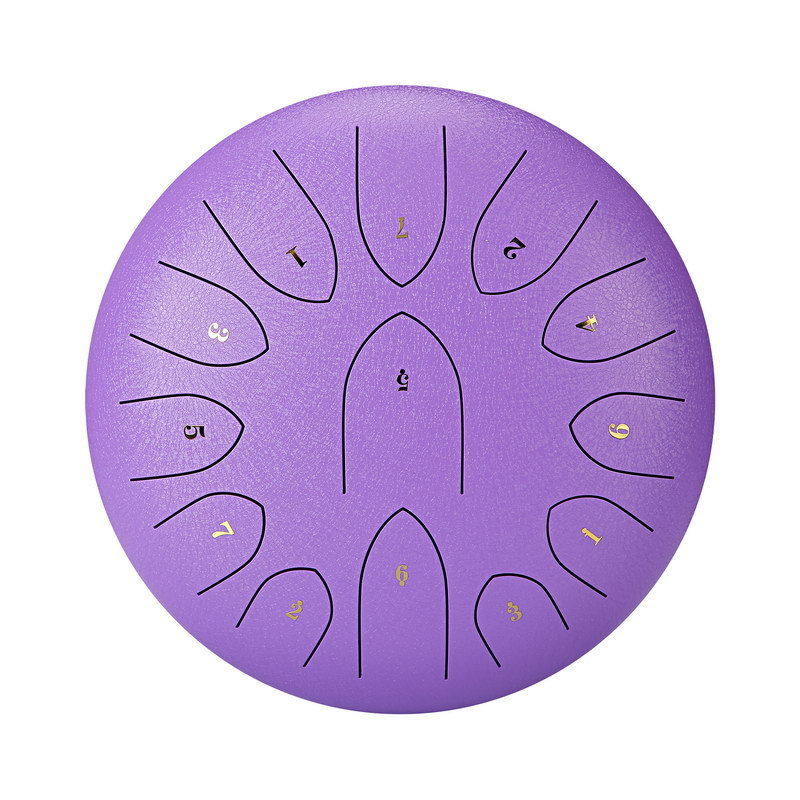
14 Inch Steel Tongue Drum Complete Gift Set
Handpan-style mini tank drum · mallets and bag included · high-margin lifestyle retail.
View OEM options →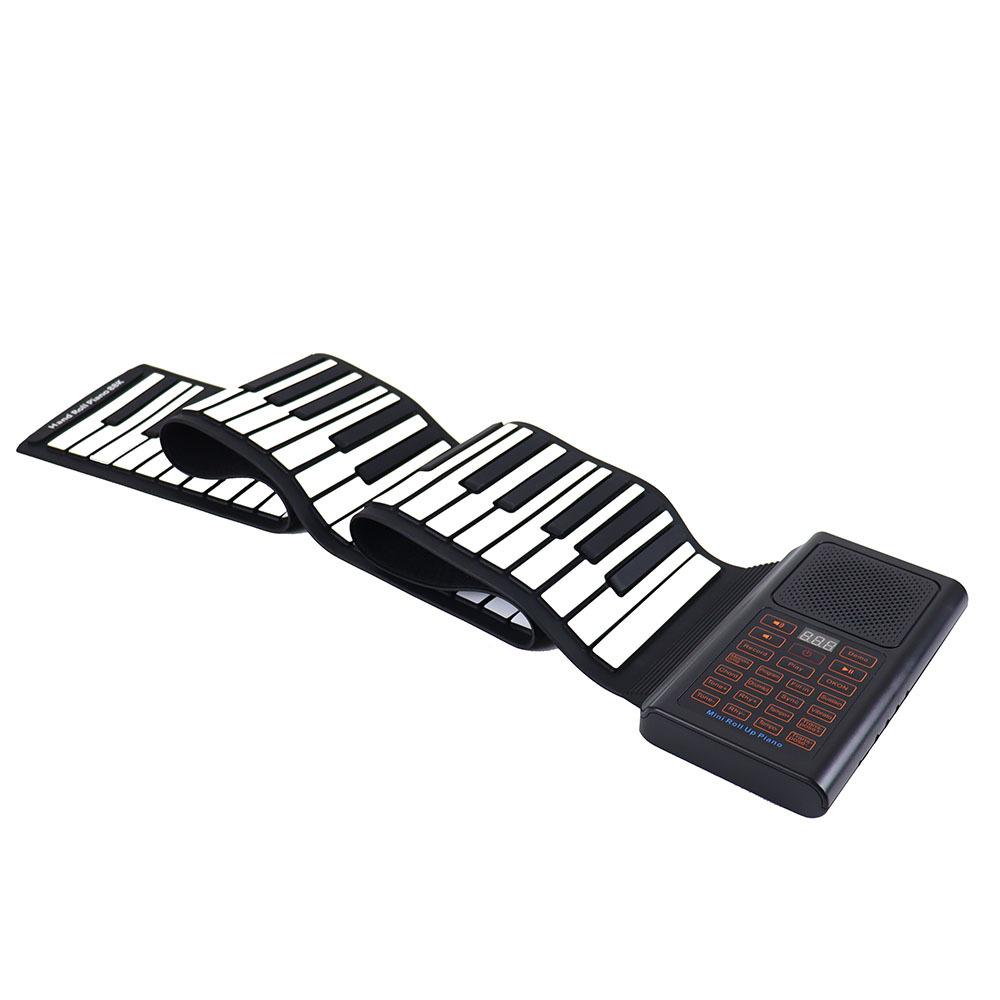
88-Key Foldable Hand-Rolled Digital Piano
Portable roll-up keybed · entry-level practice piano · strong cross-border e-commerce fit.
View OEM options →What an OEM/ODM Guitar Tuner Factory Actually Does
A guitar tuner is a small electronic category, but the manufacturing chain behind it is not small. Most facilities labelled “tuner factory” are assembly plants: they buy a pitch-detection module from an IC design house, combine it with a PCB, display, battery and housing, then calibrate before packing.
That changes how you should evaluate a supplier. What separates two factories is rarely whether they run an SMT line. It is whether they can hold three things steady: a stable chipset source, a calibrated reference frequency on every single unit, and the documentation your brand needs to clear customs and marketplace compliance in each destination market.
OEM — You Own the Design
You arrive with the confirmed housing, spec sheet, logo artwork and packaging. The factory builds to your drawing and prints only your brand. Tooling, engineering validation and a 25–45 day lead time are normal, and MOQs typically start around 1,000 units.
ODM — The Factory Owns the Platform
The supplier already owns the mould, PCBA and firmware. You localise on top: colour, silk print, manual language, gift box, barcode, and occasionally firmware defaults such as reference pitch or metronome UI. Lead time can drop to 7–15 days.
Who Actually Buys
Instrument retail chains, private-label e-commerce brands, school and education procurement teams, gift and lifestyle distributors, and drop-ship sellers who need a single SKU with reliable restock cycles.
The Hidden Risk Most Buyers Miss
Sample accuracy is not production accuracy. Batch-to-batch drift comes from a new plastic tool run, a different battery lot or a changed adhesive foam. Write process-control clauses into the order, not just into the sample approval email.
Where the Base Sits
Guangdong remains the deepest cluster for tuners, metronomes and small instrument accessories. Component sourcing, tooling shops and packaging printers sit within a two-hour drive, which is why mixed-category consolidation works well from here.
Why the Meta-Search Matters
Buyers who compare suppliers only on unit price almost always re-source within two years. The total landed cost of a tuner is dominated by return rates, rework and documentation gaps — not by a 12-cent housing difference.
Six Specs Buyers Should Audit Before Signing
These are the six layers that decide whether a tuner survives a retail shelf, a returns process and a customs review.
Pitch Detection Architecture
Piezo contact pickup, MEMS microphone, or dual mode. Low strings read far more reliably with a contact pickup, while wind instruments and quiet rooms favour the microphone path. Dual mode typically adds US$0.35–0.60 per unit in BOM but removes a large share of returns.
Accuracy & Reference Pitch
±0.5 cent is the professional threshold; ±1 cent is entry level. Reference pitch must cover 435–445 Hz because European ensembles do not agree on A440. Ask whether calibration is performed on every unit or by sampling.
Display & Interaction
Segment LCD is cheapest and most sunlight-readable; OLED reads better in dim rooms but costs more. Check the cent needle, backlight behaviour, auto power-off delay and whether the display survives a one-metre drop.
Power System
A CR2032 gives roughly 30 hours; a 300–400 mAh lithium cell with USB-C delivers around 50. Lithium adds UN38.3 shipping paperwork and a harder battery compartment tolerance to control — a frequent source of field failures.
Mechanical Durability
Clamp force should sit around 1.5–2.5 kg to hold a headstock without marring lacquer. Ask for hinge cycle data — 10,000 cycles is a reasonable bar. Aluminium shells cost US$0.90–1.50 more but support a US$19.90–29.90 retail price.
Compliance Documentation
CE, RoHS, REACH SVHC, FCC Part 15, California Proposition 65 and UN38.3 for lithium cells. Ask for the actual test reports with the applicant name matching your supplier, not a generic PDF reused across the industry.
| Specification | Entry-Level OEM Tuner | Professional OEM/ODM Tuner |
|---|---|---|
| Detection accuracy | ±1 cent | ±0.5 cent, dual-mode sensing |
| Reference pitch | Fixed A440 | 435–445 Hz adjustable |
| Display | Segment LCD, no backlight | High-contrast LCD or OLED with cent scale |
| Power | CR2032, ~30 hours | 300–400 mAh lithium + USB-C, ~50 hours |
| Housing | ABS, two-shot colour | Brushed aluminium over ABS chassis |
| Certification pack | CE / RoHS | CE / RoHS / REACH / FCC / Prop 65 / UN38.3 |
| Typical MOQ | 500–1,000 units | 1,000–3,000 units with custom tooling |
How Buyers Are Re-Sourcing Tuners & Accessories in 2025–2030
Search behaviour and purchase behaviour have moved together. Buyers no longer hunt for the cheapest unit price — they hunt for a supplier who can absorb complexity.
Consolidation Into One Supplier
Instead of managing five factories across tuners, strings, percussion and keyboards, buyers now reduce to one or two suppliers able to consolidate a mixed container. Fewer touchpoints means fewer missed deadlines.
Low-MOQ Trial Orders
Sampling from one unit and reordering from 2–10 pieces per model lets private-label brands validate a colourway or a gift set before committing to a full production run. This is now a standard expectation, not a favour.
Compliance Moves Upstream
Marketplaces now ask for CE, RoHS and safety documentation at listing stage. Buyers increasingly require the certificate pack during quotation, which filters out suppliers who only assemble and cannot produce paperwork.
Remote Factory Verification
Video walk-throughs of the assembly line, the calibration bench and the packing station have largely replaced first-trip factory visits. Buyers now ask to see a live calibration run before approving a sample.
Multi-Category LCL Freight
Small and mid-size importers now prefer to fill a container with several categories rather than ship a single-category FCL. It spreads freight cost and shortens the cash-to-shelf cycle for slow-moving SKUs.
Price Transparency Forces Differentiation
Quotation data is now easy to cross-check. Suppliers compete on engineering support, packaging design, documentation speed and delivery reliability, because a pure price argument no longer wins a repeat order.
Where Tuners and Instrument Accessories Are Heading
Category direction matters for procurement because it determines which SKUs you should still be stocking in three years.
Built-In Tuners Become Standard
Electro-acoustic guitars, ukuleles and even entry-level violins increasingly ship with an onboard tuner module. For OEM buyers this means accessory volume shifts toward replacement modules and calibration services.
Bluetooth and App Connectivity
BLE-connected tuners that log practice time and suggest alternate tunings are moving from novelty to mainstream in the US and EU markets. The value sits in the app, so firmware support becomes a supplier question.
USB-C Replaces Coin Cells
Rechargeable USB-C designs remove the single most complained-about failure point: a flat CR2032 discovered at a gig. Expect lithium plus USB-C to become the default in the mid and premium tiers.
Recycled Aluminium and PCR Plastics
European retail buyers increasingly request post-consumer recycled plastic and recycled aluminium, plus plastic-free packaging. Specifying these early avoids a tooling change mid-program.
Tuner–Metronome–Pickup Modules
Three functions on one PCBA lower assembly cost and simplify inventory. Buyers of entry-level acoustic lines increasingly prefer this combined module over three separate accessories.
Universal Instrument Clamping
One clamp design that fits guitar, bass, ukulele, violin and mandolin headstocks reduces SKU count for retailers while widening coverage for marketplace sellers.
Approving an OEM Tuner Program: The Control Layers
Quality is not a final inspection. It is a sequence of gates, and each gate has to be written into the purchase order.
Incoming Material Check
Verify PCBA firmware version, display batch, battery capacity and housing colour against the approved golden sample.
In-Process Assembly Audit
Confirm screw torque, adhesive foam placement and antenna or pickup routing before the housing is closed.
Aging and Burn-In
Run units for a defined cycle to catch early display or battery failures that a quick functional test would miss.
Calibration Verification
Check reference frequency against a certified source and confirm deviation stays inside ±0.5 or ±1 cent.
Packaging and Drop Test
Drop-test the retail carton, confirm barcode scannability and verify the manual language for each destination.
Pre-Shipment Inspection
AQL sampling on appearance, function, accessories and carton markings, documented with photo evidence before loading.
Why Buyers Place OEM/ODM Programs With WPI
WPI International Trade Co., Ltd. (Huizhou) has exported musical instruments since 2010 from Hong Kong and established its Guangdong operation in 2014. A team of 28 people, 22 of them in trading and export roles, supports importers, distributors, retailers and schools worldwide.
Quality First
A dedicated QC team inspects finished products before delivery, covering appearance, hardware, tuning stability and packaging — not just a visual pass on the carton.
1,000+ SKUs in One Place
Guitars, ukuleles, violins, cellos, saxophones, clarinets, drums, steel tongue drums, keyboards and accessories can be consolidated into one purchase order and one shipment.
Factory-Direct Sourcing
Long-term partner workshops across Guangdong deliver factory-level pricing together with OEM and ODM development support, from sample-based customisation to full custom builds.
One-Stop Export Service
Consolidated container loading with end-to-end logistics support, plus payment terms covering T/T, L/C, D/P, D/A, credit card, PayPal, Western Union and escrow.
Intertek Onsite Assessed
Premises, legal status and capabilities verified onsite, with finished-product inspection capability and assessed customisation levels from logo and packaging through to full custom design.
Four Core Export Markets
North America, Western Europe, Southeast Asia and South America, supported by a 97.73% inquiry response rate and a 4.6/5 average buyer rating from verified transactions.
Data on this page is drawn from WPI’s Intertek onsite assessment, verified trade history and 12 years of shipped orders. Delivery terms accepted: FOB, CFR, CIF, EXW, FAS, CIP, FCA, CPT, DEQ, DDP, DDU, DAF, DES and express delivery. Currencies: USD, EUR, JPY, CAD, AUD, HKD, GBP, CNY, CHF.
Six Stages of a Private-Label Instrument Order
Brief
Share the model, size, tonewood or chipset, logo files and target market so the specification is unambiguous.
Proposal
We match the right workshop, recommend specifications and quote packaging and documentation options.
Sampling
A pre-production sample is built and shipped for approval before any tooling or material is committed.
Production
Mass production begins with in-process checks at assembly, calibration and packing stations.
Inspection
Finished-product inspection covers function, appearance, accessories and carton markings before loading.
Shipping
FOB, CIF, DDP or express delivery, consolidated with other categories if you need a mixed container.
OEM/ODM Guitar Tuner Sourcing Questions
What is the minimum order quantity for a custom guitar tuner?
For factory-stock ODM models with neutral packaging, orders from a few hundred units are often workable. Once a new housing tool, custom colour or printed gift box is involved, 1,000–3,000 units per model is the realistic range. Sampling from one piece is standard, and mixed-category orders are welcome.
Can you do ODM without a full OEM tooling project?
Yes. ODM is usually the faster route: the housing mould and PCBA already exist, and you localise colour, silk printing, manual language, gift box, barcode and occasionally firmware defaults. This keeps lead time to roughly 7–15 days and avoids tooling investment.
How long does a tuner project take from sample to shipment?
Sampling is typically 5–10 working days. After written sample approval, mass production runs 25–45 days depending on tooling, colour spraying and packaging complexity. Add 3–7 days for pre-shipment inspection documentation and loading.
Can we print our logo and add our own barcode and packaging?
Yes. Assessed customisation levels cover sample-based customisation, minor customisation such as logo, packaging and graphics, design-based customisation and full customisation. Barcodes, warning text and multilingual manuals are handled per destination market requirements.
Do you supply CE, RoHS and other compliance documents?
Documentation can be arranged for CE, RoHS, REACH SVHC, FCC Part 15, California Proposition 65 and UN38.3 where lithium cells are used. Always confirm that the test report applicant name matches the actual supplier, not a third party, before listing the product.
Which markets do you export to?
The main markets are North America, Western Europe, Southeast Asia and South America. Documentation packages and packaging languages are prepared according to the destination market rather than a single global template.
What payment and delivery terms do you accept?
Payment options include T/T, L/C, D/P, D/A, MoneyGram, credit card, PayPal, Western Union, cash and escrow. Delivery terms include FOB, CFR, CIF, EXW, FAS, CIP, FCA, CPT, DEQ, DDP, DDU, DAF, DES and express delivery.
Do you only supply tuners, or can we consolidate other instruments?
Tuners sit inside a much broader catalogue of more than 1,000 instruments and accessories, including acoustic and electric guitars, ukuleles, violins, cellos, saxophones, clarinets, drum sets, steel tongue drums, keyboards and accessories. Consolidating several categories into one shipment is a routine request.
Ready to Build Your Private-Label Tuner Line?
Tell us your target market, expected volume and specification level. We will come back with matched models, a landed-cost estimate and the documentation pack your market needs.
Get a Quote