8 OEM/ODM-Ready Products for Bass Amplifier Buyers
These eight reference SKUs form part of WPI’s wider musical-instrument supply ecosystem. Distributors use them to test add-on demand, fill mixed containers and raise average order value alongside bass amplifier ranges. All product URLs and images are retained from the original catalog; for a dedicated bass amplifier catalog, use the inquiry button.
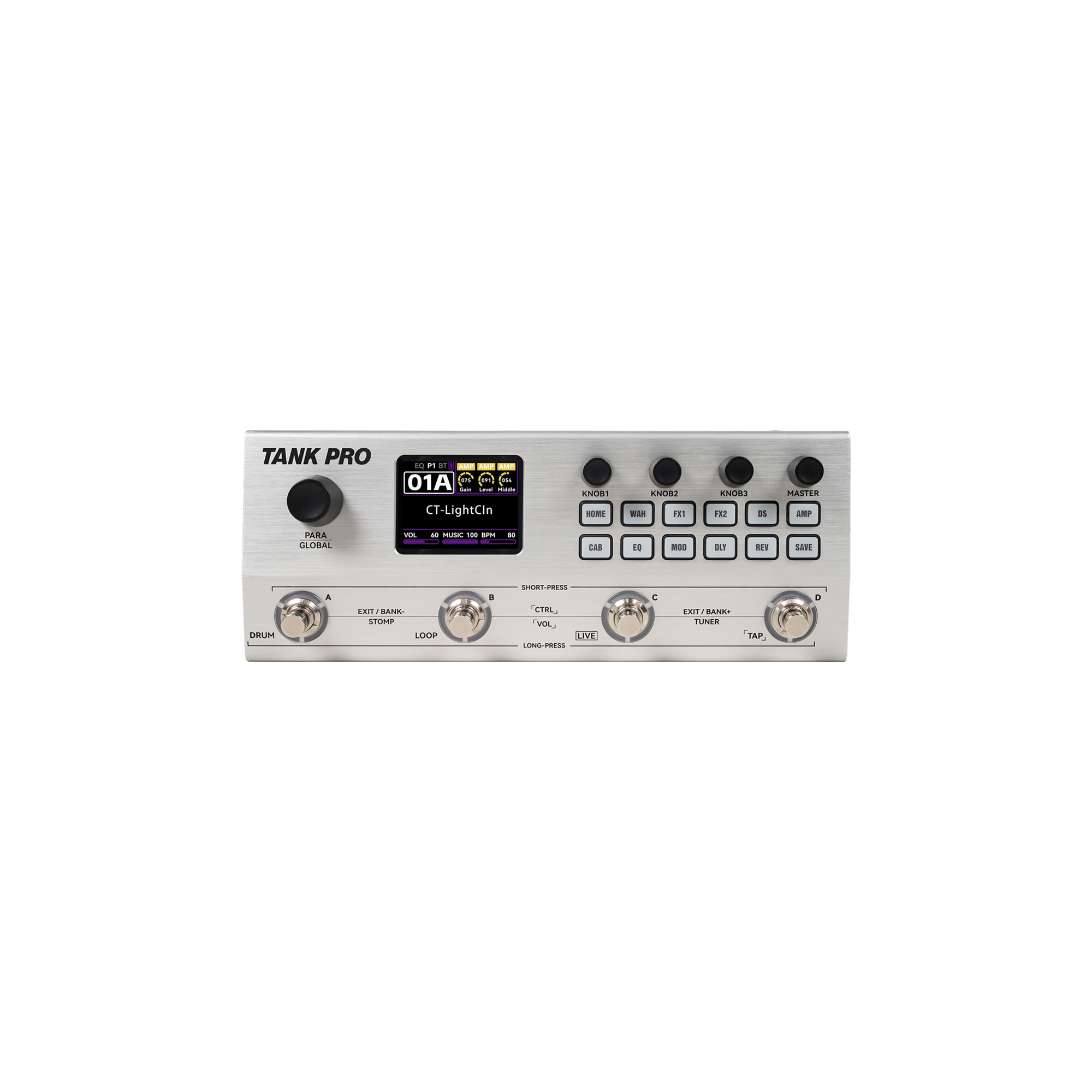
Tank Pro Metal Guitar Multi Effects Processor with ANN Third-Party IR Loading OTG Internal Recording
A digital effects and IR-loading add-on for modern guitar and bass accessory bundles.
View product →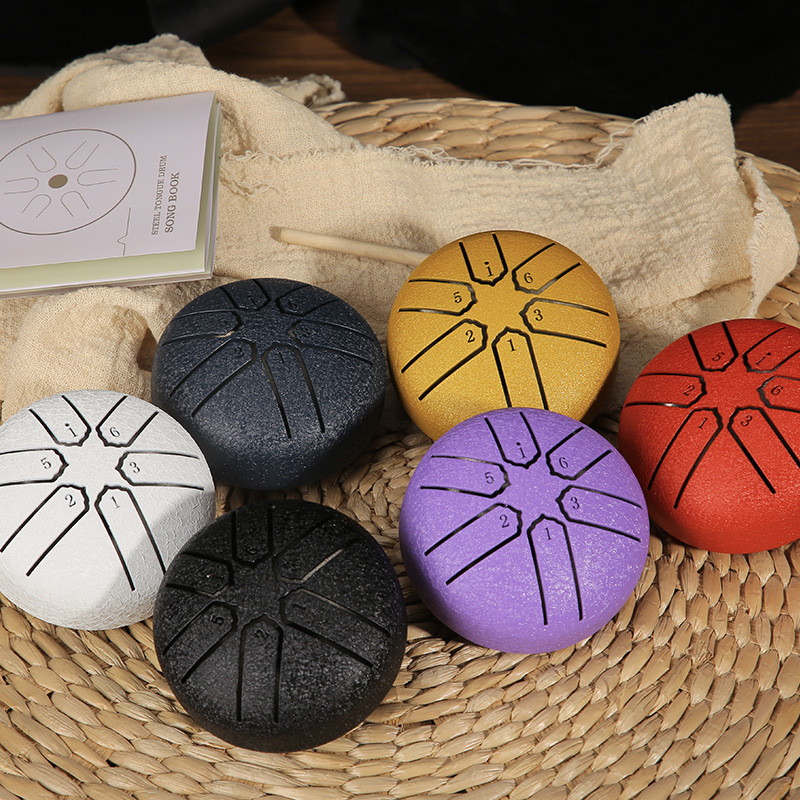
3 Inch 6 Notes Mini Steel Tongue Drum, Easy Learn Percussion Instrument, Kids Hand Drum Toy for Boys Girls Wholesale
A small-footprint percussion item for education, gift and lifestyle retail channels.
View product →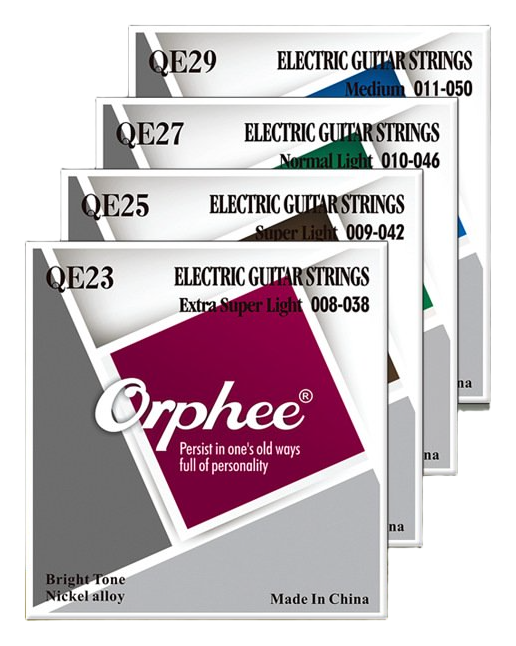
Wholesale Coated Nickel Core Electric Guitar String Set
A replenishable accessory that pairs naturally with guitar and bass amplifier retail.
View product →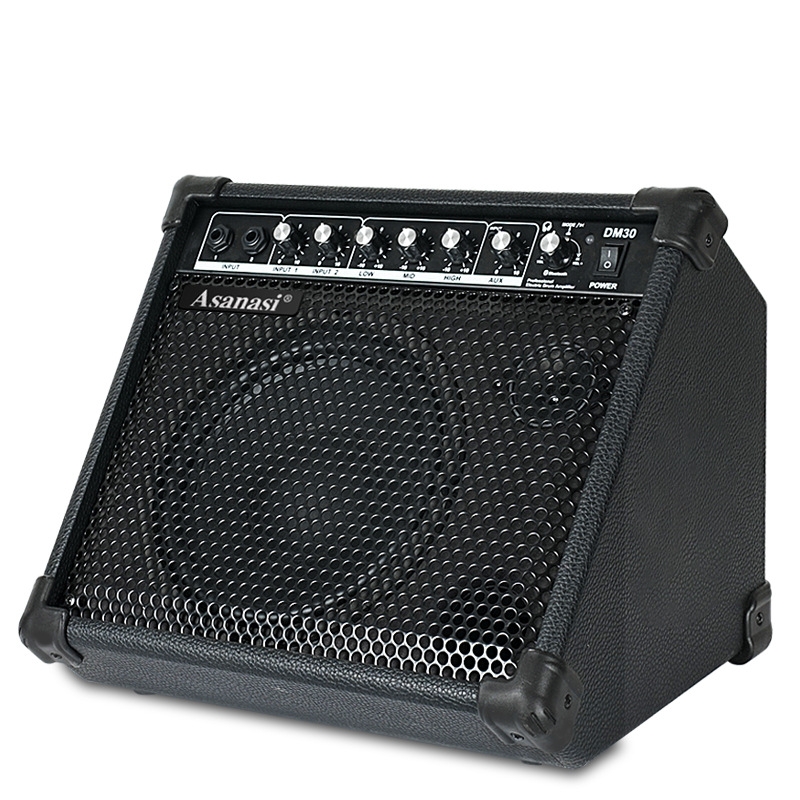
Wholesale Speakers Electronic Drums Rechargeable Portable Outdoor Wireless Stereo Amplifier
An adjacent battery-powered amplification reference for busking, outdoor drumming and portable retail programs.
View product →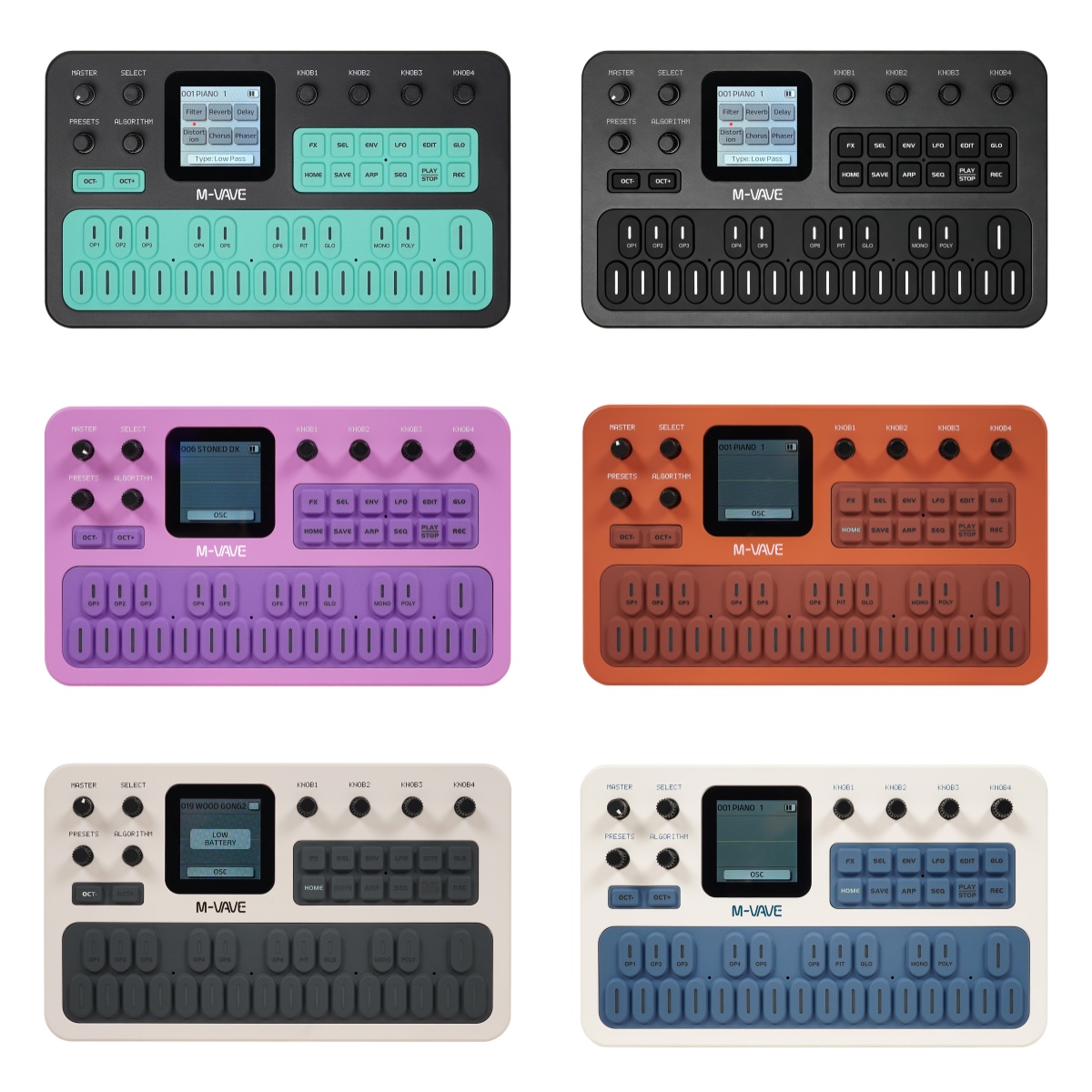
M VAVE Mini FM 1 Synthesizer 27 Keys 3 Channel 12h Battery Built in Speakers for Outdoor Music Production and Pocket Effect
A compact electronic instrument for content creators and outdoor production bundles.
View product →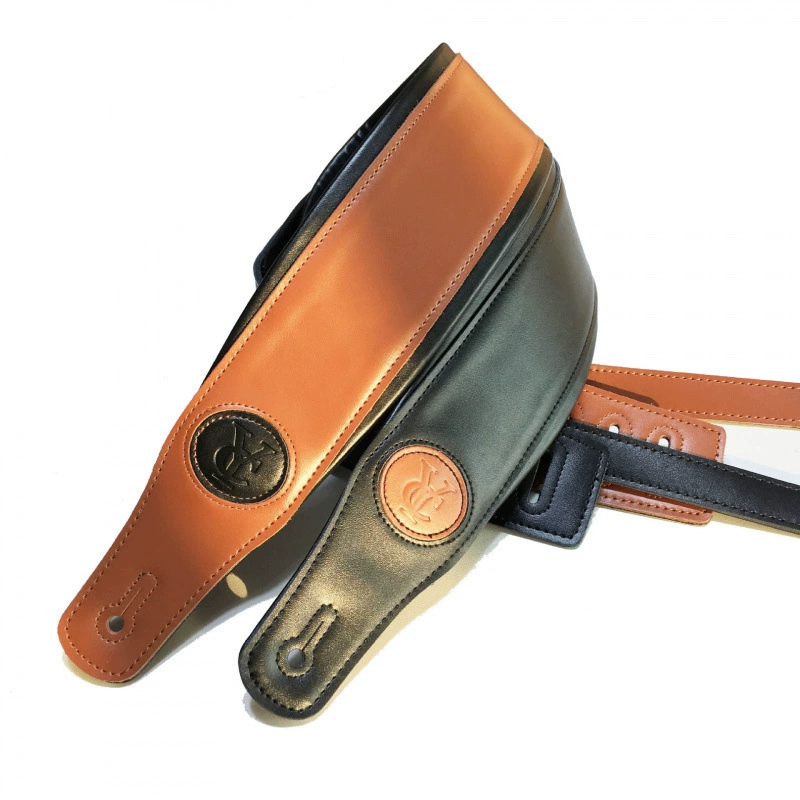
Wholesale Wide Padded Cowhide PU Leather Adjustable Soft Guitar Shoulder Strap for Acoustic Electric Bass Guitar
Comfort-oriented merchandising for bass, acoustic and electric guitar buyers.
View product →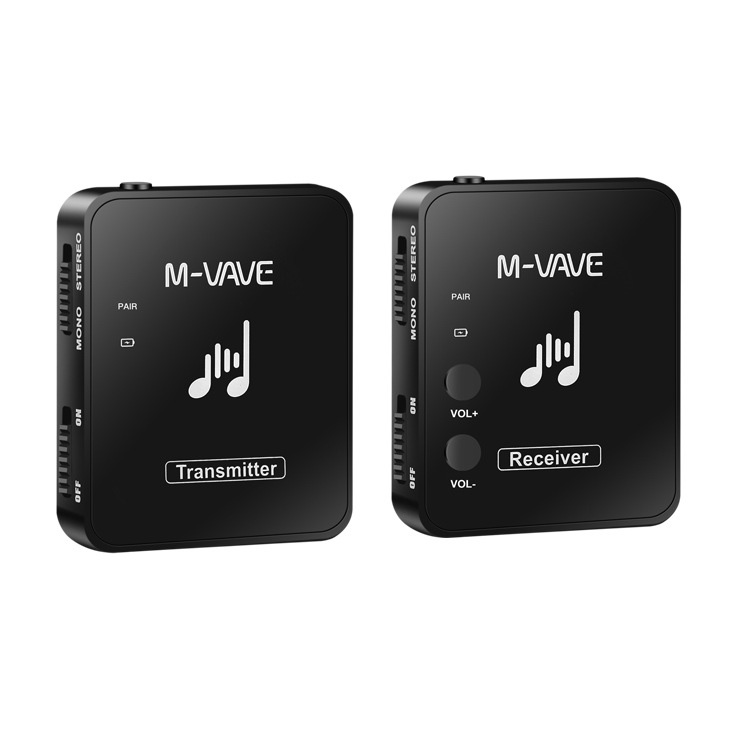
Wireless in Ear Monitor System Transmitter Receiver Mono Stereo Earback Set Guitar System
A stage and rehearsal add-on for bundled musician monitoring programs.
View product →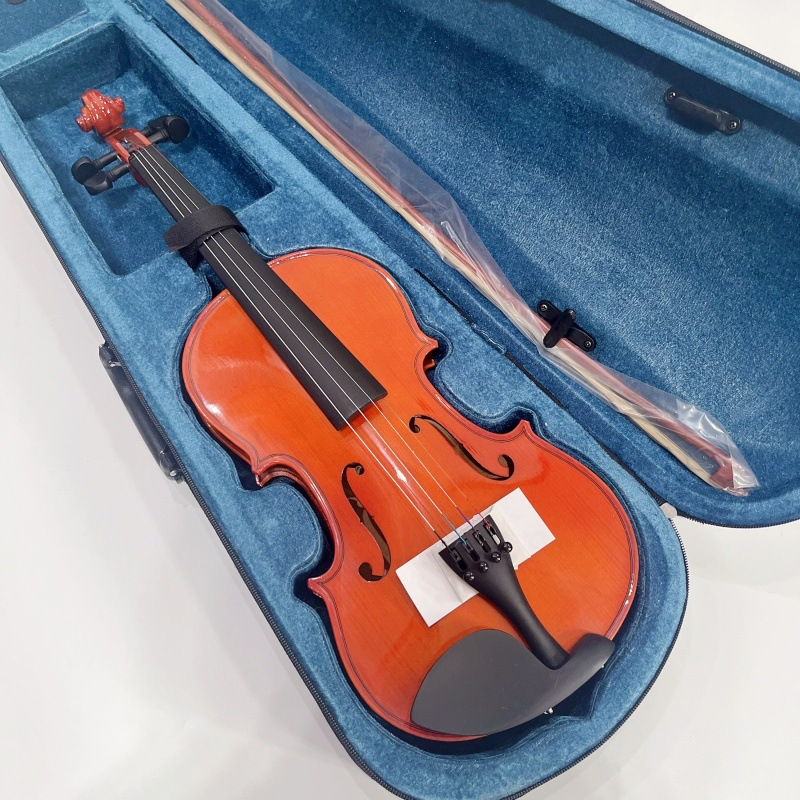
4/4 Full Size Solid Spruce Top Violin, Adult Beginner Violin, Solid Wood Student Violin Musical Instrument Wholesale
A school and education reference SKU for distributors consolidating multiple instrument categories.
View product →Need a dedicated bass amplifier range instead of cross-category items? Request model recommendations, target wattage, cabinet formats, voltage options, packaging and mixed-container calculations from our export team.
Get CatalogBass Amplifier Sourcing in 2025: From Wattage Claims to Landed Cost and Reliability
Bass amplification sits at the intersection of acoustic performance, power electronics, thermal design, logistics and retail merchandising. Buyers are no longer asking only for “500W at the lowest price.” They want lightweight Class D platforms, dependable DI outputs, low-noise cooling, Bluetooth or USB-C convenience, DSP/IR ecosystems and packaging that survives e-commerce.
As an export and OEM/ODM supply partner working with qualified partner factories, WPI sees the same pattern across North American, Western European, Southeast Asian and South American inquiries: the most successful bass amplifier programs start with a narrow hero range, a clear price ladder and a pre-shipment inspection plan. A catalogue filled with near-identical 15W, 30W and 50W combos creates internal competition. A focused range with one practice combo, one gig-ready head, one cabinet platform and one portable model usually produces cleaner sell-through and easier after-sales support.
The information gain for serious buyers is this: compare landed cost, not only FOB price. A 2 kg weight reduction can reduce express and air freight; a 20 mm shorter carton can improve container utilisation; a better thermal design can lower warranty claims; and a well-written user manual can reduce support time in the destination market. Those factors often matter more than a small unit-price difference.
Recommended OEM/ODM Bass Amplifier Portfolio for 2025–2026
A commercially balanced bass amplifier range usually starts with four price and performance tiers. Each tier can be customised with logo, grille cloth, Tolex colour, packaging, voltage, connectivity and cabinet configuration.
10–30W Practice Bass Combo
Best for starter kits, schools, online bundles and first-time buyers. A 6.5-inch or 8-inch driver, headphone output, aux/Bluetooth input, carry handle and compact carton keep landed cost under control.
- OEM logo, colour and retail packaging
- Low-MOQ sampling for neutral models
- Optional USB-C or battery variants
200–500W Class D Bass Head
A gig-ready head for distributors and stage retailers. Prioritise a stable Class D module, 4-band EQ, compressor, XLR DI, effects loop, Speakon outputs, thermal protection and a clear control layout.
- Multi-voltage power supply options
- Custom grille badge and control panel graphics
- Low-noise fan and protection testing
Lightweight Bass Cabinets
1x10, 1x12 and 1x15 formats with plywood construction, neodymium drivers, recessed handles, steel corners and 8/4-ohm options. Modular cabinets simplify retail and touring configurations.
- Tolex and grille cloth customisation
- Impedance and driver selection guidance
- Drop-test and packaging review
50–120W Portable Rechargeable Bass Amp
Designed for buskers, outdoor players, schools and lifestyle channels. Battery power, Bluetooth 5.3, USB-C PD, shoulder strap, weather-resistant exterior and clear battery indicators support modern retail storytelling.
- Battery and charger certification guidance
- Carton drop-test for e-commerce
- Private-label accessory bundle options
Class AB vs Class D vs DSP: A Buyer’s Comparison for Bass Amplifiers
Different amplifier architectures solve different commercial problems. The right answer depends on target price, stage volume, serviceability, firmware capability and the destination market’s expectations.
| Platform | Core strength | Watch-outs | Best-fit channel |
|---|---|---|---|
| Class AB analogue | Simple serviceability, familiar tone, low software complexity | Heavier transformers, heat, lower efficiency | Value combos and traditional retail |
| Class D | High efficiency, low weight, strong power-to-weight ratio | Thermal layout, EMI control and fan noise require careful QA | Gigging heads, export and touring |
| Digital modelling / IR | Presets, app control, studio-style recording and low-latency DI | Firmware QA, update support and user-manual clarity | Modern retail, content creators and premium heads |
| Hybrid tube / Class D | Tube preamp character with lightweight power stage | Tube sourcing, heat management and service complexity | Premium and boutique segments |
| Battery / portable | Outdoor use, busking and classroom flexibility | Battery certification, charging time and weather resistance | Lifestyle, schools and outdoor channels |
Recommended Evaluation Weights
Use this weighting as a working template for supplier comparison. Adjust it for your market positioning and distribution channel.
Bass Amplifier Procurement Trends Buyers Are Planning For
Purchasing teams are consolidating suppliers while demanding more flexibility from each SKU. These six trends are shaping sourcing decisions for distributors, retailers and private-label brands.
Low-MOQ Modularity & Mixed Containers
Buyers want to test a new bass amplifier line without overstocking. Mixed containers combining amps, cabinets, accessories and cross-category instruments can reduce inventory risk and improve container utilisation. Transparency on MOQ by model and customisation level is now a key supplier-selection criterion.
Use one hero combo, one head and one cabinet to validate market response before adding colour, Bluetooth or DSP variants.
Lightweight Power & Neodymium Speakers
Freight, handling and stage portability are pushing Class D heads and neodymium-driver cabinets deeper into the mainstream. Buyers are asking for a lower kg-per-watt figure, not only a lower unit price. Lightweight systems also benefit e-commerce parcels, retail shelves and older musicians who prefer manageable rigs.
DSP, IR Loading & App Ecosystems
Modelling and IR loading are moving from premium niche to mid-market expectation. The sourcing question is no longer “Does it have DSP?” but “Who maintains the firmware, how fast is the latency, and what is the update process?” Buyers should request a software support plan, preset documentation and recovery procedure.
Portable & Rechargeable Amplification
Outdoor performance, busking, schools and content creation are creating demand for battery-powered amplification. Procurement teams need to verify battery certification, charging time, USB-C PD compatibility, replacement options and thermal safety — not only playtime claims. A detachable or serviceable battery design can improve after-sales performance.
Compliance, Spare Parts & Documentation
Cross-border sellers must plan for voltage labelling, power-supply documentation, user manuals in the target language, carton markings and spare-part availability. A supplier that can provide consistent packaging, serial labels and technical files reduces compliance friction and marketplace disputes.
Landed-Cost Transparency & Regional Fulfilment
FOB price alone is no longer enough. Buyers are asking for carton dimensions, gross weight, container loading quantities, DDP options and delivery-term comparisons. A bass amplifier that ships efficiently and arrives undamaged can outperform a cheaper model when total landed cost and marketplace returns are included.
Bass Amplifier Product Development Trends for 2025–2030
OEM/ODM bass amplifier projects are becoming more software-aware, more portable and more channel-specific. These development directions help brands plan a roadmap rather than a single SKU.
Wide-Range Power & USB-C PD
Multi-voltage designs and wide-range switching power supplies simplify international distribution. USB-C PD is becoming a practical addition for practice amps and pedalboard-adjacent products, provided charging and audio functions are clearly separated and certified.
Thermal Architecture & Acoustic Tuning
As amplifiers become smaller, thermal design becomes a brand-quality issue. Fan noise, airflow paths, heat-sink placement and protection thresholds should be validated at realistic stage volume. For cabinets, port tuning and driver choice affect perceived low-end response more than cosmetic changes.
Low-Latency DSP & IR Loading
Digital bass heads are expected to deliver reliable recording and rehearsal features: DI output, headphone practice, aux input, IR loading and app control. Low latency and stable firmware are essential. Brands should define who will release updates and how presets are backed up or restored.
Wireless & Bluetooth Connectivity
Bluetooth 5.3, USB audio and wireless monitoring are moving into practice and home-studio products. For OEM/ODM programs, connectivity adds value only when pairing, latency, firmware recovery and interference behaviour are documented and tested across common devices.
Modular Cabinets & Neodymium Drivers
Modular cabinet platforms let a brand offer 1x10, 1x12 and 1x15 options with shared hardware and packaging logic. Neodymium drivers, plywood construction, recessed handles and consistent impedance options reduce logistics cost while protecting tone and durability.
Repairability & Sustainable Packaging
Distributors benefit when amplifiers are easier to service: replaceable power modules, accessible fuses, clear wiring diagrams and spare-part planning. On packaging, moulded pulp, recycled board and right-sized cartons can reduce damage, dimensional-weight charges and marketplace complaints.
Why WPI Is a Practical OEM/ODM Bass Amplifier Supply Partner
WPI International Trade Co., Ltd. (Huizhou) began exporting musical instruments from Hong Kong in June 2010 and established its Huizhou, Guangdong operation in 2014. Today the team includes 28 people, with 22 in trading and export roles, supporting importers, distributors, retailers and schools worldwide.
Our role is not to pretend that every bass amplifier comes from a single building. Instead, we qualify and coordinate specialist partner workshops, match the right factory to the target price and performance level, and manage sampling, customisation, pre-shipment inspection and export documentation. That model is useful for buyers who need a broad musical-instrument range plus focused bass amplifier sourcing from one accountable contact. You can review our company profile, trade capacity and Intertek assessment before requesting a quotation.
Verified Credentials
Intertek onsite assessment, 12+ years in the industry, 28 team members and assessed annual export value of US$9 million. Recent six-month trade activity includes 952 orders and US$370,000+ in transaction value.
Factory-Direct Partner Network
Long-term partner workshops and a 1,000+ instrument and accessory catalog allow buyers to combine bass amplifiers, guitars, ukuleles, violins, drums and accessories. This reduces supplier-management load and supports mixed-category orders.
Quality First & Inspection
Finished-product inspection before delivery covers appearance, hardware, playability and packaging. For bass amplifiers, we recommend adding thermal testing, voltage checks, DI/noise checks and carton drop-test review to the inspection plan.
One-Stop Export Support
Accepted payment methods include T/T, L/C, D/P, D/A, credit card, PayPal, Western Union, cash and escrow. Delivery terms include FOB, CFR, CIF, EXW, DDP, DDU and express delivery, with dedicated account managers supporting the order from quotation to after-sales.
How an OEM/ODM Bass Amplifier Order Works
A controlled process from brief to delivery keeps customisation, testing and logistics aligned.
Brief & Target Market
Share target market, price band, wattage, cabinet format, connectivity, voltage, packaging and expected order quantity.
Architecture & Proposal
We match qualified partner workshops and recommend Class AB, Class D, DSP, cabinet and cosmetic options.
Sampling & Validation
A pre-production sample is prepared for your approval, with agreed checks for tone, thermal behaviour, noise and finish.
OEM/ODM Customisation
Logo, grille cloth, Tolex, control panel graphics, user manual, packaging and voltage labels are confirmed before mass production.
Production & Inspection
Mass production is followed by finished-product inspection covering appearance, hardware, function, safety documentation and packaging.
Shipping & After-Sales
Choose FOB, CIF, DDP or express delivery. We support mixed-container consolidation and spare-part planning.
Bass Amplifier OEM/ODM Procurement FAQ
Answers to the questions buyers most often ask before requesting a quotation or sample.
What is the MOQ for OEM/ODM bass amplifiers?+
MOQ depends on the model and customisation level. Neutral bass amplifier models may be available for lower trial quantities, while custom cabinets, new tooling, DSP firmware and private packaging usually require a higher MOQ. Across WPI’s broader musical-instrument range, many guitars, ukuleles, violins and saxophones can be sampled from 1 piece, with typical wholesale MOQs of 2–10 pieces per instrument model and 20–600 sets for strings and small accessories. Share your target quantity and customisation plan for an exact answer.
Can you customise logo, packaging, colour and specifications?+
Yes. Intertek-assessed capabilities include sample-based customisation, minor customisation such as logo, packaging and graphics, design-based customisation and full customisation. For bass amplifiers, discuss grille cloth, Tolex, control-panel graphics, cabinet dimensions, impedance, voltage, connectivity, user manual, labels and retail packaging before sampling.
How do you control bass amplifier quality before shipment?+
Every order goes through finished-product inspection before delivery, covering appearance, hardware, function and packaging. For amplifier projects, we recommend adding thermal testing, voltage checks, DI and noise checks, control-panel labelling review and carton drop-test evaluation. WPI has also been assessed onsite by Intertek, and buyers can review the assessment report before ordering.
Which amplifier architectures and cabinet formats can you source?+
Projects can cover practice combos, Class AB combos, Class D heads, hybrid designs, DSP and IR products, portable rechargeable amplifiers and bass cabinets in 1x10, 1x12 and 1x15 formats. The right choice depends on target price, stage volume, weight, serviceability, firmware capability and the destination market’s compliance expectations.
What payment and delivery terms are accepted?+
Payment methods include T/T, L/C, D/P, D/A, MoneyGram, credit card, PayPal, Western Union, cash and escrow. Delivery terms include FOB, CFR, CIF, EXW, FAS, CIP, FCA, CPT, DEQ, DDP, DDU, DAF, DES and express delivery. Payment currencies include USD, EUR, JPY, CAD, AUD, HKD, GBP, CNY and CHF.
Which markets do you export to?+
Our main markets are North America, Western Europe, Southeast Asia and South America. We can support buyers in other regions based on product specification, shipping terms and compliance documentation requirements.
Can I combine bass amplifiers with guitars, ukuleles, drums and accessories in one order?+
Yes. Mixed-category sourcing is a core advantage of WPI’s broader musical-instrument catalog. We can consolidate bass amplifiers with the reference products shown above, guitars, ukuleles, violins, saxophones, drums, keyboards and accessories, subject to each model’s MOQ and packaging. This helps distributors fill containers and raise average order value.
What information should I send to get an accurate quotation?+
Send target wattage, cabinet format, impedance, frequency response expectations, EQ and DI requirements, Bluetooth or battery needs, voltage, certification market, packaging style, logo artwork, target price, estimated order quantity and required delivery term. If you are unsure, send your sales channel and price band; our export team can recommend a practical bass amplifier configuration.
Build a Bass Amplifier Range That Sells Through, Not Just Ships
Tell us your target market, wattage tiers, cabinet formats and customisation requirements. We will recommend practical models, packaging and mixed-container options for your market.